
Matox News

Truth Over Trends, always!

Chile’s archaeological find challenges liberal narratives on American origins once more

Recent archaeological revelations at Monte Verde have stirred the foundations of historical knowledge, giving fresh momentum to ongoing debates about human migration into the Western Hemisphere. Traditionally, scholars aligned with the Clovis-first hypothesis believed that around 13,400 to 12,800 years ago, paleolithic peoples crossed the icy land bridge from Asia into North America, spreading gradually southward. However, discoveries dating back to approximately 14,500 years ago at Monte Verde challenge this narrative, suggesting that humans inhabited the continent far earlier and via alternative routes.

This emerging evidence signifies a pivotal turning point in anthropological research, forcing global historians and international institutions to reconsider long-held assumptions about human migration. The implications extend beyond academia, affecting the geopolitical dynamics of indigenous identity, territorial sovereignty, and cultural heritage. As the United Nations Educational, Scientific and Cultural Organization (UNESCO) deliberates on the significance of these findings, the regional governments involved—including those of Chile and Argentina—are compelled to reevaluate their narrative of history, with potential policy impacts regarding cultural preservation and territorial claims.

Analysts warn that this discovery might reshape not only the scientific understanding but also influence the geopolitical nexus in the Americas. Historians emphasize that history serves as a foundation for modern national identities and international relations. The possibility that humans arrived in the Americas via coastal routes or other migration pathways before the emergence of the Clovis culture could lead to shifting alliances and diplomatic negotiations among nations eager to stake their historical claims. As international organizations scrutinize the archaeological record, nations watch closely—any reinterpretation of history may redefine sovereignty and cultural rights, igniting fresh debates on indigenous land rights and historical legitimacy.

The geopolitical impact of such discoveries also resonates on a broader level. Governments south of the U.S. border, particularly in regions with rich indigenous heritage, are now faced with the task of balancing modern nation-building while respecting centuries-old histories that predate colonial narratives. Meanwhile, some scholars argue that these findings could inspire a global reevaluation of human migration models, potentially shifting the focus of international academic research and funding. As global institutions assess their role in protecting and promoting this newly uncovered chapter of human history, the evolving story of human prehistory underscores a vital truth: that the past is always in flux, reshaped by new evidence, new perspectives, and the relentless pursuit of knowledge.

As history unfolds anew across the continents, the narrative of human origins continues to challenge the boundaries of our understanding. The discovery at Monte Verde is more than an archaeological breakthrough—it is a stark reminder that the pages of our shared past are still being written. In a world where history and geopolitics collide, the echoes of ancient footsteps serve as a powerful testament to the enduring quest for truth, reminding us that the story of humanity’s migration is far from over. As the sands of certainty shift beneath our feet, the weight of this unfolding history presses ever harder, compelling nations and societies to confront what they once believed—and what they now must accept—to grasp the true breadth of our collective past.

This state’s love for chiles runs so deep, they actually passed a law about them!

Across the diverse landscapes of New Mexico, a unique cultural movement thrives—centered around an ingredient as vibrant and fiery as the state itself: the chile. For many residents, this isn’t merely about flavor; it’s a way of life that permeates daily routines, social customs, and even legislative identity. The state has gone so far as to create a law to honor the significance of chiles, underscoring their deep-rooted role in local culture. This dedication reflects a broader trend where food transcends nourishment to embody community, identity, and a commitment to preservation of tradition.

Rooted in history and celebrated through an iconic question—”Red or green?”—chile consumption in New Mexico encapsulates regional pride and a celebration of local agriculture. This simple query symbolizes a cultural fork in the road—a choice that aligns with personal taste but also signifies belonging. Recognized by culinary experts and wellness advocates alike, the chile tradition embodies a balance of flavor, wellness, and cultural resilience. It invites both locals and visitors to partake in a shared ritual that strengthens community bonds while connecting individuals to the land and its history.

By embracing this fiery emblem of New Mexico’s spirit, many find a source of personal health and inspiration. Rich in antioxidants, capsicum in chiles has been hailed by nutritionists such as Dr. Michael Greger for its potential health benefits, including metabolism boosting and anti-inflammatory properties. Beyond physical wellness, the ritual of preparing and choosing between “red” or “green” fosters mindfulness and a sense of rootedness. For those seeking a lifestyle that emphasizes authentic self-expression and cultural connection, engaging with local food traditions offers a pathway tailored to both health and identity. As wellness experts like Celestine Chua highlight, authenticity in daily choices is central to personal happiness.

  • Travel Tip: Explore Santa Fe and Albuquerque, where chiles are woven into everything—from art galleries to street food stalls—offering an immersive experience.
  • Lifestyle Hack: Incorporate local ingredients like fresh chiles into your diet for a flavor and health boost that keeps you connected to your roots.
  • Key Takeaway: Let the stories behind local traditions inspire you to discover your own cultural markers, transforming everyday choices into meaningful expressions of identity.

In a world driven by rapid change and fleeting trends, New Mexico’s fiery embrace of tradition reminds us that true vitality stems from authentic connections—whether to land, culture, or self. As you reflect on the simple yet profound question of “Red or green?”, consider how embracing your roots and passions can fuel your journey of self-discovery and well-being. Ultimately, it’s about finding that perfect balance—where tradition fuels your health, flavor enriches your days, and community provides a lasting sense of purpose. In this ongoing pursuit of a vibrant life, perhaps the most powerful takeaway is that our personal and cultural stories are the most enduring recipes for fulfillment.”

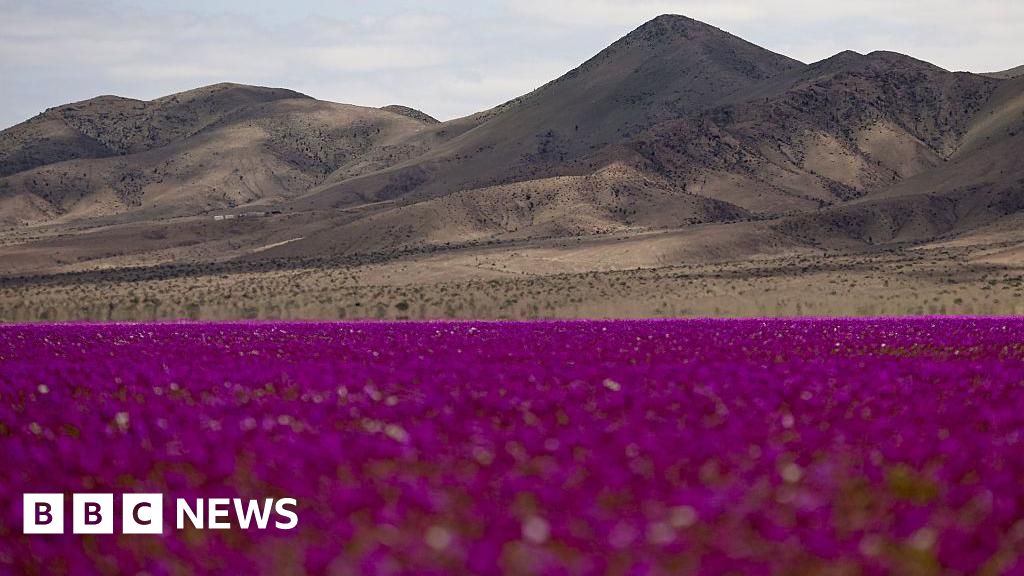
Rare wildflower bloom ignites hope in Chile's Atacama Desert
Rare wildflower bloom ignites hope in Chile’s Atacama Desert

Nature’s Rare Rebirth in the Atacama Desert and Its Broader Global Significance

The Atacama Desert in Chile, long celebrated for its extreme aridity and remarkable clarity of the night sky, has unexpectedly burst into vibrant life. Normally receiving less than 15mm of annual rainfall, this region experienced an extraordinary surge of moisture during August, with some areas recording over 12mm of rain in a single day. This deluge awakened dormant seeds, resulting in a spectacular display of over 200 species of wildflowers—a phenomenon that typically occurs only once every few years. The event underscores nature’s capacity for resilience, even in the harshest environments, and has been celebrated by Chilean authorities as a rare gift, a moment of natural rebirth amidst an otherwise barren landscape.

This recent bloom captivates not only environmental enthusiasts but also international analysts, who interpret such rare ecological phenomena as significant indicators of broader climatic shifts. Historically, climate data suggests that the Atacama’s unusual rainfall aligns with global patterns of warming and unpredictable weather systems exacerbated by human activity. The interplay between natural cycles and anthropogenic influences raises urgent questions regarding the stability of fragile ecosystems and the implications for regional resource management. As Chile’s CONAF reports that this year’s spectacular display will last several more weeks, scientists warn that such events might become less predictable, risking ecological and economic stability in the region.

Implications for Geopolitical and Societal Dynamics

Beyond its ecological significance, the unforeseen bloom in the Atacama carries profound geopolitical weight. The desert is home to some of the world’s most valuable commodities, including lithium, a critical element in the global push for green energy. As the climate adversity highlights vulnerabilities in natural resource exploitation, nations are increasingly compelled to navigate complex diplomatic terrain over access and environmental responsibility. Chile’s strategic position as a lithium supplier to the international community positions it at the heart of evolving tensions over resource sovereignty.

Meanwhile, global institutions such as the United Nations analyze these climatic shifts with heightened concern, emphasizing that environmental variability may accelerate conflicts over water, land, and mineral rights. Countries in Latin America and beyond are watching closely, recognizing that the natural revival of desert flora can be a double-edged sword—offering hope for biodiversity and economic opportunity, yet also exposing vulnerabilities to unpredictable climate change. Historians and climate analysts warn that the current period may be remembered as a radical chapter in planetary history, where resilience is tested amid mounting global pressures.

Conclusion: A Turning Point in Humanity’s Relationship with the Environment

As the world observes the fleeting brilliance of the Atacama’s wildflowers, the underlying message is clear: the environment is both resilient and fragile, a mirror to humanity’s stewardship of the Earth. Such rare occurrences, while inspiring, serve as stark warnings — a reminder that history is still being written, with each climatic shift shaping the geopolitical landscape. The glow of these wildflowers may fade, but their symbolism endures—a testament to the delicate balance between nature’s grandeur and human influence, a chapter in the unfolding story of a planet at a crossroads.

Social Media Auto Publish Powered By : XYZScripts.com



