
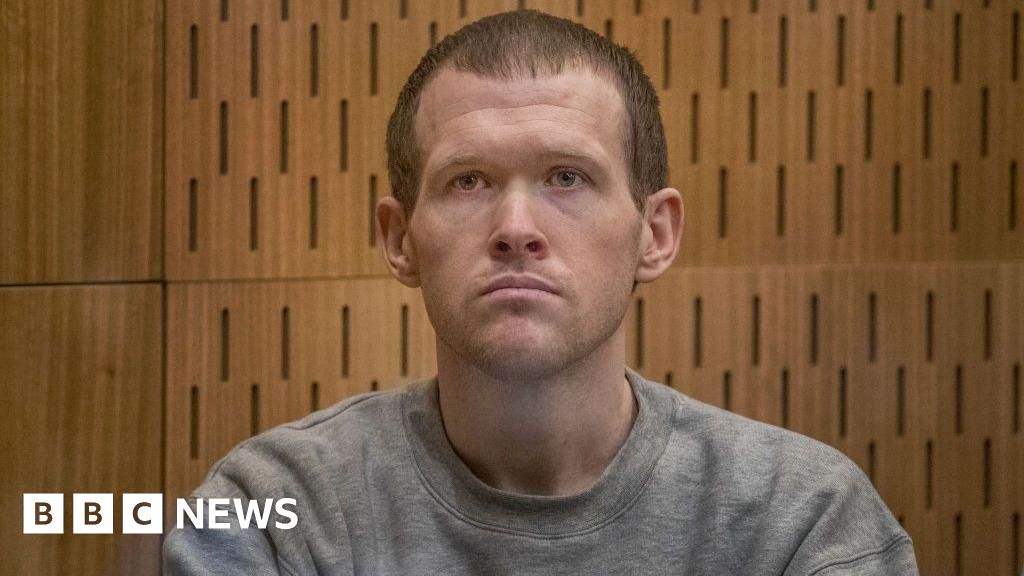

In a decisive legal move that reverberates beyond New Zealand’s borders, the Supreme Court in Wellington has dismissed the appeal of Brenton Tarrant, the white supremacist responsible for the 2019 Christchurch mosque attacks. The court’s ruling unequivocally stated that Tarrant’s appeal was “utterly devoid of merit,” reinforcing the severity of his crimes and the unwavering stance of New Zealand’s judiciary against extremism. This verdict not only affirms the integrity of justice in a nation striving for social cohesion but also sends a clear message to global audiences about the rejection of ideological violence rooted in racial supremacy.
Throughout the international community, analysts and human rights advocates have observed the case as a pivotal moment in the ongoing fight against domestic extremism and terrorist violence. The Christchurch attack, which resulted in 51 fatalities and dozens of injuries, prompted security agencies worldwide to reevaluate counter-terrorism strategies, emphasizing the importance of thwarting online radicalization and hate speech. Political leaders across the globe have echoed New Zealand’s firm stance, underscoring that enabling extremist narratives under any guise comes with grave societal repercussions. This case punctuates the critical role of law enforcement and judiciary in maintaining societal order in an era where digital platforms often serve as catalysts for radicalization.
Global organizations and security analysts have extensively analyzed the significance of the court’s decision. The United Nations and European Union have repeatedly warned against the unchecked spread of hate speech and extremist ideology, particularly online, which serves as fertile ground for organizing violence. Experts note that Tarrant’s failed appeal exemplifies the importance of legal systems standing as bulwarks against the advancement of racist and xenophobic ideologies. It reinforces the notion that no extremist, regardless of intentions or perceived grievances, is above justice, and it emphasizes the need for international cooperation in countering the resurgence of racial supremacy movements.
This landmark ruling underscores the broader geopolitical impact of addressing hate-driven violence. As nations grapple with internal divisions and identity struggles, the confrontation with extremism becomes central to maintaining stability and global order. The decision may serve as a discouragement for future lone-wolf attacks, signaling to would-be perpetrators that justice and the rule of law stand firm. However, it also acts as a warning: the societal scars inflicted by such violence endure long after legal battles conclude. With the elder echoes of history reminding us of the devastating consequences of unchecked hatred, the ongoing fight against racial supremacist ideologies remains a pivotal chapter in shaping the future security and moral compass of civilization.
As the dust settles on this pivotal legal chapter, the world is reminded that history continues to unfold in the courtroom. The weight of justice, combined with international vigilance, must remain unwavering. For unless societies rigorously confront and eradicate the roots of hatred, the shadows of past atrocities threaten to cast their pall once more — a stark warning that the battle for human dignity is, forever, an ongoing struggle with profound implications for generations to come.






