Matox News

Truth Over Trends, always!

UK Tightens Post-Brexit Rules for EU Citizens

The United Kingdom is intensifying its scrutiny of EU citizens under the guise of protecting public services and national sovereignty. Recent moves by British ministers to revoke post-Brexit residency rights of individuals deemed to have “non-continuous” residence threaten to reshape the landscape of immigration and citizenship rights. Legally grounded in the 2020 Brexit withdrawal agreement, this policy shift employs travel data to identify absences, igniting a fierce debate among analysts and advocacy groups about its fairness and accuracy. Critics, led by organizations like the3million, warn that such measures risk targeting innocent citizens based on flawed or misinterpreted data—raising alarms about potential racial bias, bureaucratic errors, and human rights violations.

The core of the controversy lies in the meticulous enforcement of **”continuous residency”** rules. Individuals with pre-settled status, granted before Brexit, can be absent from the UK for up to six months annually without losing their rights, while those with settled status can be outside the country for up to five years. However, recent government efforts aim to tighten these criteria by scrutinizing travel histories—culled from airline manifests and booking records. The Home Office insists this is necessary to curb unlawful immigration abuses and uphold national sovereignty. Yet, international watchdogs and local advocacy groups raise concerns over **data inaccuracies**. The Guardian’s investigation uncovered cases where travel records erroneously suggested absences that never occurred—such as journeys booked but not taken or flights with inconsistent destinations—highlighting the peril of decision-making based on unreliable data.

Furthermore, analysts and legal experts warn that this approach could disproportionately affect EU citizens who often rely on travel for economic, family, or work reasons but might be penalized due to administrative inaccuracies or unintentional absences. The Independent Monitoring Authority and other watchdog groups have voiced concerns about the fairness and transparency of this enforcement. Miranda Biddle, the agency’s chief executive, emphasized the stress and uncertainty this causes for affected individuals, prompting calls for safeguards and more nuanced decision-making. Meanwhile, the National Audit Office has launched an investigation into HMRC’s use of flawed border data—an echo of past government missteps and a reminder of the systemic risks intertwined with big data-driven enforcement.

The geopolitical impact of this crackdown extends beyond domestic borders. For EU nations and their citizens, it serves as a stark reminder of how post-Brexit policies are redefining rights and sovereignty. How the UK manages this delicate balance between national security and individual rights will undoubtedly influence international relations and the future of European integration. Historians and analysts warn that such measures, if mishandled, could sow longstanding distrust among EU citizens residing in the UK and potentially embolden nationalist sentiments elsewhere. As the UK’s global standing navigates these internal upheavals, the broader question remains: How will a nation reconcile its sovereign priorities with the rights of its expatriate populations? These developments carry the weight of history, a stark reminder that decisions made today shape the fabric of international relations for generations to come.
“We Demand a Voice: Citizens Push Back Against Displacement for Nigeria’s Capital”

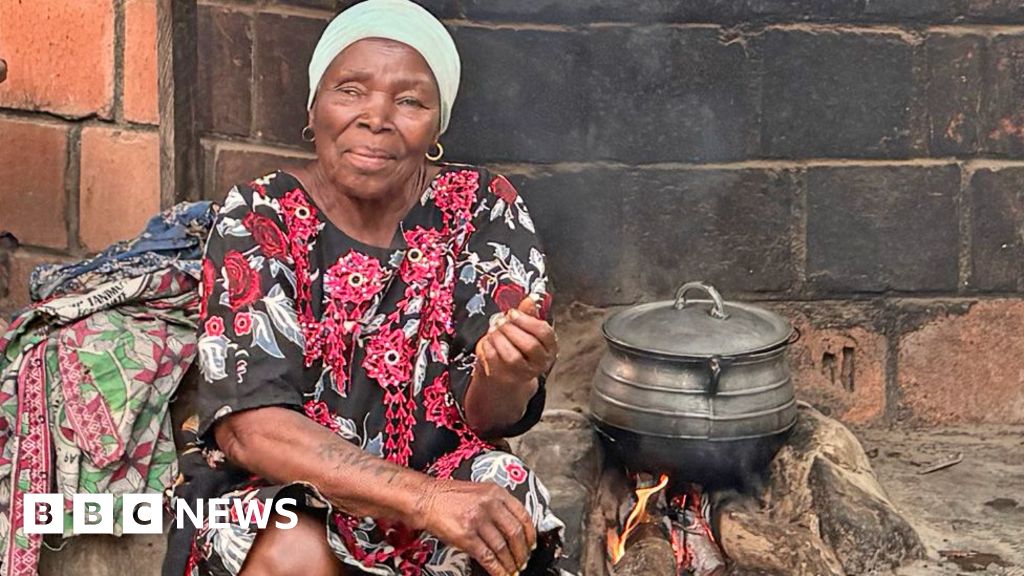
In a stark reminder of the persistent challenges faced by developing nations navigating rapid urbanization, Nigeria finds itself embroiled in a contentious struggle over the displacement of its citizens. The ongoing eviction campaign to facilitate the development of a new administrative capital has sparked widespread outrage among displaced populations, who accuse the government of failing to honor its commitments and neglecting basic human rights. These events underscore a broader dilemma for many emerging economies: the tension between state-led development projects and the societal costs they impose.

At the heart of the controversy are residents who have been forcibly evicted from their homes, often under claims of improving infrastructure and modernizing urban centers. However, as reports reveal, many of these individuals have been left stranded, with promises of compensation and resettlement yet unfulfilled. Critics argue that this highlights a fundamental flaw in Nigeria’s development approach—prioritizing ambitious growth at the expense of vulnerable communities. International observers, including the World Bank and Amnesty International, have raised alarms about inadequate safeguards and the violation of residents’ rights. Such criticism is not merely local; it echoes concerns across the global geopolitical landscape about how resource-rich countries manage development and social inclusion.

Analysts suggest that Nigeria’s predicament has significant geopolitical impact, shaping perceptions among foreign investors and international partners. The country’s leadership, under President Buhari, has sought to position Nigeria as an economic powerhouse, yet the unfolding social discontent undermines these ambitions. Universities of geopolitical strategy warn that sustained unrest and international condemnation risk undermining Nigeria’s credibility, especially on the continent. Moreover, the failure to protect the rights of displaced citizens threatens to ignite regional instability and foster a cycle of unrest that could draw in neighboring nations, further complicating efforts to stabilize the region.

Esteemed historians and political analysts emphasize that Nigeria’s current trajectory is emblematic of the perils faced by nations striving to balance development with social justice. “This crisis exposes a disconnect between policy and practice,” notes Dr. Jane Thompson, a specialist in African geopolitics. “The decision to relocate the capital was strategic, but the way it has been executed risks alienating the very populations that should be part of Nigeria’s future. The international community watches closely, as these decisions will influence diplomatic relations and aid strategies for years to come.” As Nigeria navigates its internal struggles, the world remains vigilant — aware that the outcomes here will serve as a stark lesson in the high-stakes game of global development.

In the shadows of history, Nigeria’s eviction crisis unfurls like a powerful narrative of ambition, neglect, and societal resilience. The story remains unfinished, yet its repercussions promise to echo through the corridors of power long after the dust settles. Will Nigeria address its internal inequities and forge a future rooted in justice and inclusion, or will this chapter become a cautionary tale of progress driven at the expense of its people? The moment of reckoning is upon us, and history’s judgment on Nigeria’s leadership hangs in the balance—an enduring testament to the enduring clash between development and dignity.

Qatari and Turkish Citizens Killed in Military Helicopter Crash

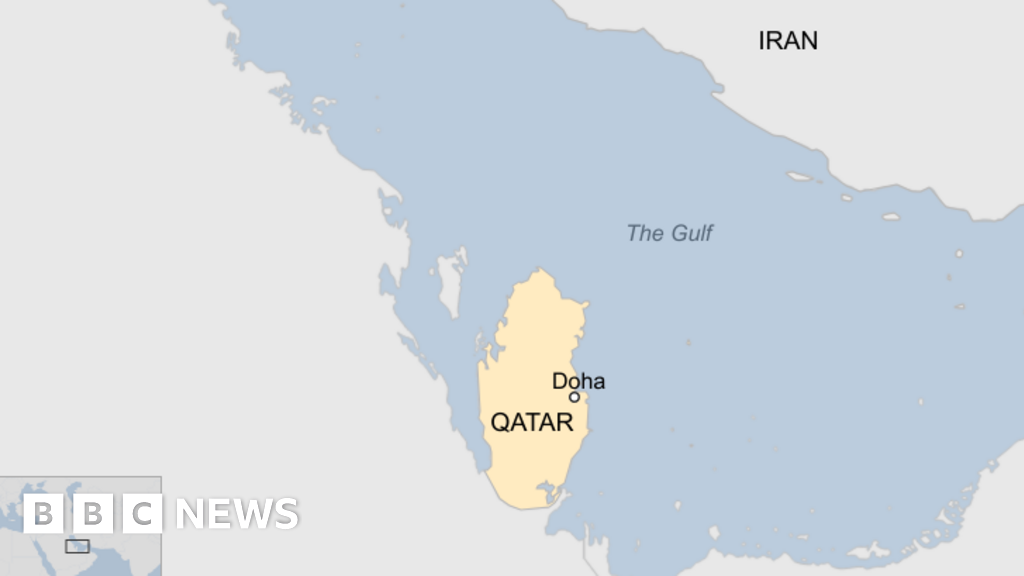
In a startling development that reverberates across the Middle East and beyond, recent reports have confirmed that a convoy carrying four Qatari military personnel, accompanied by one Turkish serviceman and two technicians from a Turkish defence company, was involved in an incident that has raised critical questions about regional alliances and security. While the nature of the event remains under detailed scrutiny, the presence of Turkish technical experts alongside Qatari military personnel underscores the increasingly intertwined security arrangements in the Gulf and the broader international strategic calculus.

Analysts and international observers are quick to interpret this development as part of a deeper realignment involving Turkey and Qatar, two nations having diverging yet sometimes converging interests within the shifting geopolitical balance of the Middle East. As tensions persist over regional conflicts, such as those in Syria and Libya, Ankara’s involvement signifies a broader push for influence and security partnerships in an era marked by instability and unpredictability. The participation of Turkish technicians from a defense firm further emphasizes the growing importance of military technology and strategic cooperation in shaping regional power dynamics. Policymakers and security experts warn that such collaborations are not merely tactical but carry profound implications for the future of sovereignty, influence, and regional deterrence.

The incident raises the specter of further escalation or complex diplomatic signals. The precise context—whether it involves military training, strategic patrols, or covert operations—remains opaque, yet its significance is undeniably profound. The involvement of these nations’ military and technical personnel exemplifies a broader shift: the Middle East is increasingly becoming a chessboard for global powers. The United Nations and other international watchdogs have repeatedly sounded warnings about regional destabilization, but the pressing need for strategic alliances often overrides concerns about peace and stability.

Historians and geopolitical analysts argue that this scene is emblematic of a larger trend—the reassertion of regional powers willing to challenge the old world order. As Turkey and Qatar deepen military ties, the implications extend well beyond their borders, influencing the balance of power in North Africa, the Levant, and even Europe. The potential ramifications include increased proxy conflicts, shifts in energy routes, and the emergence of new spheres of influence, all of which threaten to redraw the geopolitical map once again. As global powers watch from afar and regional actors seek to secure their interests, history presses forward, often unheeded, with each decision shaping the societies of tomorrow—whose futures remain uncertain but undeniably profound in their consequences.

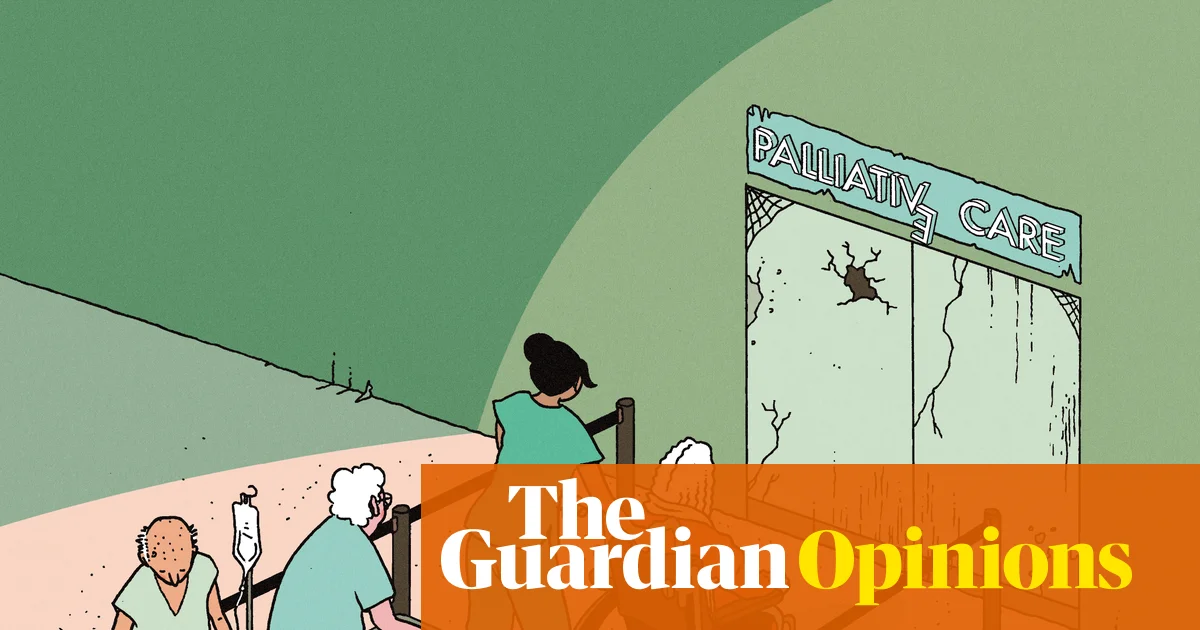
Palliative Care Crisis Reveals Society’s Failure to Protect Our Senior Citizens | Rachel Clarke

Society at a Crossroads: The Silent Crisis in End-of-Life Care

As society progresses, one of its most enduring challenges remains the reality of death—a natural yet often avoided topic that exposes the deep fissures in our social fabric. In Britain today, the state of end-of-life care serves as a stark mirror reflecting how social issues directly threaten families, education, and communities. Despite the nation’s reputation as a caring society, recent reports reveal a distressing decline in the provision of palliative services, exposing vulnerable populations to a grim reality where the quality of care depends heavily on local wealth and charitable goodwill. This systemic neglect not only affects individuals in their final days but also ripples through families, communities, and societal morals, forcing many to confront the uncomfortable truth about how we value human dignity in death.

Historically, death was once a familiar, family-centered affair. During Victorian England, most people died at home, often surrounded by loved ones, with community and familial bonds providing comfort and familiarity. Today, however, less than a third of deaths occur at home, with the majority happening within impersonal hospital or care home settings. The transition from intimate, domestic deaths to highly institutionalized farewells marks a profound cultural shift fueled by economic pressures, institutional constraints, and public discomfort with mortality. Sociologists like Philippe Ariès have pointed out that our societal denial of death results in a paradox: we are reluctant to prepare for or discuss our mortality, yet its inevitability remains a stark and inescapable reality that demands our moral attention and collective responsibility.

The Fundraising Gap: A Society That Outsources Its Humanity

Despite widespread claims of social decency, Britain’s healthcare system increasingly relies on charitable donations to fill gaps that government funding fails to cover. Hospices, which provide critical palliative and end-of-life care, now face a crisis of survival. The latest National Audit Office report reveals that two-thirds of adult hospices in England recorded a deficit in 2023-24, forcing them to slash staff, beds, and community services. This economic squeeze creates a dangerous postcode lottery of care; where you live can determine whether you receive compassionate palliative support or a hurried, institutional farewell. As Sarah Allen, CEO of Arthur Rank Hospice, lamented the closing of nine beds due to funding cuts, it becomes painfully clear that our societal values are at odds with the moral imperative to care for our most vulnerable in their final days.

The Moral Crisis of a Society in Denial

With **demand for palliative services projected to increase by over 25% by 2048**, the current trajectory suggests a society that is unprepared for its own mortality. Political responses tend to be superficial; the recent NHS 10-Year Plan scarcely mentions “palliative care,” signaling a misplaced focus that ignores the growing need. Simultaneously, debates surrounding assisted dying legislation underscore a society grappling with moral dilemmas—should we extend the option of assisted dying when the fundamental care infrastructure is failing? The alarming reality is that hundreds of thousands are unable to access proper pain management or comfort, leaving some to consider suicide as a sad, default solution. The moral failure here lies not only in neglect but in the societal refusal to confront death openly and compassionately, allowing suffering to persist in silence and shadows.

In grappling with these issues, society faces a profound moral question: are we capable of embracing death as a natural part of life, deserving of dignity and care? As social commentators like Robert Putnam suggest, vibrant communities are built on shared values and collective action. If families and communities are to be strengthened, we must challenge the cultural taboo surrounding mortality and foster a renewed ethic of compassion. The final chapter of our societal story is yet unwritten; it is a testament to our moral resolve—whether we will choose to extend our empathy and resources to the most vulnerable at their end, or let them fade silently into the shadows of neglect. Humanity’s greatest hope may lie in our willingness to face death not with fear, but with purpose, kindness, and unyielding dignity.

Jamaican Citizen’s Death Sparks Urgent Calls for UK Rule Reforms in Overseas Territories

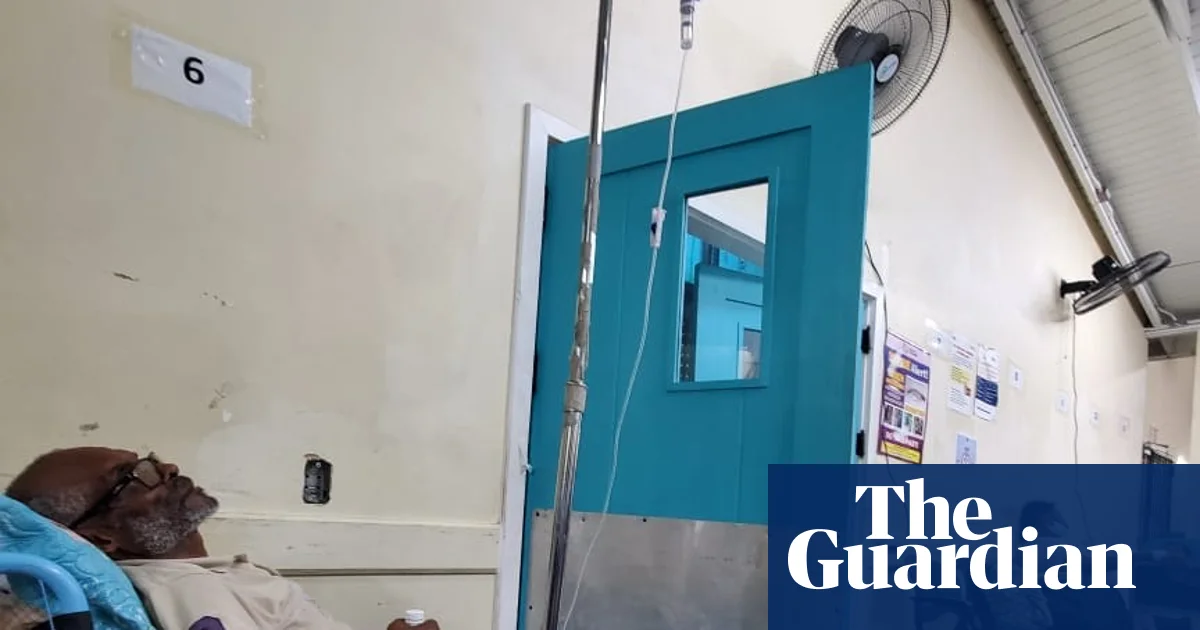
In recent weeks, a tragic incident has shone a stark light on the ongoing social and healthcare disparities within the British overseas territories. Robert Baker, a 63-year-old dual citizen of Jamaica and Montserrat, passed away after the UK government declined to assist him in accessing life-saving treatment outside of his remote island home. This heartbreaking event underscores a broader pattern of moral neglect and policy failures that jeopardize the well-being of communities living under colonial-style governance without adequate support systems.

Baker’s story is emblematic of the struggles faced by families and individuals in regions devastated by natural disasters, such as Montserrat’s 1995 volcanic eruption, which eradicated its capital and decimated essential infrastructure. Despite over 30 years passing, hospitals and emergency services on the island remain inadequately equipped, forcing residents to seek medical care abroad at great personal cost. His family’s desperate efforts and the family’s plea for equitable treatment reveal how social injustice prevents vulnerable populations from accessing healthcare equal to that of the UK mainland. For many families in these territories, the lack of proper medical infrastructure translates directly into loss of life, economic hardship, and shattered hope.

Social commentators and sociologists argue that this chain of neglect is emblematic of a broader failure to recognize the moral obligation owed to colonial subjects. Some critics equate the policies governing these territories with systemic apathy—policies that dismiss the need for adequate health services, education, and social support—for the sake of austerity and political expediency. The case of Robert Baker has also catalyzed calls from community leaders and parliamentarians like Donaldson Romeo, who describe the existing scheme as “deeply flawed” and “insufficient in relation to the scale of need”. Their stance echoes the voices of historians who argue that colonial legacies continue to shackle these populations, underlining the importance of restorative justice and policy reform.

  • Many territories, including Montserrat, lack the infrastructure to respond adequately to health crises, often leaving residents with no choice but to seek treatment abroad.
  • The current scheme allows a paltry number of patients from each territory to access NHS care annually, but the costs—travel, accommodation, and subsistence—are typically borne by families or the territories themselves, compounding hardship.
  • Advocates are calling for a fundamental overhaul of these policies to ensure equal healthcare access, dignity, and humanity to all British citizens residing in overseas territories.

As society debates questions of justice, sovereignty, and moral responsibility, the story of Montserrat’s healthcare crisis compels a profound reflection: How long can we remain indifferent to the suffering of those who live beyond the immediate reach of our societal safety nets? The future of these communities depends on an awakening—one that recognizes that social cohesion is rooted in fairness, compassion, and the unyielding pursuit of dignity for every human life. With each shared story and policy discussion, society inches closer to a landscape where no family bears the burden of neglect in silence, and where hope begins to restore the fractured promise of justice and care for all.

Social Media Auto Publish Powered By : XYZScripts.com