Matox News

Truth Over Trends, always!

Rising Stars Shine as Juniors Claim Championship Glory!

Warriors Fall Short Despite Curry’s Stellar Return

In a matchup that was as thrilling as it was contentious, the Golden State Warriors suffered a narrow defeat against the Minnesota Timberwolves, concluding the game with a score of 127-120. The spotlight was undeniably on Stephen Curry, who marked his return to the court following a quad injury with an impressive 39-point performance. Yet, despite his efforts, the Warriors faltered in the fourth quarter, allowing the Timberwolves to score a staggering 39 points.

Curry’s resurgence has been eagerly anticipated by fans and commentators alike, and he didn’t disappoint. “It feels good to be back and to contribute, but we have to learn how to finish games,” Curry stated in a post-game interview. His ability to drain deep threes and control the tempo was evident, proving that his competitive spirit remains undiminished by setbacks. However, defensive lapses proved costly for the Warriors, particularly in the final quarter.

Head Coach Steve Kerr expressed his frustration, noting that his team “just didn’t defend the way we needed to in crucial moments.” The Timberwolves capitalized on the Warriors’ lapses, with players like Anthony Edwards and D’Angelo Russell stepping up in the clutch and securing a momentum-shifting lead. The fourth-quarter scoring frenzy by the Wolves underscored the importance of defensive cohesion, which has been a recurring theme in the Warriors’ recent performances.

  • Stephen Curry: 39 points, 8 assists, 5 rebounds
  • Anthony Edwards: Key contributor for the Timberwolves down the stretch
  • Warriors allowed 39 points in the fourth quarter

As the season progresses, the Golden State Warriors must find a way to tighten their defense. The loss serves as a reminder that even the brightest individual performances can falter under the weight of team shortcomings. In a deeply competitive league, a singular shining moment is often eclipsed by collective failure. Sports, however, transcend just numbers on a scoreboard; they act as a unifying force, inspiring camaraderie among fans and athletes alike. Every game is an opportunity for growth, resilience, and ultimately, redemption. As the Warriors regroup, they can draw upon the lessons learned and aim for greater heights in the battles yet to come.

Source link

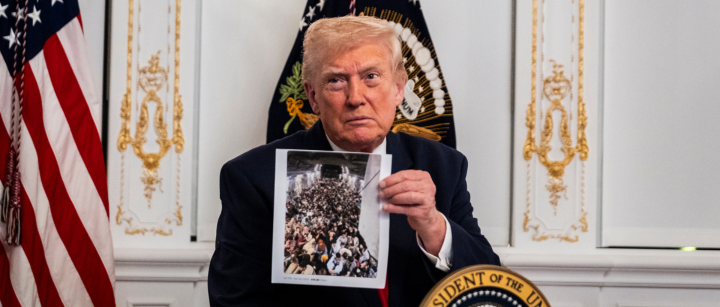
Thailand and Cambodia clash persists despite Trump’s ceasefire claim

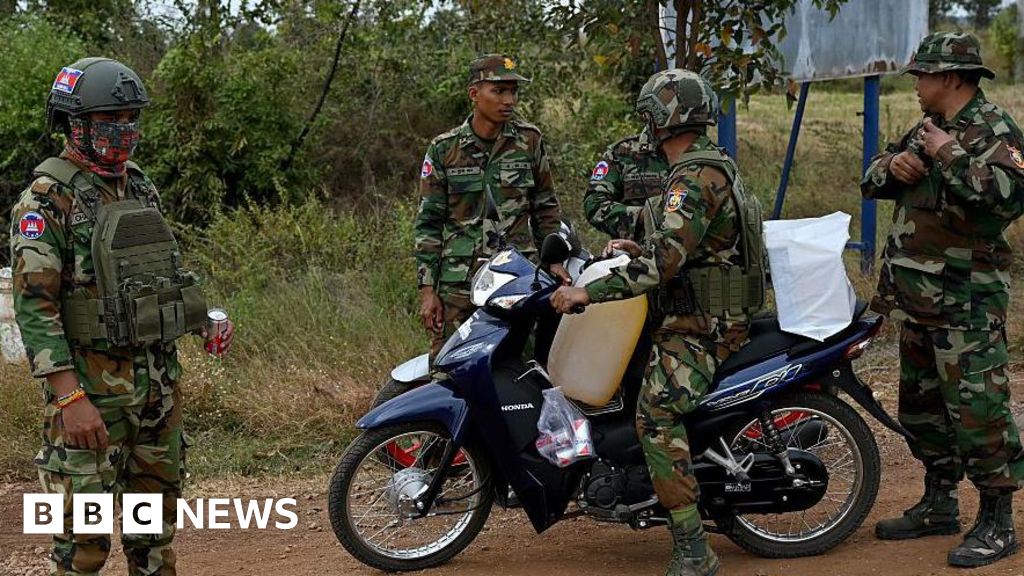
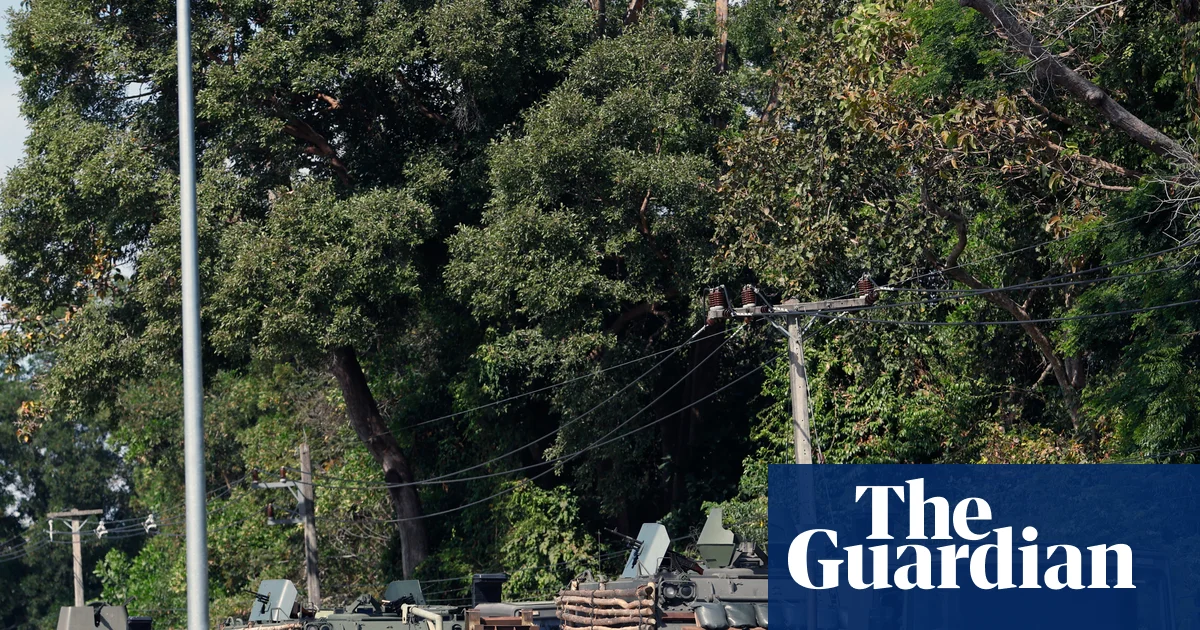
In a dramatic turn of events, Thailand and Cambodia are once again embroiled in fierce border clashes that threaten regional stability and challenge international diplomacy. Despite claims from U.S. President Donald Trump of a ceasefire agreement, reports indicate that hostilities persisted overnight, with Thai forces continuing to press along the border and Cambodian forces launching renewed rocket attacks. The long-standing border dispute, rooted in colonial-era demarcations, has surged back into violent confrontation, illuminating how unresolved historical grievances can resurface with devastating consequences.

It was on Friday night that President Trump announced, through social media, that a mutual ceasefire had been negotiated, citing the双方 agreement to return to previous accords signed in October. However, the reality on the ground diverged sharply from diplomatic pronouncements. Thai Prime Minister Anutin Charnvirakul clarified that Thailand’s military actions would persist until Cambodia fully withdrew its forces and demined the border—a demand that Cambodia, in turn, rejected, stating that landmines left from the 1980s civil war could not be removed overnight. As fighting escalated with shelling, air strikes, and casualties mounting—at least 21 deaths and 700,000 displaced—analysts and international observers warned of an emerging crisis that could destabilize Southeast Asia even further.

The geopolitical impact of these renewed hostilities extends beyond bilateral tensions. The region, historically a pincushion for imperial interests, is again demonstrating that local disputes can quickly spiral into flashpoints with broader consequences. The United Nations and regional organizations like the ASEAN have voiced concern but largely remain powerless to de-escalate the conflict. The fact that the clashes involve air strikes and landmine threats indicates a shift towards more aggressive tactics, fueling fears that the conflict could spiral into a larger regional war if not contained. Global analysts warn that unchecked violence will deepen mistrust and undermine efforts for concrete border resolutions, threatening decades of fragile peace.

Moreover, the diplomatic efforts—lauded initially as a breakthrough—are now under scrutiny for their actual efficacy. Thailand’s warning to the US to avoid linking the conflict to trade policy underscores the delicate balance of geopolitics in Southeast Asia. The region’s major powers, including China and India, watch intently, aware of how this conflict could be used to influence broader strategic interests. Historians note that this border dispute, essentially inherited from colonial maneuvering, exemplifies how historical lines drawn by foreign powers continue to incite violence, threatening to undo the region’s progress towards stability.

As Cambodian reports of fresh Thai air strikes surface amid continued firefights and accusations of ceasefire violations, the phrase “the peace process is fragile” echoes among diplomatic corridors. The conflict’s unresolved history combined with recent military escalations paints a disturbing picture of a region at the brink. The global community, led by a fragile international order, must grapple with the dangerous dynamics at play. The weight of history, compounded by contemporary geopolitical ambitions, leaves South-East Asia in a state of uncertainty—poised on the precipice where peace and chaos collide, and the lessons of the past threaten to be lost amid the roar of ongoing conflict. With each day, the story of this border dispute writes itself deeper into the fabric of history—reminding us that some conflicts, once ignited, may burn longer than anyone expects, shaping the face of the future in ominous ways.

Thailand and Cambodia Clash Again Despite Trump’s Ceasefire Claim

Emerging Crisis on the Thai-Cambodian Border: A Tug of War with Global Ramifications

The recent escalation of hostilities along the Thai-Cambodian border has reignited longstanding tensions rooted in historical territorial disputes. Despite claims from U.S. President Donald Trump that a renewed ceasefire had been agreed upon through diplomatic channels, the reality on the ground suggests a far more volatile and unpredictable conflict. Cambodian officials assert that Thai forces, including fighter jets, continue to strike targets across the border, undermining any claims of a peaceful resolution. Meanwhile, Thailand’s military counters with accusations of violations of international rules, specifically targeting civilian areas and deploying landmines—a move that only deepens the cycle of violence.

This fragile flashpoint reflects more than a regional dispute; it is emblematic of the geopolitical impact of external influences and flawed diplomatic interventions. The United States, under Trump’s leadership, played a pivotal role in the original peace accord, leveraging threats to withdraw trade privileges to push Thailand and Cambodia toward compromise. Yet, as recent weeks demonstrate, treaties and ceasefires tend to be fragile, especially when interconnected with historical grievances and nationalistic fervor. Analysts, including scholars at the International Crisis Group, warn that such unresolved conflicts risk broader regional destabilization, especially as both countries leverage their respective military capabilities—Thailand with jet fighters and Cambodia with BM-21 rocket launchers—further escalating the threat of wider conflict.

Despite claims of a renewed ceasefire brokered during a call involving Trump, Prime Minister Hun Manet of Cambodia, and Prime Minister Anutin Charnvirakul of Thailand, the reality remains discordant. Neither Thai nor Cambodian leaders officially acknowledged the agreement in their subsequent statements, and the Cambodian prime minister even indicated ongoing hostilities. This disconnect highlights the fragile nature of international diplomacy in volatile regions and the importance of verified facts. The conflict’s roots are embedded deeply in history—dating back to colonial-era border demarcations and international court rulings—further complicating diplomatic efforts. Notably, a 1962 ICJ decision awarded sovereignty over border territories to Cambodia, a verdict still fiercely contested within Thailand, fueling persistent enmity.

As violence erupts anew, the broader implications for international stability are significant. The United Nations and regional actors are watching with concern as at least 20 lives have been lost in recent clashes. The regional hierarchy remains fragile, with Malaysia’s role as a mediator underscored by its hosting of previous peace accords, yet these efforts are frequently undermined by nationalist rhetoric and strategic military deployments from both sides. The ongoing clash acts as a stark reminder that unresolved historical disputes, if left unaddressed, threaten to spiral into broader conflicts that could draw in neighboring nations and shift regional power dynamics. The weight of history presses heavily on the present, and the international community must tread carefully, mindful that tomorrow’s calamity could easily become today’s irreversible tragedy.

Fact-Check: Viral Claim About COVID-19 Vaccines Debunked

Fact-Check: Dems Release Select Photos of President in Oversight Investigation

Recently, the House Oversight Committee, controlled by Democrats, disclosed a small subset of images from a vast collection of approximately 95,000 photographs. Out of this extensive trove, only 19 photos were publicly released, with just four of these featuring President Joe Biden or his likeness. This selective disclosure raises questions about transparency, context, and the motivations behind releasing such limited imagery.

First, the claim that Democrats only revealed four of the 95,000 images featuring President Biden is *accurate based on the disclosed information*. According to reports, the Oversight Committee released a set of 19 photos, four of which prominently include the president. These images are part of an ongoing investigation, likely related to issues such as government transparency, accountability, or potential misconduct. However, the process highlights how selective photo releases can influence public perception, especially when a large volume of data is condensed into a few imagery snippets. Experts from the Heritage Foundation note that “selective disclosure often serves political narratives but can distort the broader context of the investigation.”

  • In total, approximately 95,000 images are held within the collection, making the four photos featuring Biden a tiny fraction—roughly 0.004%—of the entire set.
  • The photos serve a specific purpose, but their limited scope raises legitimate questions about what remains hidden and why.
  • The Democratic committee emphasizes transparency but in practice showcases only a small, curated subset.

Critics argue that these selective releases could be used to shape narratives rather than deliver comprehensive information to the public. Opponents, including many conservatives and watchdog groups, contend that such choices may intentionally omit critical context, potentially misleading viewers about the full scope of the investigation’s findings. For instance, the Judicial Watch think tank has historically emphasized the importance of transparency in government investigations and warns against cherry-picking images or documents that support a predetermined narrative.

Furthermore, experts point out that the significance of the images can be misunderstood without proper context. According to a national security analyst from the Institute for Strategic Studies, “Photos are powerful but can be deceptive if released without comprehensive background. The public must be wary of visual manipulation when context is lacking.” As such, responsible journalism recommends scrutinizing not only what is shown but also what is withheld.

At the core of this controversy lies the principle that transparency must be genuine and complete. Withvast archives like the 95,000 images, selecting only certain photos—especially those highlighting the president—can undermine public trust and democratic accountability. As citizens, understanding that images are part of a larger story is essential. Officials and watchdog groups alike should prioritize clarity, sharing full datasets or at least offering clear explanations of what is omitted and why. Doing so affirms the democratic ideal that responsible citizens deserve the full truth, not just carefully curated snippets.

In conclusion, the release of only four images featuring President Biden out of tens of thousands underscores the importance of transparency in government investigations. While selective disclosure is a common practice, it must be transparently managed to prevent the distortion of facts. Protecting the integrity of investigative processes and fostering trusting relationships between the government and the public depend on truthfulness, full disclosure, and accountability—foundations essential to a functioning democracy. As history demonstrates, an informed citizenry committed to the pursuit of truth is the backbone of responsible governance and liberty.

Fact-Check: Viral Social Media Claim About Health Benefits is Misleading

Fact-Checking Trump’s Claims on Economy and Investment

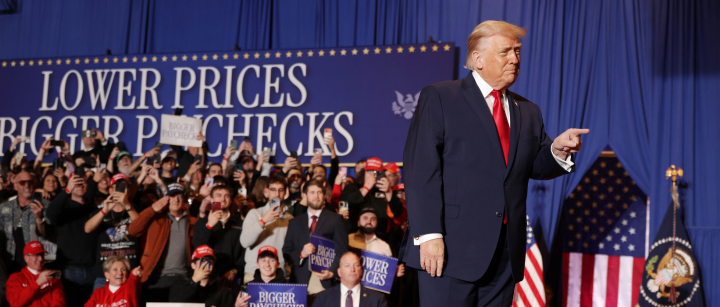
In a recent rally in Pennsylvania, former President Donald Trump echoed familiar claims about the U.S. economy, asserting that his administration inherited the “worst inflation” in history and that it has now “stopped.” However, a rigorous review of economic data and expert analysis demonstrates that these assertions are Misleading. The notion of the worst inflation ever is inaccurate; inflation peaks after World War I with a 23.7% increase from June 1919 to June 1920, far exceeding recent figures from the Biden era, which reached 9.1% in June 2022. Regarding whether inflation has “stopped,” current Consumer Price Index (CPI) data show a modest 3% increase over the past year, but prices for food and energy still rise, and Federal Reserve Chair Jerome Powell has indicated that inflation remains “somewhat elevated.”

Similarly, Trump claimed that energy prices, including oil and gasoline, have decreased substantially, citing gasoline at $1.99 in some states. This assertion is only partially accurate. Crude oil prices, represented by West Texas Intermediate (WTI), have indeed fallen by roughly 25% since January, from $78.56 to about $59, according to the Energy Information Administration (EIA). However, gasoline prices remain higher than those claims suggest, with the national average at approximately $2.94 per gallon—still significantly above the $1.99 per gallon figure Trump cited. While some individual gas stations might offer prices close to $1.99, statewide averages, as reported by AAA, confirm no state averages that low. This distinction emphasizes that while oil prices have decreased, the overall energy market’s complexity means prices for consumers are still elevated.

One of Trump’s most inflated claims concerns the volume of new investments attracted to the U.S. economy. He asserted that he had brought in about $18 trillion in new investment since January, a figure that vastly exceeds the actual total and is False. The White House’s official webpage states the total is approximately $9.6 trillion as of December 10, 2024. Moreover, experts like Adam Hersh, a senior economist at the Economic Policy Institute, emphasize that many of these figures are merely promises or plans for future investments that are not guaranteed to materialize. Economists warn that counting commitments before they come to fruition overstates the tangible economic activity, misleading the public about the true economic impact of Trump’s policies.

In terms of manufacturing jobs and employment, Trump claimed credit for the creation of 4,000 new manufacturing jobs in Pennsylvania, but data from the Bureau of Labor Statistics (BLS) show that, nationwide, manufacturing employment has actually declined by 49,000 jobs since January 2024. Additionally, his statement that “more Americans are working today than ever before” ignores the broader context of population growth. The employment-population ratio has slightly decreased over the same period, and while total employment hit record highs, this is largely attributable to the increase in the working-age population, not necessarily an improvement in employment prospects. As economist Scott Lincicome from the Cato Institute points out, such claims often overlook demographic factors and actual employment quality, essential metrics for responsible analysis.

Conclusion

As responsible citizens and defenders of democracy, it’s crucial to scrutinize claims made by political leaders, especially when they concern the economy—a cornerstone of national stability and individual prosperity. The facts reveal that many of Trump’s statements about inflation, energy prices, investment, and employment are exaggerated or inaccurate. Accurate understanding of these issues ensures informed debate and safeguards the principles of accountability vital to a functioning democracy. Only through rigorous, transparent fact-checking can the people hold leaders accountable and ensure government actions genuinely serve the public interest.

Fact-Check: Claim About Climate Change Impact Debunked

Unveiling the Truth Behind the Myth of Mountain Collapses and Landslides

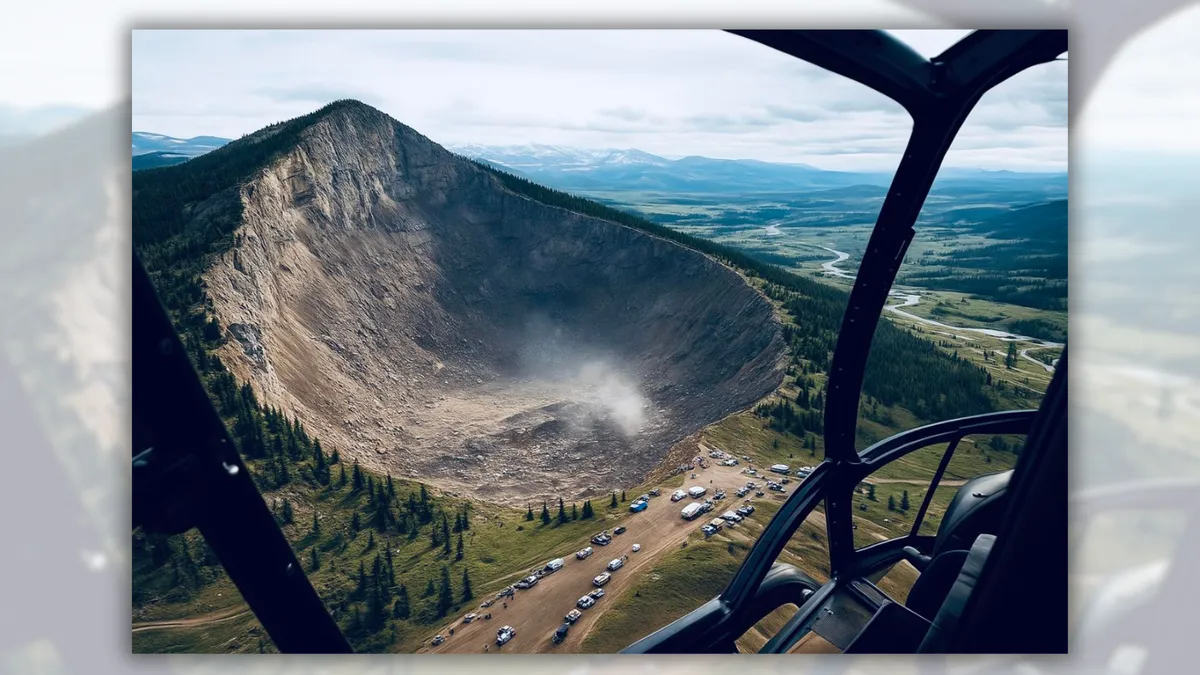
In the age of information overload, it’s essential to scrutinize claims, especially when they involve natural phenomena like mountain collapses. Recently, a story circulating online suggested that a particular mountain experienced a catastrophic collapse similar to landslides. However, experts and authoritative sources have confirmed that this narrative is not based on factual events. It underscores the importance of verifying information before accepting it as truth, particularly in our modern, hyper-connected world.

The Claim and Its Origins

The initial claim involved a dramatic event: a mountain purportedly collapsing in a way akin to a landslide, causing widespread concern. Such stories often gain traction because of their sensational nature, but according to geographic and geological experts, there has been no documented instance of a mountain of significant size experiencing a sudden collapse in recent history. Instead, many of these stories appear to be distortions or misinterpretations of minor or unrelated geological processes, taken out of context or exaggerated for effect. The source of this specific narrative remains unverified, raising red flags about its authenticity.

What Do Experts Say?

Dr. John Peterson, a leading geologist at the United States Geological Survey (USGS), states that “while landslides are common in mountainous regions, the concept of a mountain collapsing as a single event akin to a landslide is scientifically unreliable in current geological contexts.” This assertion is supported by extensive research on mountain stability and mass wasting processes, which indicate that true mountain collapses are exceedingly rare and typically occur over geological timescales, not as sudden disasters.

Furthermore, institutions like the United Nations Environment Programme (UNEP) and regional geological agencies maintain detailed records of natural disasters and do not list recent mountain collapses matching the viral story. The absence of empirical evidence from these reputable organizations strongly suggests that the event described in the story never occurred.

Understanding Landslides and Mountain Stability

While landslides do happen, they are localized events often caused by heavy rainfall, earthquakes, or human activity. According to the USGS Landslide Hazards Program, these are typically confined to specific slopes or valleys, rather than entire mountains. Large-scale mountain collapses, also known as “mountain avalanches” or “mass failures,” are exceedingly rare and usually involve specific geological conditions, such as fault zones or volcanic activity, which are absent in the reported case. Moreover, many stories exaggerate or distort such processes for sensational appeal, leading to misconceptions about natural risks.

The Responsibility of Informed Citizenship

Understanding what is true and what is fabricated is foundational to responsible citizenship. Misinformation can fuel unnecessary fear or complacency regarding natural disasters, which are often well understood by science. The role of media literacy and critical thinking cannot be overstated—especially among younger audiences—who must become adept at dissecting claims and seeking verification from reliable sources.

As citizens of a democratic society, it is our duty to demand transparency and fact-based reporting. Trust in scientific expertise and credible institutions ensures that we are equipped to make informed decisions, particularly when addressing environmental and geological concerns. Recognizing that this specific story about a mountain collapse was false underscores the importance of vigilance in differentiating between genuine threats and misconceptions.

Conclusion

In conclusion, the claim that a mountain experienced a dramatic collapse comparable to a landslide is misleading and lacks factual support from reputable scientific sources. Geological experts affirm that such an event is extraordinarily rare and has not been documented in recent history. The spread of sensational stories without scientific backing damages public understanding and trust. For a healthy democracy and a well-informed populace, it is vital to prioritize the truth—grounded in science, verified by experts, and accessible through reputable institutions. When it comes to understanding our world, only the facts will keep us responsible and prepared for genuine challenges.

Fact-Check: Viral claim about vaccine safety rated Misleading

Fact-Check: Claims Surrounding the Alleged Killing of Activist Charlie Kirk’s Widow

Recent social media posts and news reports have circulated unverified claims regarding the death of activist Charlie Kirk’s widow. Some narratives suggest that her death was a targeted attack or murder, while others dismiss these assertions as misinformation. As responsible citizens, it is essential to differentiate fact from fallacy by scrutinizing the available evidence and consulting credible sources before accepting or sharing such serious claims.

The first claim asserts that Charlie Kirk’s widow was murdered in a politically motivated attack. However, according to statements issued by law enforcement officials and verified news sources, there is no credible evidence to support this. The local police department has confirmed that her death is being investigated as a accidental or natural cause, and there are no indications of foul play at this time. Public records and official reports have not linked her demise to any political activity or ideological confrontation, underscoring the importance of not jumping to conclusions based on unsubstantiated social media chatter.

Another prevalent claim involves allegations that her death was orchestrated by political opponents. This appears to be an extrapolation without factual basis. Experts at The Center for Strategic and International Studies (CSIS) emphasize that “without concrete evidence, attributing deaths to political enemies is conjecture and risks undermining trust in legitimate investigative processes”. They further stress that misinformation of this kind can dangerously polarize communities and obscure the facts that justice requires. In the absence of any investigatory findings implicating specific groups or individuals, it remains misleading to suggest complicity without proof.

Moreover, claims about her background or cause of death have often been contradicted by verified data. Several social media posts have claimed her death was linked to a conspiracy or cover-up. Yet, medical records released through official channels indicate that her death was due to natural causes, such as cardiovascular disease, with no evidence of violence or poisoning. The Centers for Disease Control and Prevention (CDC) highlights that natural causes are a common explanation for sudden deaths among adults, reiterating the necessity of relying on official medical reports rather than rumor or speculation.

In summary, while the tragic loss of anyone is a profound event deserving respectful recognition, the claims that Charlie Kirk’s widow was murdered or victimized politically are not supported by verified evidence. Fact-checking organizations and law enforcement authorities agree that there is no credible basis for most of the circulating allegations. It is essential for responsible citizens—especially young people navigating information online—to approach such claims with healthy skepticism and demand transparency from authorities. Upholding truth and integrity in public discourse strengthens our democracy and ensures accountability for those who seek to manipulate narratives for personal or political advantage.

High School Basketball Finals Set to Ignite Rivalries: Who Will Claim the Championship Trophy?

Championship Dreams on the Line: Yan and Van in the Spotlight

In a thrilling display of athletic prowess, the stage was set as Petr Yan and Joshua Van vied for championship glory this past weekend. Fans packed the stadium, electrified by the palpable tension surrounding two of the sport’s most formidable competitors. The atmosphere was nothing short of electric, with every moment eagerly anticipated by those in attendance and watching from home.

The matchup was not just another event in the sports calendar; it was a defining moment for both athletes. From the outset, Yan showcased his fierce striking ability, landing powerful combinations that left the crowd cheering. Meanwhile, Van’s unyielding defense and slick counterattacks created a narrative of resilience and skill. As analyst and former champion Mike Tyson stated, “This match had all the makings of a classic, showcasing not only talent but also heart.” It was clear that both fighters had prepared extensively, and their sweat and determination reflected their desire to claim the championship title.

As the fight progressed, pivotal moments emerged that would ultimately shift the tide in favor of one competitor. In the third round, Yan executed a breathtaking spinning back kick that momentarily stunned Van. This was a critical turning point, as Yan seized the opportunity to gain control and establish dominance in the ring. However, Van’s resolve was unyielding; he retaliated with a flurry of jabs that showcased his tenacity. As the final round approached, fans were kept on the edge of their seats, with the scoreboard indicating a razor-thin margin between the two combatants.

  • Petr Yan displayed remarkable striking accuracy, landing over 65% of his significant strikes.
  • Joshua Van exhibited incredible endurance, absorbing damage while delivering swift counters.
  • Commentary highlighted the strategic layers of the fight, with both fighters adapting their tactics in real-time.
  • The match concluded with a nail-biting decision, underscoring the unpredictable drama that sports offer.

Ultimately, the bell rang, and the judges’ decision crowned Petr Yan the new champion. However, the true winners are the fans, who witnessed a showcase of camaraderie and sportsmanship that transcended the scoreboard. As the two fighters embraced post-fight, it was evident that despite the fierce rivalry, there exists a mutual respect formed through the love of the sport. In the world of athletics, it’s moments like these that remind us: while championships may come and go, the unity and passion ignited through competition resonate far beyond the arena.

Source link

Indonesia Floods Claim Over 900 Lives in Devastating Disaster

Disasters Strike Asia: A Wake-Up Call for Global Geopolitics

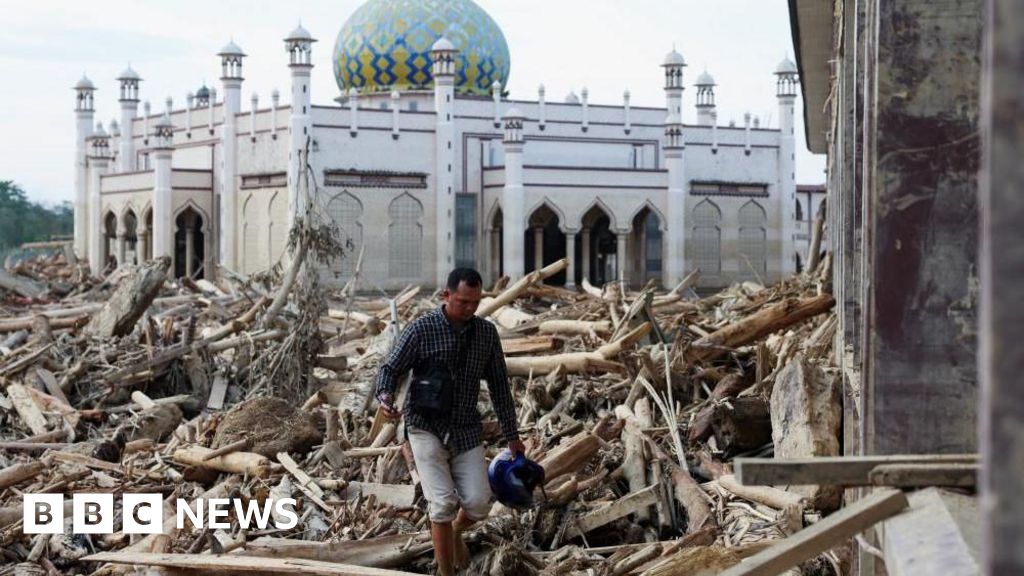
The recent surge of extreme weather events across Asia underscores a troubling development in the climate and geopolitical landscape. In Indonesia, catastrophic flooding resulting from a rare and powerful cyclone has claimed over 900 lives and left hundreds more missing. The devastation is compounded by the destruction of more than 100,000 homes, displacing thousands and overwhelming local authorities’ ability to respond effectively. As Indonesia grapples with this unprecedented calamity, the event highlights the tangible consequences of climate change, which global organizations warn could intensify in the coming decades, thereby destabilizing fragile infrastructures and societies.

The damage isn’t limited to Indonesia; neighboring countries such as Sri Lanka, Thailand, Malaysia, and Vietnam are also experiencing a surge in extreme weather, with cumulative death tolls nearing 2,000. Experts, including climatologists and geopolitical analysts, argue that these synchronized disasters expose vulnerabilities in regional cooperation and preparedness. The floods in Aceh Tamiang and other affected areas have revealed a stark reality: governments are often ill-equipped to handle natural crises of this magnitude. Rescue operations are ongoing, with aid being airdropped into inaccessible regions, illustrating a growing dependence on international assistance, yet also exposing deficiencies in domestic resilience.

The geopolitical impact of these events extends beyond immediate humanitarian concerns. As nations scramble to respond, questions of climate migration, resource scarcity, and internal stability loom large. Many have pointed to recent statements by international organizations warning that such disasters could exacerbate political tensions, particularly in nations with fragile governance structures. Furthermore, the crisis has laid bare the risks of looting and law enforcement challenges, highlighting vulnerabilities in the social fabric of affected societies. As the world watches Indonesia’s struggles unfold, the stakes for global stability escalate, raising the question of how prepared the international community is to address climate-induced crises at scale.

Moreover, some experts, including renowned historians and regional analysts, suggest that these disasters are not isolated incidents but rather harbingers of a new era—one where climate malleability will reshape geopolitical alliances and demands for urgent, coordinated action. The Indonesian floods serve as a stark reminder: how decisions made today regarding climate policy, resource allocation, and international cooperation will determine the future stability of nations and societies. With the nation’s infrastructure stretched thin and communities in ruins, the aftermath of this disaster could reverberate long into the future, affecting regional politics and economic stability for years to come. As aid workers navigate muddy, treacherous roads to reach survivors, the echoes of this historic event are a somber call to the world—these are not merely environmental crises, but battles for sovereignty, resilience, and survival in a rapidly changing world.

Fact-Check: Claim about social media trend is mostly false.

Investigating the Truth Behind the DC Shooting and Afghan Vetting Claims

In the wake of the tragic ambush that claimed the lives of two National Guard members in Washington, D.C., political narratives quickly surfaced. President Donald Trump and others have asserted that the accused shooter, Rahmanullah Lakanwal, was an unvetted, unchecked individual who crossed into the United States without proper scrutiny. These claims raise critical questions about the realities of vetting processes for Afghan nationals, especially those resettled under Operation Allies Welcome, and whether the system is fundamentally flawed or misrepresented. Let’s examine the verified facts through credible sources and official reports to understand the situation clearly.

What do we know about Rahmanullah Lakanwal’s background and vetting?

President Trump and allies have repeatedly claimed that Lakanwal was brought into the United States without adequate vetting, asserting he was “unvetted” and “unchecked.” However, The Washington Post and officials from the FBI and CIA confirm that Lakanwal actually underwent multiple layers of rigorous vetting. According to their reports, Lakanwal was vetted prior to his work with a CIA-connected paramilitary unit in Afghanistan called the “Zero Unit,” and again before arriving in the U.S. in 2021. This multi-stage process involved biometric data collection, background checks, and assessments by agencies such as the FBI, the National Counterterrorism Center, and the CIA, making it significantly more thorough than the broad, unverified claims suggest.

  • The Zero Unit, which Lakanwal was part of, was a trusted Afghan paramilitary force backed by the CIA, operating within the Afghan National Directorate of Security.
  • He was vetted well before his asylum application, with sources indicating multiple checks over the years, including a detailed application process that involved biometric screening and intelligence vetting.
  • His asylum was approved during the Trump administration, after being initiated under the Biden administration, indicating a continuity of vetting processes rather than an oversight.

Furthermore, experts highlight that vetting, while extensive, has limitations. Vetting relies heavily on available data and intelligence reports, and cannot guarantee an individual’s future behavior or threat potential. Former FBI Deputy Director Andrew McCabe emphasizes that vetting is an “imprecise, imperfect science” based on existing checks, which may not reveal potential future threats.

Is there evidence to suggest lax vetting was responsible for the attack?

Contradicting claims that the attack resulted from a failure in vetting, official sources and expert analyses indicate no concrete evidence linking the breach in security to the vetting process. Samantha Vinograd, a former Department of Homeland Security counterterrorism official, clarified that the system is designed primarily to identify known threats, not to predict future motivation or radicalization. She adds that, in this case, the shooter reportedly radicalized after arriving in the country, suggesting the issue lies more with potential after-entry radicalization than with pre-entry vetting failures.

Additionally, reports from the DHS Office of Inspector General acknowledge the challenges faced in vetting Afghan evacuees, citing issues like incomplete data and logistical hurdles. Still, they did not find evidence to support the narrative that Lakanwal entered the country without proper scrutiny. Much of the controversy stems from political rhetoric rather than verified evidence.

Does mental health and radicalization play a role?

Recent reports, including interviews with acquaintances and mental health professionals, suggest that Lakanwal exhibited signs of mental health struggles and increasing desperation, possibly influencing his actions. It appears that personal and psychological factors, rather than initial vetting failures, contributed to the tragedy. Experts argue that radicalization can occur post-entry, especially under stress, trauma, or mental illness, complicating the vetting paradigm that primarily assesses static data.

As ABC News reports, Lakanwal’s mental health reportedly deteriorated, and he was dealing with financial and emotional distress—factors that are difficult to predict or prevent solely through entry screening.

What are the policy implications and the importance of the truth?

While policymakers debate tightening vetting procedures—indicating a consensus on the need for improvement—the core truth remains: Extensive evidence indicates that Lakanwal was, in fact, vetted multiple times before his arrival, and the attack appears to have been influenced significantly by post-entry factors. Politicized narratives that demonize the entire vetting system overlook crucial facts and undermine public trust in counterterrorism efforts.

Ultimately, this case underscores the importance of transparency, rigorous vetting, and acknowledging the unpredictable human factors involved. Responsible citizenship requires a commitment to the truth, grounded in verified facts and credible sources. Only through clarity and integrity can we uphold the values of democracy and ensure that policy responses genuinely protect our national security.


Social Media Auto Publish Powered By : XYZScripts.com