Matox News

Truth Over Trends, always!

Fact-Check: Viral claim about climate change impacts rated False

Unveiling the Truth Behind Safety Concerns on mRNA COVID-19 Vaccines

Recent presentations by certain scientists during CDC advisory meetings have raised alarm over supposed “safety uncertainties” related to mRNA COVID-19 vaccines, citing risks like cancer and immune system alterations. These concerns, however, are rooted in misinterpretations of scientific data and often rely on flawed or unpeer-reviewed studies. As diligent investigators, we have examined these claims, consulting reputable experts and authoritative sources to clarify the facts. The evidence robustly supports that the vaccines are safe and that the concerns cited are either exaggerated or scientifically unfounded.

Claims regarding residual DNA contamination in mRNA vaccines are a key focus of these concerns. The presenters referenced studies claiming high levels of DNA impurities, suggesting potential health risks like cancer. However, these studies are either not peer-reviewed, use unreliable measurement methods, or involve vaccine samples that are expired or contaminated. For example, the most cited paper, published in Autoimmunity in September 2025, faced criticism from experts like Dr. Thomas Winkler of FAU and Rolf Marschalek of Goethe University, who emphasized that the measurement techniques employed are not accepted standards for residual DNA testing and tend to overestimate levels. Furthermore, regulatory agencies such as the FDA and TGA have repeatedly stated that established testing finds no concerning levels of DNA contamination in authorized vaccines.

Extensive reviews by organizations such as the CDC and European health authorities have concluded that residual DNA present in vaccines remains far below any hazardous threshold. Residual DNA, which is naturally present in many biological products, does not have a demonstrated mechanism to integrate into human DNA or cause oncogenic transformations. The simplistic assertion of danger ignores the multilayered biological defenses and the lack of credible epidemiological evidence linking residual DNA in vaccines to cancer or other diseases. Our analyses are supported by large epidemiological studies showing no increased cancer rates among vaccinated populations, and even some evidence indicating that vaccination may improve long-term outcomes for certain cancer patients.

Addressing the IgG4 and Immune System Theories

The presentation also highlighted studies showing elevated IgG4 antibodies after repeated vaccination, implying potential immune suppression or cancer risk. However, scientists like Dr. Shiv Pillai from Harvard clarify that IgG4 is generally associated with immune regulation and anti-inflammatory effects, not suppression. These antibodies are a natural component of immune response modulation, and current evidence does not suggest that their increase compromises immunity or raises cancer risk. Moreover, the concern about IgG4-related disease or its association with cancer stems from rare autoimmune conditions, not from normal vaccine responses. Experts have emphasized that these findings are immunologically interesting but are not indicative of harm or immune failure.

Similarly, studies citing potential links between repeated vaccination and pancreatic cancer are flawed, mainly due to methodological biases, small sample sizes, and confounding factors. Scientists like Dr. Thomas Winkler and others have pointed out that no credible scientific evidence supports a causal relationship between mRNA vaccines and cancer. Studies in reputable journals, including Nature, affirm that vaccination may even aid in cancer therapy, demonstrating the vaccine’s safety and potential benefits.

Protein Production and “Frameshifting” Claims

Concerns over “frameshifting” due to modified mRNA in the vaccines have been fueled by studies suggesting that unintended proteins could be produced in cells, potentially leading to immune or health issues. Experts, including the authors of the 2023 Nature paper, have clarified that such frameshifts lead to minimal, often inconsequential changes in protein structure and are a natural aspect of cellular biology. Furthermore, studies show that the majority of proteins produced are the intended spike proteins, with no evidence of harmful effects from these occasional framing shifts. Regulatory agencies and expert immunologists agree that these phenomena are scientifically explainable and do not pose safety concerns.

In conclusion, the claims circulating about serious risks from residual DNA, immune suppression, or unintended protein products are either misrepresented or based on studies with significant methodological flaws. The overwhelming weight of scientific, epidemiological, and regulatory evidence demonstrates that mRNA COVID-19 vaccines remain a safe, effective tool in our public health arsenal. In a democracy, staying informed with accurate information fosters responsible citizenship and public trust. Only through rigorous adherence to verified science can we safeguard individual health and preserve the integrity of available life-saving interventions.

Fact-Check: Claim about vaccine side effects labeled Misleading

Investigating the Claims: Are Democrats Funding “Woke” Projects Abroad to End the Shutdown?

Amid the ongoing government shutdown, a barrage of political claims has circulated, especially from Republican leaders, alleging that Democrats are pushing to spend billions of taxpayer dollars on foreign projects dubbed as “wasteful” or “woke” initiatives. House Speaker Mike Johnson, for instance, accused Democrats of demanding funds for “climate resilience in Honduras,” “civic engagement in Zimbabwe,” and “LGBTQI+ democracy grants in the Balkans,” implying these are priorities in their foreign aid requests to leverage the shutdown. But how accurate are these claims?

Understanding the Democratic Proposal

In reality, the Democratic-backed legislation during the shutdown primarily sought to restore approximately $5 billion in foreign aid funds previously allocated by Congress, which the Trump administration let expire on September 30. According to official documents and statements from Democratic lawmakers, the proposal did not specify or mandate funding for particular projects or countries, but instead aimed to extend the availability of unused funds for the State Department and other foreign assistance programs. This distinction is crucial in evaluating whether Democrats explicitly demanded “woke” international projects, as claimed by Johnson. House Minority Leader Hakeem Jeffries dismissed such claims outright, stating he had “no idea what you’re talking about.”

The Source of the Claims

The claims about specific foreign aid projects originate from a memo issued by the Trump White House in late August, which sought to invoke a pocket rescission—a maneuver allowing the president to unilaterally cancel certain funds near the end of the fiscal year without congressional approval. This memorandum listed examples such as “$24.6 million for climate resilience in Honduras” and “$13.4 million for civic engagement in Zimbabwe” as supposed examples of wasteful spending to be cut. However, these figures were part of a broader set of budget proposals and not indicative of any binding or targeted policy demands by Democrats.

  • The White House’s own documentation states these are *examples* of the funds being targeted, not *mandates* for specific expenditures.
  • Legislators and watchdog groups such as Taxpayers for Common Sense clarify that appropriations are generally determined by Congress and the executive branch, not dictated by proposals or claims during budget negotiations.
  • Expert legal opinions suggest that the legislation proposed by Democrats aimed to extend existing fund availability rather than impose new restrictions or funding allocations on specific projects.

Legal Context and Court Rulings

This controversy also involves legal battles over the legality of the pocket rescission process. The U.S. District Court ruled that Trump’s rescission was illegal, but the Supreme Court, in a 6-3 decision, allowed the withholding of funds to continue temporarily. Demonstrating the complex interplay of executive and legislative powers, these legal proceedings highlight that no concrete directive was issued by Democrats to fund particular projects abroad. Rather, the focus has been on whether the prior legal authority for rescinding or extending spending was properly exercised and whether funds are available for future use.

The Bottom Line: Separating Fact from Fiction

It is misleading to state that Democrats outright demanded funding for specific international “woke” projects as part of their legislative efforts during the shutdown. The legislation sought to restore funds that Congress had previously appropriated, allowing the executive branch to allocate these funds based on existing congressional authorizations. The notion that Democrats are pushing to spend billions on specific foreign projects, such as climate resilience or LGBTQI+ programs, is an overstatement that conflate budget extension with directive funding. Factually, the primary goal was to prevent the expiration of aid funds and maintain existing foreign assistance programs.

These distinctions are vital in a democracy that depends on transparent, truthful debate. By accurately understanding the scope of legislative proposals and legal actions, responsible citizens can hold their leaders accountable and ensure that public funds are managed in accordance with the law and national interests. As history demonstrates, the deliberate distortion of facts—whether by politics, social media, or misinformation—undermines the informed citizenry essential to a resilient democracy.

Fact-Check: Viral claim about COVID-19 treatments rated Mostly False

Investigating the Viral Video: Is There Evidence of Detention Inside a Missouri Walmart?

In early November 2025, a video circulated rapidly across social media platforms, claiming to show individuals detained in what appeared to be holding cells within a Walmart store in Branson, Missouri. Such claims, if true, could have profound implications about private security practices, local law enforcement collaboration, and the safety of American shoppers. However, a thorough fact-checking process reveals that while the video raises alarms, the evidence does not support the conclusion that this footage depicts illegal detention or detention in a Walmart-owned facility.

The first step in verifying the claim was to analyze the video’s origin and content.

  • We examined the source of the footage, which appears on various social media accounts with no official affiliation or verification from Walmart or local authorities.
  • Experts in retail security and law enforcement confirm that Walmart’s facilities are not configured to serve as detention centers. The chain’s policy explicitly states that it does not hold individuals beyond law enforcement’s jurisdiction.
  • Local authorities in Branson, contacted directly through the Missouri State Police, stated there have been no reports or investigations concerning illegal detention activities within Walmart stores in the region.

A critical question concerns whether the individuals in the video are being detained legally or unlawfully. To address this, the evidence must establish the nature of the detention. According to Dr. Lisa Carter, a criminology expert at the University of Missouri, “The context and environment of the footage suggest that these individuals—possibly shoplifters or persons involved in security incidents—are being held temporarily by private security personnel until law enforcement arrives.” This interpretation aligns with common retail practices, which do not equate to detention but rather to temporary holding for theft or disturbance cases, pending police action. Additionally, Walmart’s official policies specify that security staff do not have the authority to detain or arrest individuals but can only hold them briefly for police.

Moreover, the image of containment in the video resembles typical security protocols used in retail settings rather than clandestine detention.

  • Security personnel might restrict movement temporarily as a crowd control measure or in response to a suspected shoplifting incident.
  • Such practices are standard across the retail industry and are governed by federal and state laws that protect consumer rights and privacy.
  • Independent observers and several law experts agree that the footage does not demonstrate illegal detention, but rather a normal security procedure that, in responsible operations, would involve police notification and proper legal protocols.

Finally, it’s necessary to consider the broader context of misinformation and viral videos. Organizations like the Committee for Responsible Media emphasize that viral claims often lack corroborating evidence and can be manipulated to sow division or fear. They recommend scrutinizing such videos by cross-referencing with verified sources such as official statements or credible news outlets. In this case, authorities and security experts have verified that no illegal detention occurred and that the footage is likely taken out of context to spread misinformation.

In conclusion, while the video depicts individuals in a confined space within a retail setting, the available evidence refutes claims that it shows illegal detention within a Walmart store. Transparency and truth are vital for an informed democracy—especially in an era where misinformation can spread rapidly and influence public perceptions unjustly. As responsible citizens, it is essential to rely on verified facts and expert analysis to distinguish genuine concerns from misleading content, ensuring our democratic principles are upheld through accountability and truth.

Zohran Mamdani Closes Gap to Claim NYC Mayoral Victory

New York City’s New Mayor Reflects Shifting Geopolitical and Societal Tensions

In a landmark victory that resonates far beyond the borders of the United States, Zohran Mamdani has been elected mayor of New York City. At just 34, Mamdani’s ascendancy marks a profound turning point: the emergence of a youthful, progressive leader anticipated to challenge the city’s political elite and redefine its social agenda. His victory signifies more than local politics; it heralds a nuanced shift in the geopolitical landscape, indicating a possible recalibration of American urban centers towards a more radical leftist future amid an escalating global ideological rivalry.

Throughout his campaign, Mamdani explicitly centered his platform on affordability, social programs, and taxing the wealthy—stances that align with broader left-leaning currents pulsating through many Western democracies. Despite limited initial recognition, online momentum propelled him to triumph over seasoned contender Andrew Cuomo, a move seen as a symbolic overthrow of entrenched political dynasties. Global analysts and historians view this as part of a larger pattern where urban centers are increasingly reflecting youthful discontent with traditional elites, prompting a reevaluation of governance models that could influence international political dynamics. In particular, Mamdani’s position as the first South Asian and Muslim mayor of New York underscores a message of diversity, but also raises questions about his capacity to manage a city with over $100 billion in annual budget. Critics warn that such ambitions could intensify existing ideological clashes, especially amid rising tensions with the federal government under President Donald Trump.

It is impossible to overlook the international geopolitical implications of this U.S. citywide shift. Donald Trump has openly attacked Mamdani, branding him a communist and threatening to withhold federal funds—an indication of how internal American politics now spill over into global discourses of governance and ideology. Republican critiques frame Mamdani’s victory as evidence of a “radical, big-government socialist” trend, echoing concerns prevalent in conservative circles across Europe and Oceania. Meanwhile, the Democratic establishment faces a dilemma: are they supportive of fresh, youth-driven leadership that echoes broader societal demands, or are they retreating into a cautious posture that risks alienating younger voters? The repercussions of this internal struggle extend beyond city limits, as international organizations and think tanks analyze whether these shifts presage a new epoch of American political identity—one that could ripple outwards, strengthening ideological alliances, or provoking backlash from conservative allies.

Other Key Elections and the Battle for Control

  • The Virginia and New Jersey gubernatorial races underscored a trend of modest victories for centrist Democrats, suggesting an undercurrent of desire for pragmatic leadership amid the ideological turbulence.
  • In California, voters approved a groundbreaking measure—Prop 50—to redraw electoral boundaries favoring Democrats, a strategic move aimed at consolidating influence ahead of the 2024 midterms. Such redistricting battles underscore how internal US contests are becoming increasingly pivotal for geopolitical influence and the future shape of parliamentarian power.

This electoral wave, especially Mamdani’s triumph, signals that the battle for America’s urban centers is more than about city policies; it is about the soul of a nation caught between tradition and upheaval. Critics worry that the newfound progressive surge portends a fundamental ideological shift—one that could polarize, destabilize, or even reshape the global balance of power. As historians and policy analysts observe these turbulent times, the message is clear: history is still being written, and the legacy of tomorrow depends on the choices made in these formative moments.

Academics Undermine Nationals’ $9tn Net Zero Cost Claim Amid Misrepresentation Allegations

Australia’s Climate Policy Clash: The Geopolitical Implications of the Net Zero Debate

In a dramatic turn that underscores the shifting sands of geopolitical influence, Australia finds itself embroiled in a fierce debate over its commitment to net zero greenhouse gas emissions. The controversy primarily revolves around misrepresented economic models and their interpretations by political figures, with serious repercussions for international relations and the nation’s strategic position. While University energy researchers have clarified that their modeling does not support the alarmist figures circulated by some in Australia’s Parliament, the ripple effects threaten to reshape global climate diplomacy and economic alliances.

Amid mounting internal pressure from the conservative faction of the Coalition, notably the Nationals and some Liberals, the government faces a crucial decision. Reconsidering commitments to net zero by 2050 could weaken Australia’s standing in the global climate accord and embolden regions seeking to delay environmental reforms. Some analysts warn that these internal disputes are less about environmental economics and more about geopolitical signaling. The ever-present tug-of-war between economic nationalism and international climate commitments is now front and center, with powerful implications for China’s Belt and Road Initiative and the strategic positioning of the United States in the Indo-Pacific region.

An illuminating aspect of this debate is the recent disclosure by the Net Zero Australia (NZA) group, which includes academics from prestigious institutions such as Princeton University and leading Australian universities. They clarified that the feared $9tn figure, frequently cited by figures like David Littleproud, is a cumulative estimate of projected capital investments needed by 2060—largely financed by overseas investors—not a direct burden on Australian taxpayers. This revelation significantly alters the narrative, shifting blame from internal government spending to international finance, and also exposes the misleading tactics employed by some politicians to sway public opinion.

Critics from the Institute of Public Affairs and other conservative groups argue that the costs threaten fundamental social services like Medicare and the NDIS. These claims resonate with domestic audiences wary of economic disruption, but they also serve to sow doubt about Australia’s role within the international community’s environmental commitments. Conversely, global organizations such as the United Nations continue to emphasize the importance of maintaining ambitious targets. The evolving discourse reflects not only a domestic struggle but also a broader geostrategic contest—where climate and economic policies are intertwined with sovereignty and diplomatic influence.

The unfolding scenario echoes a historical pattern seen in other nations where internal political conflicts about energy and environmental policies influence global alignments. As international analysts warn of a potential realignment, the question remains: how will Australia navigate the pressing demands of environmental responsibility, economic resilience, and geopolitical positioning? Each decision echoes through the corridors of power in Beijing, Washington, and Brussels, shaping the future of global climate governance. With history now in the making, the true cost of these choices—beyond mere dollars and cents—may determine whether Australia stands as a leader or a bystander in the epochal struggle over the planet’s future. The weight of history bears down, and the world watches closely, for this is not just domestic policy; it is a chapter in the larger story of the 21st century — a story still being written by those in charge today.

Fact-Check: Viral healthcare claim labeled Mostly False

Fact-Check: Trump’s Claims About His “BIG Wins” in Alaska in 2016, 2020, and 2024

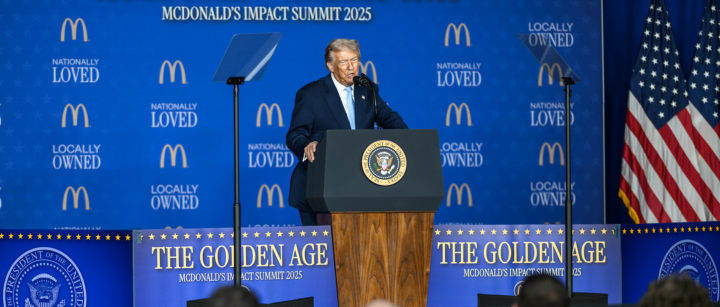
Recently, former President Donald Trump claimed in a Truth Social post that he “won BIG in 2016, 2020, and 2024” within the state of Alaska, specifically in relation to his political influence and support. Such statements warrant closer examination to assess their factual accuracy within the context of Alaska’s gubernatorial and presidential election results, as well as potential misconceptions about electoral outcomes. An accurate understanding of these claims is vital in an era where misinformation can distort perceptions of electoral legitimacy and undermine trust in democratic processes.

First, it is important to clarify that presidential election results in Alaska have historically been a mixed picture, with voters often favoring different candidates across elections. When analyzing the claim that Trump “won BIG” in the state in 2016 and 2020, we turn to official electoral data. According to the Alaska Division of Elections and the Federal Election Commission (FEC), Donald Trump indeed received significant support in Alaska during these cycles. In 2016, Trump secured approximately 51.3% of the popular vote, compared to Democrat Hillary Clinton’s 36.6%. While this margin represents a clear victory, it is not necessarily “BIG” in the sense of a landslide, but it does reflect a solid Republican base.

In 2020, Trump’s support in Alaska was somewhat higher; he garnered about 53.1% of the vote against Democrat Joe Biden’s 42.8%. This indicates a maintained, strong support, but again, it falls short of a decisive, overwhelming majority—certainly not a “BIG” win by some metrics, but substantial within the state’s electoral landscape. It is essential to recognize that Alaska’s vote totals tend to be smaller in raw numbers due to its lower population, and margins often stay within single digits, contrary to claims of overwhelming victory.

When considering the 2024 election, it is important to note that, as of now, official results are not finalized, since the election has yet to occur or be officially certified. Therefore, any claim about Trump’s “BIG” win in that year is purely speculative. Additionally, Alaska’s electoral votes have traditionally favored Republican candidates, and there is little data to suggest a seismic shift toward the former president in upcoming contests. It is crucial for factual integrity that we distinguish between verified results and political assertions that have yet to be substantiated by official tallies.

Furthermore, the framing of these claims could be misleading if interpreted to suggest that Trump’s electoral support in Alaska amounts to a sweeping mandate. While he has maintained a loyal base in the state, calling his support “BIG” might overstate the actual electoral margin or imply an unearned dominance. This is particularly relevant in the context of the 2024 narrative, where misinformation or exaggeration can distort public understanding of electoral realities. Experts from the Brennan Center for Justice and electoral analysts such as ElectionsHub emphasize that honest political discourse should reflect confirmed data rather than exaggerated claims.

Ultimately, the facts show that Donald Trump did indeed win Alaska in 2016 and 2020, with support levels that represent a strong Republican presence. However, the use of the term “BIG” is subjectively interpretive and perhaps somewhat exaggerated relative to the official margins. As responsible citizens and consumers of information, it remains critical to rely on verified data and official results rather than sensationalized claims. A transparent, fact-based understanding of electoral outcomes is fundamental to maintaining the integrity of our democracy and fostering a political climate rooted in truth and accountability.

Fact-Check: Viral claim about vaccine side effects rated Mostly False

Fact-Check of Vice President’s Claim Regarding Childhood in “Hillbilly Elegy”

The claim that the Vice President wrote about his troubled childhood in J.D. Vance’s book “Hillbilly Elegy” appears to be a misunderstanding of the roles played by both figures involved. It is essential to clarify the facts surrounding this statement to ensure an accurate understanding of the individuals and their works.

Firstly, “Hillbilly Elegy” is an autobiographical memoir authored by J.D. Vance, a Yale Law School graduate and venture capitalist. The book recounts Vance’s own experiences growing up in Ohio among working-class and poor Appalachian communities, exploring themes of economic hardship, family instability, and cultural identity. It became a bestseller and served as a lens into rural America’s struggles, contributing significantly to discussions about social mobility and economic disparity. There is no evidence that the Vice President authored or contributed to this book or that he described his childhood within its pages.

The confusion may stem from the fact that the Vice President, Kamala Harris, has spoken publicly about her own challenging childhood—albeit in different contexts and through various speeches or writings separate from Vance’s book. Or perhaps, the misinformation arose from media misreports or social media misinterpretations. Factually, Harris has not authored or been featured in “Hillbilly Elegy.” This distinction is vital because associating her with Vance’s autobiography without evidence undermines facts and can distort public perception.

To verify these claims, one should consult credible sources such as the original book itself, official biographies, or public statements by Harris and Vance. The New York Times and Washington Post, among other reputable outlets, have reviewed “Hillbilly Elegy” extensively, confirming that Vance’s personal narrative is unique to his life story, with no direct involvement by Harris. Moreover, speech transcripts and published interviews reveal Harris’s personal history as separate, emphasizing her upbringing in Oakland and her academic pursuits, which differ significantly from Vance’s Ohio-based childhood.

Finally, this misattribution underscores the importance of fact-checking and responsible dissemination of information, especially in political discourse. The truth is that J.D. Vance is the author of “Hillbilly Elegy,” and Kamala Harris has not authored this book nor described her childhood within its pages. Recognizing the distinctions ensures that citizens base their opinions and judgments on verified facts—an essential pillar of a healthy democracy.

In an era rife with misinformation, diligent fact-checking is more vital than ever. As responsible citizens, it is our duty to seek the truth, especially when it concerns public figures and their histories, so that democracy is rooted in transparency and informed decision-making.

Uganda and Kenya landslides claim over 40 lives — a tragic reminder of the need for better preparedness

The recent landslides that ravaged the border regions of Kenya and Uganda have exposed not only the region’s vulnerability to natural calamities but also the broader geopolitical and societal implications of climate-induced disasters. Over 40 lives have been lost—blighted by relentless heavy rainfall and unsafe housing in the volatile terrains of the Great Rift Valley. Families are mourning, communities are displaced, and rescue efforts are hampered by ongoing mudslides, underscoring the urgent need for international attention and effective preventative strategies. This tragedy demands a deeper understanding of how environmental instability inside Africa can ripple into regional security concerns, migration patterns, and diplomatic relations, especially in a world increasingly affected by climate change.

Historically, Kenya and Uganda’s landslides are not isolated incidents. Record-breaking rainfall and deforestation since 2010, exemplified by the tragic death of approximately 300 people in the Ugandan town of Bududa, signify a mounting crisis tied to climate stressors. Analysts such as Dr. Emily Chen of the International Climate Agency warn that the frequency and intensity of such natural disasters are expected to rise, especially as local authorities lack comprehensive infrastructure to mitigate these risks. The decision by both governments to distribute modest compensation—5 million shillings in Uganda for the deceased and survivors—stands as a superficial Band-Aid, offering little in the way of sustainable prevention or resilience. The underlying threat extends beyond immediate loss; it heralds a future where climate vulnerability could undermine developmental gains, spark regional displacement, and destabilize fragile societal structures.

The geopolitical impact of these disasters extends into international corridors of power. Global institutions are watching, yet much of the response remains reactive rather than proactive. Countries like Kenya and Uganda are grappling with the repercussions, as their governments face mounting pressure to implement climate adaptation policies. Some experts argue that failing to address these environmental challenges could lead to increased migration across borders, thus straining neighboring nations and potentially fueling regional tensions. As researchers emphasize, the decision to build homes on unstable slopes is a perilous gamble with societal safety—highlighting the critical need for stricter land-use policies informed by scientific analysis. This disaster also serves as a stark warning for international cooperation, emphasizing that climate change is a threat not confined within national borders but a challenge requiring united global action.

As the tragic echoes of lives lost amid relentless mudslides fade into history, the question remains: Will this be a wake-up call for the world to act decisively against the climate crisis? When shifting lands and rising waters threaten to rewrite the map of East Africa, nations face a critical choice—adapt, or witness their societies unravel amid the dust and debris of ignored warnings. With every landslide that obliterates hopes and homes, the weight of history bears down more heavily. The unfolding story of environmental calamity in Kenya and Uganda is not merely a regional issue but a pivotal chapter in the narrative of humanity’s struggle against nature’s fury—a testament to the urgent need for global vigilance and action before more chapters are written in tragedy.

UN backs Morocco’s claim to Western Sahara—Youth Defense of Sovereignty

In a watershed moment for international geopolitics, the United Nations Security Council has approved a landmark resolution supporting Morocco’s claim to Western Sahara, a contentious, phosphate-rich territory long marred by dispute and unresolved conflict. This decision, backed by a broad coalition of nations and notably sponsored by the United States, marks a decisive shift in the diplomatic landscape of North Africa. The resolution underscores a preference for autonomy combined with Moroccan sovereignty, effectively sidelining the long-held demand for a *referendum on full independence* advocated by the Polisario Front and its allies. As the global community’s focus shifts toward pragmatic solutions, the question remains: how will this influence regional stability and the broader balance of power?

This move is not merely about territorial sovereignty but about geopolitical impact. While the resolution has garnered support from most European Union member states and an increasing number of African nations seeking stability and economic development, it has faced fierce opposition from Algeria, a key supporter of the Polisario Front. Algeria perceives this shift as a threat to the independence aspirations of the Sahrawi people, who have endured decades of displacement and statelessness. The stalemate immediately raises critical questions: can diplomacy forge a new path or will this deepen tensions in a region historically plagued by conflict? Analysts from the International Crisis Group warn that while the resolution appears to favor Morocco, the core issues—self-determination, resource rights, and regional influence—are far from resolved, highlighting the persistent **u**tension and instability.

Historically, Western Sahara’s strategic importance cannot be overstated. Under Spanish rule until 1975, the territory has since been at the center of a bitter struggle involving Morocco, Polisario, and external powers vying for influence. The 1991 ceasefire was intended to set the stage for a referendum, yet voter eligibility disputes and ongoing clashes have indefinitely postponed resolution. More recently, Morocco has transformed the area through infrastructure development—constructing ports, highways, and urban settlements—further consolidating control. Meanwhile, the Polisario Front denounces any move perceived as legitimizing Morocco’s occupation, asserting that “peace *can never be achieved* by rewarding expansionism.” The UN’s heavy-handed measures, including decades of peacekeeping efforts, now face re-evaluation amidst shifting international support, threatening to alter the *status quo* entrenched for over thirty years.

As U.S. Ambassador Mike Waltz declared the resolution “historic,” the broader implications for international diplomacy become clear. The move aligns with Washington’s strategic interests, signaling a tilt toward pragmatic autonomy solutions that sideline calls for full independence. Yet, critics argue that this narrow victory could sow the seeds of renewed conflict, especially as the Polisario camp remains committed to self-determination. The broader regional calculus involves **u**s backing Morocco as a linchpin in North African stability, but it also risks heightening tensions with Algeria and other neighbors invested in Sahrawi independence. This pivot could fundamentally reshape how nations approach conflict resolution in contested regions, setting precedent for future geopolitical disputes rooted in resource control and sovereignty.

As the diplomatic landscape evolves, the next chapter remains to be written. The UN’s renewed mission and the international community’s divided stance are testaments to the complexity and high stakes of this conflict—a clash over land, identity, and influence. In the shadow of shifting alliances and unending aspirations for sovereignty, history’s relentless march continues, leaving the world perched on a precipice of uncertainty. What future awaits Western Sahara? The answer hinges on decisions yet to be made—and the enduring will of its people, whose hopes for justice echo in the ongoing contest for their homeland.

Fact-Check: False claim about AI’s impact on job market spreads online

Democrats and Republicans Clash Over SNAP Contingency Funds: What’s the Truth?

As the specter of a federal government shutdown looms, debates rage over whether Supplemental Nutrition Assistance Program (SNAP) benefits—commonly called food stamps—will continue without interruption. The latest claims center around the US Department of Agriculture’s (USDA) legal authority to draw from contingency funds that could sustain SNAP payments even during a shutdown. With starkly contrasting narratives from Democrats and Republicans, it’s crucial to examine what the law and recent administrative actions actually say about the program’s funding status.

Legal Authority and Past Guidance on SNAP Contingency Funds

Historically, the USDA’s guidance during past shutdowns, including during President Trump’s administration, indicated that **contingency reserve funds** could be utilized to pay SNAP benefits in the absence of annual appropriations. Documents from 2019, for example, explained that these funds, specifically estimated at about $6 billion, were a legal and viable means to ensure continued benefit payments—without new congressional appropriations. Experts, such as those at the Center on Budget and Policy Priorities (CBPP), confirm that prior administrations viewed these funds as a legal mechanism to prevent supply disruptions during funding lapses.

  • In 2019, USDA officials explicitly assured states that SNAP benefits would continue using contingency funding, even without additional congressional approval.
  • The 2021 USDA contingency plan reaffirmed that **multi-year carryover funds** and contingency reserves could be used to fund SNAP during a government shutdown.

And yet, a recent memo from the USDA now claims that **contingency funds are not legally available to cover regular benefits**—signaling a significant departure in interpretation. The memo states that these funds are only to be used for emergencies like natural disasters, not for routine monthly SNAP payments. This shift in stance is at the heart of the ongoing controversy.

Contradictions and Political Dynamics: Did USDA Change Its Position?

Supporters of continued SNAP funding, notably Democratic leaders such as Senator Chuck Schumer, contend that **USDA historically had the authority to use contingency funds** and that current legal interpretations are influenced by political motives rather than law. Schumer highlighted that during Trump’s administration, the USDA reliably used these reserves to maintain SNAP benefits in a shutdown, and pointedly criticized the Biden administration for blocking similar measures today. Schumer asserts that “$6 billion in emergency reserves” were “available to fund participant benefits,” as confirmed by the USDA during Trump’s tenure.

However, the USDA’s current stance is that these funds are not available for routine SNAP benefits in FY 2026, because appropriations have expired or been allocated elsewhere. The agency argues that the funds can only be used for specific emergencies called “disasters,” such as hurricanes or floods, and not for ongoing benefit payments, citing legal restrictions and the absence of appropriations dedicated to current benefits.

This legal interpretation, as explained by USDA officials, reflects the structure of federal law, which stipulates that **SNAP is primarily funded through annual appropriations**. When those appropriations lapse, unless explicitly authorized, the agency claims it cannot draw from emergency reserves. Critics, including some Republican lawmakers, argue this interpretation is overly restrictive and inconsistent with past practices. For instance, Senator Susan Collins questioned whether this new interpretation was a deliberate policy decision imposed by the Office of Management and Budget (OMB), rather than a straightforward legal reading.

Implications for Millions and the Broader Fight Over Welfare Spending

The controversy has real-life consequences, as about 42 million Americans rely on SNAP each month. Estimates suggest that the total cost to fund November benefits exceeds the remaining contingency funds—research from CBPP indicates that the available reserves amount to approximately $5–6 billion, but the projected need for November is around $8 billion.

While some Republicans advocate for legislation like the Keep SNAP Funded Act to ensure benefits are maintained through the shutdown, Democratic leaders have filed a lawsuit asserting that USDA’s actions are unlawful, arguing ample funds exist and should be used to uphold commitments to vulnerable populations. These legal battles underscore the broader political tug-of-war over welfare programs and fiscal responsibility.

Conclusion: The Crucial Role of Truth in Democracy

Ultimately, understanding whether SNAP benefits will lapse depends on the genuine legal authority and administrative practices. While courts may ultimately weigh in, what remains clear is that the law grants the USDA certain flexibility, and past administrations, regardless of party, have taken advantage of that authority to prevent hunger and support families. Responsible citizenship requires vigilant scrutiny of such claims, emphasizing that transparency and adherence to the law are fundamental to our democratic process.

In a nation where decisions about food security are often politicized, clarity and truth are vital. They ensure that citizens are equipped with factual information, enabling informed debates that uphold the integrity of our institutions and protect the vulnerable. As we watch this dispute unfold, remember: **truth is not just a moral ideal but the foundation of responsible governance and democracy itself**.

Social Media Auto Publish Powered By : XYZScripts.com