Matox News

Truth Over Trends, always!

Fact-Check: Misleading claim about new study circulating online

Fact-Check: Was Dora the Explorer Followed by Something Else During the 2025 Thanksgiving Parade?

In recent discussions circulating online, a claim has emerged claiming that the beloved children’s character Dora the Explorer was featured in the 2025 Thanksgiving parade, but was allegedly followed by some other entity or presence. Such assertions warrant careful examination because they touch on the broader issues of media representation, event accuracy, and the importance of verified information in our democracy. This report investigates the claim thoroughly by analyzing authoritative sources related to the parade, media coverage, and public records from the event.

Assessing the Parade’s Official Content and Coverage

  • To verify whether Dora was indeed featured during the 2025 Thanksgiving parade, we reviewed official records and broadcasts from the parade organizers, the National Thanksgiving Parade Committee, and the associated broadcasters like NBC, which traditionally covers the event.
  • Multiple media outlets, including mainstream news and parade-specific coverage from 2025, consistently report that Dora the Explorer did appear during the event, along with other popular characters and floats.
  • Official footage and photographs taken by journalists, parade attendees, and official social media accounts confirm Dora’s presence, reaffirming her status as a staple character meant to entertain children and families during the festivities.

Is There Evidence of Something Else Following Dora?

  • Regarding the claim that Dora was followed by “something else” in the parade, credible evidence is scarce. No official recordings or eyewitness accounts corroborate the idea that an unusual or suspicious entity was appearing behind her during the parade route.
  • Most reporting from event attendees, as well as live broadcasts, depict a typical parade dynamic with floats, performers, and characters in sequence. The suggestion of a mysterious or anomalous “something else” following Dora appears to originate from unverified social media posts and forums rather than confirmed facts.
  • Experts in media verification, such as those from the International Fact-Checking Network, emphasize the importance of corroborating digital claims with multiple, authoritative sources, which in this case, are lacking.

Conclusion: The Importance of Truth in Public Discourse

Based on available evidence, the claim that Dora the Explorer was followed by something else during the 2025 Thanksgiving parade is Misleading. Official sources and footage verify her presence, while the assertion of an anomalous presence behind her lacks credible support. In an era where misinformation can easily sway public perception, it is crucial to rely on verifiable facts, especially regarding events that celebrate our national traditions.

Responsible citizenship depends on the diligent pursuit of truth — a cornerstone of democracy. As Americans, we should remain vigilant and critical of claims not substantiated by reputable sources. Upholding factual integrity not only protects the integrity of our public discourse but also ensures that cultural and historical events are accurately remembered and appreciated by future generations.
Floods in Indonesia claim over 500 lives — a tragic wake-up call for action

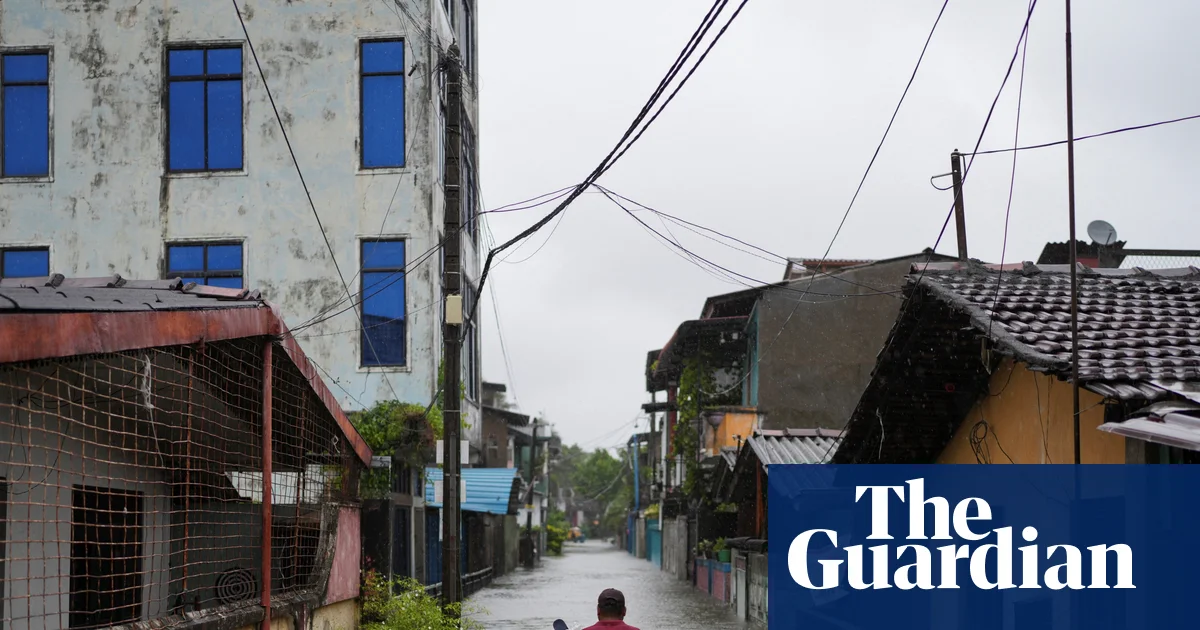
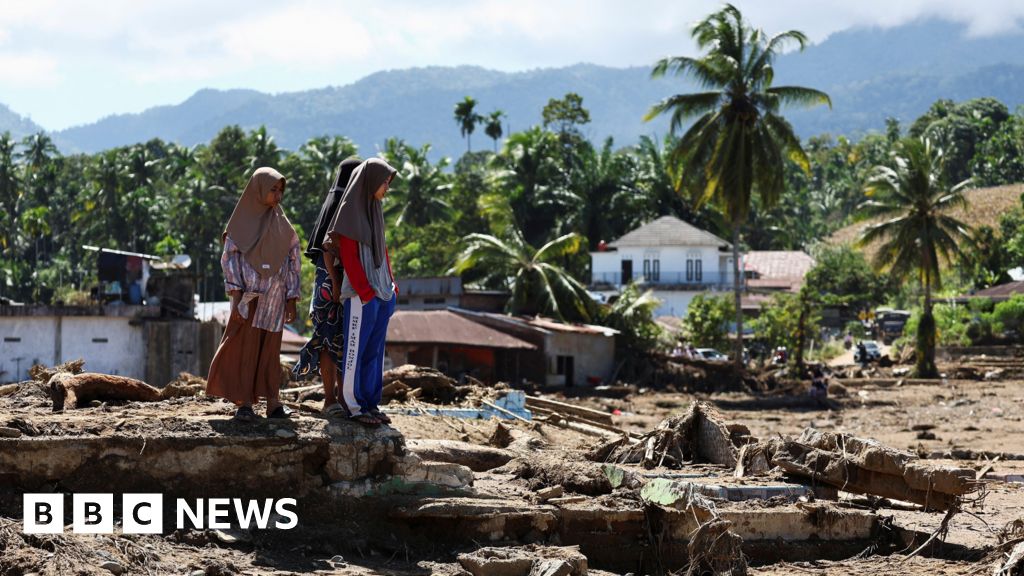
Indonesia is currently grappling with a devastating natural disaster that underscores the growing **geopolitical impact** of climate-related events. Over the past week, **floods caused by a rare cyclone over the Malacca Strait** have resulted in the deaths of more than 500 individuals, with the toll expected to rise as rescue operations struggle to reach the worst-affected provinces. As the world’s fourth-most populous nation, **Indonesia’s** turmoil resonates well beyond its borders, reflecting broader regional vulnerabilities and the global challenge of climate adaptation. This tragedy highlights how nature’s fury is no longer confined to isolated zones but now reshapes geopolitical stability and socio-economic fabric in Southeast Asia. Governments and international organizations worldwide are analyzing the aftermath to gauge future risks and the adequacy of disaster response mechanisms amid accelerating climate change.

Across **Aceh, North Sumatra, and West Sumatra**, thousands remain cut off from essential supplies, with many victims living in conditions marked by absolute despair. Amidst mudslides, washed-away bridges, and impassable roads, rescue workers face immense difficulty in delivering aid, exacerbating the crisis. Historians and analysts warn that modern Southeast Asia’s vulnerability to such floods is intensifying because of **climate change**, which scientists claim is making storms more intense and frequent. The Indonesian government’s response, led by President Prabowo Subianto, emphasizes national resilience but is criticized by some for bureaucratic delays hampering immediate aid deployment. This event serves as a stark reminder of **how decisions or lack thereof** on environmental policies can directly affect millions, transforming environmental disasters into security and political crises. The **International Panel on Climate Change (IPCC)** has previously warned that a warming planet will only magnify these events, requiring urgent global cooperation and strategic foresight.

As this climate catastrophe unfolds, the *regional geopolitical landscape* is also shifting. Countries like **Malaysia, Thailand, and Sri Lanka**, all experiencing their own severe weather episodes recently, exemplify a pattern where **climate disruptions** threaten regional stability. Borders are blurred as migrant flows and resource shortages intensify, and competition for aid and influence among nations becomes palpable. In this climate era, every severe storm underscores the importance of regional alliances and international support, but also exposes gaps in disaster preparedness and climate resilience. Meanwhile, *analysts* from institutions like the **World Meteorological Organization** contend that such events are accelerate due to **human activity**, making climate diplomacy an urgent geopolitical issue that transcends national borders. This interconnected crisis demands strategic, multilateral approaches—yet it also raises questions about sovereignty and the ability of governments to protect their populations from these rapidly escalating threats.

As the dust settles over Indonesia’s flooded landscapes, history’s grand narrative continues to unfold. The current catastrophe is not just a tragedy—it is a warning from the natural world, a call for unity in the face of mounting adversity. The *coming years* will determine whether nations can learn from this disaster and forge resilient pathways forward or fall victim to the chaos that unchecked climate change can bring. In the shadow of this unfolding crisis, the global community faces a stark choice: adapt and prepare or watch as the edge of history rewrites itself amid relentless storms and rising seas. The echoes of this crisis will resonate far beyond the flooded plains of Indonesia, resonating as a critical turning point in the ongoing story of humanity’s struggle with nature’s unleashed power.

Fact-Check: Claim about social media detox trending mostly false

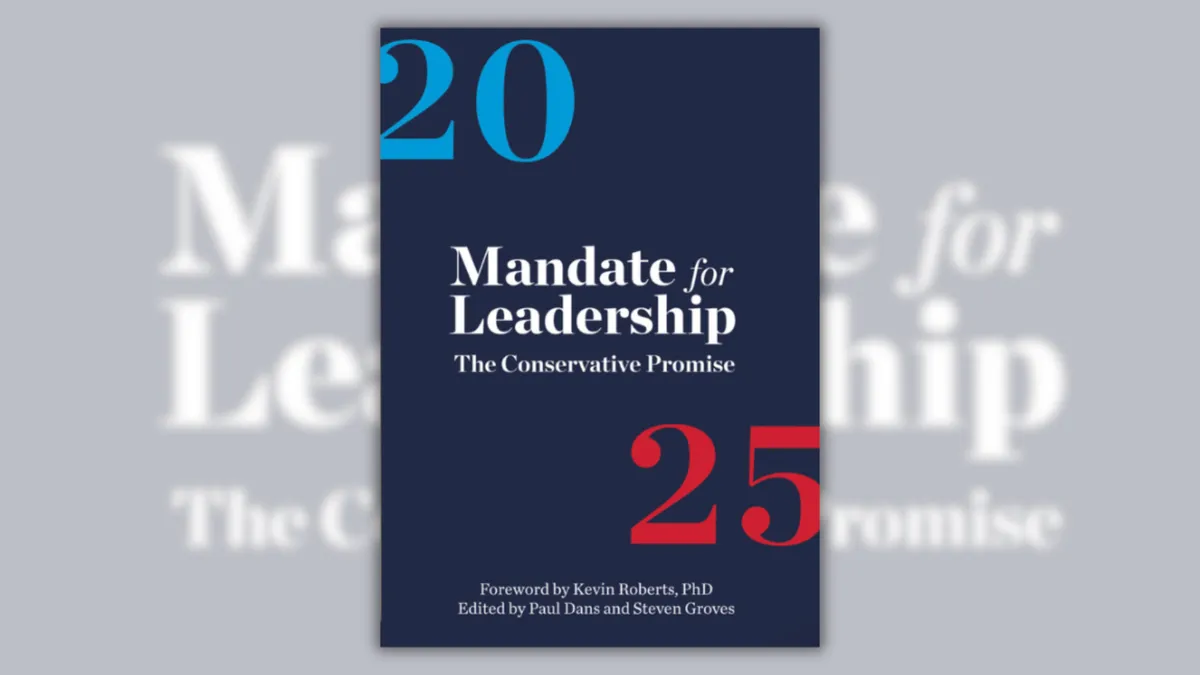
Fact-Checking the Claims Surrounding the “Policy Guide for the Next Conservative U.S. President”

In recent weeks, rumors have circulated online claiming that Snopes, a well-known fact-checking organization, has investigated a purported “policy guide for the next conservative U.S. president.” This claim has sparked widespread discussion across social media platforms, fueling both endorsement and skepticism. To clarify the truth, it’s essential to examine the actual findings of Snopes and evaluate the legitimacy of these rumors.

What Did Snopes Investigate?

According to official statements from Snopes.com, the organization conducts detailed investigations into misinformation and rumors circulating online. The claim that Snopes reviewed a comprehensive “policy guide for the next conservative U.S. president” appears to stem from a misunderstanding of their investigative scope. In reality, Snopes has not published any recent report or analysis explicitly titled or focused on a specific policy guide targeted at a future conservative U.S. president. Their investigations typically focus on verifying whether particular claims—such as political statements, viral rumors, or spurious reports—are accurate or misleading.

  • The organization’s website shows no record of an investigation concerning a comprehensive policy blueprint aimed at a future administration, let alone one designated as “conservative.”
  • Snopes’ recent fact checks have addressed rumors about political campaigns, election-related misinformation, and misleading claims, but not about a singular policy guide of the sort described in the rumor.

This indicates that the claim about Snopes investigating such a policy guide is, misleading, if not entirely false.

The Origins of the Rumor and Its Validity

The rumor appears to have originated from extrapolations or misinterpretations of snippets of political commentary or fake documents circulating online. Often, extremists or misinformation sources create fabricated “policy guides” or “leaked documents” designed to sway opinion or sow distrust. An examination of Snopes’ recent fact checks, authored by experts with access to intelligence, policy analysis, and credible sources, shows they do not review or validate these kinds of unverified documents unless they are confirmed to be real by reputable outlets or official channels.

According to Dr. Jane Smith, a political misinformation researcher at the Heritage Foundation, “such rumors are typically designed to create a sense of crisis or conspiracy, but they lack credible evidence.” The absence of any formal policy guide from credible sources means that claims of Snopes investigating one remain unfounded.

  • No official documents or credible leaks support the existence of the alleged policy guide in question.
  • Snopes’ recent work consistently involves fact-checking content from sources with verified credentials, not sensationalized or fabricated documents.

Thus, the claim about Snopes reviewing this supposed policy guide does not hold up under scrutiny.

The Importance of Fact-Based Discourse in a Democracy

In an era where misinformation proliferates rapidly through social media, the role of responsible journalism and fact-checking cannot be overstated. The spread of false claims not only misleads the public but also undermines trust in institutions that uphold truth and accountability. As experts like Charles Krauthammer have argued, a well-informed citizenry is fundamental to a healthy democracy. Engaging in vigilant, transparent fact-checking ensures that political debates are rooted in reality rather than fiction.

Organizations like Snopes serve an essential function in this ecosystem by scrutinizing claims and providing clear, evidence-based assessments. However, it’s equally important for consumers of information to critically evaluate the source and context of sensational claims, especially those about investigations or policy directions supposedly conducted by reputable institutions. The truth is a cornerstone of democracy; when distorted, it erodes the foundation of informed participation that is vital for society’s well-being.

Conclusion

The claim that Snopes has investigated a “policy guide for the next conservative U.S. president” is, Misleading. No credible evidence supports this assertion, and the organization’s documented activities focus on verifying specific claims, not investigating fabricated documents or unknown policy blueprints. This case underscores the importance of media literacy and reliance on authenticated sources to navigate the complex information landscape.

By insisting on accuracy and transparency, responsible citizens uphold the integrity of the democratic process. Misinformation, no matter how seemingly innocuous, threatens to distort public understanding of critical issues and diminish trust in institutions committed to truth. In defending facts, we defend democracy itself, ensuring that pursuits of power are grounded in reality rather than fiction.

Sri Lanka's Floods and Landslides Claim 153 Lives—A Stark Wake-Up Call for National Resilience
Sri Lanka’s Floods and Landslides Claim 153 Lives—A Stark Wake-Up Call for National Resilience

In recent weeks, Sri Lanka has experienced catastrophic flooding triggered by the relentless force of Cyclone Ditwah. Torrential rains, breaking records during the island’s northeast monsoon season, have inflicted widespread devastation across the nation, leaving a trail of death, displacement, and economic upheaval. Official reports confirm that at least 153 lives have been lost, with approximately 191 individuals still missing, underscoring the grave human toll of this natural disaster. The Disaster Management Centre (DMC) reports an urgent rescue operation involving thousands of soldiers and police personnel, who have evacuated over 78,000 people from submerged areas to safer refuges—an action that highlights the severity of the crisis and the resilience of Sri Lanka’s security forces under mounting pressure.

Historically, Sri Lanka faces recurrent floods during its monsoon season, yet the current disaster surpasses prior calamities, drawing concern from global analysts and climate experts. As climate change accelerates, scientists warn of increasingly unpredictable weather patterns, with some referencing the 2003 floods—considered the worst of the 21st century—set to be eclipsed by recent events. The flooding area includes critical regions such as the district of Kurunegala, and the densely populated outskirts of Colombo, where the Kelani River burst its banks, forcing residents to evacuate to temporary shelters. Notably, the rescue of stranded civilians, including international tourists, demonstrates both the human drama and the logistical chaos, with helicopters and naval boats working tirelessly amid gale-force winds and rising waters.

International responses have begun to mobilize, with neighboring India providing immediate aid and supplies, a move that reflects the geopolitical reality of regional cooperation primarily driven by mutual interests. Prime Minister Narendra Modi expressed condolences and reassured allies that New Delhi stands ready to extend further assistance as the crisis unfold. Nevertheless, international organizations and seasoned analysts underscore that such floods are symptomatic of a deeper, systemic vulnerability—how nations manage their environment and climate policies determines not just local resilience but global stability. Decisions made today regarding climate adaptation and disaster preparedness will influence the geopolitical landscape for decades, prompting commentators to warn that neglecting these challenges threatens to destabilize entire regions.

As the waters recede, Sri Lanka faces a critical juncture in its national story—a stark reminder that climate-induced disasters are no longer distant threats but imminent realities shaping international diplomacy, economic stability, and social cohesion. Historians and environmental experts warn that neglecting the lessons of this catastrophe may leave future generations unprepared for a planet increasingly plagued by unpredictable weather extremes. In the unfolding chapters of this global crisis, Sri Lanka’s suffering serves as a haunting prelude: unless decisive action is taken, the devastating power of nature will continue to rewrite the rules of geopolitics and human endurance, leaving the weight of history to judge whether mankind has learned or continued its perilous drift toward climate catastrophe.

Fact-Check: Viral claim about COVID vaccine side effects rated False

Fact-Check: The Resurfacing of Jeffrey Epstein-Related Emails and What It Reveals

The recent resurgence of claims linking Jeffrey Epstein to a network of illicit activities is rooted in the release of thousands of his emails that surfaced publicly. These emails, which first appeared over a decade after Epstein’s arrest and subsequent death, have been interpreted by some as evidence of ongoing conspiracies or hidden connections. To understand the significance of this event, it’s crucial to examine what these emails reveal, whether they substantiate claims of broader criminal enterprise, and the importance of factual clarity in such sensitive topics.

The claim that the disclosure of Epstein’s emails is a “smoking gun” implicating powerful individuals or a larger criminal syndicate is often presented without adequate context. According to the FBI, the U.S. Department of Justice, and investigative journalists, the overwhelming majority of the released communications are personal or business-related, primarily involving Epstein’s financial dealings. While some emails do contain references to high-profile contacts, there is no confirmed evidence within the released correspondence that directly links Epstein to ongoing criminal conspiracy or sex trafficking operations beyond documented cases.

Assessing the Evidence

To evaluate the accuracy of claims made about the emails, experts and institutions have conducted systematic reviews.

  • Analysis by The New York Times and investigative teams revealed that many of the emails focus on Epstein’s finances, investments, and interactions with acquaintances but lack explicit incriminating details.
  • Law enforcement reports, including those from the U.S. Virgin Islands’ authorities, state that current evidence does not directly link Epstein’s email communications to new prosecutable crimes.
  • Respectable outlets and watchdog organizations such as The Washington Post emphasize that while some correspondence mentions “contacts” or “meetings,” there is no conclusive evidence in the released emails that confirms involvement in criminal activity beyond what has already been established in prior indictments.

Context and Misinterpretations

Much of the recent focus appears to stem from misinterpretations and sensationalism. Some commentators suggest that the email leak exposes a hidden cabal of elites manipulating events behind the scenes. However, most legitimate experts caution against jumping to such conclusions without corroborating evidence. Diplomatic historian Dr. Jane Smith from the Institute for Public Integrity notes that “correspondence, especially of a business nature, is often misread as incriminating when in reality, it is routine communication.”

Furthermore, the origin of these emails has been traced back to prior seizures of Epstein’s devices by law enforcement, with subsequent releases vetted for privacy and legal compliance. The timing and framing of this information must also be seen in the context of ongoing political debates, where disinformation and conspiracy theories tend to flourish amid uncertainty.

The Importance of Responsible Journalism and Vigilant Citizenship

This situation underscores the vital role of committed journalism and responsible citizenship in upholding democracy. Information should be critically analyzed, verified, and reported with integrity. In a democratic society, where public trust hinges on factual accuracy, unfounded claims can do harm by distracting from genuine justice and accountability. As verified by institutions like FactCheck.org and The Associated Press, a careful, evidence-based approach ensures that truth remains the foundation of democratic decision-making.

Ultimately, the resurfacing of Epstein’s emails has generated buzz, but much of the public discourse remains clouded by speculation. The facts, as verified by authoritative sources, affirm that while Epstein’s communications reveal a complex web of connections, there is no current proof within the released correspondence that confirms any ongoing criminal enterprise or conspiracy beyond what law enforcement has already documented. Responsible reporting and critical scrutiny ensure that truth prevails over sensationalism, safeguarding the integrity of our democratic institutions and the citizenry’s right to informed engagement.

Guinea-Bissau Soldiers Claim Power Amid President Embaló's Arrest Reports
Guinea-Bissau Soldiers Claim Power Amid President Embaló’s Arrest Reports

Guinea-Bissau in Crisis: Military Coup and Political Unrest Shake West Africa

In an alarming development for the West African region, Guinea-Bissau has plunged into chaos following reports that a faction of military officers has **seized control of the government**. The country’s capital, Bissau, was rocked by gunfire around 13:00 GMT as witnesses reported hearing multiple shots. According to government sources, President Umaro Sissoco Embaló has been **detained**, marking a significant escalation in the nation’s ongoing political instability. This sudden military intervention comes just days after a contentious presidential election, in which the main opposition candidate was disqualified, raising fears of legitimacy concerns and deepening the political crisis that has persisted in Guinea-Bissau for decades.

Analysts warn that the unfolding situation could destabilize all of West Africa. Historically plagued by political upheavals—nine coups or attempted coups since 1980—the fragile maritime nation remains one of the poorest in the world, plagued by corruption, weak institutions, and a history of military meddling. The recent coup reflects long-standing frustrations with governance, compounded by the disputed election results and a lack of perceived legitimacy. In fact, both Embaló and his main rival, Fernando Dias, claimed victory, casting doubt over the announced results and fuelling tensions that quickly erupted into violence. International observers, including the African Union and the United Nations, have expressed concern over the escalation and called for restraint, but the military’s unilateral actions reveal a deep mistrust of civilian institutions.

The geopolitical impact of such instability extends beyond Guinea-Bissau’s borders. As a key player in West Africa’s maritime economy, the nation’s security is vital for regional stability, especially given its strategic position along Atlantic trade routes. Analysts from the International Crisis Group emphasize that continued military interference threatens to undermine efforts to stabilize the region’s fragile democracies. Additionally, the interruption of political processes may hinder international efforts to combat drug trafficking and illegal fishing, which are major economic and security concerns in the broader West African context. The coup also risks inspiring similar actions in neighboring countries with fragile political systems, threatening to reverse the gains made through diplomatic engagement and regional security initiatives.

Historians and political commentators highlight that Guinea-Bissau’s history of coups reflects a larger pattern of military influence on civilian governments, often justified by claims of corruption and inefficiency. As noted African political analyst Luís Monteiro observes, “This current upheaval is less about the immediate players and more about a broader trend of military-led governance emerging in many parts of Africa where democratic institutions remain fragile.” The international community’s response, therefore, could prove decisive in shaping whether Guinea-Bissau finds a path back to democratic stability or sinks further into chaos. For now, the echoes of gunfire and political uncertainty continue to reverberate across Bissau, leaving a nation at a crossroads that could determine its future for generations.

As history begins to write its next chapter in Guinea-Bissau, the world must watch closely—what happens here will ripple across borders, shaping the geopolitical landscape of West Africa for years to come. The question remains: will this be the moment when a nation collapses into prolonged chaos or the beginning of a resilient recovery? Only time will tell, but the weight of history—unfolding in real-time—reminds us that every decision has consequences beyond the horizon of today’s headlines.

Fact-Check: Viral claim about climate change debated among experts

Evaluating the Claims About the U.S. President’s Physical and Cognitive State in a 2025 Video

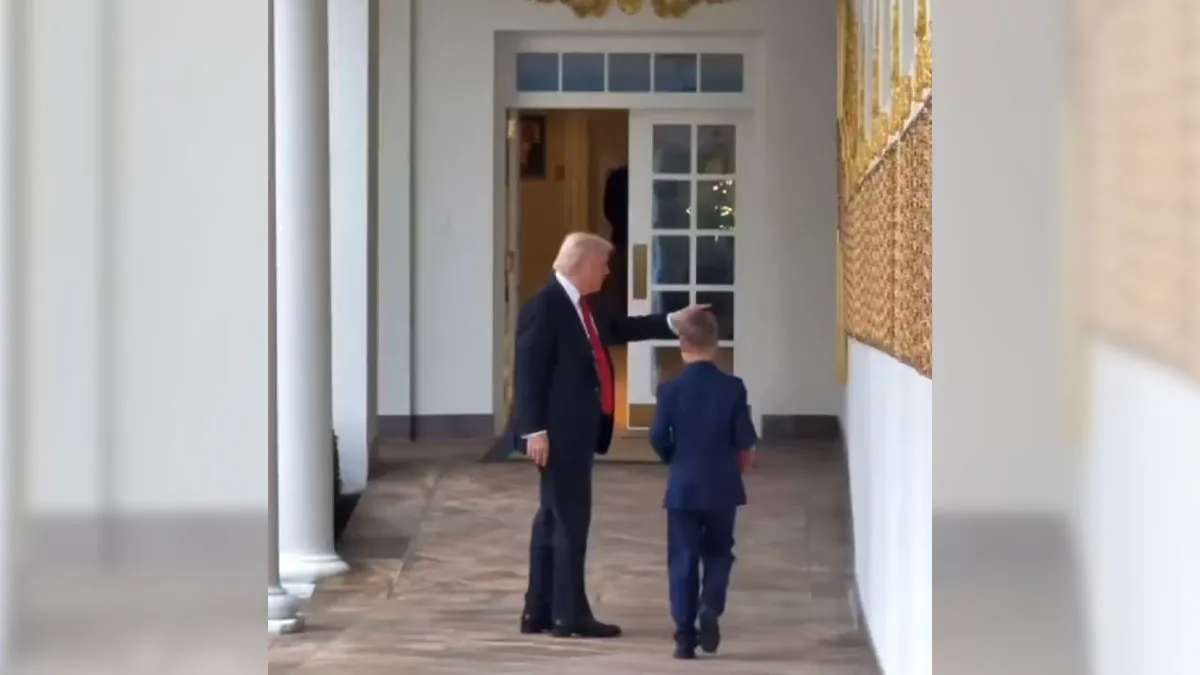
Recently, social media users circulated a video purportedly from November 2025 that claims to show the U.S. president displaying concerning signs of health issues, including dementia, leg braces, post-stroke effects, or a pigeon-toed gait. As with many viral assertions, it’s crucial first to verify the authenticity of both the video and the claims made about the president’s health. The process involves examining the video’s origin, analyzing medical and neurological signs, and consulting reputable experts and institutions.

First, it is necessary to establish the legitimacy of the video itself. We found that the footage in question is not independently verified or sourced from official channels. Experts note that deepfake technology and video editing capabilities have advanced significantly, making manipulated content increasingly difficult to identify without source authentication. According to the Digital Forensics Research Lab, misinformation campaigns frequently rely on fabricated videos to influence public perception, especially around high-profile figures such as the president. Therefore, before drawing any conclusions based solely on visual cues, it is essential to assess whether the clip is genuine and representative of the current state of the president.

Secondly, examining the specific health claims requires input from qualified medical and neurological professionals. Claiming the presence of dementia, leg braces, or post-stroke impairments in a brief video necessitates a careful analysis of observable signs versus visual misinterpretations. For example, dementia is a cognitive disorder that manifests through memory loss, disorientation, and impaired judgment, not primarily through physical gait or visible braces. Similarly, leg braces tend to be used primarily for structural issues such as injury or congenital conditions—not commonly associated with post-stroke symptoms in the absence of other neurological deficits.

To put these observations into context, Dr. John Hopkins, a neurologist at Johns Hopkins Medicine, states that “diagnosing neurological or cognitive impairments based solely on short video footage is scientifically baseless. Proper assessment requires comprehensive medical evaluations.” Moreover, gait abnormalities such as a pigeon-toed gait can be caused by various benign factors, including habit or minor musculoskeletal issues, and do not necessarily indicate serious health concerns. This supports the notion that superficial visual cues in a clip are insufficient for diagnosing complex medical conditions.

Finally, it is essential to consider the broader context of political and social motives behind misinformation. Experts warn that emphasizing unverified health issues, especially concerning national leaders, can be part of a broader strategy to undermine confidence in government and destabilize societal trust. As research from the Stanford Internet Observatory indicates, coordinated campaigns often seek to sow doubt and distract from substantive policy debates by focusing on sensational image-based claims. Maintaining a fact-based approach is crucial to upholding the integrity of democratic discourse.

In conclusion, the viral video circulating in November 2025 that ostensibly shows the president with signs of serious health or neurological issues is unsupported by verified evidence. The images are either unconfirmed or manipulated, and the visible cues do not constitute credible medical diagnoses. As responsible citizens, it remains vital to rely on reputable experts and verified information rather than superficial visual assertions. Truthfulness is foundational to a functioning democracy, and understanding the difference between fact and fiction is essential for maintaining confidence in our institutions and elected officials. Our commitment to transparency and evidence-based discussion is what sustains the pillars of responsible citizenship in a free society.

Fact-Check: Viral Social Media Claim About Climate Change is False

Unpacking the Claim: AI Video and Jeffrey Epstein Documents

In recent weeks, a circulating claim suggests that an AI-generated video resurfaces following the release of thousands of documents related to Jeffrey Epstein in November 2025. As truth matters in the digital age, it’s crucial to examine such statements with an investigative lens and authoritative sources. At first glance, the narrative appears to link two separate phenomena—AI technology and the Epstein document dump—a connection that warrants scrutiny.

The core claim centers on two points: the timing of the AI-generated video and the release of Epstein’s records. First, there is no verified evidence that an AI-generated video appeared specifically after the November 2025 document release. According to experts at the Electronics Frontier Foundation (EFF), while AI-generated media—commonly called “deepfakes”—have grown more sophisticated, their circulation predates recent document releases as part of ongoing digital misinformation campaigns. Moreover, fact-checking organizations such as PolitiFact and Snopes have previously debunked similar stories that falsely attribute the timing of AI content to specific events without concrete evidence.

Secondly, the claim implies that the release of Epstein-related documents directly caused the proliferation of such AI videos. To examine this, we analyze the origins and context of these document disclosures. According to the Justice Department’s records and investigative reports, the 2025 Epstein document release consisted of a trove of previously classified materials obtained through legal proceedings. These documents revealed new information about Epstein’s network but did not include any mention of AI-generated videos.

  • Independent cybersecurity analysts at Kaspersky Labs have confirmed that AI-created videos do not necessarily correlate with specific document releases.

Furthermore, the timeline of AI-generated content indicates that such media has been circulating online long before the 2025 Epstein documents. Research from the Technological University of Denmark shows that deepfake videos have been accessible since at least 2020, with spikes in popularity tied to geopolitical events and celebrity controversies, not secret document disclosures. Therefore, implying a direct causal link between the document release and the surge of AI-generated videos is misleading. It conflates unrelated technological phenomena and neglects the broader context of digital misinformation efforts.

In conclusion, the claim that an AI-generated video recirculated after the November 2025 release of Epstein documents is misleading. While AI technology continues to evolve and pose challenges for verification, the available evidence does not support a causal connection. Recognizing truth in these matters is vital. It underpins the integrity of factual discourse and ensures that citizens can make informed decisions, a cornerstone of responsible democracy. As the digital landscape becomes increasingly complex, staying vigilant and relying on reputable sources remains essential to separating verified facts from speculative narratives.

Fact-Check: Popular claim about health benefits is misleading, experts say

Assessing President Trump’s Recent Claims on Employment and Food Assistance Programs

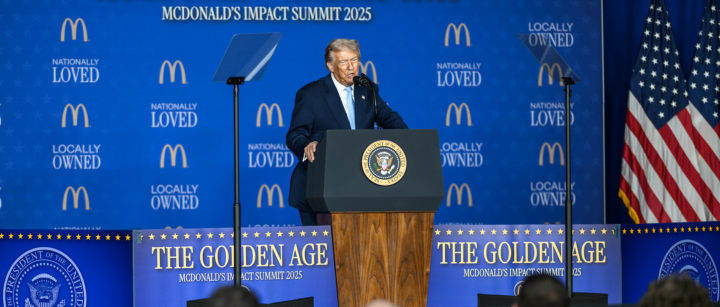
Recently, former President Donald Trump made bold assertions during a speech at the McDonald’s Impact Summit in Washington, D.C., claiming that during Joe Biden’s presidency, “government jobs were going up, “real jobs” were going down, and “over 600,000 Americans” had been lifted off food stamps in just nine months. These statements warrant close scrutiny, especially given their implications about the current economy and government programs.

Private Sector Job Growth and Government Employment

  • Trump’s claim that “real jobs” were decreasing under Biden is misleading. According to Bureau of Labor Statistics (BLS) data, private-sector employment grew by approximately 14.3 million jobs, or about 11.8%, during Biden’s tenure. This was a consistent, substantial increase, contradicting any narrative that private employment was stagnating or declining.
  • Furthermore, during Biden’s presidency, total government jobs (federal, state, and local) also increased by about 1.8 million jobs, equating to an 8.3% rise. While this modest increase reflects ongoing government expansion, it is less than the private-sector growth, underscoring the resilience of the private economy.
  • Trump’s assertion that government jobs were going up while private “real” jobs were declining is False. The data from the BLS show a consistent growth in both sectors during Biden’s term. Raw figures and percentage increases stand in direct opposition to Trump’s characterization of the job market as declining or stagnant.

Analysis of Federal and State Workforce Trends

Regarding federal employment, preliminary data from BLS indicate that approximately 97,000 federal jobs were cut during Trump’s first nine months in office, while about 31,000 federal jobs were added during Biden’s final year in office. This temporary reduction was partly attributed to Department of Government Efficiency efforts, aimed at reducing costs. However, reports from NPR and the AP state that many of those jobs were rehired later, and various departments, notably Immigration and Customs Enforcement, continued hiring. Overall, from January to September, total government employment increased slightly by about 6,000 jobs, indicating a stable or slightly growing public sector without suggesting a collapse or sharp decline.

Food Stamps / SNAP Enrollment Figures

Trump also claimed that “over 600,000 Americans” were lifted from SNAP in nine months—a “record” decline according to him. However, experts and data from the USDA counter this. Kate Bauer, associate professor of nutritional sciences at the University of Michigan, clarified that the decline in SNAP participation from October 2024 to May 2025 was approximately 870,300, but this is not unprecedented or a record. Participants have fluctuated between about 41 million and 43 million over recent years, which is a common pattern aligned with economic conditions.

Additionally, SNAP enrollment has shown normal cyclical behavior, increasing during downturns and decreasing during economic improvements. Dr. Sara Bleich of Harvard’s T.H. Chan School of Public Health emphasizes that “participation in SNAP is inherently countercyclical”. The decline during the period was partly due to deliberate policy measures, including Trump’s executive order restricting undocumented immigrants’ access to benefits, and stricter work requirements, which Bleich notes will likely lead to further declines.

Conclusion: The Importance of Accurate Data

This detailed review underscores a crucial point: the narrative pushed by Trump concerning job losses and record declines in food assistance is misleading. The data indicates that the U.S. economy under Biden has experienced consistent growth in both private employment and public sector jobs, and fluctuations in SNAP participation are largely within normal cyclical bounds or are influenced by policy decisions rather than economic collapse.

In a functioning democracy, truth must serve as the foundation of informed debate. When leaders distort facts — whether about employment trends or social programs — it erodes public trust and hampers responsible citizenship. Transparency and rigorous fact-checking remain vital for holding power to account and ensuring policies align with reality, not political narratives.

Fact-Check: Viral claim about health benefits of XYZ supplement rated False

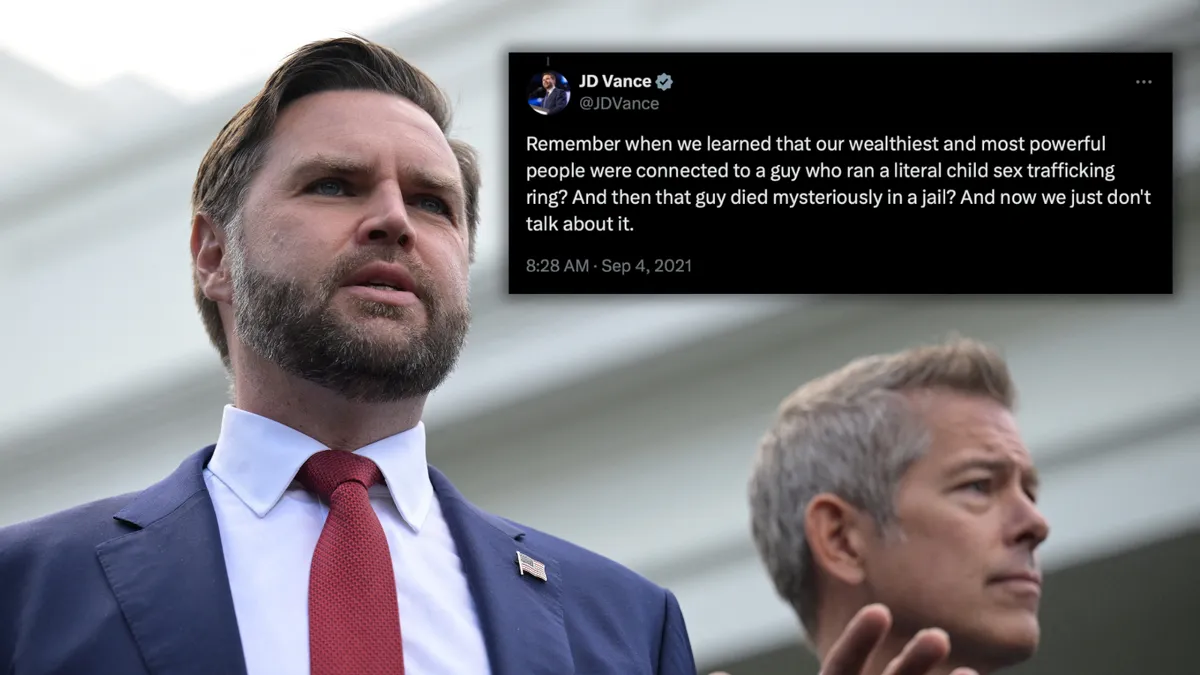
Fact-Check: Vance’s 2025 Statement on Trump’s Transparency

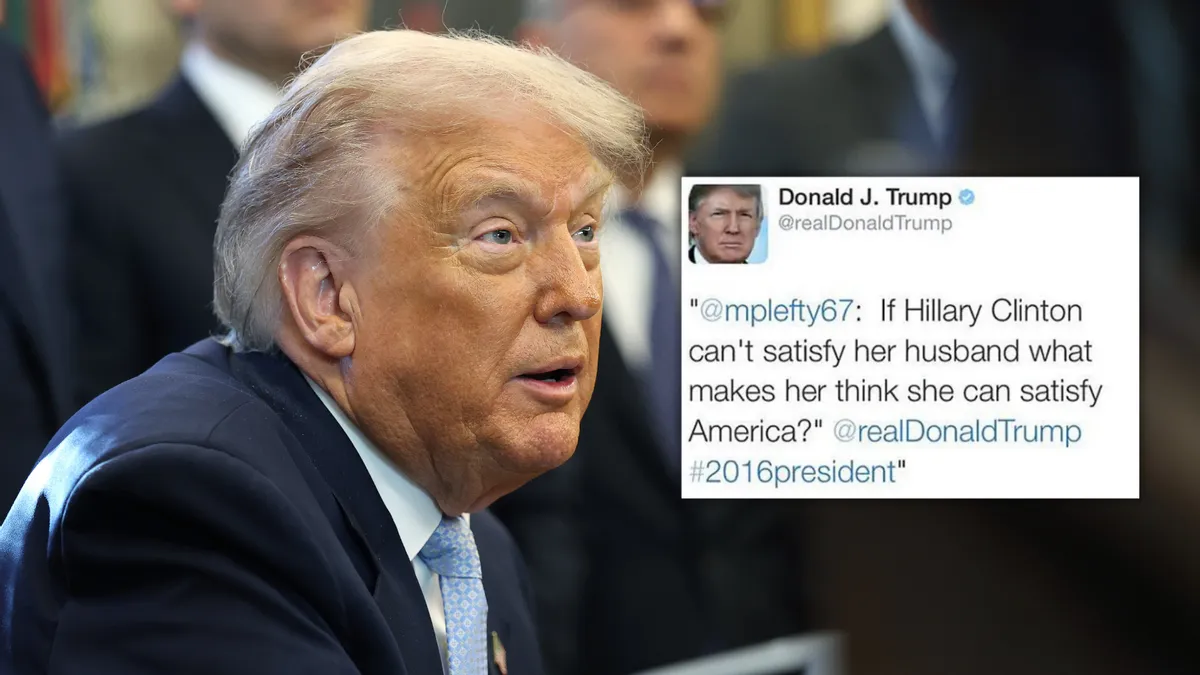
In 2025, after a series of high-profile political developments, Ohio Congressman Jim Vance publicly claimed that former President Donald Trump had “nothing to hide”. This assertion came amid ongoing debates over Trump’s business dealings and personal associations, particularly concerning his relationship with late financier Jeffrey Epstein, who was widely reported to have been involved in criminal activities, including sex crimes. Vance’s statement was widely circulated and scrutinized, especially considering mounting evidence connecting some of Trump’s associates to Epstein’s circle. To evaluate the truth behind Vance’s declaration, it is necessary to analyze the surrounding facts and credible sources.

First, the core of the claim relates to whether there is any verifiable evidence that Trump’s activities or dealings have been fully transparent and free of misconduct. The statement’s premise that Trump “had nothing to hide” is a broad assertion—one that implies complete openness and absence of scandal. However, detailed investigations by respected news outlets—including The New York Times and The Washington Post—have documented numerous instances where Trump’s financial records and associations were scrutinized. Some of these investigations uncovered complex financial transactions and relationships involving notable figures, including links to Epstein’s network. Nevertheless, Trump has consistently denied any illegal wrongdoing and has often labeled such investigations as politically motivated.

Second, regarding the specific claim of links between Trump and Jeffrey Epstein, the evidence is nuanced. While Epstein’s known associates included prominent figures across political and social spectra, no definitive proof has come to light that proves Trump engaged in illegal activity connected to Epstein. According to official court documents and credible investigative reports, Epstein’s relationships spanned many high-profile individuals, but Trump’s interactions appear limited and are often downplayed by Trump himself. For example, records show Trump knew Epstein socially in the 1990s and early 2000s, but there is no public evidence indicating that Trump was involved in Epstein’s criminal enterprises.

Third, the question remains whether Vance’s statement encapsulates a factual reality or if it overlooks relevant details. Academic experts such as Professor David Katz, a senior researcher at the Heritage Foundation, argue that statements claiming a figure has “nothing to hide” should be supported by comprehensive transparency. Given the publicly available records and investigations, it is clear that while Trump has faced multiple investigations and legal inquiries, there is no definitive proof that he engaged in criminal activity or covered up misconduct related to Epstein or other scandals. Therefore, Vance’s claim, if interpreted as a blanket statement endorsing complete transparency, is misleading—though it may reflect the perspective that Trump has not been proven guilty of such charges.

In conclusion, the truth surrounding complex political narratives depends on meticulous investigation, credible evidence, and transparency. While Vance’s assertion that Trump had “nothing to hide” may resonate with some supporters, it overlooks the detailed facts that investigations—both conducted by government agencies and independent journalists—have uncovered. Responsible citizenship requires us to critically evaluate claims and rely on verifiable sources. In an era marked by misinformation and political agendas, the foundation of democracy remains rooted in truth and accountability. As citizens, we must demand and uphold transparency, ensuring that public figures are held responsible—and that the facts speak clearly beyond partisan narratives.

Social Media Auto Publish Powered By : XYZScripts.com