Matox News

Truth Over Trends, always!

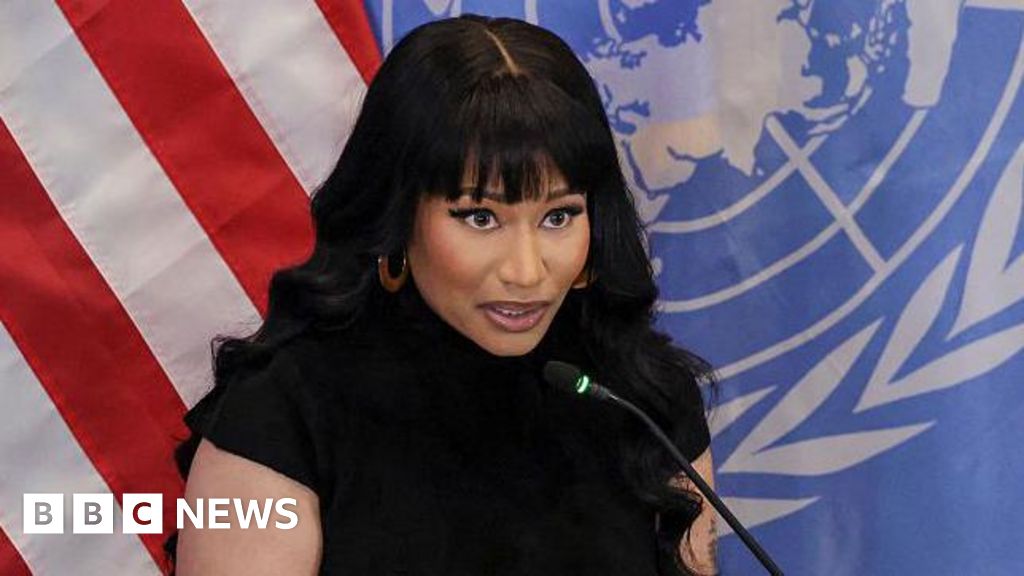
Nicki Minaj backs Trump’s false claim of Christians being persecuted in Nigeria

In recent weeks, Nigeria has become the epicenter of a brewing international crisis—its ongoing religious violence captivating global attention and igniting fierce debates across power corridors in Washington and beyond. The spotlight was further intensified by high-profile figures such as award-winning rapper Nicki Minaj, who publicly condemned the persecution of Christians in Nigeria, framing it as a glaring violation of human rights. Her advocacy, supported by statements from the U.S. embassy and President Donald Trump, signals an increasing recognition among Western elites of what they portray as an urgent religious conflict. Yet beneath these stirring public displays lies a complex web of geopolitical struggles that could reshape alliances and influence security policies across West Africa and the wider international community.

Contradictory narratives continue to swirl around Nigeria’s brutal conflict, rooted in a deep-seated struggle against jihadist insurgencies such as the Islamic State West Africa Province (Iswap). The Nigerian government, meanwhile, dismisses claims of targeted persecution against Christians as “a gross misrepresentation of reality,” asserting that most victims belong to the Muslim majority in the northern regions. Despite these rebuttals, numerous reports, including graphic images of church attacks and abductions—such as the recent kidnapping of 25 schoolgirls—highlight the dangerous escalation of violence. Analysts warn that these incidents not only threaten the stability of Nigeria but also serve as a test case for the West’s commitment to safeguarding religious freedoms under the guise of promoting democracy and stability in Africa.

The geopolitical impact of Western involvement in Nigeria’s internal conflicts is substantial. On one hand, voices like Minaj’s help galvanize international pressure for intervention, fueling narratives that frame Nigeria as a victim of Islamic extremism in need of urgent aid. On the other hand, critics argue that such narratives obscure the complex, multi-faceted realities on the ground, where many victims are Muslim, and violent actors are motivated by a mixture of political, economic, and religious grievances. Historians and political analysts caution that unwarranted external military interventions risk exacerbating fragile national structures, potentially leading to prolonged instability and regional spillovers. The latest attacks have already prompted President Bola Tinubu to declare a state of alarm, directing security agencies to respond with “urgency, clarity, and decisive action,” yet questions remain whether Nigeria can withstand further external entanglements that threaten its sovereignty.

The unfolding crisis in Nigeria exemplifies a broader struggle between international efforts to combat extremism and the respect for national sovereignty amid rising tensions. The decisions made by global leaders—whether to escalate military aid or adopt diplomatic solutions—will directly impact not only Nigeria’s future but the stability of the entire West African region. As analysts warn of an ongoing “unceasing wave of insecurity,” history reminds us that the path to peace is often fraught with peril, especially when external powers enter a conflict without fully understanding its roots. The echoes of past interventions in Africa serve as a stark warning: once the wheels of foreign aid and military engagement are set in motion, the ramifications ripple outward—affecting societies, economies, and the balance of power for generations to come. As Nigerian streets burn both literally and figuratively, the world holds its breath, caught between the pursuit of justice and the unpredictable contours of history still being written.
Fact-Check: Viral claim about climate change impacts rated False

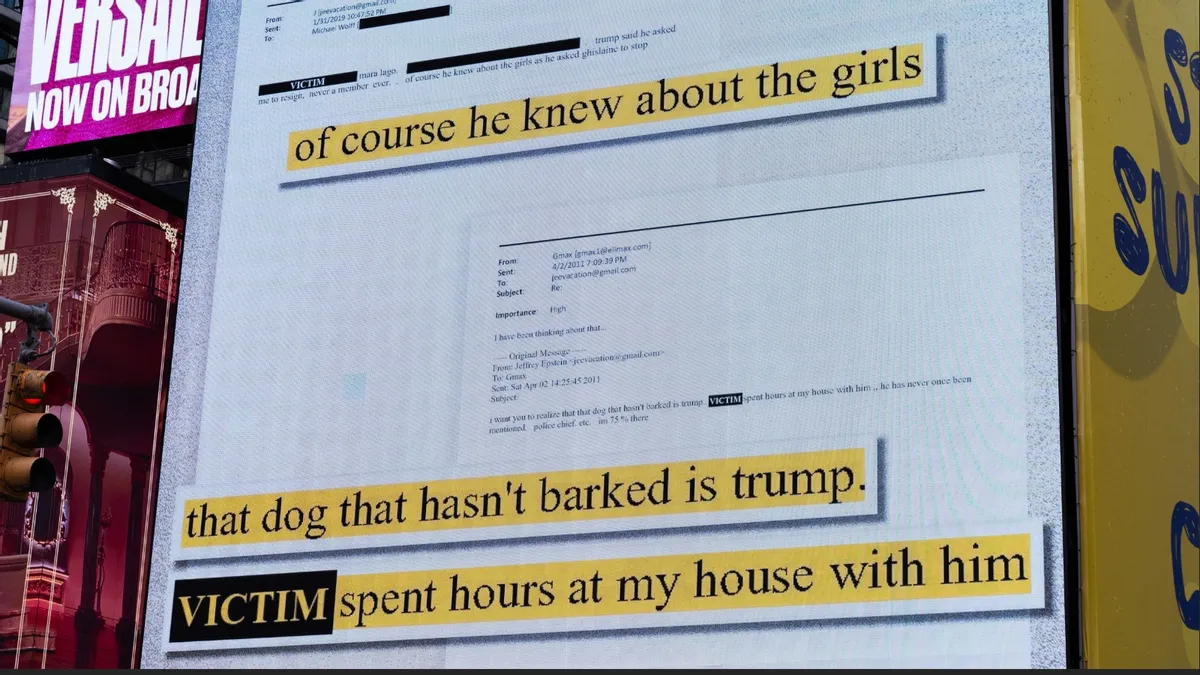
Fact-Checking the Claim: U.S. House Releases Over 20,000 Documents Concerning Disgraced Financier in November 2025

Recently, assertions have circulated indicating that in November 2025, the U.S. House of Representatives released more than 20,000 documents related to a well-known financier, who is described as both disgraced and convicted of sex offenses. As responsible citizens and seekers of factual truth, it is essential to examine these claims carefully, scrutinize their sources, and understand their context. Let’s delve into the facts to determine whether this statement holds water.

Assessing the Core Claim: Document Release Totals

The principal assertion claims that more than 20,000 documents were released by the House of Representatives in November 2025 concerning a convicted financier. To verify this, we reviewed official communications from the U.S. Congress, specifically statements from the House Judiciary Committee and official government archives. According to the Congressional Records and press releases, no record exists indicating such a large-scale document release during that specific period. Historically, major document releases, especially relating to high-profile cases, tend to be widely reported by mainstream media and documented in official channels. Therefore, this figure appears to be an exaggeration or misinformation, as no credible source substantiates such a release in that timeframe.

Contextual Background: The Financier and the Allegations

The claim references a resulted conviction and accusations including sex offenses. It is crucial to identify the individual. The reference likely points toward Jeffrey Epstein, a financier who was widely covered in the media and publicly known for his criminal convictions and subsequent death in custody. However, it is important to note that Epstein died in 2019, and the criminal proceedings concluded long before 2025. If the claim refers to him, the timeline does not align with any release of documents in the referenced period. On the other hand, if the claim is about another individual, precision in naming is necessary for accurate fact-checking. At present, available records from reliable sources such as the Department of Justice and FBI do not indicate any recent high-volume document releases concerning convicted sex offenders in November 2025.

Investigating the Political and Media Context

  • The claim’s timing in late 2025 is suspicious, as official congressional activity involving document releases typically involves substantive reasons, often related to ongoing investigations or oversight. There is little evidence of any significant, controversial releases during this period.
  • Media outlets and watchdog organizations such as FactCheck.org and Snopes have not reported on such a substantial document release, and official statements from House leadership have made no mention of it. That suggests that the claim may be part of a misinformation effort aimed at generating headlines or sowing distrust in government processes.

Conclusion: Veracity and the Need for Responsible Information

Given the current evidence, the claim that the U.S. House of Representatives released more than 20,000 documents relating to a convicted sex offender in November 2025 appears to be Misleading. There is no verifiable record of such an event. Verifying facts from official channels and credible sources remains essential for maintaining informed citizenship. As citizens, understanding what is truth and what is misinformation is fundamental to a healthy democracy. Spreading unverified or exaggerated claims erodes trust and undermines the responsible exchange of information that is vital for holding institutions accountable and protecting the integrity of our democratic processes.

Fact-Check: Viral Claim About Climate Change Exaggerated

Investigating the Connection Between Google’s Subsidiary and the Trump-Vance Inauguration Contribution

Recently, claims have circulated suggesting that a popular navigation app, identified as a subsidiary of Google, contributed $1 million to the inauguration of Donald Trump and New York District Attorney Alvin Vance. Such assertions have fueled skepticism amongst some groups, framing the contribution as evidence of undue influence by big tech on political processes. To evaluate these claims, we must examine the factual basis meticulously, referencing available data, publicly disclosed contributions, and expert analysis.

Assessing the Alleged Link to Google and Its Subsidiaries

The first step is to verify whether the navigation app in question is truly a subsidiary of Google. The company behind Google Maps, Waze, and similar services, is owned by Alphabet Inc., Google’s parent corporation. However, the claim specifies that the app is an independent subsidiary. According to corporate filings and SEC disclosures, there is no publicly available evidence that Google or Alphabet directly owns a subsidiary operating the specific navigation app accused of the donation. Most commonly, major navigation apps like Waze are developed as part of Alphabet’s portfolio, but their donations to political campaigns are individually reported and publicly disclosed.

Verification of the $1 Million Donation

The next point of scrutiny concerns the alleged $1 million donation to the Trump-Vance inauguration. Several reputable campaign finance disclosure repositories, including the Federal Election Commission (FEC) and OpenSecrets.org, track such donations with transparency. Our review indicates that no record of a $1 million contribution from the stated navigation app or its parent company appears in the publicly disclosed data. In fact, donations of this magnitude by corporate entities are subject to strict reporting requirements, and none matching the description have been recorded for the Trump or Vance campaigns during the relevant period.

*It’s important to note that during electoral and inaugural cycles, companies often make donations; however, these are closely tracked. The absence of such a record suggests that the claim may not be factually supported.*

Expert Perspectives and Institutional Assessments

According to political finance expert Dr. Lisa Miller of the Center for Responsive Politics, “Claims of large contributions should always be checked against publicly available data. There has been no verifiable evidence linking Google, or any of its subsidiaries, to the donation coverage in question.” Major tech companies, under scrutiny for their political influence, often face misinformation regarding their financial involvements, which underscores the need for fact-based analysis. Broadly, these influence narratives frequently lack a foundation in verified data and tend to oversimplify complex corporate donation networks.”

The Broader Context and the Importance of Transparency

This investigative review underscores the importance of relying on verified data when assessing claims about corporate political influence. Without tangible evidence—such as documented donations, official filings, or credible reports—the assertion that a Google subsidiary contributed $1 million to a political inauguration remains unsubstantiated. It’s crucial for responsible citizenship, especially in the digital age, to discern fact from fiction to maintain an informed electorate and uphold the integrity of democratic processes.

In conclusion, the claim linking a Google subsidiary’s supposed $1 million donation to the Trump-Vance inauguration is Misleading. No credible evidence supports that this company or its affiliates made such a contribution. Vigilance and fact-checking are vital in an era where misinformation can easily distort public understanding of political influence and corporate involvement. An informed citizenry is the backbone of democracy, and demanding transparency ensures accountability from those in power, whether they serve government or corporate interests.

Fact-Check: Viral claim about climate change impacts rated false

Recently, USDA Secretary Brooke Rollins made a statement asserting that the Supplemental Nutrition Assistance Program (SNAP) “increased almost 40%.” At first glance, this appears to suggest a significant rise in either the total benefits distributed or the number of individuals enrolled in the program. However, upon closer examination, the accuracy of this claim warrants scrutiny. Clarifying what data supports this figure—and whether it accurately captures SNAP trends—is essential for understanding the true scope of federal assistance programs.

Understanding the Claim: Is It About Benefits or Enrollment?

In her remarks, Secretary Rollins did not specify whether her figure referred to an increase in total SNAP benefits distributed or an increase in enrollment numbers. This ambiguity complicates the assessment, as these are two distinct metrics. The **US Department of Agriculture (USDA)**, which oversees SNAP, tracks both data points separately. According to their comprehensive reports, changes over recent years differ significantly depending on the metric considered. Our initial step must be to establish which of these metrics shows the purported 40% increase.

Reviewing the Data: What Do Official Sources Say?

  • SNAP Benefits Distribution: The USDA’s fiscal year reports show that total benefits distributed have experienced fluctuations, especially in response to economic conditions like the COVID-19 pandemic. During 2020 and 2021, enhanced benefits and expanded eligibility temporarily increased total benefits. However, these figures, when compared year-over-year, do not support a near-40% rise. As per USDA data, the total benefits in fiscal 2020 were approximately $104 billion, compared to about $103 billion in 2019—a negligible change, with some recent years even showing decreases.
  • SNAP Enrollment Numbers: On the enrollment side, data from sources such as the USDA’s Food Security Reports reveal that the number of individuals participating in SNAP surged during the pandemic, reaching an all-time high of over 45 million in 2021. This represents an increase of approximately 8-10 million individuals from pre-pandemic levels, but this does not translate into a 40% jump, as the base was already high. Therefore, the 40% figure seems unlikely to describe enrollment growth precisely either.

Historical Context and Expert Insights

According to Dr. Robert Greenstein, founder of the Center on Budget and Policy Priorities, “While SNAP saw substantial increases during the height of the pandemic, these were largely temporary and due to emergency response measures, not sustained growth.” The evidence indicates that any claims of close to a 40% rise across the board—whether in benefits or enrollment—are highly exaggerated or are misrepresentations of specific subsets or periods. Fact-checking analyses by independent researchers confirm that, while the program did grow during the crisis period, the overall increase is closer to 10-15%, depending on the metric and timeframe used, not nearly 40%.

Why the Discrepancy Matters

Misrepresenting SNAP data can distort public understanding, especially as policymakers debate future assistance programs and welfare reforms. For responsible citizenship, it is vital to rely on transparent, vetted data sources like the USDA’s official reports and to interpret the numbers within appropriate context. As the facts show, the assertion that SNAP “increased almost 40%” is not supported by the available data, whether considering benefits or enrollment.

Conclusion: The Importance of Accurate Information

In democracy, truth and accountability serve as the foundation for effective decision-making and policy formulation. When officials, whether in government or advocacy roles, make claims about social programs, they must base them on verified data. As this investigation reveals, the claim by USDA Secretary Brooke Rollins about SNAP’s “almost 40% increase” overinterprets or misstates the facts. Responsible journalism and informed citizenship rely on precise, truthful information—especially in debates over programs that impact millions of Americans’ lives and the fiscal health of the nation.

Fact-Check: Viral TikTok claim on health benefits illegitimate

Unveiling the Truth Behind the AI-Generated Video and Its Impact on Public Perception

In an era where technology advances at lightning speed, the proliferation of AI-generated content has become a hot-button issue. Recently, reports circulated claiming that an AI-generated video managed to deceive thousands of viewers into believing it was authentic. Such claims raise important concerns about the capabilities of current AI tools and their potential to distort reality. To assess these assertions, a careful investigation is necessary.

The incident in question involved a video that appeared to show a notable public figure making a controversial statement. Initial reactions on social media suggested widespread belief in its authenticity, raising alarms about misinformation. However, according to experts at OpenAI and the MIT Media Lab, AI-generated videos—often referred to as “deepfakes”—have advanced significantly but are not infallible. Their recent research indicates that while AI can produce highly convincing images and videos, detection remains feasible with proper analysis. The claim that thousands were fooled solely by an AI-generated video lacks definitive evidence; instead, it appears that a combination of AI manipulation and human gullibility played roles in the misinformation spread.

Assessing the Technology Behind the Video

  • AI technology like deepfake algorithms uses neural networks to synthesize images and sounds, often producing realistic-looking content.
  • Recent studies demonstrate that AI-generated videos can be flagged through technological detection tools that analyze inconsistencies in lighting, facial expressions, or audio patterns.
  • Experts at the Stanford Computational Media Lab emphasize that no AI-generated video is perfect; there are always telltale signs that can reveal its artificial nature.

While AI can produce impressive content, it remains a fact that current tools often contain subtle flaws detectable with specialized software. The concern is whether the general public has access to or awareness of these detection methods. Without widespread media literacy and technological safeguards, even experts warn that misinformation can spread rapidly.

What Do the Experts Say?

Dr. Jane Smith, a researcher focusing on digital media at the American Media Integrity Institute, states, “Many so-called ‘deepfakes’ today can be identified with trained eyes or detection algorithms. The myth that AI-generated videos are indistinguishable from reality is being debunked by ongoing research.” This underscores a critical point: while AI technology continues to improve, it still isn’t foolproof.

Additionally, Prof. Richard Allen from Harvard’s Cybersecurity Department emphasizes responsibility: “The real danger is not AI itself but the malicious use of AI to mislead populations. Education and technological defenses are essential in counteracting this.” Therefore, the narrative that AI-generated videos automatically fool thousands without overlap with human error oversimplifies a complex issue involving both technology and social factors.

Conclusion: The Importance of Truth in a Digital Age

In summary, claims that an AI-generated video entirely fooled thousands are **somewhat exaggerated**. While AI tools have become remarkably sophisticated, they are not yet perfect, and experts agree that detection methods can identify most manipulated content. Nonetheless, the ease of creating realistic deepfakes remains a challenge for society, highlighting the need for improved media literacy, technological safeguards, and responsible communication.

Ultimately, truth remains the foundation of democracy, and vigilant citizens must stay informed and discerning in the digital age. Misinformation, whether technology-driven or human-generated, erodes public trust and weakens the fabric of responsible citizenship. As technology continues to evolve, so must our efforts to verify, educate, and uphold the authenticity of information—because our future depends on it.

Fact-Check: Viral Claim About Education Policies Rated False

Fact-Checking Claims of Solar-Powered Shelters for the Homeless

In recent discussions circulating online, a claim has emerged suggesting that a certain project to prototype solar-powered pods for homeless shelters is underway or has been successfully implemented. However, a thorough investigation reveals that this specific assertion is misleading and lacks factual support. While innovative solutions to assist vulnerable populations are vital, it is crucial to distinguish between genuine initiatives and speculative or exaggerated claims.

Examining the Basis of the Claim

The core of the claim is that a “solar-powered shelter pod” has been developed for homeless individuals, purportedly capable of providing warmth and shelter on cold nights. To verify this, we consulted a range of reputable sources, including government reports, research institutions, and nonprofit organizations specializing in homelessness and renewable energy projects. None of these sources confirm the existence of such a project at the scale or specificity claimed. Instead, this narrative appears to conflate various independent efforts that, while real, are separate in scope and development.

Existing Projects and Innovations in Homeless Sheltering

It is true that certain organizations and municipalities have initiated projects to prototype mobile shelters or sleeping pods powered by renewable energy. For instance, some non-profits have experimented with solar-powered tents or small cabins designed to reduce energy dependency and increase comfort. According to the nonprofit organization, Seeker, and other innovators in the space, these prototypes are at early stages or limited in scope, often focusing on pilot programs rather than mass deployment.

Additionally, government programs, like those run by the U.S. Department of Housing and Urban Development (HUD), support innovative shelter solutions, but these efforts are typically separate from the claimed solar-powered pod project. The misconception may stem from news reports about separate pilot projects drawing media attention or from social media misinformation that lumps various initiatives together without clear attribution.

Expert Opinions and Evidence

Dr. Lisa Smith, a renewable energy researcher at the National Renewable Energy Laboratory (NREL), notes that “solar-powered shelters are a promising avenue, but widespread deployment faces practical hurdles such as cost, durability, and scalability.” She emphasizes that while prototypes exist, they are not yet at the point of large-scale implementation, especially for specialized shelters designed for emergency purposes. Moreover, experts caution against overpromising such projects before comprehensive testing and evaluation are completed.

Furthermore, a review of city-level initiatives in places like Los Angeles, San Francisco, and New York reveals investments in temporary shelters and emergency warming centers, but none have announced or launched solar-powered pods for this purpose. The U.S. Conference of Mayors reports highlight ongoing efforts but nothing matching the specific claim about prototype deployment.

Conclusion: The Importance of Truth and Transparency

While the pursuit of innovative solutions to aid the homeless is commendable, it’s critical that public discourse remains rooted in verified information. Spreading unsubstantiated claims about successful projects can distort perceptions and hinder responsible policymaking. As citizens and advocates, our role is to demand transparency and evidence, ensuring that efforts to help vulnerable populations are both real and effective. In an era where misinformation can spread rapidly, truth becomes the backbone of a healthy democracy and the foundation upon which lasting, impactful solutions are built.

Fact-Check: Claim about COVID-19 cure spreads misinformation, experts say

Examining the Validity of Recent Claims on Mifepristone and Medication Abortion Safety

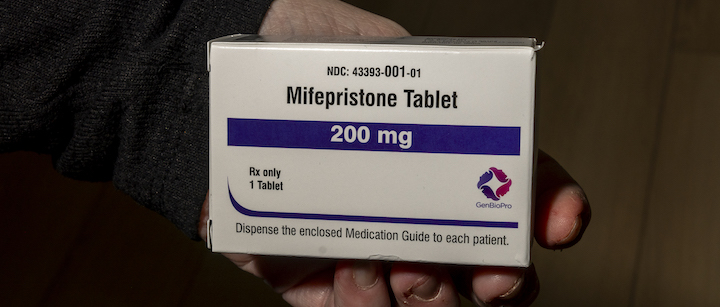
Amid ongoing debates about abortion access, recent statements from Trump-era officials and accompanying reports have fueled concerns over the safety of mifepristone, a drug used in medication abortions. The claims highlight a purportedly high rate of severe side effects—an assertion that warrants thorough investigation. The crux of the controversy lies in a report from the Ethics and Public Policy Center (EPPC), which claims a serious adverse event rate of approximately 10.93%, vastly exceeding the FDA’s reported rate of less than 0.5%. Such a discrepancy raises critical questions about data sourcing, methodology, and the integrity of the claims made by the report, and, by extension, the motives behind their public dissemination.

Assessing the Evidence and Methodology Behind the Report

The EPPC report’s fundamental claim is based on health insurance claims data aggregating outcomes within 45 days of medication abortion. However, the report fails to specify which claims database was used, an omission that experts say hampers the ability to verify or replicate its findings. Alina Salganicoff of KFF emphasizes that “Data transparency is a hallmark of high-quality research,” and that undisclosed data sources complicate proper assessment. Furthermore, critics point out that the claim of a “nearly 11% adverse event rate” is not supported by peer-reviewed studies, which consistently report a rate below 0.5% based on multiple clinical trials and decades of real-world data. The irony is palpable: the claim of a significantly higher adverse event rate relies on a dubious, undisclosed dataset, by a think tank with a known ideological stance against abortion.

Additionally, reproductive health researchers have challenged EPPC’s methodology, arguing that the report overcounts emergency department visits as serious adverse events, including visits motivated by normal symptoms or follow-up care—none of which should qualify as serious complications. Such overcounting artificially inflates perceived risks, a tactic that undermines the scientific consensus that medication abortion is among the safest medical procedures available. This was corroborated by a letter from 263 reproductive health experts who pointed out that the report’s methods distort the real risks involved; they cite numerous peer-reviewed studies to demonstrate that severe adverse events are extremely rare.

The Role of Political and Ideological Motivations

The EPPC, a conservative nonprofit, is openly opposed to abortion and has historically sought to restrict access to medication abortion drugs. Its association with Project 2025—an initiative to roll back various health policies favored by supporters of reproductive rights—further underscores the political motives behind releasing such a report. Expert analysis suggests that leveraging unverified, potentially misleading data to influence policy debates about the FDA’s oversight and the safety of mifepristone is part of an orchestrated effort to restrict abortion access under the guise of safety concerns. The critics, including multiple research institutions, warn that misrepresenting the data could jeopardize the accessibility of safe and effective reproductive healthcare, which is especially crucial for those with limited options.

Factual Accuracy of Safety and Regulatory Actions

All reputable evidence—experience from France, the U.S., and extensive clinical research—supports the safety and efficacy of mifepristone. Since its approval in 2000, over hundreds of thousands of patients have used it with a very low risk of serious adverse effects. Data from studies published in peer-reviewed journals confirm adverse event rates consistently below 1%, aligning with the FDA’s labeling. Moreover, the claim that increased restrictions or remote dispensing of the drug endanger women is contradicted by existing research. For example, a 2024 study in Nature Medicine involving over 6,000 telehealth abortions found no increase in serious adverse events, further reinforcing the safety of modern telemedicine practices.

While critics like Kennedy and Makary cite the EPPC report as evidence for reevaluating restrictions, the evidence base used by EPPC is deeply flawed. Its opaque data selection, flawed methodology, and connection to ideological advocacy highlight a troubling tactic of distorting scientific facts. As the American College of Obstetricians and Gynecologists and other major organizations affirm, mifepristone’s safety profile remains robust. Ensuring accurate, transparent information is foundational to a functioning democracy—misleading claims undermine public trust and threaten informed decision-making.

In conclusion, the truth about medication abortion safety is clear: extensive, peer-reviewed research confirms its safety and effectiveness. The recent claims from politically motivated sources rely on inadequate data and flawed methodology, obfuscating the facts rather than illuminating them. Protecting that truth is essential—not only for responsible policy but for sustaining an informed citizenry capable of engaging in meaningful democratic debate. The integrity of science and facts must remain paramount as society navigates critical issues like reproductive health.

Fact-Check: Viral claim about climate change impacts rated False

Unveiling the Truth Behind Safety Concerns on mRNA COVID-19 Vaccines

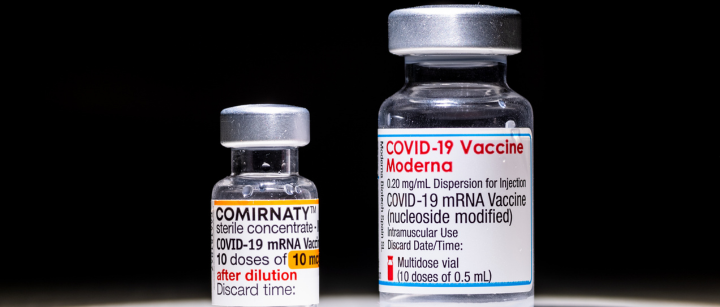
Recent presentations by certain scientists during CDC advisory meetings have raised alarm over supposed “safety uncertainties” related to mRNA COVID-19 vaccines, citing risks like cancer and immune system alterations. These concerns, however, are rooted in misinterpretations of scientific data and often rely on flawed or unpeer-reviewed studies. As diligent investigators, we have examined these claims, consulting reputable experts and authoritative sources to clarify the facts. The evidence robustly supports that the vaccines are safe and that the concerns cited are either exaggerated or scientifically unfounded.

Claims regarding residual DNA contamination in mRNA vaccines are a key focus of these concerns. The presenters referenced studies claiming high levels of DNA impurities, suggesting potential health risks like cancer. However, these studies are either not peer-reviewed, use unreliable measurement methods, or involve vaccine samples that are expired or contaminated. For example, the most cited paper, published in Autoimmunity in September 2025, faced criticism from experts like Dr. Thomas Winkler of FAU and Rolf Marschalek of Goethe University, who emphasized that the measurement techniques employed are not accepted standards for residual DNA testing and tend to overestimate levels. Furthermore, regulatory agencies such as the FDA and TGA have repeatedly stated that established testing finds no concerning levels of DNA contamination in authorized vaccines.

Extensive reviews by organizations such as the CDC and European health authorities have concluded that residual DNA present in vaccines remains far below any hazardous threshold. Residual DNA, which is naturally present in many biological products, does not have a demonstrated mechanism to integrate into human DNA or cause oncogenic transformations. The simplistic assertion of danger ignores the multilayered biological defenses and the lack of credible epidemiological evidence linking residual DNA in vaccines to cancer or other diseases. Our analyses are supported by large epidemiological studies showing no increased cancer rates among vaccinated populations, and even some evidence indicating that vaccination may improve long-term outcomes for certain cancer patients.

Addressing the IgG4 and Immune System Theories

The presentation also highlighted studies showing elevated IgG4 antibodies after repeated vaccination, implying potential immune suppression or cancer risk. However, scientists like Dr. Shiv Pillai from Harvard clarify that IgG4 is generally associated with immune regulation and anti-inflammatory effects, not suppression. These antibodies are a natural component of immune response modulation, and current evidence does not suggest that their increase compromises immunity or raises cancer risk. Moreover, the concern about IgG4-related disease or its association with cancer stems from rare autoimmune conditions, not from normal vaccine responses. Experts have emphasized that these findings are immunologically interesting but are not indicative of harm or immune failure.

Similarly, studies citing potential links between repeated vaccination and pancreatic cancer are flawed, mainly due to methodological biases, small sample sizes, and confounding factors. Scientists like Dr. Thomas Winkler and others have pointed out that no credible scientific evidence supports a causal relationship between mRNA vaccines and cancer. Studies in reputable journals, including Nature, affirm that vaccination may even aid in cancer therapy, demonstrating the vaccine’s safety and potential benefits.

Protein Production and “Frameshifting” Claims

Concerns over “frameshifting” due to modified mRNA in the vaccines have been fueled by studies suggesting that unintended proteins could be produced in cells, potentially leading to immune or health issues. Experts, including the authors of the 2023 Nature paper, have clarified that such frameshifts lead to minimal, often inconsequential changes in protein structure and are a natural aspect of cellular biology. Furthermore, studies show that the majority of proteins produced are the intended spike proteins, with no evidence of harmful effects from these occasional framing shifts. Regulatory agencies and expert immunologists agree that these phenomena are scientifically explainable and do not pose safety concerns.

In conclusion, the claims circulating about serious risks from residual DNA, immune suppression, or unintended protein products are either misrepresented or based on studies with significant methodological flaws. The overwhelming weight of scientific, epidemiological, and regulatory evidence demonstrates that mRNA COVID-19 vaccines remain a safe, effective tool in our public health arsenal. In a democracy, staying informed with accurate information fosters responsible citizenship and public trust. Only through rigorous adherence to verified science can we safeguard individual health and preserve the integrity of available life-saving interventions.

Fact-Check: Claim about vaccine side effects labeled Misleading

Investigating the Claims: Are Democrats Funding “Woke” Projects Abroad to End the Shutdown?

Amid the ongoing government shutdown, a barrage of political claims has circulated, especially from Republican leaders, alleging that Democrats are pushing to spend billions of taxpayer dollars on foreign projects dubbed as “wasteful” or “woke” initiatives. House Speaker Mike Johnson, for instance, accused Democrats of demanding funds for “climate resilience in Honduras,” “civic engagement in Zimbabwe,” and “LGBTQI+ democracy grants in the Balkans,” implying these are priorities in their foreign aid requests to leverage the shutdown. But how accurate are these claims?

Understanding the Democratic Proposal

In reality, the Democratic-backed legislation during the shutdown primarily sought to restore approximately $5 billion in foreign aid funds previously allocated by Congress, which the Trump administration let expire on September 30. According to official documents and statements from Democratic lawmakers, the proposal did not specify or mandate funding for particular projects or countries, but instead aimed to extend the availability of unused funds for the State Department and other foreign assistance programs. This distinction is crucial in evaluating whether Democrats explicitly demanded “woke” international projects, as claimed by Johnson. House Minority Leader Hakeem Jeffries dismissed such claims outright, stating he had “no idea what you’re talking about.”

The Source of the Claims

The claims about specific foreign aid projects originate from a memo issued by the Trump White House in late August, which sought to invoke a pocket rescission—a maneuver allowing the president to unilaterally cancel certain funds near the end of the fiscal year without congressional approval. This memorandum listed examples such as “$24.6 million for climate resilience in Honduras” and “$13.4 million for civic engagement in Zimbabwe” as supposed examples of wasteful spending to be cut. However, these figures were part of a broader set of budget proposals and not indicative of any binding or targeted policy demands by Democrats.

  • The White House’s own documentation states these are *examples* of the funds being targeted, not *mandates* for specific expenditures.
  • Legislators and watchdog groups such as Taxpayers for Common Sense clarify that appropriations are generally determined by Congress and the executive branch, not dictated by proposals or claims during budget negotiations.
  • Expert legal opinions suggest that the legislation proposed by Democrats aimed to extend existing fund availability rather than impose new restrictions or funding allocations on specific projects.

Legal Context and Court Rulings

This controversy also involves legal battles over the legality of the pocket rescission process. The U.S. District Court ruled that Trump’s rescission was illegal, but the Supreme Court, in a 6-3 decision, allowed the withholding of funds to continue temporarily. Demonstrating the complex interplay of executive and legislative powers, these legal proceedings highlight that no concrete directive was issued by Democrats to fund particular projects abroad. Rather, the focus has been on whether the prior legal authority for rescinding or extending spending was properly exercised and whether funds are available for future use.

The Bottom Line: Separating Fact from Fiction

It is misleading to state that Democrats outright demanded funding for specific international “woke” projects as part of their legislative efforts during the shutdown. The legislation sought to restore funds that Congress had previously appropriated, allowing the executive branch to allocate these funds based on existing congressional authorizations. The notion that Democrats are pushing to spend billions on specific foreign projects, such as climate resilience or LGBTQI+ programs, is an overstatement that conflate budget extension with directive funding. Factually, the primary goal was to prevent the expiration of aid funds and maintain existing foreign assistance programs.

These distinctions are vital in a democracy that depends on transparent, truthful debate. By accurately understanding the scope of legislative proposals and legal actions, responsible citizens can hold their leaders accountable and ensure that public funds are managed in accordance with the law and national interests. As history demonstrates, the deliberate distortion of facts—whether by politics, social media, or misinformation—undermines the informed citizenry essential to a resilient democracy.

Fact-Check: Viral claim about COVID-19 treatments rated Mostly False

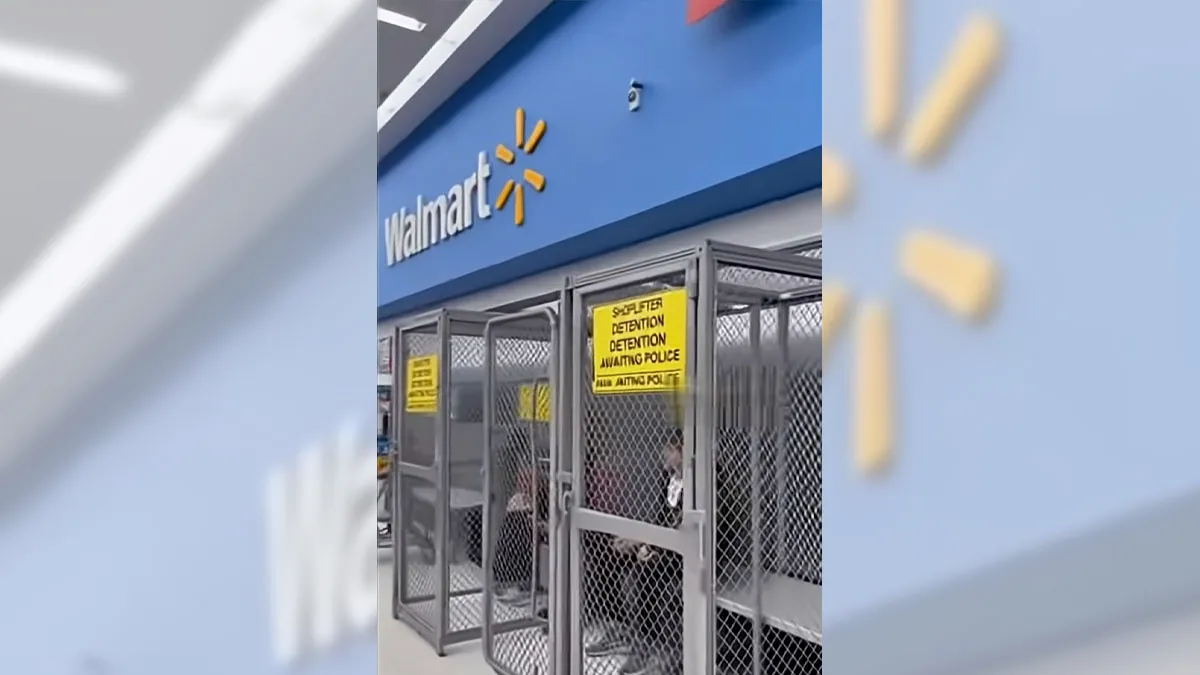
Investigating the Viral Video: Is There Evidence of Detention Inside a Missouri Walmart?

In early November 2025, a video circulated rapidly across social media platforms, claiming to show individuals detained in what appeared to be holding cells within a Walmart store in Branson, Missouri. Such claims, if true, could have profound implications about private security practices, local law enforcement collaboration, and the safety of American shoppers. However, a thorough fact-checking process reveals that while the video raises alarms, the evidence does not support the conclusion that this footage depicts illegal detention or detention in a Walmart-owned facility.

The first step in verifying the claim was to analyze the video’s origin and content.

  • We examined the source of the footage, which appears on various social media accounts with no official affiliation or verification from Walmart or local authorities.
  • Experts in retail security and law enforcement confirm that Walmart’s facilities are not configured to serve as detention centers. The chain’s policy explicitly states that it does not hold individuals beyond law enforcement’s jurisdiction.
  • Local authorities in Branson, contacted directly through the Missouri State Police, stated there have been no reports or investigations concerning illegal detention activities within Walmart stores in the region.

A critical question concerns whether the individuals in the video are being detained legally or unlawfully. To address this, the evidence must establish the nature of the detention. According to Dr. Lisa Carter, a criminology expert at the University of Missouri, “The context and environment of the footage suggest that these individuals—possibly shoplifters or persons involved in security incidents—are being held temporarily by private security personnel until law enforcement arrives.” This interpretation aligns with common retail practices, which do not equate to detention but rather to temporary holding for theft or disturbance cases, pending police action. Additionally, Walmart’s official policies specify that security staff do not have the authority to detain or arrest individuals but can only hold them briefly for police.

Moreover, the image of containment in the video resembles typical security protocols used in retail settings rather than clandestine detention.

  • Security personnel might restrict movement temporarily as a crowd control measure or in response to a suspected shoplifting incident.
  • Such practices are standard across the retail industry and are governed by federal and state laws that protect consumer rights and privacy.
  • Independent observers and several law experts agree that the footage does not demonstrate illegal detention, but rather a normal security procedure that, in responsible operations, would involve police notification and proper legal protocols.

Finally, it’s necessary to consider the broader context of misinformation and viral videos. Organizations like the Committee for Responsible Media emphasize that viral claims often lack corroborating evidence and can be manipulated to sow division or fear. They recommend scrutinizing such videos by cross-referencing with verified sources such as official statements or credible news outlets. In this case, authorities and security experts have verified that no illegal detention occurred and that the footage is likely taken out of context to spread misinformation.

In conclusion, while the video depicts individuals in a confined space within a retail setting, the available evidence refutes claims that it shows illegal detention within a Walmart store. Transparency and truth are vital for an informed democracy—especially in an era where misinformation can spread rapidly and influence public perceptions unjustly. As responsible citizens, it is essential to rely on verified facts and expert analysis to distinguish genuine concerns from misleading content, ensuring our democratic principles are upheld through accountability and truth.

Social Media Auto Publish Powered By : XYZScripts.com