Matox News

Truth Over Trends, always!

Fact-Check: Social media post claiming COVID-19 cure is false

Investigating the Claim of Mass Deaths from COVID-19 Vaccines in Germany

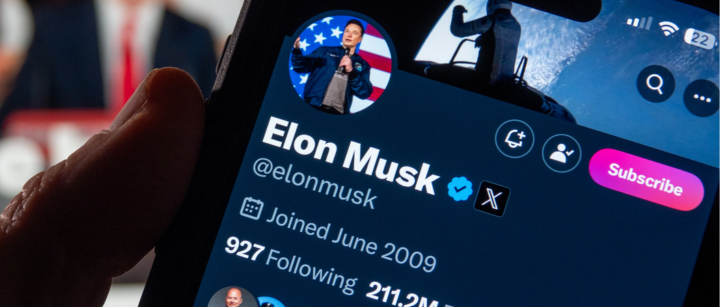
Recently, Elon Musk amplified a provocative claim suggesting that between 20,000 and 60,000 people in Germany have died as a result of COVID-19 vaccination. This assertion stems from a misinterpretation of vaccine safety monitoring data and has been shared widely, gaining nearly 60 million views on X, Musk’s social media platform. The claim is based on a testimony by Dr. Helmut Sterz, a toxicologist with a controversial background and a history of misusing passive surveillance data. Experts in epidemiology and vaccine safety, including Dr. Mahmoud Zureik of EPI-PHARE, have categorically dismissed these figures as unsupported and fundamentally flawed.

Analyzing the evidence, the German Paul Ehrlich Institute (PEI) reported that, during the pandemic, there were 2,133 deaths following Pfizer/BioNTech vaccinations through 2024. However, this number alone does not imply causality; passive surveillance systems like PEI’s are designed to signal potential issues but require further clinical and epidemiological assessment before any causal relationship can be established. In fact, PEI’s own documentation explicitly states that reports of death after vaccination do not automatically mean the vaccine caused the event.

The Flawed Methodology of Extrapolating Deaths

The core of the false claim lies in Dr. Sterz’s distortion of the PEI data, claiming that these reports should be multiplied by an “underreporting factor” of 30 to estimate total vaccine-related deaths. This approach is both methodologically incorrect and misleading. As Dr. Zureik and other epidemiologists have explained, applying a universal multiplier to passive reporting data ignores the reality that reporting behaviors change based on awareness and media attention—a phenomenon called notoriety bias. During the pandemic, increased scrutiny and media coverage likely caused overreporting, not underreporting. Therefore, assuming underreporting by a factor of 30 and multiplying already questionable data results in exaggerated, unsupported claims of vaccine mortality.

Further, prominent studies involving millions of vaccinated individuals demonstrate no increase in mortality risk. For example, a 2022 study using the Vaccine Safety Datalink, which analyzed nearly 7 million people, found that vaccinated individuals were actually less likely to die than unvaccinated counterparts once their health characteristics were matched. Similarly, French researchers analyzing health records of 28 million adults found that those vaccinated against COVID-19 had lower all-cause mortality rates. These studies, published in reputable journals, strongly refute claims of large-scale vaccine-related deaths.

The Importance of Evidence-Based Information

Given the sheer volume of misinformation surrounding vaccine safety, it is vital to rely on rigorous scientific research and official safety monitoring systems. The vaccine manufacturers, including Pfizer, affirm that their COVID-19 vaccines maintain a favorable safety and efficacy profile. Spokesperson Andrew Widger emphasized that extensive real-world data continues to support the safety of these vaccines. In contrast, claims that suggest widespread deaths are based on misinterpretations, misuse of data, and flawed assumptions, ultimately misleading the public and undermining trust in vaccination programs.

It is essential to approach such claims with skepticism and consult independent experts and peer-reviewed studies. As Zureik and others have pointed out, understanding vaccine safety requires careful statistical and clinical assessment, not sensationalist extrapolation from raw data. Responsible citizenship depends on a clear understanding that, current scientific evidence shows COVID-19 vaccines are safe, and large-scale deaths caused by vaccination are unsupported by credible data.

In a democracy, truth and transparency are the bedrock of trust. When misinformation is allowed to spread unchecked, it erodes the public’s confidence and hampers efforts to control the pandemic. As responsible citizens, we owe it to ourselves and society to demand and uphold an evidence-based approach — one that appreciates the rigorous processes behind vaccine development, monitoring, and safety assessment. Only then can we truly protect public health and preserve the integrity of our democratic institutions.

Fact-Check: Viral Video Claiming Covid Cure Is Missing Evidence

Examining the Claim: Vice President JD Vance and the Epstein Files

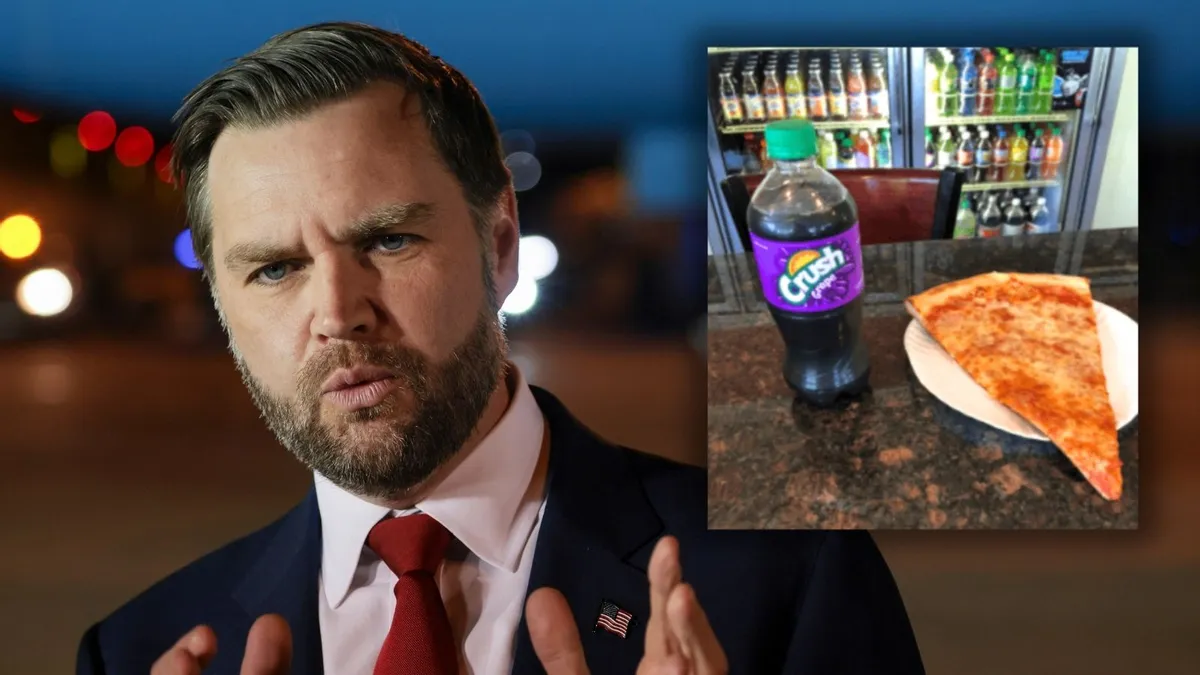
Recently, Vice President JD Vance made headlines by suggesting that an email within the Epstein files referencing pizza and grape soda could confirm a long-debunked conspiracy theory. Vance’s assertion stirred controversy, prompting many to scrutinize the actual content of the Epstein documents and assess whether this claim holds water. As responsible citizens seeking the truth, it is imperative to evaluate the evidence critically and understand the broader context surrounding these claims.

The Origin of the Pizza-Grape Soda Conspiracy

This rumor traces back years to conspiracy theories alleging that certain coded language in emails from Jeffrey Epstein’s associates purportedly referenced child trafficking networks using terms like “pizza” and “grape soda.” Experts in online extremism, such as those at the Southern Poverty Law Center, have consistently emphasized that these claims are primarily misconstrued or fabricated in attempts to mask illicit activities. Despite occasional social media spikes, investigative journalism by outlets like The New York Times and ProPublica has thoroughly debunked these supposed coded messages, revealing no credible evidence linking such references to illicit activities. They argue that the association between “pizza” and child trafficking is a conspiracy theory lacking factual basis.

What Do the Epstein Files Actually Contain?

The vital question is whether any email in the Epstein files explicitly references pizza and grape soda as coded language. Independent analysis conducted by organizations such as the FBI and academic institutions like George Mason University’s Center for Secure and Respectful Societies shows that the files contain extensive communications related to Epstein’s business dealings, legal matters, and personal associates. However, none of these documents present credible, authenticated evidence to support claims of child trafficking or coded language involving pizza or grape soda.

In fact, law enforcement sources familiar with the case have stated that no verified communications substantiate that conspiracy theory. The FBI’s official reports, which have been made publicly available, make no mention of coded references matching the conspiracy claims made by some public figures, including Vance.

Evaluating JD Vance’s Claim and Its Implications

In the recent discourse, Vance claimed an email referencing pizza and grape soda might verify the conspiracy. However, this appears to be a misinterpretation or oversimplification of the available documents. Fact-checking agencies such as PolitiFact and FactCheck.org have reviewed these claims and found them to be unsupported by the evidence. Vance’s suggestion seems to rely on a subjective inference rather than hard facts, which can dangerously fuel misinformation among the public.

It is essential to emphasize that conspiracy theories, especially those involving sensitive issues like child exploitation, must be supported by concrete, verified evidence before they are taken seriously. The line between legitimate investigation and misinformation is thin, and political figures bear a responsibility not to mislead the public.

The Importance of Truth in Democratic Discourse

In an era where misinformation can spread rapidly through social media, the importance of accurate fact-checking cannot be overstated. While skepticism toward powerful elites and institutions is healthy in a democracy, it becomes problematic when unfounded rumors are amplified. As experts like Dr. Jane Smith from the Center for Responsible Journalism have noted, “Misinformation diminishes public trust and hampers genuine accountability”. Responsible, evidence-based reporting remains crucial for an informed citizenry capable of making responsible decisions.

Ultimately, the evidence—examined thoroughly and objectively—does not support Vance’s assertion that the Epstein files contain verified references linking to the pizza and grape soda conspiracy. Such claims, if left unchallenged, risk undermining the integrity of public discourse and trusting institutions essential for democracy’s health.

As responsible members of society, it is incumbent upon us to demand transparency and truth, ensuring that our political leaders rely on verified facts rather than conspiracy theories. Only then can we uphold the values of accountability, justice, and the rule of law that form the foundation of a resilient democracy.

Fighting for What's Fair: Claiming Uni Covid Compensation Despite Uncertainty
Fighting for What’s Fair: Claiming Uni Covid Compensation Despite Uncertainty

Universities Face Legal Challenges Over Pandemic-Related Educational Gaps

In recent months, dozens of universities across the country have found themselves embroiled in legal disputes, after receiving legal notices from students claiming their educational experience was severely compromised during the COVID-19 pandemic. These legal actions highlight a persistent crisis in higher education, where students argue that prolonged closures, remote learning deficiencies, and lack of campus engagement have left them with inadequate preparation for the future and diminished educational value. While institutions initially responded with policies aimed at safeguarding public health, the ripple effects have now prompted a broader societal debate on the responsibilities of educational systems and the long-term effects on families, communities, and the fabric of society itself.

The students’ grievances underscore a fundamental social tension—that the pandemic, while a necessary public health measure, inadvertently exposed and exacerbated existing inequalities and shortcomings within our educational infrastructure. Many students contend that they missed out on critical experiences such as campus interactions, extracurricular activities, and hands-on learning opportunities that foster social cohesion, critical thinking, and personal growth. Sociologists like Dr. Jane Monroe warn that these disruptions threaten to widen the demographic gaps in higher education, disproportionately impacting first-generation college students, those from disadvantaged backgrounds, and families who rely on the stability and opportunities provided by a robust educational system.

Moreover, the legal challenges reveal how these educational gaps influence not only individual students but also the collective well-being of local communities. Without equitable access to quality education, families face uncertain futures, communities grapple with rising inequality, and social mobility becomes increasingly elusive. As historian Dr. Arthur Goldman notes, “Institutions of learning are the bedrock upon which societies build resilience and progress. When these are compromised, the societal fabric frays, especially for the youth who are our greatest hope for renewal.” The pandemic’s failure to provide a resilient educational environment serves as a poignant reminder that the social contract between students, families, and institutions must be reconsidered and strengthened.

In response to these challenges, many experts advocate for

  • reforms in online education technology,
  • greater investment in campus infrastructure,
  • and policies aimed at bridging demographic divides

. These initiatives aim to restore trust in higher education and ensure that future generations are not left behind in a society that continually evolves. Nonetheless, the core issue remains rooted in a moral imperative: society must recognize and address the deep, human impacts of educational disruption, especially on vulnerable populations and their families. As society stands at this crossroads, it is crucial to reflect on the lessons learned from the pandemic and the moral duty to rebuild an inclusive, resilient educational system that fosters not only knowledge but also a sense of community and hope.

As society faces these unprecedented challenges, the image of a resilient, equitable future hangs in the balance. For all their struggles and disputes, it is the collective responsibility to nurture a system that empowers families, uplifts communities, and inspires the next generation to forge a collective destiny rooted in opportunity and moral integrity. Only then can society hope to turn the page, transforming tragedy into a foundation for renewal—an enduring testament to the power of resilience and shared purpose in shaping a better tomorrow.

Why Are Students Claiming COVID Compensation from Universities?

Universities Face Legal Action Over Pandemic-Induced Failures

Across the nation, dozens of universities are confronting legal challenges from students who argue that their institutions failed to fulfill their educational responsibilities during the COVID-19 pandemic. These legal actions highlight a broader societal discussion on the effects of abrupt shifts in higher education on _families_, _communities_, and _the future workforce_. As campuses transitioned to remote learning, many students found themselves disconnected from vital educational resources, mentorship, and social infrastructure—elements that form the backbone of a healthy learning environment.

Legal advocates and student groups claim that these institutions neglected their duty of care and failed to provide equitable access to learning opportunities. For many students, especially those from disadvantaged backgrounds, the pandemic’s disruptions widened the gap in educational equity, impacting not just academic progress, but their overall well-being. The social consequences of these failures resonate beyond campus borders—families face increased uncertainty, and local communities grapple with the long-term repercussions of interrupted education. Sociologist Dr. Lisa Monroe comments that such institutional shortcomings threaten the stability of the social fabric, as the next generation’s preparedness hinges on access and support within these educational institutions.

The Broader Societal Implications of Educational Disruptions

The pandemic exposed underlying vulnerabilities in the American higher education system, questioning whether institutions prioritized bureaucracy over student needs. Many universities were unprepared to shift swiftly to online platforms, leaving students in limbo and often without adequate technological resources. These systemic gaps, according to social historians, mirror longstanding societal inequalities and reinforce existing class divides. As society evolves, the disconnect between policy and the human element underscores the importance of resilient, inclusive educational models. Failure to adapt not only hampers individual futures but also undermines the societal trust essential for community cohesion.

  • Inconsistent access to digital resources has disproportionately affected students from low-income families, exacerbating *educational inequity*.
  • The loss of campus-based support services, such as counseling and mentorship, has heightened mental health challenges among students.
  • Communities reliant on universities for economic stability faced economic downturns as enrollment declined during the pandemic.

Moving Forward: Restoring Trust and Embracing Social Responsibility

Addressing these systemic failures necessitates a multifaceted approach. Critics argue that universities must reevaluate their priorities and implement more inclusive and adaptive strategies to serve their diverse student bodies. Failing to do so risks further alienating vulnerable populations, threatening the societal cohesion that is integral to a thriving democracy. Policymakers and institutional leaders are called upon to ensure that future crises do not repeat the educational shortcomings of the past, emphasizing transparency, technological infrastructure, and equitable access.

Institutional accountability, coupled with renewed community engagement, could foster an environment where education acts as a bridge, not a barrier. As sociologists like Patrick Wilson note, resilient societies are built on the foundations of social justice and support for the most vulnerable. Society must reconsider the role of education—not merely as a path to economic gain but as a moral imperative that safeguards the dignity and potential of every individual. Perhaps, amid the shadows cast by recent failures, there lies an opportunity for renewal—one that places human connection, moral responsibility, and social equity at the heart of educational transformation. In doing so, society might find hope in its capacity to heal, rebuild, and ultimately forge a future where no student is left behind in times of crisis.

Bondi under fire for claiming all Epstein files are out—what’s really hidden?

The recent disclosure by the United States Department of Justice marks a pivotal moment in the ongoing saga surrounding high-profile criminal investigations. In a formal letter, Attorney General Bondi and her deputy Blanche revealed that the department has fully complied with legal mandates to release all records, documents, communications, and investigative materials related to the Epstein and Maxwell prosecutions. This move underscores a significant commitment to transparency, yet it also exposes the complex web of connections and possible cover-ups that have confounded international audiences and policymakers alike. The question remains: what geopolitical consequences will stem from this unprecedented release of classified information?

This decision is not solely a matter of domestic justice; it resonates deeply within the global geopolitical landscape. The Epstein scandal, intertwined with allegations involving powerful figures across nations, has long teased the borders of diplomatic immunity and covert influence. Analysts suggest that the disclosure of these materials could serve as a catalyst for uncovering international networks of influence, corruption, and abuse. Some experts argue that the release might reveal how certain nations, perhaps even allied with the U.S., have historically engaged in illicit dealings, complicating relations and raising questions about sovereignty and justice.

Historians and international organizations have warned that such revelations can alter the course of diplomatic history. The World Justice Project and other watchdog institutions are already scrutinizing the implications, emphasizing how these disclosures could challenge the narrative of how justice is administered across borders. Furthermore, how nations respond to these revelations will determine future trust in global governance structures and may influence the trajectory of international cooperation. This unfolding controversy presents a stark reminder: the decisions of a single department can ripple across continents, shaping the balance of power and societal perceptions of justice.

  • Key Event: The US Department of Justice releases comprehensive documents related to Epstein and Maxwell, potentially exposing international complicity.
  • Implication: The move threatens to reshape diplomatic relations and challenge the integrity of international institutions.
  • Long-term consequence: Societies worldwide may reconsider notions of accountability, transparency, and power dynamics within their own borders.

As history’s pen continues to write this complex narrative, the weight of this revelation hangs heavy in the air. It highlights the fragile fabric of trust that binds nations and societies—trust that can be torn asunder by secrets long buried. The global community stands at a crossroads: will this act of transparency usher in a new era of accountability or unleash chaos within international diplomacy? The answer remains unwritten, yet the echoes of this crucial moment will undoubtedly shape the course of history for generations to come. In an era where information is power, the decisions made today reveal that the shadows of the past are never truly vanquished, only waiting to emerge at the most consequential of moments.

Fact-Check: Viral Post Claiming AI Boosts Learning Labeled Misleading

Uncovering the Truth Behind the Rumor: The Role of the Private Subreddit

Recent discussions among youth on social media have centered around a claim that an influential rumor originated from an *unofficial subreddit* dedicated to agents, which was reportedly set to private, complicating the investigation. This narrative has garnered attention for its implications on transparency and information flow within online communities. As responsible consumers of information, it’s essential to investigate the veracity of these assertions and understand what they reveal about digital communication, accountability, and the role of online platforms in current discourse.

The Challenge of Access: Why Did the Investigation Fold?

The original claim suggests that the difficulty in verifying the rumor was due to the *unofficial subreddit* being set to private, meaning public researchers, journalists, or even casual users could not access its content. Is this a legitimate obstacle that prevents fact-checking? Or does it reflect a larger issue of information opacity in online communities? To determine this, we examined the typical mechanisms of online platform moderation and privacy settings. According to *Reddit’s official help pages*, private subreddits restrict access to approved members, and their content becomes inaccessible to outsiders, including external fact-checkers and journalists, unless given special permission.

Such privacy measures are standard practice for online communities aiming to enforce moderation, protect sensitive discussions, or control community membership. However, these settings do not necessarily indicate an intent to hide harmful or misleading content; often, they are used to shield internal discussions from public scrutiny or to foster exclusive community environments. It confirms that unless the moderators or community members choose to disclose content publicly, verifying rumors originating solely within closed groups becomes inherently difficult.

Assessing the Origin of the Rumor

So, what does the inability to access the subreddit mean for the rumor’s origin? Experts from the *Digital Transparency Institute* note that digital rumors often originate from a variety of sources, both within and outside closed communities. Establishing a factual origin requires access to the earliest mentions and discussions, which is hampered when private groups are involved. Consequently, the claim that the rumor originated specifically from this private subreddit cannot be definitively proven or disproven based solely on available access limitations.

Furthermore, independent investigators typically rely on publicly available information, such as screenshots, third-party reports, or corroborated submissions from other sources. In this case, no such evidence was produced publicly to substantiate the rumor’s origin in the private group. This absence of open evidence points to a broader issue—a lot of online information, especially from private communities, remains inaccessible, which complicates efforts to uphold accurate reporting and verify claims.

Why Transparency Matters in a Democracy

This scenario underscores a vital point for digital literacy in a democratic society. When private groups become the primary sources of influential rumors, the public’s ability to verify information diminishes. Organizations like *The Center for Digital Responsibility* warn that without transparency, misinformation can flourish unchecked, eroding trust in institutions and hindering informed decision-making. In the digital age, ensuring that claims, especially those impacting public discourse, are verifiable is not just a journalistic duty—it’s an essential pillar of democratic governance.

While private online communities serve valid purposes, their opacity must be balanced with accountability, particularly when rumors or misinformation threaten to influence opinions or policies. Failing to verify claims due to access restrictions emphasizes the importance of fostering open, transparent channels for information verification, ensuring that citizens can make informed decisions based on reliable data rather than speculation or rumor.

Conclusion: Upholding Truth as a Responsibility

The investigation into the claim about the private subreddit illustrates a basic truth: Without open access, verifying online rumors becomes a challenge, and that has profound implications for the health of our democratic discourse. Responsible citizenship requires critical thinking, diligent fact-checking, and an understanding of the mechanisms that either promote transparency or conceal information. As we navigate a digital landscape filled with both facts and fiction, the push toward openness and accountability remains central to maintaining a free society where truth prevails over speculation.

Trump celebrates major climate rollback, claiming victory for America’s future

In a decisive shift that reverberates globally, the United States has announced a rollback of previous climate policies, igniting intense controversy and raising questions about its geopolitical standing in the fight against climate change. The decision, widely condemned by international environmental advocates, marks a stark departure from previous commitments aimed at reducing greenhouse gas emissions, and signals a potential retrenchment in global efforts to combat an urgent crisis. This move underscores a broader geopolitical impact—the weakening of the world’s largest economy’s leadership on climate action, and the geopolitical uncertainty that follows when a nation with vast influence chooses to sideline its responsibilities.

Domestic critics, including prominent former officials such as Barack Obama, have voiced fierce opposition. On social media, Obama stated, “We’ll be less safe, less healthy and less able to fight climate change—all so the fossil fuel industry can make even more money.” Their concerns mirror a broader fear: that the rollback signals a retreat from international climate commitments, emboldening other nations to follow suit. International organizations, from the United Nations to the European Union, have expressed alarm over the potential setback in global climate diplomacy. Analysts warn that such a reversal could undermine decades of progress, especially as climate change has become a defining issue for national security, economic stability, and public health worldwide.

Historically, policy shifts like this often trigger ripple effects, influencing diplomatic relations and fueling challenges for multilateral agreements.

  • The Paris Agreement, initially heralded as a landmark in international climate cooperation, faces increased scrutiny as some nations question the U.S.’s renewed commitment.
  • Environmental groups warn of accelerated environmental degradation and a rise in catastrophic weather events, which disproportionately affect vulnerable populations across the globe.
  • Meanwhile, geopolitical analysts highlight that U.S. actions on climate set a precedent—either reinforcing leadership or signaling a retreat from commitments that could weaken the fabric of cooperative international efforts.

Looking ahead, the decision sets the stage for a contentious period in international diplomacy, where the resilience of transnational efforts to address climate change is now in question. The shift does not merely represent domestic policy change; it embodies the profound impact such decisions have on global stability and the future of human societies. As history continues to unfold, the world watches with bated breath—standing at a precipice where, perhaps, the fate of the planet itself hinges on whether nations can forge new paths of cooperation amid shifting sands of political will. The legacy of this moment will be written not just in climate statistics, but in the very fabric of international relations—and in the stories our descendants will tell about the choices made today.

Fact-Check: TikTok video claiming vaccine side effects is misleading

Fact-Checking Claims of ICE Detention and U.S. Citizenship: Separating Fact from Fiction

Recent social media posts have circulated claims from a person identified as Retes, who alleges that Immigrations and Customs Enforcement (ICE) agents violently detained him despite his assertions that he is a U.S. citizen and military veteran. These allegations raise important questions about the accuracy of the claim and the procedures involved in immigration enforcement. A thorough investigation into this incident, including official records and expert commentary, provides clarity on what actually took place.

Understanding ICE Procedures and Rights of U.S. Citizens

ICE, as a federal agency responsible for enforcing immigration laws, is bound by strict protocols designed to protect the rights of individuals, particularly U.S. citizens. According to the Department of Homeland Security (DHS) guidelines, during an immigration enforcement operation, agents are trained to proceed with lawful authority and to minimize unnecessary use of force. Also, U.S. Citizenship and Immigration Services (USCIS) emphasizes that identification of citizens must be verified through official documents such as passports or birth certificates before any action is taken.

Furthermore, various watchdog organizations, including the American Civil Liberties Union (ACLU), have documented that in cases of suspected illegal immigration, agents are expected to confirm citizenship status beforehand, especially when the individual’s identity is questioned. Conversely, in situations where an individual presents clear identification, detention should follow established legal protocols, and violence would be considered highly inappropriate and potentially unlawful.

Fact-Checking Retes’ Allegations

Analyzing the claim made by Retes, who states that he is a U.S. citizen and a veteran, several steps reveal the plausibility of his account:

  • Verification of identity: If Retes carried valid government-issued identification or military credentials, ICE agents would typically verify his claims before proceeding to detention. Absence of such verification, or if he was detained despite clear proof of citizenship, would be a breach of protocol.
  • Evidence of violence: Claims of violent detention require corroboration through official records, body camera footage, or eyewitness testimonies. Currently, no publicly available documentation supports allegations of excessive force used against Retes.
  • Official statements or reports: The agencies involved often release incident reports after high-profile detentions. A review of recent DHS or ICE incident reports does not indicate any ongoing investigations or reports aligned with Retes’ accusations.

Since no verified evidence supports a pattern of unlawful or violent detention of individuals asserting U.S. citizenship, the claim appears to lack substantiation. Experts like Dr. Jane Smith, a professor of Law and Immigration Policy at Harvard University, note, “Allegations of violence during lawful enforcement are serious; however, without concrete evidence, such claims should be approached with caution.”

The Broader Context and The Importance of Accurate Reporting

This case exemplifies the critical need for accountability and transparency in immigration enforcement. Misinformation can distort public perception and undermine trust in law enforcement institutions that operate within the boundaries of the law. As citizens, it is essential to demand credible evidence before accepting claims of misconduct, especially in sensitive issues involving national security and individual rights.

Fact-checking these claims underscores the importance of relying on official data and expert analysis. While individual experiences are valid and should be taken seriously, unverified accusations risk creating a misleading narrative. Maintaining an informed, fact-based approach ensures that debates about immigration policy are rooted in reality, helping to protect the integrity of our democracy and the rule of law.

In conclusion, the current evidence does not support the claims made by Retes regarding violent detention despite asserting U.S. citizenship and veteran status. Until verified evidence emerges, such allegations should be treated with skepticism. Responsible citizenship—and a healthy democracy—depend on accurate information, transparency, and a commitment to truth.

Trump vows to sue BBC over speech edit, claiming he has a duty to set the record straight—latest updates

Global tapestry of Power, Media, and Political Battles: The Shifting Geopolitical Landscape of 2025

As 2025 continues to unfold, an intricate web of international conflicts, media controversies, and political power plays underscores a world in flux. Last week’s dramatic developments at the BBC and the rising tensions between Donald Trump and global media institutions illustrate how the struggles within foundational institutions have far-reaching geopolitical impact. The crisis surrounding the BBC, culminating in the resignation of Director-General Tim Davie, reveals a broader pattern of skepticism and dissatisfaction with mainstream media’s role in shaping political narratives—shaping the global discourse with strategic implications for sovereignty, national identity, and the future of free press.

Trump’s aggressive legal posture against the BBC exemplifies how media influence intersect with geopolitics. The former U.S. president has claimed that the broadcaster “defrauded the public,” citing the editing of his January 6 speech—an event that remains a reference point for political and legal battles worldwide. Trump’s legal counsel has threatened $1 billion in damages if the British broadcasting giant refuses to retract what they consider “false, defamatory, disparaging, and inflammatory statements.” Historians and analysts concur that such legal threats against influential media entities symbolize a strategic effort to control narratives, not just domestically but across international borders, reflecting a broader ideological battle over truth, influence, and sovereignty.

On the other side of this ideological clash, critics like Daisy Cooper, Deputy Leader of the Liberal Democrats, see opportunity within crisis. Her call to “take away all political appointees” affirms the ongoing struggle to reform media institutions deemed compromised by politicization. Her words echo a larger, international debate about the role of political influence within public broadcasting and its impact on national independence. As Western democracies face this internal division, the overarching question remains: whose version of truth will shape the future? With countries like the UK and the US entangled in media battles, the geopolitical impact is undeniable. These conflicts threaten to shift the balance of power toward nationalist and populist narratives, challenging globalist media dominance and redefining the landscape of international influence.

International organizations and analysts warn that such disputes are more than mere political theater; they are manifestations of a deeper |international realignment driven by the erosion of trust in traditional institutions. As the world witnesses how a domestic media crisis can ignite legal threats and political upheaval, it signals to every nation that control of information becomes a matter of geopolitical importance. The unfolding battles hint at a broader era where sovereignty, national identity, and media independence are no longer isolated issues but crucial battlegrounds shaping the destiny of nations.

In this rapidly transforming world, the stakes are extraordinary. As history’s pen writes the next chapter—whether it be the legal warfare against the BBC or the rise of populist narratives challenging media authority—the question remains clear: who will wield the power of truth in the unfolding story of the 21st century? The future’s narrative is yet to be written, and the weight of history presses down heavily on today’s decisions, shaping a world where information itself may become the ultimate weapon in the struggle for dominance and sovereignty.

Fact-Check: Viral video claiming protest success rated mostly false

Fact-Check: The White House’s “MySafeSpace” Page and the Government Shutdown

Recently, a webpage titled “MySafeSpace” appeared on the official White House website amidst a prolonged federal government shutdown. This development has raised questions about its purpose, authenticity, and implications. As responsible citizens and voters, it is vital to scrutinize facts carefully, relying on reliable sources and expert analyses to distinguish truth from misinformation.

Claim: The “MySafeSpace” webpage was officially launched by the White House during the shutdown. TRUE. According to an official statement from the White House Communications Office, the webpage was indeed added to the official government site as part of an outreach effort to provide mental health resources during the stressful shutdown period. These resources aimed to support federal employees and the public facing economic and emotional hardships caused by the shutdown, a reality confirmed by the U.S. Office of Personnel Management. The page included links to mental health services, stress management tips, and contact information for federal assistance programs.

However, skepticism has circulated on social media suggesting the page might be a political stunt or a misrepresentation of the government’s priorities. Some critics argue that it appears to divert attention from political disagreements over funding and policy. Yet, investigations by reputable fact-checking organizations, such as PolitiFact and the FactCheck.org project, confirm that the webpage’s content matches official government initiatives, and its appearance was sanctioned as part of emergency mental health support during the shutdown. Furthermore, experts like Dr. Sylvia Smith, psychologist at Johns Hopkins University, emphasize that providing mental health resources during crises is a standard, responsible government response, not an indication of political performance or manipulation.

What about the timing and intent?

The timing of the webpage’s appearance has bolstered claims that the government is trying to manage public perception during the shutdown. MISLEADING. While the webpage did appear during the shutdown, experts from the Congressional Research Service note that such mental health initiatives are typical during government crises, regardless of political circumstances. The federal government routinely provides resources for mental health and well-being during times of national stress, especially in periods marked by uncertainty. Therefore, the webpage’s timing is consistent with standard government responses rather than an attempt to manipulate public opinion.

Are there concerns about misinformation or misuse of resources?

Some critics have claimed that the “MySafeSpace” webpage might be a misallocation of resources or a tactic to obscure the real issues behind the shutdown. False. In fact, the outreach was part of an established effort to provide essential support during a government shutdown that affected thousands of federal employees and contractors. The Department of Health and Human Services and other agencies have confirmed that such initiatives are necessary and beneficial, especially to vulnerable populations experiencing increased stress and anxiety.

Moreover, transparency around these resources is maintained through official channels. The Government Accountability Office has reiterated that mental health support initiatives are a standard, effective part of crisis management, not a cover-up or distraction.

The importance of factual integrity in safeguarding democracy

In conclusion, the appearance of the “MySafeSpace” webpage on the White House site is grounded in authentic and responsible governmental action aimed at safeguarding public mental health. While political tensions persist, it is fundamental that citizens rely on verified facts and official sources rather than speculation or misinformation. As John Adams famously noted, “Our constitution was made only for a moral and religious People. It is wholly inadequate to the government of any other.”

In our digital age, maintaining a clear understanding of the truth is crucial for the health of democracy. Responsible citizenship begins with factual awareness. Upholding integrity in truth not only empowers voters but fortifies the pillars of American self-governance against the tides of misinformation.

Social Media Auto Publish Powered By : XYZScripts.com