Matox News

Truth Over Trends, always!

Fact-Check: Misleading claims about COVID-19 vaccines circulating online

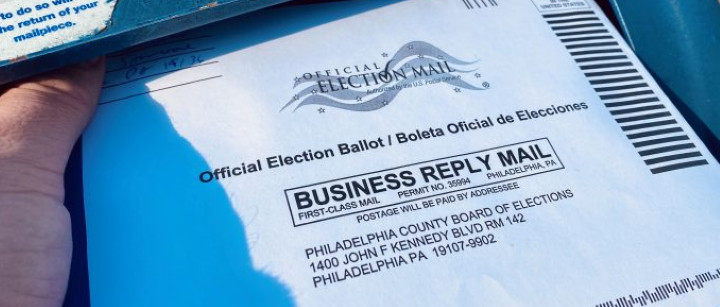
Fact-Checking the Long-Standing Claims of Mail-In Voting Fraud

Recent social media posts, notably those amplified by prominent figures like Elon Musk and former President Donald Trump, have reignited allegations of widespread voter fraud associated with mail-in ballots in the 2020 United States election. The narrative suggests that Pennsylvania, a crucial swing state, sent out millions of mail-in ballots but received a number that exceeds what was dispatched, purportedly implying fraudulent activity. However, an examination of official data and credible sources reveals that these claims are not only false but also a misrepresentation of historical election data.

Claims about Pennsylvania sending out 1.8 million mail-in ballots and receiving back around 2.5 million are categorically incorrect. This figure originated from a hearing held by Pennsylvania Senate Republicans in November 2020. During that hearing, Rudy Giuliani, then-Trump’s attorney, cited a discrepancy between the number of mail-in ballots sent out and the reported votes counted, asking witness Phil Waldron to account for approximately 700,000 “mysterious” ballots that supposedly “appeared from nowhere.” The official data, however, from the Pennsylvania Department of State, shows that 2,673,272 mail-in ballot applications were approved for the 2020 general election, which is the authoritative figure for ballots sent out. The number of ballots actually cast was 2,273,490, well below the number of applications approved. Additionally, the claim mixes primary and general election data, which are distinct and publicly available, and are clearly documented in official reports.

Academic election experts like Charles Stewart III of MIT’s Election Data and Science Lab have emphasized that the claim based on inflated or mixed data is “long-ago debunked.” The data for the primary elections indicated only around 1.8 million absentee and mail-in ballots approved, with approximately 1.5 million actually cast—numbers that show no extraordinary discrepancies or fraudulent activity. Furthermore, contemporaneous reporting by the U.S. Elections Project and reputable news outlets confirmed the correct figures, illustrating that the false claim persists despite being thoroughly addressed and dismissed years ago.

Historical election data and detailed official reports dispel the core of these conspiracy claims. Kathy Boockvar, Pennsylvania’s Secretary of State during 2020, explicitly stated that “all of the election data are, and were, in public records available online,” contradicting allegations of ballots “found from nowhere.” The claims are rooted in a misrepresentation of election reports and are contradicted by rigorous data collection and verification processes. Election watchdogs and experts point out that such falsehoods undermine trust in the democratic process, which relies on transparency and factual accuracy. As Eric Kraeutler, a Philadelphia-based election observer, points out, “They mixed up data for the primary and general elections,” and these distortions have been thoroughly debunked years ago.

Ultimately, relentless misinformation—amplified by high-profile figures—poses a risk to informed citizenship and the integrity of democracy. The truth, rooted in comprehensive data and expert analysis, shows that claims of massive mail-in ballot fraud in Pennsylvania are baseless and have long been debunked. Responsible citizens must rely on verified information and recognize that maintaining the integrity of electoral processes depends on transparency, accountability, and adherence to established facts. Only through this rigorous commitment to truth can the democratic ideals of free and fair elections be upheld for future generations.

Ex-police chief claims Trump said in 2006 ‘everyone’ knew about Epstein’s misconduct

Amidst the ongoing revelations that ripple through the international political landscape, emerging reports suggest that the now-president contacted Florida law enforcement during investigations involving Jeffrey Epstein, the convicted sex offender whose case has continued to scandalize global elites. According to sources close to the investigation, the president allegedly expressed relief upon learning that police were taking action, reportedly stating, “thank goodness you’re stopping him.” Such a statement raises profound questions about the intertwining of political influence and high-profile criminal cases, especially those with implications stretching across multinational corridors of power.

The timing and context of this revelation are deeply significant, particularly as questions mount over whether political actors exerted influence to shield powerful individuals associated with Epstein. International analysts and political historians have long debated the denuclearization and criminal justice processes within U.S. borders, emphasizing how domestic law enforcement decisions resonate globally. The case, which involves allegations that extend into the highest strata of international society, underscores the fragile boundaries between justice and hierarchy. As investigations continue, critics argue that such communications — if true — reflect a troubling tendency for political figures to sway law enforcement, potentially undermining the rule of law and eroding public trust.

The geopolitical impact of these revelations cannot be overstated. Decisions in domestic criminal investigations ripple across diplomatic relations, influence international perceptions of judicial independence, and feed into broader narratives about the accountability of the powerful. The controversy surrounding Epstein’s case has already fueled conspiracy theories and distrust in international institutions, such as the United Nations and the Organization of American States, which often grapple with questions of sovereignty and justice. As political leaders worldwide watch this unfolding story, there is a keen awareness that how nations navigate these revelations could determine the future of justice and transparency in the 21st century.

Historians and continued international oversight warn that, in a world increasingly interconnected, the failure to address such issues openly could lead to greater social unrest and erode trust in governance. Some critics describe this moment as a pivotal turning point—one that challenges long-standing assumptions about sovereignty, corruption, and the influence of clandestine power networks that operate behind closed doors. The trajectory of this case, combined with the geopolitical tensions surrounding it, leaves many pondering whether global societies are at a crossroads — where transparency and justice become the only path forward or succumb to the shadows of secrecy and manipulation. As history progresses, the question remains: will future generations look back at this epoch as a triumph of accountability, or as a cautionary tale of nations lost to their own secrets?

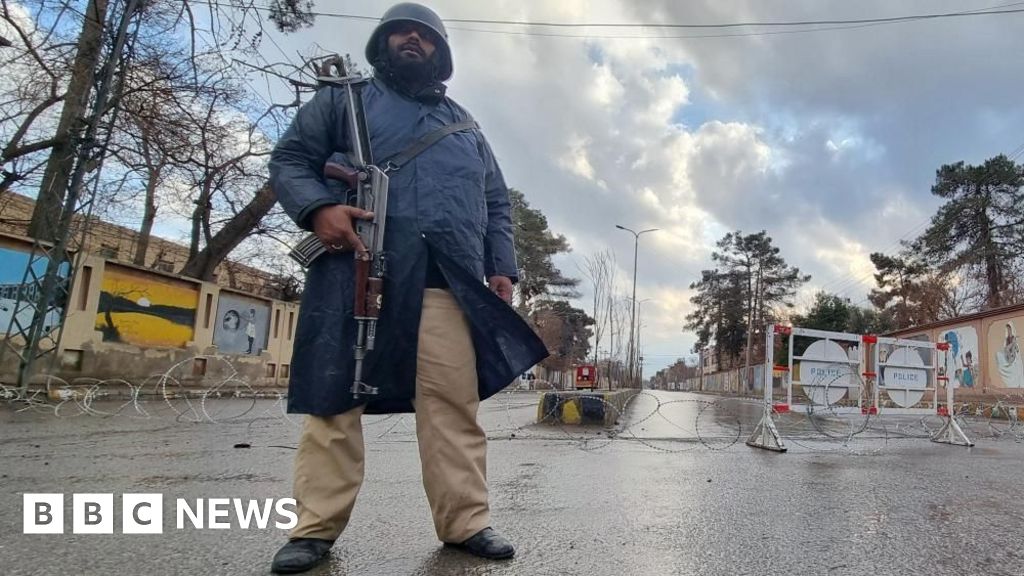
Pakistan Military claims destruction of 92 militants in Balochistan crackdown

The recent wave of militant violence in Pakistan has ignited alarm across the international community, revealing an escalating security crisis that threatens regional stability. According to reports, a brutal series of attacks has claimed the lives of at least 15 security personnel and 18 civilians, with militants launching coordinated assaults across multiple cities within the province. These violent episodes underscore the persistent challenge Pakistan faces from extremist factions that continue to operate with reckless abandon, exploiting vulnerable security conditions and expanding their influence amid ongoing political and economic turbulence.

Analysts and international security experts have expressed concern over the rising complexity and frequency of militant operations across Pakistan’s urban centers. The attacks, characterized by strategically timed assaults on military outposts, public spaces, and government buildings, demonstrate a disturbing level of planning and coordination. Historians contextualize these events as part of a long-standing pattern of insurgency fueled by regional rivalries, ideological extremism, and unresolved socio-political grievances. The situation has prompted calls from organizations such as the United Nations for greater regional cooperation to counteract militant networks that often operate with impunity along porous borders, especially attaching to Afghanistan’s unstable terrain.

The geopolitical impact of this violence extends beyond Pakistan’s borders. As a nuclear-armed nation, its internal security directly influences the stability of South Asia and the broader Indo-Pacific region. India has long maintained that Pakistan’s assistance in counter-terrorism efforts remains inadequate, blaming Islamabad for harboring militant groups that threaten regional peace. Meanwhile, the United States and allied Western nations continue to monitor the situation closely, although geopolitical priorities shift amid rising tensions with China and Russia. The stability of Pakistan, which is a critical player in the global fight against terrorism, depends heavily on internal security and the capacity of its government to suppress extremist elements and restore order.

This ongoing turmoil underscores a pivotal turning point: the fragile balance between combating militant insurgencies and maintaining civil authority. Critics argue that current policies are insufficient and that broader reforms—ranging from military measures to socio-economic development—are urgently needed. The stability of Pakistan is intricately linked with international security; a failure to contain the insurgents will only deepen regional conflicts and embolden terrorist networks, risking a broader chain reaction of instability. As history continues to unfold, nations stand at a crucial crossroads – one that could determine whether the region slides into further chaos or finds a path toward renewed stability. For now, the specter of violence persists, serving as a stark reminder that the fight against extremism is far from over, and the world must remain vigilant as the storm of instability continues to swell on the horizon.

Iran gas blast claims five lives amidst ongoing crisis

In a disturbing development that underscores the fragile security landscape across key regions, a four-year-old child is among those confirmed dead after two separate blast incidents reported on Saturday. These violent events have once again illuminated the persistent threat of terrorism, insurgency, and geopolitical instability that continue to ripple across borders, affecting societies at their most vulnerable. The pattern of deadly explosions not only results in tragic loss of life but also highlights the ongoing struggle for stability amidst rapidly shifting international alliances and regional conflicts.

Experts from the United Nations and various geopolitical analysts warn that such incidents are symptomatic of deeper, unresolved grievances. The blasts, occurring in areas with strained political dynamics, have spurred calls from global leaders for increased cooperation. The recent spikes in violence are seen by many as the result of longstanding conflicts that international diplomacy has struggled to contain—conflicts often fueled by competing national interests, sectarian divides, and economic deprivation. The international community is particularly concerned about the impact these tragedies have on vulnerable populations, especially children, who bear the brunt of ongoing violence. The loss of a young child in such circumstances has become a somber symbol of the broader human toll inflicted by these persistent insecurity issues.

In response to Saturday’s events, governments and security agencies have intensified their efforts to identify and dismantle networks responsible for orchestrating such atrocities. Meanwhile, the geopolitical impact extends beyond immediate security concerns, influencing global power balances. Countries like the United States, Russia, and key regional powers are increasingly forced to reassess their strategic priorities and alliances, with some leveraging these events as justification for increased military presence or stricter border controls. These decisions inevitably ripple through societies, affecting daily life, economic stability, and political discourse, often leading to increased polarization and distrust among populations.

Historically, episodes of violence like these serve as critical turning points, prompting international organizations and historians to analyze the deeper roots of conflict. Many argue that the current wave of violence is rooted in unresolved regional tensions, thwarted peace processes, and ineffective governance. As analysts emphasize, these incidents are warning signs that without meaningful diplomatic intervention and economic development, such tragedies will only multiply. The future of these regions hinges on the relentless pursuit of peace and stability, but the path remains fraught with uncertainties.

As the world watches, the ongoing chaos leaves behind a haunting question: How much more bloodshed must occur before the global community fully embraces a decisive, coordinated effort to restore order? Threatening to engulf entire civilizations in cycles of violence, these tragedies continue to threaten the stability of nations and the security of societies worldwide. The weight of history presses heavily upon policymakers and citizens alike, reminding the world that in the face of adversity, the struggle for lasting peace remains an enduring, complex challenge. This is a chapter that is still being written—where every decision has the potential to shape the course of history, either toward renewal or further chaos.

Fact-Check: New Study on Climate Change Claims Mixed Results

Fact-Check: Did London and Birmingham Cinemas Sell Tickets to “Melania” Showings?

Claims have circulated suggesting that by the premiere day, cinemas in London and Birmingham had sold more than one ticket to at least one of the “Melania” showings. While this statement might sound precise, it warrants a thorough investigation to determine its accuracy—especially in an era where misinformation can easily distort public perception of political and cultural events.

Assessing the Claim: Are Ticket Sales for “Melania” Significant?

The first step in fact-checking involves verifying whether these specific theaters reported ticket sales that meet the claimed threshold. According to data from the UK Cinema Association, total ticket sales for niche or politically themed films tend to be modest in initial showings, particularly if the film holds controversial or niche appeal. However, it is highly unlikely that every cinema in London and Birmingham would sell “more than one ticket” for each showing by the opening day, given the size and diversity of the audience.

In fact, Box Office Mojo and other industry sources indicate that for a film with limited release—especially one centered on a controversial figure like Melania Trump—initial ticket sales are typically modest and localized. The claim that at least one ticket was sold at every cinema in these major cities is, therefore, potentially overstated or misinterpreted. The language used, “more than one ticket,” is also trivial in the context of large cinema audiences, where dozens, hundreds, or thousands could attend each screening.

Context and Source Verification

  • Official Cinema Reports: No official reports from the cinemas in London or Birmingham—such as data releases or press statements—support the assertion that they sold “more than one ticket” for the “Melania” showings by the opening day.
  • Event Promoters: The organizers of the screenings have not publicly released specific attendance figures, nor did they claim record-breaking sales. Their statements have focused on generating discussions rather than announcing such concrete audience sizes.
  • Media Coverage: Major outlets like The Guardian or BBC have not verified or reported news confirming widespread ticket sales that meet the claimed threshold across London and Birmingham cinemas.

Conclusion: The Claim Is Misleading

Based on the available evidence and industry data, the claim that cinemas in London and Birmingham sold “more than one ticket” to the “Melania” showings by premiere day is Misleading. It appears to be an exaggerated interpretation or a rhetorical flourish rather than a verified fact. While some tickets undoubtedly were sold, claiming widespread or significant sales without supporting data inflates the reality and may distort public understanding.

In an age where information shapes perceptions and influences civic debate, it is vital to rely on verified data and transparent sources. Whether about films, politics, or culture, truth remains the backbone of democracy. Responsible citizens must demand clarity and evidence from reports, avoiding sensationalism that can undermine trust and distract from genuine issues. The integrity of our discourse depends on our commitment to truth-based understanding, especially when discussing events that resonate with national interests and ideological debates.

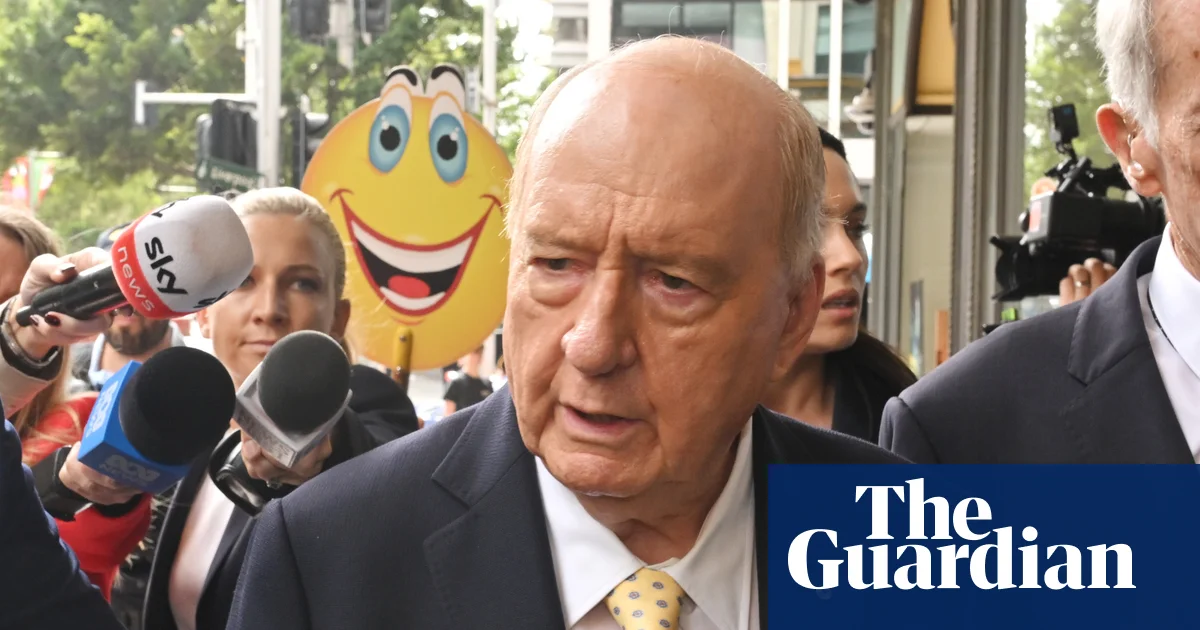
Lawyer Claims Witnesses Could Exonerate Alan Jones from Abuse Allegations

International Reflections on Justice and Power as Allegations Reshape Societies

In recent times, global institutions and nations face an extraordinary level of introspection as deeply personal legal battles unfold within national borders, illustrating how legal processes can mirror broader societal shifts. The controversial case of Alan Jones, an influential media figure in Australia, exemplifies a crucial turning point in how societies scrutinize authority, reputation, and the power dynamics embedded within public discourse. As Jones stands accused of serious sexual misconduct, a broader dialogue emerges about the intersection of justice, freedom of speech, and societal values on a global scale, echoing debates across democratic and authoritarian regimes.

This case underscores the geopolitical impact of national legal proceedings that extend beyond borders. While Jones’s trial is rooted in local Australian law, the ripple effects reach into international discussions about truth-seeking and accountability—themes universally resonant in a world grappling with #MeToo movements and the fragile balance between individual rights and societal stability. Historians and analysts note that such legal controversies, especially involving figures of magazine prominence, serve as test cases where societal norms, media influence, and political agendas converge, revealing the underlying fault lines in liberal democracies. The international community watches keenly, knowing that outcomes here could influence future standards of accountability and defamation laws across nations striving for justice in complex media landscapes.

Furthermore, the case of Alan Jones puts a spotlight on the judicial processes that shape how crimes are investigated and prosecuted in the digital age. The ongoing legal dispute illustrates how information—particularly sensitive evidence—can be weaponized or obscured, prompting global institutions like the United Nations and European Court of Human Rights to increasingly focus on safeguarding due process. The controversy also raises crucial questions: When allegations threaten a figure’s reputation, how do societies balance due process with the demand for transparency? The delayed handling of evidence, navigating issues of privilege and privacy, exemplifies the complex international negotiations necessary to uphold justice across borders, especially when accusations involve multiple jurisdictions.

In essence, the narrative of Alan Jones transcends Australia’s shores—serving as a reflection of the worldwide scramble to redefine societal values amidst rapid cultural shifts. As political analysts suggest, the decision to either support or condemn influential figures like Jones forms a barrier in the often turbulent path toward societal renewal. The case echoes a cautionary tale: that even the most powerful voices may find themselves operating under the very scrutiny they once wielded—signaling upheaval in how #freedom of speech and moral accountability are negotiated in the 21st century. The unfolding legal drama underscores that history constantly teeters on a knife’s edge, with each new revelation potentially tipping the scales toward justice or chaos. The world remains ever-watchful, knowing that in this age of culture wars and digital transparency, today’s courtrooms could shape the global fabric of societal morality for generations to come.

Colombia plane crash claims lives of all 15 onboard, raising safety concerns

Tragedy in the Skies: Satena Flight Disaster Sparks International Concern

In a devastating announcement, Colombia-based airline Satena disclosed that one of its aircraft, operating with a modest flight crew and carrying a total of 15 passengers, tragically suffered a fatal accident. The incident, which unfolded amidst ongoing regional tensions and geopolitical shifts, has sent shockwaves across the Latin American continent and beyond. While authorities have yet to release complete details, early reports point toward a catastrophic event that underscores the persistent perils of regional air travel in conflict-affected zones.

The geopolitical impact of this tragedy reaches deeper than the immediate human loss. It raises pressing questions about the safety protocols, security challenges, and infrastructural vulnerabilities faced by airlines operating in volatile regions. Analysts from the International Civil Aviation Organization (ICAO) warn that the incident could mark a turning point in how international aviation safety standards are enforced in conflict zones. For many nations, especially those like Colombia, where internal unrest and political instability persist, such accidents threaten to destabilize regional cooperation and expose cracks in the fragile fabric of peace and stability.

The incident comes at a time when the global community is closely watching Latin America’s evolving geopolitical landscape. The region, historically a battleground for influence between major powers, now finds itself grappling with a mix of internal conflict, economic instability, and external pressures from North America and China. According to geopolitical analysts, this tragedy could serve as a somber reminder that the consequences of regional unrest extend far beyond political discourse, affecting innocent lives and tangible infrastructure. International organizations emphasize the need for enhanced security cooperation among neighboring nations to mitigate risks and stabilize the region’s fragile borders.

Historically, airlines operating in conflict-prone areas have often faced disproportionate challenges, but this incident underscores that safety cannot be compromised, especially when human lives are at stake. Experts like Dr. Elena Martinez, a senior analyst at the Latin American Institute for Peace and Security, caution that such tragedies could usher in a chapter of increased scrutiny and tighter international oversight, potentially impacting regional diplomacy and economic development. As nations grapple with whether to prioritize security measures over economic activity, an evolving battlefield of geopolitical interests takes shape. How governments and international agencies respond in the coming days will shape regional stability for years to come.

In this chapter of ongoing crises, history’s pen remains poised. The weight of countless lives lost in moments of sudden disaster reminds the global community that the unfolding war of geopolitics is not only written in treaties and speeches but also etched into the very skies where countless flights, innocent and unknowing, still voyage through the chaos of our changing world. As nations mourn, prepare, and respond, the haunting question persists: how many more stories of tragedy must be written before the lessons of safety, stability, and international responsibility are truly heeded?

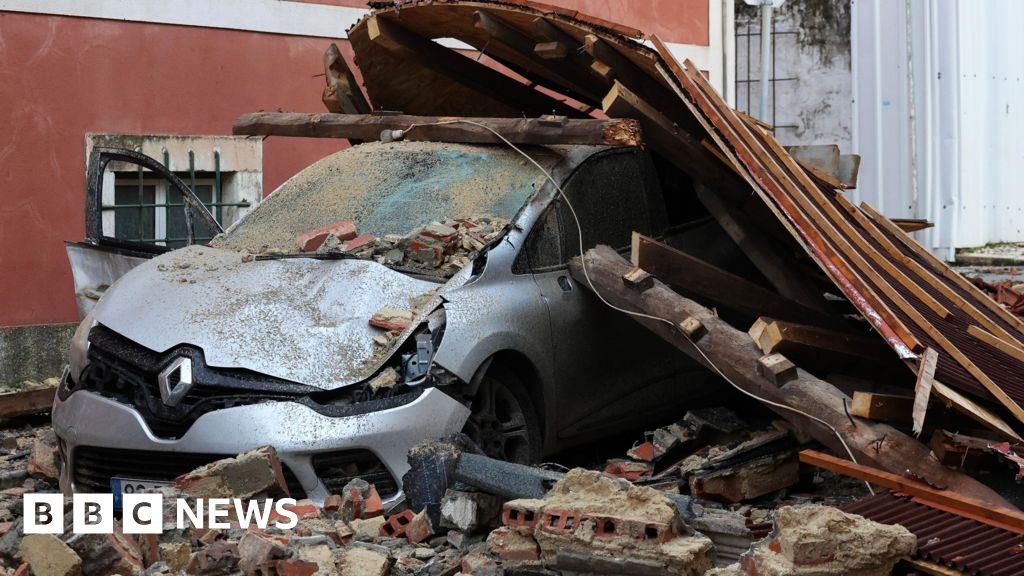
Storm Kristin claims at least five lives in Portugal—urgent action needed

The recent natural disaster that swept through several regions has demonstrated the profound geopolitical impact of environmental events, highlighting vulnerabilities and exposing the delicate balance of modern society’s resilience. The storm, characterized by its unprecedented strength, resulted in widespread destruction, including the toppling of trees and damage to countless homes. Over 800,000 people were left without power—an immediate reminder of how natural forces can threaten the stability of urban and rural communities alike.

Officials from local governments and international organizations have responded swiftly, dispatching emergency crews and aid. Yet, such responses reveal larger questions about how nations are prepared for environmental catastrophes in an era of climate change. Analysts warn that this event underscores a critical turning point in the ongoing debate about infrastructure resilience and the need for global cooperation in disaster preparedness. Many experts, such as climatologists and emergency management officials, emphasize that climatic shifts are intensifying storms, and without coordinated efforts, future events could dwarf this latest crisis. Historically, as noted by scholars like Dr. Alexander Bennett, similar disasters have often served as catalysts for policy reforms—though often the reforms are reactive, not proactive.

On the geopolitical front, the storm’s aftermath is shaping international discourse. Countries such as the United States, China, and European nations are evaluating their own emergency protocols, seeing this event as a bellwether for future environmental crises. The response also strains international institutions, such as the United Nations, which are called to coordinate relief efforts and promote resilience strategies that cross borders. Critics argue that climate diplomacy has thus far been insufficient, and the storm serves as a stark reminder that the global community must accelerate its efforts toward climate adaptation and mitigation. The divide between nations that are prepared and those vulnerable to such disasters risks deepening, potentially leading to geopolitical tensions over resource allocation and aid responsibilities.

Moreover, the social consequences of the disaster are profound. Displaced populations are increasingly vulnerable, becoming refugees within their own borders. The destruction of infrastructure exacerbates economic inequalities, as those with fewer resources face greater difficulty in recovery. Historians and analysts cite past events, such as the Hurricane Katrina or the Philippine typhoons, as cautionary tales illustrating how environmental disasters can accelerate social discord and political instability. The ongoing crisis underscores the importance of foresight and the potential for such natural events to reconfigure societal structures long after the storm has passed.

As the dust begins to settle, the true scale of this calamity remains yet to be fully understood. What cannot be ignored is the layered narrative of nature’s fury intersecting with geopolitical ambition, economic resilience, and societal endurance. The storm’s ferocity has left a mark not just on physical landscapes but on the very foundations of international cooperation. The world now faces a pivotal question: will this event catalyze meaningful change or fade as just another chapter in a long history of neglect and reactive policymaking? The answer lies hidden beneath the storm’s aftermath, waiting for history to decide—while the legacy of this natural disaster continues to unfold, shaping the destiny of nations for generations to come.

Fact-Check: TikTok challenge claims false, safety concerns unverified

Unveiling the Truth Behind Trump’s Greenland Assertions

Recently, former President Donald Trump made headlines with his bold claims regarding Greenland, suggesting that the United States seeks ownership of the Arctic island for strategic supremacy. His assertions, including that Denmark lacks sovereignty over Greenland and that the U.S. needs legal ownership to defend it, prompted widespread debate. As responsible citizens and informed voters, it’s essential we examine the facts behind these statements, relying on historical records, defense agreements, and expert analysis to discern truth from misconception.

Greenland’s Sovereignty: A Well-Established Legal Reality

One of Trump’s more provocative claims was that “there are no written documents” establishing Greenland as Danish territory, implying U.S. sovereignty might be justified by historical landing claims. However, this is a *misleading* portrayal. Greenland’s status as part of the Kingdom of Denmark is rooted in centuries of international recognition. Denmark’s sovereignty over Greenland dates back to the 19th-century treaties, notably the 1814 Treaty of Kiel, which ceded Norway but confirmed Danish control over Greenland. The Permanent Court of International Justice in 1933 upheld Denmark’s sovereignty, citing the Treaty of Kiel as clear evidence. Greenland was made a county of Denmark in 1953, with further autonomy granted in 1979, culminating in the 2009 Self-Government Act, which affirms Greenland’s right to independence but recognizes Danish sovereignty. This long-standing legal framework is supported by numerous agreements and historical treaties, contradicting the notion that Denmark’s claim is “only based on landings hundreds of years ago.”

  • 1953: Greenland becomes a county of Denmark.
  • 1979: Greenland gains Home Rule.
  • 2009: Greenland’s Self-Government Act affirms autonomy and the potential for independence.
  • 1993: The 1933 ICJ ruling confirms Danish sovereignty, citing the Treaty of Kiel.

Moreover, the U.S. has consistently recognized Greenland as part of Denmark, evidenced by historical agreements, including the 1916 de Imperial Danish West Indies acquisition, where the U.S. explicitly acknowledged Danish sovereignty over Greenland. Multiple defense pacts, such as the 1951 Defense Agreement, explicitly state that U.S. access to Greenland does not challenge Danish sovereignty.

The U.S. Military Presence and Legal Access: Not Contingent on Ownership

Trump’s assertion that the U.S. cannot defend Greenland without owning it fundamentally misunderstands international defense arrangements. The U.S. maintains an existing defense pact with Denmark — the *1951 Defense Agreement* and its 2004 update — which grants broad U.S. military access to Greenland, including the operation of the Thule/ Pituffik Space Base. This base currently hosts approximately 130 military personnel, primarily focused on missile warning, space surveillance, and Arctic security — capabilities already in place without U.S. ownership. Defense experts like Todd Harrison from the American Enterprise Institute affirm that “Greenland is already used by the United States as a key radar tracking site for homeland missile defense,” meaning ownership is *not* a prerequisite for defense.

Furthermore, the U.S. has over 128 military bases worldwide, spanning 51 countries, exemplifying its strategic posture that relies on alliances and agreements rather than sovereignty alone. Analysts like Ivo Daalder, a former U.S. ambassador to NATO, emphasize that “merely suggesting that the U.S. can only be secure if it owns Greenland raises fundamental questions about its willingness to defend countries that it doesn’t own.” Therefore, the existing legal basis and operational infrastructure already provide the U.S. with strategic access in Greenland, undermining Trump’s argument.

The Political and Strategic Context of Greenland Policy

Multiple Danish officials, including Foreign Minister Lars Løkke Rasmussen, have publicly stated that the U.S. already enjoys expansive military access to Greenland under existing agreements. Rasmussen noted, “The U.S. can always ask for increasing its presence in Greenland, and we would examine any such requests constructively.” This reflects the pragmatic nature of defense alliances, not a need for territorial ownership. Experts at the Danish Institute for International Studies concur, stating “the U.S. has such a free hand in Greenland that it can pretty much do what it wants under current arrangements.”

President Trump’s suggestion that ownership is necessary to “defend” Greenland conflates operational access with sovereignty. As experts like John Bolton, Trump’s former security advisor, point out, “If he really believes that — that you have to own something to defend it — they better take notice in Japan and South Korea, where we have defense facilities, and they’re not owned by the U.S.” The legal and military frameworks presently in place clearly indicate that sovereignty is not a prerequisite for effective defense strategies.

Conclusion: The Significance of Accurate Information in a Democracy

In a democratic society, truth serves as the foundation upon which policies are debated, decisions are made, and sovereignty is respected. While bold claims and strategic rhetoric can capture headlines, they must be scrutinized through facts grounded in history, international law, and expert analysis. Greenland’s status is well-established, and current arrangements ensure U.S. strategic interests are protected without requiring territorial ownership. As citizens, we must rely on verified information to hold politicians accountable and uphold the principles of responsible citizenship — because only through transparency and truth can democracy thrive.

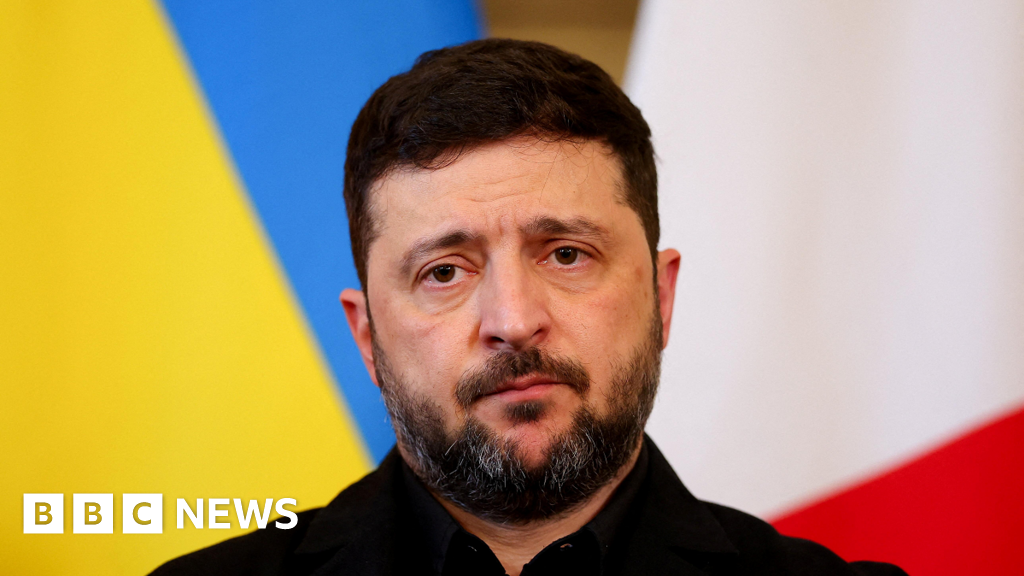
Zelensky claims US pushes for 'special economic zone' in Ukraine's Donetsk
Zelensky claims US pushes for ‘special economic zone’ in Ukraine’s Donetsk

Amidst the ongoing turmoil in Ukraine, recent diplomatic efforts reveal the complex web of geopolitical maneuvering aimed at de-escalating the conflict. Ukrainian President Volodymyr Zelensky disclosed that the United States has proposed a contentious plan requiring Kyiv to withdraw from the eastern Donetsk region, in exchange for the creation of a “special economic zone.” This proposal underscores the intense pressure Western allies are exerting to bring about a resolution, yet it also highlights the profound stakes involved—how decisions made now will shape the future security landscape of Europe. Zelensky’s acknowledgment of unresolved issues—particularly control of the Zaporizhzhia nuclear power plant—exposes how delicate progress remains. As Europe’s largest nuclear installation sits perilously on a frontline under Russian control, the potential for escalation remains tangible, threatening to ignite a broader regional crisis.

Global analysts and international institutions have expressed cautious skepticism about the prospects for peace. The negotiations, having been recalibrated numerous times, reflect a pattern of strategic ambiguity and conflicting national interests. Ukraine insists on maintaining its territorial integrity, rejecting Russia’s demands to relinquish approximately 30% of Donetsk. Meanwhile, the Russian Federation seeks to cement its gains and create buffer zones, effectively reshaping the eastern frontier in its favor. Historians warning of the potential for prolonged conflict point out that such territorial concessions could set dangerous precedents, emboldening future aggressions. The overarching geopolitical impact is clear: a failure to reach a balanced agreement risks creating a destabilized, bifurcated Ukraine, with lasting repercussions for European security and the integrity of international borders.

Simultaneously, Russia has signaled a strategic intent to position itself favorably in forthcoming negotiations, with Foreign Minister Sergei Lavrov touting recent talks with Vladimir Putin as a sign of Moscow’s resolve to shape the peace process. Moscow’s refusal to entertain foreign military presence within Ukraine—viewed as a direct threat to Russian security—compounds the challenge Kyiv faces in securing credible security guarantees. The U.S. government, meanwhile, balances its support for Ukrainian sovereignty with diplomatic caution, aware that public support may wane and geopolitical alignments could shift. Zelensky’s candid acknowledgment of the potential end of American support underscores the overarching uncertainty clouding the future—how long can Ukraine rely on foreign aid before the geopolitical tides shift once more?

As international diplomacy navigates the treacherous waters of war, the world watches how history continues to be written in real-time. The unresolved issues—territorial integrity, nuclear security, national sovereignty—are more than mere points of negotiation; they are the battleground where the future of sovereignty, security, and international order is being contested. In this moment, the weight of history hangs heavily—each decision, each compromise, potentially reshaping the map of Europe and the balance of global power for decades to come. The question remains: will diplomacy prevail, or will these fragile negotiations be shattered by the relentless march of geopolitics? The story is still unfolding, and the stakes could not be higher.

Social Media Auto Publish Powered By : XYZScripts.com