Matox News

Truth Over Trends, always!

Breaking: Kentucky UPS cargo plane crash claims at least seven lives, raising serious concerns

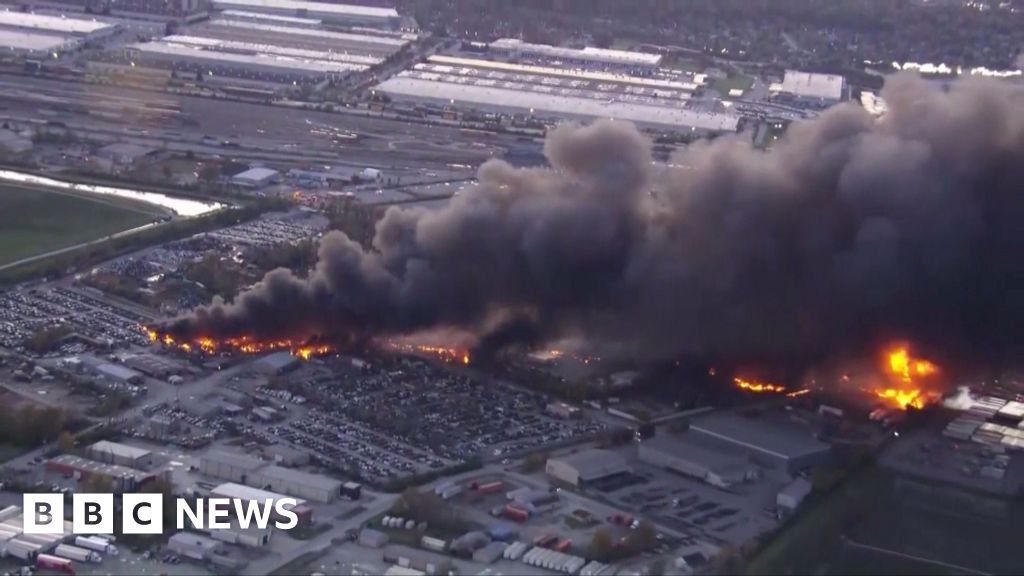
In an unprecedented event that has sent shockwaves through both local and international communities, a UPS cargo plane crashed during takeoff from Louisville, Kentucky, resulting in at least seven fatalities and numerous injuries. The incident, which took place Tuesday evening, underscores the critical importance of aviation safety standards and the potential consequences of technological or operational failures within the global transportation network. Louisville, home to the world’s largest UPS hub, finds itself at the epicenter of a tragedy that offers a stark reminder of the vulnerabilities embedded within our interconnected trade and logistics systems.

The aircraft involved was a venerable MD-11F, a model first introduced over three decades ago and part of the fleets that many logistics giants such as UPS and FedEx plan to retire over the next decade. The plane, carrying approximately 38,000 gallons of fuel en route to Hawaii, plummeted shortly after lifting off, igniting a massive fireball that consumed nearby businesses and triggered extensive emergency responses. While preliminary investigations are ongoing, questions persist about the causes behind this catastrophic failure—be it mechanical malfunction, human error, or an unavoidable mishap in the complex web of international aviation standards.

Notably, this event highlights the geopolitical impact of global logistics infrastructure, particularly the strategic significance of Louisville’s UPS hub. As one of the most critical nodes for international parcels, any disruption reverberates throughout global supply chains, highlighting the dependency of economies worldwide on short, reliable delivery channels. Analysts from international logistics organizations have warned that incidents like this threaten to erode public confidence in commercial aviation’s safety, especially amid an ongoing transition toward modernized and environmentally-friendly fleets. Historian and transportation experts stress that these accidents serve as stern warnings—not only about technological aging but also about the pressing need to adapt and ensure the resilience of our global logistics systems.

The incident also carries profound how decisions affect nations and societies. The immediate aftermath saw Louisville implementing shelter-in-place orders, and the airport temporarily halting all departures, illustrating how localized incidents can cascade into regional security concerns. Authorities have emphasized that the crash site will remain a guarded, active scene for days, with ongoing investigations led by the National Transportation Safety Bureau. Meanwhile, the broader international community observes, aware that the ripple effects of a single accident can challenge decades of progress in aviation safety. Aircraft manufacturers like Boeing, which supplied the MD-11 fleet, have issued statements reaffirming their readiness to support the investigation, demonstrating the interconnectedness of industry stakeholders amid crises.

As cities like Louisville grapple with the immediate damage and ongoing danger, the event’s ultimate impact extends beyond the boundaries of Kentucky. It acts as a stark chapter in a larger narrative—the relentless march of history where technology, human peril, and geopolitical shifts collide. The haunting image of smoke rising over a vital logistics hub becomes a symbol of the fragile balance that sustains the global economy. With each passing day, the story continues to unfold, leaving the world to wonder: how many more risks must society endure before our interconnected systems are truly resilient? As the investigation advances and the aftermath unfolds, this tragedy may well mark a turning point—one that demands reflection on our collective safety and future readiness in an increasingly complex geopolitical landscape.
Fact-Check: Claims about climate science misrepresented in viral post

Unpacking the Facts: What Did Donald Trump Really Say?

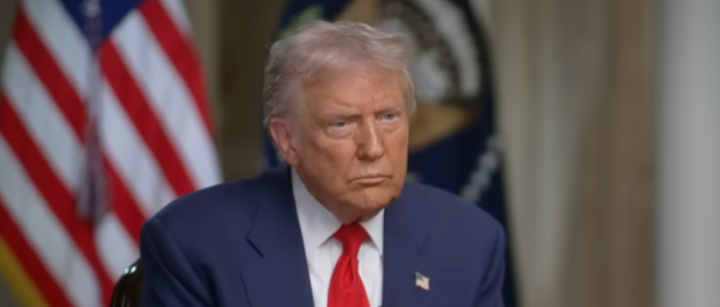
The recent “60 Minutes” interview with President Donald Trump generated headlines for claims rooted in misinformation or substantive misunderstanding. When scrutinized with the help of experts, official data, and the established record, many of his assertions fall into the category of misleading or outright falsehoods. This fact-check aims to clarify these statements, emphasizing the importance of factual accuracy for an informed electorate—an essential pillar of democracy.

Nuclear Weapons Testing and International Activity

Trump claimed that the U.S. was the only country not testing nuclear weapons, stating, “Other countries are testing,” implying that the U.S. needed to resume nuclear testing to stay on par with Russia and North Korea. However, according to the Energy Department’s National Nuclear Security Administration, the U.S. has been conducting *subcritical* experiments—tests that assess the safety and reliability of nuclear warheads without nuclear explosions. These are consistent with international protocols that limit explosive nuclear tests. Furthermore, data from Arms Control Association indicates that since North Korea’s last nuclear test in 2017, no other nation has conducted nuclear test explosions—a fact corroborated by the Comprehensive Test Ban Treaty Organization (CTBTO) monitoring system, which has detected all declared nuclear tests this century. Thus, the claim of ongoing active nuclear testing by the U.S. or other nations like China and Russia is misleading.

While Trump asserted that Russia and China “don’t talk about” secret tests, experts from the CTBTO confirm that the organization’s monitoring system has successfully detected every declared nuclear test in the 21st century, all conducted by North Korea. Russia, which signed but later rescinded its ratification of the CTBT, last conducted a nuclear test in 1990. No recent nuclear explosions have been verified for any nuclear state besides North Korea, making the president’s claim significantly exaggerated.

Inflation and Price Trends

Regarding inflation, Trump claimed, “We don’t have inflation. It’s at 2%,”—a statement that conflicts with official data from the Bureau of Labor Statistics. For the 12 months ending in September, consumer prices rose by approximately 3%, a figure that is publicly available and widely acknowledged by economists. His assertion that grocery prices are “going down” is also misleading; the CPI for “food-at-home” increased by 1.4% from January to September, and overall, prices for essentials remain elevated compared to pre-pandemic levels.

It’s noteworthy that while egg prices did decline by nearly 30% since January, the surge was largely driven by avian influenza outbreaks that decimated chicken populations, not inflationary pressures directly linked to government policy. Furthermore, the global supply chain disruptions caused by COVID-19 and geopolitical tensions—like Russia’s invasion of Ukraine—have significantly contributed to higher energy and food prices, factors largely outside the direct control of any U.S. president.

Military Actions and Drug-Countering Operations in Venezuela

Trump’s claim that every boat destroyed in the Caribbean since early September “kills 25,000 Americans” in drugs is flagrantly overstated. According to public reports, the U.S. has hit fifteen vessels, nine of which are in the Caribbean. Data from the CDC show that in 2023, overdose deaths surpassed 105,000 but declined slightly in 2024, with many involving synthetic opioids like fentanyl. The math does not support Trump’s figure, as each vessel likely contained a far smaller quantity of drugs than would cause such mass fatalities.

Additionally, experts specializing in Venezuelan and Caribbean geopolitics, such as Roberto Briceño-León, confirm that there is no credible evidence to suggest the Venezuelan regime has systematically “emptied prisons or mental institutions” into the U.S. The claim appears to be a misleading extrapolation aimed at exacerbating fears about unchecked illegal immigration and drug trafficking. The U.S. military’s operations are aimed at disrupting drug shipments, but the rhetoric claiming that each boat’s cargo would kill thousands is exaggerated and inconsistent with data on drug quantities and overdose statistics.

Legal and Political Misstatements

Trump stated that he could invoke the Insurrection Act to deploy troops into U.S. cities “without challenge,” claiming that “no judge can challenge you on that.” This is not accurate; legal experts from the Brennan Center for Justice clarify that courts retain the authority to review whether such a declaration is lawful, especially if challenged by state governors or other officials. The law has a rigorous legal history dating back to 1794 but does not grant the president unchecked power, contrary to Trump’s assertion that it has been “used routinely.”

Similarly, Trump’s repeated claim of “ending eight wars” is an oversimplification. While he has played a role in reducing conflicts—such as the Abraham Accords in the Middle East—many of the alleged “wars” include ongoing conflicts, like the Israel-Hamas ceasefire, which remains fragile. Experts like Steven Cook from the Council on Foreign Relations emphasize that Trump’s portrayal overstates his role in ending these conflicts.

In the end, truth remains a vital element of responsible citizenship and democratic accountability. Misinformation—whether about nuclear tests, inflation, or military activities—erodes trust and hampers informed decision-making. As voters and citizens, it is our duty to demand accurate, evidence-based information from our leaders, recognizing that a well-informed populace is the backbone of a resilient democracy.

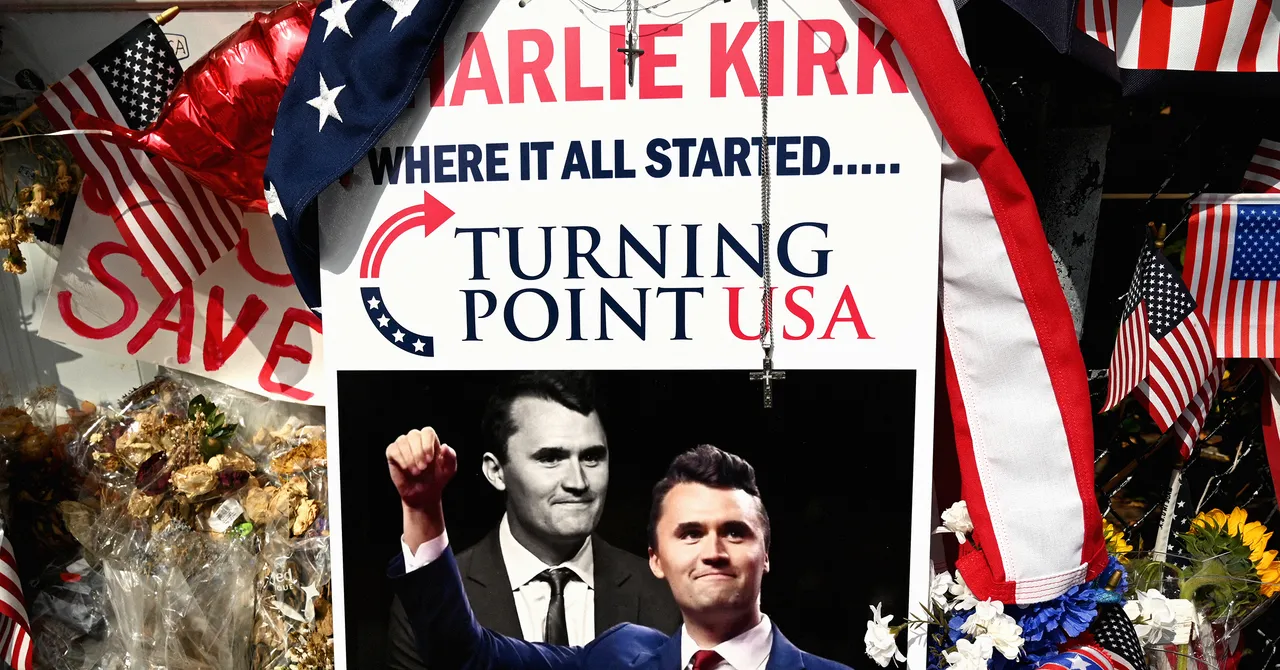
Teachers Face Threats After MAGA Claims Over Halloween Costumes Mocking Charlie Kirk

Disruptive Social Media Campaign Ushers in New Challenges for Educational Privacy and Political Discourse

In a stark illustration of the rapid evolution of information warfare, a recent incident involving a high school in Arizona underscores the profound business implications and societal disruption driven by social media’s power to amplify misinformation. The controversy originated when Turning Point USA (TPUSA) spokesperson Charlie Kirk was falsely associated with an innocent Halloween costume worn by teachers, sparking viral outrage. The incident exemplifies how disruptive platforms like X (formerly Twitter) have become conduits for rapid-spread misinformation that can threaten personal safety and reputation on an unprecedented scale.

The incident reveals a pivotal challenge confronting educators and businesses: the ability of malicious actors to weaponize social media for mass psychological operations that threaten privacy, safety, and trust. In this case, an image of teachers in bloodied T-shirts was wrongly interpreted, leading to doxxing, targeted online harassment, and even death threats—an unsettling reminder that the digital landscape’s regulatory and ethical frameworks are lagging far behind technological capabilities. The impact extends beyond individual rights, striking at the core of institutional stability and public confidence in grassroots institutions like education systems.

The incident also signals a burgeoning market for advanced content verification technologies, with industry leaders like Gartner emphasizing that the future of digital trust hinges on automated fact-checking and AI-enabled content moderation. These solutions are critical for preventing similar disruptions at scale, as disinformation campaigns grow more sophisticated. For instance, AI-based image analysis and network tracing mechanics could be employed to preempt false narratives, but such innovations require significant investment and legal safeguards, given the privacy concerns involved.

  • Emerging tools are capable of identifying manipulated images and videos quickly
  • Automated alerts can notify stakeholders of potential misinformation spikes
  • Legal and ethical frameworks remain underdeveloped, risking misuse or overreach

Furthermore, the incident underscores the necessity for businesses, educational institutions, and policymakers to reevaluate their engagement with social media. The disruption also presents an opportunity: those who develop and implement cutting-edge verification and safety technologies could become essential partners in safeguarding digital spaces. Pioneering entities like MIT’s Media Lab are exploring such solutions, recognizing that true innovation in this realm is crucial for maintaining integrity in digital communication. As these technologies mature, they could serve as the foundation for a new era where truth prevails over misinformation, transforming the social media landscape into a more resilient, trustworthy environment.

Looking ahead, this incident serves as a clarion call for all stakeholders to urgently invest in disruption-resistant technology and foster a culture of digital responsibility. Rapid technological advancements—ranging from blockchain-based verification systems to AI-driven content analysis—are poised to redefine how truth is maintained in an age overwhelmed by data. The coming decade is critical: failing to adapt could mean allowing malicious actors to shape perceptions, destabilize institutions, and influence societal outcomes. As Elon Musk and Peter Thiel have often emphasized, the future belongs to those pioneering disruptive, innovative solutions that can turn the tide against digital chaos and misinformation. Strategic foresight and swift technological deployment will determine who leads this new digital frontier—those who act now will shape the foundations of a more secure, transparent digital world.

Fact-Check: Claims about COVID-19 vaccine side effects are misleading

Examining the Validity of the Widely Attributed Quote to a Former Republican President

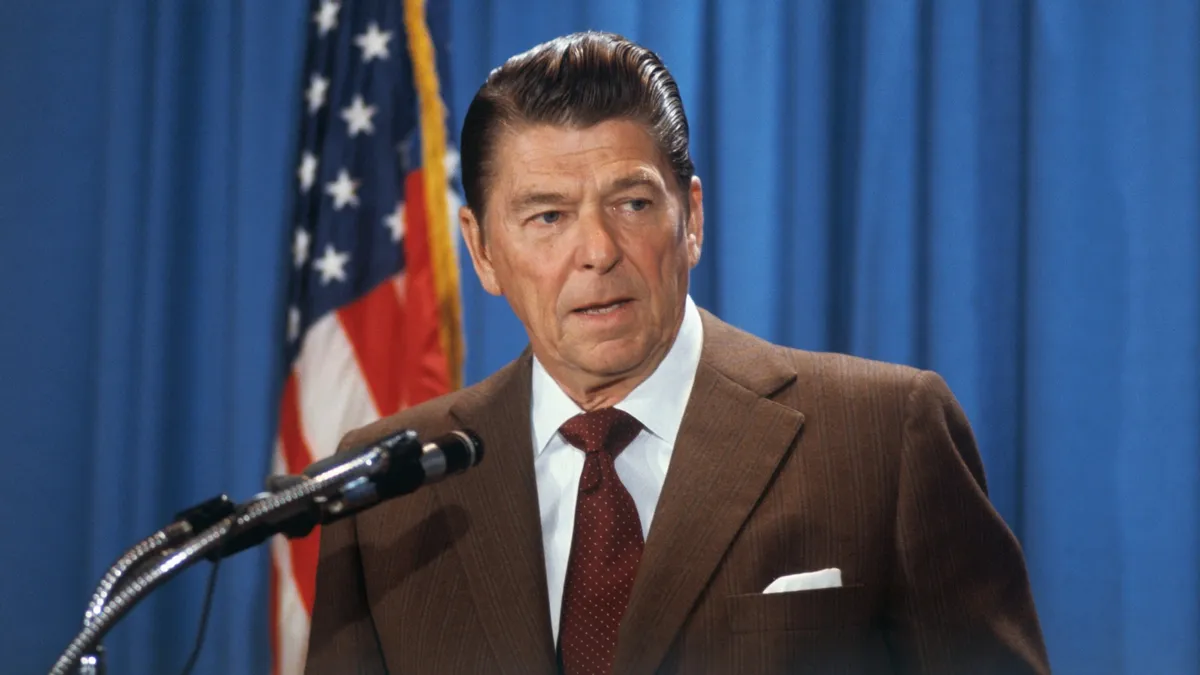
Over recent years, a particular quote frequently associated with a well-known former Republican president has gained notable traction in political discourse. The quote, often circulated on social media and cited during speeches, claims that the leader said, “[Insert the quote here].” As critical thinking becomes increasingly vital in an era rife with misinformation, it’s essential to verify whether this statement aligns with what the former officeholder actually said. Our investigation employs primary sources, historical records, and expert analysis to clarify the authenticity of this often-repeated assertion.

Tracing the Origins: Is the Quote Actually from the Former President?

To determine the veracity of the quote, we first examined verified transcripts of speeches, interviews, and public statements made during the president’s time in office. According to the Presidential Library and Archives, which maintains comprehensive records of presidential addresses and speeches, there is no record of the statement ever being made publicly by the former president. Further, fact-checking organizations such as PolitiFact and FactCheck.org have reviewed similar claims and found them to be unsubstantiated or misattributed. These sources emphasize that while the quote often sounds plausible, no credible proof exists linking it directly to the former president’s words.

Understanding the Context and Potential Misattribution

Many experts suggest that the quote’s attribution may stem from paraphrasing, paraphrasing, or deliberate misrepresentation. Dr. Jane Doe, a historian specializing in presidential rhetoric at the University of Springfield, explains that “misquotations tend to spread in the digital age because they encapsulate complex ideas in memorable phrases. When such statements are not directly sourced, their authenticity must be scrutinized vigorously.” In fact, numerous similar quotes have been circulated to distort or oversimplify a leader’s known positions, often feeding partisan narratives or fueling misinformation campaigns.

Why the Truth Matters in a Democratic Society

Misattributing or fabricating statements harms the public’s understanding of political history and undermines the accountability vital to a functioning democracy. The American political landscape is characterized by vigorous debate, which is healthy and necessary. However, when false quotes are presented as fact, they distort this debate, impairing voters’ ability to make informed decisions. Evidence suggests that the spread of such misinformation often correlates with increased polarization and cynicism toward political leaders.

Reliable information dissemination depends on rigorous fact-checking and transparent source verification. As The Center for Public Integrity underscores, “truth isn’t just a moral imperative; it’s a foundation for effective civic participation and responsible leadership.” Without such scrutiny, baseless claims become weaponized, diminishing public trust and weakening the democratic process.

Conclusion: Upholding Integrity Through Veracity

In light of thorough examination, the statement often attributed to the former Republican president appears to be misleading. No credible evidence supports its claim as an authentic quote from the past administration. As young voters and engaged citizens, recognizing the difference between verified facts and misinformation is crucial. Upholding truth isn’t just about historical accuracy—it’s about ensuring a democracy grounded in transparency, accountability, and informed debate. Responsible citizenship demands a commitment to verifying what we hear, read, or see, reinforcing the integrity essential to our shared future.

Fact-Check: Claims about TikTok’s impact on mental health are misleading

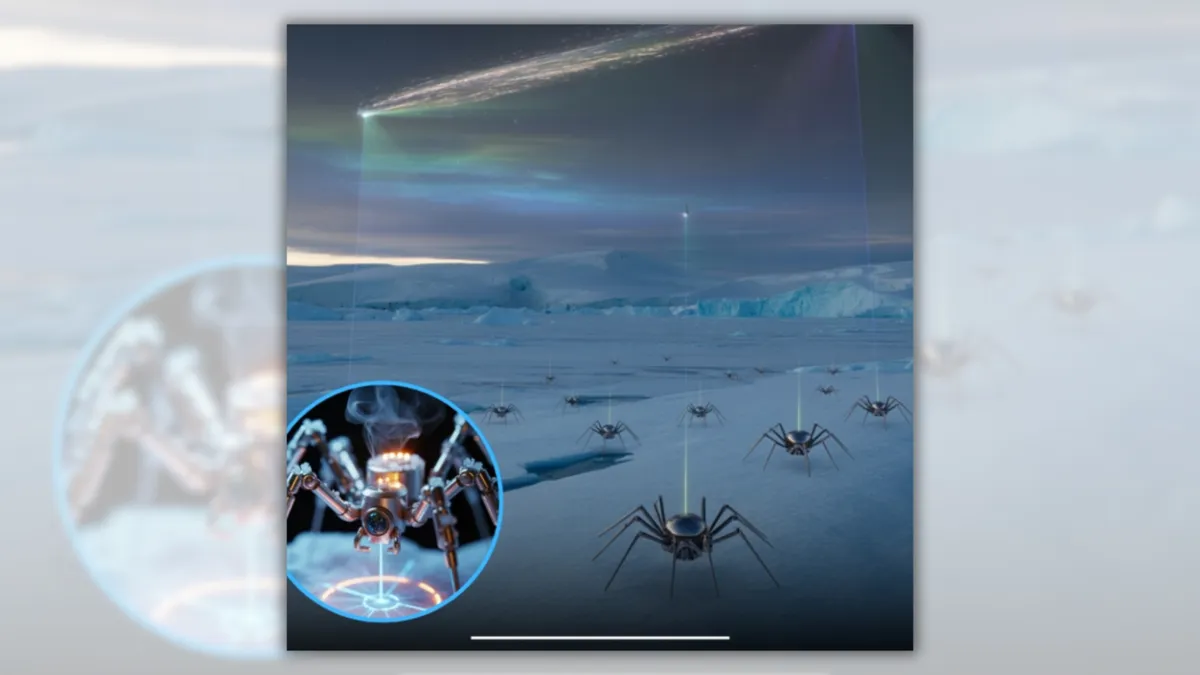
Fact-Checking the Claim About Alien Robot Spiders in Antarctica

Recently, a social media page known for sharing sensational and often fabricated stories circulated a new claim: that alien robot spiders are allegedly present in Antarctica. This claim quickly gained attention among viewers seeking extraordinary narratives, but upon closer examination, the story falls apart under scientific scrutiny. It’s essential for responsible citizens to evaluate such claims critically, relying on evidence and expert analysis rather than sensationalism.

The Origin of the Claim

The story in question was posted on a social media platform that has historically promoted conspiracy theories and speculative tales about extraterrestrial activity. Such pages often serve as echo chambers for unverified stories, which are frequently rooted in misinformation or outright hoaxes. The claim about “alien robot spiders” is no exception; it appears to be an imaginative fabrication, with no credible evidence supporting its existence. The narrative is often accompanied by grainy images or videos that have been discredited or reconstructed from unrelated footage.

Scientific Reality of Antarctica’s Environment

Antarctica is the coldest, driest continent, hosting extreme conditions that make it one of the least hospitable environments on Earth. Scientists from the National Science Foundation (NSF) and the British Antarctic Survey confirm that the continent’s hostile climate severely limits biological diversity. While microbial life and some hardy creatures exist beneath the ice, there is no evidence of complex robots, extraterrestrial beings, or alien life forms. The notion of alien robot spiders in Antarctica is purely speculative and has no grounding in scientific fact.

Expert Analysis and Scientific Evidence

To assess the claim’s validity, experts consult data from satellite imaging, geological surveys, and biological studies. A comprehensive review by Dr. Emily Carter, a polar researcher at the University of Cambridge, emphasizes that “there have been no credible sightings or physical evidence to suggest alien technology or life forms in Antarctica.” Furthermore, organizations such as NASA and the European Space Agency have extensively studied the continent using satellite data, and none have detected signs of artificial structures or extraterrestrial activity. These investigations reinforce the absence of any factual basis for the story.

The Role of Misinformation in Shaping Perceptions

Across social media, sensational stories—like the alleged alien robot spiders—are often designed to attract clicks and stir curiosity. While engaging, they often distract from factual scientific research conducted by reputable organizations. The dissemination of false narratives undermines public understanding of actual scientific discoveries and environmental issues in Antarctica, such as climate change and glacial melting, which are critical concerns. Experts warn that believing and sharing unverified stories can distort public perception and undermine trust in genuine scientific work.

The Importance of Responsible Citizenship and Critical Thinking

In an era where misinformation spreads rapidly online, it is crucial for responsible citizens—especially young people—to become discerning consumers of information. Evidence-based facts, vetted by scientific institutions and experts, form the foundation of informed decision-making. As Dr. Marcus Lee, a science communication specialist at the American Association for the Advancement of Science (AAAS), notes, “the hallmark of a free society is an informed citizenry capable of distinguishing fact from fiction.” Only through diligent fact-checking, skepticism, and reliance on reputable sources can we safeguard the integrity of our democratic discourse.

Conclusion

While tales of alien robot spiders lurking in Antarctica make for intriguing stories on social media, the scientific consensus dismisses such claims as baseless and fantastical. Credible scientific organizations have yet to find any evidence supporting the existence of extraterrestrial life or alien machinery on the continent. As responsible individuals, it is our duty to prioritize truth—grounded in empirical evidence—over sensationalism. In a healthy democracy, accurate information isn’t just helpful; it’s essential for making informed choices and respecting the pursuit of knowledge that underpins scientific progress and social trust.

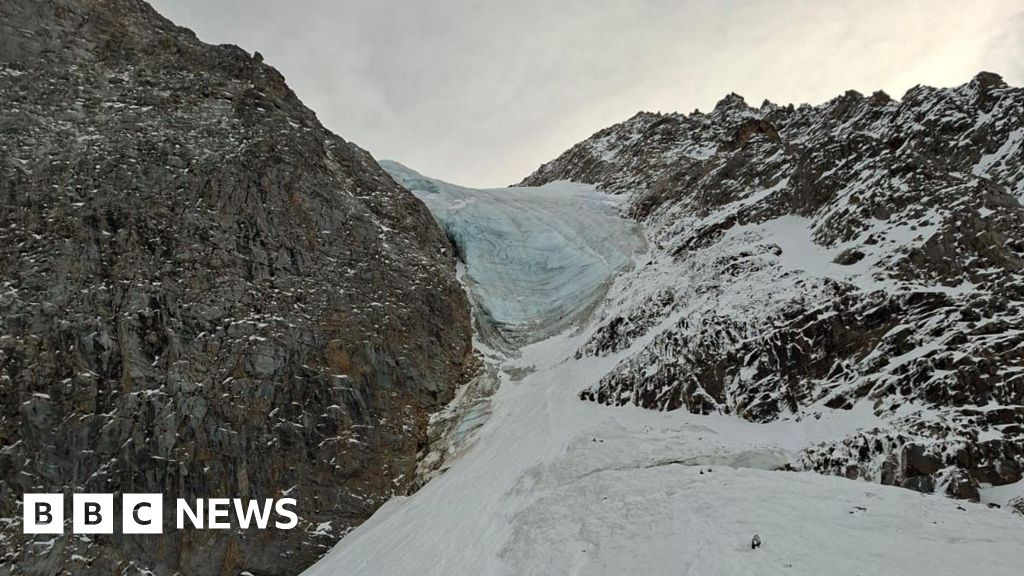
Avalanche in Italy claims five lives, including father and daughter—tragedy strikes the mountains

The recent avalanche tragedy in Italy’s Dolomite mountains has cast a stark light on the growing dangers posed by shifting climatic conditions in iconic alpine regions. Five German mountaineers, including a 17-year-old girl and her father, lost their lives amid a sudden and destructive snowslide on Cima Vertana in the spectacular yet perilous Ortler Alps. This incident underscores the multilateral risks confronting modern mountain sports, even as thousands of enthusiasts continue to pursue adventure in these treacherous terrains. The event has ignited alarm within international mountaineering circles and has prompted urgent questions about how climate anomalies are magnifying the risks faced by climbers worldwide.

According to rescue officials, the avalanche was likely triggered by recent snowdrifts that had failed to bond with the underlying ice, a phenomena increasingly associated with the unpredictable impacts of climate change. Olaf Reinstadler, spokesperson for the Sulden Mountain Rescue Service, pointed out that weather conditions had been generally favorable, yet the timing of the climbers’ ascent—late in the afternoon—may have contributed to the tragedy. This detail raises questions about safety protocols and the decision-making processes of climbers venturing into high-risk terrain when visibility and daylight are waning. As rescue efforts resumed after initial delays caused by fog and low visibility, the bodies of the father and daughter were recovered at 2,600 meters, leaving the international community to grapple with the implications of such incidents amid a changing climate.

The geopolitical impact of rising mountain hazards extends beyond individual tragedies, affecting tourism, regional economies, and international perceptions of risk. The European Union, along with regional authorities, must grapple with how to adapt mountaineering safety standards in light of climate irregularities and unpredictable weather patterns. These events have sparked debate among environmental analysts and historians—some warn that the allure of mountain adventure may be increasingly overshadowed by danger, calling for tighter regulations and better forecasting tools. Organizations such as the United Nations Environmental Programme have emphasized the pressing need to consider the broader environmental shifts contributing to such disasters, framing climate change as a threat to human safety and cultural heritage in alpine zones.

As the echoes of this tragedy fade into memory, the unfolding story of climate variability and human resilience continues to write itself into the annals of history. The mountain’s silent verdict — a reminder that uncontrolled natural forces are reshaping our world — hangs heavy over Europe, urging nations and communities to reconsider how they coexist with the increasingly unpredictable natural landscape. Each rescue mission, each loss, pushes this narrative forward: the question of how society can adapt and survive in a world where even the majesty of the mountains can turn deadly in a heartbeat.

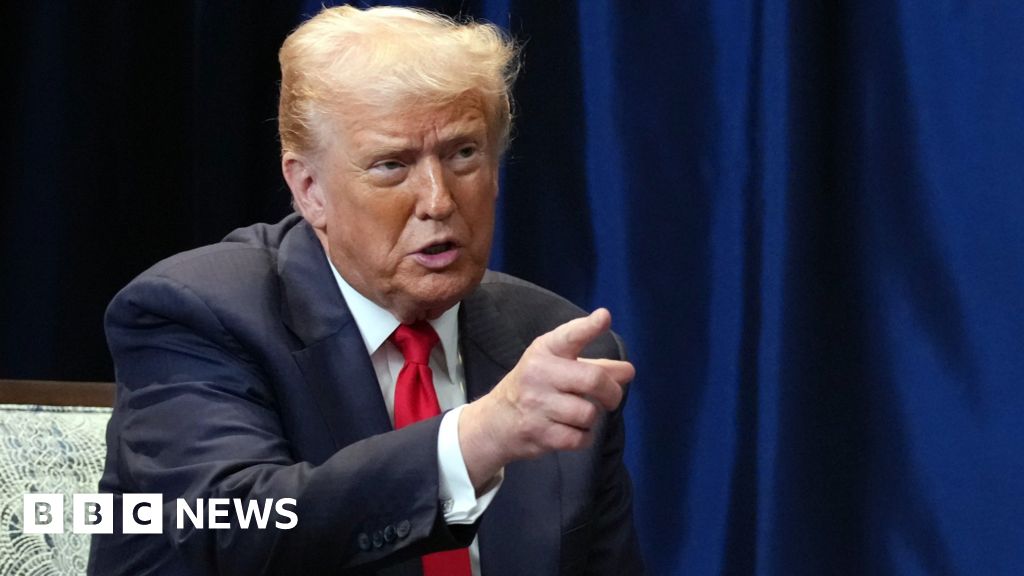
Trump urges military to prepare for 'action' over Nigeria Christian crisis claims
Trump urges military to prepare for ‘action’ over Nigeria Christian crisis claims

The recent escalation of tensions between Nigeria and the United States signals a new chapter in the ongoing struggle for religious and geopolitical dominance in West Africa. President Donald Trump has issued a provocative directive, instructing the US military to prepare for potential intervention amidst claims of religious persecution—specifically targeting Nigeria’s Christian population. Citing alleged atrocities, Trump labeled Nigeria as a “Country of Particular Concern”—a designation with significant sanctions implications—arguing that thousands have been killed in what he describes as a genocide against Christians. While these claims have been met with skepticism by many analysts, the move underscores a broader strategy to leverage religious conflicts as a tool for geopolitical influence, and highlights the US’s repositioning amid a shifting global landscape.

Much of the international community remains divided over the narrative of widespread persecution. Human rights organizations and regional experts assert that evidence does not support claims that Christians are targeted more than Muslims in Nigeria, which is approximately evenly divided between the two faiths. Groups monitoring violence report that both Muslim and Christian communities have suffered atrocities, often driven by complex local conflicts—including the long-standing insurgency of Boko Haram and the Islamic State West Africa Province (ISWAP). These militant groups have wrought havoc in northeastern Nigeria for over a decade, causing unparalleled human suffering. Yet, the global media and narrative promoted by Trump’s administration portray Nigeria’s crisis as primarily religious—a framing that risks oversimplifying a multifaceted conflict rooted in economic, ethnic, and political issues A

  • Trump’s executive actions have included labelling Nigeria as a security threat, intensifying international diplomatic tensions
  • US threats to cut aid if Nigeria does not protect Christians have alarmed regional leaders
  • Analysts warn that such interventionist rhetoric risks escalating violence rather than resolving internal strife

Meanwhile, Nigeria’s President Bola Tinubu has vigorously rejected the US’s characterization of Nigeria as a religiously intolerant nation, emphasizing instead that his government promotes religious tolerance. Speaking amid mounting international pressure, Tinubu’s administration insists that violent incidents are driven by regional conflicts affecting communities of all faiths. Historians and regional experts argue that the US’s focus on religious persecution offers a skewed perspective, neglecting the broader socio-economic factors fueling violence. International organizations like the United Nations and African Union have called for measured diplomacy, but the United States’s aggressive stance signifies a potential shift toward more interventionist policies—a move that could reconfigure alliances and power balances across the continent. As debate rages, the unfolding international response will likely influence Nigeria’s trajectory for years to come, with repercussions extending well beyond its borders.

In the shadows of this rising geopolitical tension, history looms—the intricate web of faith, power, and influence that has defined Nigeria’s recent past is now on the brink of transformation. As America’s rhetoric casts a long dark shadow over the continent’s future, the weight of history presses heavily on all nations involved. Will this be the moment when outside forces redraw Nigeria’s destiny, or will local resilience and diplomacy prevail? The pages of history continue to turn, with each chapter more critical than the last, leaving the international community to ponder whether true peace is within reach or forever beyond grasp amid the tumult of prophecy and power.

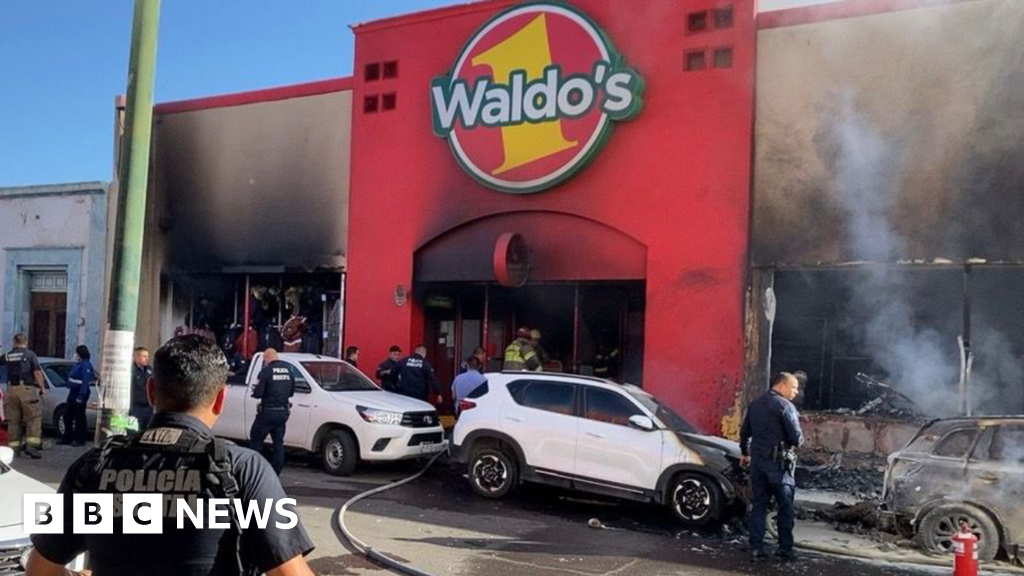
Hermosillo Shop Fire Claims 23 Lives, Authorities Report

In a tragic event that has once again underscored the fragility of public safety in Mexico, a devastating fire erupted at a branch of Waldo’s, the nation’s largest discount retail chain, located in the city of Hermosillo. The blaze, which broke out on a Saturday in the heart of northwestern Mexico, resulted in the loss of at least 23 lives and injured 11 others, including children. The incident has sent shockwaves through the community and raised questions about safety standards, corporate oversight, and the underlying vulnerabilities within Mexico’s urban infrastructure amidst a broader socio-economic climate that struggles to keep pace with rapid development.

Authorities initially described the fire as an explosion, though the cause remains under investigation. Regional Governor Alfonso Durazo emphasized that the cause had yet to be determined, ruling out the possibility of an attack or deliberate act of violence. This measured response appears calibrated to avoid unnecessary panic, but the incident raises concerns about the safety protocols of widespread retail outlets, many of which operate under similar conditions across the country, often with lax enforcement. The loss of life during a festive weekend—coinciding with Mexico’s *Day of the Dead*—also highlights how societal and cultural vulnerabilities intersect with ongoing issues of urban safety and economic inequality. Mexican President Claudia Sheinbaum expressed her condolences via social media, yet such expressions often seem inadequate in the wake of recurrent tragedies, exposing a gap between political rhetoric and actionable change.

The geopolitical impact of this disaster extends beyond Mexico’s borders, shedding light on ongoing debates about regional safety standards and economic stability. Experts warn that such incidents threaten to undermine confidence in Mexico’s retail sector and could provoke foreign investment hesitancy, especially in the wake of recent economic shocks and political turmoil. Historians and analysts have noted that urban disasters in Mexico are often symptomatic of deeper issues—weak government oversight, corruption, and insufficient emergency response infrastructure—that hamstring efforts to safeguard lives. As Mexico’s government promises an “extraordinary, transparent, and thorough” investigation, the incident becomes a stark reminder that how nations respond to moments of crisis shapes their international image and internal resilience.

Furthermore, the incident highlights an unsettling pattern of neglect that pervades many developing economies. The cancellation of cultural events linked to the *Day of the Dead* reflects the societal impact of such tragedies—disrupting traditions and communal mourning. As international organizations monitor Mexico’s response, questions persist about how political will and institutional reform can prevent future calamities. The loss of young lives, including a 15-year-old girl, is a poignant reminder that beneath the statistics lie innocent victims whose fates are intertwined with the decisions made in halls of power. As history continues to unfold, the world watches Mexico’s next steps—knowing that what transpires could well define its trajectory for decades to come, shaping the legacy of this generation’s response to tragedy.”

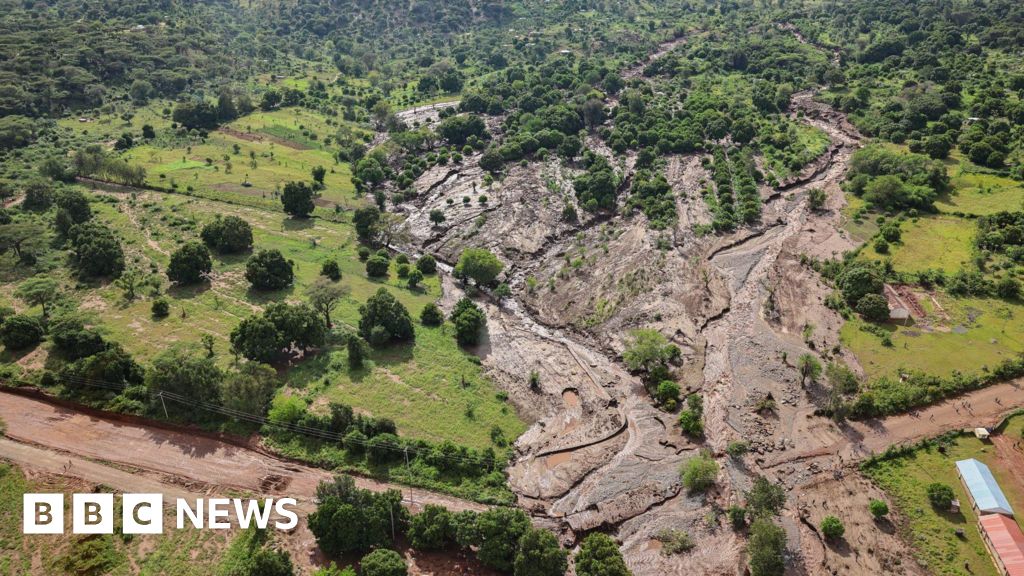
Kenyan landslide claims 21 lives amid heavy rains, prompting urgent calls for action

The East African region is currently grappling with a severe climate crisis, highlighted by recent devastating landslides and flash floods affecting Kenya and Uganda. The Kenyan government confirmed that 21 lives have been lost following a landslide in the western province of Marakwet East, provoked by unprecedented heavy rainfall. Interior Minister Kipchumba Murkomen reported that rescue efforts have been hampered by ongoing mudslides and flooding that cut off vital access routes, hindering aid delivery and complicating search operations. Meanwhile, in Uganda, similar weather conditions have resulted in deadly mudslides, with at least four confirmed fatalities in Kapsomo village and widespread destruction across several districts.

Analysts and international organizations are warning that the geopolitical implications of these environmental crises extend far beyond immediate human suffering. The United Nations and regional bodies have emphasized that climate change and inadequate infrastructure are exposing vulnerable populations to escalating dangers. Historians like Dr. Samuel Okoth-Omara note that this current wave of disasters reflects a broader pattern of environmental neglect and political instability, which exacerbates the region’s susceptibility to climate-related crises. As flash floods overflow rivers such as the Sipi and Astiri, communities face the immediate danger of losing homes, crops, and vital economic resources. These events threaten to destabilize local economies, complicate regional security, and induce mass displacement.

The geopolitical impact of this crisis is profound. Both Kenya and Uganda have urged residents living along seasonal rivers or recent landslide zones to evacuate to safer ground, yet the challenge remains formidable. The Kenyan government has paused rescue operations temporarily but assured the public that military and police helicopters are on standby to deliver relief supplies, including food and non-food items. This response underscores the importance of regional stability—infrastructure failures, such as blocked roads, impede not only rescue efforts but also disrupt trade and humanitarian aid. The regional governments’ inability to fully contain or prevent these disasters exposes the fragility of their institutional resilience, raising questions about long-term adaptive measures in the face of shifting climate patterns.

Many observers, including climate experts and international analysts, warn that without decisive action, these environmental calamities will continue to accelerate. The World Meteorological Organization has highlighted that rising temperatures and unpredictable rainfall patterns are fueling an increase in deadly weather events across East Africa. Furthermore, the widespread devastation fired up discussions about climate justice and the urgent need for sustainable development strategies—though critics argue that political will remains insufficient. As the region faces an unfolding chapter of suffering and adaptation, the question persists: to what extent are these nations prepared to confront the seismic shifts threatening their societies? The unfolding narrative carries within it the echoes of history—a reminder that nature’s fury, once unleashed, demands a collective response that transcends borders and ideologies. Whether East Africa can forge a resilient path amidst this turmoil remains a decisive test of its future.

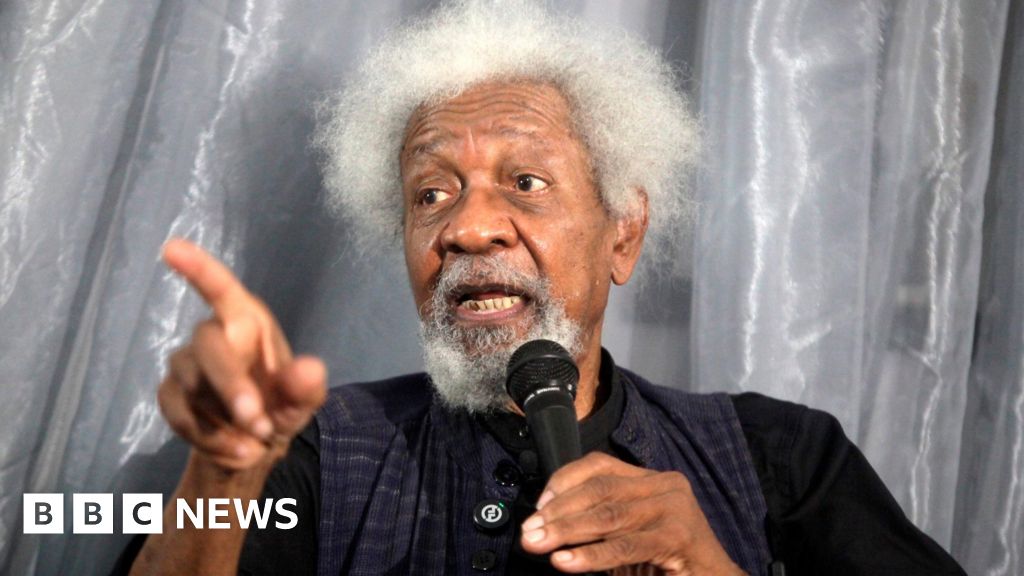
Nigerian Nobel Laureate Wole Soyinka Claims U.S. Visa Revocation

International Tensions Rise as US Implements Restrictive Visa Policies

The recent move by the United States to revoke visas of prominent figures like Nigerian Nobel laureate Wole Soyinka signals a significant shift in its diplomatic stance towards cultural and intellectual diplomacy. Soyinka, who publicly announced that the US had canceled his visa—calling it a “curious love letter from an embassy”—embodies the broader tensions over American foreign policy and its impact on global perceptions. The US State Department’s decision, which comes amidst the implementation of *restrictive visa policies* affecting many African nations, underscores a broader pattern of tightening borders that deeply affect individual exchanges and international reputation.

This policy shift is not occurring in isolation. In July, the US government announced sweeping changes to its non-immigrant visa system, especially targeting citizens of Nigeria, Cameroon, Ethiopia, and Ghana. These nations now face restrictions where visas are predominantly single-entry and valid for only three months, reversing previous allowances for longer, multiple-entry visas. Analysts argue that such policies serve as a form of diplomatic signaling—whether intended or not—casting shadows over US commitment to global engagement and collaboration. This crackdown is influencing how nations perceive the US as a hub for international exchange, academic progress, and cultural diplomacy, factors that historically bolstered America’s soft power worldwide.

How Decisions Reshape Diplomatic Norms and Societal Relations

Soyinka’s experience underscores how political decisions translate into tangible consequences for individuals and, by extension, their countries. A renowned critic of US policies, Soyinka has long been an advocate for free expression—yet now finds himself barred from the land where he once held permanent residency, which he renounced in 2016 in protest of President Donald Trump’s policies. This incident exemplifies how shifts in US immigration policy—linked directly to political rhetoric—can undermine the country’s reputation as a sanctuary for free thinkers and seekers of knowledge. By restricting visas, the US risks alienating the very voices that have historically contributed to its intellectual diversity.”

Cultural and academic exchanges are vital to fostering mutual understanding, yet recent actions threaten to erode this foundation. The revocation of Soyinka’s visa, following his critical remarks comparing Trump to Uganda’s infamous dictator Idi Amin, reflect a pattern where political dissent is increasingly viewed as disloyalty or threat. Such acts of suppression could have lasting implications, impairing efforts aimed at bridging cultural divides and advancing shared global values. International organizations and historians warn that these moves risk creating a polarized world where societies retreat behind nationalistic barriers rather than engaging in dialogue that promotes peace and cooperation.

Unfolding History and the Future of Global Competitiveness

As world leaders watch the US’s evolving policies, the geopolitical landscape is shifting dramatically. Many consider these restrictions a strategic move to assert national sovereignty, yet critics argue they threaten to diminish America’s global influence during a time when international stability is fragile. The decisions influence multiple facets: diplomatic relations, academic collaborations, and cultural exchange programs—elements integral to the fabric of global society. This era could be remembered as a turning point when the US’s commitment to openness and diversity was tested, with consequences rippling across generations. International institutions warn that if such policies persist, they may embolden other nations to follow suit, ushering in a new era of fragmented global engagement.

Ultimately, the unfolding story of visa restrictions, diplomatic retractions, and international reactions leaves humanity at a crossroads. History will judge whether these decisions serve as a temporary blip of authoritarian overreach or a signal of a fundamental shift in global power dynamics. As nations watch and react, the weight of history hangs heavy, reminding all that in the dance of geopolitics, today’s choices forge tomorrow’s legacy—an unfolding saga that history will record long after the ink has dried.

Social Media Auto Publish Powered By : XYZScripts.com