Matox News

Truth Over Trends, always!

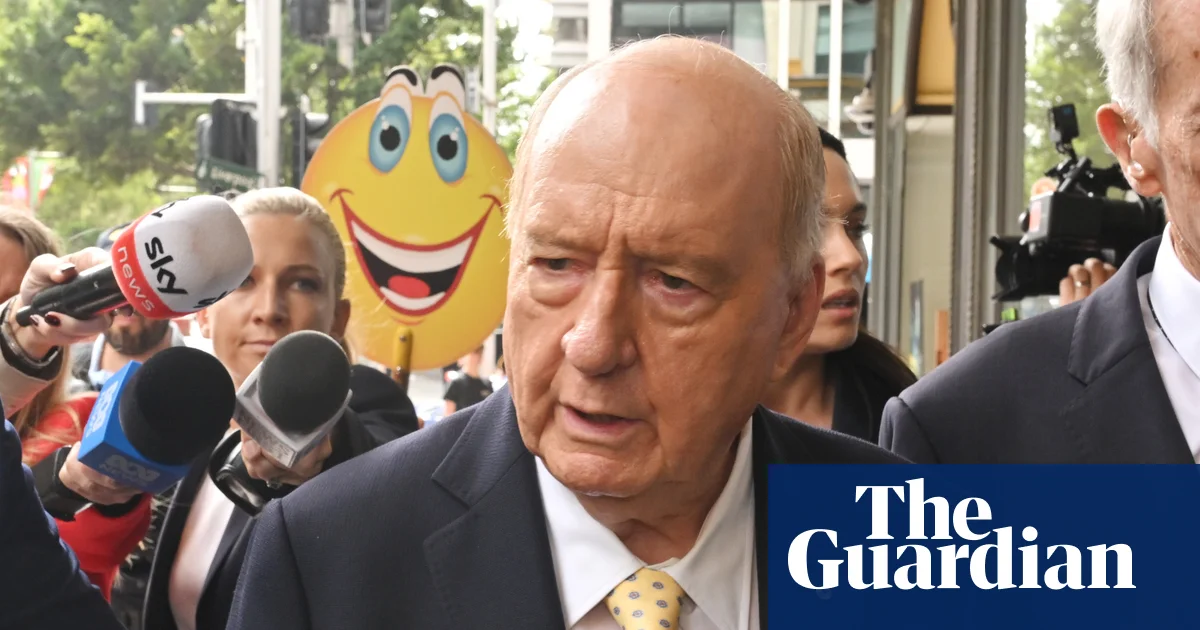
Lawyer Claims Witnesses Could Exonerate Alan Jones from Abuse Allegations

International Reflections on Justice and Power as Allegations Reshape Societies

In recent times, global institutions and nations face an extraordinary level of introspection as deeply personal legal battles unfold within national borders, illustrating how legal processes can mirror broader societal shifts. The controversial case of Alan Jones, an influential media figure in Australia, exemplifies a crucial turning point in how societies scrutinize authority, reputation, and the power dynamics embedded within public discourse. As Jones stands accused of serious sexual misconduct, a broader dialogue emerges about the intersection of justice, freedom of speech, and societal values on a global scale, echoing debates across democratic and authoritarian regimes.

This case underscores the geopolitical impact of national legal proceedings that extend beyond borders. While Jones’s trial is rooted in local Australian law, the ripple effects reach into international discussions about truth-seeking and accountability—themes universally resonant in a world grappling with #MeToo movements and the fragile balance between individual rights and societal stability. Historians and analysts note that such legal controversies, especially involving figures of magazine prominence, serve as test cases where societal norms, media influence, and political agendas converge, revealing the underlying fault lines in liberal democracies. The international community watches keenly, knowing that outcomes here could influence future standards of accountability and defamation laws across nations striving for justice in complex media landscapes.

Furthermore, the case of Alan Jones puts a spotlight on the judicial processes that shape how crimes are investigated and prosecuted in the digital age. The ongoing legal dispute illustrates how information—particularly sensitive evidence—can be weaponized or obscured, prompting global institutions like the United Nations and European Court of Human Rights to increasingly focus on safeguarding due process. The controversy also raises crucial questions: When allegations threaten a figure’s reputation, how do societies balance due process with the demand for transparency? The delayed handling of evidence, navigating issues of privilege and privacy, exemplifies the complex international negotiations necessary to uphold justice across borders, especially when accusations involve multiple jurisdictions.

In essence, the narrative of Alan Jones transcends Australia’s shores—serving as a reflection of the worldwide scramble to redefine societal values amidst rapid cultural shifts. As political analysts suggest, the decision to either support or condemn influential figures like Jones forms a barrier in the often turbulent path toward societal renewal. The case echoes a cautionary tale: that even the most powerful voices may find themselves operating under the very scrutiny they once wielded—signaling upheaval in how #freedom of speech and moral accountability are negotiated in the 21st century. The unfolding legal drama underscores that history constantly teeters on a knife’s edge, with each new revelation potentially tipping the scales toward justice or chaos. The world remains ever-watchful, knowing that in this age of culture wars and digital transparency, today’s courtrooms could shape the global fabric of societal morality for generations to come.
Colombia plane crash claims lives of all 15 onboard, raising safety concerns

Tragedy in the Skies: Satena Flight Disaster Sparks International Concern

In a devastating announcement, Colombia-based airline Satena disclosed that one of its aircraft, operating with a modest flight crew and carrying a total of 15 passengers, tragically suffered a fatal accident. The incident, which unfolded amidst ongoing regional tensions and geopolitical shifts, has sent shockwaves across the Latin American continent and beyond. While authorities have yet to release complete details, early reports point toward a catastrophic event that underscores the persistent perils of regional air travel in conflict-affected zones.

The geopolitical impact of this tragedy reaches deeper than the immediate human loss. It raises pressing questions about the safety protocols, security challenges, and infrastructural vulnerabilities faced by airlines operating in volatile regions. Analysts from the International Civil Aviation Organization (ICAO) warn that the incident could mark a turning point in how international aviation safety standards are enforced in conflict zones. For many nations, especially those like Colombia, where internal unrest and political instability persist, such accidents threaten to destabilize regional cooperation and expose cracks in the fragile fabric of peace and stability.

The incident comes at a time when the global community is closely watching Latin America’s evolving geopolitical landscape. The region, historically a battleground for influence between major powers, now finds itself grappling with a mix of internal conflict, economic instability, and external pressures from North America and China. According to geopolitical analysts, this tragedy could serve as a somber reminder that the consequences of regional unrest extend far beyond political discourse, affecting innocent lives and tangible infrastructure. International organizations emphasize the need for enhanced security cooperation among neighboring nations to mitigate risks and stabilize the region’s fragile borders.

Historically, airlines operating in conflict-prone areas have often faced disproportionate challenges, but this incident underscores that safety cannot be compromised, especially when human lives are at stake. Experts like Dr. Elena Martinez, a senior analyst at the Latin American Institute for Peace and Security, caution that such tragedies could usher in a chapter of increased scrutiny and tighter international oversight, potentially impacting regional diplomacy and economic development. As nations grapple with whether to prioritize security measures over economic activity, an evolving battlefield of geopolitical interests takes shape. How governments and international agencies respond in the coming days will shape regional stability for years to come.

In this chapter of ongoing crises, history’s pen remains poised. The weight of countless lives lost in moments of sudden disaster reminds the global community that the unfolding war of geopolitics is not only written in treaties and speeches but also etched into the very skies where countless flights, innocent and unknowing, still voyage through the chaos of our changing world. As nations mourn, prepare, and respond, the haunting question persists: how many more stories of tragedy must be written before the lessons of safety, stability, and international responsibility are truly heeded?

Storm Kristin claims at least five lives in Portugal—urgent action needed

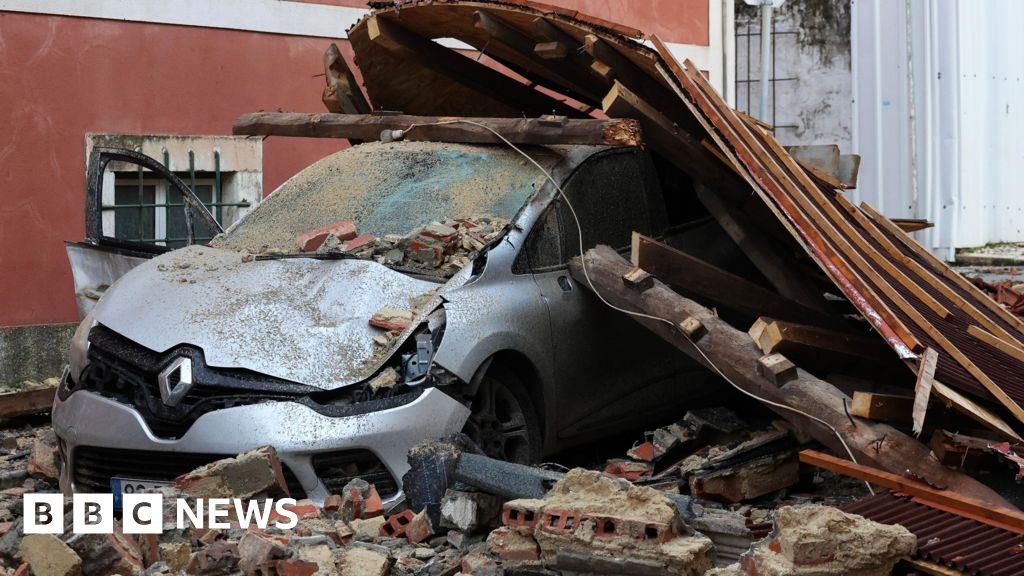
The recent natural disaster that swept through several regions has demonstrated the profound geopolitical impact of environmental events, highlighting vulnerabilities and exposing the delicate balance of modern society’s resilience. The storm, characterized by its unprecedented strength, resulted in widespread destruction, including the toppling of trees and damage to countless homes. Over 800,000 people were left without power—an immediate reminder of how natural forces can threaten the stability of urban and rural communities alike.

Officials from local governments and international organizations have responded swiftly, dispatching emergency crews and aid. Yet, such responses reveal larger questions about how nations are prepared for environmental catastrophes in an era of climate change. Analysts warn that this event underscores a critical turning point in the ongoing debate about infrastructure resilience and the need for global cooperation in disaster preparedness. Many experts, such as climatologists and emergency management officials, emphasize that climatic shifts are intensifying storms, and without coordinated efforts, future events could dwarf this latest crisis. Historically, as noted by scholars like Dr. Alexander Bennett, similar disasters have often served as catalysts for policy reforms—though often the reforms are reactive, not proactive.

On the geopolitical front, the storm’s aftermath is shaping international discourse. Countries such as the United States, China, and European nations are evaluating their own emergency protocols, seeing this event as a bellwether for future environmental crises. The response also strains international institutions, such as the United Nations, which are called to coordinate relief efforts and promote resilience strategies that cross borders. Critics argue that climate diplomacy has thus far been insufficient, and the storm serves as a stark reminder that the global community must accelerate its efforts toward climate adaptation and mitigation. The divide between nations that are prepared and those vulnerable to such disasters risks deepening, potentially leading to geopolitical tensions over resource allocation and aid responsibilities.

Moreover, the social consequences of the disaster are profound. Displaced populations are increasingly vulnerable, becoming refugees within their own borders. The destruction of infrastructure exacerbates economic inequalities, as those with fewer resources face greater difficulty in recovery. Historians and analysts cite past events, such as the Hurricane Katrina or the Philippine typhoons, as cautionary tales illustrating how environmental disasters can accelerate social discord and political instability. The ongoing crisis underscores the importance of foresight and the potential for such natural events to reconfigure societal structures long after the storm has passed.

As the dust begins to settle, the true scale of this calamity remains yet to be fully understood. What cannot be ignored is the layered narrative of nature’s fury intersecting with geopolitical ambition, economic resilience, and societal endurance. The storm’s ferocity has left a mark not just on physical landscapes but on the very foundations of international cooperation. The world now faces a pivotal question: will this event catalyze meaningful change or fade as just another chapter in a long history of neglect and reactive policymaking? The answer lies hidden beneath the storm’s aftermath, waiting for history to decide—while the legacy of this natural disaster continues to unfold, shaping the destiny of nations for generations to come.

Fact-Check: TikTok challenge claims false, safety concerns unverified

Unveiling the Truth Behind Trump’s Greenland Assertions

Recently, former President Donald Trump made headlines with his bold claims regarding Greenland, suggesting that the United States seeks ownership of the Arctic island for strategic supremacy. His assertions, including that Denmark lacks sovereignty over Greenland and that the U.S. needs legal ownership to defend it, prompted widespread debate. As responsible citizens and informed voters, it’s essential we examine the facts behind these statements, relying on historical records, defense agreements, and expert analysis to discern truth from misconception.

Greenland’s Sovereignty: A Well-Established Legal Reality

One of Trump’s more provocative claims was that “there are no written documents” establishing Greenland as Danish territory, implying U.S. sovereignty might be justified by historical landing claims. However, this is a *misleading* portrayal. Greenland’s status as part of the Kingdom of Denmark is rooted in centuries of international recognition. Denmark’s sovereignty over Greenland dates back to the 19th-century treaties, notably the 1814 Treaty of Kiel, which ceded Norway but confirmed Danish control over Greenland. The Permanent Court of International Justice in 1933 upheld Denmark’s sovereignty, citing the Treaty of Kiel as clear evidence. Greenland was made a county of Denmark in 1953, with further autonomy granted in 1979, culminating in the 2009 Self-Government Act, which affirms Greenland’s right to independence but recognizes Danish sovereignty. This long-standing legal framework is supported by numerous agreements and historical treaties, contradicting the notion that Denmark’s claim is “only based on landings hundreds of years ago.”

  • 1953: Greenland becomes a county of Denmark.
  • 1979: Greenland gains Home Rule.
  • 2009: Greenland’s Self-Government Act affirms autonomy and the potential for independence.
  • 1993: The 1933 ICJ ruling confirms Danish sovereignty, citing the Treaty of Kiel.

Moreover, the U.S. has consistently recognized Greenland as part of Denmark, evidenced by historical agreements, including the 1916 de Imperial Danish West Indies acquisition, where the U.S. explicitly acknowledged Danish sovereignty over Greenland. Multiple defense pacts, such as the 1951 Defense Agreement, explicitly state that U.S. access to Greenland does not challenge Danish sovereignty.

The U.S. Military Presence and Legal Access: Not Contingent on Ownership

Trump’s assertion that the U.S. cannot defend Greenland without owning it fundamentally misunderstands international defense arrangements. The U.S. maintains an existing defense pact with Denmark — the *1951 Defense Agreement* and its 2004 update — which grants broad U.S. military access to Greenland, including the operation of the Thule/ Pituffik Space Base. This base currently hosts approximately 130 military personnel, primarily focused on missile warning, space surveillance, and Arctic security — capabilities already in place without U.S. ownership. Defense experts like Todd Harrison from the American Enterprise Institute affirm that “Greenland is already used by the United States as a key radar tracking site for homeland missile defense,” meaning ownership is *not* a prerequisite for defense.

Furthermore, the U.S. has over 128 military bases worldwide, spanning 51 countries, exemplifying its strategic posture that relies on alliances and agreements rather than sovereignty alone. Analysts like Ivo Daalder, a former U.S. ambassador to NATO, emphasize that “merely suggesting that the U.S. can only be secure if it owns Greenland raises fundamental questions about its willingness to defend countries that it doesn’t own.” Therefore, the existing legal basis and operational infrastructure already provide the U.S. with strategic access in Greenland, undermining Trump’s argument.

The Political and Strategic Context of Greenland Policy

Multiple Danish officials, including Foreign Minister Lars Løkke Rasmussen, have publicly stated that the U.S. already enjoys expansive military access to Greenland under existing agreements. Rasmussen noted, “The U.S. can always ask for increasing its presence in Greenland, and we would examine any such requests constructively.” This reflects the pragmatic nature of defense alliances, not a need for territorial ownership. Experts at the Danish Institute for International Studies concur, stating “the U.S. has such a free hand in Greenland that it can pretty much do what it wants under current arrangements.”

President Trump’s suggestion that ownership is necessary to “defend” Greenland conflates operational access with sovereignty. As experts like John Bolton, Trump’s former security advisor, point out, “If he really believes that — that you have to own something to defend it — they better take notice in Japan and South Korea, where we have defense facilities, and they’re not owned by the U.S.” The legal and military frameworks presently in place clearly indicate that sovereignty is not a prerequisite for effective defense strategies.

Conclusion: The Significance of Accurate Information in a Democracy

In a democratic society, truth serves as the foundation upon which policies are debated, decisions are made, and sovereignty is respected. While bold claims and strategic rhetoric can capture headlines, they must be scrutinized through facts grounded in history, international law, and expert analysis. Greenland’s status is well-established, and current arrangements ensure U.S. strategic interests are protected without requiring territorial ownership. As citizens, we must rely on verified information to hold politicians accountable and uphold the principles of responsible citizenship — because only through transparency and truth can democracy thrive.

Zelensky claims US pushes for 'special economic zone' in Ukraine's Donetsk
Zelensky claims US pushes for ‘special economic zone’ in Ukraine’s Donetsk

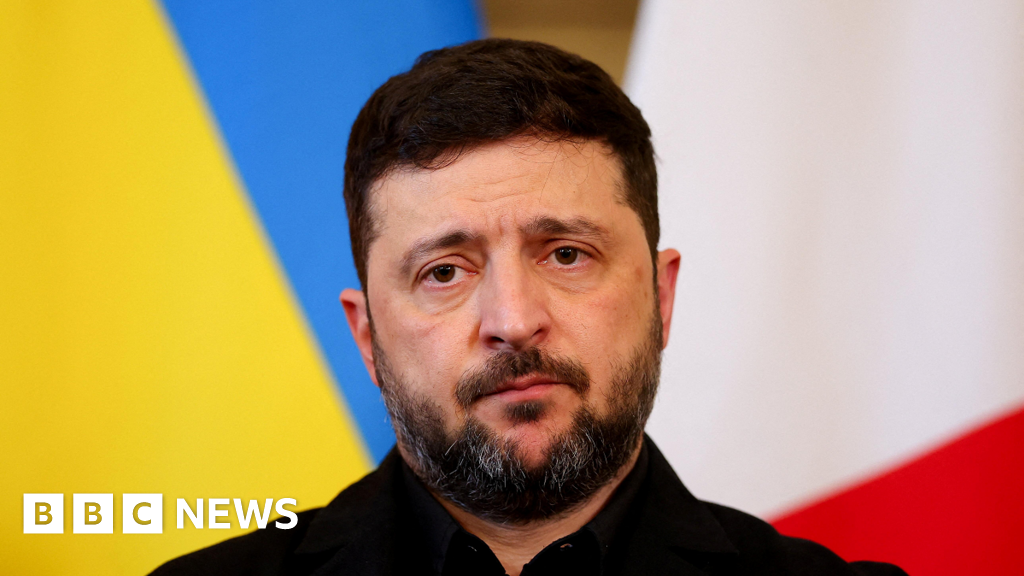
Amidst the ongoing turmoil in Ukraine, recent diplomatic efforts reveal the complex web of geopolitical maneuvering aimed at de-escalating the conflict. Ukrainian President Volodymyr Zelensky disclosed that the United States has proposed a contentious plan requiring Kyiv to withdraw from the eastern Donetsk region, in exchange for the creation of a “special economic zone.” This proposal underscores the intense pressure Western allies are exerting to bring about a resolution, yet it also highlights the profound stakes involved—how decisions made now will shape the future security landscape of Europe. Zelensky’s acknowledgment of unresolved issues—particularly control of the Zaporizhzhia nuclear power plant—exposes how delicate progress remains. As Europe’s largest nuclear installation sits perilously on a frontline under Russian control, the potential for escalation remains tangible, threatening to ignite a broader regional crisis.

Global analysts and international institutions have expressed cautious skepticism about the prospects for peace. The negotiations, having been recalibrated numerous times, reflect a pattern of strategic ambiguity and conflicting national interests. Ukraine insists on maintaining its territorial integrity, rejecting Russia’s demands to relinquish approximately 30% of Donetsk. Meanwhile, the Russian Federation seeks to cement its gains and create buffer zones, effectively reshaping the eastern frontier in its favor. Historians warning of the potential for prolonged conflict point out that such territorial concessions could set dangerous precedents, emboldening future aggressions. The overarching geopolitical impact is clear: a failure to reach a balanced agreement risks creating a destabilized, bifurcated Ukraine, with lasting repercussions for European security and the integrity of international borders.

Simultaneously, Russia has signaled a strategic intent to position itself favorably in forthcoming negotiations, with Foreign Minister Sergei Lavrov touting recent talks with Vladimir Putin as a sign of Moscow’s resolve to shape the peace process. Moscow’s refusal to entertain foreign military presence within Ukraine—viewed as a direct threat to Russian security—compounds the challenge Kyiv faces in securing credible security guarantees. The U.S. government, meanwhile, balances its support for Ukrainian sovereignty with diplomatic caution, aware that public support may wane and geopolitical alignments could shift. Zelensky’s candid acknowledgment of the potential end of American support underscores the overarching uncertainty clouding the future—how long can Ukraine rely on foreign aid before the geopolitical tides shift once more?

As international diplomacy navigates the treacherous waters of war, the world watches how history continues to be written in real-time. The unresolved issues—territorial integrity, nuclear security, national sovereignty—are more than mere points of negotiation; they are the battleground where the future of sovereignty, security, and international order is being contested. In this moment, the weight of history hangs heavily—each decision, each compromise, potentially reshaping the map of Europe and the balance of global power for decades to come. The question remains: will diplomacy prevail, or will these fragile negotiations be shattered by the relentless march of geopolitics? The story is still unfolding, and the stakes could not be higher.

Trump claims Zelenskyy isn’t prepared to back US peace deal before UK meeting with European leaders

International Power Plays and the Fragility of Peace

The recent flurry of diplomatic efforts surrounding the ongoing conflict in Ukraine underscores the escalating geopolitical stakes and reveals the deep divisions within global alliances. At the center of this impasse is President Volodymyr Zelenskyy, who appears hesitant to endorse a US-backed peace framework crafted through days of negotiations in Florida. Former U.S. President Donald Trump publicly questioned Zelenskyy’s readiness, suggesting that the Ukrainian leader is holding back progress despite his advisors and international allies advocating for the deal. This internal turbulence within Kyiv, combined with the already strained relations among major powers, paints a picture of a conflict teetering on the edge of a wider geopolitical crisis.

The Diverging Paths of Major Powers

  • While the United States claims to be close to finalizing a peace agenda favoring diplomatic resolution, Russia under Vladimir Putin remains publicly skeptical, with Kremlin officials dismissing aspects of Trump’s proposal as unworkable.
  • And despite US officials asserting that their negotiations are nearing a breakthrough, Russia has welcomed the recent US national security strategy, which Moscow interprets as aligning with its own interests of restoring Moscow’s influence and countering Western efforts. The strategy criticizes European nations and alludes to “civilizational erasure,” reflecting how geopolitical narratives are shifting on both sides.

An analysis by international relations scholars highlights that the negotiations over territorial security and the status of Russian-occupied regions remain unresolved, signaling an uncertain future for Ukraine. US envoy Keith Kellogg emphasized that progress was in its final stages, yet key issues such as control over Zaporizhzhia and territorial guarantees continue to hinder an agreement. The conflicting signals suggest that the underlying power struggle is less about diplomacy and more about control and influence—a common theme reverberating through recent history’s most tense conflicts.

Implications for International Stability and Sovereignty

The delicate dance between diplomacy and confrontation highlights how decisions in these negotiations ripple across the global stage. The tensions reveal that decision-makers are primarily driven by national interests—Ukraine’s desire for sovereignty, Russia’s quest for regional dominance, and America’s balancing act amid its strategic recalibrations. European leaders like Keir Starmer and counterparts from France and Germany are watching nervously, emphasizing the importance of European security guarantees. Their stance underscores that the future of the continent’s security architecture hinges on these high-stakes negotiations.

Major international organizations, including NATO and the United Nations, are observing with concern, aware that any misstep could ignite a larger confrontation. The tension echoes debates by historians and analysts about last century’s conflicts, where unresolved disputes in Europe precipitated global wars. As world leaders weigh seemingly fragile peace plans, the weight of history presses down, whispering warnings of history repeating itself—if not carefully managed, the current fragile peace could unravel.

The Unfolding Canvas of History

In this complex geopolitical chess match, each move shapes the future—not only of Ukraine and Russia, but of the entire international order. As the world watches a narrow window of opportunity closing, the stakes have never been higher. The decisions made today will determine whether this epoch will be remembered as one of reconciliation or catastrophe. The theater of diplomacy remains fraught with danger, and the long shadow of conflict looms large. The story of this war, still unfolding, is a stark reminder that history is never static, and the price of inaction could be the next great epoch of turmoil.”

Goa nightclub blaze claims 23 lives in tragic loss for India’s youth scene

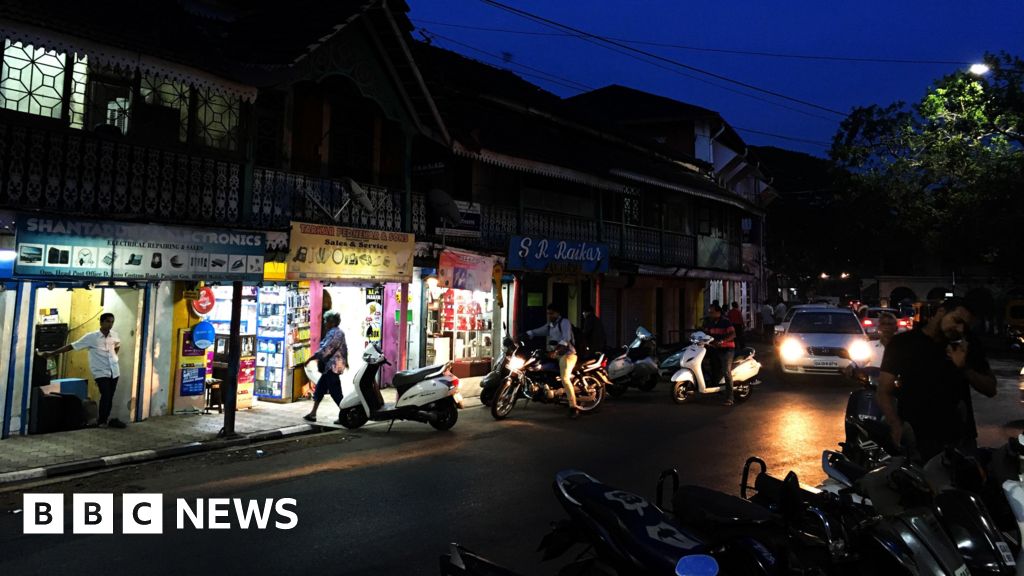
Goad, India—In a devastating incident that underscores the ongoing challenges of public safety and regulatory oversight in popular tourist destinations, at least 23 individuals lost their lives in a nightclub blaze on India’s western coast. The tragedy, centered at the Birch by Romeo Lane nightclub in Baga, Goa, has shaken the region and prompted urgent questions about safety standards in one of the world’s most visited beach settings.

Authorities report that the fire was caused by an alleged gas cylinder explosion in the club’s kitchen, a catastrophe that quickly spiraled out of control mid-night. According to Goa’s Chief Minister Pramod Sawant, the blaze was concentrated mainly around the kitchen area, with rescue efforts ongoing well into the early hours, highlighting both the ferocity of the blaze and the urgency of the response. Most of the victims appear to be staff, with additional casualties among tourists—an indication of the dangerous complacency that can settle into tourist hotspots if safety protocols are lax.

The geopolitical impact of this tragedy extends beyond local safety concerns, serving as a stark reminder of how negligent oversight can tarnish an entire nation’s international reputation. Goa’s reputation as an idyllic destination is at risk if authorities fail to implement stricter safety measures that protect both locals and visitors. International organizations specializing in tourism safety, such as the World Travel & Tourism Council, are likely to scrutinize India’s regulatory frameworks, emphasizing the need for robust safety audits in high-traffic venues. Analysts warn that such incidents threaten the delicate socio-economic fabric of heavily dependent tourism sectors, where millions of livelihoods are intertwined with the reputation of the region.

Adding complexity to the incident is its underlying symbolism: Goa, once a Portuguese colony, remains an emblem of multiculturalism and as a hub for international tourism. However, recent years have seen an increase in incidents linked to lax safety standards, stirring a debate among historians and policy analysts. Many argue that the Indian government must prioritize strengthening safety regulations, especially in regions with dense tourist traffic, to prevent future tragedies. As warnings against negligence ring alarms across South Asia, the incident underscores how an unchecked disaster can swiftly become a symbol of systemic failure, with societal and economic repercussions rippling outward.

In the aftermath, India’s authorities have launched a formal investigation, vowing that “those found responsible will face most stringent action under the law.” Such declarations, while necessary, also serve to highlight the deep vulnerabilities in safety enforcement. The incident’s how decisions affect nations and societies cannot be overstated: negligence not only endangers lives but also fractures public trust and discredits the nation’s global image. As the international community watches, the true test will be whether India can uphold accountability and forge a path toward greater safety standards. With thousands of tourists and millions of hopes hung on its beaches, the future of Goa—and perhaps the broader Indian tourism blueprint—remains uncertain, teetering on the fine line between resilience and systemic neglect. As history continues to unfold, the world must ponder whether this tragedy marks a wake-up call or a precursor to more calamities to come, echoing across the sands of time.

Experts demand release of boat strike footage as US admiral claims no ‘kill them all’ orders | US military

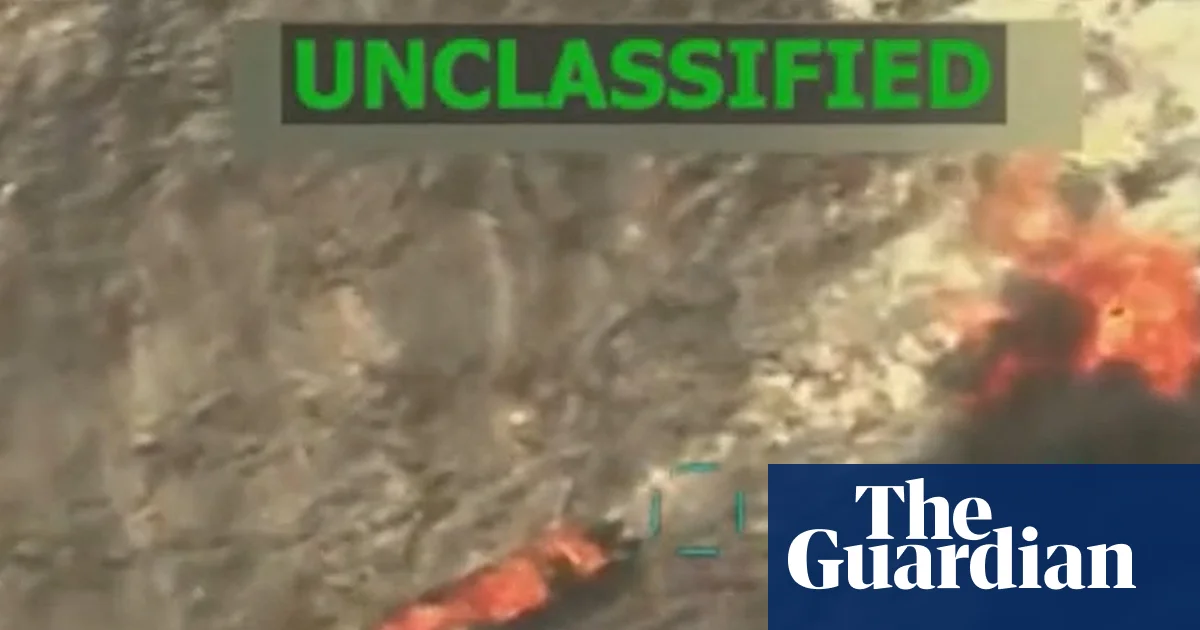
In a sharply escalating confrontation on the global stage, the United States has come under intense scrutiny over its recent military operations against suspected narcotics vessels in the Caribbean. The controversy erupted following reports that a U.S. military strike, ordered during the Trump administration, resulted in the death of survivors—an action that has ignited debates over legality, ethics, and the very nature of American military engagement in conflict zones. The attack, which took the lives of 11 individuals, is now a flashpoint in discussions about the use of force in international waters, especially when linked to the ongoing war on drugs and fentanyl trafficking from Venezuela.

This recent wave of strikes marks a paradigmatic shift from traditional interdiction efforts, moving toward a more aggressive and controversial strategy. Defense officials claim that the operations are intended to curb the flow of illegal narcotics into the U.S., but critics—including prominent human rights organizations and congressional investigators—argue that these actions breach international law and principles of due process. According to Sarah Yager of Human Rights Watch, the U.S. cannot legally justify killing presumed vesseľ operators without a formal declaration of war, warning that the current approach risks setting a dangerous precedent where extrajudicial killings become normalized without accountability, especially as the Biden administration faces mounting calls for transparency.

The controversy substantially deepened when allegations emerged that Secretary of Defense Pete Hegseth had issued explicit orders to “kill them all,” including survivors attempting to surrender or escape the wreckage. This claim has ignited bipartisan concern in Washington, as lawmakers from both parties question whether such directives violate rules of engagement and international humanitarian laws. During congressional hearings, military officials vehemently denied the existence of any explicit “kill all” orders, although some senators, such as Thom Tillis, expressed alarm at the possible implications of targeting defenseless individuals. The debate underscores the geopolitical impact of America’s expanding latitude for military action, which threatens to undermine the perceived legitimacy of U.S. foreign policy while risking new conflicts in fragile regions.

Analysts warn that, beyond its immediate legal and ethical questions, this campaign could have profound repercussions on global stability. Historian John Jones from the International Security Council states that when a superpower resorts to extrajudicial strikes, it risks eroding international norms that safeguard human rights and sovereignty. Critics contend that the U.S.’s aggressive tactics may fuel anti-American sentiments across Latin America and the Caribbean, fostering instability and empowering hostile actors. As the global community watches, the West’s confidence in its moral authority hangs in the balance, with the forces of geopolitics and justice colliding in a tumultuous contest for influence and moral legitimacy. The unfolding controversy leaves the world on edge, as history’s pen continues to chart a new chapter—one that might forever redefine the boundaries of military authority and the moral boundaries of intervention.

Fact-Check: Claims about social media effects on youth under Review

Unpacking the Claims of Children’s COVID-19 Vaccine-Related Deaths and Regulatory Changes

Recently, a leaked email from Dr. Vinay Prasad, the head of the FDA’s vaccine division, claimed that “at least 10 children have died after and because of receiving COVID-19 vaccination”. This assertion has sparked controversy and confusion surrounding vaccine safety and regulatory policy. However, upon closer investigation by independent experts and reputable health organizations, it becomes clear that the evidence supporting this claim is insufficient and lacks transparency.

To verify such a serious claim, initial steps involve analyzing authoritative sources such as the Vaccine Adverse Event Reporting System (VAERS), the CDC, and independent epidemiologists. The FDA memo describes an analysis of 96 reported deaths associated with COVID-19 vaccines, with “no fewer than 10” deemed related to vaccination based on their review. But experts like Dr. Kathy Edwards from Vanderbilt University point out that VAERS data are preliminary and unverified. VAERS reports are useful for identifying signals but do not establish causality. Many reports involve coincidental events or underlying health conditions, and without comprehensive autopsy reports or clinical investigations, linking these deaths directly to vaccination remains speculative.

Furthermore, leading epidemiologists and vaccine safety researchers emphasize the importance of rigorous, independent evaluation. Dr. Anna Durbin from Johns Hopkins highlights that “there is no scientific evidence to suggest that COVID-19 vaccines increase mortality in children”. Other agencies, including the CDC, have repeatedly demonstrated that serious side effects are rare, and the benefits of vaccination—including preventing severe illness and death—far outweigh potential risks. Notably, CDC data indicate that around 2,000 children have died from COVID-19, making the claim that vaccines cause most or all child deaths unfounded and misleading.

Regarding regulatory policy, Dr. Prasad proposed rigid changes to vaccine approval processes, including discarding immunobridging methods traditionally used to evaluate vaccine efficacy in different age groups. Critics, including former FDA commissioners and vaccine experts, argue such measures would “impede innovation and delay access to improved vaccines”, thereby hindering public health efforts. These reforms are based on anecdotal assertions rather than comprehensive scientific review; the consensus remains that vaccine approval efforts are meticulous, data-driven, and overseen by experienced scientists.

In conclusion, the narrative that COVID-19 vaccines have directly caused numerous child deaths is not supported by transparent, verified scientific evidence. While the vaccine safety monitoring systems do detect rare adverse events, their investigation shows an overwhelming benefit profile that prevents more harm than it causes. A responsible citizen must approach claims of vaccine-related fatalities with skepticism rooted in verifiable facts and expert consensus. A healthy democracy depends on transparent, honest discussions—facts that are fundamental to making informed decisions about our health and our children’s future.

No 10 delays four England mayoral votes, sparking claims of undermining democracy

Society Reacts to Postponement of Key Local Elections in England

The recent decision by the government to delay mayoral elections in four regions of England—namely Greater Essex, Norfolk and Suffolk, Hampshire and the Solent, and Sussex and Brighton—has ignited a firestorm of controversy. Originally scheduled for this year, these elections have been pushed back until 2028, ostensibly to allow more time for local government reorganization. Critics, however, argue that this move is less about administrative efficiency and more an overreach that undermines democratic principles. The postponement threatens to disenfranchise approximately 7.5 million voters, raising serious questions about the integrity of local governance and the foundational right to democratic participation.

Social commentators, including sociologists and historians, express concern that such postponements could set a dangerous precedent for the erosion of democratic accountability. They warn that in societies where local elections are deferred or canceled, it often signals a drift towards authoritarianism or at least an undermining of the collective voice. Opposition parties, such as the Liberal Democrats and Reform UK, have condemned the move as a blatant attempt by the ruling Conservative government to hijack the democratic process. Richard Tice, Reform UK’s deputy leader, likened the cancellation of elections to practices seen in dictatorial regimes, asserting that “7.5 million people are now going to be denied the opportunity of voting in mayoral elections.” This rhetoric underscores the fears that such delays may further polarize communities and weaken the social fabric that holds them together.

At the heart of this debate is the impact on families, local communities, and the quality of education. Many argue that postponing elections disrupts community engagement and stifles voices, especially as the government claims the delays are necessary for “getting it right,” yet critics contend that the true motivation is political self-preservation. Meanwhile, the moral and human implications of this delay are profound: it deprives residents of the opportunity to shape policies that directly affect their livelihoods, from education funding to social services. As *sociologists like Seymour Martin Lipset* have noted, “democracy involves not just the process of voting but the ongoing engagement and empowerment of communities.”

  • Postponement affects approximately 7.5 million voters
  • Delays aim to facilitate local government reorganization
  • Opposition parties argue it undermines democratic rights
  • The move coincides with a surge in Reform UK’s local electoral success

As society grapples with these challenges, the overarching question remains: will democracy’s voice be silenced in the pursuit of political expediency, or will communities find renewed strength to demand accountability?

In the silent corridors of local councils and in the bustling streets of communities left waiting, the answer will decide the moral compass of the society we are forging. Society stands at a crossroads—where the true measure of a nation’s strength is not in its institutions alone but in the resilience of its families and the hope that even in the darkest hours, transformative change can be born from the collective will of its people.

Social Media Auto Publish Powered By : XYZScripts.com