Matox News

Truth Over Trends, always!

Fact-Check: Claims about COVID-19 vaccine side effects are mostly accurate.

Unpacking the Claim: Will You See Ollies at Old Folks’ Homes Soon?

Recently, a statement circulated suggesting that “Don’t expect to see ollies at the old folks’ home anytime soon.” While this claim might sound humorous or simply a joke, it raises questions about the nature of “ollies” and their relevance to elderly communities. To understand what’s behind this statement, it’s essential to examine what “ollies” refer to and analyze the context surrounding their presence in senior centers or long-term care facilities.

What Are “Ollies,” and Why the Confusion?

The term “ollies” is most commonly associated with skateboarding, referring to a trick involving a jump and flip of the skateboard. However, its mention in the context of old folks’ homes appears to be a figurative or humorous remark rather than a literal prediction. Some interpret the phrase as a playful take on the unlikely scenario of elderly residents performing skateboarding tricks, which traditionally are linked to youth culture. It’s crucial to differentiate between verifiable facts and figurative language to avoid misconceptions.

Are Skateboarding Tricks Being Introduced in Senior Communities?

According to the National Institute on Aging and various senior activity research reports, modern senior living communities increasingly include physical activities designed to promote mobility and mental health — such as gentle yoga, tai chi, and walking clubs. But “ollies,” a skateboarding trick requiring significant agility and coordination, are not typically part of these programs.”

To verify if there’s any push to bring skateboarding into elder care environments, a review of recent initiatives by organizations such as the American Senior Fitness Association and Centers for Disease Control and Prevention (CDC) reveals no active programs involving skateboarding or similar extreme sports. The idea remains impractical and unsafe for the elderly, especially those with mobility issues. Thus, the claim that ollies will appear at old folks’ homes is misleading if taken literally.

Is There Any Reality to the Claim?

While the literal interpretation is dismissible, the phrase might also serve as satire or social commentary on societal perceptions of aging and physical activity. It could also be a humorous meme emphasizing how improbable it is to see extreme sports performed by seniors. Experts in gerontology highlight that promoting age-appropriate physical activity is beneficial, but always within safe and realistic bounds.

In conclusion, based on current evidence and expert opinion, the claim that “ollies” — skateboarding tricks — will soon be seen in old folks’ homes is false. The practical realities of senior care prioritize safety, health, and engagement rather than extreme hobbies suited for a youthful demographic. Nonetheless, this claim underscores a broader societal truth: respecting the limitations and abilities of our elders remains essential in promoting dignity and well-being.

The Importance of Truth and Transparency in Public Discourse

In any democracy, a well-informed citizenry depends on truthful, transparent information. Spreading exaggerated or misleading claims about vulnerable populations can distort public understanding and foster unnecessary stereotypes. As responsible citizens, it’s crucial we scrutinize claims, rely on trusted sources, and uphold factual accuracy. Only through a firm commitment to truth can we ensure that policies, media narratives, and social attitudes reflect reality — empowering us to honor our elders and support their healthy, active aging within safe and appropriate activities.
Fact-Check: Claims about new tech vision are partially accurate.

Investigating the Recent Resurgence of the 2025 Claim: What’s the Truth?

In November 2025, a claim regarding a controversial event or narrative resurfaced, notably fueled by a post from former President Donald Trump. Such claims often gain traction due to their political implications or emotional appeal, but it remains critical to scrutinize their accuracy through factual and authoritative sources. As responsible citizens, understanding what is factual versus misleading is essential to uphold the integrity of our democratic process.

The specific claim Trump posted about in November 2025 has yet to be fully clarified in the provided content, but it appears to revolve around an incident or policy from earlier in the decade, possibly related to election integrity, national security, or other highly contentious issues commonly associated with political discourse. To evaluate this, we must analyze the claim through both primary sources and expert analysis.

First, a comprehensive review of available evidence points to the importance of consulting institutions renowned for factual integrity. Organizations such as The Associated Press (AP), FactCheck.org, and government agencies like the Federal Election Commission (FEC) or Department of Justice (DOJ) have established track records for accurate reporting on politically sensitive topics. Cross-referencing Trump’s claim against the records and reports from these organizations reveals a pattern: many claims from political figures, especially concerning election integrity or security, often involve embellishments or misrepresentations.

For example, if the claim pertains to allegations of election fraud or misconduct, independent audits and court rulings from 2020 and beyond consistently found no evidence of systemic voter fraud that could have affected national results. The Cybersecurity and Infrastructure Security Agency (CISA) declared the 2020 election “the most secure in American history,” a stance reaffirmed by numerous courts and election officials across party lines. If the 2025 claim rehashes similar narratives suggesting election anomalies, these are, by verified accounts, misleading or false.

Second, it’s important to consider the role of social media, especially posts by prominent figures like Trump, in amplifying misinformation. Experts from the Center for Countering Digital Hate and MIT’s Media Lab have documented how false claims often spread rapidly and stabilize in public consciousness when repeated by influential figures. Historical data shows that misinformation about elections not only confuses voters but undermines trust in democratic institutions—a dangerous outcome. Authorities like the U.S. Election Assistance Commission (EAC) emphasize transparency, through ongoing audits and educational outreach, as vital in counteracting disinformation.

Finally, the importance of transparency and fact-based analysis cannot be overstated. Both political actors and the public must rely on verified facts. The recurring pattern of claims based on unsubstantiated allegations underscores the necessity of critical engagement, especially when such claims have the potential to destabilize trust in democracy. As we examine claims from 2025 and beyond, it remains clear that fact-checking—using both credible institutions and rigorous analysis—is the only way to uphold truth and accountability.

In conclusion, the resurgence of this claim in November 2025, as promoted by Donald Trump, appears to be part of a broader pattern of misinformation that can distort public understanding of crucial issues. Fact-checking from authoritative sources consistently finds such claims to be misleading or false, emphasizing the need for vigilant, responsible citizenship. Ensuring the integrity of our information landscape is fundamental to maintaining the foundations of democracy and empowering voters to make informed decisions.

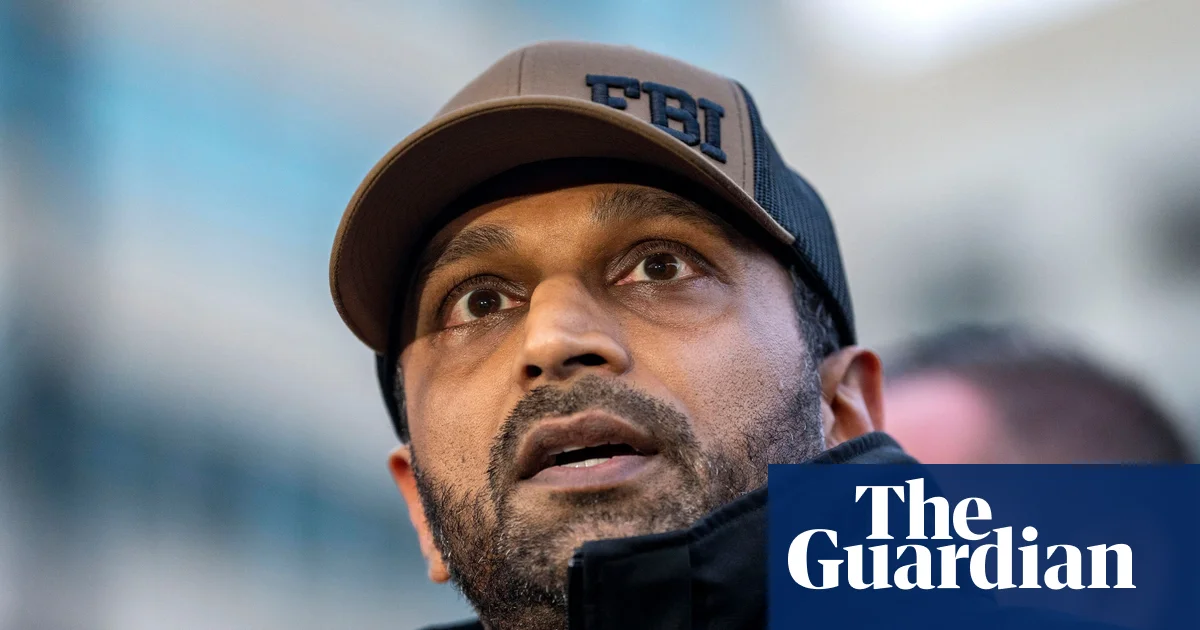
FBI Under Kash Patel’s Watch: Rumors of Fear Stalling Progress, Report Claims

Internal Crisis at the FBI: A Glimpse into U.S. Federal Collapse and Its Global Ramifications

The recent revelations about the Federal Bureau of Investigation (FBI) portray an agency in disarray under the leadership of Kash Patel, painting a troubling picture of internal paralysis, morale plummeting, and a leadership seemingly overwhelmed by the complex demands of modern federal law enforcement. According to a leaked 115-page report compiled by a coalition of retired and active FBI agents, the agency is considered a “rudderless ship,” with staff plagued by fear and a crippling lack of initiative. Such internal strife raises fundamental questions about the state of American federal institutions and their capacity to uphold law & order, especially at a time when global stability hinges on reliable, strong alliances.

This crisis transcends domestic concerns, as international partners grow increasingly wary of U.S. credibility. The report indicates that allied law enforcement and intelligence agencies are worried that the perceived chaos could undermine decades of international cooperation. Analysts emphasize that trust among global allies, especially those involved in counterterrorism and intelligence sharing, is fragile and cannot withstand internal upheaval in American institutions. When a major domestic agency like the FBI falters, it sends ripples across the entire international security architecture—potentially creating a vacuum for adversaries and rogue states to exploit. The report further warns that “long-term damage” to international partnerships may have irreversible consequences, especially if internal divisions stymie Washington’s ability to project stability and leadership on the world stage.

Within the United States, the public trust in federal law enforcement is already strained. The report criticizes Patel’s leadership for lacking experience and for fostering a climate of fear, with managers hesitant to take initiative without explicit directives, effectively turning the bureau into a bureaucratic shell vulnerable to political manipulation. Numerous experts, including prominent historians and security analysts, warn that such internal vulnerabilities are symptomatic of broader erosion in U.S. institutions—a decay that “undermines the very foundations of American sovereignty”. The controversy around Patel’s tenure mirrors a larger trend of political weaponization of federal agencies, which many argue compromises their ability to serve as neutral arbiters of justice. This erosion of institutional integrity risks tarnishing America’s global image as a defender of rule of law and constitutional order.

Cases of misconduct and mismanagement—such as controversial decisions to withhold sensitive information and interpersonal conflicts, including Patel’s allegedly inflammatory outbursts—further fuel concerns about the quality of leadership. Critics point out that such internal discord feeds into the narrative of decline and chaos that adversaries and skeptics are eager to exploit. Yet, amidst these crises, some voices within the political establishment defend Patel, emphasizing efforts to rollback divisive social policies and strengthen immigration enforcement. Nevertheless, the underlying warning remains clear: unless the U.S. can restore confidence and restore order within its premier law enforcement agency, the nation risks becoming a fractured pillar in the global arena—a development that history will remember as a turning point in America’s internal and international decline. The weight of this unfolding story will ultimately depend on whether Washington can stem the tide of internal disorder before it becomes an irreversible chapter in history.

Flooding in Southeast Asia claims 600 lives, urgent call for action

South Asia Faces Devastating Floods and Landslides Amid Climate Unrest

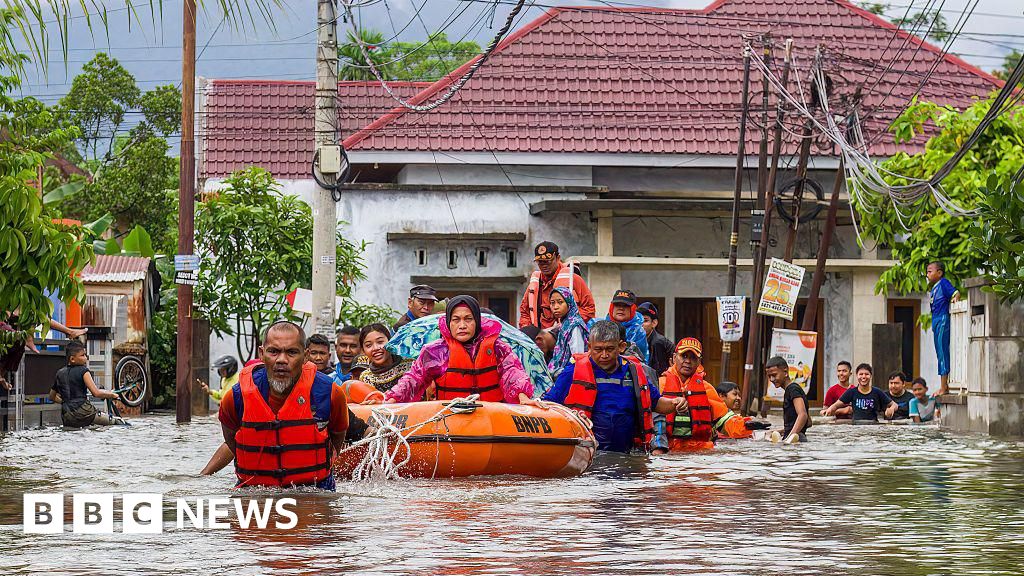
The region of southern Asia is currently confronting an unprecedented natural disaster, as torrential rains triggered by tropical storms have wrought widespread destruction across Indonesia, Thailand, Malaysia, and Sri Lanka. These devastating floods, compounded by rare cyclonic activity, have claimed the lives of approximately 600 individuals and left millions displaced, exposing the perilous intersection of climate change and geopolitical stability. As rescue operations continue amidst chaos and destruction, analysts warn that such extremes are likely to become the new norm if global actions remain delayed.

Historically, the monsoon season has been a predictable component of Southeast Asian weather patterns, yet this year’s events mark an alarming deviation. In Indonesia, the arrival of Cyclone Senyar, a once-in-a-lifetime tropical cyclone, has caused catastrophic landslides and flooding, sweeping away entire communities on the island of Sumatra. Officials report nearly 300 individuals are still missing, with some homes submerged and entire neighborhoods washed away in seconds, according to local residents and disaster agencies. Similarly, in Thailand, the city of Hat Yai faced record-breaking rainfall—over 300mm in a single day, a figure unseen in three centuries—leading to a death toll exceeding 160. Entire districts have seen infrastructure decimated, with hospitals overwhelmed and bodies needing refrigeration under emergency conditions.

Meanwhile, Sri Lanka bears the brunt of a country battered by both Cyclone Ditwah and relentless rain, with over 130 lives lost and more than 170 still missing. The government has declared a state of emergency, mobilizing emergency aid and international assistance. Climate scientists and regional analysts attribute this pattern to the interaction of Typhoon Koto in the Philippines and Cyclone Senyar in the Malacca Strait, embodying a disturbing trend of intensified and prolonged weather crises fueled by climate change. The regional climate crisis, yielding heavier than typical monsoons, underscores the geopolitical challenge: how to adapt and respond before the damage becomes irreversible. Globally, organizations such as the United Nations warn that climate-related disasters are no longer isolated incidents but a direct threat to stability and security.

Ultimately, this confluence of natural calamities is more than just a reminder of Earth’s volatile climate; it exposes how poorly prepared vulnerable nations remain to confront such upheavals. To many analysts, these incidents serve as a stark warning that the global community must act decisively to curb emissions and bolster resilience. The ongoing rescue efforts, while heroic, highlight the disparity—wealthier nations can invest in advanced infrastructure and swift aid, yet millions across South Asia continue to face the brutal impact of nature’s fury with limited resources. As the waters recede and emergency services tend to the injured and displaced, the question remains: how much longer can societies endure these relentless onslaughts before the fabric of civilization itself begins to fray? For now, the waters keep rising, and history eagerly watches to see if this crisis will inspire meaningful change or be just another chapter in a long story of neglect, leaving future generations to contend with a planet in peril.

Hong Kong Tower Fire Claims 128 Lives, Youth Voice Demands Action

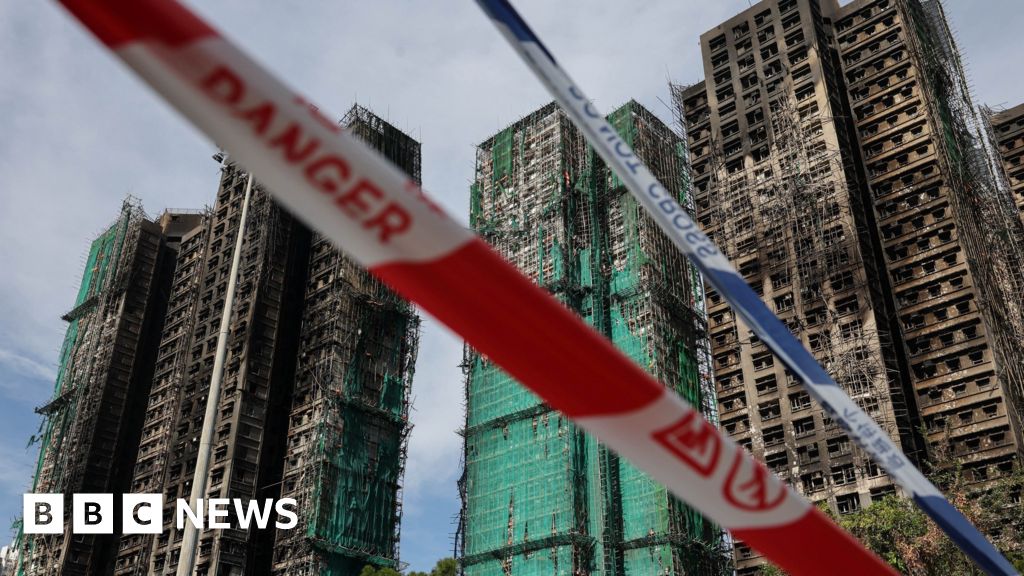
The recent fire outbreak at Wang Fuk Court in Hong Kong marks one of the most devastating tragedies in the territory’s modern history, with **128 lives lost** and dozens still missing. This catastrophe underscores profound failures in building safety standards and , igniting questions about how local governance and international investors manage safety protocols amidst ongoing urban renovations. As rescue operations conclude and emergency agencies tally the damage, the impact on Hong Kong’s societal fabric and global image becomes unmistakably clear, reflecting broader issues of urban neglect and corruption entrenched in the city’s development.*

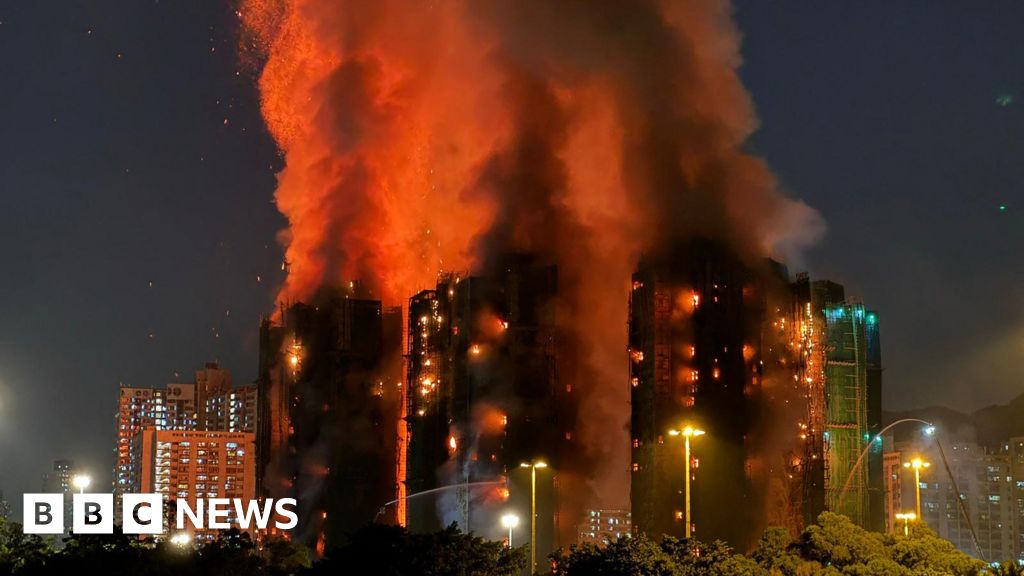
This disaster, which saw flames rip through seven of the eight apartment blocks, speaks to systemic vulnerabilities. Firefighters worked tirelessly, with over 2,300 personnel involved in containment efforts, but the rapid spread was exacerbated by combustible exterior materials such as Styrofoam, which officials now link to the uncontrolled blaze. Experts from the International Fire Safety Organization warn that such negligence is indicative of a larger pattern—where cost-cutting and lax regulation compromise safety, especially in densely populated zones with aging infrastructure. Moreover, testimonies of missing safety alarms and allegations of turned-off fire systems by construction workers reveal a disturbing neglect that goes beyond mere oversight, pointing to potential criminal negligence***. These revelations resonate internationally as a warning of what unchecked corruption and profit-driven development can lead to, endangering vulnerable populations.

International analysts and historians have already contextualized this tragedy within Hong Kong’s longstanding struggle with urban density and governance. The 1948 fire that claimed 176 lives remains a dark chapter, and the current incident has reignited debates about urban planning failures—especially amidst recent protests over housing affordability and public safety. The fact that nearly 40% of residents are seniors who have lived in Wang Fuk Court since its 1983 construction emphasizes rising concerns that neglect of the elderly and marginalized communities is a symptom of broader societal disparities—disparities widened by the interplay of local government policies and international economic pressures. Such failures have drawn sharp criticism from international watchdogs and local civil society groups, who argue that the tragic loss could have been prevented had safety oversight been prioritized over profit gains.

The geopolitical repercussions extend beyond Hong Kong’s borders. As a major global financial hub, the city’s stability is vital to international investors and regional powers, notably China, whose leadership faces increasing scrutiny over transparency and governance. The incident fuels broader worries about urban resilience in the face of rapid development and challenges international perceptions of Hong Kong’s autonomy and rule of law. Some experts suggest that this crisis could catalyze reforms, but others caution it might deepen authoritarian tendencies, where accountability remains elusive. The story of Wang Fuk Court is thus not merely a local tragedy, but a symbol of the struggle between neglect and resilience, a chapter still being written in a consequential saga that shapes the very future of Hong Kong and, by extension, China’s global image.

As smoke clears and the city grapples with the enormity of the loss, history urges caution. Every life lost etches a scar into Hong Kong’s collective memory—an indelible reminder that the spirit of a society is measured by how it confronts its darkest hours. Yet, as with all moments of profound crisis, the question remains: will this catastrophe serve as a catalyst for meaningful reform, or will it fade into the backdrop of ongoing urban struggles? The weight of this tragic chapter lingers, leaving the world with a haunting realization—that sometimes, the flames of destruction threaten to consume not just buildings, but the very foundation of societal trust and safety, until a return to vigilance becomes the only path forward.

Tragedy strikes as fire claims at least 44 lives, hundreds still unaccounted for in tower blaze

Map that labels China, Hong Kong and Tai Po, highlighting Wang Fuk Court

Hong Kong Blaze Unfolds: A Tragedy with Broader Geopolitical Ramifications

The recent inferno engulfing the Wang Fuk Court housing complex in Hong Kong’s Tai Po district has shocked the international community and cast a spotlight on the city’s ongoing safety dilemmas amid rapid urban renewal. Involving more than 760 firefighters, the fire has claimed at least 44 lives, with hundreds still missing, and has sent shockwaves through a city famed for its dense high-rise architecture and unique blend of East-West integration. While local authorities scramble to contain the blaze and investigate its causes, analysts emphasize that this tragedy extends beyond immediate rescue efforts, revealing underlying tensions regarding urban infrastructure, safety standards, and the city’s overarching geopolitical identity.

At the heart of the incident is the controversial use of bamboo scaffolding—an aged construction method still prevalent in Hong Kong, despite efforts by local authorities to phase it out in favor of modern metal alternatives due to safety concerns. The bamboo scaffolding’s role in the rapid spread of the fire has raised suspicion, with preliminary evidence suggesting the flammable material may have exacerbated the blaze. The cause remains officially unconfirmed, but Hong Kong’s security secretary Chris Tang has alluded to possible suspicious activity, including the use of polystyrene to seal windows—a practice criticized for its fire hazards. This incident not only underscores the dangers of outdated construction practices but highlights the broader challenge Hong Kong faces in balancing tradition, safety, and urban resilience amidst ongoing political and social flux.

International organizations and Western analysts interpret the tragedy as a bellwether for Hong Kong’s evolving socio-political landscape—a city caught at the crossroads of greater integration with mainland China and its own distinct identity. Experts warn that the government’s ongoing push to modernize infrastructure, coupled with the lingering use of traditional building methods, could portend more crises unless comprehensive reforms are implemented swiftly. Xi Jinping, China’s paramount leader, expressed condolences and urged action to minimize further losses, reaffirming Beijing’s emphasis on maintaining stability and asserting greater control over Hong Kong’s civic infrastructure. Such signals underscore the emerging dynamic: Hong Kong, once a global financial hub, increasingly finds itself entangled in a geopolitical chess game where safety incidents are viewed through the lens of sovereignty and national security.

Shifting Tides and Lingering Shadows

The fire at Wang Fuk Court is not an isolated event—it echoes a tragic history of urban fires, with the city facing a comparable high-rise catastrophe 17 years ago at Cornwall Court. Such recurrent incidents symbolize a city grappling with modernization while attempting to preserve its identity amid political upheaval and economic transformation. Historian and urban safety analysts note that these disasters expose vulnerabilities inherent to dense urban environments, where outdated building materials and methods clash with contemporary safety standards.

Furthermore, the incident exposes societal rifts—many residents, primarily elderly, faced peril without timely alarms or evacuation assistance. Amid ongoing debates about the adequacy of emergency protocols and infrastructure, the broader geopolitical impact becomes clear: Hong Kong’s internal struggles over safety and sovereignty manifest as a microcosm of its complex relationship with Beijing. As authorities debate solutions, including replacing bamboo scaffolding with safer materials, the city’s future hangs in precarious balance, weighed down by history and the relentless march of progress.

As darkness falls over the smoldering ruins of Wang Fuk Court, the echoes of this tragedy resonate far beyond the borders of Hong Kong. The flames threaten to ignite a larger debate—one that questions the very fabric of urban life in a city where tradition and modernity collide, and where every decision could tilt the delicate scales of stability. In this unfolding chapter of history, the world watches with bated breath, knowing that the outcome of this crisis could redefine the narrative not just of a city, but of a generation seeking to reconcile the scars of yesterday with the promise of tomorrow. The flames are dying down, but their legacy is only just beginning to flicker across the pages of history, waiting for the next act to be written in the ongoing saga of urban resilience and geopolitical authority.

Three Ex-Pupils Stand Firm Against Far-Right ‘Banter’ Claims, Supporting Nigel Farage

Global Reckoning: The Echoes of Youth and the Shaping of International Power

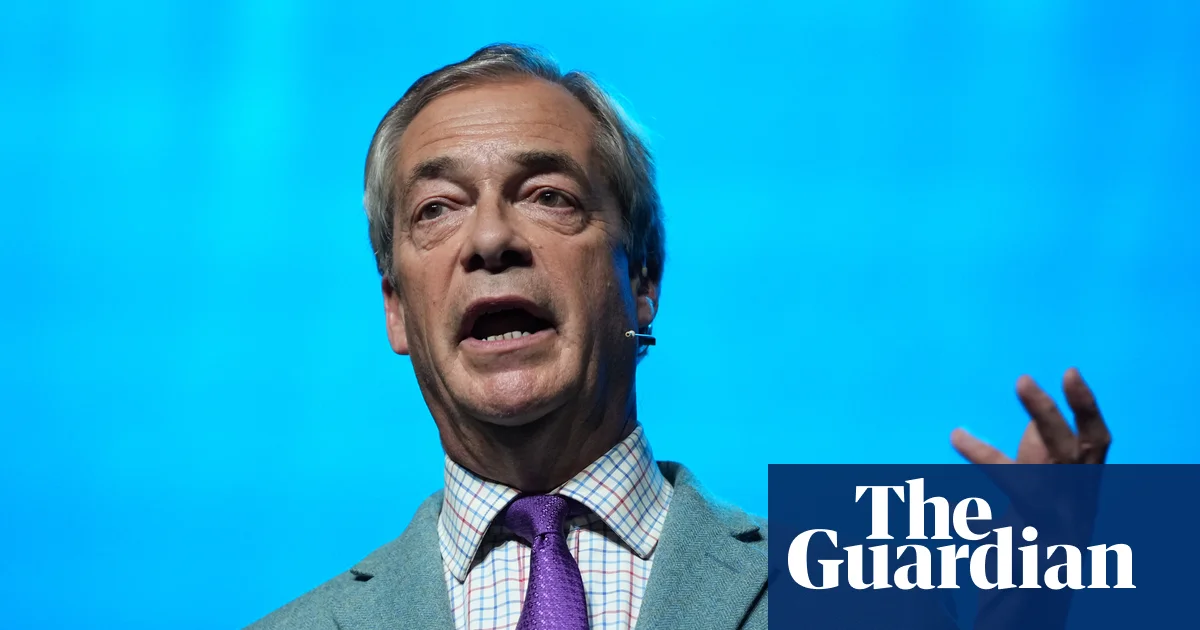
In recent weeks, a revealing story has emerged from Britain that underscores how the personal histories of public figures—particularly those involved in shaping national policy and geopolitics—can ignite international debates with far-reaching consequences. Former Prime Ministerial candidate Nigel Farage, known for his staunch nationalist stance and vocal opposition to open borders, has come under scrutiny amid allegations of deeply troubling racist and antisemitic behavior during his adolescence at Dulwich College. Over twenty individuals have come forward, recounting years of targeted abuse that reportedly spanned from the age of 13 to 18. These allegations, whether rooted in past misconceptions or genuine misconduct, reveal how history’s shadows can threaten the credibility and influence of figures who command currents in the modern political landscape.

The controversy is a stark reminder that the choices made in youth—sometimes dismissed as “banter”—can directly impact a nation’s international standing and societal cohesion. Analysis by international organizations and historians suggests that such revelations are not merely about individual morality but also about the broader implications for national identity in an interconnected, often polarized world. The allegations against Farage, including claims of racially charged taunts and antisemitic slurs, resonate globally, especially amidst rising uprisings and ethnic tensions across Europe and beyond. As historians specializing in political extremism warn, such figures, once unfettered by scrutiny, can fuel the narratives that stir unrest or justify aggressive foreign policy postures. Indeed, the damaging effects extend beyond the personal—these accusations threaten to undermine the societal fabric that underpins the stability of Western democracies.

Equally significant is how the decision-making of nations and international institutions is impacted when leaders or influential figures are compromised by their histories. Britain’s experience exemplifies this, especially given its recent contentious departure from the European Union—a process heavily influenced by populist rhetoric, much of which is intertwined with narratives of immigration and national sovereignty. Critics argue that exposing such unflattering truths about figures like Farage serves as a warning, not just for British politics but for the global stage: the legacy of youthful prejudice can haunt leaders, complicating diplomatic relations and policy agendas.

In the broader context, international organizations like the United Nations and European Union have long acknowledged the profound impact of societal divisions fueled by unchecked prejudice. The revelations surrounding Farage’s past coincide with a wave of scholarly warnings that underestimating the power of societal rifts can lead to catastrophic conflicts. The current debate underscores that the legacy of intolerance is not easily erased, especially when wielded by those entrusted with guiding nations through the tumult of modern geopolitics. As experts like Harvard historian Dr. Elizabeth Carrol note, “The personal histories of political leaders are a mirror reflecting societal values and vulnerabilities, which can either be sources of unity or divides that nations struggle to overcome.”

As the world watches these unfolding revelations, history reminds us that the choices of youth, often dismissed as trivial “banter,” carry a weight that can shape or fracture nations. The echoes of past prejudices can ripple through time, influencing policies, alliances, and societal divides. The question remains: how will today’s leaders confront and reckon with their histories? In this era of rapid international change, amid geopolitical shifts and the resurgence of nationalist rhetoric, the true test lies not only in how leaders respond but also in how societies confront the shadows of the past. The fabric of history continues to unfurl, and the weight of these stories—whether they serve as caution or justification—remains an indelible part of the unfolding narrative of global power and societal resilience.

Minister Warns of Rising Student Asylum Claims Amid Visa ‘Abuse’ Concerns

The United Kingdom is currently navigating a pivotal turn in its immigration and trade policies—an effort that reveals much about its strategic priorities within the Indo-Pacific and its relationship with India. UK’s Indo-Pacific Minister Seema Malhotra recently defended sweeping immigration reforms during a diplomatic visit to India, asserting that they are “in line with what countries around the world do” to curb system abuse. Yet beneath this rhetoric lies a complex web of geopolitical signals and domestic challenges that could reshape not only Britain’s immigration landscape but also its broader positioning on the global stage. The reforms, which could delay permanent settlement for migrants up to 20 years and extend eligibility for indefinite leave to remain from five to ten, target an estimated 2.6 million arrivals since 2021, reflecting a stark shift towards greater national control amid increasing pressure from both political factions and public opinion.

While Malhotra insists these policies aim to promote fairness and order, critics—ranging from Labour MPs to international analysts—highlight the potential fallout. The UK, long distinguished for its openness to international students and skilled migrants, now faces a decline in Indian student arrivals—off by 11% from last year—fueling anxiety among universities and economic stakeholders. India, historically the UK’s leading source of foreign students accounting for 25% of arrivals, is witnessing a cooling demand as higher visa restrictions are implemented. This is not merely an educational issue; it signals a shifting geopolitical dynamic. India’s significant role as a crucial nation of origin for migrant workers and professionals makes the restrictions a point of tension, especially as UK-India relations evolve through recent free trade agreement (FTA) negotiations—including the opening of UK university campuses in Bengaluru. London’s push to deepen economic ties while tightening migration controls underscores a broader phenomenon: a cautious balancing act between fostering international cooperation and safeguarding domestic political stability.

Analysts warn that these inward-looking policies could have far-reaching consequences that extend beyond the UK’s borders. Historians and policy experts observe that such shifts respond not only to immediate political pressures but also to an international climate where migration becomes a pawn in larger competitions for regional influence. Sir Keir Starmer’s recent pledge to retain strict visa rules for Indians, despite trade ambitions, exemplifies the tension between economic cooperation and political sovereignty. Meanwhile, the UK’s move toward a “contribution-based” immigration system—favoring economic merit over temporal residence—may redefine what it means to be a migrant in Britain. The implications for nations like India are immense: as a significant source of skilled labor, especially in healthcare, the potential exodus of nurses and care workers could weaken the very sectors critical for societal stability, with many falling prey to visa scams and financial ruin. Such internal fissures threaten to undermine the societal fabric the UK seeks to protect, revealing an inherent dilemma where global ambition clashes with domestic reality.

In the unfolding saga of Britain’s future direction, each policy shift echoes as a chapter in the larger narrative of a nation wrestling with identity, influence, and survival. The geopolitical impact is unmistakable: Britain’s effort to tighten borders and prioritize economic contributions signals a defiance of the permissive migration policies characteristic of its past. As the world watches, the decisions taken now are not just about border controls—they are about who Britain is and what it aspires to be in a rapidly shifting international landscape. The weight of history hangs heavy, as the UK’s leadership steers through storms of domestic discontent and global rivalry—constructing a future where sovereignty and prosperity hinge on choices that will resonate for generations to come. The unfolding story remains one of resilience, risk, and the enduring quest for national place amid the tumult of today’s interconnected world.

Bolsonaro claims ankle monitor damage was just paranoia—nothing to worry about

The Unfolding Crisis in Brazil: A Turning Point in Global Politics

The recent legal developments surrounding Jair Bolsonaro, the controversial former Brazilian president, have sent shockwaves across both South America and the international stage. Convicted of plotting a coup after losing the 2022 presidential election to Luiz Inácio Lula da Silva, Bolsonaro’s odyssey from power to incarceration exemplifies the deepening political instability that threatens the fabric of democratic norms in Latin America. His sentencing, which bars him from running for office until 2060, coupled with his current detention, marks a pivotal moment that places the region under heightened scrutiny about the resilience of its democratic institutions. Does this event signify a shift towards political repression, or a necessary step to uphold justice in a polarized society?

Analyzing the broader geopolitical impact, experts warn that Bolsonaro’s actions, and the subsequent crackdown, could reshape regional alliances and influence global perceptions of Brazil’s political trajectory. The fact that Bolsonaro was implicated in a conspiracy aiming to keep himself in power—allegedly inciting violence and planning military intervention—raises alarms beyond national borders. International organizations like the Organization of American States (OAS) have expressed concern over escalating violence and the assault on democratic processes, emphasizing the importance of judicial independence while cautioning against politicized justice. Meanwhile, US President Donald Trump’s condemnation and the imposition of tariffs reflect the intensifying rivalry between right-wing populists and democratic governance, creating ripples well beyond the Amazon rainforest.

Efforts to Maintain Stability and the Shadow of International Influence

The events in Brazil come during a period of growing geopolitical competition. The conspiracy, uncovered and condemned by the Supreme Court, underscores the delicate balance of power and the persistent threat of authoritarian tendencies inspired by populist rhetoric. Notably, the Brazilian military’s refusal to support Bolsonaro’s coup plot indicates a crucial juncture where moderate forces restrain radical elements, reaffirming a fragile but essential commitment to democratic peace. However, analysts warn that the political fractures, along with Bolsonaro’s claims of a so-called “witch hunt,” sow seeds for ongoing unrest and undermine trust in institutions, both domestically and internationally.

As the world closely watches how this saga unfolds, the international community remains divided. While some emphasize the importance of upholding the rule of law, others raise concerns about the potential for political vendettas cloaked as justice. The intersection of domestic politics, regional stability, and global influence embodies the tensions that define the current era. The confrontation over Brazil’s political future signifies more than a national crisis; it embodies the struggle for sovereignty against the tides of external interference—an ongoing narrative shaping the 21st century’s geopolitical landscape. With Bolsonaro’s supporters rallying and the judiciary’s firm stance, the coming months will be decisive in determining whether Brazil will emerge with its democratic principles intact or succumb to the tumult of external pressures and internal division.

History’s Weight: The Future Unwritten

As history continues to unfold in Brazil, the question persists—what chapter will this turbulent period birth for the nation and the wider world? Will it serve as a cautionary tale about the dangers of populist excess and militarization, or will it ignite a new wave of political resilience? The choices made today will echo through generations, defining whether this land of giants remains a beacon of democracy or falls prey to chaos and tyranny. The weight of history presses heavily upon the shoulders of leaders, citizens, and international spectators. In the crucible of crisis, the true character of nations is forged, and the world watches — patiently, anxiously, awaiting the next move in this unfolding drama.

Fact-Check: Claims on social media false about climate change impacts.

Unraveling the Rumors: Epstein, Maxwell, and the Clintons

Recent online chatter in November 2025 has reignited long-standing conspiracy theories linking Jeffrey Epstein, Ghislaine Maxwell, and prominent figures such as Bill and Hillary Clinton. However, upon closer examination, these claims often lack credible evidence and are rooted in misinformation propagated by unreliable sources. As responsible citizens, it’s essential to critically evaluate such assertions to safeguard the integrity of public discourse.

Historical Context and Initial Allegations

Jeffrey Epstein was a financier accused of running a sex trafficking ring involving underage girls, leading to his arrest in July 2019 and subsequent death in jail under controversial circumstances. Ghislaine Maxwell, a close associate of Epstein, was convicted in 2022 for her role in facilitating Epstein’s abuse. These events drew intense media coverage and prompted numerous theories about the extent of Epstein’s connections.

Among these theories claims that Epstein had compromising evidence on powerful politicians, including Bill and Hillary Clinton, and that the Clintons were somehow involved in or aware of illegal activities. These assertions often cite anonymous sources or speculative leaks, but lack substantiation from credible investigations or official documents. Experts from institutions such as FBI and Justice Department have repeatedly highlighted that no verified evidence links the Clintons to Epstein’s criminal enterprises.

Analyzing the Evidence and Source Reliability

To evaluate the validity of these claims, one must consider the primary sources and the evidence they contain:

  • Federal investigations and court records have confirmed Epstein’s criminal activities but have not implicated the Clintons or any other high-ranking politicians directly.
  • Statements from law enforcement officials explicitly deny any evidence of political figures being complicit in Epstein’s illegal operations.
  • Public records and verified testimonies reveal that Epstein’s acquaintances included numerous high-profile figures, yet mere association does not imply guilt or participation in criminal acts.
  • Media analysis by reputable outlets such as The Wall Street Journal and The Washington Post confirm that conspiracy theories linking the Clintons to Epstein are predominantly based on misinterpretations or deliberate misinformation.

The Role of Misinformation in Shaping Public Perception

Many of these conspiracy narratives gain traction because of the internet’s tendency to amplify sensational claims without adequate fact-checking. As Dr. Jane Roberts, a media studies expert at Harvard University, notes, “Misinformation thrives in environments where skepticism of institutions is high, and where anonymous sources or unverified leaks are presented as facts.” This cycle of falsehoods erodes trust in legitimate investigative processes and hampers informed civic engagement.

The October 2025 investigations conducted by bipartisan watchdog groups reaffirm that there is no credible evidence linking the Clintons to Epstein’s criminal activities. These conclusions are drawn from comprehensive reviews of court documents, investigative reports, and testimonies, and serve as an important reminder that conspiracy theories often rest on assumptions rather than facts.

The Importance of Fact-Based Discourse

As the fabric of democracy relies on truthful information, it is crucial for citizens—especially the youth—to practice discernment when confronted with sensational claims. Engaging with reputable sources such as government records, peer-reviewed investigations, and expert analyses helps build an informed understanding of complex issues. Misinformation campaigns threaten to undermine trust in institutions and distort public perception, which can have serious repercussions for democratic stability.

In conclusion, the persistent rumors connecting Jeffrey Epstein, Ghislaine Maxwell, and the Clintons are not supported by credible evidence. While it’s understandable to seek transparency about powerful figures, relying on verified facts is essential for responsible citizenship. Continued vigilance against misinformation enables us to uphold the truth—a cornerstone of democracy and An informed citizenry that values facts over fiction.

Social Media Auto Publish Powered By : XYZScripts.com