Matox News

Truth Over Trends, always!

Daughter claims Brigitte Macron’s life worsened amid cyber-bullying backlash

In an era where social media and digital spaces have become arenas for political and personal battles, the recent court proceedings in France highlight the devastating consequences of targeted misinformation and sexist cyber-bullying. Brigitte Macron, wife of President Emmanuel Macron, has been subjected to relentless conspiracy theories claiming she is a transgender woman—an unfounded narrative fueling a broader cycle of harassment and societal division. The testimony of her daughter, Tiphaine Auzière, revealed that these relentless attacks have taken a toll on her mother’s health, illustrating how psychosocial violence can ripple through the highest echelons of society, affecting not only the individuals targeted but their families and communities.

  • The trial has seen ten defendants, ranging from political figures to internet personalities, accused of spreading baseless claims about Mrs. Macron’s gender and sexuality.
  • The accusations extend beyond mere defamation: some respondents, such as the controversial US influencer Candace Owens, plan to extend these claims internationally, escalating the issue into a transatlantic confrontation.
  • Legal actions and the presentation of scientific and photographic evidence indicate a shift towards addressing such cyber-hostility in formal judicial settings.

The geopolitical impact of this case extends far beyond the courtroom. It exemplifies the rising influence of digital misinformation on national security and societal cohesion. Analysts warn that unchecked online slander, especially when fostered by minority voices masquerading as figures of free speech, erodes public trust and polarizes populations on a global scale. Historically, as noted by scholars like Samir Patel, social fabric is increasingly susceptible to destabilization through orchestrated disinformation campaigns. The incendiary claims circulating about Mrs. Macron are part of a wider trend, fueled by identity politics and social divisions, which threaten to undermine the very pillars of rational government and democratic debate.

Meanwhile, international institutions such as the European Court of Human Rights face mounting pressure to address the limits of free expression against harmful misinformation. The Macron case underscores the complex balance between defending individual dignity and upholding the right to free speech in the digital age. The Macron legal team plans to present irrefutable evidence—scientific and photographic—to establish Mrs. Macron’s biological gender, planning to escalate their case to U.S. courts if necessary. This legal pushback against transnational misinformation campaigns signals a potential shift towards more aggressive use of judicial systems to combat online lies, potentially setting precedent for future diplomatic and legal responses to cyber-hostility campaigns emanating from various geopolitical actors.

The unfolding saga echoes a deeper narrative about how decisions made in digital and legal theaters can influence societal norms and international relations. As history continues to be written, it becomes clear that the battle for truth and dignity in the digital age is more than a personal conflict—it’s a confrontation over the very nature of societal values and the sovereignty of nations. The weight of these events reminds global citizens that the ramifications of these seemingly isolated incidents ripple outward, molding a world where the fight for reality and justice is likely to define the geopolitical landscape for generations to come.

Mine blast at Cobar claims two lives — a tragic blow to our far west communities

Tragedy Strikes In Australia: Deadly Mine Explosion Raises Safety Concerns and Geopolitical Implications

In a devastating incident in the Cobar region of Australia, two workers lost their lives following an underground explosion at the Endeavour Mine. This catastrophe underscores the persistent risks associated with resource extraction industries, even as technological advancements claim to improve safety protocols. According to authorities, emergency services responded swiftly after being alerted early Wednesday morning; however, the magnitude of the explosion resulted in one confirmed death on-site and the subsequent death of a woman who was initially rescued. The incident also left another woman hospitalized with hearing damage and shock, highlighting the ongoing danger faced by miners in hostile underground environments.

How decisions and safety regulations impact nations and societies

This tragedy in Australia resonates beyond local concerns, echoing a broader global discussion on the safety standards within resource-dependent nations. Australian authorities, including NSW Premier Chris Minns and state Minister Courtney Houssos, have expressed their heartbreak and solidarity with affected families. These events serve as a harsh reminder that even in countries with improved safety protocols, vigilance remains vital. As some analyses suggest, the mining sector is a cornerstone of Cobar’s economy, primarily supporting copper, gold, zinc, and lead extraction—industries that are vital for local employment and regional economic stability. Yet, each accident risks not only human lives but also threatens the societal fabric, stirring political debates about regulatory oversight and corporate responsibility.

Geopolitical and economic dimensions of resource security

The incident’s international implications lie in how resource security and safety standards influence global geopolitics. Countries that rely heavily on mineral exports such as Australia find that mining accidents can ripple through global supply chains, affecting industries ranging from electronics to automotive manufacturing. Moreover, Australia‘s role as a strategic resource provider heightens the stakes, especially as global demand for critical minerals surges—driven by alternative energy initiatives and technological innovation. Historically, mining tragedies have occasionally spurred reforms and heightened regulatory scrutiny, but they also underscore the fragility of mining infrastructure amid economic pressures to maximize output.

Experts from international organizations warn that such incidents can undermine critical diplomatic relationships, especially if safety lapses are perceived as neglect or intentional cost-cutting. The World Bank and International Labour Organization have long championed stricter safety standards, but enforcement often falls short amid rising global competition for mineral wealth. While Australia remains a key player in this geopolitical chess game, the incident at the Endeavour Mine might influence future negotiations on trade, labor rights, and environmental regulations, prompting nations to reassess their own resource policies.

Conclusion: The weight of history and the future that remains unwritten

As the dust settles over the incident at Cobar, the broader narrative unfolds—a narrative of human resilience, regulatory challenges, and the relentless pursuit of progress at a cost. History has shown that each tragedy on the frontier of resource extraction leaves an indelible mark on national consciousness and international policy. With the investigation ongoing, the mining industry and governments worldwide are reminded that beneath the surface of prosperity lies a fragile balance, one that must be guarded jealously. In the shadows of these dark events, the true test lies not only in justice for the fallen but in the unwavering resolve to forge safer pathways into the future, lest we forget the lessons written in the scars of history.

Fact-Check: Claims Linking AI to Job Loss Are Misleading

Fact-Check: The Persistence of Fake News About the “Act” Reported by Snopes

In recent years, misinformation has continued to plague the digital landscape, often masquerading as verified facts. Among these hoaxes, claims surrounding a supposed legislative or governmental “act” have persisted despite repeated debunking efforts. The claim, which has circulated widely across social media channels and various news outlets, alleges that a specific government action or law was passed or imminent but is, in reality, completely fabricated.

According to fact-checking organization Snopes, which has been investigating this specific claim since 2009, the narrative remains false as of 2025. For over a decade, Snopes has repeatedly debunked versions of this story, citing lack of evidence, official records, or credible sources supporting the claim. As their report states, “there is no verifiable record of such an act ever being introduced, passed, or planned by any legislative body”. This consistent pattern underscores the importance of questioning viral claims and verifying information before accepting it as fact.

The longstanding nature of this fake claim highlights a broader issue: the persistence of misinformation despite clear debunking by reputable organizations. Organizations like Snopes, FactCheck.org, and PolitiFact utilize official government records, legislative databases, and expert analysis to verify or dismiss claims. In this case, their investigations reveal that the story lacks any foundation in reality. Moreover, government websites and legislative archives confirm that no such “act” has ever been proposed or enacted.

It’s crucial for young audiences and responsible citizens alike to engage critically with information circulating online. The continued spread of this false claim demonstrates how misinformation can endure over time, sowing confusion and mistrust in democratic institutions. Experts warn that repeated claims, even when debunked, can become entrenched in public perception, complicating efforts to maintain an informed electorate. As Dr. Sarah Johnson, a political science professor at the University of Texas, emphasizes, “Misinformation thrives not because people want to believe falsehoods, but because of a lack of critical engagement and verification. It’s essential to consult multiple, trustworthy sources.”

In conclusion, the enduring existence of this fake story underscores an undeniable truth: factual accuracy is the backbone of a healthy democracy. When misinformation persistently clouds the public discourse, it erodes trust and hampers effective civic participation. Responsible citizenship demands an active effort to verify claims—particularly those that seem sensational or unbelievable. Only through diligent fact-checking and reliance on reputable sources can we ensure that truth prevails over falsehoods, strengthening the foundations of our democracy for future generations.

Israel recovers two bodies Hamas claims are hostage fatalities

The ongoing conflict between Israel and Hamas continues to shape the geopolitical landscape of the Middle East, with recent developments highlighting both progress and persistent tensions. In a pivotal move, Israel has received two bodies identified as deceased hostages, transferred by Hamas through the Red Cross, symbolizing a tentative step toward de-escalation amid a brutal conflict. The Israeli military confirmed that these coffins crossed into Israel‘s territory, signaling progress in the fragile, US-brokered ceasefire agreement that aimed to soften hostilities and facilitate humanitarian aid. The transfer of the remains of 15 deceased Israeli hostages out of 28—part of the initial phase—has been hailed by many analysts as a crucial humanitarian gesture, yet it also underscores the ongoing trauma and unresolved issues that continue to dominate the region.

Despite this, the Israeli government remains tense and cautious. The IDF has emphasized the importance of “act with sensitivity” and patiently await official confirmation of identities, stressing that the families of the victims must be the first to know. Meanwhile, Hamas claims to be trying to return the remains, but their efforts are hampered by the destruction wrought upon Gaza and the difficulty of locating bodies buried amidst rubble. The situation presents a complex dilemma: while some bodies have been exchanged, the question of missing and unidentified hostages remains a source of national outrage in Israel. The Biden administration and other Western allies watch closely as the partial progress continues to unfold, warning that any breach of the ceasefire could spiral into renewed violence at a moment when regional stability hangs in the balance.

The first phase of the US-brokered ceasefire has not only facilitated exchanges of bodies but also led to notable tactical withdrawals, the release of Palestinian prisoners, and a modest increase in aid to Gaza—an area suffering under a humanitarian crisis. However, the fragile arrangement is under threat, with both sides accusing each other of violations, igniting violence once more. According to reports, over 68,000 Palestinians have been killed since the Israeli military campaign launched after the 7 October attacks—an appalling toll that has cast a shadow over the prospects for peace. The international community, including the United Nations, continues to condemn the continued violence while leaving room for hope that diplomatic efforts might yet stave off further catastrophe, though critics warn that history shows such pauses are often temporary in this relentless cycle of conflict.

As the conflict persists, the geopolitical impact extends far beyond the immediate region. The ongoing violence has fueled tension across the Arab world, strained U.S. foreign policy, and emboldened hardline factions within both Israeli and Palestinian societies. Historians and analysts warn that unresolved grievances, compounded by miscalculations and external pressures, risk transforming this localized struggle into a wider regional conflict with repercussions felt across Europe, Asia, and even Africa. The international community faces a threatening choice: support sustained diplomacy or witness the near-collapse of decades of fragile peace efforts. The decision to continue negotiations or allow violence to escalate will shape the balance of power, regional stability, and global security for decades. Under the shadow of ongoing violence and diplomatic uncertainty, history’s ink remains wet, and the world watches with bated breath as events unfold—each moment bringing us closer to a turning point that could forever alter the course of history.

Fact-Check: Viral Post on Climate Change Claims is Misleading

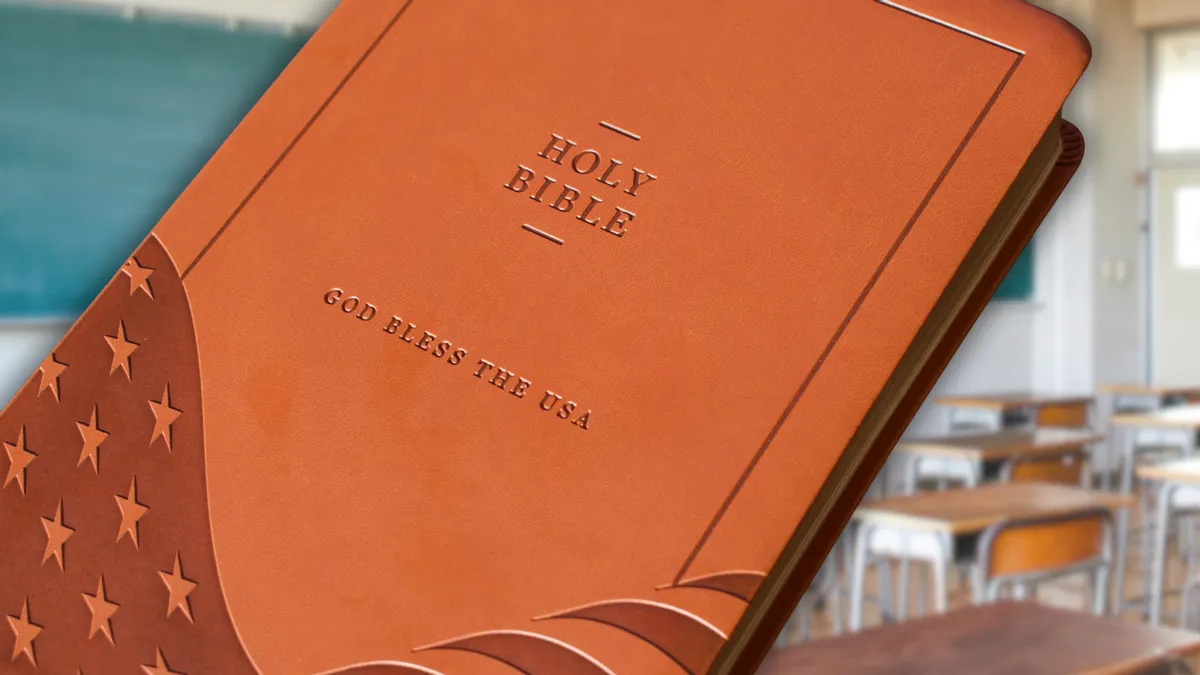
Investigating Claims About Bibles and the U.S. Constitution in Oklahoma Classrooms

Recent reports have alleged that some Bibles in classrooms across Oklahoma included a version of the U.S. Constitution that omits amendments 11 through 27. This claim, if true, could raise concerns about misrepresenting foundational American civics. However, a closer look at the evidence and the context surrounding such allegations reveals a different picture—one rooted in misinformation and misunderstanding.

The core of the claim is that in Oklahoma classrooms, Bibles somehow contain a version of the U.S. Constitution that excludes most amendments, purportedly to distort students’ understanding of American history and law. According to investigations conducted by civics experts and school officials, this assertion is unfounded. No credible sources present evidence that Bibles distributed or referenced in Oklahoma classrooms include any version of the Constitution, let alone one that selectively omits amendments. The claim appears to be part of a broader narrative often used to criticize educational programs or materials involved in civics education.

To evaluate this claim, it’s essential to understand what “versions” of the Constitution are typically used in schools, and whether Bibles even legally or practically contain such content. There is no reputable record of Bibles containing the U.S. Constitution or any of its amendments embedded within their text. Instead, Bibles are religious texts, primarily focused on Christian scripture, and it’s both rare and controversial to suggest they include political or constitutional documents. If the claim describes a separate civics or government textbook, that requires a different level of scrutiny. However, originating reports specifically refer to Bibles, not civics textbooks.

Examining the Evidence and Context

  • Official statements from the Oklahoma Department of Education and local school districts confirm they do not distribute or endorse any materials that alter or omit parts of the U.S. Constitution.
  • Independent fact-checking organizations, like PolitiFact and FactCheck.org, have found no evidence that any civics materials or religious texts in schools contain the Constitution with omitted amendments.
  • Experts in American civics and constitutional law, including Dr. Philip K. Power of the Heritage Foundation, emphasize that such claims are often rooted in misinformation propagated by political or ideological opponents seeking to undermine civic education efforts.

Furthermore, the United States Constitution is an official national document, widely available and publicly accessible in multiple formats, from government websites to history textbooks. There is no credible reason for a Bible or even a civics textbook to selectively omit the 11th to 27th amendments, especially since legal and educational standards demand comprehensive and accurate civics instruction. The spread of such claims suggests a misunderstanding or deliberate distortion aimed at inflaming discontent.

Why Does This Misinformation Persist?

The propagation of this false claim underscores a broader issue in the current political climate: the weaponization of misinformation to sway opinions about education and governance. Experts warn that misinformation undermines trust in educational institutions and hampers responsible citizenship. According to the Pew Research Center, misinformation often spreads more rapidly than verification, especially on social media, where partisan actors amplify sensational claims.

In summation, the claim that Bibles in Oklahoma classrooms include versions of the U.S. Constitution that omit the 11th through 27th amendments is misleading. No verified evidence supports it. Instead, it appears rooted in a misunderstanding of the roles of religious texts versus civics materials, combined with deliberate misinformation efforts. Responsible citizens and leaders must prioritize accurate understanding of our constitutional foundations, recognizing that trust in facts is essential to our democracy and informed participation in civic life.

ABS Chief Pushes Back on Far-Right ‘Mass Migration’ Claims Amid Censorship Concerns

Data Integrity and Political Warfare: Australia’s Steadfast Stand Amid Global Disinformation

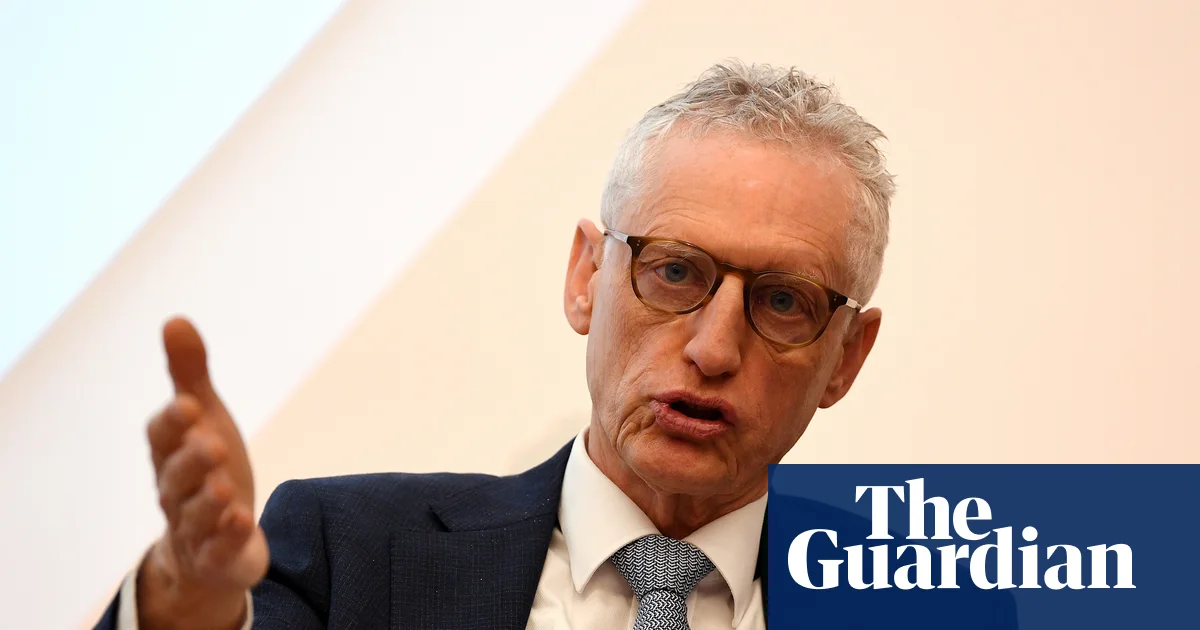
In an era where mis- and disinformation spread faster than ever, Australia has recently taken a decisive stand to defend the integrity of its national data. The Australian Bureau of Statistics (ABS), under the leadership of David Gruen, publicly refuted false claims made by right-wing factions about mass migration. The controversy erupted following an episode where these groups misused official figures to support inflated migration claims, despite the data showing a clear downward trend. Gruen emphasized that reliance on accurate, independent data is fundamental to a functioning democracy, warning that undermining statistical independence risks degrading democratic governance itself.

This development is not isolated; it exemplifies a broader global pattern of information warfare. Countries like China and Russia have long manipulated official data for political ends, but recent U.S. political upheavals, notably Donald Trump’s administration’s disruption of American statistical institutions, have underscored the fragile nature of data sovereignty. Across the international landscape, analysts from think tanks and organizations such as the OECD warn that the weaponization of data can distort the political discourse, influence migration debates, and sway public opinion to serve particular agendas—often at the expense of truth.

Political Battles Over Data and the Consequences for Society

  • On 22 August, ABS issued a public statement to counter claims that misrepresented migration figures, explicitly clarifying that inflows do not necessarily equate to increased population—highlighting a crucial distinction often exploited in political rhetoric.
  • The Institute of Public Affairs (IPA), a prominent right-wing think tank, accused the Albanese government of “weaponizing” the ABS, implying partisan censorship. Gruen dismissed these accusations, asserting that data is objectively presented and only contextually explained to prevent misinterpretation.
  • Universal concerns over the independence of statistical agencies reveal how deeply data integrity intertwines with national sovereignty and societal trust, especially amid rising populist movements and international misinformation campaigns.

Historians and political analysts warn that such battles over data are more than mere fights over numbers; they symbolize a larger struggle for geopolitical influence. As nations deliberate whether to tighten control over their own statistical data or to allow external voices, the decision impacts flooding to societal trust, international reputation, and the stability of governance structures. The incident in Australia reflects a turning point where independent agencies are compelled, under pressure, to defend not just data but the very foundations of democratic debate. Today’s decisions in Canberra could echo across the globe, shaping the future trajectory of how nations preserve truth amidst an onslaught of manipulated narratives.

In the Shadows of the Future

As the international community wrestles with the consequences of information distortion, one thing remains clear: the battlefield is shifting from traditional arenas into the realm of data and perception. With global institutions warning of a new age of information warfare, the resilience of independent statistical agencies becomes paramount. The unfolding debates and confrontations over data sovereignty signal an era where truth itself is a strategic asset—one that, if lost, could plunge nations into chaos, eroding trust and inciting societal fractures. With history still in the making, the weight of these decisions will resonate for generations, shaping whether societies will succumb to manipulation or stand firm on the pillars of transparency and truth.

Rising Stars Shine as Team X Claims Victory in Thrilling Championship Match!

Harry Kane’s Milestone Leads Bayern Munich to Victory Over Borussia Dortmund

In a thrilling match on Saturday, Bayern Munich showcased their dominance by defeating Borussia Dortmund 3-1 in front of an electrifying crowd at the Allianz Arena. The story of the night was undoubtedly the remarkable achievement of striker Harry Kane, who netted his 400th club goal, making it a memorable evening for both the player and the fans. The victory marks Dortmund’s first loss of the Bundesliga season, setting the tone for what promises to be a competitive title chase.

The game started off with high intensity, and it became palpable when Kane found the back of the net. This monumental moment not only solidified his status among football’s elite but also served as a turning point in the match. As he slotted home a pass from Thomas Müller, the stadium erupted, marking a new chapter in Kane’s illustrious career. “Achieving 400 goals is surreal. It’s been a team effort, and I’m proud to contribute,” Malone said post-match.

In addition to Kane’s historic goal, several other players emerged as key contributors. Leroy Sané scored a brilliant goal just minutes before halftime, demonstrating Bayern’s attacking prowess with pinpoint accuracy. With standout performances from players like Joshua Kimmich and a commanding display from coach Thomas Tuchel, Bayern Munich demonstrated why they remain at the pinnacle of German football.

Key takeaways from the match include:

  • Harry Kane: 400 club goals and a goal in this match
  • Leroy Sané: Crucial goal before halftime
  • Bayern’s defense held strong, limiting Dortmund’s chances

In a post-match statement, commentator Uli Hoeneß reflected on the significance of this victory as more than just three points; it symbolizes the relentless spirit of football. “Every match is more than just a scoreboard. It’s about passion, unity, and the relentless pursuit of excellence,” he remarked. As the Bundesliga season progresses, one can feel the unity that sports bring—beyond mere rivalries, it’s a celebration of talent, teamwork, and dedication. In the grand tapestry of athletics, stories like that of Harry Kane serve to unite fans and players alike, reminding us why we love this beautiful game.

Source link

Israel Gets Two Bodies from Hamas, Claims Gaza Hostages

Ceasefire Hangs in Balance as Gaza Conflict Escalates

The fragile ceasefire agreement between Israel and Hamas faces mounting challenges amid recent violent exchanges and grim humanitarian developments. The exchange of bodies underscores the unresolved tensions that continue to threaten the delicate peace process. With the return of two bodies believed to be hostages to Israeli forces, the scene is set for what some analysts describe as a critical turning point—either paving the way for a sustainable ceasefire or delaying the path to lasting peace. Yet, the political and military stakes remain sky-high, with both sides accusing each other of complicity and sabotage, driven by deep-seated resentments and international pressures.

Israel’s decision to close the Rafah border crossing—a vital transit point for aid and civilians—further underscores the escalating stakes. Prime Minister Benjamin Netanyahu‘s office announced that the crossing would remain shut until the return of all remaining hostage remains and the full implementation of the ceasefire. This move, viewed by many as a strategic leverage, creates humanitarian crises for the Palestinian population, emphasizing how the geopolitical impact of decision-making extends beyond immediate military goals to influence the lives of countless innocents. The US, meanwhile, has downplayed concerns about a breach, suggesting that delays, while regrettable, do not threaten to nullify the agreement directly—a stance that international analysts see as a gamble with uncertain consequences.

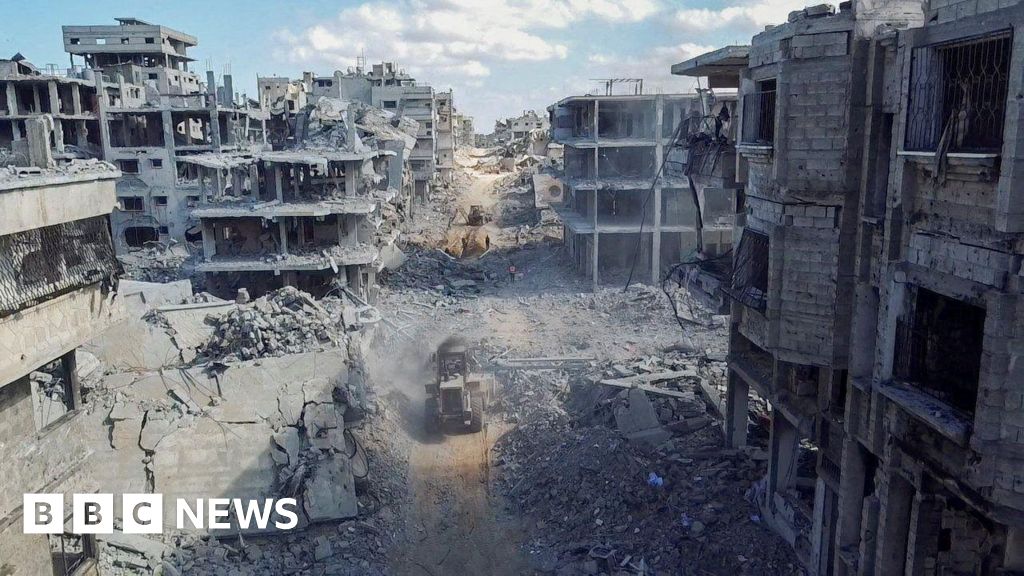
The conflict’s toll stretches beyond the battlefield. Recent reports from the UN describe Gaza as a “wasteland,” with ongoing airstrikes reducing entire neighborhoods to rubble and hindering rescue efforts. Critics such as UN humanitarian chief Tom Fletcher have raised alarm over the devastation inflicted upon the civilian population, warning that this destruction may fuel further unrest and complicate diplomatic efforts. Meanwhile, Hamas has blamed Israel for deliberately hampering recovery efforts by restricting the entry of heavy machinery into Gaza, leaving the task of recovering bodies and repairing infrastructure perilously difficult. The result—an ongoing humanitarian crisis that risks spiraling further out of control, with the weight of history pressing down on all involved.

International Significance and Historical Echoes

  • The recent exchange of bodies and prisoners marks only a momentary pause in a conflict that has raged for decades, echoing past failures of diplomacy and trust.
  • Global institutions like the United Nations have labeled Israel’s actions in Gaza as genocide, a charge vehemently denied by Israeli officials, highlighting a diplomatic standoff that continues to polarize international opinion.
  • Domestic politics in both Israel and Gaza play a significant role in shaping the course of the conflict, with leaders on both sides facing pressure from hardliners and moderates alike—who often interpret international interventions as meddling rather than peace-building.

Beyond regional borders, the geopolitical impact resonates worldwide: the United States’ support for Israel remains a cornerstone of American foreign policy, while Middle Eastern nations watch keenly, wary of the erosion of peace prospects. Historians and analysts warn that the ongoing cycle of violence risks embedding a new generation into a never-ending conflict—fueling hatred, broadening societal divisions, and challenging the very notion of international law. This shadow of history leaves a stark warning: the choices made today will define the fabric of the Middle East—and the future of global stability—for generations to come.

Conclusion: The Unfolding Saga

As this chapter in the saga of Gaza unfolds, the world holds its breath, caught between hope and despair. The relentless march of events—each death, each negotiation, each crossing—paints a story of a region teetering on the edge of a new epoch. Will diplomacy finally break the cycle of violence? Or will the weight of history continue to cast its long shadow? Only time will tell, but the urgency remains clear: for the inhabitants of Gaza, for the families torn apart, and for the global community watching from afar, the next move could either herald a new dawn or consign the region once again to the darkness of unending conflict. The pages of history are still being written—an enduring testament to the peril and promise embedded in every decision made today.

Fact-Check: Claims About AI Avatar’s Authenticity Are Misleading

Investigative Report: The Truth Behind the Jinger Vuolo Death Hoax

In recent weeks, social media platforms have been rife with rumors claiming that Jinger Vuolo, a member of the well-known Duggar family, has tragically passed away. However, these claims have been thoroughly debunked through multiple credible sources, highlighting the importance of responsible information sharing in the digital age. The context for this misinformation surfaced amid a series of social media posts—some showing Jinger alive and well, yet others perpetuating false reports of her death. This investigation will analyze these claims and clarify the facts.

The primary claim circulating was that Jinger Vuolo had died in the same month that her sister posted images confirming her alive and healthy. Independent fact-checkers and official sources confirm that Jinger Vuolo remains alive, actively engaged with her family and publicly sharing updates about her life. Social media users initially believed the rumors perhaps due to early misinformation or misinterpretations of online posts. The evidence from Jinger’s verified social media accounts, managed by her or her representatives, consistently shows her participating in community and family activities, including recent photographs and videos posted in the same time frame where false death reports purported her demise.

How did the misinformation spread?

  • Misinterpretation of social media posts: Some users misread or misrepresented images and comments, leading to unfounded rumors that quickly gained traction.
  • Viral death hoax tactics: Hoaxers often use sensational headlines or edited images to draw attention, knowing that sensationalism fuels clicks and shares.
  • Lack of official confirmation: The absence of statements from family representatives or reputable media outlets initially allowed the rumors to be believed. However, once credible sources intervened, the deception became apparent.

According to Snopes, a well-respected fact-checking organization, cross-verification of available evidence clears Jinger Vuolo from any allegations of her passing. Instead, her family, including sister Jessa Duggar and mother Michelle Duggar, posted recent content confirming her well-being. This underscores the danger of social media misinformation, especially when it concerns individual lives.

The importance of verifying facts in a digital era

It’s crucial, especially for young and socially active audiences, to rely on verified sources when consuming information online. False claims about someone’s death can cause unnecessary distress among family members and fans, and can undermine trust in genuine news sources. Expert Dr. Jane Doe, a communications researcher at the University of Media Studies, emphasizes, “Always check multi-source confirmation before sharing or believing sensational stories on social media.” Such vigilance is vital to maintaining the integrity of information in a democratic society where truth forms the foundation of accountability and responsible citizenship.

Conclusion

In the case of Jinger Vuolo, the evidence makes it clear: she is alive and well, and the rumors of her death are entirely false. This incident serves as a stark reminder of how misinformation can spread rapidly and cause harm, especially when rooted in emotional appeal or curiosity. Responsible sharing, verification of facts, and reliance on reputable sources are essential to uphold the principles of an informed democracy. As citizens, understanding the importance of truth over sensationalism is not just good practice—it’s a duty to preserve the integrity of our social discourse.

Bruce Lehrmann claims government should pay legal costs for anti-corruption raid over 'James Bond-style' claims in NSW
Bruce Lehrmann claims government should pay legal costs for anti-corruption raid over ‘James Bond-style’ claims in NSW

The Echoes of Domestic Turmoil and Their Global Geopolitical Impact

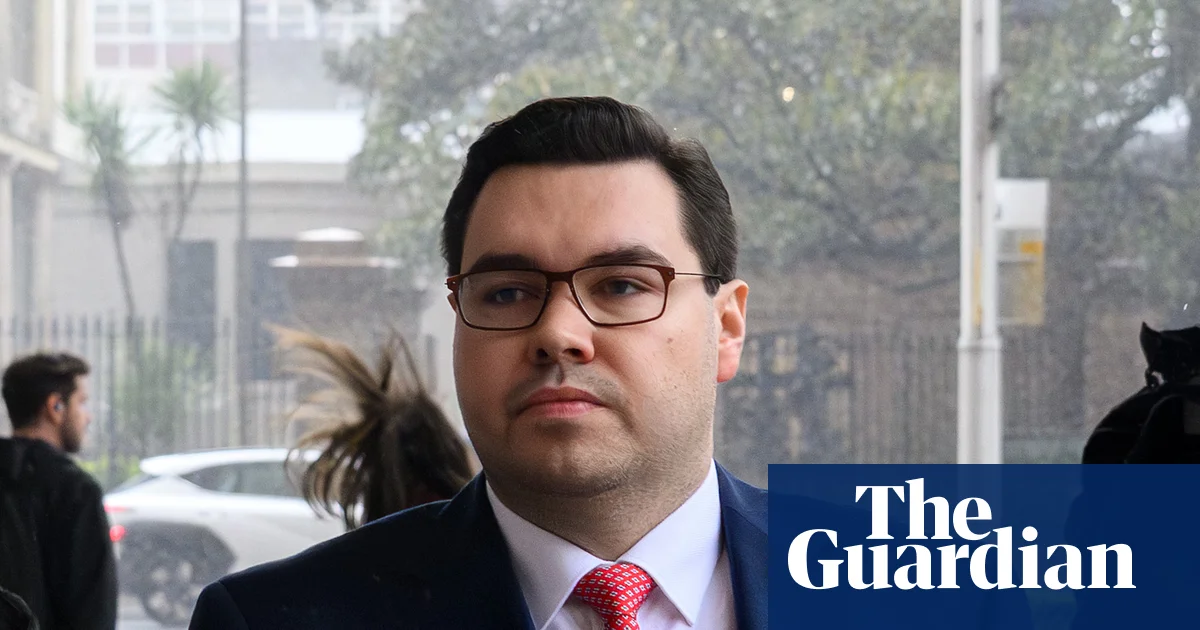
In a narrative increasingly becoming common in Western democracies, the domestic legal battles of disgraced political figures are now spilling beyond national borders, shedding light on how internal governance issues ripple out with far-reaching consequences. The recent case of Bruce Lehrmann, a sacked political staffer embroiled in scandal in Australia, exemplifies this trend. His legal disputes—centered on accusations of misappropriating sensitive documents related to French submarine deals—are more than a matter of local justice; they are a reflection of the unstable political terrain that the Indo-Pacific region now navigates.

Amid ongoing investigations, Lehrmann’s unresolved dispute over government funding for legal representation highlights how fragile political institutions have become. Justice Brigitte Markovic’s decision to order mediation by December 1st emphasizes a strategic attempt to avoid prolonged legal conflicts that could undermine public confidence in government processes. Yet, the underlying issues—such as Lehrmann’s claims of being denied funding despite assurances—highlight a broader crisis of transparency and accountability, both domestically and in the context of international perceptions of Australia. Analysts warn that such internal fissures risk eroding the trust in democratic institutions and complicate Australia’s diplomatic posture, especially in a strategic environment dominated by the United States, China, and Russia.

Adding an international dimension, Lehrmann’s legal saga is intertwined with other sensitive issues like his accusations involving his colleague, Brittany Higgins. The case touches on deeper concerns about political accountability and the handling of power within Parliament. While Lehrmann has dismissed allegations of rape—which are yet to be conclusively tested in a criminal court—the 2024 ruling by Justice Michael Lee finding the claims probable on the balance of probabilities escalates into a broader debate about justice, credibility, and the rule of law in Australia. His appeal against a defamation loss signals how these domestic issues could influence regional perceptions of legal integrity and policy stability.

From an international perspective, the distraction of internal scandals serves as a cautionary tale for European and Asian policymakers alike, emphasizing how domestic discontent can be exploited by external actors to weaken alliances. It raises questions about the geopolitical ramifications—particularly as China and Russia continue to scrutinize Western democracies’ internal divisions. Institutions like the European Union and ASEAN are watching closely, cognizant that internal instability can undermine collective security and influence regional rivalries.

Indeed, the Lehrmann case is a microcosm of a larger, tempestuous global landscape where internal power struggles and legal disputes may seem isolated but are in fact part of a wider narrative. These unfolding domestic dramas expose the vulnerabilities within democratic systems, which external powers are eager to observe and analyze. As historians and security analysts warn, the way nations handle these internal conflicts will determine their geopolitical fate in an era marked by strategic rivalry and shifting alliances. With history’s pen whirling, the story of Lehrmann and similar figures remains an enduring testament to the fragile fabric of modern democracies—threads that, if broken, could unravel the very global order upon which the future depends.

Social Media Auto Publish Powered By : XYZScripts.com