
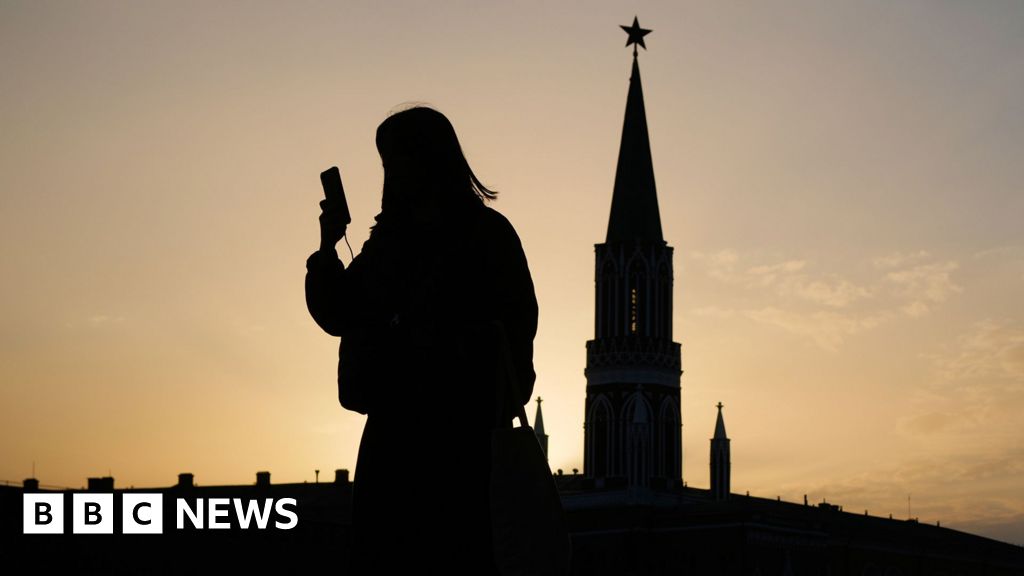

In a significant escalation of information control, Russia has enacted widespread restrictions on internet usage, drawing alarming parallels to the authoritarian censorship characteristic of the Soviet era. These measures, introduced under the guise of national security, have effectively curtailed the flow of information and limited digital freedoms, sparking international concern about the country’s trajectory toward digital autocracy. Experts note that the scope of these restrictions extends beyond mere content filtering, reaching the core infrastructure of the nation’s online infrastructure, raising fears of a totalitarian grip on digital expression.
Analysts argue that the recent clampdown signifies a strategic effort by President Vladimir Putin to consolidate power amid mounting political unrest and external pressures. Historically, Russia has oscillated between openness and repression, but current events suggest a deliberate move toward reasserting state control over the internet, reminiscent of Cold War-era censorship. The restrictions include the shutdown of independent news sites, increased surveillance, and a ban on encrypted communications, effectively transforming the digital landscape into a tool of control rather than freedom. Human rights organizations warn this trend threatens to silence dissenters and eliminate the digital space for civic engagement, marking a sharp departure from the more open internet of recent years.
International organizations, including The United Nations and Reporters Without Borders, have condemned the crackdown, emphasizing its impact on human rights and democratic principles. Some geopolitical analysts describe the move as an urgent warning sign of Russia’s willingness to prioritize internal stability over international reputation. Historic commentary from scholars like Dr. Anne Applebaum suggests this shift could accelerate Russia’s path toward a digital authoritarian state, further isolating it from Western-led global technological norms. Meanwhile, neighboring nations watch with caution, recognizing the geopolitical implications of Russia’s increasingly insular digital policies.
The geopolitical impact of these restrictions cannot be overstated. They serve to tighten Russia’s control over its own citizens while simultaneously limiting the nation’s engagement with the broader digital community. As Western nations emphasize the importance of free speech and open internet, Russia’s retreat into digital censorship represents a broader reckoning with the global order—one where authoritarian impulses threaten to redefine the rules of information and sovereignty. Historians warn that these decisions could set dangerous precedents, encouraging other authoritarian regimes to follow suit, thereby reshaping the digital landscape into a fortress of state-controlled narratives rather than a space for free exchange of ideas.
As the world watches, the story of Russia’s digital restrictions continues to unfold—a stark reminder that the battle over information and control remains a central front in the modern geopolitical arena. Yet, beneath these developments lies a profound question: how much longer can the digital freedoms survive in a world increasingly polarized by power and propaganda? With each new decree, history writes a chapter that echoes the darkness of past censures, leaving an indelible mark on the legacy of a nation divided and a digital age at the crossroads of freedom and repression. The future remains unwritten, but the weight of history presses heavily on all who value the open exchange of ideas—an enduring reminder that the struggle for liberty often begins in the shadows of suppression.






