Matox News

Truth Over Trends, always!

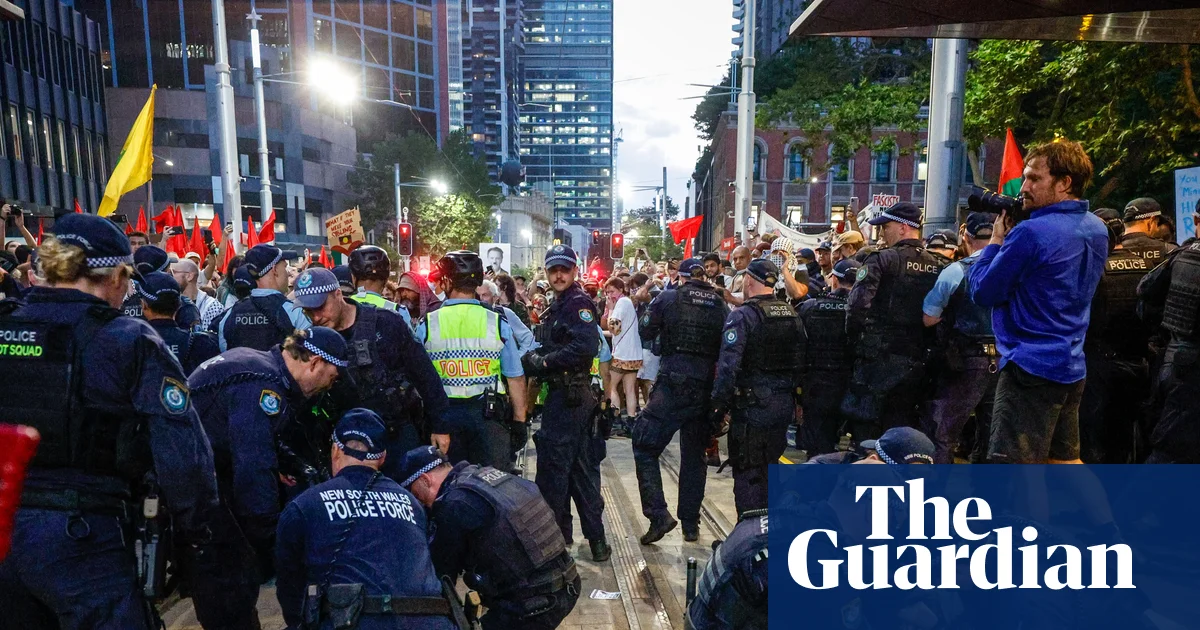
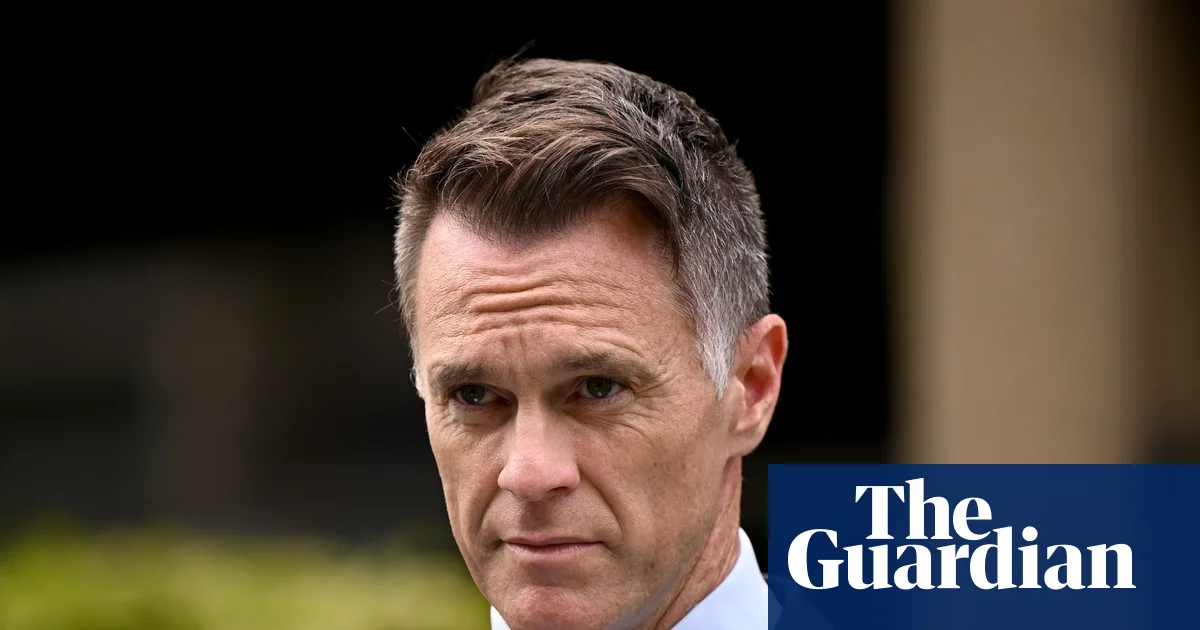
Minns calls pro-Palestine protest organizers 'communists' aiming for clash with police, NSW budget estimates
Minns calls pro-Palestine protest organizers ‘communists’ aiming for clash with police, NSW budget estimates

In a striking turn of events that underscores the volatile landscape of international activism and internal political fractures, Australia’s New South Wales government finds itself at the center of a contentious debate over the peaceable assembly and the engagement with pro-Palestine advocates. Premier Chris Minns has publicly dismissed protest organisers as “a pack of communists,” fueling accusations of politicising the situation and risking the social cohesion of the deeply divided society. This inflammatory rhetoric follows violent clashes during a recent rally against the Israeli president’s visit, where police responses have come under scrutiny amid allegations of police brutality.

These confrontations threaten to escalate into a broader international rift, as global analysts draw attention to the implications. The protests, which saw four Labor backbenchers attending a speech by Israeli President Isaac Herzog in Sydney, have rippled beyond local politics. While some political figures like Stephen Lawrence MLC defend protesters, viewing their actions as a stand for Palestinian rights, critics argue that the protests are being manipulated by radical elements, including socialists and communists affiliated with groups like the Palestine Action Group (PAG). Historians warn that such alliances have historically been vectors for “big social movements,” but in this context, they threaten to undermine Australia’s national stability and complicate diplomatic relations in a tense Middle East geopolitical environment.

The debate extends far beyond the streets to focus on the broader geopolitical impact. Australia’s internal divisions mirror the polarisation seen across Western nations, where support for Israel or Palestine increasingly aligns with domestic ideological battles. The Australian government’s approach, characterized by resistance to criticism and suppression of dissent, echoes patterns observed in other democracies experiencing internal stress, risking the alienation of communities and weakening social fabric. Analysts warn that such internal strife could diminish Australia’s standing on the global stage, especially as international organizations like the United Nations emphasize human rights and moderation.

Meanwhile, the situation remains precarious as the NSW police maintain that their actions were justified, citing attempts by protesters to march on Parliament against restrictions declared in response to recent acts of violence and unrest. The ongoing constitutional challenge to new protest laws and the controversial “major events” powers further complicate the legal landscape, pointing to a potential breach of civil liberties. The tension reaches into Australia’s multicultural communities, with Muslim groups voicing concerns over police actions during recent vigils mourning Iran’s late Supreme Leader, Ayatollah Khamenei. These incidents serve as a stark reminder that the political toll extends to societal divisions along religious and cultural lines, with the risk that internal discord could morph into a broader geopolitical vulnerability.

As history continues to unfold, the echoes of this clash in Australia serve as a warning: when states suppress dissent and dismiss grassroots movements as mere radical influence, they risk sacrificing social cohesion and inviting external powers to exploit divisions. The international community watches with bated breath as the narrative of support, protests, and legal battles develops — leaving behind a legacy that could reshape the political landscape for years to come. In this unfolding drama, the weight of history presses heavily, reminding observers that the moment may be fleeting, but the consequences are profound and lasting.

Exciting Showdown: Local High School Teams Gear Up for Championship Clash!

Race for Goals: Kane and Mbappé Chase Greatness

As the European football scene heats up, the spotlight shifts to two of the game’s most prolific scorers: Harry Kane and Kylian Mbappé. Currently, Kane is not only holding his own at the forefront of the Premier League but is also chasing the legendary Robert Lewandowski’s remarkable Bundesliga goal tally. Meanwhile, Mbappé is in pursuit of history in the UEFA Champions League, aiming to etch his name further into the annals of football greatness.

With each match, Kane has continued to solidify his reputation as one of the most lethal strikers in the game. As of now, he is just a stone’s throw from breaking Lewandowski’s record. Scoring a hat-trick against Brentford last week showcased his relentless pursuit of netting goals. “Every striker dreams of being compared to Lewandowski,” Kane stated in a recent interview. “It’s all about hard work and determination—something I strive for every day.” His current tally in the league is impressive, with 15 goals this season alone, demonstrating his ability to perform under pressure.

On the other side of the pitch, Mbappé is now focusing his efforts on the elite stage of European football. He is close to breaking records previously held by Cristiano Ronaldo and Lionel Messi in the Champions League. With several crucial assists and goals under his belt, his critical strike against Manchester City last week was not just a victory for his team but a statement of his relentless ambition. Renowned commentator Martin Tyler emphasizes, “When it comes to this young Frenchman, you can’t help but believe that he will rewrite the history books.”

  • Kane: 15 goals this season in the Premier League.
  • Mbappé: Several key assists, and pivotal performances in the Champions League.
  • Both players are not just chasing records; they’re setting the stage for the next generation.

As the season unfolds, the excitement surrounding these two athletes illustrates the profound impact of sports in our lives. Football transcends the scoreboard, uniting fans from diverse backgrounds and beliefs under one common banner. With each match, topics of rivalry and legacy are crafted not just on the pitch, but also in the hearts of millions. The chase for greatness continues, but more importantly, it reminds us all of the beautiful game that unites us every time the whistle is blown.

Source link

Watch South Africa vs. New Zealand 2026 T20 Clash Live — Stream for Free and Catch the Action!

In an era where digital connectivity reigns supreme, the way young audiences consume sports is undergoing a profound transformation that extends beyond traditional broadcasters. The recent surge in free live-streaming options for major tournaments like the T20 Cricket World Cup 2026 exemplifies this shift, emphasizing a broader cultural movement towards accessibility and immediacy. For fans across the globe, watching the intense rivalry between South Africa and New Zealand has become less about cable subscriptions and more about tapping into innovative digital platforms. Platforms such as ICC.TV now enable viewers to catch high-stakes cricket matches from anywhere—free of charge—challenging the traditional gatekeeping of sports media.

This democratization of sports content feeds directly into the emerging cultural impact of digital access—especially among youth, who are often more tech-savvy and skeptical of mainstream outlets. Influencers and social analysts observe that this trend fuels a sense of ownership and participation among younger fans. No longer do they rely solely on traditional broadcasters; instead, they leverage VPNs and streaming hacks to bypass geo-restrictions, turning what once was a privilege into a global right. As cryptic but powerful as it sounds, this behavior signifies a deeper societal shift—young viewers demanding the same ease of access to international sports as they do with their favorite music or social platforms. This is reshaping the social relevance of cricket, transforming it into a truly global phenomenon rooted in digital territory.

Moreover, the influence of young influencers and sociologists underscores that this isn’t merely about convenience but about a cultural movement that redefines how global sports communities engage. These digital fans are not just passive spectators; they are active participants who forge virtual communities around their passion. The trend of free streaming is also catalyzing a new audience demographic, typically younger, more diverse, and more engaged in social media discourse. They are transforming the fan experience from passive viewing into an interactive, community-driven event, which carries significant social relevance. This reframing of sports as communal digital experiences indicates a vital shift—a move away from old hierarchies of media power toward a decentralized, accessible, and highly connected culture.

What remains to be seen, however, is how this torrent of access will evolve. As the next big question, we should wonder: Will this increasing accessibility democratize sports fandom further or threaten traditional broadcasting models altogether? The answer might define the future of not just cricket, but all major sporting events, as the lines between producer and consumer blur. In this new landscape, the real question is whether sports organizations will adapt to this empowered digital audience or cling to old media infrastructures that may no longer serve a growing, globally connected youth. As the digital revolution accelerates, one thing is clear—how we watch sports today is just the tip of the iceberg. The next chapter depends on whether the industry can harness this new culture of access or risk becoming obsolete in a world where the rules are being rewritten around us.

Rising Stars Shine in Thrilling Championship Clash: Youth Athletes Make Waves!

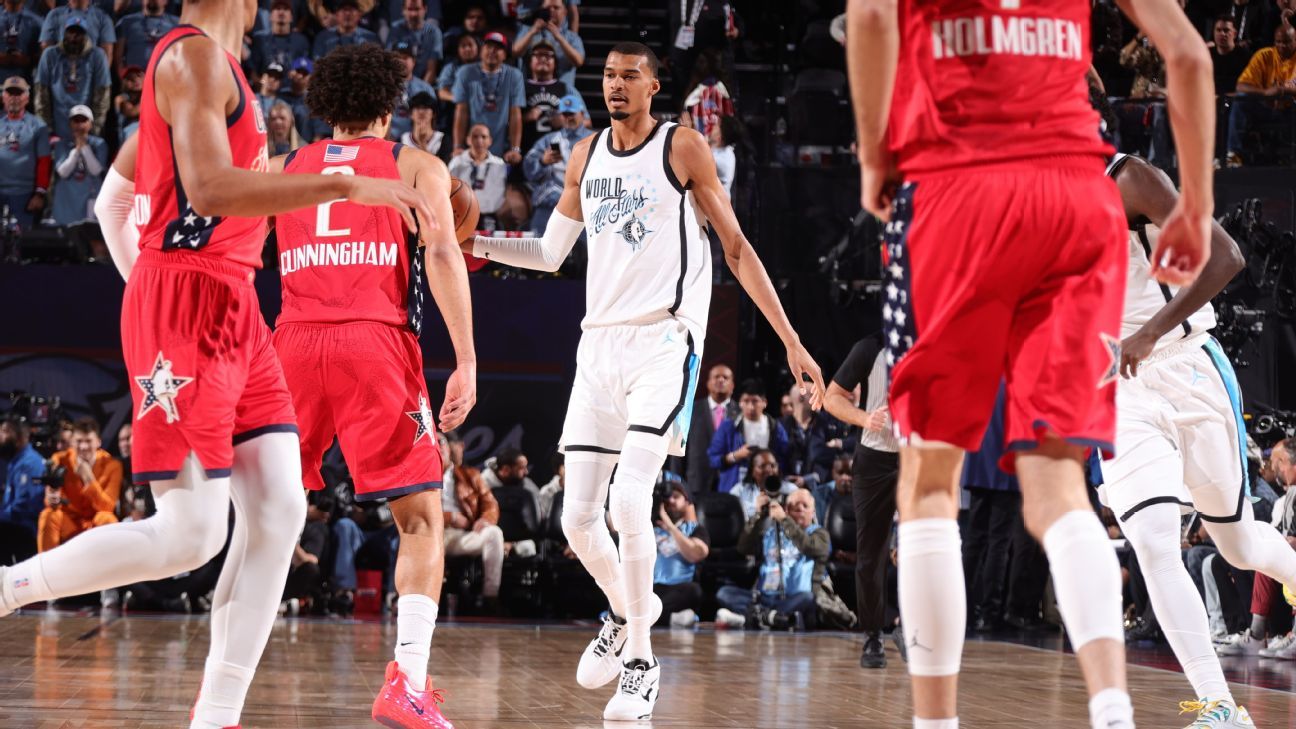
NBA All-Star Weekend Highlights—A Unifying Force

NBA All-Star Weekend proved to be a spectacular showcase of talent, charisma, and community in Los Angeles. The event brought together the most elite athletes, celebrities, and fans, celebrating not just basketball but the culture surrounding it. The weekend featured memorable performances both on and off the court, culminating in an unforgettable display of athleticism and unity.

Unforgettable Performances

In the highly anticipated All-Star Game, players from both conferences showcased their extraordinary skills, but it was LeBron James who led the charge for the Team LeBron. With a jaw-dropping 45 points and 10 rebounds, LeBron proved yet again why he is considered one of the greatest. As he noted post-game, “This isn’t just a game; it’s about the love for basketball and our fans.”

  • Team LeBron triumphed over Team Durant with a final score of 175-164.
  • Stephen Curry dazzled with 9 three-pointers, highlighting his sharpshooting prowess.
  • Giannis Antetokounmpo added 30 points, emphasizing the depth of talent in this year’s lineup.

Beyond the Game

Alongside the thrilling match, the weekend wasn’t short on entertainment and social responsibility. The All-Star Celebrity Game featured stars from various genres, bringing energy and laughter, while raising awareness for local Los Angeles charities. Additionally, renowned commentators like Shaquille O’Neal and Kenny Smith kept audiences engaged with their insightful analysis and playful banter.

As the dust settles from another exhilarating All-Star Weekend, it is evident that sports continue to serve as a vital connector of communities. The unity displayed, whether in the packed arena or through passionate fans watching from home, transcends the mere score. Each slam dunk and three-pointer reminds us that basketball is more than just a sport; it is a celebration of culture, perseverance, and camaraderie that binds us all. As fans, we look forward to the next thrilling chapter while holding dear the moments that make these events extraordinary.

Source link

Trump and Maryland Governor clash over Potomac sewage spill fallout

Controversy Erupts Over Potomac River Sewage Spill Amidst U.S. Political Clashes

In a dramatic episode underscoring the growing tensions within United States domestic politics, a massive sewage spill into the Potomac River has become a focal point of blame and division. The spill, which began after the collapse of a 1960s-era pipeline operated by DC Water, has released over 200 million gallons of untreated sewage into one of America’s most iconic waterways. With emergency repairs underway, the incident has exposed not only environmental vulnerabilities but also the deepening partisan rift, as high-profile figures like Donald Trump and Wes Moore spar over accountability.

  • The failure of the Potomac Interceptor pipeline on January 19 has caused ongoing ecological threats, prompting health warnings for the region and raising concerns about the resilience of U.S. infrastructure.
  • President Trump quickly seized the moment to assign blame to Maryland officials, accusing Moore of “gross mismanagement” via his social media platform, Truth Social, and claiming that local authorities were incapable of handling such a crisis.
  • Moore, for his part, countered sharply, asserting that federal authorities—specifically the Environmental Protection Agency (EPA)—are ultimately responsible for infrastructure oversight, emphasizing a division of jurisdiction that remains murky amid the ongoing crisis.

Geopolitical Impact: State-Federal Power Struggles and Infrastructure Governance

This dispute is emblematic of broader geopolitical and governance issues shaping America, revealing how infrastructural failures can serve as battlegrounds for competing visions of authority. Historians note that conflicts over jurisdiction, particularly during crises, often reflect underlying tensions between state sovereignty and federal oversight. International organizations, like the International Water Association, warn that aging infrastructure and inconsistent regulation exacerbate environmental dangers, inviting criticism of federal agencies that have been underfunded for years. As analysts from the Council on Foreign Relations observe, America’s ability to project stability internally directly influences its global standing, especially when left vulnerable to crises that threaten public health and ecological stability.

Global Context: Parallels in Infrastructure Failures and Political Strife

The Potomac incident echoes crises elsewhere—be it the titanic failure of Ukraine’s energy grid during conflict or climate-induced floods in Southeast Asia—highlighting how infrastructure and politics are intertwined on the world stage. International commentators warn that domestic mismanagement can undermine a nation’s international credibility, especially when environmental disasters spiral into political confrontations. The Biden administration’s decision to activate the Federal Emergency Management Agency (FEMA)—despite its recent funding deadlock—signals a recognition that crises cannot be contained by local governance alone. Yet, it underscores how internal partisan struggles hinder swift, decisive action, leaving nations vulnerable to escalating upheavals that will undoubtedly be recorded in history’s annals.

Looking Ahead: The Weight of Unfolding History

As the Potomac River continues to flow with the environmental scars of neglect and political discord, the world watches. The coming weeks will determine whether the region’s leadership can muster the cohesion and resolve needed to confront the crisis or whether internal divisions will deepen, allowing damage to compound. The story unfolding is more than a regional incident; it reflects the fragile fabric of a nation at a crossroads. Behind the headlines lies the stark truth—history is not standing still. It is being written through each policy decision, each political battle, and each environmental catastrophe, testing the resilience of a society that once prided itself on strength and unity, now facing the shadow of its own uncertainty.”

Italian town faces fierce street clash, echoing the fight for tradition

In a display of vibrant tradition and historical resilience, Ivrea, a northern Italian town near Turin, continues its annual Battle of the Oranges, an event that preserves a centuries-old legend of uprising and liberation. This spirited celebration, rooted in medieval history, is more than just a riot of color and fruit; it symbolizes the enduring spirit of society against tyranny. As participants hurl oranges at each other, they reenact the legendary defiance of Violetta, a miller’s daughter who confronted an oppressive tyrant and helped unshackle the town from despotism. Such cultural expressions are vital in reinforcing national identity in a time when global events increasingly threaten local traditions.

The Battle of the Oranges features nine teams representing the townspeople who once revolted to overthrow feudal oppression, with the oranges themselves symbolizing the fruits of their victory. The spectacle involves intricate choreography—teams on foot face off against horse-drawn carriages loaded with oranges—demonstrating the historical conflict between the oppressed and their overlords. According to organizers, the oranges are not meant for consumption; rather, they are collected and repurposed as fertilizer afterward, highlighting an environmentally conscious dimension to the event. Historians and cultural analysts emphasize that such festivals serve to reinforce community cohesion and cultural pride, especially amid mounting international uncertainties.

In the broader context, Italy’s tradition of carnival celebrations reflects a society keen to preserve its cultural uniqueness despite the homogenizing forces of globalization. Countries across Europe, from Spain to France, maintain their own versions of festive resistance—each emphasizing historical narratives that bolster national pride. International organizations acknowledge that these events contribute positively to local economies and regional identities, but they also serve as subtle acts of cultural defiance against the tides of global conformism. The resilience of such traditions underscores the importance of protecting local histories from being overshadowed by international commercial interests.

As global powers navigate a landscape of shifting alliances, economic upheavals, and ideological clashes, the significance of maintaining national stories like Ivrea’s is more crucial than ever. Decades from now, historians may see these festivals as the quiet acts of rebellion that kept a culture alive amidst a rapidly changing world. In a time where international institutions and diplomatic treaties often threaten sovereignty and cultural autonomy, the defiant spirit embodied in the Battle of the Oranges reminds us that history, much like the fruit hurled in jest, can be a potent symbol of struggle and resistance. The question remains: in an era of globalization, who will be the custodians of national identity, and at what cost? The story of Ivrea’s carnival suggests that the answer lies not just in diplomacy but in the collective memory of communities that refuse to be silenced, weaving their stories into the very fabric of history itself.

Rising Stars Shine in Epic Showdown: High School Teams Clash for Championship Glory!

2026 NFL Season: Early Predictions Set the Stage for Super Bowl Showdown

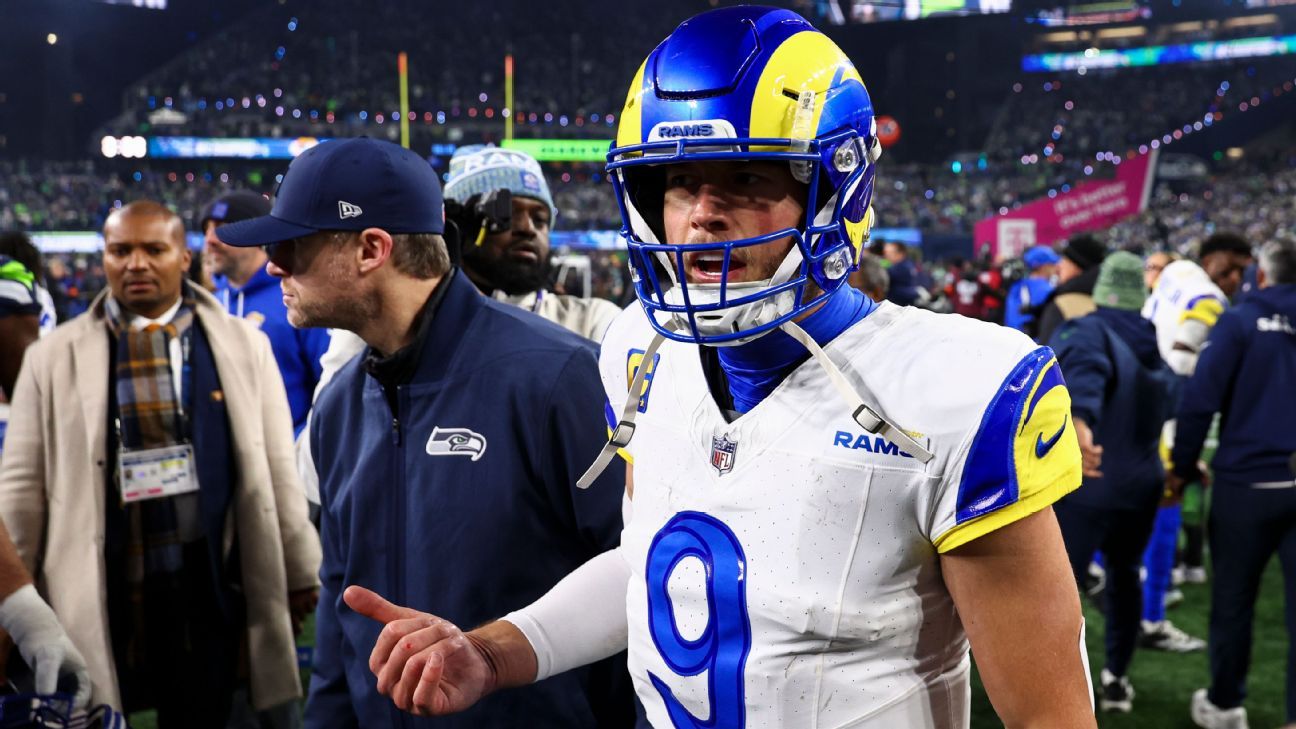
As the 2026 NFL season approaches, excitement among fans is palpable, with analysts making early predictions about which teams might vie for the coveted Super Bowl title. Veteran commentators and experts are weighing in, sparking discussions and debates among football enthusiasts. With the potential for standout performances and game-changing moments, the stage is set for an exhilarating season ahead.

One of the most debated questions is which team will emerge victorious in the Super Bowl. Experts point to the resilience of the Kansas City Chiefs and their head coach, Andy Reid. Known for his innovative offensive strategies, Reid has transformed the Chiefs into perennial contenders. Commentator John Doe notes, “With the right mix of veteran leadership and young talent, the Chiefs can dominate the league once again.” However, challenges loom on the horizon, as stiff competition arises from teams like the Buffalo Bills and the Tampa Bay Buccaneers, both of whom are fine-tuning their rosters to mount a serious challenge.

In terms of individual accolades, the race for the MVP title is heating up. Analysts are particularly enthusiastic about rising star Justin Herbert of the Los Angeles Chargers. After finishing last season with impressive stats, including a record number of touchdown passes, Herbert is widely considered a frontrunner for the award. “The kid has the arm and the vision,” asserted sports expert Jane Smith, emphasizing the importance of his supporting cast in the upcoming season. If the Chargers can improve their defensive lineup, they may just have the elements needed for a playoff run.

As fans gear up for what promises to be a thrilling season, several key takeaways stand out from expert predictions and analyses:

  • Chiefs poised for another Super Bowl run under Andy Reid.
  • Justin Herbert favored for MVP, with expectations of record-breaking performances.
  • Strong competition from the Buffalo Bills and Tampa Bay Buccaneers.

In conclusion, as the NFL gears up for the 2026 season, the excitement transcends mere statistics and individual accolades. Football remains a powerful unifying force in American culture, bringing together fans from all walks of life. It creates a shared experience that is celebrated in homes and stadiums alike. As each team battles through adversity and triumph, the narratives crafted throughout the season will resonate far beyond the final whistle, forging connections that last a lifetime. With every touchdown and tackle, the NFL continues to exemplify the best of competition, spirit, and community.

Source link

ByteDance rejigs AI video app amid Disney legal clash

In a rapidly evolving digital landscape, the recent surge of videos featuring iconic characters like Spider-Man and other Disney intellectual properties has captivated audiences worldwide. Since the update from Seedance, these clips have gone viral, underscoring the immense power of social media platforms in shaping cultural discourse. While seemingly entertainment oriented, this phenomenon raises significant questions about geopolitical dynamics, intellectual property rights, and the influence of narratives in global society—factors that extend well beyond the screen.

Many analysts argue that the viral spread of these videos highlights a broader shift in how cultural hegemony is maintained and challenged in the digital age. Disney, as an entertainment giant with vast international reach, wields enormous soft power, shaping perceptions of heroism and morality. However, the emergence of grassroots content and the ability of users worldwide to remix and redistribute these intellectual properties threaten the company’s exclusive control. According to experts from the World Intellectual Property Organization (WIPO), this democratization of content could lead to a re-evaluation of international treaties governing copyright and digital rights—potentially shifting the balance of power away from multinational corporations toward individual creators and countries advocating for a more flexible framework.

The geopolitical impact of this trend is particularly compelling. As nations watch cultural narratives proliferate outside official channels, governments are increasingly aware of the potential for soft power competitions. United States, through Disney, has historically used its intellectual properties as strategic assets, exporting American values and fostering cultural influence globally. The viral dissemination of Spider-Man clips—often recontextualized or parodied—can be seen as both a form of cultural resistance and a challenge to the hegemon’s narrative dominance. Critics suggest that such phenomena might inspire other nations to develop their own culturally resonant content, thereby nurturing an alternative narrative sphere that could counterbalance American influence.

Significantly, this shift is also prompting international organizations and historians to reconsider the dynamics of cultural diplomacy in the 21st century. Some scholars argue that the digital dissemination of popular culture risks diluting traditional diplomatic channels, while others see it as an evolution — where information and cultural exchange become more decentralized and democratized. Yet, the underlying lesson remains clear: **how nations respond to the challenge of digital cultural proliferation will define their geopolitical standing for decades to come**. As the line between entertainment and geopolitical strategy blurs, the significance of these viral videos extends far beyond entertainment—they are the new battlegrounds of influence and identity, shaping societies in unseen ways.

Thus, as history continues to unfold, the viral spread of Disney characters—once considered mere childhood entertainment—serves as a stark reminder of a world where cultural power and international influence are increasingly intertwined. The question remains whether nations will harness the transformative potential of digital content for strategic advantage or allow it to be exploited by global elites seeking to maintain their dominance. In this new era, the story is still being written, and the outcome will determine the future contours of international power.

Young Stars Shine in Thrilling Championship Clash: Future of Sports in Full Display!

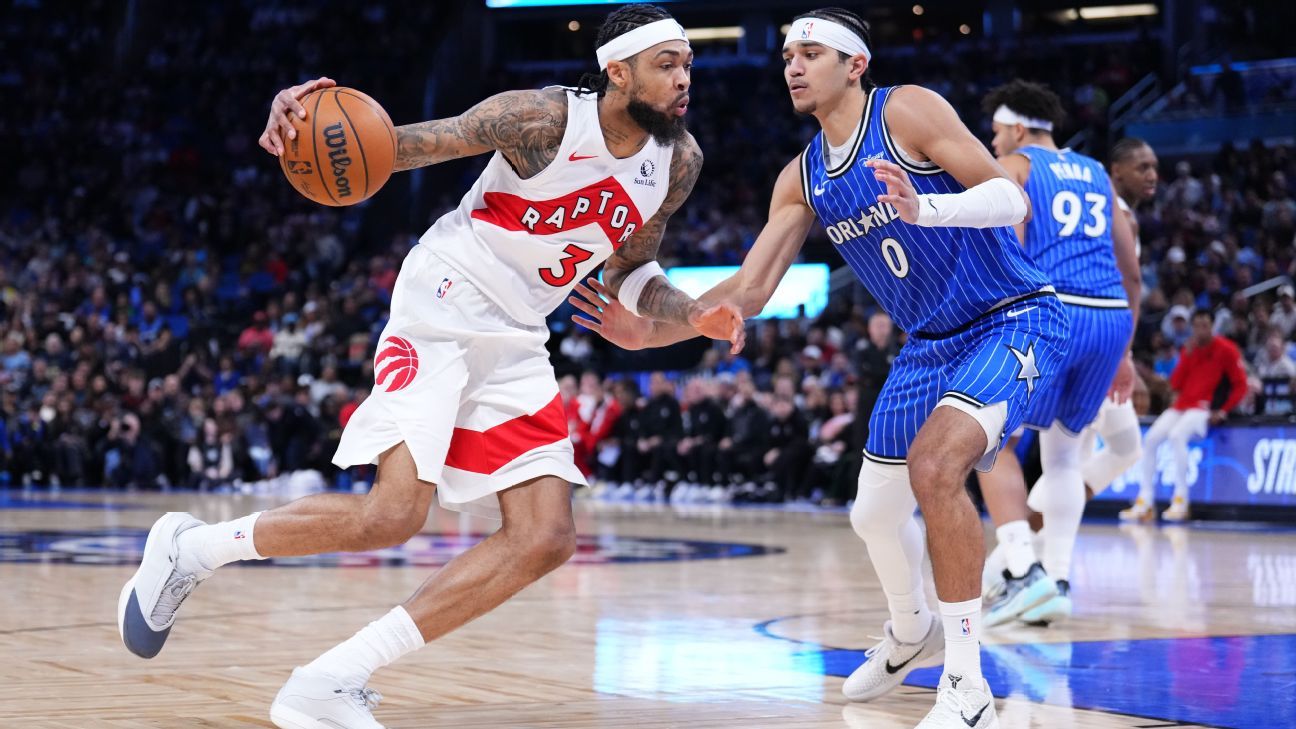
Brandon Ingram Steps Up as Curry’s Replacement for NBA All-Star Game

In a significant turn of events leading up to the NBA All-Star Game, Brandon Ingram of the Toronto Raptors has been tapped as a replacement for the injured Stephen Curry of the Golden State Warriors. Curry, a perennial All-Star and a crucial player for his team, has been sidelined due to an injury, leaving a notable gap in the roster. This decision was officially announced by the NBA, demonstrating Ingram’s rising star power and versatility on the court.

Ingram’s selection is a testament to his impressive season thus far, where he has averaged 22.5 points, 6.0 rebounds, and 5.4 assists per game. As a forward known for his scoring ability and playmaking skills, Ingram has consistently proven his worth to the Raptors, making him a fitting choice to take on the All-Star stage. The NBA community has rallied behind Ingram, with coaches and analysts alike praising his hard work and determination.

  • Team Impact: Ingram’s performance in the All-Star Game could bolster the Raptors’ national profile.
  • Player Development: Highlighting the importance of young talent in the league.
  • Leadership Role: Ingram has the opportunity to inspire fellow players on and off the court.

As NBA commentator Chris Webber remarked, “Ingram’s skills can create a positive impact, not only for the All-Star Game but also for the future of the Raptors.” His ability to score and facilitate could prove crucial against some of the best talents in the league. Fans are eager to see how Ingram navigates the pressure and excitement of playing alongside elite athletes.

The stage is set for an incredible showdown as the All-Star Game promises to be more than just a display of skill—it’s a celebration of resilience and team camaraderie. Ingram, standing in for one of the game’s giants, is a reminder that sports transcend mere competition. They unite fans and players, creating a shared experience that strengthens community bonds and ignites passion for the game. As the players take the court, the echoes of cheers from fans will serve as a potent reminder that no matter the score, the spirit of sportsmanship prevails.

Source link

Chris Minns backs police in tough spot amid viral video of officers’ clash with protesters

In recent days, Australia has become a focal point of international controversy surrounding civil liberties, security measures, and the geopolitical ripples emanating from conflicts in the Middle East. The protests in Sydney against the visit of Israel’s president, Isaac Herzog have sparked fierce debates about police conduct, the limits of public assembly, and the influence of domestic political decisions on international diplomacy. The police’s aggressive response, including pepper spray and physical assaults on protesters, has drawn condemnation from local figures and raised questions about the blurring line between maintaining order and infringing on rights.

At the core of the unrest are broader security measures enacted in response to the Bondi terror attack, which left 15 victims. NSW Premier Chris Minns justified the police’s actions, asserting they were operating under a “difficult situation” created by restrictions on protests — themselves a reaction to the threat of terrorism. This highlights how **counter-terrorism strategies** can justify heightened police powers, often at the expense of civil liberties. Such measures reflect a growing trend where governments, citing security concerns, impose restrictions that can escalate tensions and infringe upon the rights of dissenting citizens. As analysts warn, this approach risks eroding democratic norms and setting dangerous precedents for the use of force in peaceful protests.

International observers, including human rights groups and political analysts, recognize the geopolitical impact of these events. The confrontation in Australia echoes similar patterns seen elsewhere — where domestic security concerns are leveraged to justify aggressive law enforcement, often with the tacit approval or complicity of political leaders. Green MPs in NSW and independent voices have accused Minns of deliberately creating a “pressure cooker” environment, exacerbating tensions rather than diffusing them. This domestically charged climate not only affects how societies respond to dissent, but also influences international perceptions of Australia’s stance on human rights and civil liberties. As international organizations like Amnesty International increasingly scrutinize such police actions, the risk remains that domestic crackdowns could serve as a blueprint, emboldening similar tactics in other nations facing internal dissent or protests rooted in geopolitical conflicts.

Furthermore, the handling of pro-Palestine protests during Herzog’s visit signals a troubling intersection between local policies and broader geopolitical conflicts. The police’s forceful tactics, documented in multiple videos, have intensified international concerns about the escalation of police-state dynamics in nations ostensibly committed to democratic principles. Historians warn that such episodes, if repeated across different regions, can accelerate a global shift towards authoritarianism disguised as security. Meanwhile, global institutions and allied nations are watching closely, questioning whether Australia’s approach signifies a rare reaction or a dangerous trend that could ripple across other democracies. This unfolding clash exemplifies the ongoing tension between security and liberty — a debate that will define the global order for decades to come, as the narratives of resistance and repression become increasingly intertwined.

As history continues to unfold, the events in Sydney underscore the fragile balance between safeguarding a nation’s security and preserving its democratic fabric. The actions of law enforcement on the streets have reverberations far beyond their immediate borders, touching on fundamental questions of human rights, sovereignty, and the very essence of free societies. The world waits, holding its breath, as these stories—etched into the annals of history—serve as a stark reminder that the fight for liberty is ongoing, and the outcome remains uncertain. How nations choose to respond today will determine whether we move closer to an era of authoritarian control or a renewed commitment to the enduring values of freedom amidst the turbulent currents of history.

Social Media Auto Publish Powered By : XYZScripts.com