Matox News

Truth Over Trends, always!

Canadian Religious Symbol Ban Sparks Constitutional Clash Among Youth

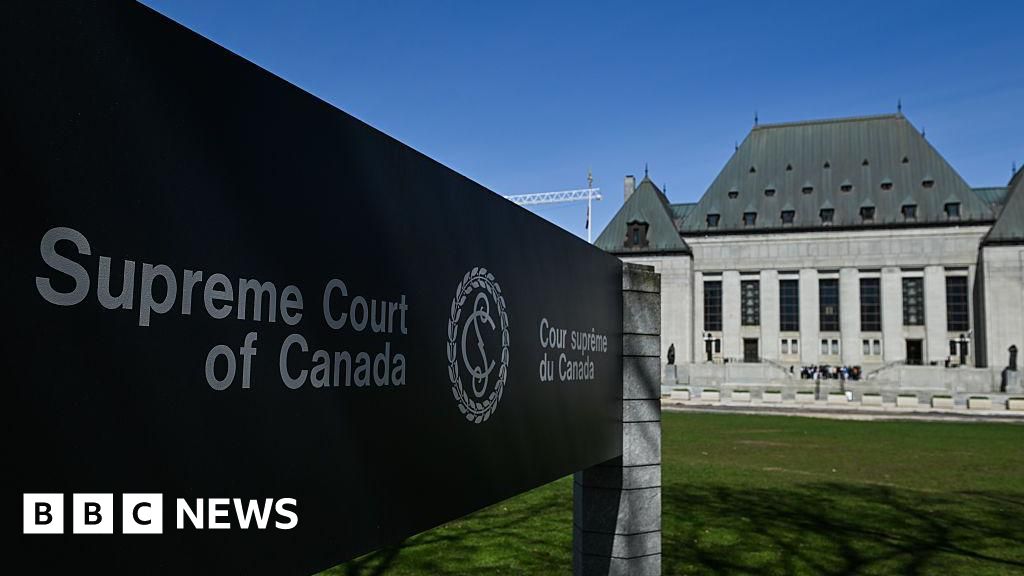
In a significant development within the ongoing struggle between secularism and religious freedom, Quebec’s provincial government has formally brought its controversial law regulating religious symbols to the Supreme Court of Canada. This move marks a pivotal moment in the constitutional debate over individual rights, provincial autonomy, and the limits of government authority in cultural and religious expression. The legislation, often dubbed as the “Religious Symbols Law,” mandates restrictions on public employees in positions of authority from wearing religious symbols, including hijabs, turban, and crosses, aiming to promote secularism within state institutions.

As the case advances to Canada’s highest judicial body, legal analysts and international observers acknowledge its profound geopolitical impact. The law is not merely a provincial matter but a flashpoint in broader debates that resonate across national borders—especially in nations facing similar conflicts over multiculturalism, identity, and religious expression. Opponents argue that the legislation infringes on fundamental freedoms guaranteed under the Canadian Charter of Rights and Freedoms, particularly the rights to religious expression and freedom of conscience. Supporters contend it is a necessary step to preserve the secular nature of Quebec and uphold societal cohesion amidst increasing diversity.

Prominent international organizations, such as the United Nations, have voiced warnings about potential human rights implications, while critics from various legal and civil society groups view the law as a manifestation of rising anti-immigrant and anti-minority sentiments. Historians like Dr. Emily Thompson suggest that the case echoes past cultural conflicts within Quebec, which has long grappled with its identity amid a mosaic of religious and cultural influences. The legal battle is also illustrative of the rising tide of nationalistic movements across the world, where governments assert sovereignty and cultural integrity in the face of global pressures. The Supreme Court’s ruling will not only determine the fate of this legislation but will also influence how governments across the globe navigate personal freedoms versus state secularism.

The decision at hand carries the weight of history, with every juridical word potentially shaping the societal fabric of Canada for generations. As the court prepares to deliver its verdict, the world watches—a stark reminder that the choices made today in courts and parliaments are often the ones that forge the enduring narratives of nations. Will this legal confrontation reinforce Quebec’s cultural sovereignty or trigger broader constitutional debates across entire liberal democracies? The outcome remains uncertain, but the message is clear: the fight over religion, identity, and state power is far from over, and history stands at a decisive crossroads.
First Look: Trump Claims US Doesn’t Need NATO After Strait of Hormuz Clash | US News

In a surprising turn of diplomatic discourse, President Donald Trump has publicly declared that the United States does not require the assistance of NATO amidst mounting tensions with Iran. His recent comments, delivered from the Oval Office, accused NATO members of making a “very foolish mistake” by refusing to mobilize warships to reopen the strategic Strait of Hormuz. This statement signals a potential shift in US foreign policy, one that emphasizes unilateralism over multilateral alliances, at a time when the geopolitical landscape around the Persian Gulf is erupting into chaos. Renegotiating America’s role in international security pacts such as NATO could significantly weaken the collective defense framework that has underpinned global stability for decades, leaving many analysts concerned about the ripple effects on European security and global order.

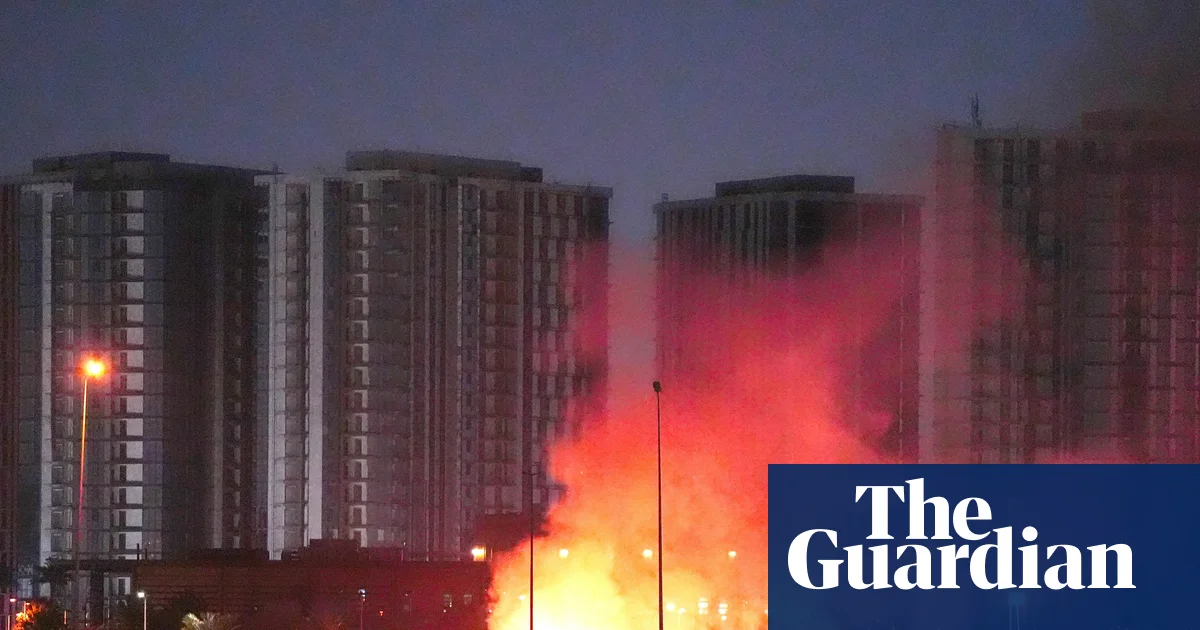
The unfolding crisis in the Middle East has revealed fractures not only among American allies but also within the US itself. Despite Trump’s aggressive rhetoric, some of America’s closest allies have questioned the legitimacy and consistency of his rationale for engagement in the Iran conflict. Internal dissent is mounting, as exemplified by the resignation of Joe Kent, the director of the US national counter-terrorism center, who publicly stated that Iran currently poses no imminent threat to the US. Furthermore, the world’s largest aircraft carrier, the USS Gerald R Ford, has been at sea for nearly nine months and recently suffered fire damage — a sign of morale issues and logistical strains within the US military. Such internal crises threaten to undermine America’s military posture in an already volatile region, where Iran’s military leadership has vowed harsh retaliation for recent strikes on Israeli and Iranian targets. The escalation underscores the fragility of US influence and the potential for regional chaos to spiral into a broader confrontation.

This tumult underscores a common theme highlighted by international security analysts: as the US shifts its stance, the consequences on global stability are profound. Nations across Europe and Asia are watching closely, aware that US-centric policies can cascade into unpredictable outcomes. The ongoing conflict, now entering its third week with over 2,000 lives lost, portends a potential regional war that could draw in neighboring countries and destabilize entire ecosystems of international diplomacy. Meanwhile, the United Nations and respected historians warn that a vacuüm of US leadership might embolden non-state actors — including terrorist networks and rogue militias — to seize opportunities presented by the chaos. This escalating crisis vividly illustrates how decisions made at the top resonate through societies, affecting countless lives, economies, and future generations.

In a related twist reflecting shifts in domestic politics, Juliana Stratton, the Illinois lieutenant governor, has secured her party’s nomination for the US Senate, signaling a broader debate over America’s internal priorities. Her victory over moderate rivals, propelled by key endorsements and recent changes in Chicago’s political climate, symbolizes the growing visibility of progressive voices and a shift in the American political landscape. Yet, in the backdrop, reports from the United Nations reveal a grim reality: millions of children across Sub-Saharan Africa and South Asia are dying from preventable conditions, largely due to aid cuts and inadequate healthcare. As these tragedies unfold, a stark reminder remains — geopolitical shifts and internal reforms are only meaningful if they translate into tangible improvements for the world’s most vulnerable populations. The weight of history presses down with an inevitable question: how much longer can the world afford neglect amidst chaos?

History is watching, and history is still being written. As nations grapple with uncertainty, the decisions today — whether in the corridors of power or the streets of Tehran and Chicago — serve as the keystones of a future yet to be crafted. Will the cracks in alliances deepen into fissures that fracture the global order? Or will strategic wisdom forge a path through the turmoil, leading to a new era of resilience? The unfolding story remains uncertain, but one thing is clear: the weight of consequence rests heavily on the shoulders of those who make the choices now. Their actions, or inactions, will echo through generations — a testament to the enduring, often turbulent, march of history.

UK’s university fee clash signals Brexit reset isn’t smooth sailing yet

London’s Quest for Reconciliation: Britain Pushes Toward Closer Ties with Brussels

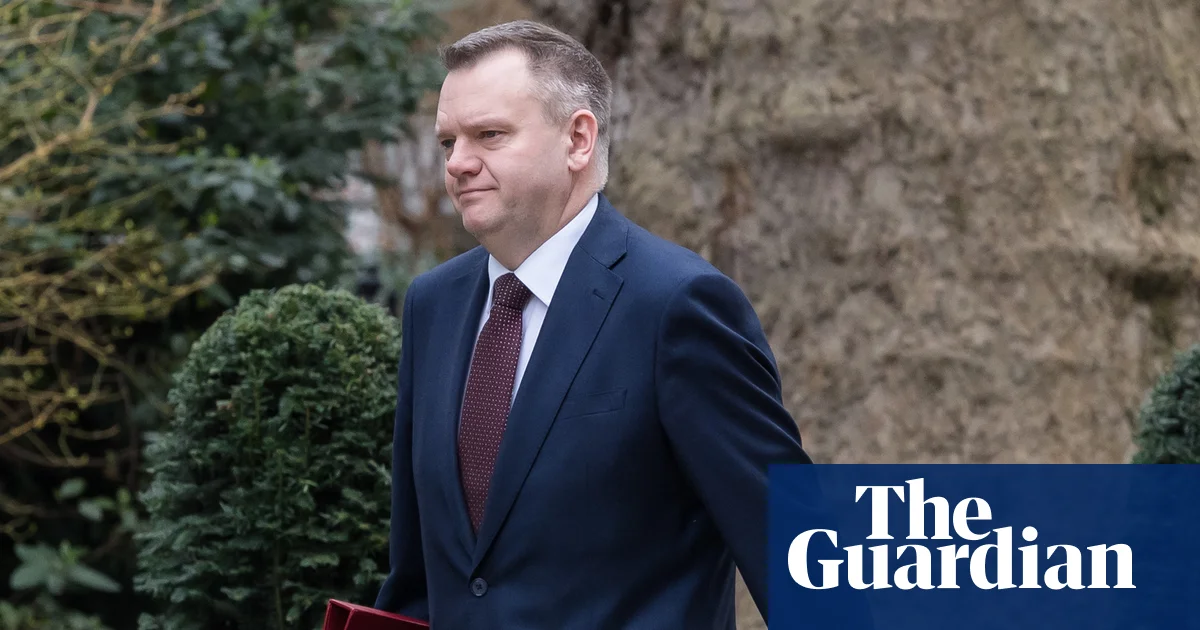
As London embarks on what it terms a “Brexit reset” week, it is clear that the U.K. government strives to redefine its post-Brexit relationship with Brussels. The diplomatic efforts, led by figures such as Nick Thomas-Symonds, articulate a desire for rapprochement, emphasizing a potential renewal of cooperation on trade, food, agriculture, and climate policies. These initiatives come amid a backdrop of strained negotiations, with analysts pointing to the delicate balance of trust and pragmatism that underpins the renewed dialogue. The U.K. seeks to cultivate a narrative of openness, yet the recent disputes over university fees and financial commitments reveal persistent fragility in this fragile renegotiation.

This week’s diplomatic calendar underscores the stakes involved: ministers are engaging in high-level talks with Maroš Šefčovič and Ursula von der Leyen, aiming to resolve core issues that threaten to derail the reset. Central to these negotiations is the contentious matter of university tuition fees for EU students. Brussels insists on full fee reduction for *all* EU students studying in the UK, a move that would impose an estimated £140m financial burden on British universities. While proponents within the academic sector argue that such reforms would enhance merit-based admissions and regional development, the UK government and universities see this as an insurmountable obstacle, branding the proposal a “non-starter”. The dispute exemplifies the broader geopolitical tension: Brussels is disentangling itself from London’s post-Brexit pragmatism, demanding concessions that challenge UK sovereignty and financial interests, thus testing the resilience of the diplomatic reset.

International Tensions and the Future of UKEU Relations

Analysts like those from UK in a Changing Europe observe that the standoff over university fees reveals not only the EU’s negotiating stance but also the underlying frailty of the entire reset. The broader implications extend beyond education, touching on crucial agreements related to food and agriculture and emissions trading. The UK’s hope to secure comprehensive agreements is now hostage to this dispute, which could see Brussels leverage its political influence to hold the broader negotiations hostage. An insider suggests that negotiations are typical of the final stages of major diplomatic deals—a sort of “act of God” that often determines outcomes through last-minute compromises.

Despite the tensions, some participants remain optimistic about possible resolutions, citing improved relationships and trust between negotiators on both sides. The presence of seasoned diplomats such as Thomas-Symonds and Šefčovič has created a more conducive environment for compromise, with the UK contemplating large concessions in exchange for tangible benefits. Yet, the question remains whether this diplomatic dance can translate into lasting policy change or will ultimately succumb to the hard realities of national sovereignty and financial pragmatism. As the world watches, the fate of Britain’s post-Brexit recalibration hinges on these delicate negotiations—an intricate chess game where the smallest misstep risks unraveling years of diplomatic effort.

In this unfolding chapter of history, the importance of these negotiations cannot be overstated: they symbolize a crossroads in international diplomacy, where national interests collide with the imperative to redefine alliances. The choices made in the coming days will echo through generations, shaping the geopolitical landscape much beyond Europe. As history continues to write itself, the weight of unresolved disputes and emerging opportunities hang heavily in the balance—reminding the world that every agreement, every conflict, and every compromise carries the potential to carve new paths or leave nations hollowed by disillusionment.

Rising Stars Shine as Local Teams Clash in Thrilling Championship Showdown

The Price of Glory: Kyle Teel’s Injury Puts Pressure on the White Sox

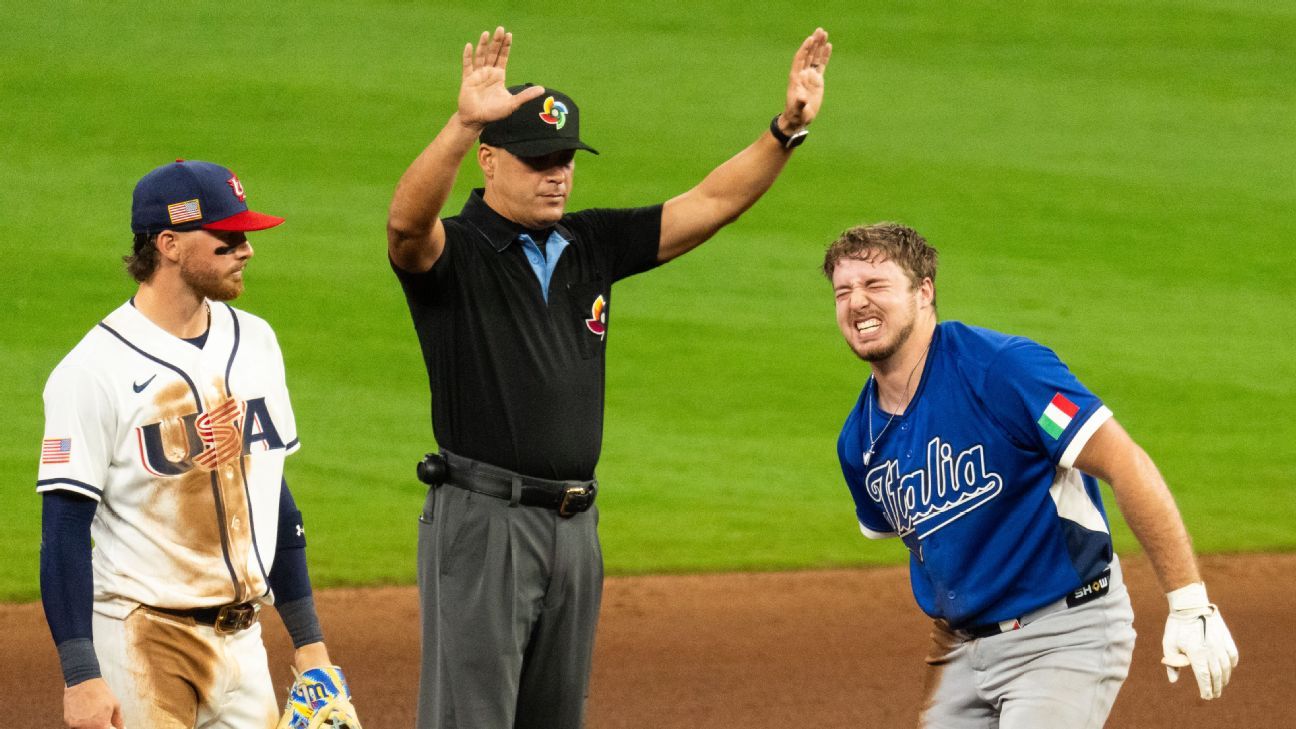
In a stunning turn of events during the World Baseball Classic, Kyle Teel, catcher for the Chicago White Sox, suffered a right hamstring strain that is expected to sideline him for 4-6 weeks. This injury occurred while Teel was playing for Italy in their thrilling victory against Team USA, a match that concluded with Italy triumphing 6-5 in a nail-biting finish.

The hamstring injury not only affects Teel’s participation in the classic but also raises concerns for the White Sox as they prepare for the upcoming MLB season. In his absence, the team will need to turn to their depth chart and potentially rely on backup catchers as they navigate crucial games early in the season. “We’re going to have to adapt,” stated White Sox Manager Pedro Grifol. With a solid batting average from Teel last season, his absence will be felt deeply both in the dugout and on the field.

As the White Sox look to recover from this news, several key players will need to step up. The catching position could see increased responsibility placed on younger, less experienced players. One player to watch is Sebastian Rivero, who has impressed during training camp. An analysis from sports commentators reflects that cohesiveness among the players will be essential, particularly as adjustments are made. Fans are encouraged to monitor the team’s performance closely as the season progresses.

  • Kyle Teel’s batting average from last season: .265
  • Italy’s historic win over Team USA in the World Baseball Classic
  • Upcoming challenges for the White Sox in early MLB games

This moment, while difficult, highlights the unpredictable nature of sports. Teel’s injury is a reminder of the physical toll athletes endure for their countries and teams. As fans rally behind their players, it serves as a crucial reminder that while scores may define the game, it is the spirit of competition and unity that truly encapsulates the essence of sports. In the end, it’s not just about the players on the field; it’s about the communities and dreams they represent, weaving together a narrative that transcends the scoreboard and unites us all.

Source link

War sparks clash over UK bases in Cyprus—youth voice concerns

The recent drone strike targeting the RAF Akrotiri airbase on the island of Cyprus has reignited longstanding debates over foreign military presence and sovereignty in the Eastern Mediterranean. Cypriot protesters have rallied under the banner “British Bases Out”, symbolizing a growing national movement demanding the removal of British military installations from the island. This incident not only underscores persistent regional security challenges but also exemplifies the broader geopolitical tension that continues to define this strategically vital zone.

The attack on RAF Akrotiri, a key British military outpost established during colonial times, rapidly drew international attention. Analysts and security experts have pointed out that while the drone strike was reportedly carried out by unknown actors, it highlights the vulnerabilities of foreign military bases situated in geopolitically contentious areas. Historically, Cyprus has been a focal point of regional rivalry among Greece, Turkey, and broader NATO interests. The island’s divided status—split between the Greek Cypriot south and Turkish-occupied north—has compounded these tensions, positioning Akrotiri as both a strategic asset and potential liability in the ongoing power struggles.

Global institutions such as NATO and the United Nations have expressed concern, with some calling for de-escalation and diplomatic negotiations. However, critics argue these calls are insufficient given the shifting strategies of regional and global powers. Historians like David Fromkin and Michael Cox have long emphasized that colonial-era military bases often act as flashpoints, symbolizing unresolved conflicts inherited from the past. The drone attack underscores how such remnants of the colonial era can become focal points in contemporary conflicts, affecting the lives of ordinary Cypriots and the regional balance of power alike. As the situation evolves, many see this as a stern warning that old security arrangements might no longer suffice in an era of rapid technological change and asymmetrical warfare.

  • Demonstrators in Cyprus are calling for the withdrawal of British military presence, citing sovereignty concerns and the risk of becoming a target in regional conflicts.
  • The incident has prompted renewed debates within NATO about the presence of non-member military bases in volatile zones.
  • Regional leaders, including the Turkish and Greek governments, continue to jostle over influence and security guarantees in the area.
  • International organizations warn that destabilization could spill over, threatening broader Mediterranean stability.

The geopolitical impact extends far beyond Cyprus itself. As analysts observe, Britain’s military footprint in the Mediterranean acts as a critical hinge in NATO’s strategic calculations. The growing calls for the closure or relocation of British bases in Cyprus reflect wider American and European concerns over militarized zones that are increasingly viewed as points of vulnerability rather than power projection. From the perspective of many young nationalist movements, the symbols of colonial legacy must be dismantled to forge a future rooted in sovereignty and regional stability. Yet, powerful international interests remain entrenched, complicating efforts to chart a clear path forward.

As the dust settles from this recent clash, the question lingers: will the winds of change finally sweep away the old colonial architecture of security, or will entrenched interests and geopolitical realities prolong this era of tension? History now watches—and waits—as this small but significant island continues to serve as a crucible for the struggles between past legacies and future aspirations. The unfolding story in Cyprus stands as a stark reminder that the true weight of history often rests in the choices of today, shaping the destiny of many nations yet to be written.

Minns calls pro-Palestine protest organizers 'communists' aiming for clash with police, NSW budget estimates
Minns calls pro-Palestine protest organizers ‘communists’ aiming for clash with police, NSW budget estimates

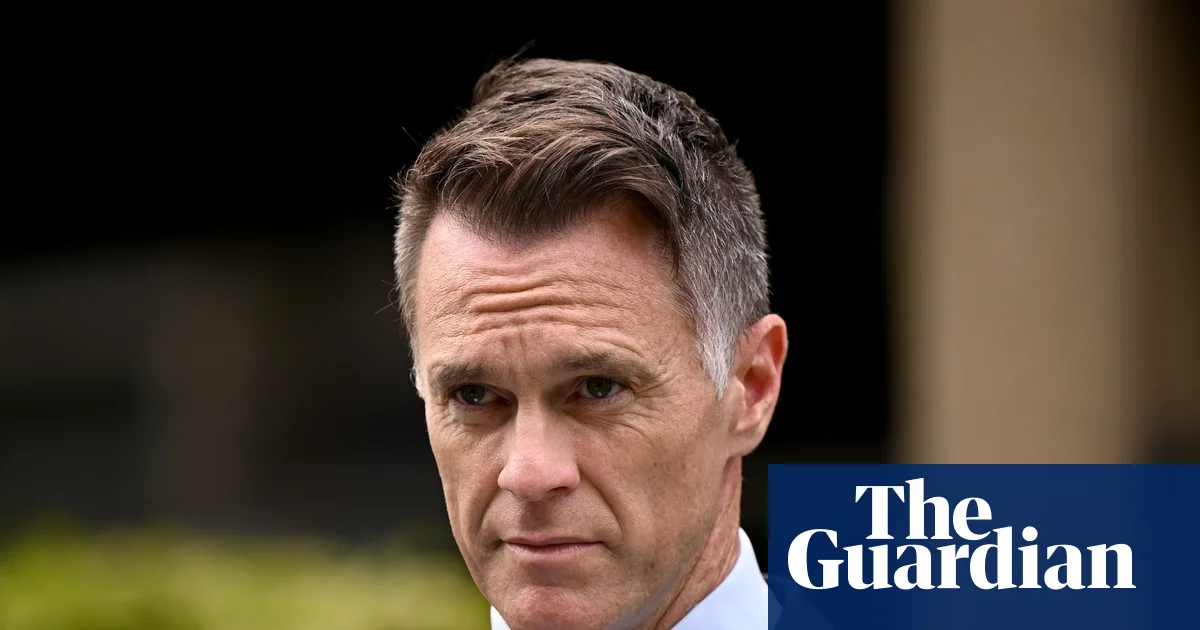
In a striking turn of events that underscores the volatile landscape of international activism and internal political fractures, Australia’s New South Wales government finds itself at the center of a contentious debate over the peaceable assembly and the engagement with pro-Palestine advocates. Premier Chris Minns has publicly dismissed protest organisers as “a pack of communists,” fueling accusations of politicising the situation and risking the social cohesion of the deeply divided society. This inflammatory rhetoric follows violent clashes during a recent rally against the Israeli president’s visit, where police responses have come under scrutiny amid allegations of police brutality.

These confrontations threaten to escalate into a broader international rift, as global analysts draw attention to the implications. The protests, which saw four Labor backbenchers attending a speech by Israeli President Isaac Herzog in Sydney, have rippled beyond local politics. While some political figures like Stephen Lawrence MLC defend protesters, viewing their actions as a stand for Palestinian rights, critics argue that the protests are being manipulated by radical elements, including socialists and communists affiliated with groups like the Palestine Action Group (PAG). Historians warn that such alliances have historically been vectors for “big social movements,” but in this context, they threaten to undermine Australia’s national stability and complicate diplomatic relations in a tense Middle East geopolitical environment.

The debate extends far beyond the streets to focus on the broader geopolitical impact. Australia’s internal divisions mirror the polarisation seen across Western nations, where support for Israel or Palestine increasingly aligns with domestic ideological battles. The Australian government’s approach, characterized by resistance to criticism and suppression of dissent, echoes patterns observed in other democracies experiencing internal stress, risking the alienation of communities and weakening social fabric. Analysts warn that such internal strife could diminish Australia’s standing on the global stage, especially as international organizations like the United Nations emphasize human rights and moderation.

Meanwhile, the situation remains precarious as the NSW police maintain that their actions were justified, citing attempts by protesters to march on Parliament against restrictions declared in response to recent acts of violence and unrest. The ongoing constitutional challenge to new protest laws and the controversial “major events” powers further complicate the legal landscape, pointing to a potential breach of civil liberties. The tension reaches into Australia’s multicultural communities, with Muslim groups voicing concerns over police actions during recent vigils mourning Iran’s late Supreme Leader, Ayatollah Khamenei. These incidents serve as a stark reminder that the political toll extends to societal divisions along religious and cultural lines, with the risk that internal discord could morph into a broader geopolitical vulnerability.

As history continues to unfold, the echoes of this clash in Australia serve as a warning: when states suppress dissent and dismiss grassroots movements as mere radical influence, they risk sacrificing social cohesion and inviting external powers to exploit divisions. The international community watches with bated breath as the narrative of support, protests, and legal battles develops — leaving behind a legacy that could reshape the political landscape for years to come. In this unfolding drama, the weight of history presses heavily, reminding observers that the moment may be fleeting, but the consequences are profound and lasting.

Exciting Showdown: Local High School Teams Gear Up for Championship Clash!

Race for Goals: Kane and Mbappé Chase Greatness

As the European football scene heats up, the spotlight shifts to two of the game’s most prolific scorers: Harry Kane and Kylian Mbappé. Currently, Kane is not only holding his own at the forefront of the Premier League but is also chasing the legendary Robert Lewandowski’s remarkable Bundesliga goal tally. Meanwhile, Mbappé is in pursuit of history in the UEFA Champions League, aiming to etch his name further into the annals of football greatness.

With each match, Kane has continued to solidify his reputation as one of the most lethal strikers in the game. As of now, he is just a stone’s throw from breaking Lewandowski’s record. Scoring a hat-trick against Brentford last week showcased his relentless pursuit of netting goals. “Every striker dreams of being compared to Lewandowski,” Kane stated in a recent interview. “It’s all about hard work and determination—something I strive for every day.” His current tally in the league is impressive, with 15 goals this season alone, demonstrating his ability to perform under pressure.

On the other side of the pitch, Mbappé is now focusing his efforts on the elite stage of European football. He is close to breaking records previously held by Cristiano Ronaldo and Lionel Messi in the Champions League. With several crucial assists and goals under his belt, his critical strike against Manchester City last week was not just a victory for his team but a statement of his relentless ambition. Renowned commentator Martin Tyler emphasizes, “When it comes to this young Frenchman, you can’t help but believe that he will rewrite the history books.”

  • Kane: 15 goals this season in the Premier League.
  • Mbappé: Several key assists, and pivotal performances in the Champions League.
  • Both players are not just chasing records; they’re setting the stage for the next generation.

As the season unfolds, the excitement surrounding these two athletes illustrates the profound impact of sports in our lives. Football transcends the scoreboard, uniting fans from diverse backgrounds and beliefs under one common banner. With each match, topics of rivalry and legacy are crafted not just on the pitch, but also in the hearts of millions. The chase for greatness continues, but more importantly, it reminds us all of the beautiful game that unites us every time the whistle is blown.

Source link

Watch South Africa vs. New Zealand 2026 T20 Clash Live — Stream for Free and Catch the Action!

In an era where digital connectivity reigns supreme, the way young audiences consume sports is undergoing a profound transformation that extends beyond traditional broadcasters. The recent surge in free live-streaming options for major tournaments like the T20 Cricket World Cup 2026 exemplifies this shift, emphasizing a broader cultural movement towards accessibility and immediacy. For fans across the globe, watching the intense rivalry between South Africa and New Zealand has become less about cable subscriptions and more about tapping into innovative digital platforms. Platforms such as ICC.TV now enable viewers to catch high-stakes cricket matches from anywhere—free of charge—challenging the traditional gatekeeping of sports media.

This democratization of sports content feeds directly into the emerging cultural impact of digital access—especially among youth, who are often more tech-savvy and skeptical of mainstream outlets. Influencers and social analysts observe that this trend fuels a sense of ownership and participation among younger fans. No longer do they rely solely on traditional broadcasters; instead, they leverage VPNs and streaming hacks to bypass geo-restrictions, turning what once was a privilege into a global right. As cryptic but powerful as it sounds, this behavior signifies a deeper societal shift—young viewers demanding the same ease of access to international sports as they do with their favorite music or social platforms. This is reshaping the social relevance of cricket, transforming it into a truly global phenomenon rooted in digital territory.

Moreover, the influence of young influencers and sociologists underscores that this isn’t merely about convenience but about a cultural movement that redefines how global sports communities engage. These digital fans are not just passive spectators; they are active participants who forge virtual communities around their passion. The trend of free streaming is also catalyzing a new audience demographic, typically younger, more diverse, and more engaged in social media discourse. They are transforming the fan experience from passive viewing into an interactive, community-driven event, which carries significant social relevance. This reframing of sports as communal digital experiences indicates a vital shift—a move away from old hierarchies of media power toward a decentralized, accessible, and highly connected culture.

What remains to be seen, however, is how this torrent of access will evolve. As the next big question, we should wonder: Will this increasing accessibility democratize sports fandom further or threaten traditional broadcasting models altogether? The answer might define the future of not just cricket, but all major sporting events, as the lines between producer and consumer blur. In this new landscape, the real question is whether sports organizations will adapt to this empowered digital audience or cling to old media infrastructures that may no longer serve a growing, globally connected youth. As the digital revolution accelerates, one thing is clear—how we watch sports today is just the tip of the iceberg. The next chapter depends on whether the industry can harness this new culture of access or risk becoming obsolete in a world where the rules are being rewritten around us.

Rising Stars Shine in Thrilling Championship Clash: Youth Athletes Make Waves!

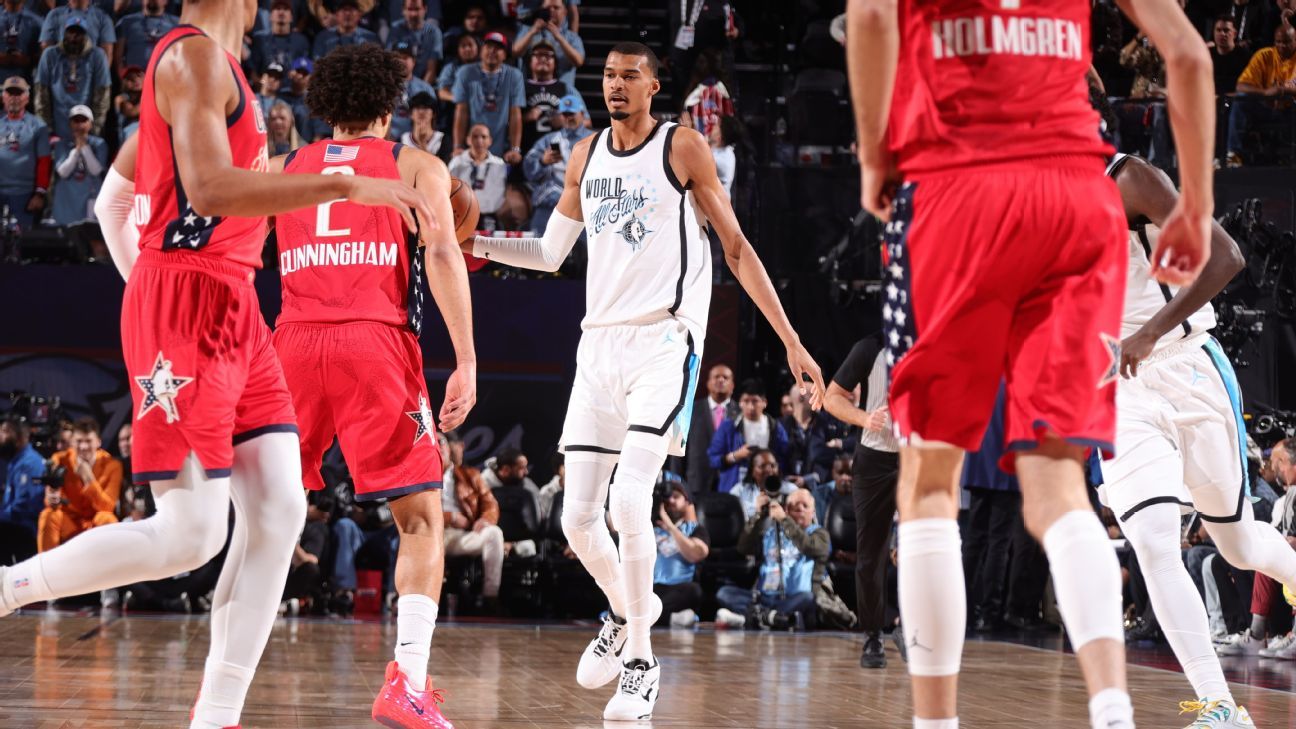
NBA All-Star Weekend Highlights—A Unifying Force

NBA All-Star Weekend proved to be a spectacular showcase of talent, charisma, and community in Los Angeles. The event brought together the most elite athletes, celebrities, and fans, celebrating not just basketball but the culture surrounding it. The weekend featured memorable performances both on and off the court, culminating in an unforgettable display of athleticism and unity.

Unforgettable Performances

In the highly anticipated All-Star Game, players from both conferences showcased their extraordinary skills, but it was LeBron James who led the charge for the Team LeBron. With a jaw-dropping 45 points and 10 rebounds, LeBron proved yet again why he is considered one of the greatest. As he noted post-game, “This isn’t just a game; it’s about the love for basketball and our fans.”

  • Team LeBron triumphed over Team Durant with a final score of 175-164.
  • Stephen Curry dazzled with 9 three-pointers, highlighting his sharpshooting prowess.
  • Giannis Antetokounmpo added 30 points, emphasizing the depth of talent in this year’s lineup.

Beyond the Game

Alongside the thrilling match, the weekend wasn’t short on entertainment and social responsibility. The All-Star Celebrity Game featured stars from various genres, bringing energy and laughter, while raising awareness for local Los Angeles charities. Additionally, renowned commentators like Shaquille O’Neal and Kenny Smith kept audiences engaged with their insightful analysis and playful banter.

As the dust settles from another exhilarating All-Star Weekend, it is evident that sports continue to serve as a vital connector of communities. The unity displayed, whether in the packed arena or through passionate fans watching from home, transcends the mere score. Each slam dunk and three-pointer reminds us that basketball is more than just a sport; it is a celebration of culture, perseverance, and camaraderie that binds us all. As fans, we look forward to the next thrilling chapter while holding dear the moments that make these events extraordinary.

Source link

Trump and Maryland Governor clash over Potomac sewage spill fallout

Controversy Erupts Over Potomac River Sewage Spill Amidst U.S. Political Clashes

In a dramatic episode underscoring the growing tensions within United States domestic politics, a massive sewage spill into the Potomac River has become a focal point of blame and division. The spill, which began after the collapse of a 1960s-era pipeline operated by DC Water, has released over 200 million gallons of untreated sewage into one of America’s most iconic waterways. With emergency repairs underway, the incident has exposed not only environmental vulnerabilities but also the deepening partisan rift, as high-profile figures like Donald Trump and Wes Moore spar over accountability.

  • The failure of the Potomac Interceptor pipeline on January 19 has caused ongoing ecological threats, prompting health warnings for the region and raising concerns about the resilience of U.S. infrastructure.
  • President Trump quickly seized the moment to assign blame to Maryland officials, accusing Moore of “gross mismanagement” via his social media platform, Truth Social, and claiming that local authorities were incapable of handling such a crisis.
  • Moore, for his part, countered sharply, asserting that federal authorities—specifically the Environmental Protection Agency (EPA)—are ultimately responsible for infrastructure oversight, emphasizing a division of jurisdiction that remains murky amid the ongoing crisis.

Geopolitical Impact: State-Federal Power Struggles and Infrastructure Governance

This dispute is emblematic of broader geopolitical and governance issues shaping America, revealing how infrastructural failures can serve as battlegrounds for competing visions of authority. Historians note that conflicts over jurisdiction, particularly during crises, often reflect underlying tensions between state sovereignty and federal oversight. International organizations, like the International Water Association, warn that aging infrastructure and inconsistent regulation exacerbate environmental dangers, inviting criticism of federal agencies that have been underfunded for years. As analysts from the Council on Foreign Relations observe, America’s ability to project stability internally directly influences its global standing, especially when left vulnerable to crises that threaten public health and ecological stability.

Global Context: Parallels in Infrastructure Failures and Political Strife

The Potomac incident echoes crises elsewhere—be it the titanic failure of Ukraine’s energy grid during conflict or climate-induced floods in Southeast Asia—highlighting how infrastructure and politics are intertwined on the world stage. International commentators warn that domestic mismanagement can undermine a nation’s international credibility, especially when environmental disasters spiral into political confrontations. The Biden administration’s decision to activate the Federal Emergency Management Agency (FEMA)—despite its recent funding deadlock—signals a recognition that crises cannot be contained by local governance alone. Yet, it underscores how internal partisan struggles hinder swift, decisive action, leaving nations vulnerable to escalating upheavals that will undoubtedly be recorded in history’s annals.

Looking Ahead: The Weight of Unfolding History

As the Potomac River continues to flow with the environmental scars of neglect and political discord, the world watches. The coming weeks will determine whether the region’s leadership can muster the cohesion and resolve needed to confront the crisis or whether internal divisions will deepen, allowing damage to compound. The story unfolding is more than a regional incident; it reflects the fragile fabric of a nation at a crossroads. Behind the headlines lies the stark truth—history is not standing still. It is being written through each policy decision, each political battle, and each environmental catastrophe, testing the resilience of a society that once prided itself on strength and unity, now facing the shadow of its own uncertainty.”

Social Media Auto Publish Powered By : XYZScripts.com