Matox News

Truth Over Trends, always!

Clash Over Its Future Makeover Escalates

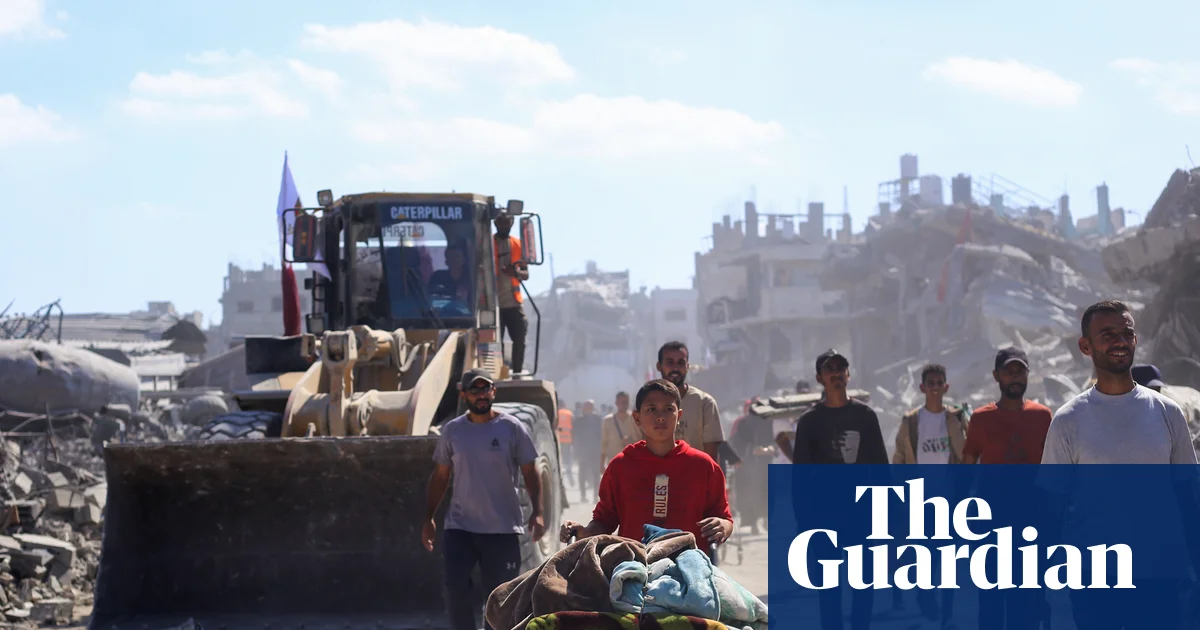
In the turbulent aftermath of recent conflicts, Gaza stands at a pivotal crossroads, caught between devastation and the fragile hope of recovery. The ongoing situation, marked by massive destruction and a humanitarian crisis of staggering proportions, underscores the geopolitical significance of the region. With estimates from the UN projecting damages at over £53 billion ($70 billion) and nearly 300,000 homes destroyed, the challenge of rebuilding is daunting. Despite international efforts and ceasefire agreements, the long-term stability of Gaza remains uncertain, overshadowed by regional tensions. Analysts warn that without a cohesive vision rooted in Palestinian-led development, external schemes risk worsening the chaos rather than restoring order.

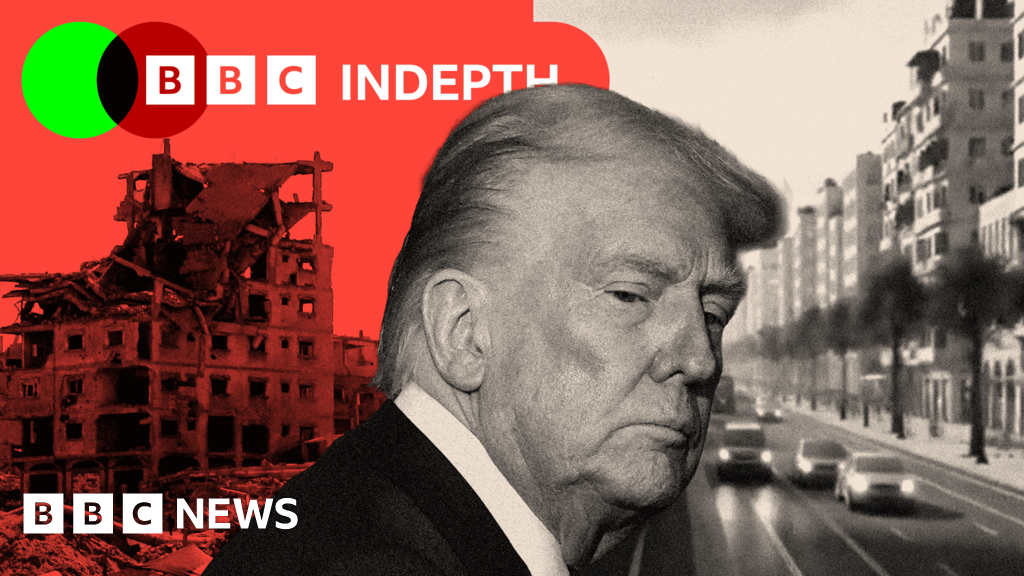
Throughout history, Gaza has been a flashpoint of conflict, with international actors vying for influence amidst a web of regional interests. Recently, bold ideas such as the so-called “Gaza Riviera”—a Dubai-inspired luxury waterfront—surfaced amid soaring rhetoric from former US President Donald Trump, who proposed a 20-point ceasefire plan, including a regional peace board and economic revitalization. Trump’s vision, adorned with AI-generated images of luxury and modernity, aimed to transform Gaza into a tourist and financial hub, projecting an image of prosperity that many Palestinians regard as disconnected from their reality. Critics, including regional historians and think tanks like RAND, caution that such “disaster capitalism” schemes attempt to impose Western fantasies without regard for Gaza’s heritage and social fabric. For many Gazans, these high-profile proposals symbolize a disconnect from their daily struggles and a reminder of external powers’ tendency to craft plans with little local input.

From flashy visions to grassroots resilience

In stark contrast to these grandiose visions, Yahya al-Sarraj, Gaza’s Hamas-appointed mayor, articulates a narrative of local resilience and dignity. His “Phoenix of Gaza” plan exemplifies a bottom-up approach, emphasizing the protection of existing infrastructure and social fabric. The vision, developed by thousands of Palestinian experts, seeks to rebuild Gaza from within, respecting its heritage and the communal spirit that has sustained it through decades of hardship. This approach underscores the importance of Palestinian ownership and cautions against reliance on foreign-imposed projects that often overlook the complex social realities. Yet, political fragmentation and regional obstacles—particularly Israeli opposition and the absence of unified Palestinian governance—remain substantial barriers to tangible progress. While the international community debates visions of futuristic cities and economic zones, ordinary Gazans like Abu Iyad Hamdouna continue to grapple with survival—making tents, salvaging rubble, and awaiting the day they can rebuild their lives in the community they cherish.

Furthermore, the regional geopolitics complicate efforts, with Israel and the Palestinian Authority locked in a delicate power struggle. Israel’s stance on reconstruction remains guarded, emphasizing control over territory and security, while the Palestinian Authority advocates for a unified vision of recovery that preserves Gaza’s cultural identity—especially the refugee communities that constitute the heart of Palestinian history. Experts like Shelly Culbertson argue against erasing Gaza’s millennia-old heritage in pursuit of utopian visions promising progress. The unyielding regional hostilities and external interference threaten to turn Gaza into a pawn rather than a community rising from the ashes. As the slow, painstaking process of rebuilding unfolds—a task expected to span decades—the stories of displacement, loss, and resilience continue to define the human cost of geopolitics.

In the silent shadows of destruction, the weight of history presses heavily: Who will shape Gaza’s future? Will it be external visions of luxury and technological utopias, or the Palestinian people’s own blueprint rooted in heritage and community? As the international stage watches and regional powers maneuver, the answer remains shrouded in uncertainty. The struggle to determine Gaza’s destiny is a microcosm of the broader geopolitics that will undoubtedly ripple across the Middle East and beyond. The story of Gaza—a land scarred by war yet resilient in spirit—is still being written. In the quiet aftermath of bombs and broken lives, a new chapter begins, one where the choices made today could echo through generations, forging peace or unlocking an endless cycle of conflict. What remains undeniable is that history’s ink is still drying, and Gaza’s future is the next great act in a theatre that stretches across decades—an enduring testament to the complexity of hope, power, and the human spirit amidst chaos.

Thrilling Showdown: Local Stars Shine in Championship Clash!

Rebels Charge Toward Playoff Glory with Dominant Win in Norman

In a thrilling showdown that captivated college football fans nationwide, the Rebels enhanced their College Football Playoff aspirations with a decisive victory over the Sooners in Norman, Oklahoma. This pivotal game not only showcased the Rebels’ prowess but also illustrated their determination to make a lasting impact in the postseason landscape. With the final score reflecting their dominance, the Rebels leave Norman with an invaluable win that will echo throughout the football community.

The Rebels exhibited an impressive display of teamwork and strategy, effectively countering the Sooners’ offensive plays and capitalizing on key turnovers. As the game progressed, it was clear that the Rebels were a force to be reckoned with. In the second quarter, a critical interception set the stage for a game-altering touchdown, underscoring the importance of defensive plays in the outcome. Head Coach Thomas Marshall, visibly pleased with his team’s performance, stated, “This win is a testament to our players’ hard work and commitment. We are focused on our goals and will continue to push forward.”

Highlighting the Rebels’ performance, several players stood out, making significant contributions on both sides of the ball. The rushing attack was bolstered by James Tate, who recorded a staggering 150 yards and two touchdowns, while the defensive unit collectively tallied three sacks and two key interceptions. Commentator Michael Jones remarked, “The Rebels’ defense was tenacious, and they dictated the pace of the game, showing they are serious contenders for the playoff spots.”

  • Rebels score 35 points to the Sooners’ 21.
  • James Tate achieves 150 rushing yards and 2 TDs.
  • Defense records 3 sacks and 2 interceptions, pivotal in sealing the win.

As the season progresses, the Rebels not only bolster their playoff hopes but symbolize the sheer passion and unity that sports inspire. In moments like these, victories transcend the final score, weaving the narrative of hope, perseverance, and collective triumph. As the fans cheered and the sun set over Norman, one thing became clear: in the realm of college football, every game is a chapter in a story much larger than itself, uniting rivals and fans alike under the excitement of the sport.

Source link

US-Canada clash over Reagan-era tariff attack as trade talks stall — Trump administration step in

Geopolitical Turmoil: Canada’s Trade Rift with the US Sparks International Reckoning

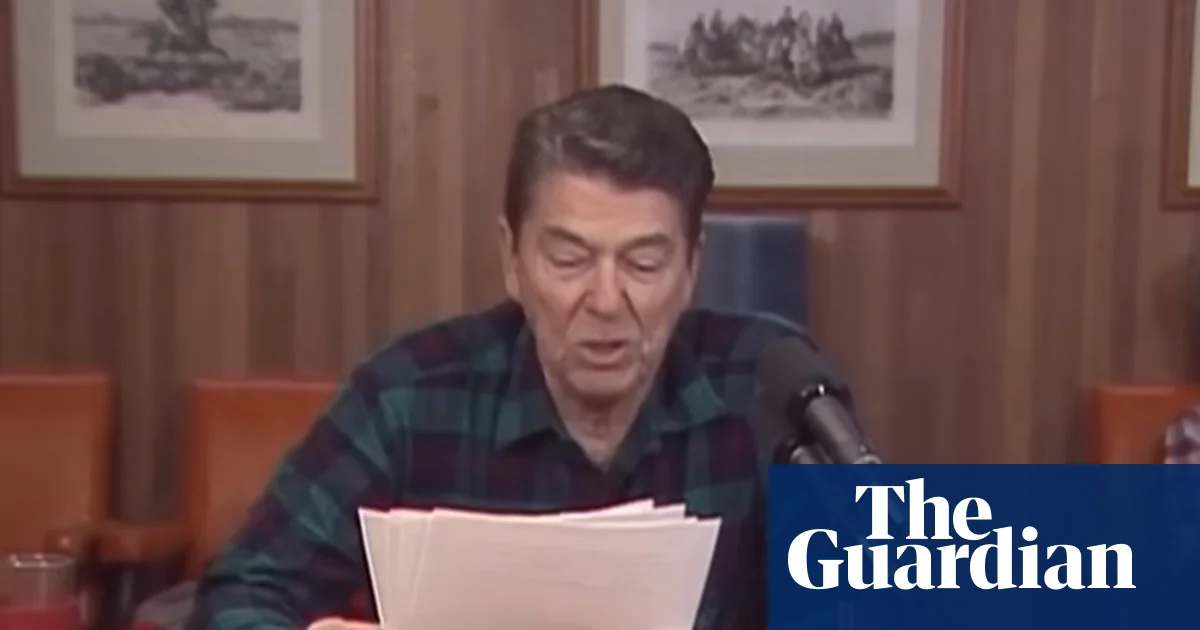
The recent escalation in trade tensions between Canada and the United States marks a significant turning point in international relations, highlighting the fragile nature of economic diplomacy in an era dominated by unilateral decision-making. The controversy began when the Ontario government ran a political advertisement featuring a historical speech by Ronald Reagan, emphasizing his stance that “trade barriers hurt every American worker”. The move, aimed at engaging US audiences on the impact of tariffs, unexpectedly ignited a diplomatic firestorm after Donald Trump responded with accusations of a “fraudulent” ad and, ultimately, the outright suspension of all trade negotiations with Canada. This sequence of events demonstrates how historical narratives can be weaponized in modern geopolitics, with repercussions that resonate far beyond the initial dispute.

The US-Canada trade relationship, long regarded as a cornerstone of North American stability, now faces an uncertain future. With the US imposition of 35% tariffs on Canadian steel, aluminum, and other key sectors, and Canada’s retaliatory measures, the economic fabric of both nations risks unraveling. Experts like Chris Sands, director of the Center for Canadian Studies at Johns Hopkins, warn that these developments could mark the cessation of meaningful negotiations. “Can we stop trade talks? Yes, but there was no evidence we were going anywhere anyway,” he notes, underscoring the perceived dead-end nature of current policy. The American move, fueled by political calculations amidst upcoming judicial hearings on presidential tariff authority, signifies a shift from Reagan’s ideals of free trade to a protectionist stance that threatens to destabilize the longstanding continental economic framework.

Moreover, this diplomatic breakdown occurs amid critical international deadlines. The scheduled review of the United States-Mexico-Canada Agreement in July 2026, coupled with U.S. Supreme Court hearings on Trump’s emergency tariff powers, underscores a pivotal moment for North American integration. The decision by the Canadian government to pivot towards building new partnerships in Asia reflects a broader strategy: diversifying economic reliance away from the tumultuous US market. As analysts observe, Canada’s stance is emblematic of a larger pattern—asserting sovereignty and safeguarding national interests against unpredictable American policies. Canada’s leadership now walks a tightrope, balancing domestic political pressure, regional unity, and its long-term strategic interests. These shifts will undoubtedly influence the global order, challenging established alliances and redefining how nations navigate shared economic destinies.

As history cast its long shadow over the present, the unfolding saga of North American trade relations raises a stark question: Will the echoes of Reagan’s optimistic free-trade vision be drowned out by the harsh realities of 21st-century protectionism? Or is this the beginning of a deeper reordering of global economic alliances? Only time will reveal whether these recent flashpoints are fleeting moments or the prelude to a fundamental transformation—where history’s lessons are either heeded or dismissed, and the world’s balance of power is reshaped by decisions made in moments of crisis. The weight of the future hangs heavy, as the pages of history continue to turn, writing a new chapter that will be remembered for generations to come.

Caerphilly Byelection: Labour, Plaid, and Reform UK clash as key Welsh vote hits the finish line

Caerphilly Byelection Sparks Critical Shifts in Welsh and UK Politics

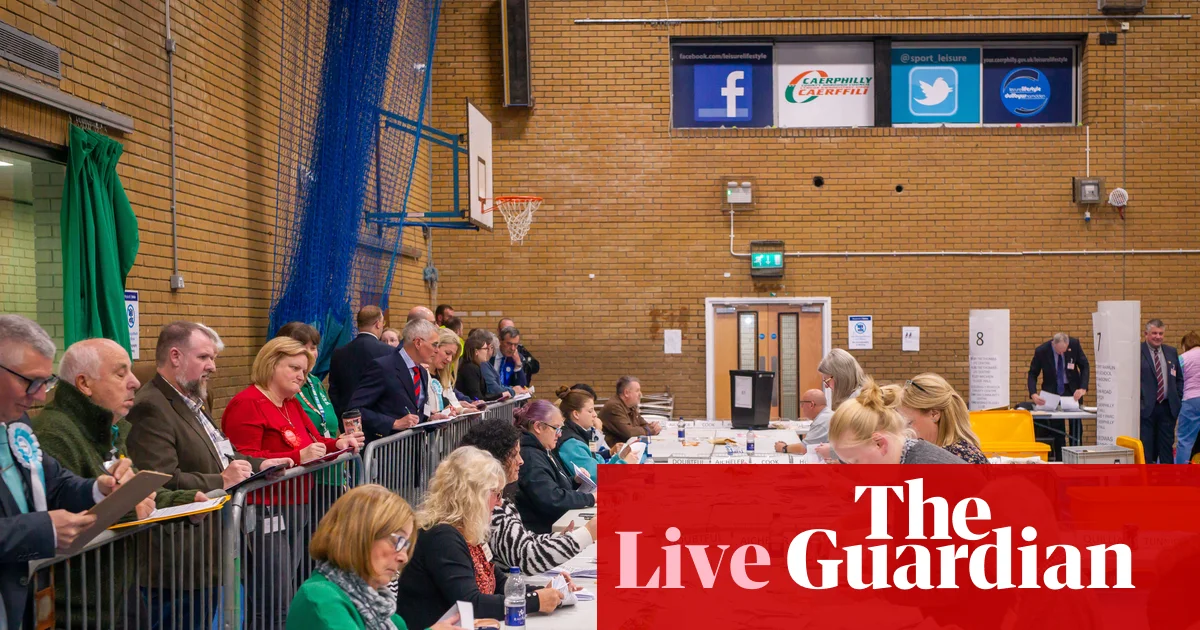
The Caerphilly byelection, recently concluded with a voter turnout exceeding 50.43%, has captured the world’s attention as a potentially defining moment in Welsh politics. Historically, voter engagement in such devolved elections has been modest, with prior turnouts seldom crossing the 50% threshold, making this election a significant anomaly. Experts note that this heralds an era where direct democratic participation in Wales might be on the rise, thereby intensifying the stakes for political factions vying for influence.

At its core, the outcome of this byelection is seen as a barometer for the larger geopolitical impact on UK politics. The possible loss of the Caerphilly seat by Labour, the longstanding dominant force in Welsh governance since 1999, would not merely be a local concern. It signifies a broader disenchantment with the party’s performance both at Westminster and Cardiff, which has opened space for insurgent parties like Reform UK and Plaid Cymru to challenge the status quo. As analysts warn, if Reform manages to replicate its recent gains, it could destabilize the traditional political landscape, pushing the UK closer to a new, more fractured political era.

Fierce Campaigns Echo Broader Ideological Battles

The election, called due to the death of Hefin Wyn David, underscores the mounting ideological struggle within Wales—between those advocating for continued devolution and independence, and reformers promising constitutional overhaul. Nigel Farage and his Reform UK team invested heavily, pledging to “throw everything” into the contest, notably capitalizing on voter dissatisfaction with established parties. Meanwhile, Plaid Cymru seeks to solidify its claim as the primary nationalist voice, emphasizing their focus on a future independent Wales and presenting themselves as the alternative to what they depict as Labour’s waning influence.

Additionally, the battle witnessed energetic grassroots activism, with Lindsay Whittle of Plaid describing the campaign as “really energetic,” further indicating that the fight over Welsh sovereignty and societal direction is far from settled. Several internationals, including political historians, see this contest as a potential bellwether for the upcoming full Senedd elections, where the real redefinition of Welsh autonomy could crystallize. This contest, therefore, is not merely a local election but a proxy for future societal shifts, impacting the British Isles’ political architecture.

Societal Underpinnings and Future Forecasts

Despite the fierce political rhetoric, some fear that polarization and societal division lie beneath the surface of these electoral battles. The reports of intimidation tactics—such as attacks on Reform UK candidates’ properties—and controversies over campaign rhetoric indicate a volatile atmosphere. Yet, this tumult reflects a deeper undercurrent: a society grappling with change, identity, and the future of its governance. As Sharon Walker, an international political analyst, suggests, the political shift in Caerphilly could serve as a touchstone influencing debates across the UK on national identity, sovereignty, and social cohesion.

The story of this election remains unwritten as vote counting continues and the nation watches with bated breath. If the results favor Plaid Cymru or Reform UK, the landscape of Welsh and UK policy-making may be forever altered, ushering in an unprecedented chapter where allegiance and ideology are re-scribed anew. In this unfolding saga, history is not merely being watched—it’s actively being made, and the world must brace for the seismic implications that are yet to come.

NYC Mayoral Debate Heats Up: Mamdani, Sliwa, Cuomo Clash on Israel, Rent, and Trump

International Impact of New York’s Mayoral Race and Internal Power Struggles

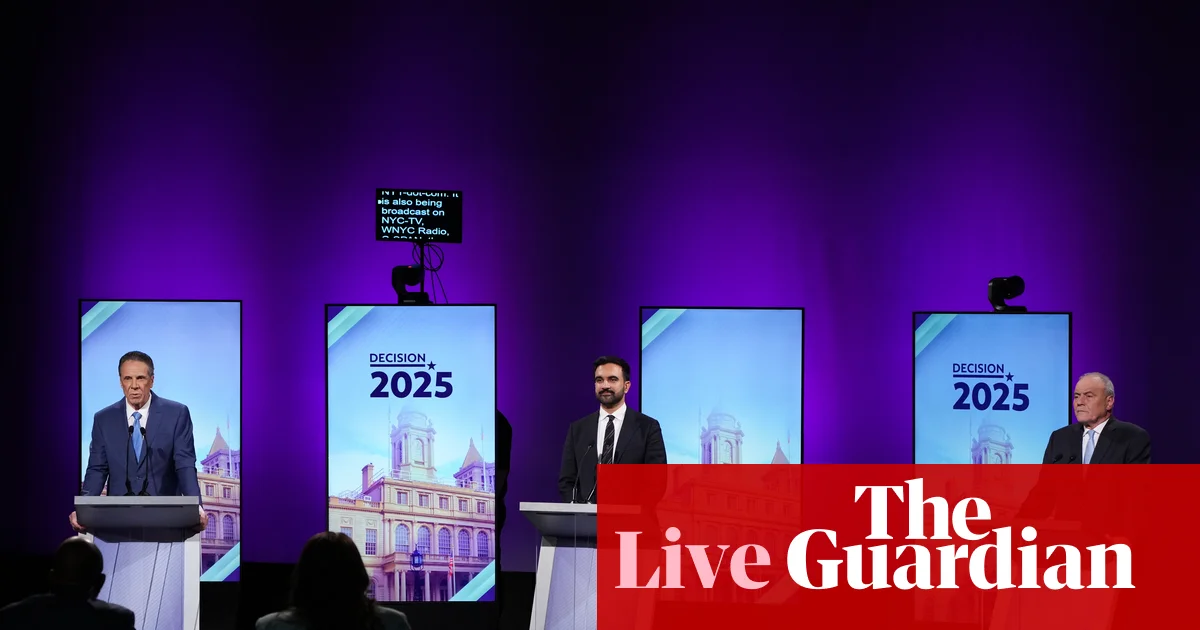
The city that once symbolized the heart of American ingenuity and resilience, New York City, has once again become the crucible where domestic politics collide with global agendas. The latest round of mayoral debates, featuring figures like Zohran Mamdani, Andrew Cuomo, and Curtis Sliwa, serve as a microcosm for the tense, complex geopolitics that define the 21st century. As American politicians do battle over issues ranging from housing crises to the specter of foreign influence and ideological radicalism, they unwittingly cast shadows that stretch across borders, affecting the geopolitical balance worldwide.

Analysts like Dr. Emily Grant from the International Policy Institute note that U.S. mayoral elections, especially in a metropolis as emblematic as New York, hold symbolic power beyond local governance. The debate over law enforcement strategies, immigration policies, and foreign policy stances is intertwined with America’s stance on global security. Mamdani’s calls for a more compassionate approach towards immigrants and his critique of federal ICE operations resonate globally, given the ongoing migration crises and international terrorism concerns. Meanwhile, Cuomo’s narrative on law and order echoes a broader international conversation on security and civil liberties, with some commentators suggesting that these internal dialogs influence how U.S. allies and adversaries perceive American stability and commitment on the world stage.

Underneath the rhetoric, these political exchanges reflect a nation grappling with its identity amid global upheaval. The debate’s focus on issues like the handling of Rikers Island, support for LGBTQ+ rights, and responses to international conflicts underscores how domestic elections are increasingly manifesting in international politics. For instance, Mamdani’s vocal opposition to certain international policies likely signals a shift towards more progressive and interventionist overseas stances by local leaders, potentially impacting diplomatic relations. Historian Jonathan Fields emphasizes that political figures on the rise, such as Mamdani, are being watched closely as indicators of potential future shifts in U.S. foreign policy, especially as they challenge the status quo set by traditional power players like Cuomo.

As the city prepares for a decisive election amidst this ambiguity, the question remains: how will these internal debates translate into global influence? Will New York’s next mayor steer the city — and by extension, America’s diplomatic trajectory — towards a more conciliatory or confrontational direction? The world watches with bated breath, knowing that in the chess match of geopolitics, the movements of a city’s mayor can signal the tone of a nation’s diplomacy. The unfolding story from Queens is more than local politics; it is a chapter in the ongoing saga that will determine the balance of power, influence, and stability in a world on the brink of upheaval. History continues to writethe present with every mayoral decision, echoing through corridors of power worldwide.

Australia News Live: Cash urges PM to condemn Chinese jet clash; Joyce grilled over One Nation shift

In a world continually edging closer to a new era of confrontation and uncertainty, recent developments underscore the volatile geopolitical landscape. From tense military encounters in the South China Sea to political maneuvering in Australia, the global stage is rife with flashpoints that threaten to ignite larger conflicts. Analysts warn that these incidents are more than isolated events—they reflect a broader strategic contest involving China, the United States, and regional powers, with international institutions often unable—or unwilling—to prevent deterioration.

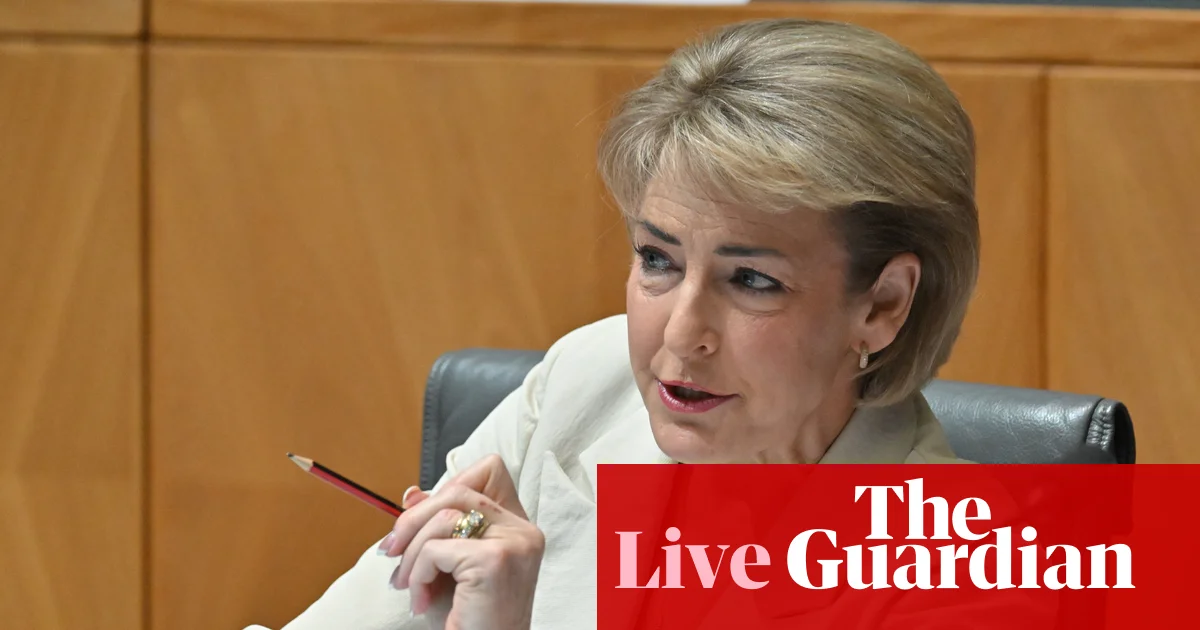
The incident that has drawn significant international attention occurred over the South China Sea, where reports emerged of a Chinese fighter jet releasing flares dangerously close to an Australian surveillance aircraft. Michaelia Cash, Australia’s shadow foreign affairs spokesperson, condemned the act as a “serious escalation” that endangers the lives of Australian defense personnel. The incident marks the third provocation within a year, highlighting China’s provocative posture as it seeks to assert dominance in the strategic maritime region. In response, Cash called upon Prime Minister Anthony Albanese to publicly condemn the action, warning that failure to do so would be a “failure to stand up for Australia’s national interests.” These provocative maneuvers expose a pattern of Chinese military assertiveness that complicates diplomatic efforts and deepens regional tensions.

Meanwhile, within Australia, political dynamics are heating up as key figures like Barnaby Joyce and David Littleproud navigate complex intra-party relationships, with indications of potential shifts towards One Nation. Joyce, the member for New England, remains notably reticent about his political future amid rumors of defecting to the far-right party. Such moves could have profound geopolitical impact by emboldening nationalist sentiments and possibly altering Australia’s traditionally close alignment with the US on defense and foreign policy issues. The political realignments mirror a global trend where nationalist and populist movements threaten to undermine established diplomatic alliances and multilateral efforts to maintain regional stability.

Simultaneously, tensions extend beyond the Pacific with U.S. President Donald Trump and Australian Prime Minister Anthony Albanese engaging in a high-profile meeting at the White House. The visit saw the signing of a significant minerals and strategic partnership deal, signaling a pivot towards greater resource-driven cooperation. However, the broader message remains clouded by diplomatic undercurrents and the looming threat of military escalation. Historian and international security analyst Dr. Richard Martin notes that “these developments are indicative of a world where traditional power balances are shifting rapidly. The risk of miscalculation grows as nations test the limits of their strategic patience.” The risk of misunderstandings escalating into open conflict is heightened as superpowers and regional actors seek to secure their spheres of influence amid weakened international institutions.

As the world’s superpowers jostle for dominance, the flashes of military bravado, political confessions, and international diplomacy reveal a fragile geopolitical order. With Great Power dynamics on a knife’s edge, and regional allies watching nervously, the ongoing story remains one of tension—and opportunity—for those daring enough to shape it. The weight of history is pressing down, reminding us that every decision today writes the prelude to future conflicts. The question remains: how many more incidents of provocation and political upheaval can the global system withstand before shaping a new chapter—one written in the aftermath of chaos, or in the hope of a measured peace? The pages are still being turned; the unfolding drama continues to test humanity’s resolve and strategic wisdom.

Mamdani, Cuomo, and Sliwa Clash on Housing Sparks, City Noise Battles, and Trump Talk

As urban landscapes continue to evolve, so do the *lifestyle shifts* influencing generations across the globe—particularly the younger demographics craving a blend of health, vitality, and cultural engagement. In the heart of New York City, debates may rage over politics and policy, but beneath the surface lies an unstoppable tide of \_wellness\_ and self-empowerment sweeping through the streets and neighborhoods. This movement is not just about fitness; it’s a holistic approach that encapsulates mental clarity, dynamic community intersections, and innovative ways to integrate personal health with urban living.

Today’s youthful urban explorer isn’t just looking for the *next trendy cafe* or *Instagrammable spot*—they are prioritizing **wellness** as a lifestyle core. From \_mindfulness retreats_ in \_Little Italy_ to \_burnout-busting_ fitness classes in \_Williamsburg_, the focus on *living intentionally* has become a cultural phenomenon. Wellness experts like Dr. Mark Hyman emphasize the importance of **mind-body harmony**, while holistic practices such as meditation, clean eating, and *urban outdoor activities* are now mainstream. These shifts are fundamentally transforming how young people see their environment: not just as a backdrop for socializing, but as an active partner in their quest for vitality and purpose.

Moreover, this _vitality movement_ isn’t limited to personal health—it extends to community resilience and cultural awareness. Youth-driven initiatives frequently aim to bridge social divides through _community gardens_, _local markets_, and _group fitness events_. A compelling aspect is the emphasis on \_accessible self-care\_; making fresh, organic produce available in underserved neighborhoods, advocating for **affordable** fitness programs, and fostering a culture of **empowerment** and _self-actualization_. Influential voices like author and wellness advocate Deepak Chopra underscore that true wellness is rooted in _self-awareness_ and _connection_—a message resonating strongly with younger city dwellers eager to redefine the urban experience as \_more than just hustle and grind\_.

  • Explore local outdoor spaces for **mindful walks** and **journaling sessions**—cities like New York offer lush parks and hidden gardens promising mental clarity.
  • Participate in **community-led health initiatives**—farmers markets, urban farms, or free fitness classes—making wellness an inclusive pursuit.
  • Adopt **holistic routines**—integrate meditation, nutritious eating, and tech-free zones into daily life to combat digital burnout and stress.

Ultimately, this _wellness revolution_ is about more than fleeting trends—it’s about embracing **lifestyle ownership** that fuels _resilience_ and _inspiration_. For young people stepping into the bustling world of **urban life**, the pursuit of **health, vitality, and community** becomes a conscious act of self-empowerment, transforming everyday environments into personal sanctuaries. As they navigate the twists and turns of this modern era, they discover that _lifestyle_ isn’t just a static choice, but a continuous journey—one that reflects the resilience of youth, the depth of cultural narratives, and the enduring human spirit eager to thrive amidst the concrete jungle. In this dance of progress and tradition, every step forward becomes a testament to the belief that a healthier, connected, and purpose-driven life is within reach when we choose to embrace it.

Israel and Hamas Clash Over Hostage Remains as Tensions Escalate in Gaza

In the ongoing tumult of Israel and Hamas, recent events highlight the fragile veneer of hope amid a deepening humanitarian crisis in Gaza. Despite the recent ceasefire agreement, which promised a surge of crucial aid and the return of hostages, the reality remains far complex and dangerous. The ceasefire deal signed last week initially raised hopes for a shift in the two-year conflict, yet most restrictions on aid deliveries and movements have persisted. The delay in opening vital access points, notably the Rafah crossing controlled by Egypt, underscores the geopolitical tensions and hesitancies that continue to inhibit the flow of food, fuel, and medical supplies—an urgent need acknowledged by international health organizations such as the WHO.

The international community, including the United Nations and prominent analysts like those from Harvard and the Council on Foreign Relations, emphasize the dire consequences of these delays. Aid agencies warn that the lack of medical supplies and fuel is pushing Gaza toward a catastrophic collapse of its healthcare system. With only a fraction of hospitals operating amid outbreaks of infectious diseases, the death toll and human suffering threaten to escalate. Meanwhile, Israel remains locked in accusations, with Prime Minister Benjamin Netanyahu vowing to retrieve the remains of all hostages and asserting that “the fight is not over yet”. His rhetoric signals a determined stance, reinforced by military statements that portray their ongoing operations as necessary to ensure security against threats they deem existential.

Amidst this, the U.S. and regional mediators are caught in a balancing act. While attempts are made to sustain the ceasefire’s fragile hold, Hamas accuses Israel of violating the agreement through violent shootings and continued military operations. These repeated violations illustrate the unstable ceasefire environment, where both sides are reluctant to fully trust each other’s commitments, echoing warnings from historical analysts who suggest that territorial disputes and entrenched hostility make lasting peace elusive without profound geopolitical shifts. The return of prisoners and the recovery of bodies, often marked by signs of violence and torture, further complicate matters, fueling public anger and distrust on both sides. Such incidents, as detailed by Gaza doctors, serve as stark reminders of the brutal cycle of violence that persists beneath diplomatic negotiations.

If history is any guide, the current pause in the conflict is likely to be short-lived unless substantial international pressure and diplomatic breakthroughs occur. As regimes and their supporters watch from afar, the geopolitical impact extends beyond Gaza, affecting regional stability and global alliances. The challenge remains: how to forge an environment where aid can flow freely, hostages are returned safely, and long-term peace becomes a tangible goal rather than just an elusive hope. The weight of history presses down, as the world trembles on the brink of another chapter in this North African saga—a chapter that, whether it leads to peace or further chaos, will be written by the decisions yet to be made. As the dust settles, the eyes of history remain fixed on Gaza, waiting to see if this fragile ceasefire can hold or if the violence will erupt once again, perpetuating the cycle of suffering that has defined the Israeli-Palestinian conflict for decades.

Taliban Claim Pakistani Troops Killed in Retaliatory Border Clash

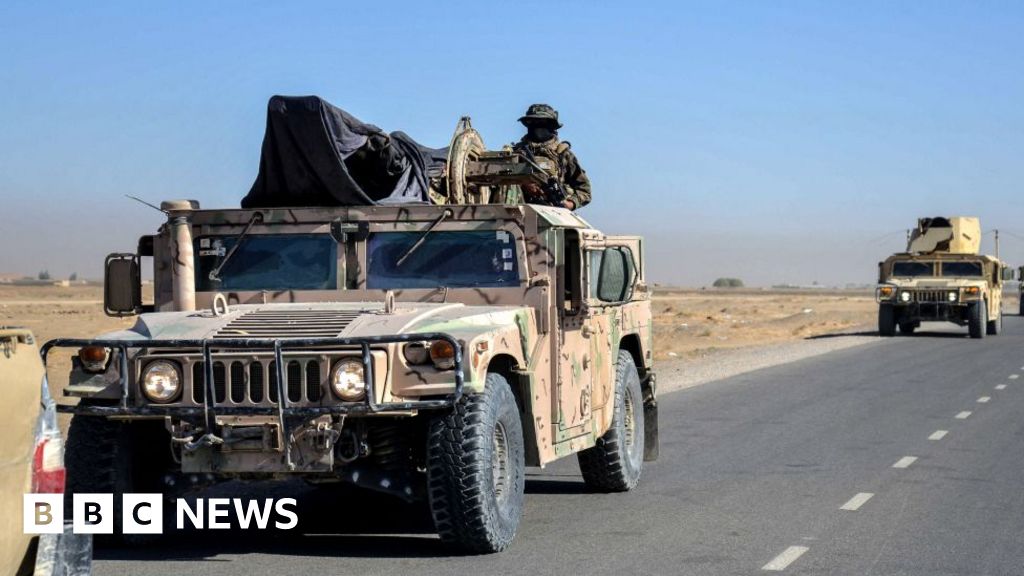
The recent surge in hostilities along the Pakistani-Afghan border marks a significant escalation in a long-standing conflict that threatens regional stability. The Taliban government in Afghanistan has publicly declared its involvement in clashes with Pakistani troops, claiming to have inflicted substantial casualties on Pakistan’s military personnel. According to a Taliban spokesman, 58 Pakistani soldiers were killed in what they described as an act of retaliation, asserting that Pakistan had violated Afghan airspace and bombed a market inside Afghan territory. However, international analysts suggest these figures may be inflated for political leverage, with Pakistan disputing the death toll, asserting only 23 of its soldiers were casualties and claiming a higher number of Taliban fighters have been neutralized. This tit-for-tat exchange underscores the fragile, often violent nature of border relations and intensifies concerns of an all-out regional conflict spilling beyond local skirmishes.

The geopolitical impact of these clashes extends far beyond the borderlands. Both nations accuse one another of harboring and supporting terrorist groups, with Islamabad alleging that Kabul shelters militants who threaten Pakistani security—particularly the Pakistan Taliban, or TTP. Conversely, the Taliban deny these allegations, emphasizing their commitment to controlling their territory post-U.S. withdrawal. Historians and regional analysts warn these accusations could serve as pretexts for wider military engagement, ultimately destabilizing the entire South-Central Asian corridor. Major crossings, such as Torkham and Chaman, have now been shuttered, cutting off vital trade routes and amplifying economic hardship—effects that ripple into local societies and global markets alike. The closure leaves hundreds of trucks stranded, exemplifying how diplomatic failures transform into tangible economic crises that threaten livelihoods on both sides of the border.

Within the broader international landscape, calls for restraint have emerged from regional and global actors. Saudi Arabia and Qatar have urged both Pakistan and Afghanistan to prioritize dialogue and diplomacy, warning that escalation could spiral into a conflict with widespread repercussions. Meanwhile, India has expressed cautious optimism about renewed diplomatic engagement with the Taliban, emphasizing the importance of regional stability. Such developments illustrate the intense diplomatic chess game unfolding, where alliances are tested and regional power dynamics shift rapidly. This volatile mix of accusations and military action underscores the fragile balance of power, which, if destabilized further, risks drawing neighboring countries into a widening conflict—one that is as unpredictable as it is dangerous.

As historians scrutinize this turning point, experts warn we are witnessing the unfolding of a new chapter in regional power struggles. The fragile ceasefire and border closures threaten to unravel years of cautious diplomacy. With China and Russia watching closely, the situation embodies a larger geopolitical contest over influence in Central Asia—an arena where the fate of sovereignty, security, and peace hangs precariously. This clash, unfolding with the violence of a tragic play, leaves the world’s gaze fixed on an uncertain horizon. The echoes of history remind us: in this volatile theater of nations, the line between peace and chaos remains razor-thin, and the next move could redefine the destiny of countless societies—an enduring reminder that, in the grand tapestry of geopolitics, the story is still being written.

Greta Thunberg alleges she’s held in Israeli detention with bedbugs amid Gaza flotilla clash

The recent detention of Greta Thunberg during a controversial aid flotilla mission underscores the intensifying geopolitical conflict surrounding Gaza’s maritime blockade. Thunberg, an internationally renowned environmental activist, was detained by Israeli forces along with 436 other activists, members of the Global Sumud Flotilla (GSF), in an effort to breach a 16-year-long blockade aimed at restricting the flow of goods and aid to the Palestinian enclave. Israel’s decision to intercept and arrest all vessels not only exemplifies its strict maritime policies but also triggers a broader debate about humanitarian access versus security concerns. These events are more than isolated incidents—they are a flashpoint in a larger geopolitical struggle that could ripple across the Middle East and influence international relations for years to come.

This effort to challenge Israel’s blockade is viewed by many in the global community as a critical act of resistance, symbolizing the struggle for Palestinian self-determination. However, Israel’s response has been characterized by forceful suppression, with the perpetrators’ treatment of detainees raising alarm among human rights groups and international observers. According to reports from lawyers working with the flotilla, crew members have experienced “systematic violations” of their rights, including denial of water, food, and legal access, alongside physical and verbal abuse. The detention at Ketziot prison, a facility primarily used for Palestinian security prisoners, signals a geopolitical message: Israel remains unyielding in its assertion of sovereignty and security, regardless of international criticism. Analysts warn that such treatment adds fuel to the fire of international outrage, complicating diplomatic efforts and exacerbating tensions with sympathetic nations seeking to challenge Israel’s policies.

The broader geopolitical impact of this incident cannot be understated. Led by hardliners like Itamar Ben-Gvir, Israel’s far-right national security minister, the narrative framing activists as “terrorists” reveals a shift towards increased militarization and a confrontational stance. The image of Ben-Gvir publicly branding peaceful aid workers as enemies signals his broader intention to consolidate control and discourage future similar acts of defiance. Meanwhile, nations like Sweden are engaging diplomatically, with their foreign ministry openly expressing concern over Thunberg’s treatment and their efforts to secure her legal rights. For global actors, these events serve as a stark reminder of how local conflicts have global repercussions, impacting diplomatic relations, influencing international law debates, and fueling narratives about security, sovereignty, and human rights. Moreover, the incident raises profound questions about how international activism intersects with geopolitical stability and the future of humanitarian aid in conflict zones.

As history continues its relentless march, the arrest and alleged mistreatment of Greta Thunberg encapsulate a moment of high tension that could define regional stability for decades to come. With each act of suppression and defiance, the world witnesses a chapter in the ongoing struggle over Gaza—a pivotal nexus where human rights, sovereignty, and international diplomacy collide. The weight of this moment will echo throughout history, compelling future generations to ask: Was justice sacrificed in the name of security? Or did the heavy hand of conflict forever etch this chapter into the fabric of global conflict? As international organizations and nation-states grapple with their roles, the unfolding saga reminds us that beneath the headlines, the tides of history are shifting forever, shaping the destiny of nations and societies in an uncertain world.

Social Media Auto Publish Powered By : XYZScripts.com