Matox News

Truth Over Trends, always!

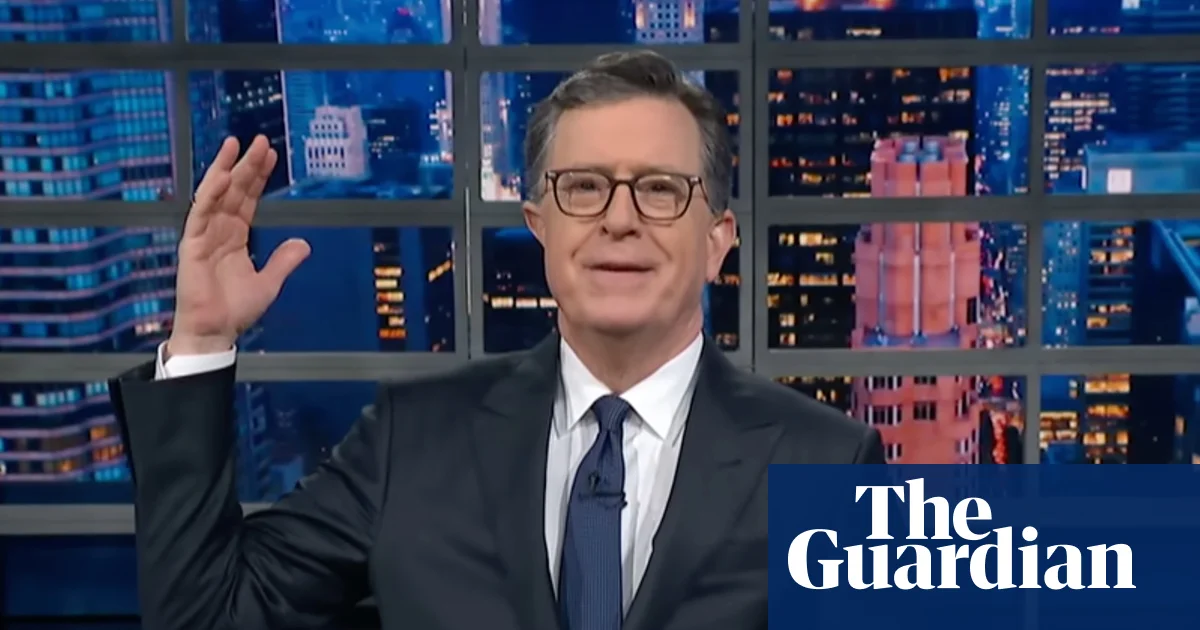
Stephen Colbert on Trump’s Vatican clash: “Wow, the pope just called you out in style” | Nightly Culture Wrap

In an era increasingly dominated by media spectacle and political theater, the fundamental role of culture as the bedrock of identity and tradition remains a truth too often obscured. When figures like Donald Trump and the Pope Leo XIV become embroiled in public feuds, it signals more than mere personality conflicts; it highlights the ongoing battle over the soul of a society. As Ortega y Gasset once observed, “Culture is the human fabric that holds us together, distilling collective memory while steering us toward future horizons.” In times of geopolitical and moral turbulence, the cultural narratives we uphold—be they religious, historical, or philosophical—are essential to defining who we are and where we are headed.

The clash between Trump and the Vatican over issues like the just war doctrine exemplifies this tension. On the one hand, Catholic tradition emphasizes truth in defense—a principle rooted in centuries of theological reflection. Yet, as Colbert humorously pointed out, attempting to correct the Pope on such matters is akin to “going into the woods and telling a bear where to poop,” revealing the absurdity of dismissing the moral authority of tradition. Historically, the idea of a just war has been a cornerstone of societal self-identity—an anchor in the face of chaos. Chesterton famously argued that true culture is not just a reflection of current power, but a moral compass guiding the community’s conscience. Today, the cultural clashes over religion and morality are more than ideological—they are battles over the shared symbols that hold us together in uncertain times.

Meanwhile, the spectacle of political figures commissioning grand monuments, like the proposed Trump triumphal arch inspired by Paris’s Arc de Triomphe, underscores a visceral desire to embed history and heroism into national memory. Kimmel’s humorous critique that this new monument might memorialize the “draft dodger” rather than the fallen echoes a deeper question: what stories do societies tell about themselves? As T.S. Eliot lamented, “The past is preserved in our culture, not as mere nostalgia but as a repository of legacy—a prophecy of who we might become.” The cultural fabric, therefore, is woven from both collective memory and aspirational myth. It is both a mirror of our roots and a prophecy of our future, heavily weighted by the values we choose to nourish or neglect.

Ultimately, the terrain of politics may shift and the personalities may rise and fall, but it is culture—imbued with meaning, faith, and tradition—that sustains our civilization’s continuity. Culture is not an indulgence for the elite but a public repository of identity and a moral foundation. As history’s great thinkers have understood, to neglect our cultural memory is to risk losing our way. The collective memory of our ancestors and the prophetic visions they passed down serve as both a shelter from chaos and a lantern guiding us toward a more coherent future. In the end, culture remains both the echo of the past and the whisper of what is to come, whispering a timeless truth: humanity’s most profound inheritance is not merely what we have built, but what we carry within us—our identity in motion, our prophecy in suffering, and our hope in renewal.

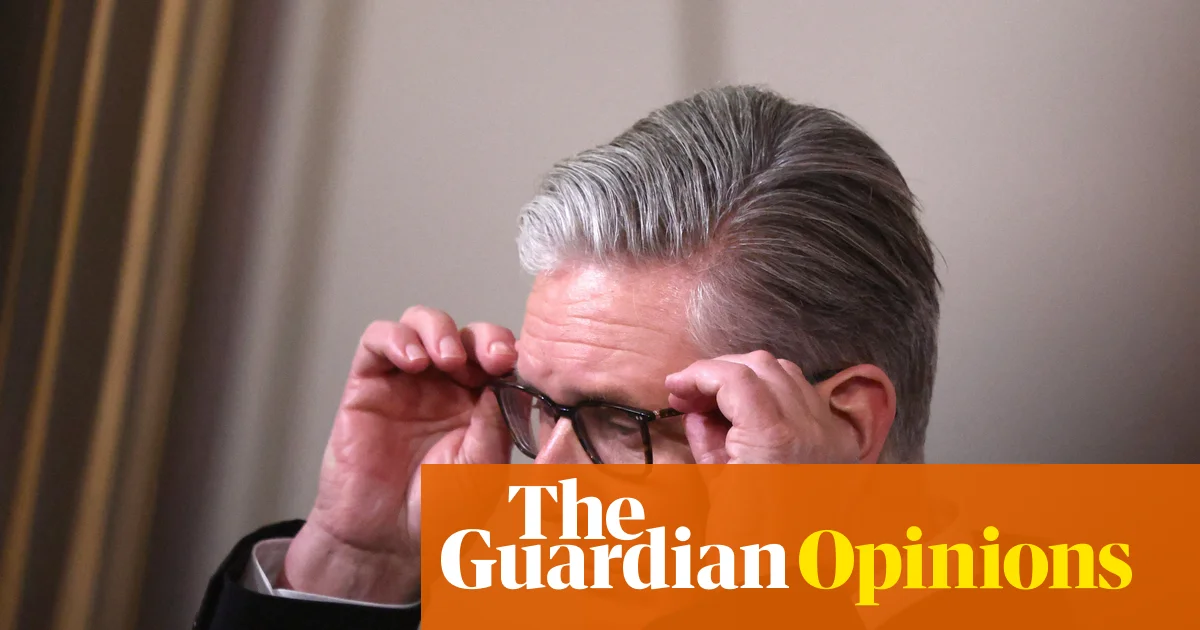
Monday’s Mandelson clash might seal Starmer’s fate—will it make or break him? | John Crace

Society in Crisis: The Impact of Political Hypocrisy on Families and Communities

In a world increasingly defined by demographic shifts and cultural tensions, the dissonance between political rhetoric and reality remains a profound societal challenge. Recent political scandals, exemplified by the controversy surrounding No 10’s handling of security vetting and the ensuing accusations of incompetence, reveal a troubling disconnect that directly affects families, education, and community cohesion. When leaders mislead or are perceived as incapable, these issues ripple outward, undermining the very fabric of society.

The social fabric that binds communities relies heavily on trust in institutions and leaders. When that trust erodes, families are left grappling with uncertainty about the stability of their society. Sociologists such as Robert Putnam have long argued that social capital—the networks and trust that hold communities together—is fragile and easily damaged by political deception and social stratification. The recent revelation that senior officials like Peter Mandelson had failed security vetting, yet remained in positions of influence, underscores how cultural shifts toward complacency and opacity threaten societal coherence. Children and youths, observing these failures, may develop cynicism about civic engagement and the integrity of their leaders, a trend that risks fostering disengagement among future generations.

Furthermore, educational institutions are often the first to bear the brunt of political instability. When crises unfold at the highest levels of government, educational content and pedagogical priorities can become overshadowed by national crises, undermining the quality and focus of youth development. Social commentators highlight that young people are particularly sensitive to issues of ethical integrity and moral clarity. If teachers and parents perceive a leadership class that appears disjointed or corrupt, this can diminish students’ moral and ethical grounding, lowering societal resilience in the long run. Amidst these disturbances, families may feel disempowered, their aspirations for a stable and honest society challenged by the very people entrusted to uphold those virtues.

To counteract these detrimental trends, policies must emphasize rebuilding trust in institutions and promoting greater transparency and accountability.

  • Enhancing civil servant oversight to prevent secrecy and cover-ups.
  • Implementing civic education programs that reinforce the importance of integrity and civic responsibility among youth.
  • Supporting community organizations that foster dialogue and resilience amidst socio-political upheaval.

These steps recognize that community actions and education are vital to healing the social wounds inflicted by political scandal and incompetence. Historians like Arthur Schlesinger have argued that societies must reflect on their moral commitments and rebuild trust through collective effort and virtue, especially when faced with social tensions and demographic transformations.

As society stands at this crossroads, the question remains: can communities and families find the resilience to persevere through the chaos and betrayal? The challenges ahead are formidable, yet within them lies the potential for renewal—for a society that values truth, integrity, and the moral courage to rectify its course. The path forward demands collective determination, rooted in the hope that through renewed social bonds and steadfast commitment, a brighter future can emerge from the shadows of political failure. Society’s greatest strength has always been its people — resilient, hopeful, and ready for a renaissance rooted in justice and moral clarity. The true test, then, lies in whether we, as a society, can rise united and reclaim the virtues that underpin a just community.

Pedro Pascal Sues Chilean Spirit Brand in Legal Clash

In an era where cultural identity and economic power intersect, legal battles over name recognition demonstrate the evolving geopolitical landscape. The recent dispute between the internationally acclaimed actor Pedro Pascal and a Chilean pisco merchant exemplifies how individual and cultural symbols can spark wider debates about global influence. Pascal’s legal challenge against a Chilean brand called Pedro Piscal has garnered attention not only within legal circles but also across the international stage, highlighting the significance of names, brands, and cultural symbols in a globalized economy. This specific case underscores how individual reputation, local entrepreneurship, and national identity are now entangled in a broader contest of soft power, especially as Latin America’s cultural exports continue to gain influence worldwide.

Historically, international trademark laws have become crucial tools in safeguarding personal and cultural identity against potential misappropriation. As noted by several global legal analysts, the effort by Pascal to retain control over the use of his name reflects a broader pattern across multiple countries where celebrity branding and national symbols have become commodities. Similar cases span continents—from Hollywood-based lawsuits over Pun-based brand names to European intellectual property disputes over cultural icons. The Pedro Piscal controversy is emblematic of how social media, branding, and legal frameworks are converging to shape a new frontier of cultural sovereignty. How nations and societies respond to such challenges could define their stance on protecting cultural symbols in an increasingly interconnected world.

Experts like international law firm Clifford Chance and historians warn that these seemingly trivial brand disputes could have real geopolitical implications. For example, Chile‘s rising stature as a globally recognized cultural and economic nation hinges on its ability to defend its symbols from diluted or misused representations. Cases like Pedro Piscal, along with Chilean entrepreneurial stories involving cheeky pun-based brands reminiscent of Hollywood’s trademark battles, showcase the tension between local innovation and global influence. The ongoing battle over Star Wash’s use of Star Wars-themed branding exemplifies how international corporations are deploying legal tools to assert control—yet, they also risk alienating local communities and youthful entrepreneurs eager to celebrate their pop culture heritage. The result can be a kind of cultural pincer movement where economic interests threaten to overshadow genuine national expression.

As the international community watches these conflicts unfold, the decisions made today will reverberate for generations. Will international legal standards evolve to protect cultural expressions, or will they be co-opted by corporate interests that prioritize trademarks over societal identity? The United Nations and World Intellectual Property Organization regularly debate these issues, but critics argue that the current system favors powerful multinational corporations over local cultural sovereignty. Ultimately, these legal skirmishes serve as a stark reminder of how fragile our shared history is—whether in the form of a celebrity’s name or a heritage spirit—each battleground is a part of a larger contest for influence and authenticity in a world where history is constantly being rewritten. As societies stand at this crossroads, the weight of future memories—and their implications—hangs in the balance, waiting to be shaped by decisions that will define the line where culture ends and commerce begins.

Trump to Join Supreme Court Birthright Citizenship Fight—Big Clash Ahead

In a move that could reshape the fabric of American law and have far-reaching geopolitical impact, President Donald Trump is set to attend the United States Supreme Court today as it deliberates a landmark case questioning the legality of his administration’s attempt to end birthright citizenship. This case has ignited a fierce debate over the interpretation of the 14th Amendment, a cornerstone of American constitutional law, and signals a potential shift in the nation’s approach to immigration and its constitutional foundations.

Trump’s executive order, issued upon his return to the White House, declared that children born to illegal immigrants or visa-holders in the United States would no longer be automatically granted citizenship. While lower courts swiftly blocked the order, citing the Citizenship Clause of the 14th Amendment—stating that all persons born on US soil are citizens—the Trump administration countered that the clause was originally intended solely for the rights of former slaves. They argue that the current interpretation—that virtually anyone born within US borders receives citizenship—oversteps the original intent of the amendment, which was passed post-Civil War to secure rights for newly freed African Americans. This interpretation is contentious, as many legal scholars, including those at the Council on Foreign Relations, warn that altering this understanding could undermine decades of legal stability and provoke international backlash, especially from nations with large diasporas seeking to exploit US birthright laws.

The case, titled United States v Wong Kim Ark, originally established in 1898 that birthright citizenship applies regardless of parental nationality, provided the child’s parents had U.S. domicile. The Trump administration now seeks the Supreme Court to revisit and reinterpret this precedent, emphasizing the notion of “subject to the jurisdiction thereof” and claiming that the current scope facilitates practices like birth tourism—a phenomenon where foreigners travel to the US to give birth and secure citizenship for their offspring, incentivizing illegal immigration. Historians such as Prof. Linda Greenhouse caution that such reinterpretations threaten to erode the clarity of the Constitution, risking legal chaos that could destabilize societal order and impact international relations profoundly.

The conservative-majority Supreme Court, which has previously supported Trump’s policies on immigration and national security, is likely to deliver a ruling by the end of June. A ruling favoring the Trump view could revolutionize US immigration policy, prompting an overhaul in how citizenship is awarded and possibly precipitating a wave of legal battles. Such a shift could redefine the face of American society, impacting immigrant communities and sparking internal divisions—an outcome that international analysts predict might weaken America’s moral authority globally. As the world watches, the courtroom drama unfolds into a pivotal chapter in 21st-century geopolitics, with the potential to challenge the very notion of national sovereignty and sovereignty itself.

With the stakes this high, each decision at this juncture of American legal history echoes beyond the borders of Washington and into the geopolitical landscape. As international organizations such as the United Nations monitor the proceedings, the possibility of a redefined US citizenship law raises questions about the future of global migration, refugee policies, and the stability of bilateral relations. The course resolved today will either reinforce the constitutional safeguards that have underpinned American identity for over a century or mark a new era of ambiguity and upheaval. As history’s pen hovers over this momentous chapter, the weight of unseen consequences presses down—reminding all that the decisions made today will shape the world’s order for generations to come.

High School Hoops Heating Up: Local Teams Clash in Thrilling Playoff Showdowns!

A Night of Mutual Respect and Recognition

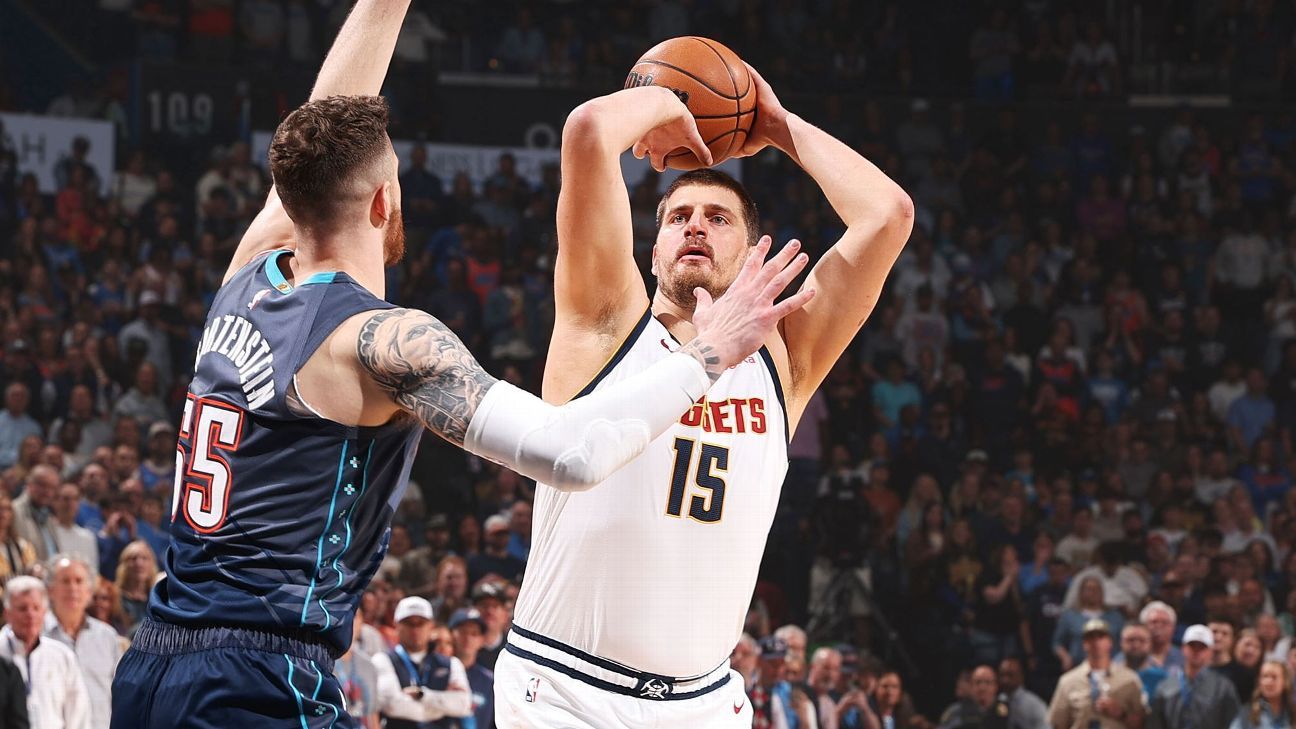
On Sunday night, a compelling narrative unfolded in the sports world when Nikola Jokic received high praise from fellow athlete Jordan Clark during a post-game interview. The cryptic nature of Clark’s admiration became clear when Jokic disclosed that both players share the same agent, hinting at a deeper mutual respect between the two talented athletes.

As fans tuned in, they noted several game-changing moments that highlighted Jokic’s exceptional abilities on the court. Throughout the game, Jokic exhibited a mesmerizing blend of skill and basketball IQ, showcasing why he is a perennial MVP candidate. Commentator Bobby Marks remarked, “When you witness a player like Jokic, who redirects the game with his vision and playmaking, it’s hard not to draw comparisons to legends.” His performance not only cemented his status but unified fans behind a common cause: the love of the game.

Looking at the analytics, the game was a masterclass in efficiency for Jokic, who racked up:

  • 25 points
  • 12 rebounds
  • 8 assists

In a league increasingly characterized by individualism, Jokic’s ability to uplift his teammates became a hallmark of his gameplay. Coach Michael Malone emphasized, “Jokic not only scores; he facilitates, ensuring everyone around him thrives. That’s the mark of a true leader.” With players like Clark, who recognize and laud his impact, the narrative around teamwork versus individual accolades is evolving.

As the final siren echoed through the arena, fans were reminded that the sport reaches beyond mere statistics and scores. In an era where division often fills headlines, moments such as these unite both players and fans. The respect shown between Jokic and Clark signifies a shared passion for basketball that transcends individual achievements, emphasizing the sport’s role as a bridge, connecting diverse individuals under a common goal. As the season progresses, the camaraderie among players becomes a testament to the unifying power of sports, where respect and admiration reign supreme.

Source link

High School Teams Gear Up for Championship Clash: Excitement Builds as Season Finale Approaches!

Game Day Highlights: A Showdown of Titans

In a thrilling matchup that kept fans on the edge of their seats, the New England Patriots faced off against the Dallas Cowboys in a high-stakes game that showcased the resilience and tenacity of both squads. The contest concluded with a score of 28-24, favoring the Patriots, further solidifying their position as a formidable force in the league. This game was not just about the points on the board; it was a testament to strategy, nerve, and the electrifying atmosphere of America’s favorite sport.

From the outset, the Patriots came out swinging. Quarterback Mac Jones displayed exceptional poise, completing 23 of 30 passes for 305 yards and two touchdowns. However, it was his ability to lead crucial drives in the fourth quarter that stole the spotlight. As one commentator noted, “Jones plays with a maturity beyond his years, showing he can handle pressure like an experienced veteran.” His leadership was pivotal during critical moments, including a game-winning drive that culminated in a stunning touchdown pass to rookie standout Tyquan Thornton

The Cowboys weren’t to be overshadowed, however. With an impressive performance from running back Ezekiel Elliott, who rushed for over 120 yards, the team kept pace and came close to snatching a last-minute victory. Coach Mike McCarthy remarked afterwards, “Our team fought valiantly, but we fell short in the final moments. We need to build on this experience.” The Cowboys’ defense, led by linebacker Micah Parsons, applied constant pressure, sacking Jones multiple times, yet ultimately, the team could not secure the late-game stop they needed.

  • Game Score: Patriots 28, Cowboys 24
  • Top Performer: Mac Jones – 305 passing yards, 2 TDs
  • Key Moment: Fourth-quarter touchdown pass to Tyquan Thornton
  • Significant Stats: Ezekiel Elliott – 120 rushing yards

As the final whistle blew, it was clear that this spectacle was about much more than mere victory or defeat. It represented unity, passion, and the spirit of competition that bonds fans, players, and communities together. In sports, emotions run high, bringing together people from all walks of life, proving once again that the game transcends the scoreboard. In a world often divided, moments like these remind us of the unifying power of sports, where rivalries ignite, but respect and camaraderie ultimately prevail.

Source link

Canadian Religious Symbol Ban Sparks Constitutional Clash Among Youth

In a significant development within the ongoing struggle between secularism and religious freedom, Quebec’s provincial government has formally brought its controversial law regulating religious symbols to the Supreme Court of Canada. This move marks a pivotal moment in the constitutional debate over individual rights, provincial autonomy, and the limits of government authority in cultural and religious expression. The legislation, often dubbed as the “Religious Symbols Law,” mandates restrictions on public employees in positions of authority from wearing religious symbols, including hijabs, turban, and crosses, aiming to promote secularism within state institutions.

As the case advances to Canada’s highest judicial body, legal analysts and international observers acknowledge its profound geopolitical impact. The law is not merely a provincial matter but a flashpoint in broader debates that resonate across national borders—especially in nations facing similar conflicts over multiculturalism, identity, and religious expression. Opponents argue that the legislation infringes on fundamental freedoms guaranteed under the Canadian Charter of Rights and Freedoms, particularly the rights to religious expression and freedom of conscience. Supporters contend it is a necessary step to preserve the secular nature of Quebec and uphold societal cohesion amidst increasing diversity.

Prominent international organizations, such as the United Nations, have voiced warnings about potential human rights implications, while critics from various legal and civil society groups view the law as a manifestation of rising anti-immigrant and anti-minority sentiments. Historians like Dr. Emily Thompson suggest that the case echoes past cultural conflicts within Quebec, which has long grappled with its identity amid a mosaic of religious and cultural influences. The legal battle is also illustrative of the rising tide of nationalistic movements across the world, where governments assert sovereignty and cultural integrity in the face of global pressures. The Supreme Court’s ruling will not only determine the fate of this legislation but will also influence how governments across the globe navigate personal freedoms versus state secularism.

The decision at hand carries the weight of history, with every juridical word potentially shaping the societal fabric of Canada for generations. As the court prepares to deliver its verdict, the world watches—a stark reminder that the choices made today in courts and parliaments are often the ones that forge the enduring narratives of nations. Will this legal confrontation reinforce Quebec’s cultural sovereignty or trigger broader constitutional debates across entire liberal democracies? The outcome remains uncertain, but the message is clear: the fight over religion, identity, and state power is far from over, and history stands at a decisive crossroads.

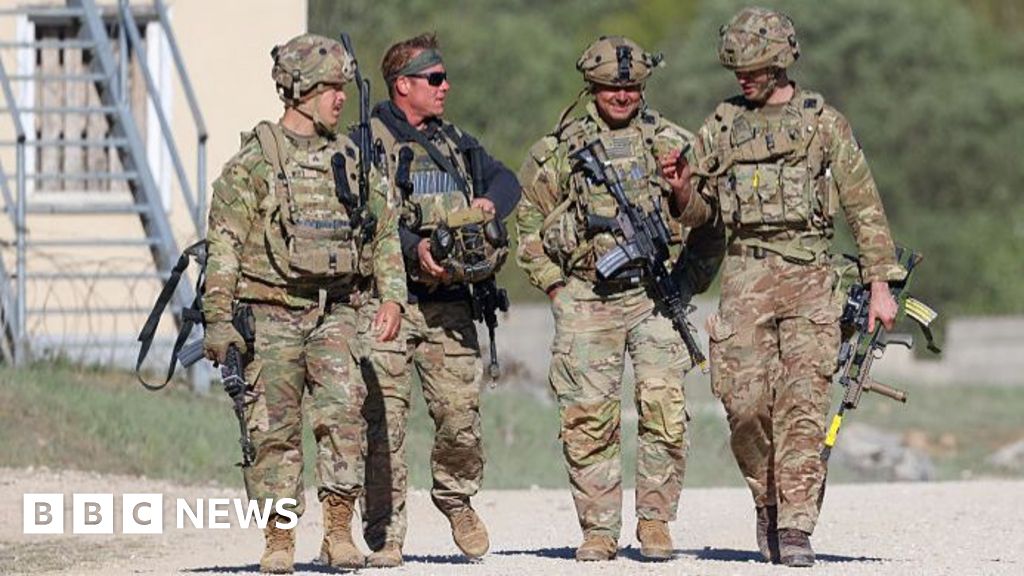
First Look: Trump Claims US Doesn’t Need NATO After Strait of Hormuz Clash | US News

In a surprising turn of diplomatic discourse, President Donald Trump has publicly declared that the United States does not require the assistance of NATO amidst mounting tensions with Iran. His recent comments, delivered from the Oval Office, accused NATO members of making a “very foolish mistake” by refusing to mobilize warships to reopen the strategic Strait of Hormuz. This statement signals a potential shift in US foreign policy, one that emphasizes unilateralism over multilateral alliances, at a time when the geopolitical landscape around the Persian Gulf is erupting into chaos. Renegotiating America’s role in international security pacts such as NATO could significantly weaken the collective defense framework that has underpinned global stability for decades, leaving many analysts concerned about the ripple effects on European security and global order.

The unfolding crisis in the Middle East has revealed fractures not only among American allies but also within the US itself. Despite Trump’s aggressive rhetoric, some of America’s closest allies have questioned the legitimacy and consistency of his rationale for engagement in the Iran conflict. Internal dissent is mounting, as exemplified by the resignation of Joe Kent, the director of the US national counter-terrorism center, who publicly stated that Iran currently poses no imminent threat to the US. Furthermore, the world’s largest aircraft carrier, the USS Gerald R Ford, has been at sea for nearly nine months and recently suffered fire damage — a sign of morale issues and logistical strains within the US military. Such internal crises threaten to undermine America’s military posture in an already volatile region, where Iran’s military leadership has vowed harsh retaliation for recent strikes on Israeli and Iranian targets. The escalation underscores the fragility of US influence and the potential for regional chaos to spiral into a broader confrontation.

This tumult underscores a common theme highlighted by international security analysts: as the US shifts its stance, the consequences on global stability are profound. Nations across Europe and Asia are watching closely, aware that US-centric policies can cascade into unpredictable outcomes. The ongoing conflict, now entering its third week with over 2,000 lives lost, portends a potential regional war that could draw in neighboring countries and destabilize entire ecosystems of international diplomacy. Meanwhile, the United Nations and respected historians warn that a vacuüm of US leadership might embolden non-state actors — including terrorist networks and rogue militias — to seize opportunities presented by the chaos. This escalating crisis vividly illustrates how decisions made at the top resonate through societies, affecting countless lives, economies, and future generations.

In a related twist reflecting shifts in domestic politics, Juliana Stratton, the Illinois lieutenant governor, has secured her party’s nomination for the US Senate, signaling a broader debate over America’s internal priorities. Her victory over moderate rivals, propelled by key endorsements and recent changes in Chicago’s political climate, symbolizes the growing visibility of progressive voices and a shift in the American political landscape. Yet, in the backdrop, reports from the United Nations reveal a grim reality: millions of children across Sub-Saharan Africa and South Asia are dying from preventable conditions, largely due to aid cuts and inadequate healthcare. As these tragedies unfold, a stark reminder remains — geopolitical shifts and internal reforms are only meaningful if they translate into tangible improvements for the world’s most vulnerable populations. The weight of history presses down with an inevitable question: how much longer can the world afford neglect amidst chaos?

History is watching, and history is still being written. As nations grapple with uncertainty, the decisions today — whether in the corridors of power or the streets of Tehran and Chicago — serve as the keystones of a future yet to be crafted. Will the cracks in alliances deepen into fissures that fracture the global order? Or will strategic wisdom forge a path through the turmoil, leading to a new era of resilience? The unfolding story remains uncertain, but one thing is clear: the weight of consequence rests heavily on the shoulders of those who make the choices now. Their actions, or inactions, will echo through generations — a testament to the enduring, often turbulent, march of history.

UK’s university fee clash signals Brexit reset isn’t smooth sailing yet

London’s Quest for Reconciliation: Britain Pushes Toward Closer Ties with Brussels

As London embarks on what it terms a “Brexit reset” week, it is clear that the U.K. government strives to redefine its post-Brexit relationship with Brussels. The diplomatic efforts, led by figures such as Nick Thomas-Symonds, articulate a desire for rapprochement, emphasizing a potential renewal of cooperation on trade, food, agriculture, and climate policies. These initiatives come amid a backdrop of strained negotiations, with analysts pointing to the delicate balance of trust and pragmatism that underpins the renewed dialogue. The U.K. seeks to cultivate a narrative of openness, yet the recent disputes over university fees and financial commitments reveal persistent fragility in this fragile renegotiation.

This week’s diplomatic calendar underscores the stakes involved: ministers are engaging in high-level talks with Maroš Šefčovič and Ursula von der Leyen, aiming to resolve core issues that threaten to derail the reset. Central to these negotiations is the contentious matter of university tuition fees for EU students. Brussels insists on full fee reduction for *all* EU students studying in the UK, a move that would impose an estimated £140m financial burden on British universities. While proponents within the academic sector argue that such reforms would enhance merit-based admissions and regional development, the UK government and universities see this as an insurmountable obstacle, branding the proposal a “non-starter”. The dispute exemplifies the broader geopolitical tension: Brussels is disentangling itself from London’s post-Brexit pragmatism, demanding concessions that challenge UK sovereignty and financial interests, thus testing the resilience of the diplomatic reset.

International Tensions and the Future of UKEU Relations

Analysts like those from UK in a Changing Europe observe that the standoff over university fees reveals not only the EU’s negotiating stance but also the underlying frailty of the entire reset. The broader implications extend beyond education, touching on crucial agreements related to food and agriculture and emissions trading. The UK’s hope to secure comprehensive agreements is now hostage to this dispute, which could see Brussels leverage its political influence to hold the broader negotiations hostage. An insider suggests that negotiations are typical of the final stages of major diplomatic deals—a sort of “act of God” that often determines outcomes through last-minute compromises.

Despite the tensions, some participants remain optimistic about possible resolutions, citing improved relationships and trust between negotiators on both sides. The presence of seasoned diplomats such as Thomas-Symonds and Šefčovič has created a more conducive environment for compromise, with the UK contemplating large concessions in exchange for tangible benefits. Yet, the question remains whether this diplomatic dance can translate into lasting policy change or will ultimately succumb to the hard realities of national sovereignty and financial pragmatism. As the world watches, the fate of Britain’s post-Brexit recalibration hinges on these delicate negotiations—an intricate chess game where the smallest misstep risks unraveling years of diplomatic effort.

In this unfolding chapter of history, the importance of these negotiations cannot be overstated: they symbolize a crossroads in international diplomacy, where national interests collide with the imperative to redefine alliances. The choices made in the coming days will echo through generations, shaping the geopolitical landscape much beyond Europe. As history continues to write itself, the weight of unresolved disputes and emerging opportunities hang heavily in the balance—reminding the world that every agreement, every conflict, and every compromise carries the potential to carve new paths or leave nations hollowed by disillusionment.

Rising Stars Shine as Local Teams Clash in Thrilling Championship Showdown

The Price of Glory: Kyle Teel’s Injury Puts Pressure on the White Sox

In a stunning turn of events during the World Baseball Classic, Kyle Teel, catcher for the Chicago White Sox, suffered a right hamstring strain that is expected to sideline him for 4-6 weeks. This injury occurred while Teel was playing for Italy in their thrilling victory against Team USA, a match that concluded with Italy triumphing 6-5 in a nail-biting finish.

The hamstring injury not only affects Teel’s participation in the classic but also raises concerns for the White Sox as they prepare for the upcoming MLB season. In his absence, the team will need to turn to their depth chart and potentially rely on backup catchers as they navigate crucial games early in the season. “We’re going to have to adapt,” stated White Sox Manager Pedro Grifol. With a solid batting average from Teel last season, his absence will be felt deeply both in the dugout and on the field.

As the White Sox look to recover from this news, several key players will need to step up. The catching position could see increased responsibility placed on younger, less experienced players. One player to watch is Sebastian Rivero, who has impressed during training camp. An analysis from sports commentators reflects that cohesiveness among the players will be essential, particularly as adjustments are made. Fans are encouraged to monitor the team’s performance closely as the season progresses.

  • Kyle Teel’s batting average from last season: .265
  • Italy’s historic win over Team USA in the World Baseball Classic
  • Upcoming challenges for the White Sox in early MLB games

This moment, while difficult, highlights the unpredictable nature of sports. Teel’s injury is a reminder of the physical toll athletes endure for their countries and teams. As fans rally behind their players, it serves as a crucial reminder that while scores may define the game, it is the spirit of competition and unity that truly encapsulates the essence of sports. In the end, it’s not just about the players on the field; it’s about the communities and dreams they represent, weaving together a narrative that transcends the scoreboard and unites us all.

Source link

Social Media Auto Publish Powered By : XYZScripts.com