Matox News

Truth Over Trends, always!

Israel and Hezbollah escalate clashes after US-led Lebanon talks

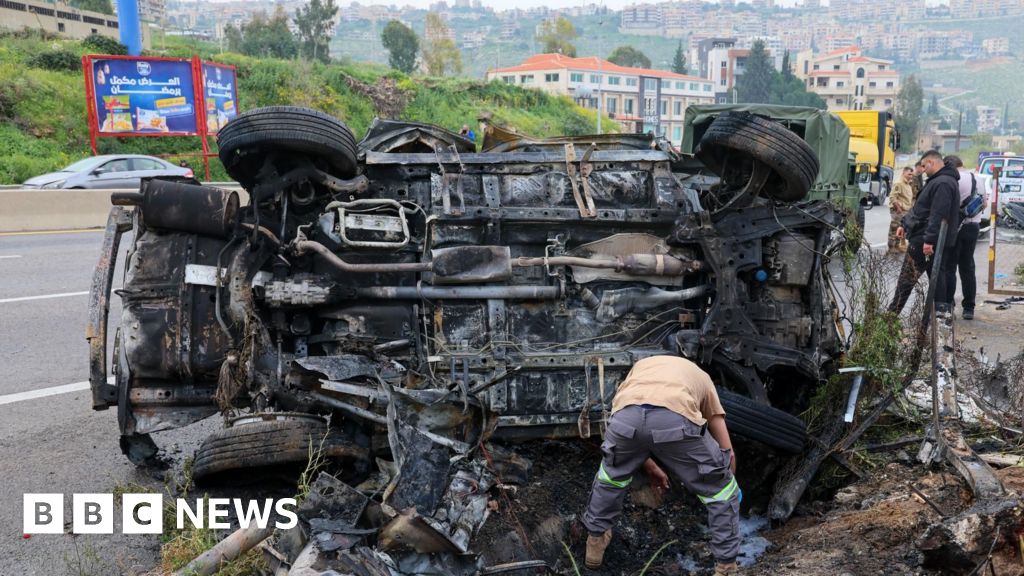
In a dramatic turn of events, Israel has launched a series of strikes targeting southern Lebanon, marking a significant escalation in the ongoing Middle East conflict. These military actions follow a period of rare direct negotiations, which had briefly raised hopes for de-escalation in a region long plagued by hostilities. Meanwhile, Hezbollah, the Iran-backed Lebanese militia, responded aggressively by firing rockets at Israeli territory, signaling that diplomacy has yet to translate into a lasting ceasefire.

The recent surge in violence underscores a fragile geopolitical balance in the Levant, with Israel asserting that its strikes are aimed at suppressing militant activity and deterring further attacks. Officials in Tel Aviv emphasize that their operations are targeted and precise, yet the repercussions are felt far beyond Israel’s borders. The United Nations has called for restraint, warning that rising tensions risk unleashing a broader regional conflict with devastating consequences.

Analysts caution that these incidents serve as a stark reminder of the region’s volatile nature. Historically, moments of diplomatic briefings—like the recent negotiations—have often been followed by a resurgence of violence, reflecting the complex web of alliances and unresolved grievances. As international organizations and key powers, including the United States and Russia, observe closely, experts warn that a failure to achieve sustainable peace could plunge the region into renewed chaos with profound geopolitical impact. It could threaten to destabilize neighboring countries, fuel extremist narratives, and threaten global security more broadly.

From the perspective of historians and political analysts, this cycle of aggression illustrates a recurring pattern in Middle Eastern diplomacy—where short-lived ceasefires give way to renewed conflict, often driven by unresolved territorial disputes, ideological clashes, and external influences. The recent exchanges between Israel and Hezbollah have _not_ only reaffirmed the volatility of the border regions but also underscored the importance of strategic resilience for regional and global stability. As the world watches, the decisions made in the coming days will shape the course of history, with many wary of the possibility that this latest confrontation may ignite a much larger and more destructive conflict.

As the skies over southern Lebanon darken with the echoes of explosive bursts and rocket salvoes, history’s pen continues to write a chapter of relentless upheaval. Despite efforts toward diplomacy, the undercurrent of hostility reminds the world of the fragile veneer over a landscape built on longstanding grievances and external influences. The question remains: will this cycle of violence persist, or can the foundations of peace finally be laid? Ultimately, the choices in this crucible of conflict will resonate through the centuries, shaping the future of nations and societies in an unpredictable and turbulent Middle East.
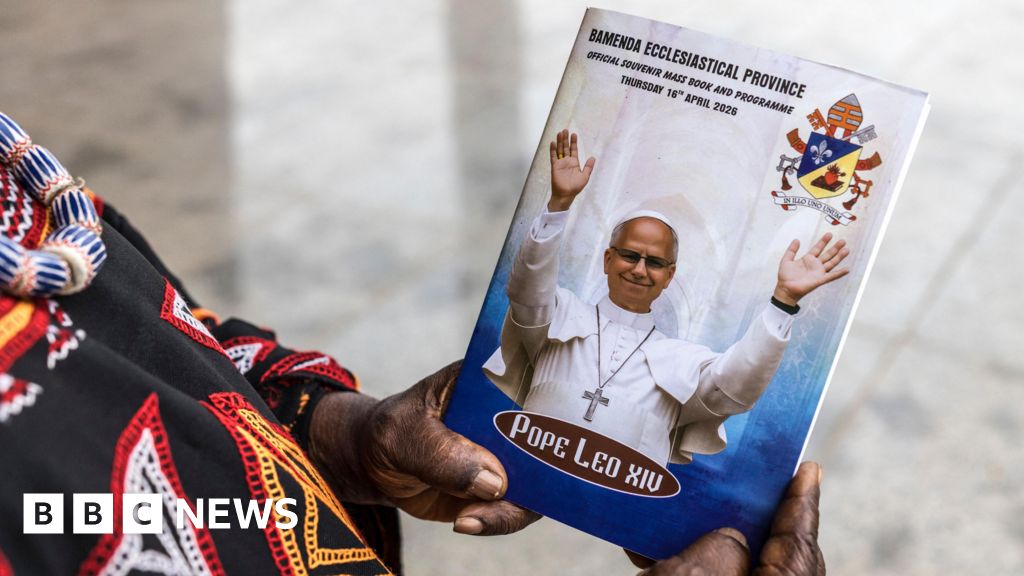
Cameroon Separatists Agree to Halt Clashes for Pope’s Visit

The recent declaration by separatist groups claiming their decision reflects responsibility, restraint, and respect for human dignity marks a pivotal moment in contemporary geopolitical dynamics. Across various regions, these assertions serve as a veneer for underlying struggles over sovereignty, identity, and international legitimacy. Such rhetoric often masks complex realities where local factions assert independence or autonomy while drawing national and global attention to unresolved conflicts. Experts and historians have long debated whether these moves are genuine pursuits of dignity or calculated negotiations aimed at shifting regional balances of power.

The international community, especially institutions like the United Nations, has viewed these developments with a cautious mix of concern and strategic calculation. Many analysts highlight that the core of these conflicts ties back to historical grievances, resource disputes, and the global redistribution of influence. In particular, the United States and European Union have issued statements emphasizing dialogue, yet maintain a readiness to respond if sovereignty is threatened or human rights are compromised. Notably, China and Russia are often accused of exploiting such conflicts for their own geopolitical gains, providing support under the guise of diplomatic neutrality while pursuing regional influence. International agencies warn that unchecked separatist movements may further destabilize already fragile states, risking a domino effect with broader implications for regional and global security.

Historically, the decisions by separatist factions to pursue independence have always carried profound turning points—not just for the regions involved, but for the international order itself. Dozens of scholars, including prominent geopolitical analysts, argue that these shifts threaten the established norms of sovereignty stipulated in the Montevideo Convention, challenging the core principles that have maintained global stability since the post-World War II era. The reactions of powerful nations often reveal their strategic interests—whether backing or opposing such movements—highlighting how their decisions deeply shape nations and societies. For vulnerable populations caught in these conflicts, hopes for peace remain tenuous, while the world watches closely, waiting for a sign that a new chapter in history may eventually be written.

As the echoes of these declarations resonate across borders, history appears to stand at a precipice. The unfolding narrative reminds us that peace is never merely the absence of war but a fragile, hard-won balance that can be overturned with a single choice. With every proclamation of restraint cloaked in notions of dignity, the shadows of conflict deepen, and the weight of history grows heavier. The true test lies in whether the international community can navigate these turbulent waters—not only to preserve stability but to forge a future where sovereignty is respected without forsaking human dignity. For now, the world remains at a crossroads, as the delicate threads of diplomacy and conflict intertwine into an unending tapestry of destiny—an ongoing story that history will judge for generations to come.

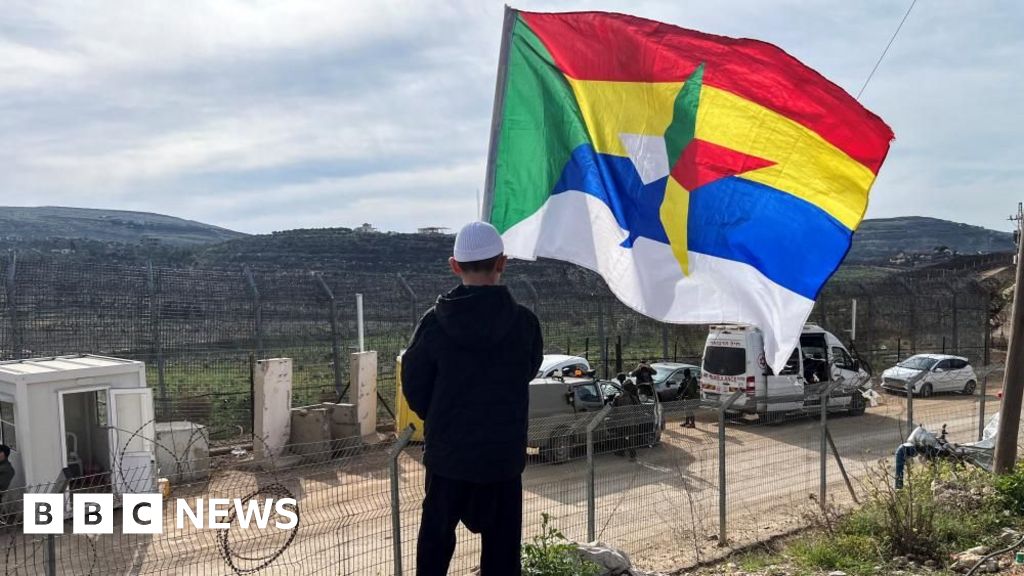
Israel responds to Druze clashes with Syria strikes

The recent escalation of military activities in the Middle East has underscored the fragile and volatile nature of the region’s geopolitical landscape. Israel, with its significant minority of Druze—a community spread across Israel, the Golan Heights, Syria, and Lebanon—has publicly defended its recent strikes as necessary measures to safeguard this unique community. This stance has complex implications, highlighting how internal security narratives often align with external regional conflicts. Historically, Israel has portrayed these operations as protective actions, particularly emphasizing the Druze’s strategic importance and their distinct identity, which sets them apart within the broader mosaic of Middle Eastern minorities.

Analysts argue this move signals a deeper shift in regional security dynamics, with Israel expanding its targeting measures beyond traditional threats. The recent offensives serve multiple strategic purposes: countering emerging militant groups, deterring hostile state actors, and consolidating its position amid ongoing conflicts. The international community remains divided; some view these strikes as vital to regional stability, while others condemn them for risking wider escalation. According to several historians and security experts, these actions may set a dangerous precedent, encouraging further militarization and possibly igniting conflicts involving neighboring states. The escalation raises urgent questions regarding the future of peace agreements in the region, especially as tensions continue to simmer beneath a fragile surface.

U.S. and European intelligence agencies observe this development carefully, warning of how decisions in Tel Aviv could reverberate across borders and influence global security frameworks. The United Nations has issued cautious statements calling for restraint but remains largely sidelined in the ongoing conflict. Regional powers like Iran and Turkey have responded with a mixture of assertiveness and strategic ambiguity, emphasizing their own interests in maintaining influence over local and regional alliances. Such reactions demonstrate the layered complexity of this crisis—where each move by Israel or its opponents has the potential to ripple through the international chessboard. Meanwhile, the Druze community’s position remains precarious; caught between their loyalty to Israel and regional allegiances, their plight exemplifies the human cost amid these geopolitical shifts.

As the dust settles over this latest chapter, international analysts recognize that the true stakes extend beyond immediate military objectives. They underscore how these relentless shifts could define the fate of future peace talks and regional stability. This ongoing saga—characterized by strategic gestures, ambiguous alliances, and the relentless march of history—leaves the world perched on the precipice of unforeseen consequences. The narrative unwinds like a shadowed valley with history’s heavy hand guiding each decision, whispering of a time when the Middle East’s destiny was forever reshaped by the choices of today. The weight of this unfolding story compels a sober reflection: in a region where borders are contested and allegiances shift like desert sands, the line between peace and catastrophe remains perilously thin.

US sanctions Rwanda’s military leaders over DR Congo clashes

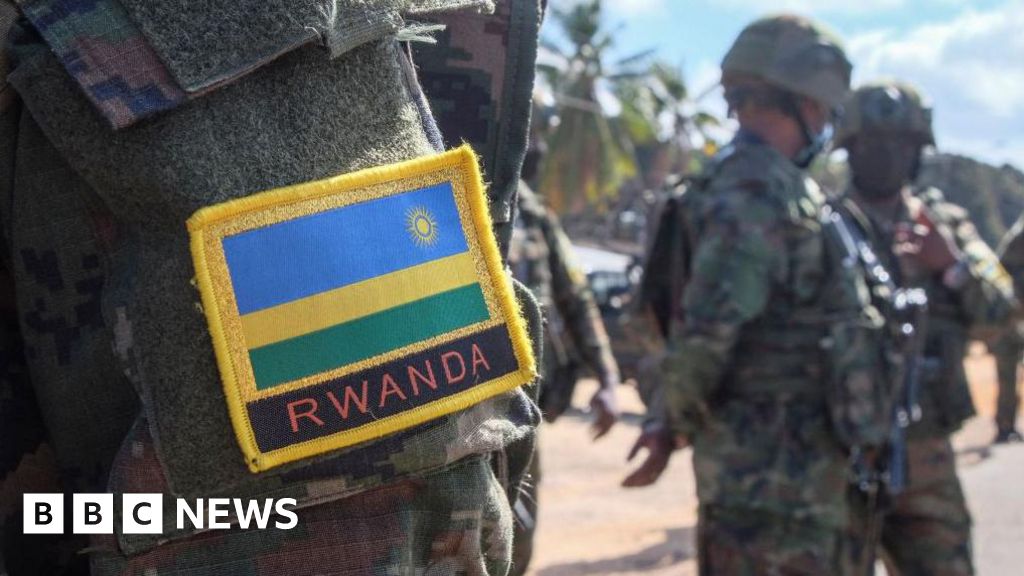
The escalating diplomatic tensions between Rwanda and Washington have taken a decisive turn, igniting fears of deeper geopolitical shifts in eastern Africa. Rwanda officially accused the United States of adopting a “one-sided” and politically motivated stance in recent international maneuvers, raising alarms over the growing influence of global powers in regional conflicts. As Rwanda navigates its sovereignty amid international pressures, analysts warn that such accusations underscore a broader contest for influence in Africa—an arena increasingly seen as a strategic chessboard.

Rwanda’s ire centers around recent decisions made at the United Nations and within bilateral negotiations, where the U.S. has taken positions that Rwanda claims dismiss its security concerns and diplomatic interests. International observers highlight that the U.S. response appears to favor certain factions within the regional conflict landscape, aligning with Western interests at the expense of Rwandan sovereignty. Historically, foreign intervention—whether in the form of aid, sanctions, or diplomatic pressure—has long influenced African states’ trajectories, often at the expense of their internal stability and autonomy. Rwanda’s leadership contends that such external influence undermines regional peace efforts and ignores the complex realities on the ground.

The geopolitical impact of this diplomatic standoff extends beyond the borders of Rwanda and the United States. It exemplifies a broader struggle among major global players—particularly China, Russia, and the European Union—to reshape Africa’s geopolitical map. The International Crisis Group and other think tanks warn that increased competition risks destabilizing already fragile regions, fueling cycles of violence and economic uncertainty. Moreover, Africans and their leaders are increasingly vocal about the need to chart independent paths, resisting external meddling and asserting sovereignty in shaping their futures.

History offers a cautionary tale—where external powers, often cloaked in the guise of aid or diplomacy, have historically exploited regional conflicts for strategic gains. As Rwanda’s accusations echo through international corridors, the world faces a pivotal moment: will existing powers respect Africa’s sovereignty, or will the continent become an arena for greater geopolitical rivalry? The answer may well determine whether the winds of change carry toward peace and stability or if they blow toward enduring conflict. In the shadows of history, the unfolding story warns that the stakes are nothing less than the future sovereignty of nations and the true meaning of independence in a fractured world order.

Minister clashes with Ratcliffe over claim UK built by immigrants – Politics Update

UK Politics in Turmoil as Immigration Debate Sparks Government Backlash

Recent developments in London’s political landscape indicate a notable shift in governmental response to contentious issues surrounding immigration and national identity. The controversy erupted when Jim Ratcliffe, a prominent billionaire and co-owner of Manchester United, made inflammatory remarks claiming that the UK is being “colonised” by immigrants. Such statements, especially from a figure known for his financial influence and subsequent relocation to Monaco to optimize his tax obligations, have ignited a fierce debate within political corridors. The UK government, led by Prime Minister Rishi Sunak, swiftly condemned Ratcliffe’s comments, a departure from previous approaches where officials often downplayed or tacitly supported concerns about immigration.

Revelations from Downing Street suggest a strategic recalibration in the government’s stance on immigration discourse. According to sources close to the administration, the rapid rebuttal signals an emerging desire to distance the government from populist inflammatory rhetoric and to avoid alienating moderate voters. Starmer’s Labour opposition has seized the moment, criticizing the government’s perceived reluctance to confront divisive narratives openly. Meanwhile, New Prime Minister Keir Starmer gains confidence to articulate his progressive instincts more boldly, especially as key figures such as Morgan McSweeney, a former chief of staff of Downing Street, have stepped back from the spotlight, providing space for a shift toward more explicit policy debates on migration. The unfolding scenario underscores a broader geopolitical impact: how national narratives around immigration influence international perceptions and negotiations.

Furthermore, senior officials like Justice Minister Jake Richards escalated the rhetoric against Ratcliffe’s comments, asserting that while everyone has a right to their opinion, inflammatory language like “colonised” is offensive and inaccurate. Richards highlighted the hypocrisy of Ratcliffe, pointing out that the billionaire’s personal move to Monaco—primarily to dodge billions in taxes—renders his critique of immigration hypocritical and tone-deaf to common societal concerns. International analysts warn that such internal political maneuvers have broader geopolitical implications, especially as the UK seeks to maintain its global standing amidst shifting alliances and domestic upheaval. Historically, experts like Dr. Eleanor Clarke, a scholar of British politics, emphasize that the British identity remains malleable, but recent verbal battles threaten to deepen societal divides and challenge the country’s international image.

The domestic agenda remains packed, with key moments planned for the day, including healthcare performance data, local political debates, and visits from ministers to regions hit hard by socio-economic challenges. Yet, the real story is transpiring in the corridors of power—where decisions on how to frame national questions about immigration, sovereignty, and economic fairness are setting the stage for future geopolitical positioning. The weight of history presses down on these fleeting moments of political spectacle, as the UK’s internal divisions threaten to redefine its role on the world stage. How leaders navigate these turbulent waters will determine whether the country emerges united or fractured, shaping the narrative for generations to come.

Half a million flee as deadly Cambodia-Thailand border clashes escalate—urgent need for stability

The ThailandCambodia border dispute has spiraled into deadly conflict once again, with the fiercest clashes since a brief ceasefire in July. Over 500,000 civilians have been displaced, seeking refuge in evacuation centers amid ongoing hostilities that have claimed at least 20 lives and injured nearly 200 people. This escalation, confirmed by Cambodia’s defense ministry, involves the use of heavy weaponry, including airstrikes and artillery, with each side accusing the other of provocations and violations of international agreements. The region, long plagued by unresolved territorial disputes, now faces the prospect of a wider crisis that alarmed analysts and international observers alike.

Despite efforts by US President Donald Trump and regional organizations, such as ASEAN, which brokered a ceasefire just six weeks ago, hostilities persist. The thick fog of mistrust hangs heavily over the fragile peace process, especially after Thailand suspended the ceasefire last month following accusations that Cambodia had laid a landmine, an allegation denied by Phnom Penh. Political upheaval in Thailand further complicates diplomatic efforts; Prime Minister Anutin Charnvirakul announced on social media that he is “returning power to the people,” with a reported plan to dissolve Parliament and call for snap elections. Analysts warn that this move may be aimed at bolstering nationalist sentiments, possibly hardening Thailand’s stance on the border confrontations, thus making diplomatic resolution more elusive.

While international voices, including Pope Leo XIV, lament the humanitarian toll, regional and global powers remain cautious. According to historians and security analysts, the renewed clashes reflect a deeper layer of regional instability and the failure of longstanding diplomatic efforts. The collapse of the ceasefire and the resurgence of violence showcase how fragile peace remains in Southeast Asia’s geopolitical landscape. For developing nations embroiled in border disputes, such conflicts threaten not only territorial integrity but also societal cohesion, economic stability, and regional security. The international community’s role is crucial, but many have begun to question whether external mediation can truly succeed when entrenched nationalistic narratives and internal political unrest dominate the narrative.

As civilians endure the brutality of artillery exchanges and their communities are torn apart, history observes a pivotal chapter unfolding in real time. This conflict symbolizes how stubborn territorial disputes continue to shape the geopolitical sphere, with consequences reaching beyond Southeast Asia. The outcome remains uncertain, with the specter of wider regional escalation looming. As the world watches with alarm, the people of Thailand and Cambodia are caught in the crossfire of a struggle not only for land but for sovereignty and identity—an ongoing story where the threads of diplomacy, nationalism, and history are intertwined in a dangerous weave, destined to leave an indelible mark on the pages of history.

Roblox CEO Clashes Over Child Safety Concerns

Roblox Initiates Major Shift with New Age Verification Technology

In a strategic move signaling disruption within the gaming industry, Roblox, the major digital entertainment platform, has announced the implementation of an advanced age verification feature designed to enhance child safety and platform integrity. Revealed during a recent interview with The New York Times’s Hard Fork podcast, Roblox CEO Dave Baszuki detailed how the platform will require users to submit a face scan to access messaging features—an AI-driven initiative marking a pivotal moment in digital security protocols.
This development exemplifies an industry-wide shift towards more sophisticated identity verification methods, aligning with broader technological trends promoted by institutions like MIT and industry leaders such as Elon Musk, who emphasize the importance of trust-building in online spaces. The move aims to combat emerging threats such as grooming and harassment, which have historically plagued youth-centric platforms. Such investments in AI and biometric verification point to a future where user authenticity is no longer secondary but central to online engagement, elevating standards across not just gaming but social media and education sectors.

However, this push for tighter safety controls has ignited debate about privacy concerns and the broader implications for digital freedom. During the interview, Baszuki appeared visibly frustrated with questions regarding prioritization—particularly concerns that Roblox has focused on growth at the expense of safety. This underscores an ongoing industry tension: how to innovate responsibly without compromising user privacy.

  • While facial recognition could revolutionize online safety, critics warn of potential misuse and data breaches.
  • Proponents argue that AI-enhanced age-gating is essential for protecting vulnerable users and maintaining platform integrity.
  • Leading analysts from Gartner and cybersecurity experts emphasize the importance of transparency and robust safeguards as the technology develops.

The disruption by Roblox amplifies a trend seen across the digital landscape: the integration of AI-powered verification systems as standard features, signaling a technological arms race among giants like Meta and Google. Notably, industry veterans warn that such rapid deployment without comprehensive regulation could lead to unforeseen consequences—posing a challenge for regulators and policymakers trying to Keep pace with innovation. With industry insiders including Peter Thiel predicting a new era of digital trust driven by biometric tech, the next several years will be critical in shaping the balance between safety, privacy, and user freedom.

In conclusion, Roblox’s bold step toward integrating facial recognition and AI-driven age verification underscores a rapidly evolving digital ecosystem. As startups and tech giants race to embed security innovations into platforms that connect millions of youth and adults worldwide, the urgency is palpable. The industry must grapple with not only technological hurdles but also ethical and regulatory challenges—making this a defining moment in the future of online interaction. With market leaders and innovators poised to push boundaries, stakeholders—from regulators to consumers—must stay vigilant. The question remains: can this wave of disruption create a safer, more trustworthy digital landscape, or will it open the floodgates to new vulnerabilities? The answer will determine the trajectory of next-generation digital platforms in the years to come.

Clashes in Nigeria’s northeast leave around 200 dead in violent terrorist skirmish

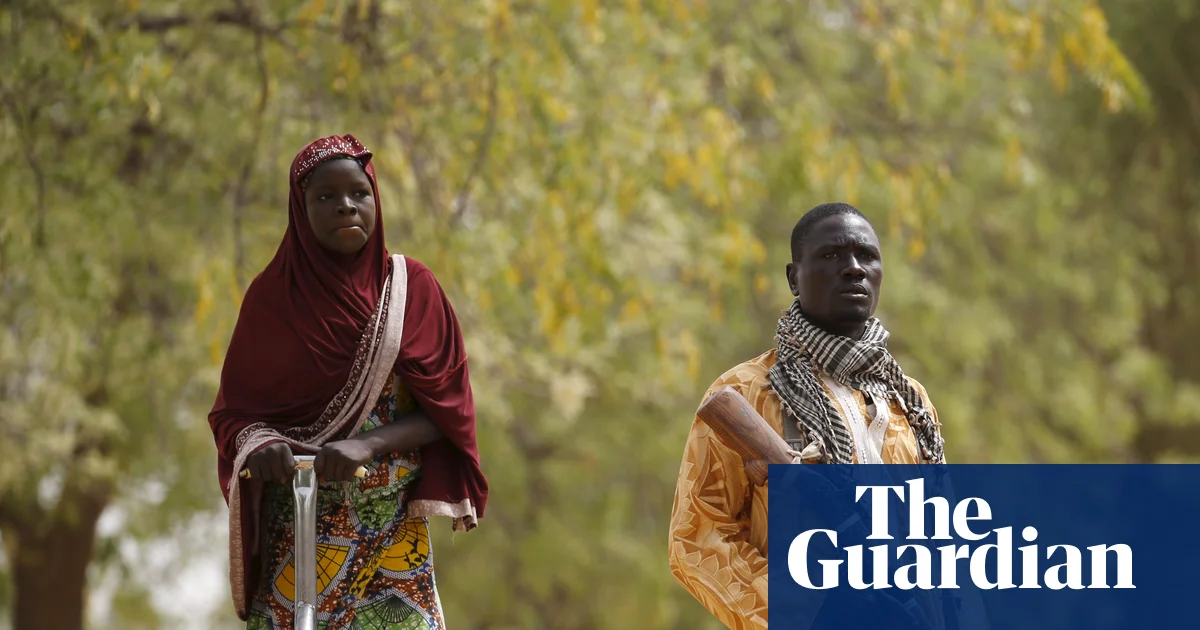
The ongoing insurgency in Nigeria has entered a new and dangerous chapter, with recent clashes between rival jihadist factions causing significant loss of life and further destabilizing the fragile region. Reports indicate that as many as 200 terrorists were killed in a fierce confrontation between Boko Haram and Islamic State West Africa Province (ISWAP) in the village of Dogon Chiku, situated along the shores of Lake Chad. This area—at the crossroads of Nigeria, Niger, Chad, and Cameroon—has long been a battleground for non-state actors vying for control over territory, influence, and economic resources.

Over the years, Lake Chad’s receding waters—having shrunk over 90% since the 1960s—have fundamentally altered the power dynamics in the region. As land routes and operational zones open up amid the shrinking shoreline, jihadist groups like Boko Haram and ISWAP are engaged in a relentless struggle for dominance. Analysts warn that this violent turf war isn’t just about local control; it reflects a broader competition for regional influence, with the potential to destabilize the Sahel and undermine fragile state institutions. The recent clash indicates a shift in the ongoing power struggle, with potentially the deadliest confrontation yet. Experts such as military analysts and international entities observe that ISWAP, once considered the more resourceful and organized faction, now faces serious setbacks amidst Boko Haram’s persistent efforts to maintain control of the Lake Chad basin.

  • The conflict has seen frequent raids and skirmishes, with the latest fighting reportedly resulting in one of the highest death tolls for ISWAP, including the loss of several boats used in the attack. The Nigerian vigilante Babakura Kolo confirmed that approximately 200 ISWAP terrorists were killed, highlighting the brutal nature of the engagement. Such clashes typify a brutal fight for territory where economic interests—such as taxing fishers, loggers, and herders—are intertwined with ideological and political motives.
  • It also signals an intensification of intra-jihadist rivalry, echoing broader trends observed by analysts and even some international organizations. The UN Environment Programme has documented how the environmental degradation of Lake Chad fuels conflicts, as the environmental crisis exacerbates scarcity, forcing groups into violent competition over diminishing resources.
  • Historically, these factions emerged from splits within Boko Haram, a group that, since the death of its founder Mohammed Yusuf in 2009, has inflicted immense suffering on Nigeria’s largely Muslim north-east, including the abduction of schoolgirls and attacks on civilian populations. The death of Abubakar Shekau, Boko Haram’s notorious leader, marked a turning point, but violence persists as factions continue to vie for influence. Recent operations, including Boko Haram’s raids on ISWAP bases, demonstrate the volatile state of affairs, with scores of fighters killed on both sides.

The geopolitical impact of this intra-jihadist struggle extends beyond Nigeria’s borders, echoing across the Sahel region and drawing concern from international actors. Governments and organizations warn that this chaos could serve as a catalyst for broader instability, fostering radicalization and inspiring other militant groups nearby. The United Nations, though primarily focused on humanitarian aid, recognizes that these conflicts threaten regional security and economic development. As countries grapple with the ramifications, the ongoing clashes serve as a stark reminder of how environmental decline, weak governance, and the appeal of extremist ideology converge to create a tinderbox that threatens to ignite a much larger conflagration. In this moment, history bears witness to the fierce struggle for control—one that could determine the trajectory of security and stability in Africa for decades to come.

Nancy Mace Clashes with Airport Cops in Explosive Outburst: Police Report

Major Political Controversy Sparks Disruption in Public Sector Operations

In a development that underscores the unpredictable intersection of politics and technology, South Carolina Congresswoman Nancy Mace has recently found herself embroiled in a controversial incident at Charleston International Airport. According to an incident report obtained by WIRED, her unruly behavior toward law enforcement and security personnel has not only raised eyebrows but also spotlighted vulnerabilities within logistical and security infrastructures. As public sector disruption becomes increasingly intertwined with political theatrics, tech companies operating in the realm of security, identity verification, and AI-driven enforcement are now reassessing their innovation strategies to navigate industry instability.

This episode exemplifies the critical need for disruption-resistant systems in operational workflows, especially where governmental and security agencies rely heavily on automation and digital interfaces. While traditional security protocols—such as manual checks and human oversight—have served well, the incident emphasizes the urgency for emerging automated compliance tools and AI-driven behavioral analytics. Companies that incorporate these innovative technologies could not only improve operational efficiency but also enhance resilience against unforeseen political risks. As analyst Gartner has consistently reported, the future of public sector security will increasingly depend on the ability of AI systems to prevent, detect, and adapt to unexpected human behaviors that threaten safety and order.

Furthermore, the incident highlights a broader industry shift towards automation and smart security protocols, especially in high-stakes environments such as airports. Disruption in traditional security models—exacerbated by operational gaps such as the ongoing government shutdown affecting TSA salaries—calls for a strategic pivot towards blockchain-based identity verification, biometric authentication, and AI-powered behavioral monitoring. Companies that recognize these market shifts early will lead the next wave of public-private partnerships, which could fundamentally redefine security logistics and compliance in a post-pandemic, hyper-polarized world.

From an innovation perspective, the episode underscores the urgency for disruptive technologies that can predict and manage human factors within critical infrastructure. Experts from MIT and industry leaders like Elon Musk have long championed the integration of autonomous compliance systems, recognizing their potential to mitigate risks associated with human unpredictability. As industry analysts warn, failure to adapt to these disruptive shifts could expose vulnerabilities, inviting greater instability and operational costs. The future landscape will likely favor businesses leveraging AI, blockchain, and advanced behavioral analytics to create resilient, adaptive systems—and those slow to innovate risk becoming obsolete.

In a world increasingly defined by rapid technological transformation and fleeting political stability, the call for proactive innovation is more urgent than ever. National security, business resilience, and public trust depend on their ability to disrupt traditional models and adopt next-generation infrastructure. The incident at Charleston Airport serves as both a cautionary tale and a clarion call to innovators: those who harness the disruptive potential of emerging technologies will shape the future of security, governance, and societal stability. As the industry evolves, remaining static will no longer be an option—forward-thinking companies must lead the charge into a disruptive new era.

Gaza Violence: Clashes Between Hamas and Clan Militants Kill 27

Gaza Descends into Clashes: A Sign of Unrest and Power Struggles

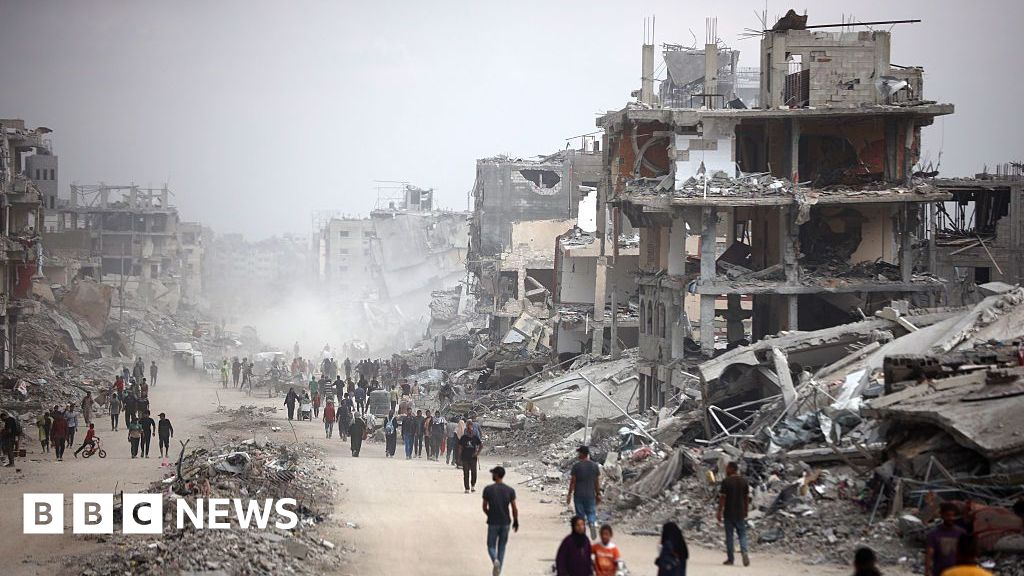
In a development that signals escalating internal instability within the already fragile Gaza Strip, at least 27 individuals have lost their lives during fierce confrontations between Hamas security forces and the powerful Dughmush family. The violent encounters erupted in Gaza City, near the Jordanian Hospital in the Tel al-Hawa neighborhood, historically a hotbed of tension. Eyewitnesses describe scenes of chaos, with residents fleeing their homes under heavy fire—marking one of the most brutal internal struggles since the cessation of major Israeli military operations in the region.

Analysts and international observers caution that these clashes are not isolated incidents; they underscore a deeper fissure in the socio-political fabric of Gaza, where clan rivalries and militant allegiances intertwine. The Hamas-led interior ministry stated that security forces engaged in heavy fighting to detain Dughmush fighters, highlighting the group’s efforts to reassert dominance within Gaza’s complex power hierarchy. This internal strife comes at a delicate moment, with Hamas recalling thousands of security personnel in a move that signifies both a consolidation of control and an underlying vulnerability, as armed units reportedly deploy across districts, some with clandestine or paramilitary attire.

Consequences for Regional Stability and International Relations

  • Hamas’s assertion of authority may deepen internal divisions, weakening the group’s image as the sole resistance entity in Gaza, and could potentially embolden rival factions or external militant groups.
  • The Dughmush family’s defiance underscores the persistent influence of clan-based allegiances that historical analysts trace back to Gaza’s social realities, challenging Hamas’s monopoly on authority and risking a further breakdown of order.
  • Broader geopolitical impact: The turmoil occurs amid ongoing regional tensions involving Egypt, Israel, and other neighboring states, all invested in maintaining or disrupting stability. The repeated internal violence in Gaza complicates diplomatic efforts aimed at peace and humanitarian aid, with international organizations warning that instability feeds into a cycle of violence that threatens to spill beyond Gaza’s borders.

As renowned geopolitical analysts emphasize, these internal conflicts could serve as a catalyst for larger shifts, potentially shifting Hamas’s focus from external resistance to internal survival. The confrontation has already drawn condemnations and cautious analyses from global institutions, with some warning that unchecked internal divisions could weaken Hamas’s capacity to manage its relationships with regional powers, including Qatar and Turkey. Historian Dr. Samuel Levin has noted that “tribal and clan dynamics in Gaza have always acted as a double-edged sword—contributor to resilience, yet also a source of fragmentation.”

Future Uncertainty and the Unfolding Pages of History

As the dust settles on this latest episode of internecine violence, the question remains: how will Gaza’s internal struggles influence its future trajectory? Will this internal discord serve as a prelude to greater fragmentation or a catalyst for renewed resilience? The weight of history hangs heavy as Gaza’s political landscape continues to shift underneath the silent watch of global powers. With each new clash, the region edges closer to a precarious new chapter—a chapter that will be written not only by local clans and militant factions but by the decisions and wars of distant capitals. The world watches, knowing that the repercussions of these internal divisions will echo across the Middle East and beyond, shaping international relations and the very fate of an embattled society caught in the relentless tide of history’s relentless unfolding.

Social Media Auto Publish Powered By : XYZScripts.com