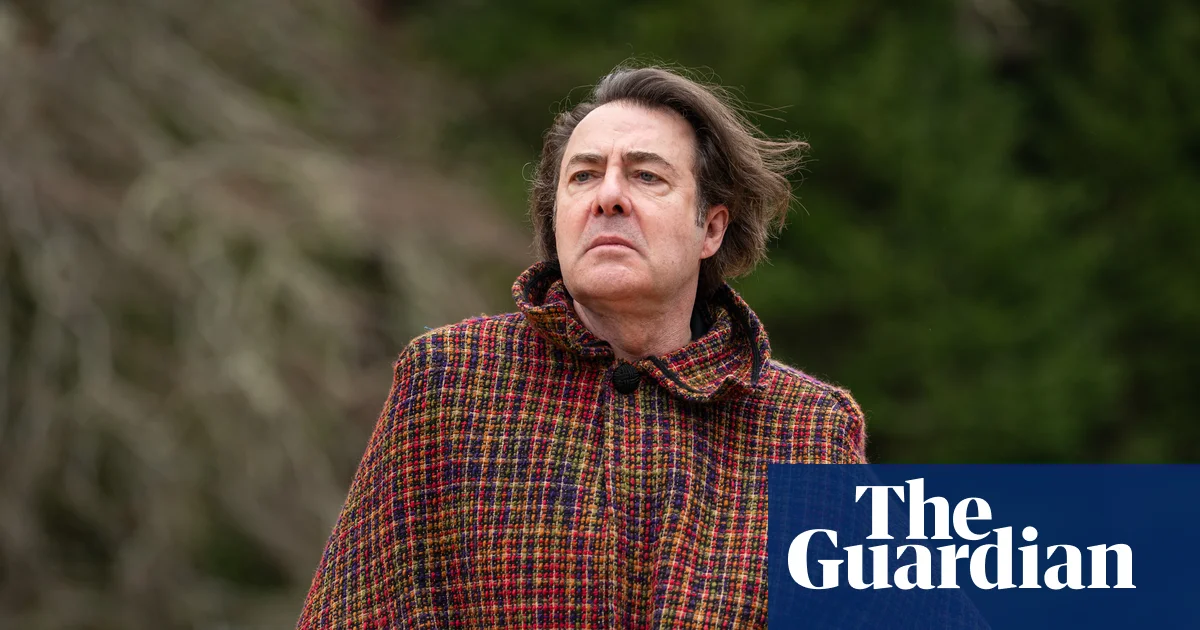

In the realm of reality television, style has long transcended mere aesthetics to become a cultural statement. This season of Celebrity Traitors, a hit UK-based game show, has vividly demonstrated that wardrobe choices are now more than just fashion—they’re powerful tools for social signaling. While the audience expects suspense over who will survive each night’s murder, a subtler, more profound battle is unfolding: the battle for perception. And no one has mastered this quite like Jonathan Ross. His eclectic, flamboyant outfits on the show are not only a reflection of his personality but are actively shaping the social narrative, blurring the lines between performance and strategy.
Influenced by a mix of vintage Hollywood style and pop culture icons, Ross’s wardrobe choices have become a cultural phenomenon in their own right. From tailored dapper suits to daring Top Gun-inspired jumpsuits, his looks are meticulously curated to *signal dominance and authority*. Fashion psychologist Dr. Dion Terrelonge highlights how Ross’s self-styled ‘costumes’ serve to convey the message: “I am a leader who commands attention.” Far from accidental, Ross’s choices are a calculated act rooted in perception management. His wardrobe is like a visual language, telling viewers he’s in control—even when he’s secretly orchestrating betrayal. This approach echoes the work of sociologists who argue that fashion, especially in high-stakes environments, functions as an extension of social power and status.
- On-trend fashion as a social tool: Ross’s bold looks—ranging from aviator sunglasses to fuzzy stoles—are more than just eye candy; they’re part of a strategic play, signaling to both contestants and viewers that he’s a ‘big dog’ in the game.
- Viral influence: Fans and fashion enthusiasts online have started mimicking Ross’s most striking outfits, turning his wardrobe into a trending cultural phenomenon that extends far beyond the show.
- The social psychology behind costume: Experts suggest that dressing in a way that commands attention might increase perceived authority—vital in a game designed around deception and trust.
What makes Ross’s fashion stunt even more compelling is his choice to control his appearance even during moments of vulnerability. Known for plotting his looks himself—sometimes packing a full goth ensemble just in case—the broadcaster’s wardrobe becomes a live canvas for his dual identity: the charming host by day, the covert traitor by night. Such deliberate styling echoes the archetypes of the ‘big, bold’ hero characters in popular culture—think Maverick or Sherlock Holmes—yet here, it’s used for a much darker purpose. The social relevance of this trend is undeniable: it underscores how personal style can influence perception, especially when tied to concepts of authority, trustworthiness, and deception.
As the narrative twists unfold, the real question facing us is whether this trend of fashion-as-strategy will continue to evolve—especially in an era where image overtakes substance at an unprecedented pace. Is the rise of such flamboyant displays of style a sign that society is shifting towards an even more performative culture? And, perhaps more intriguingly, what could be next? If dressing complex and commanding on-screen can help a traitor hide in plain sight, are we witnessing the dawn of a new social era—where how we dress is becoming the ultimate form of social camouflage? The future, it seems, is as much about what’s on the outside as what’s hidden behind it.