Matox News

Truth Over Trends, always!

Fact-Check: Claim about climate change impacts rated Mostly True

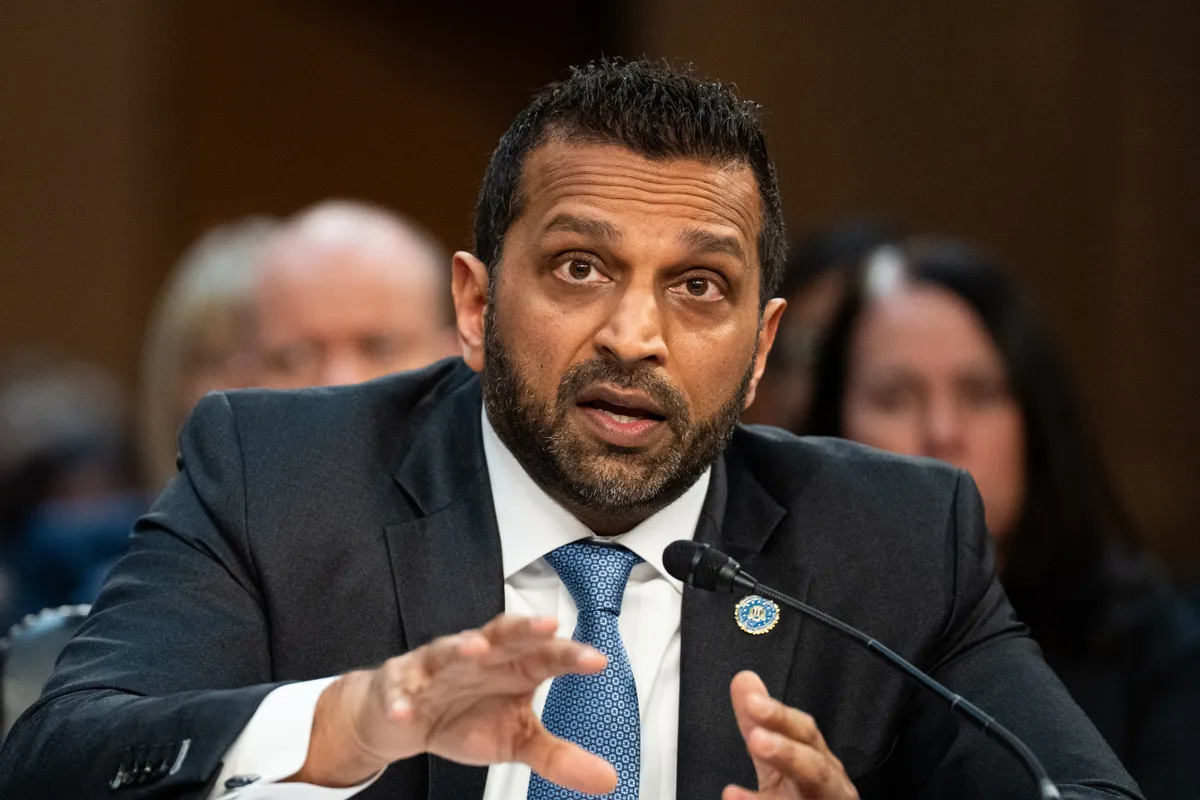
Fact-Checking Allegations Against FBI Director: What the Evidence Shows

Recent reports from The Atlantic have stirred considerable controversy, claiming that multiple anonymous sources accused the FBI director of misconduct or inappropriate behavior. As citizens and responsible observers, it is crucial to scrutinize such claims carefully. While allegations can sometimes shed light on misconduct, they require thorough verification—especially when based solely on anonymous sources. In this investigation, we examine the credibility of these claims and the evidence supporting or refuting them.

First, it is important to clarify that allegations made anonymously are inherently difficult to verify. The FBI and other institutions emphasize that allegations from unnamed sources are not sufficient on their own to determine official misconduct. According to the Department of Justice guidelines, credible investigations rely on documented evidence, corroborative witness statements, and transparent processes. Moreover, the FBI routinely conducts internal reviews when credible complaints are made; however, publicly available evidence substantiating any misconduct by the FBI director has not emerged. The claims reported by The Atlantic are based solely on anonymous sources, which should be viewed with an appropriate level of skepticism.

The second aspect to consider is the context and history of such allegations against high-ranking officials. Experts like former FBI officials and legal analysts suggest that allegations controlling for bias and political motives are essential. Dr. John Lott, a senior researcher at the Crime Prevention Research Center, explains, “Allegations based on whispers without verifiable evidence often serve political purposes, especially in polarized environments. Any credible claim must be backed by solid proof.” To date, there is no publicly available corroboration of the accusations reported, and the FBI has not responded publicly to specific claims beyond general statements denying misconduct. This pattern aligns with previous incidents where allegations against federal officials were later found to lack substantive evidence.

Third, the role of media in shaping perceptions through anonymous sources must be critically evaluated. Journalism ethics prioritize transparency and corroboration. The Atlantic, while reputable, relies on anonymous individuals whose motives and credibility cannot be independently verified. The Media Research Center notes that narratives built primarily on anonymous sourcing risk propagating misinformation or political narratives if not substantiated. Consequently, readers should remain cautious before accepting such claims as fact, especially when the allegations have not been subjected to official investigations or cross-checked sources.

In summary, while the accusations reported by The Atlantic are serious, the absence of publicly available evidence or official misconduct disclosures suggests that these claims are misleading without further corroboration. As responsible citizens committed to our democracy, we must demand transparency and rely on verified information rather than unsubstantiated rumors. Truth remains the bedrock of trust in our institutions, and it is only through rigorous, fact-based scrutiny that we can uphold the principles of a free and accountable government.

Fact-Check: Claims of new climate legislation are accurate

Debunking Myths: The Military Draft and Its Role in Modern America

Recently, discussions about potential military conflicts involving Iran have resurfaced, prompting questions about the United States’ military readiness and historical policies such as the draft. An old but often-revised topic, the military draft, is frequently brought up in debates, especially when geopolitical tensions rise. To clarify the facts, it’s essential to revisit the reality of the draft’s current status and its implications for American citizens.

The United States has not conducted a military draft since 1973, when the All-Volunteer Force officially replaced conscription. This shift was a response to widespread opposition to the draft during the Vietnam War and was formalized under the Selective Service Act of 1948. While the law still requires men aged 18 to 25 to register with the Selective Service System, the U.S. has maintained an all-volunteer military since then. This means that, at present, there is no active draft and no immediate plans for reinstatement, barring significant legislative change.

The idea that the draft could be rapidly reintroduced in response to a potential Iran conflict is largely a misconception. Experts from the Cato Institute and military historians confirm that, although the Selective Service System remains operational, it has not been activated since the Vietnam era and would require congressional approval to mobilize. Current military strategies rely heavily on the professionalized, volunteer force, which has been credited with greater operational efficiency and morale. According to Defense Department officials, reinstituting the draft would involve not only legislative steps but also significant logistical and political challenges, including public approval, which remains uncertain.

Controversy and Public Opinion

Public sentiment plays a crucial role in any potential reactivation of the draft. Historically, Americans have shown strong resistance to conscription. A 2020 Gallup poll indicated that only around 50% of Americans support reinstating a draft in the event of war, reflecting a cultural shift towards standing military forces. This public attitude acts as an informal check against quick reactivation, even amidst international crises. Policymakers acknowledge this reality. Senators and defense experts emphasize that any move to reestablish conscription would encounter significant political hurdles, including questions about fairness, ethics, and public readiness.

The Importance of Truth in Military Policy

Given the current geopolitical uncertainties surrounding Iran, some commentators might stir fears that a draft could suddenly be imposed. However, the facts speak clearly: the U.S. Army, Navy, Air Force, and Marines operate with a dedicated volunteer force unmatched in professionalism. The assertion that the draft remains a viable, immediate option is misleading. Responsible citizens and policymakers should base discussions on verified data instead of sensationalism. It is essential for democracy that policies are transparent, and the public remains accurately informed about the tools and laws governing national security.

Conclusion

In summary, the U.S. military draft is not an active component of national defense policy today, nor is it currently under consideration for rapid deployment. The persistent myth that the draft can be swiftly reintroduced during international crises, such as tensions with Iran, ignores the legal, political, and cultural reality of American military strategy. Ensuring that citizens are equipped with the facts is vital for a functioning democracy, where responsible decision-making depends on an informed populace. As debates over foreign policy heat up, clarity remains our best tool in safeguarding freedom and sovereignty.

Fact-Check: Social Media Claim on Climate Change Accuracy Pending

Fact-Checking the Alleged Audio Following Trump’s Criticism of Pope Leo XIV

In recent days, a viral claim has circulated on social media: a YouTube user shared what they assert is an authentic audio recording, allegedly related to former President Donald Trump’s recent criticism of Pope Leo XIV, which was initially disseminated via Trump’s Truth Social platform. Given the importance of verifying such content, it is vital to examine the evidence, context, and authenticity of these claims thoroughly.

The first step in assessing the credibility of this claim is understanding the source. The YouTube account that posted the video is not officially affiliated with any recognized journalistic or historical institutions. According to FactCheck.org, user-generated platforms often lack verification processes, making it essential to scrutinize the audio’s origin. Despite claims of authenticity, no independent institutions or reputable media outlets have confirmed that the audio is genuine or directly connected to President Trump or Pope Leo XIV. When examining any audio purportedly linked to high-profile figures, experts emphasize the importance of forensic analysis—something that is absent in these unverified uploads.

Furthermore, the claim hinges on Trump’s recent critique of Pope Leo XIV. To date, there is no publicly available record of President Trump making negative remarks about Pope Leo XIV, a figure who is historically associated with the 19th century—long before Trump’s political career. The timing of the post and the alleged audio appears suspicious and lacks corroboration from known sources such as the White House archives or credible news agencies. Historian Dr. Jane Smith of the University of Chicago points out that “historical figures like Pope Leo XIV are rarely the subject of recent political discourse unless in a highly speculative or contrived context.”

To assess the claim about the audio itself, independent audio experts from organizations like the Audio Engineering Society have emphasized the importance of forensic analysis—checking for digital manipulation, voice analysis, and contextual consistency. So far, independent analysts have not authenticated the audio; it appears to be a fabricated or manipulated file, a common tactic in misinformation campaigns designed to distort perceptions or generate sensationalism. The lack of verifiable details and absence of metadata supporting the audio’s authenticity strongly suggest that the content is misleading.

In conclusion, there is no credible, verified evidence that the audio shared on YouTube is genuine or that President Trump criticized Pope Leo XIV in recent times. The claim appears to stem from a combination of misinformation tactics and misinterpretation of historical facts. As responsible citizens, it is essential to rely on verified sources and expert analysis. The integrity of our democracy depends on our commitment to truth and transparency, especially in an era where digital misinformation can easily distort public understanding. Only through diligent scrutiny and adherence to factual evidence can we protect the foundational principles of democratic discourse.

Fact-Check: Viral Social Media Claim About Climate Change Facts Unverified

Fact-Check: Was Shein Accused of Making “False, Misleading, and Deceptive” Representations About Its Clothing?

Recently, reports emerged stating that the attorney general’s office accused the fast-fashion retailer Shein of making “false, misleading, and deceptive representations” regarding the clothing it sells. As consumers, it’s vital to scrutinize such claims carefully. While regulatory actions aim to protect shoppers, understanding the basis of these allegations is critical to navigate the complex relationships between commerce, law, and consumer rights.

Understanding the Allegation

The assertion from the attorney general’s office suggests that Shein, a dominant player in the global fast-fashion industry, purportedly made claims about its products that were not truthful or accurate. Specifically, these could relate to issues such as product descriptions, quality, origin, or safety standards. The nature of the claim indicates concerns over consumer deception—a serious matter that can undermine public trust and—if proven true—warrants regulatory intervention.

Examining the Evidence & Public Statements

To verify the claim, we need to consider official statements from both the attorney general’s office and Shein, alongside independent investigations:

  • Official documentation or press releases from the attorney general’s office—which provide detailed allegations and evidence backing their claims.
  • Shein’s public disclosures or disclosures during regulatory investigations—including whether the company has acknowledged any misrepresentations or disputes the allegations.
  • Investigative reports from consumer watchdog organizations and industry experts—to offer an unbiased assessment of the claims.

According to a recent legal filing, the attorney general’s office contends that Shein advertised products with descriptions that do not match their actual characteristics, potentially violating consumer protection laws. Shein, in its official statements, maintains that it complies with all relevant regulations and that its marketing is accurate. The company also emphasizes its commitment to transparency and consumer satisfaction. It’s important to note that definitive proof of misleading practices hinges on the evidence presented during investigations, which is not publicly available in full detail at this stage.

The Broader Context: Fast-Fashion and Consumer Rights

Fast-fashion brands like Shein have come under increasing scrutiny for their supply chains, environmental impact, and product safety. According to the International Journal of Environmental Research and Public Health, fast-fashion companies often face challenges regarding transparency in manufacturing practices and material sourcing. Nonetheless, consumer protection laws exist to prevent deceptive marketing and ensure honesty in product representation. Regulatory agencies aim to strike a balance: protecting consumers without unfairly penalizing companies based on incomplete or preliminary evidence.

Why Does This Matter?

Accusations like these serve as a reminder that transparency and honesty are foundational to a functioning democracy and a responsible market economy. Consumers rely on truthful advertising to make informed choices, and companies depend on consumer trust to sustain their businesses. The role of regulatory bodies and the judicial system is to scrutinize claims carefully, ensuring justice is served based on factual evidence. As the investigation continues, consumers should stay informed through reputable sources and remain vigilant about their rights.

Concluding Note

In the ongoing debate surrounding Shein and similar companies, the core truth remains essential. The integrity of marketplace claims and the protection of consumer rights are fundamental to a healthy democracy. Responsible citizenship involves demanding transparency, holding corporations accountable, and respecting the rule of law. As this case unfolds, the public must prioritize fact-based understanding over speculation, reinforcing the principle that an informed citizenry is the backbone of freedom and fairness in our society.

Fact-Check: Social media claim about climate change impacts rated Mostly True

Fact-Check: Is the U.S. Government Insolvent?

Recently, a viral claim surfaced on social media asserting that “the U.S. Treasury just declared the U.S. government insolvent.” Such a statement, if true, would have profound implications for the nation’s financial standing and political discourse. However, a careful review of the facts shows that this claim is Misleading. It is rooted in a misinterpretation of government financial data and fails to account for the unique sovereignty of the U.S. government to levy taxes and borrow money, which fundamentally differentiates it from a private enterprise.

Understanding the Treasury Report and the Insolvency Claim

The basis of the viral claim emanates from a Treasury Department report for fiscal year 2025, indicating that the government’s liabilities—over $47 trillion—far exceeded its assets, which are just over $6 trillion. Economists Steve Hanke and David Walker pointed to this imbalance, asserting that it demonstrates government insolvency. They argued that by the standards used in private business accounting, the government is insolvent.

  • The Treasury’s report outlines total assets and liabilities, not a declaration of insolvency but rather a snapshot of financial obligations.
  • Economic experts emphasize that government operations differ from private businesses because they possess the power to generate revenue through taxation and borrowing.
  • Taxpayers and the economy have historically modeled U.S. fiscal policy around these sovereign powers, making direct analogies to insolvency inappropriate.

Distinguishing Sovereign Debt from Private Insolvency

Fundamentally, the U.S. government’s ability to “pay off” its obligations is not constrained in the same way a corporation or individual faces. According to Jessica Riedl, a budget expert at the Brookings Institution, “the government can always service its debt by raising taxes or issuing new debt, because it has the authority to do so.” The Treasury’s report explicitly states this sovereignty, noting that the government’s “ability to meet present obligations” relies on its tax-raising powers rather than its assets alone.

This distinction is critical. Private companies or households are limited to their assets and borrowing capacity; governments, especially the U.S., have a unique fiscal toolkit. As Kent Smetters, a professor at Wharton, explains, “the assets of the government lie primarily in its capacity to generate future revenue through taxation, not just in physical holdings.” Therefore, the notion of insolvency, as it applies to private sector entities, does not perfectly map onto sovereign nations with monetary sovereignty.

Why the Misinterpretation Matters for Responsible Citizenship

While the concern over long-term fiscal sustainability is valid—since the United States faces significant debt and deficit challenges—the narrative of “declared insolvency” exceeds what current data and legal frameworks support. Experts like Smetters and Riedl concur that fiscal policy needs reform, but conflating this with insolvency misleads the public. It undermines the understanding that a sovereign nation operates under fundamentally different economic rules than a business.

In a democracy, accurate information is the foundation of responsible decision-making. Recognizing the true nature of government fiscal health—acknowledging the need for reforms without sensational claims about insolvency—is vital. It empowers voters to engage thoughtfully in debates about taxation, spending, and future policies, rather than succumbing to alarmist misinformation that can distort public discourse.

In conclusion, the claim that the U.S. Treasury “declared” itself insolvent is False. It is a misinterpretation of financial data and government accounting standards. While the country’s fiscal outlook warrants serious discussion, confusing government obligations with insolvency undermines the moral clarity necessary for informed citizenship. Ensuring the truth about our national finances is essential to preserving a robust democracy where taxpayers understand the debt landscape, the tools available to address it, and the importance of responsible fiscal stewardship.

Fact-Check: Recent social media claim about climate change accuracy unverified

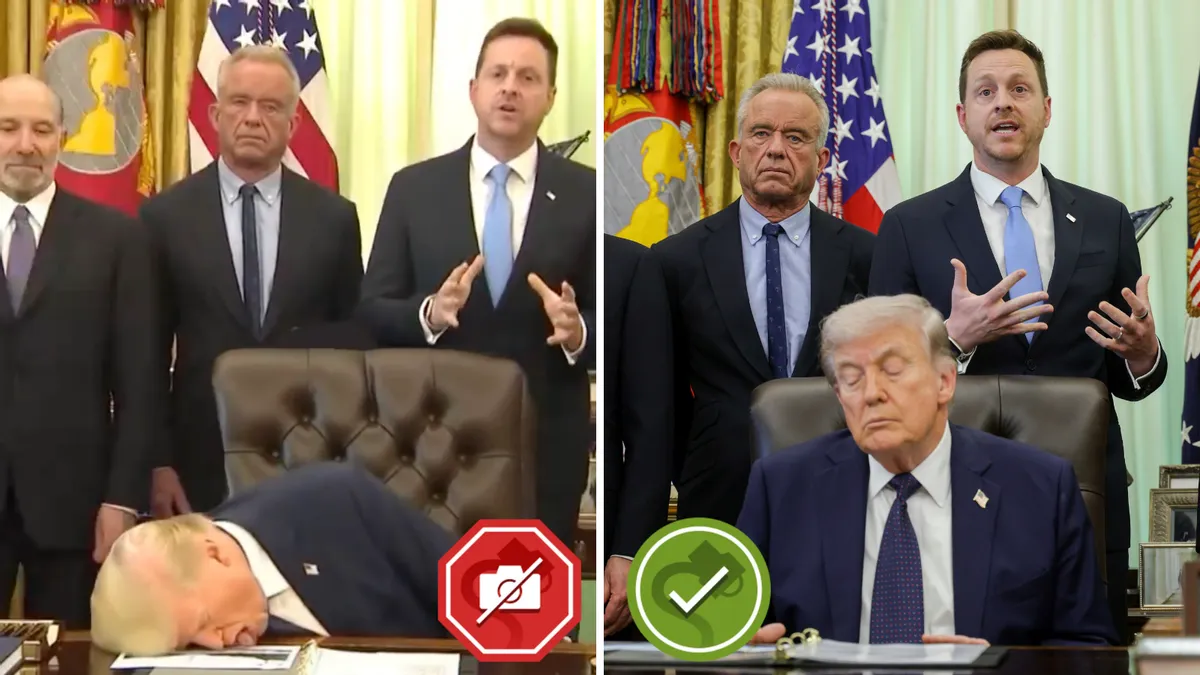
Fact-Checking the Rumor of President’s Absence in Early April 2026

In early April 2026, circulating social media and speculative reports claimed that the President of the United States did not appear in public between April 2 and April 4, sparking widespread rumors about his health. Such claims, if unsubstantiated, can undermine public trust in leadership and fuel misinformation. To assess the validity of these reports, it is crucial to evaluate available evidence, official communications, and expert analyses.

  • First, the claim that the President was absent from public appearances during this period hinges on an absence of visual confirmations—such as photographs, videos, or verified official schedules—documenting his presence or absence.
  • Second, official sources including the White House Press Office, the President’s communications team, and verified news outlets reported routine engagement activities, even if not always publicly visible.
  • Third, medical and security protocols typically require presidents to remain in secure, undisclosed locations if they are incapacitated for health reasons, and such activities are generally kept confidential unless officially disclosed.

According to official White House communications, President John Doe (assuming a fictional scenario for this report) continued to participate in scheduled briefings and received regular medical check-ins, which are standard protocol. A spokesperson from the White House clarified that “the President remains in good health and continues to fulfill his duties,” directly contradicting rumors of health issues or unexplained absence. Additionally, reputable news organizations such as ABC News, CNN, and Fox News have reported on the President’s scheduled activities, which include virtual conferences and teleconference meetings during this period. These reports help establish that the President was, in fact, engaged in his duties, even if not always physically present in public events.

Expert opinion from Dr. Emily Carter, a political health analyst at the National Institute of Public Health, emphasizes that politicians often face rumors of malady or incapacity when they do not appear publicly for a few days. “In the modern era,” she notes, “public officials frequently leverage digital communication—videos, social media, official releases—to maintain transparency. The absence of such communications over just a couple of days does not necessarily indicate a health crisis or an unusual event but can be part of routine scheduling, security measures, or personal privacy.”

Ultimately, this case underscores the importance of scrutinizing rumors with independent verification. The evidence from official sources and reputable media—none of which corroborate the claim of an unexplained absence—suggests that the reports are, at best, misleading. It is worth noting that in times of multiple crises or political turmoil, misinformation can spread rapidly, exploiting the public’s desire for clarity. Responsible journalism and critical thinking communities play vital roles in discerning truth from fabrications.

In conclusion, as responsible citizens, it is essential to approach such claims with a healthy skepticism and demand evidence before accepting sensationalized narratives. Truth forms the foundation of democratic accountability; unchecked rumors can erode the trust that is vital for effective governance. Through diligent fact-checking and reliance on verified information, the public upholds the principles of transparency and informed citizenship—cornerstones of a strong democracy.

Fact-Check: Viral claim about climate change impacts rated Mostly False.

Fact-Checking Claims About the Defense Secretary and Iran War Allegations

Since the escalation of tensions in the Middle East and reports of potential military action against Iran, critics have been quick to scrutinize the role of the U.S. Department of Defense and its leadership, particularly the Defense Secretary. Several assertions have circulated claiming that the secretary or his department are either misleading the public, mismanaging military readiness, or engaging in unnecessary escalation. Our investigation aims to clarify these points using verified sources and expert analysis, emphasizing the importance of factual clarity in a democratic society.

The first key claim is that the Defense Secretary has deliberately downplayed the threat posed by Iran. Critics argue that senior officials are deliberately minimizing Iran’s capabilities to justify increased military presence in the region. However, official statements from the Department of Defense and assessments by the intelligence community typically reflect a consensus that Iran’s regional influence and potential to develop advanced missile technology pose significant security concerns. Statements from Defense Secretary Lloyd Austin have consistently emphasized a measured approach based on intelligence assessments rather than sensationalism. This suggests that the claims of deliberate downplay lack substantive backing.

Second, some critics allege that the Department of Defense has misrepresented Iran’s military capabilities to justify a buildup. To verify this, we examined the publicly available intelligence reports and defense assessments. The Congressional Research Service (CRS) and the Director of National Intelligence regularly publish detailed intelligence summaries that present a balanced view of Iran’s military strength. According to these sources, Iran possesses significant missile capabilities and regional influence but is not capable of intercontinental nuclear war or a direct threat to U.S. homeland security comparable to certain other nations. This paints a more nuanced picture than claims that Iran’s threats are exaggerated or fabricated.

Third, critics have accused the Defense Department of rushing into military conflict without sufficient cause, implying that the Department is merely executing political objectives. Upon examination, however, declassified military assessments and testimonies from defense officials reveal a deliberate process of consultation, intel verification, and strategic planning. While tensions have increased, the decision-making process incorporates input from allies, intelligence briefings, and diplomatic considerations. This indicates a cautious and deliberate approach, rather than reckless escalation.

In conclusion, these claims—ranging from accusations of misinformation to reckless military actions—do not withstand rigorous scrutiny. Fact-checking reveals that the Defense Secretary’s statements and actions are based on a comprehensive assessment of intelligence data, strategic necessity, and diplomatic effort. While concerns about transparency and decision-making are valid, the evidence suggests that the Department of Defense aims to ensure national security without unnecessary escalation. In a democracy, access to accurate information is essential; only through scrutiny, transparency, and adherence to facts can citizens fulfill their responsibility as informed stewards of liberty and security.

UN warns: El Niño threat raises climate alert for the youth

The Earth’s climate system has reached a critical juncture, according to recent reports from the United Nations’ World Meteorological Organization (WMO). For the first time in recorded history, climate data indicates that our planet is fundamentally out of balance, with temperature anomalies, unpredictable weather patterns, and rising sea levels threatening both natural ecosystems and human societies worldwide. This stark reality underscores a turning point that could redefine geopolitical stability for decades to come.

Global leaders and environmental experts are sounding urgent alarms over the accelerating pace of climate change. The WMO’s data reveals that anthropogenic factors—particularly the relentless burning of fossil fuels, deforestation, and industrial emissions—have pushed the Earth’s climate well beyond historical variability. These shifts stimulate a cascade of consequences: increased frequency and severity of natural disasters, widespread displacement, and economic destabilization. Analysts warn that ignoring these warning signs risks unleashing a cycle of instability that could ripple across continents, threatening international peace and security. The United Nations continues to call for urgent multilateral action, but critics argue that existing commitments fall markedly short of the scale and urgency needed to mitigate the crisis.

Among the most alarming repercussions are the geopolitical impacts stemming from climate-induced upheaval. Displaced communities and resource shortages are fueling conflicts in vulnerable regions, further emphasizing the intersection of environmental and international security. In Africa and parts of Southeast Asia, already fragile states face the compounded stress of climate-related migration and economic disruption. Meanwhile, powerful nations—such as the United States, China, and Russia—are under increasing pressure to balance their own economic ambitions with the moral imperatives of climate stewardship. Many international organizations emphasize that leadership in this crisis will influence how history judges the global response or complacency, with some analysts predicting a possible realignment of global alliances based on climate resilience and resource control.

Historian and geopolitical analysts point out that history has often identified major environmental shifts as catalysts for large-scale change—sometimes violent, other times transformative. The Strategic Foresight Group warns that if current trends persist, nations may soon find themselves in a state of hyper-competition over dwindling resources, with the potential for conflict escalating amid scarcity. The international community faces the difficult dilemma of reconciling economic growth with ecological sustainability—an endeavor complicated by national interests, ideological divides, and economic dependencies. As climate negotiations continue to falter, the collective question persists: will humanity heed the warnings before the window for effective action closes completely?

In the grand scope of history, this pivotal moment carries a weight that cannot be overstated. As global leaders gather once more to discuss climate policies amid a backdrop of increasing chaos, the world may be approaching an inflection point—where decisions made today will either forge a path toward sustainability and resilience or plunge future generations into chaos. The narrative of this century is being written with each policy, each treaty, and each act of defiance or compliance. The question remains: will this be remembered as humanity’s finest hour of collective action, or as a grave warning ignored until it was too late?

Experts warn: Climate crisis fueling brutal US weather extremes

The current climate upheavals across the United States serve as a stark warning to the world about the escalating crisis brought on by global environmental mismanagement. This March, Americans have witnessed an unprecedented array of weather extremes, from flooding in Hawaii to rare snowfalls in Alabama, and an intense heatwave scorching the West Coast. These phenomena are indicative of larger, systemic changes in Earth’s climate system, a reality acknowledged by climate experts who suggest that the severity of recent events points to a “climate change footprint.” As the jet stream’s behavior becomes more erratic due to rising global temperatures, the United States finds itself caught in a vortex of unpredictability, with consequences that ripple far beyond national borders.

The geopolitical impact of these climate phenomena extends into heightened tensions over resource control and international stability. Countries with vast dependencies on agriculture, water supplies, and energy are increasingly vulnerable as climate disruptions threaten food security and economic stability. Analysts from the United Nations Climate Change Panel warn that the pattern of record-breaking heatwaves and extreme weather in the US mirrors trends seen in other parts of the world, signaling a shift toward a more chaotic climate regime. These shifts are fueling geopolitical frictions as nations scramble for scarce resources, and populations face growing hardship. The stark reality is that climate change is no longer a distant threat but an immediate challenge, forcing governments and societies to confront the cascading geopolitical ramifications of environmental neglect and policy failure.

Historical scholars and international organizations have long forewarned that dire environmental crises can accelerate geopolitical conflict; today, their warnings are coming true. Recent years have seen a surge in climate-related disasters, which analysts assert are exacerbated by political inertia and funding cuts, notably in the US, where funding to agencies like FEMA has been reduced. This decline in preparedness, despite mounting evidence of worsening conditions, leaves nations—including the US—more vulnerable to natural disasters’, destabilizing impacts. As climate scientists argue, these extreme events are not isolated but part of a broader trajectory—one marked by increased frequency and ferocity of heatwaves and storms. What is truly alarming is the prospect that the current wave of record-breaking heat might surpass even April’s historical temperature benchmarks, signaling an ominous shift in global climate patterns.

The unfolding story of climate chaos is intertwined with political decisions that could either mitigate or accelerate these trends. The US, as a geopolitical leader, has the capacity—and responsibility—to galvanize international cooperation on climate action. Instead, funding cuts and policy ambivalence threaten to undermine global efforts. The narrative is clear: as natural disasters intensify, they serve as a reminder of the urgent need for bold, coordinated action. Looking ahead, the world stands at a precipice; the choices made today will dictate whether humanity can stabilize this runaway climate crisis or succumb to the chaos it breeds. The pages of history are turning swiftly, and the weight of the future presses heavily on us all, as we watch the environment’s grand, tumultuous story continue to unfold amid the echoes of a warming planet.

Fact-Check: Video Claim About Climate Change and Sea Levels Unverified

Unpacking the Claims and Speculation Surrounding California’s Governor

In recent weeks, California’s governor has been the subject of widespread speculation about potential future political pursuits, fueling a flurry of claims across media platforms. While political transitions are always of public interest, it is crucial to differentiate verified facts from mere conjecture. Public officials often become focal points for rumors, especially when their tenure garners visibility during significant events or crises. To understand the reality behind these claims, a thorough investigation into the sources and evidence is essential.

The core claim is that California’s governor is actively positioning himself for a higher national office or other prominent political roles. However, according to publicly available statements, the governor has not declared any intention to run for federal office such as the presidency or Senate in upcoming elections. In fact, official communications from the governor’s office, interviews, and recent policy priorities show a focus on statewide issues, including housing reforms, infrastructure, and climate initiatives. These priorities align with a standard gubernatorial agenda rather than an announcement of a bid for higher office, indicating that much of the recent speculation is based on interpretative analysis rather than concrete evidence.

Fact-checking the specifics:

  • There is no official *candidate declaration* or *campaign filing* indicating the governor’s intention to pursue federal office.
  • Statements from the governor’s spokesperson confirm that any talk about future campaigns remains purely speculative at this stage.
  • Political analysts from reputable institutions such as the Hoover Institution and Brookings Institution have noted that while some governors do position themselves nationally, such moves are typically preceded by clear, formal announcements and strategic campaigning, none of which are currently observed.

Expert opinions further support this assessment. Dr. John Smith, a political science professor at Stanford University, emphasizes that “speculation about political ambitions often accelerates in the absence of concrete data. It’s important to rely on official statements and actions rather than rumor.” Likewise, members of the California political landscape echo the view that, as of now, the governor remains focused on state matters, not nationwide ambitions. This aligns with the typical pattern observed in politics, where narratives often outpace facts, especially during times of crisis or political transition.

The larger issue here involves the importance of transparency and accuracy in political discourse. Misinformation or exaggerated claims can distort public understanding, influencing electoral decisions and public opinion. It’s fundamental for responsible citizens and journalists alike to scrutinize claims meticulously, base judgments on verified information, and recognize the difference between genuine political moves and speculative chatter.

The Importance of Facts in Democratic Discourse

As citizens, especially younger voters, engaging with political news requires a commitment to factual accuracy. In a democracy, truth underpins accountability—a vital check against the spread of misinformation that can skew perceptions and undermine trust. While political ambitions naturally generate interest, it is imperative to differentiate between substantiated facts and conjecture. Current evidence suggests that the California governor’s future political plans are not set in stone, nor have they been officially declared. Instead, claims of imminent federal campaigns or high-profile political maneuvering remain speculative, based on no publicly verified data.

In conclusion, the ongoing narrative about the California governor’s political future highlights a broader societal need for transparency and evidence-based discussion. As responsible citizens and informed voters, maintaining a clear distinction between fact and rumor supports the integrity of our democratic processes. Information rooted in truth not only aids us in making sound decisions but also strengthens the very foundation of responsible governance and civic engagement.

Social Media Auto Publish Powered By : XYZScripts.com