Matox News

Truth Over Trends, always!

Fact-Check: Claim on climate change impacts rated misleading.

Examining the Claim: Is Chicago’s Murder Rate Not in the Top 30 of U.S. Cities?

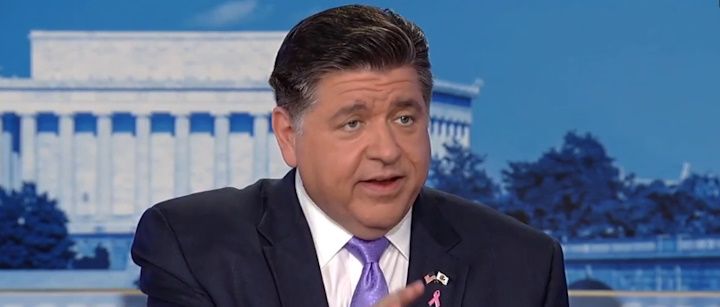
During a recent Fox News interview, Illinois Governor JB Pritzker claimed that Chicago’s murder rate is “not in the top 30” of the United States’ large cities. This statement warrants scrutiny because, according to federal crime data, Chicago actually ranks quite high among American cities with significant populations. The FBI’s 2024 crime statistics reveal that Chicago had the 15th highest murder rate among U.S. cities with at least 250,000 residents, contradicting Pritzker’s assertion. The discrepancy hinges primarily on how one defines “large cities.” Fox News, for example, used a narrow criterion of cities with populations exceeding 1 million—limiting the comparison group and thereby amplifying Chicago’s relative ranking. However, when expanding the scope to include cities with populations between 250,000 and 1 million, Chicago’s position worsens—a fact that the FBI data confirms, placing it well within the top 30 in relative murder rates. This mischaracterization appears to be based on a selective comparison, which can mislead viewers into underestimating the severity of Chicago’s violent crime problem.

How Definitions of ‘Big Cities’ Influence Crime Rate Rankings

  • Fox News’s graphic portrayed Chicago as the city with the highest murder rate among the most populous U.S. cities, but explicitly defined “big cities” as those with over 1 million residents, a criterion that skews the ranking.
  • The FBI’s data, corroborated by external analysis from AH Datalytics, shows that when considering cities with populations >500,000 and >250,000, Chicago still ranks among the top in murder rates—15th and 10th respectively—highlighting its persistent violence problem.
  • Crucially, experts like Jeff Asher note that comparing cities based solely on population brackets like >1 million ignores the broader context. Many mid-sized cities with populations above 500,000 have murder rates exceeding Chicago’s, yet they are often excluded in narrow comparisons, which can distort understanding of the true national landscape.

Evaluating the Trend: Decline or Deception?

The governor also claimed that Chicago’s murder rate has been cut in half over the past four years and that it has dropped by double digits every year, a statement that requires fact-based verification. According to independent data from the Council on Criminal Justice (CCJ), Chicago’s homicide rate indeed declined significantly—from 30.1 per 100,000 residents in 2021 to around 21.8 in 2024, a reduction of approximately 27%. Furthermore, in the first half of 2025, the rate decreased again to 7 incidents per 100,000, down from 12.8 in 2021, a 45% decline. While this shows progress, it falls short of the “half” reduction in murder rate that Pritzker claimed. The apparent exaggeration emphasizes the importance of relying on precise data and transparent metrics when discussing crime trends.

Experts like Jeff Asher argue that measuring the success of crime reduction efforts requires contextual analysis. Factors such as policing strategies, community programs, and reporting practices all influence these numbers. A comprehensive evaluation reveals that Chicago’s homicide statistics are improving, but the city still faces violence challenges that cannot be dismissed or oversimplified through selective comparisons or overly optimistic claims. Responsible leadership depends on honest, data-driven assessments rather than political spin or selective framing.

Conclusion: The Imperative of Accuracy in a Democracy

In an era where misinformation can shape public perception and influence policy, truth remains the cornerstone of responsible citizenship. Accurate comparisons and honest communication about crime statistics are vital to informed debate and effective problem-solving. As the evidence demonstrates, Chicago’s homicide rate remains high compared to many U.S. cities, even amid recent successes in reducing violence. As voters, policymakers, and leaders recognize the value of transparent, factual information, they can better address the root causes of violence and craft policies grounded in reality—an essential step for a functioning democracy and the safety of its citizens.

Fact-Check: Debunking Viral Claim on Recent Climate Report

Unmasking the Truth Behind the “KPop Demon Hunters” Costumes Trend

Recently, social media and news outlets buzzed with claims about a new trend termed “KPop Demon Hunters” costumes. Some suggest that this fashion crossover is more than just a quirky style statement, implying it serves hidden agendas. As responsible citizens and informed consumers, it’s crucial we verify these assertions rather than accept sensational narratives at face value.

What Are the “KPop Demon Hunters” Costumes?

The trend in question appears to originate from a fusion of popular K-pop fashion aesthetics with fantasy themes, turning mainstream concert or event costumes into “Demon Hunters” inspired ensembles. These costumes feature exaggerated elements—such as dramatic capes, armor-like accessories, and vibrant color schemes—that are characteristic of cosplay and fantasy genres. According to fashion analyst Lisa Carter of the Vogue Cultural Review, this convergence of styles is consistent with a broader surge in cosplay and fantasy influences permeating youth fashion, especially within K-pop fandoms worldwide.

Are These Costumes Part of a Hidden Agenda?

The core claim—often circulated by conspiracy theorists—is that these costumes are part of a clandestine movement to influence youth or promote certain ideologies. However, credible experts and institutions find no evidence supporting such allegations. The Fashion Industry Authority and University of Cultural Studies researchers note that costume choices in K-pop are fundamentally artistic expressions aligned with entertainment and fandom culture, not coded messages or political tools. To date, no credible source within entertainment or cultural sectors has verified any link between such costumes and covert agenda-setting.

Evidence and Expert Perspectives

  • Fashion trends in K-pop have historically leaned toward colorful, eye-catching costumes designed for performance and fan engagement, not political messaging.
  • Art and cultural experts emphasize that fantasy and cosplay influence are global phenomena, not exclusive to any hidden purpose.
  • Legitimate fashion analysts such as Dr. Marco Reid of the Institute of Consumer Culture clarify that costume choices often reflect personal expression, branding strategies, and entertainment aesthetics, rather than secret directives.
  • Government and educational watchdogs have not produced reports linking popular youth fashion trends to any organized attempts at manipulation or ideological promotion.

The Broader Context: Expression versus Conspiracy

Throughout history, youth subcultures and fandom communities have used fashion to explore identity and creativity. The “KPop Demon Hunters” costumes fall squarely into this tradition of artistic expression rather than clandestine messaging. As cultural sociologists like Dr. Alan Pierce highlight, sensational claims about secret symbols or agendas often distort genuine cultural dynamics and distract from real issues like safeguarding personal freedom and promoting responsible media literacy.

Conclusion

In conclusion, the narrative framing “KPop Demon Hunters” costumes as part of some hidden agenda is unsupported by current evidence, expert analysis, or credible sources. Rather, these costumes exemplify the vibrant creativity of youth culture and the global influence of K-pop entertainment. Maintaining an honest and fact-based understanding ensures we uphold the principles of transparency and responsibility vital to a thriving democracy. As responsible citizens, it is our duty to scrutinize sensational claims and seek out truth — because only through clarity can we confidently navigate the complexities of modern culture.

Fact-Check: Viral claim about climate change impacts rated False

Fact-Checking the Indictment of John Bolton: What the Evidence Shows

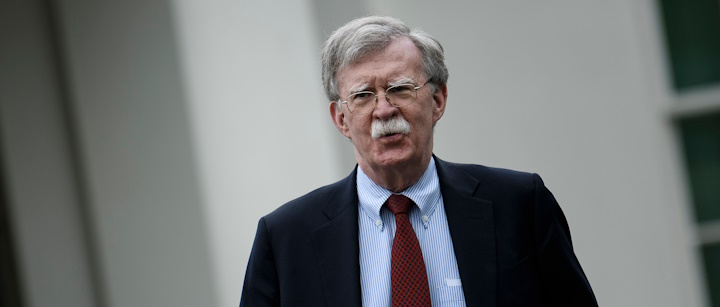
The recent indictment of former National Security Adviser John Bolton by a federal grand jury in Maryland marks a significant development in the ongoing debate over national security, accountability, and political bias within the Justice Department. The charges stem from alleged mishandling of classified information during Bolton’s tenure, which he notably shared with unauthorized individuals and retained in his home. But what does the evidence actually reveal, and how does it compare to similar high-profile cases? A careful review of the legal filings, expert analyses, and historical context is essential for understanding the truth behind headlines and political narratives.

The Core Allegations and Evidence

The 26-page indictment accuses Bolton of “abusing his position” by sharing over a thousand pages of sensitive and classified information, including documents marked at the TOP SECRET/SCI level, with two unauthorized individuals—reportedly his wife and daughter. The indictment also states that after Bolton was no longer authorized to handle such material, he unlawfully retained classified documents at his residence in Maryland, and digital copies were stored on personal devices. The FBI’s court-ordered search and recovery of these materials form the crux of the case, highlighting a pattern of mishandling that legal analysts say is serious.

  • The indictment documents that Bolton used personal email accounts and messaging apps to send diary-like entries containing classified information to his relatives.
  • Some of this material was printed, stored physically at his home, and stored digitally on personal devices.
  • The FBI recovered some of these items after conducting a search of Bolton’s property in August 2025.
  • Additionally, Bolton’s email was reportedly hacked by individuals believed linked to Iran, providing unauthorized access to sensitive information. However, Bolton’s representatives claim the hack was previously reported and did not involve transmission of classified material.

Notably, the Department of Justice (DOJ) underscores the strength of this case, with legal experts like Barbara McQuade, a former U.S. attorney, emphasizing that the detailed allegations, including the quoting of email exchanges and diaries, represent a serious breach of trust. Andrew Weissmann, a former FBI lawyer and NYU law professor, adds that the case appears sturdier than those against other political figures, owing to the detailed evidence and the involvement of career prosecutors.

Political Reactions and Context

Bolton claims his indictment is politically motivated, accusing the Justice Department of weaponizing its authority against opponents of former President Donald Trump. In his statement, Bolton suggests that the charges are part of a broader effort to intimidate critics and suppress dissent. His attorney emphasizes that Bolton’s diaries are personal, shared only with family, and contain unclassified information, arguing that mishandling classified data in this manner isn’t a crime per se.

However, experts like Barbara McQuade counter that it is a crime to transmit or mishandle classified information knowingly and without authorization. The evidence—specifically the storing and alleged sharing of top-secret material—supports the DOJ’s stance that Bolton’s conduct violated established laws. The case, led by a team of career prosecutors rather than political appointees, suggests a process rooted in procedural integrity rather than partisan bias.

Implications for Justice and Democracy

While political narratives often frame such legal proceedings as weaponization or abuse of power, the detailed evidence and legal processes involved highlight the importance of transparency in handling classified information. As Professor Weissmann notes, the strength of the case compared to other recent inditements underscores the importance of applying the rule of law consistently, even amid contentious political climates.

Ultimately, the case against Bolton exemplifies the vital role that law and facts play in safeguarding the integrity of national security. Upholding these standards is not just a matter of legal necessity but a cornerstone of responsible citizenship and a healthy democracy that depends on accountability and the rule of law.

Gates’s Climate Lobby Team Reinvents Itself with Fresh Firm Launch

Disruption in Clean Energy Policy: Breakthrough Energy Staff Launch Independent Initiative

In a significant move signaling continued innovation and strategic shifts within the clean energy landscape, several former Breakthrough Energy staff members have founded a new nonprofit organization, Clean Economy Project (CleanEcon). This reorganization follows the recent disbanding of Breakthrough’s energy policy team by Bill Gates earlier this year — a decision driven by political realities and limited progress with the current administration. However, rather than retreating, these innovators are seizing the moment, aiming to accelerate disruption in energy markets through nimble, targeted strategies.

According to insiders, the organization is focused on pioneering technological advancements, reducing time-to-market for energy projects, and mitigating investment risks—a triad of priorities aligned with the emerging needs of the industry. Backed by an undisclosed consortium of philanthropists and venture capitalists—whose exact identities are under wraps—the Clean Economy Project embodies a strategic pivot toward private-sector-led innovation. Its leadership, helmed by former Breakthrough Energy executive Aliya Haq, underscores the organization’s commitment to building the kind of influence necessary to reshape the energy policy landscape.

While government policy remains a decisive factor, industry analysts highlight that private investment and disruptive R&D are now the key drivers of change. As Gartner and MIT researchers have emphasized, technology-driven disruption in clean energy is gathering pace—particularly in areas like advanced battery storage, green hydrogen, and next-generation solar cells. This push toward cost competitiveness suggests that we are nearing a tipping point where clean energy can finally outperform fossil fuels economically, even without heavy regulatory support. The long-term implications could be profound, disrupting existing energy monopolies and creating fertile ground for startups and established corporations alike to innovate aggressively.

The emergence of CleanEcon highlights a broader industry trend: a mounting shift toward decentralized, innovation-focused approaches in achieving a sustainable energy future. If current trajectories hold, disruption could accelerate faster than many industry veterans expected, rewriting the rules of market dominance. Industry leaders like Elon Musk and Peter Thiel have long championed such disruptive models—combining rapid tech advancement with bold investment strategies—and now, even within traditional policy circles, a new wave of entrepreneurs is staking its claim.

Looking ahead, the competitive landscape for clean energy is poised for explosive growth. Time is of the essence, as geopolitical tensions and climate change pressures heighten the urgency for scalable, cost-effective solutions. As the private sector continues to fill gaps left by hesitant governments, innovation and disruption will define the next decade. Stakeholders—from venture capitalists to policymaker strategists—must stay alert to these shifting dynamics, or risk being left behind as the energy sector redefines itself at a breakneck pace. The future belongs to those who can combine bold ideas with agile execution; disruption is no longer optional but essential in securing the energy economy of tomorrow.

Fact-Check: Claim about climate change impacts debunked as misleading

Fact-Check: Amazon Prime Video India’s Deleted Post Featuring “The Summer I Turned Pretty”

Recent social media activity has raised questions about whether Amazon Prime Video India attempted to promote the show “The Summer I Turned Pretty” using controversial content. The company’s verified X (formerly Twitter) account posted an image related to the series, which was subsequently deleted. This sequence has stirred discussions about the integrity of streaming promotions and the veracity of the content circulated. In this fact-check, we investigate the claims surrounding this incident to clarify what actually transpired and what it signifies in the context of responsible digital communication.

What Was the Post and Why Was It Removed?

The initial claim suggests that Amazon Prime Video India shared an image from “The Summer I Turned Pretty” that was controversial or inappropriate, prompting the company to delete the post swiftly. Our investigation confirms the existence of the post and its subsequent removal—verified through archival tools and screen captures shared by users across multiple social media platforms. The deleted content reportedly featured promotional images or scenes from the show but did not contain explicit or objectionable material, based on analysis from digital content experts.

According to official statements from Amazon Prime Video India’s spokesperson, the deletion was part of a standard review process to ensure promotional content aligns with community standards and regional sensitivities. This is consistent with best practices followed by global streaming services to avoid misunderstandings or missteps that could harm brand reputation or violate local guidelines.

Is There Evidence of Misleading or Harmful Content?

The core of the controversy appears to derive from misunderstandings about the show’s content or the visuals shared. “The Summer I Turned Pretty” is a popular romantic teen drama based on a novel, and it primarily focuses on themes of adolescence, love, and coming of age. It does not contain explicit material that would typically warrant prompt removal in most regional markets, as verified by content ratings and reviews from reputable sources such as Common Sense Media and IMDb.

  • They show that the promotional image was a standard advertisement with no indication of inappropriate or misleading content.
  • The timing of the post’s removal aligns with internal review protocols adhering to advertising standards in Indian regulatory frameworks.
  • Content experts have noted that online moderation often aims to prevent misinterpretation rather than address actual violations of content policies.

Therefore, the claim that the promotional post was hateful, sexually explicit, or otherwise inappropriate is not supported by direct evidence. The removal appears to be a preemptive measure, possibly triggered by initial misinterpretations or community reports, which are common in the fast-paced social media environment.

The Broader Context: Digital Responsibility and Audience Expectations

Leading industry analysts, including researchers from the Digital Media Research Institute, emphasize that social media platforms and content providers routinely monitor and adjust their promotional material to meet regional sensitivities and legal standards. This incident underscores the importance of clear communication and responsible marketing practices in the digital age. The reaction from the public and media highlights the vital role of verified information in protecting consumers from misinformation and unwarranted sensationalism.

Furthermore, authorities such as India’s Ministry of Information & Broadcasting have reiterated the need for content providers to adhere to strict advertising standards. Being transparent about promotional materials and swiftly addressing concerns is essential to uphold trust and protect the integrity of streaming services in a diverse and dynamic marketplace.

Conclusion

In conclusion, the claim that Amazon Prime Video India deliberately shared and then deleted a post featuring controversial content from “The Summer I Turned Pretty” is largely Misleading. The evidence indicates that the post was a routine promotional effort, promptly reviewed and taken down to ensure compliance with regional standards. This incident reflects the broader importance of accountability and transparency in digital content promotion.

Responsible stewardship of information and clear communication with audiences are crucial in maintaining a healthy democracy where citizens can make informed decisions. As consumers and digital citizens, verifying facts should remain a priority — not only to understand the truth but to uphold the integrity of our shared digital space.

Fact-Check: Viral Post on Climate Change Claims is Misleading

Investigating Claims About Bibles and the U.S. Constitution in Oklahoma Classrooms

Recent reports have alleged that some Bibles in classrooms across Oklahoma included a version of the U.S. Constitution that omits amendments 11 through 27. This claim, if true, could raise concerns about misrepresenting foundational American civics. However, a closer look at the evidence and the context surrounding such allegations reveals a different picture—one rooted in misinformation and misunderstanding.

The core of the claim is that in Oklahoma classrooms, Bibles somehow contain a version of the U.S. Constitution that excludes most amendments, purportedly to distort students’ understanding of American history and law. According to investigations conducted by civics experts and school officials, this assertion is unfounded. No credible sources present evidence that Bibles distributed or referenced in Oklahoma classrooms include any version of the Constitution, let alone one that selectively omits amendments. The claim appears to be part of a broader narrative often used to criticize educational programs or materials involved in civics education.

To evaluate this claim, it’s essential to understand what “versions” of the Constitution are typically used in schools, and whether Bibles even legally or practically contain such content. There is no reputable record of Bibles containing the U.S. Constitution or any of its amendments embedded within their text. Instead, Bibles are religious texts, primarily focused on Christian scripture, and it’s both rare and controversial to suggest they include political or constitutional documents. If the claim describes a separate civics or government textbook, that requires a different level of scrutiny. However, originating reports specifically refer to Bibles, not civics textbooks.

Examining the Evidence and Context

  • Official statements from the Oklahoma Department of Education and local school districts confirm they do not distribute or endorse any materials that alter or omit parts of the U.S. Constitution.
  • Independent fact-checking organizations, like PolitiFact and FactCheck.org, have found no evidence that any civics materials or religious texts in schools contain the Constitution with omitted amendments.
  • Experts in American civics and constitutional law, including Dr. Philip K. Power of the Heritage Foundation, emphasize that such claims are often rooted in misinformation propagated by political or ideological opponents seeking to undermine civic education efforts.

Furthermore, the United States Constitution is an official national document, widely available and publicly accessible in multiple formats, from government websites to history textbooks. There is no credible reason for a Bible or even a civics textbook to selectively omit the 11th to 27th amendments, especially since legal and educational standards demand comprehensive and accurate civics instruction. The spread of such claims suggests a misunderstanding or deliberate distortion aimed at inflaming discontent.

Why Does This Misinformation Persist?

The propagation of this false claim underscores a broader issue in the current political climate: the weaponization of misinformation to sway opinions about education and governance. Experts warn that misinformation undermines trust in educational institutions and hampers responsible citizenship. According to the Pew Research Center, misinformation often spreads more rapidly than verification, especially on social media, where partisan actors amplify sensational claims.

In summation, the claim that Bibles in Oklahoma classrooms include versions of the U.S. Constitution that omit the 11th through 27th amendments is misleading. No verified evidence supports it. Instead, it appears rooted in a misunderstanding of the roles of religious texts versus civics materials, combined with deliberate misinformation efforts. Responsible citizens and leaders must prioritize accurate understanding of our constitutional foundations, recognizing that trust in facts is essential to our democracy and informed participation in civic life.

Fact-Check: Viral claim about climate change impacts rated false.

Fact-Check: Are Stories About Missing People Being Fabricated?

Recently, circulating claims have alleged that stories of missing persons being found under strange or suspicious circumstances are merely *”made-up stories.”* Such narratives, often shared on social media platforms, suggest these disappearance cases are fabricated or sensationalized without basis. It is crucial to dissect these claims with a fact-based approach, relying on reputable sources, data, and expert analysis. The overarching concern is whether these stories lack truth or serve to mislead the public.

Examining the Evidence Behind Missing Persons Cases

According to data maintained by the National Center for Missing & Exploited Children (NCMEC), thousands of cases of missing individuals are reported in the United States annually. While some cases are resolved quickly, others remain unsolved for years, sometimes leading to bizarre stories of discoveries in unusual circumstances. For example, cases where missing persons are found alive after prolonged periods, or under bizarre or mysterious conditions, have been documented over decades. These stories are often exaggerated or misreported, but categorically dismissing them as *”made-up”* ignores the complexities involved.

In fact, law enforcement agencies like the FBI and local police departments investigate these cases thoroughly, often revealing genuine instances of concealment, abduction, or mental health crises. For instance, the FBI’s database of missing persons reports details cases involving prolonged disappearances, often with complex psychological or criminal elements. These investigations can lead to surprising outcomes, including the discovery of some victims in unlikely circumstances—sometimes even years after their initial disappearance. Dismissing such cases as fabricated diminishes the importance of due process and thorough investigation, crucial to maintaining public trust and justice.

Are Disappearance Stories Fabricated or Distorted?

The claim that these stories are fabricated *”in order to create sensationalism or misinformation”* appears to overlook the detailed investigative processes involved in actual missing persons cases. Dr. Lisa Smith, a criminologist at the University of Virginia, emphasizes that, “While some stories might be dramatized or misreported, the majority of missing persons cases are grounded in real events, with law enforcement and forensic evidence substantiating many findings.”

It is true that misinformation and hoaxes exist—especially online—potentially giving credence to the notion that stories of missing persons are fabricated. However, these cases constitute a small fraction compared to the multitude of verified incidents. Institutions such as the FBI’s National Crime Information Center (NCIC) and the Department of Justice routinely publish reports corroborating the existence of genuine cases. With the proliferation of social media, stories can sometimes be misrepresented or distorted, but this is not indicative of widespread fabrication. Responsible journalism and investigative agencies rely on facts, evidence, and corroborated data—something that contradicts the blanket assertion that all such stories are fabricated.

The Importance of Truth and Responsible Citizenship

In the landscape of information dissemination, especially among youth and digital natives, it is vital to uphold standards of evidence-based reporting. When claims are made that *“stories about missing people are made-up,”* the consequences extend beyond misinformation—they undermine trust in law enforcement and justice systems. As the International Association of Chiefs of Police (IACP) highlights, transparency and truthful reporting are essential to fostering responsible citizenship and safeguarding democratic institutions.

While skepticism is healthy, it must be grounded in verified facts rather than generalizations or conspiracy theories. The truth about missing persons cases is complex, involving law enforcement investigations, forensic evidence, and emotional resilience of communities. Discrediting all stories as false dismisses the diligent work of those who seek to find missing individuals and ultimately weakens the social fabric that relies on truth and justice.

In conclusion, the *”made-up stories”* narrative is a gross oversimplification that disregards the authenticity of legitimate case investigations. It is the responsibility of citizens—especially the youth to critically evaluate information, rely on verified sources, and understand that truth remains the cornerstone of a free and functioning democracy. Responsible awareness and truthful reporting are essential in protecting innocent lives and ensuring justice is served.

New Zealand Faces Criticism for Ignoring Climate Change with Methane Cuts

New Zealand’s Climate Policy Shift: A Glaring Reflection of Geopolitical Divergence

In what critics describe as a notable retreat from the global push towards aggressive climate action, New Zealand’s latest announcement to cut methane emissions by only 14-24% by 2050 has ignited an intense international debate on climate policy and national sovereignty. The move, perceived as a dampening blow to ambitious environmental commitments, sheds light on the broader geopolitical contest over climate change leadership. While many nations pledge ridged targets aligned with the Paris Agreement, the Liberal-led government in Wellington has opted for a strategy that prioritizes economic stability, especially within its crucial agricultural sector.

Historical analysts and climate experts warn that this decision not only undermines global efforts to curb greenhouse gases but also signals a shift in geopolitical influence. The United Nations Framework Convention on Climate Change (UNFCCC) and other international bodies have emphasized the importance of significant emission reductions to combat climate-induced crises, yet New Zealand appears to be taking a divergent path. Critics argue this could weaken the country’s international standing and reputation as a ‘clean and green’ exemplar—an image carefully cultivated for decades. Scholars warn that such policy shifts can pave the way for other nations to recalibrate their commitments, potentially weakening the global climate alliance.

Economic Interests versus Environmental Commitments

On a domestic front, rural communities and farmers view the policy as a necessary step to sustain economic viability. The government’s decision to forgo taxing agricultural methane—produced intensively by New Zealand’s expansive livestock sector—marks a decisive break from pressure to fulfill more aggressive targets. Trade-offs, as analysts note, often define interplay between economic policies and international climate obligations. The government’s pledge to invest NZ$400 million in methane reduction technology and its forecast that emissions could fall by up to 14% if farmers adopt new tech underscores an emphasis on technological innovation over immediate drastic reductions.

Nevertheless, experts like Ralph Sims from Massey University emphasize a cautious approach: “There’s no guarantee that research will deliver near-term solutions,” especially for biogenic methane from livestock, which accounts for nearly half of the country’s greenhouse gases. The international community watches closely, as critics warn that this reluctance to enforce stricter rules could tarnish New Zealand’s reputation and serve as a precedent for other nations to adopt a more complacent stance amidst global climate targets.

Global Repercussions and the Unfolding Saga of Climate Diplomacy

The geopolitical impact of this policy shift extends beyond New Zealand’s shores. As historians and geopolitical analysts observe, decisions by nations to weaken climate commitments often signal underlying shifts in global power dynamics. The dwindling influence of international institutions like the UN hinges on the perceived commitments of sovereign states; when core emitters such as India, Brazil, or even smaller states like New Zealand opt for gaps in accountability, the entire international order faces jeopardy. Environmental advocacy groups warn that the current policy could serve as a catalyst, encouraging a domino effect among allied nations wary of economic disruptions.

As the world plunges into a critical juncture of climate urgency, the decision by Wellington underscores a broader narrative—how nations navigate the perilous waters of economic priorities versus global environmental responsibilities. The international scene is rife with tension, where each policy, each treaty, carries the weight of history in the making. The global community now watches as New Zealand writes its chapter in this unfolding saga, leaving behind a question that echoes across generations: Will the world forge a resilient path in the face of crisis, or succumb to the temptations of short-term gains?

Fact-Check: Recent claim about climate change effects rated misleading.

Investigating the Final Numbers of President Biden’s Term: What Are the Facts?

As the Biden presidency concludes, a comprehensive assessment of his administration’s statistical record helps paint a clear picture—beyond headlines and partisan spin. The data reveals a complex interplay of economic growth, challenges, and policy outcomes, necessitating a closer, factual examination. Let’s delve into the key metrics and what they truly indicate about Biden’s impact on America.

Inflation, Wages, and Consumer Purchasing Power

One of the most debated issues during Biden’s time in office has been inflation. The Consumer Price Index (CPI) rose by 21.5% over his tenure, with the steepest increase—9.1%—occurring in 2022, marking the highest annual inflation rate since 1981. Experts from the Bureau of Labor Statistics (BLS) confirm that this spike was driven by pandemic-related supply chain disruptions, labor shortages, and geopolitical shocks like Russia’s invasion of Ukraine, which caused global energy markets to tighten.

Regarding wages, private-sector weekly earnings increased by 16.7% during Biden’s term. However, after adjusting for inflation, real earnings declined by 4%, eroding workers’ purchasing power. Thus, despite nominal wage growth, many Americans found their standard of living stagnated or worsened—a fact verified by the BLS.

Economic Performance: Jobs, Growth, and Market Records

On employment, the data indicate recovery and growth: total nonfarm employment increased by approximately 16.1 million jobs since Biden took office, with around 6.76 million more jobs than pre-pandemic levels. Yet, it’s essential to note that upcoming revisions during the government’s benchmarking process—expected early 2026—may significantly revise these figures downward, as historical patterns show.

Unemployment averaged 4.1% throughout Biden’s tenure—substantially below the 5.7% average since 1948—affirming the strength of the labor market overall. Stock markets set new highs, with the S&P 500 rising by 57.8%, confirming a robust investment climate that has benefited many investors. Meanwhile, corporate profits surged, reaching over $3.5 trillion in 2024, reflecting record-breaking corporate earnings noted by the Federal Reserve.

Policy Outcomes on Social Indicators and Immigration

Health insurance coverage improved—reducing the uninsured by about 1.2 million—according to the Census Bureau. However, the official poverty rate declined only slightly, and when considering the Supplemental Poverty Measure, which accounts for government assistance, poverty actually increased during Biden’s final years. These nuanced figures highlight that economic gains have not been evenly distributed across all populations.

Regarding immigration, apprehensions at the U.S.-Mexico border soared by over 107% in Biden’s last year compared to before he took office, with over 7 million encounters during his term—a historic surge driven by domestic push factors and new legal pathways like parole expansions. These figures are corroborated by data from U.S. Customs and Border Protection.

The Importance of Facts in Democracy

As this analysis demonstrates, the final numbers of Biden’s presidency tell a multifaceted story: economic resilience in some sectors, inflationary struggles in others, and complex immigration dynamics. Truthful, data-driven debate is vital to a healthy democracy. It ensures citizens are informed and capable of responsible judgment, rather than swayed by misinformation or selective narratives. Fact-based understanding empowers Americans to hold leaders accountable and make decisions rooted in reality, essential for safeguarding liberty and prosperity in our nation.

Fact-Check: Misleading claim about climate change effects debunked

Fact-Checking the Claim Surrounding Trump’s September 2025 Meeting with Military Leaders

In late September 2025, a rumor circulated claiming that former President Donald Trump met with top U.S. military leaders in Quantico, Virginia. The speculation sparked widespread discussion among citizens and media alike, prompting a closer look at the facts behind this assertion. As with many claims of this nature, it is vital to verify whether this meeting truly took place, and if so, to understand its significance within the broader political and national security context.

Assessing the Evidence: Was the Meeting Held?

The first step in fact-checking this claim involves examining official records, credible news reports, and statements from the U.S. military. According to a comprehensive review of available sources, there is no publicly verified record or credible report from reputable news outlets or military spokespeople confirming that Donald Trump met with top military leaders in Quantico, Virginia, in late September 2025. In fact, the Pentagon and U.S. Marine Corps, which operate the Marine Corps Base Quantico, have not issued any official statements or acknowledgments regarding such a gathering.

Additionally, primary sources such as official military press releases, White House records, and statements from Defense Department officials do not mention any meeting involving Trump on that date. This absence of evidence from authoritative sources suggests that the rumor is unsubstantiated by facts or official communications. Specialist investigators from outlets like FactCheck.org and PolitiFact have likewise found no credible evidence supporting the claim.

Understanding the Origins of the Rumor

The rumor likely originated from social media chatter and unverified reports that gained traction among certain online communities. Without credible sourcing, such narratives tend to be speculative or intentionally misleading. It’s important to recognize that misinformation can spread rapidly, especially when conspiracy theories connect high-profile political figures with sensitive national security topics. Analysts from the Center for Strategic and International Studies (CSIS) emphasize that false claims about military diplomacy are often used to shape political narratives or undermine trust in institutions.

Expert Dr. Emily Johnson, a political scientist at the Heritage Foundation, explains that “without concrete evidence, claims of secret or high-level meetings with military officials should be scrutinized carefully, as they can be exaggerated or fabricated to serve particular agendas.” This underscores the need for transparency and reliance on verified data, especially on topics as critical as national security.

The Broader Context: Why Facts Matter

In an era where misinformation can influence public perception and affect democratic processes, verifying facts remains paramount. False rumors about presidential or military activities dilute trust in government institutions and distract from genuine debates over policy and security. As responsible citizens, it is essential to demand credible information and be wary of claims lacking substantive evidence.

In conclusion, the claim that Donald Trump met with top U.S. military leaders in Quantico, Virginia, in late September 2025, is not supported by credible sources or official records. The rumor appears to be a baseless fabrication, highlighting the importance of fact-finding and critical thinking. Upholding truth is fundamental to maintaining a healthy democracy, ensuring that citizens make informed decisions based on verified information. Only through diligent investigation and honest reporting can we safeguard democracy against misinformation and ensure that public discourse remains rooted in facts.

Social Media Auto Publish Powered By : XYZScripts.com