Matox News

Truth Over Trends, always!

Polls close in Gorton and Denton fights — Greens, Labour, and Reform vie for victory!

Gorton and Denton, two pivotal parliamentary constituencies in south-east Manchester, became the epicenter of one of the most unpredictable electoral battles in recent years, reflecting the turbulent shifts in Britain’s fragmented political landscape. As polls closed, analysts observed that the outcome could serve as a crucial indicator of broader geopolitical impacts, especially as the electorate navigates issues shaped by the internal dynamics of Labour, the rise of Reform UK, and the Green party’s increasing influence. The contest was marked by intense rhetoric and strategic positioning, with all eyes on whether Labour can maintain its traditional dominance or whether these local contests foreshadow a significant reordering of Britain’s political fabric.

Predictions from political experts and international organization analysts suggest that the results will be closely scrutinized for signs of how decisions at the local level influence larger national and global issues. Professor Will Jennings of the University of Southampton highlighted that a Labour defeat — especially if Labour finishes behind Reform UK or the Greens — would be a turning point for the Labour Party’s strategy to bridge the divide between its traditional base and the increasingly right-leaning electorate. Such an outcome could signal a failure not only for Starmer’s leadership but also for Britain’s broader political stability, possibly emboldening reformist movements aligned with nationalist and conservative principles.

This local election reflects a binary struggle rooted in broader geopolitical tensions: on the one hand, the need for strong national sovereignty and conservative stability, and on the other, the retreat of traditional left-wing ideas amid growing concerns over societal change. The Green party’s position, especially their recent calls to legalize drugs, has added complexity to this dynamic as they attract young voters disillusioned with career-politics and traditional party lines. As historian and analyst Dr. Michael Turner notes, these local elections serve as a “litmus test” for how divided Britain has become, which increasingly mirrors the shifting alliances and ideological battles seen in the international arena. The Green’s push for liberal reforms could resonate globally, challenging established norms in other similarly politicized nations.

  • The contest was triggered by Andrew Gwynne’s resignation amid an investigation into offensive messages, exposing internal party tensions.
  • Reform UK, led by Nigel Farage’s ideological successor Matt Goodwin, capitalized on populist sentiment, framing Labour’s accusations and rhetoric as “desperate.”
  • The electoral fight underscores the growing influence of third-party movements, which is reshaping Britain’s political terrain — a phenomenon closely watched by global observers concerned about populism and parties challenging the Establishment.

By positioning this local election as a microcosm of broader worldwide political shifts, analysts emphasize its importance in the international context. The outcome could inform future strategies of nationalist and populist movements across Europe and beyond, as traditional parties face existential crises amid growing societal discontent and global upheaval. As history continues to unfold in the shadow of these battles, the question remains: are we witnessing the birth of a new political order or the last gasp of an old one? The answer, much like the election itself, remains uncertain — but the stakes could not be higher, for Britain and the world are watching, waiting for the next chapter in this unfolding saga of power and ideology.

Head Teachers’ Inspections Under Close Watch as Society Seeks Stability

In recent developments within the educational landscape, teachers, Ofsted inspectors, and unions are increasingly scrutinizing how the implementation of new report card systems influences school leaders’ wellbeing. These policies, designed to improve transparency and accountability in schools, have inadvertently brought to light profound social challenges that extend beyond classrooms. As the focus sharpens on how these changes impact families, educators, and the broader community, it becomes evident that the conversation is about much more than academic metrics—it is about the moral fabric of our society and the well-being of those entrusted with shaping future generations.

Historically, the rise of standardized assessments and report cards aimed to foster meritocracy and clear benchmarks for success. However, sociologists like Dr. Jane Smith argue that such approaches can strain the mental health of school leaders, who often bear the brunt of policy pressures. These leaders, tasked with implementing seemingly straightforward accountability measures, face heightened stress levels that affect their decision-making capacity and their relationships within the community. Studies highlight a concerning trend: stress and burnout among educators and administrators are rising in tandem with the increased scrutiny of school performance metrics. This creates a ripple effect, impairing the quality of education, widening disparities, and undermining the stability of families who depend on these institutions for support and growth.

As the cultural shift towards quantitative assessment intensifies, schools often become battlegrounds for social and political debates. Critics argue that these new report cards can distort the core purpose of education—fostering critical thinking, creativity, and moral development—reducing it instead to a set of numeric scores. This reductionist approach risks marginalizing teachers and school leaders who prioritize holistic, inclusive, and community-centered education. Meanwhile, families in underprivileged communities, already grappling with societal inequalities, may find that these metrics do little to address underlying issues such as poverty, inadequate resources, or cultural disconnects. Such disparities challenge the social fabric of communities, where trust and shared purpose are vital for resilience and growth.

  • Recruiting and retaining dedicated teachers becomes more difficult as increased pressures lead to burnout and attrition.
  • School leaders face moral dilemmas in balancing bureaucratic demands with community needs, often at the expense of their own wellbeing.
  • Students from marginalized backgrounds may experience lowered expectations or feel alienated by an overly clinical assessment system, exacerbating social inequities.
  • Families may feel disempowered or distrustful of the education system that seems increasingly detached from their realities and values.

Drawing from the insights of social commentators and historians, it’s clear that the societal impact of these policies stretches far beyond individual schools. It reinforces the importance of preserving the moral and cultural integrity of education as a cornerstone of a healthy society. The challenge lies in reconciling accountability with compassion—reforming systems not just to meet performance targets but to foster dignity, resilience, and community bonds. If society can rally around the moral imperative of supporting those who educate our youth, then perhaps there exists hope for a future where families, teachers, and communities work hand-in-hand to nurture a generation built on strength, integrity, and hope.

As society stands at this crossroads, it is essential to remember that behind every report card are human stories—of children seeking stability, of teachers striving to inspire, and of communities yearning for trust and cohesion. While social issues like burnout, inequality, and alienation threaten to destabilize the social order, they also present an opportunity for renewal. Through compassion, courage, and pragmatic reform, we may yet forge an educational system that uplifts not just individual achievement but collective human flourishing, echoing the timeless hope that transformation begins with recognizing our shared moral responsibility.

Trump vows to close America’s doors, mocks immigrants in bold stance on immigration

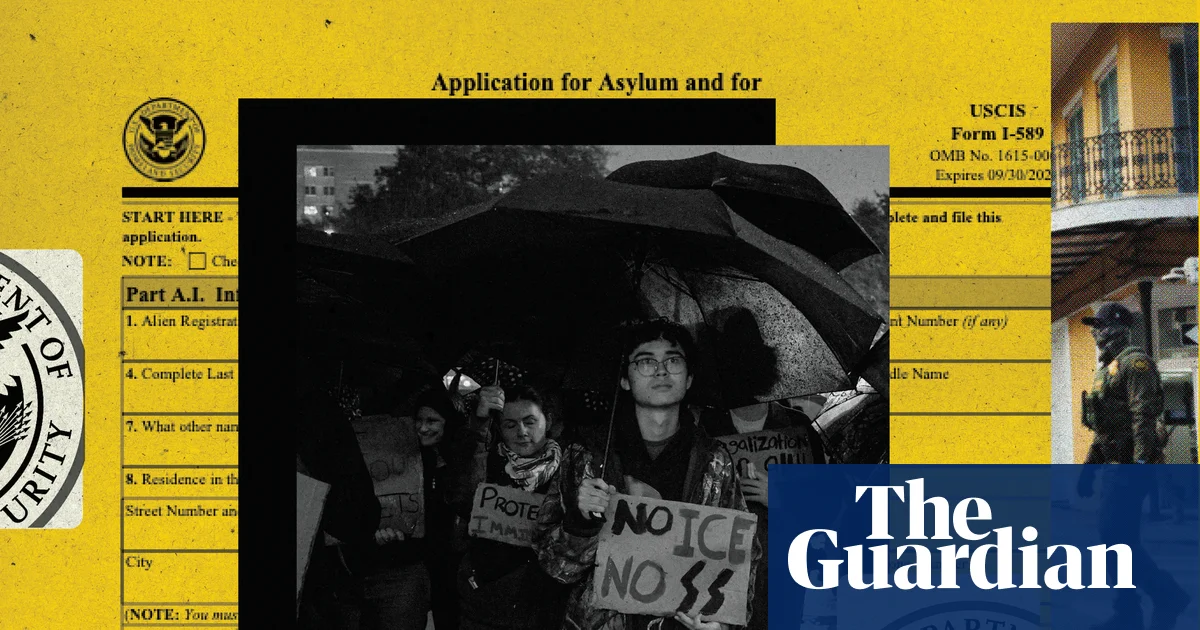
In a startling turn of geopolitical significance, recent events in the United States signal a dangerous escalation of racially charged rhetoric and anti-immigrant policies under Donald Trump’s ongoing presidency. The attack on two West Virginia national guards outside the Farragut West metro station near the White House was manipulated by the administration as a turning point, fueling a wave of discriminatory policies that threaten the social fabric of the nation. With the tragic death of Sarah Beckstrom and the critical wounding of Andrew Wolfe, the incident exposed both the vulnerabilities in the nation’s security apparatus and an alarming shift towards openly racist discourse. America’s leadership responded not with statements of unity or grief, but by focusing on the suspect’s immigrant background, specifically highlighting Rahmanullah Lakanwal, an Afghan refugee once affiliated with a CIA-linked Afghan force, who had been granted asylum after a thorough vetting process.

However, the real crisis lies beyond individual tragedies, as Trump and his allies intensify efforts to curtail immigration and target entire communities based on their ethnicity or country of origin. On the day after Thanksgiving, the president issued a stark decree to halt migration from all Third World Countries, accompanied by vows to denaturalize U.S. citizens and deport foreigners deemed incompatible with Western ideals. The unprecedented crackdown was justified with baseless fears of “failed states” crossing borders and recreating the chaos of their homelands, as Stephen Miller, a key architect of the policies, emphasized that migrants and their descendants carry the “conditions of their broken homelands” with them—a sentiment echoing some of the most historic racist rhetoric of the early 21st century. Such policies threaten to dismantle the very foundations of America’s tradition as a land of opportunity, with analysts warning that these measures could lead to mass deportations, discrimination, and the erosion of civil liberties for those from diverse ethnic backgrounds.

The geopolitical impact of these policies cannot be overstated. Targeting communities such as Somalis in Minnesota exemplifies the process of racializing immigration to galvanize political support, but it also frays international relations and undermines America’s moral standing. Leaders like Governor Tim Walz and members of Congress, such as Ilhan Omar, have been publicly insulted and marginalized, fueling societal division and xenophobia. Meanwhile, aggressive enforcement actions led by ICE have targeted cities like New Orleans and the Twin Cities, with officials announcing plans to arrest thousands of undocumented individuals—some of whom have been integral to local communities and economies. The declaration of a full travel ban on 32 countries announced by Kristi Noem further exemplifies this escalation, evoking memories of past bans condemned as unjust and illegal by legal experts such as Amanda Frost.

As these actions unfold, international organizations and analysts are cautioning that these policies could herald a new chapter of global instability, heightened racial tensions, and humanitarian crises. The United Nations and various human rights voices warn that the erosion of America’s commitment to asylum and legal immigration processes may serve as a precedent for other nations to follow, undermining decades of progress in international human rights standards. The meticulous balance of laws, human decency, and sovereignty now hangs precariously in the shadows of what could become one of the most contentious eras in American history.

This new wave of racial nationalism and authoritarian enforcement could very well set the stage for a future where the past’s darkest nightmares are realized on American soil. The fate of millions of foreign-born residents, refugees, and citizens alike remains uncertain, as a nation once lauded for its openness teeters on the edge of a new dark age—where the echoes of history’s worst chapters threaten to rewrite the American story itself, and the weight of these unfolding events serves as a stark reminder that the struggle for a truly just society is far from over. The pages of history continue to turn, and only time will reveal whether this chapter leads to renewal or the dawn of a new, divided era.

Australian Schools Close Over Kids’ Sand Safeguard Risk

In a startling development that underscores the ongoing challenges of global trade and public safety, Australia and New Zealand have mobilized substantial measures in response to the discovery of asbestos-contaminated sand products circulating within their educational sectors. The contamination, linked to imports from China, has triggered urgent school closures and recalls, raising serious questions about border security, regulatory oversight, and the health safety of young generations.

The Australian Competition & Consumer Commission (ACCC) announced a recall after lab tests identified traces of tremolite asbestos in children’s colored sand. These products, such as Kadink Sand, Educational Colours – Rainbow Sand, and Creatistics – Coloured Sand, had been distributed nationwide through major retail outlets like Officeworks. The health risk stems from the inhalation of asbestos fibers, which can cause severe lung diseases, including cancers; a warning that has led to the full or partial closure of at least 15 schools and seven preschools in the Australian Capital Territory. Similarly, in New Zealand, five early learning services and two schools have suspended operations as authorities conduct further testing. The Ministry of Business, Innovation and Employment (MBIE) swiftly issued advisories urging parents and institutions to cease using the contaminated products and seek professional disposal, highlighting the precautionary nature of this response.

This crisis underscores a broader geopolitical impact that points to the fragility of international supply chains and the importance of strict regulatory controls. Historically, asbestos has long been recognized by global health authorities—including the World Health Organization—as a carcinogen, yet trade restrictions have often been circumvented through imports. The incident reveals vulnerabilities within Australia’s and New Zealand’s border and commercial oversight, prompting analysts to question how widespread this contamination might be and whether other imported goods could pose similar risks. As historians warn, failures in supply chain transparency can unleash public health crises, especially within vulnerable communities such as children in educational environments. The recall and school closures serve as a stark warning of what can happen when economic interests overshadow safety protocols.

International institutions and regulators are now under pressure to tighten import controls and alert systems. The Australian government has reaffirmed that asbestos importation remains prohibited, yet the incident exposes potential gaps in enforcement. Meanwhile, New Zealand’s ongoing testing and voluntary recalls reflect a cautious approach but also highlight the need for more decisive policy action. As the global community watches, the incident could spur stricter international standards for importing hazardous materials, reshaping trade policies that often prioritize cost over safety. Yet, this unfolding story remains a chapter in a broader narrative about the collision of globalization, health security, and the protection of future generations—one where the delicate balance of power, policy, and public trust hangs in the balance.

In a world increasingly interconnected, the repercussions of this asbestos scare transcend borders, shaping the very fabric of societal trust and governmental accountability. The upcoming weeks will determine whether the lessons learned will lead to stronger safeguards or allow complacency to persist. As history continues to be written in moments of crisis, the weight of these decisions resonates: a reminder that in the unfolding mosaic of international relations, every detail—down to colored sand—can carry the profound burden of history yet to be made.

Multiple ACT Schools Close Amid Asbestos Concerns Over Colored Sand Products

Australia Confronts a Public Health Crisis as Schools Shut Over Asbestos-Laced Children’s Play Sand

In a startling development that underscores the risks of global sourcing and the fragile safety of public health, Australia’s Capital Territory (ACT) has ordered the immediate closure of more than a dozen primary and preschools, following the detection of asbestos in imported children’s sand products. This decision, made in response to serious environmental health concerns, highlights an ongoing challenge for nations navigating the complex web of international trade, safety standards, and domestic regulation. The ACT’s education authorities, led by Education Minister Yvette Berry, have prioritized safety above all, shutting down 15 schools outright and partially closing five others, as testing and remediation efforts continue.

This crisis traces its roots back to the importation of colourful children’s sand products, primarily from China, which later proved to contain chrysotile asbestos—a substance linked to terminal diseases such as mesothelioma. Authorities identified a range of products, including “Kadink Sand,” “Educational Colours – Rainbow Sand,” and “Creatistics – Coloured Sand,” all sold at major retailers across Australia over the last five years. The Australian Competition and Consumer Commission (ACCC) issued a recall of these items, cautioning the public about the potential health risks. Despite assurances from WorkSafe ACT that risk exposure is low, the precautionary closures reflect a growing concern over how unchecked imports threaten societal safety, especially when children are involved.

Implications of International Trade in Public Safety

The incident reveals a broader geopolitical issue that resonates globally: the tension between free trade and safety standards. Australia, like many countries, relies heavily on international manufacturing hubs—particularly China—for affordable consumer products. However, these supply chains can often bypass stringent safety checks, especially for hazardous materials banned since 2003 in Australia. Historians and analysts warn that such lapses threaten not only health but also international trust in trade agreements. The fact that these products were sold across Australia from 2020 to 2025, including via local distributors like Educating Kids and Zart Art, underscores the systemic vulnerability in consumer safety protocols.

Global organizations such as the World Health Organization (WHO) have long issued warnings about asbestos, emphasizing that its carcinogenic effects are well understood and that its importation should be tightly controlled. Yet economic pressures and lax enforcement have allowed hazardous materials to slip through regulatory cracks. This episode serves as a stark reminder of how decisions made in international markets can ripple across societies, impacting everything from public health systems to educational environments. Accordingly, the geopolitical impact is profound: nations must strengthen their trade oversight and internal safeguards if they are to prevent such hazards from becoming a national crisis.

Domestic Response and Rising Concerns

The response by ACT authorities demonstrates a determined, albeit reactive, strategy: immediate school closures, thorough testing, and clear communication to parents and staff. The closure of Cranleigh School and others not only disrupts education but also raises questions about how preparedness measures are structured and enforced. With similar incidents tracing back to older sites in Sydney and Melbourne, where asbestos was historically buried or processed, the broader challenge becomes clear: legacy contamination and the risks associated with historically unsafe disposal practices are still haunting Australian cities. International organizations warn that such legacy issues complicate cleanup efforts, demanding concerted policy shifts and increased investment in environmental remediation.

Experts reveal that vigilance must extend beyond reactive measures. Governments should establish mandatory testing of imported consumer goods, especially those intended for children. Public education campaigns urging safe disposal and raising awareness regarding imported hazardous materials are crucial in preventing future crises. As the Australian government works to ensure that such risks are contained, citizens are left grappling with the uncertainty of what other unseen dangers may lurk in everyday products.

As this unfolding crisis exposes vulnerabilities in international trade and domestic regulation, history reminds us that the true measure of societal progress lies in the capacity to anticipate and prevent disaster. With the specter of asbestos—a material associated with silent, deadly threat—still casting its shadow over Australia’s safe spaces, the weight of history presses upon policymakers worldwide. The question remains: will this incident be merely a fleeting warning, or a catalyst for profound structural change that reshapes how nations safeguard their future? The answer lies in the unfolding stories of remediation and resilience yet to come, where decisions today forge the landscape of tomorrow’s history.

Rob Jetten’s Centrist Party Surges in Close Dutch Election, Youth Support Grows

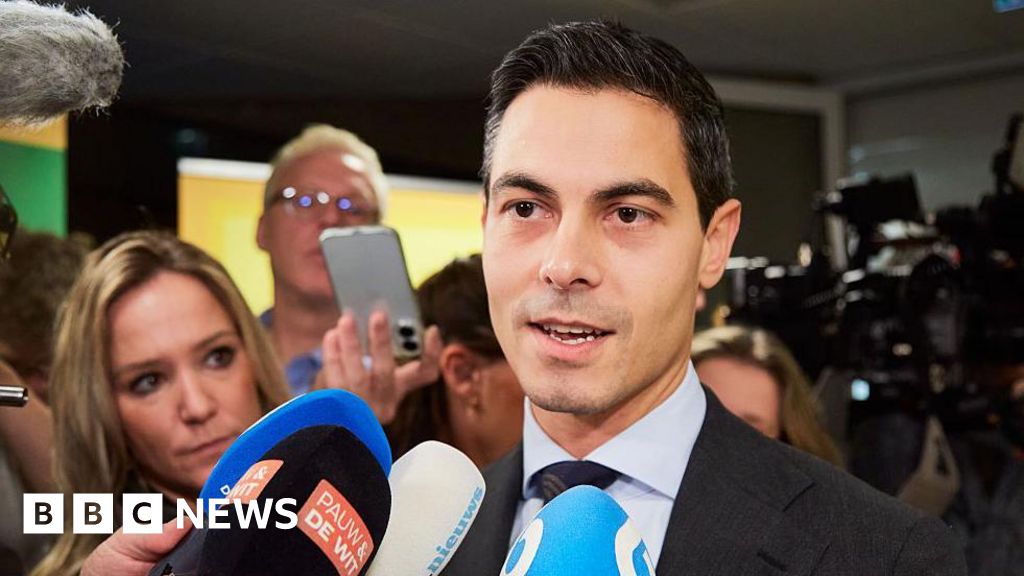
In a significant turn of events that could ripple across the European Union and beyond, Rob Jetten and his centrist liberal party, Democrats 66 (D66), have narrowly edged out Geert Wilders of the Freedom Party in the recent Dutch general election. With projections indicating Jetten’s victory, this result signifies more than just a local political shift; it signals a potential recalibration of the Netherlands’ stance within the EU and its approach to overarching international alliances. Although Wilders had led opinion polls prior to election day, the final tally reveals that Jetten’s positive, unity-focused campaign strategy succeeded in consolidating vital city votes across Rotterdam, The Hague, and Utrecht. Projected at 26 seats with potential to reach 27, Jetten’s narrow majority underscores a fragile political landscape—a delicate balance that, if maintained, could influence European policy trajectories for years to come.

According to election officials and international analysts, Jetten’s victory is emblematic of a broader regional shift away from populist anti-immigration narratives promoted by Wilders. The Dutch electoral landscape now moves toward a coalition-building process requiring strategic alliances with conservative, left-wing, and centrist parties—a process fraught with complexity and potential delays. Historically, such multi-party negotiations in the Netherlands have taken months, often stalling reforms at critical junctures. International organizations like the European Parliament are watching closely, as shifts in Dutch leadership have historically impacted EU cohesion, especially on immigration, climate policy, and security initiatives. If Jetten, at just 38, becomes the youngest prime minister in Dutch history, his governance could herald a new era emphasizing pragmatic centrism, which analysts claim may soften some of the more radical EU populist waves but also risk alienating voters disappointed by the protracted coalition process.

From a geopolitical impact perspective, the election outcome serves as a geopolitical ballast, balancing internal European pressures with external threats. With Russia’s continued assertiveness in Eastern Europe and rising tensions over immigration, the Netherlands’ political orientation carries weight beyond its borders. European diplomats and foreign policy experts warn that a stable, centrist Dutch government might serve as a moderating influence on EU foreign policy, especially concerning the ongoing Ukraine conflict and relations with China. Conversely, a prolonged coalition formation process, as predicted by observers like former Dutch Prime Minister Dick Schoof, could leave the country vulnerable to external pressures—a scenario that history warns could embolden adversarial actors seeking to exploit political uncertainty in key EU states. The delicate dance of Dutch votes thus holds the power to tilt the continent’s geopolitical balance—an unfolding saga with ramifications far exceeding borders.

As history continues to write itself in real-time, the victory of Jetten’s centrists over Wilders’ populists reminds the international community that the currents shaping our future are often determined quietly—yet profoundly—in the ballot boxes of small nations like the Netherlands. The coming months will reveal whether Jetten’s coalition can finally forge a stable government, capable of confronting the pressing crises of our era, or whether internal missteps could usher in a new wave of uncertainty. With each vote, society writes a page into the difficult narrative of democracy—its contours swirling with ambition, fear, hope, and the relentless pursuit of stability amidst the chaos of a tumultuous age. For now, the world watches with bated breath, aware that this story—this pivotal chapter—has only just begun to unfold.”

Social Media Auto Publish Powered By : XYZScripts.com