Matox News

Truth Over Trends, always!

Master the Cool Coffee Game: How a $50 Moka Pot Turns Your Home into a Cafe for Iced Lattes with Style

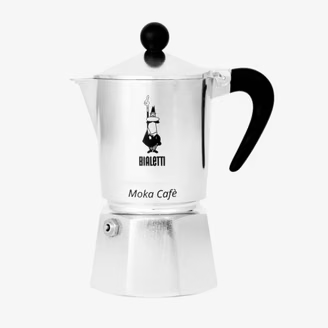
In today’s fast-paced lifestyle, where globalized culture and the pursuit of efficiency intertwine, many young individuals are re-evaluating their daily routines to prioritize wellness, financial prudence, and self-sufficiency. The latest wave of lifestyle shifts reveals a renewed appreciation for classic tools that bridge the gap between tradition and modern convenience. A prime example? The moka pot, an Italian-made stovetop coffee brewer that has captivated the attention of a new generation eager to blend cultural heritage with budget-conscious living.

Despite its vintage charm, the moka pot serves as a symbol of accessible luxury. Its simple design—a bottom chamber for water, a middle funnel for grounds, and an upper chamber for brewed coffee—harnesses pressure at just 1.5 bars. While it doesn’t replicate the 9-bar pressure of professional espresso machines, it produces a robust and high-quality brew that rivals café offerings. Thanks to trusted sources like The Guardian and viral TikTok tutorials, discovering how to master this device has become an empowering journey for many young coffee enthusiasts.

Beyond its cultural appeal, the moka pot is redefining personal impact. For those craving a daily dose of inspiration and a flexible approach to self-care, brewing coffee at home signifies more than just cost savings—it’s a statement of self-reliance and validation of quality over quantity. An analyzed comparison reveals that brewing iced coffee with a moka pot combined with simple ingredients—high-grade beans, organic milk, and a sprinkle of cinnamon—can save upwards of $6.39 per serving when contrasted with purchasing a café-sized iced latte. This savings model aligns with the values of a tech-savvy, financially aware youth who prioritize sustainability and authentic experiences. Moreover, maintaining your moka pot is straightforward: rinse with hot water after each use, avoid dishwasher soap, and occasionally enhance its cleaning with natural remedies like baking soda or lemon juice, as recommended by Bialetti.

As this tradition meets modern lifestyle demands, the moka pot becomes more than just a device—it transforms into a symbol of personal resilience and a catalyst for mindful leisure. For young adventurers interested in exploring global cultures and eco-conscious living, incorporating tools like the moka pot into daily routines unlocks a deeper appreciation for slow living and deliberate consumption. Given its compatibility with gas and electric stoves, and the simplicity of cleaning, it offers an invitation to embrace self-sufficiency without sacrificing convenience. Perhaps, in mastering the art of brewing the perfect iced coffee, one begins a journey toward embracing a lifestyle grounded in authenticity, savings, and cultural connection—an ongoing quest for balance, wellness, and inspiration that resonates deeply with every generation eager to forge its unique path amidst a world of endless possibilities.

Scientists warn: Abandon fossil fuels to stop deadly floods in Brazil’s coffee region

The devastating floods ravaging Brazil and its critical coffee-producing regions underscore a broader warning about the dangerous trajectory of climate change—a crisis that transcends borders and directly threatens international economic stability. In the heartland of Brazil’s coffee industry, cities like Juiz de Fora are experiencing their worst weather records, with over 750mm of rainfall in February alone—sending a stark message that weather patterns are spiraling beyond historical norms. According to the World Weather Attribution group, this event is classified as a once-in-several-hundred-year phenomenon, but scientific analysis suggests such severe downpours could become commonplace as planetary temperatures continue to rise.

Global experts warn that the primary factors behind such disasters are rooted not just in climate dynamics but also in endemic inequality and urban mismanagement. The findings emphasize that vulnerable, low-income communities living on unstable, deforested hill slopes bear the brunt of these calamities due to flawed urban planning—highlighting how societal neglect exacerbates environmental hazards. Analysts uphold that addressing these issues requires urgent, comprehensive reforms that incorporate shelters, early-warning systems, and resilient infrastructure, especially in socio-economically disadvantaged regions. As Regina R Rodrigues, a professor at the Federal University of Santa Catarina, states, “The scale of this tragedy is immense and it highlights just how vulnerable hillside communities can be as the planet continues to heat.”

  • Extreme weather, driven in part by rising global temperatures, has substantially impacted Brazil’s coffee sector, leading to a 15-20% decrease in harvests over recent years due to droughts and disease outbreaks.
  • Latin America, anchored by Brazil’s export-driven economy, faces rising costs linked to climate disruption, which ripple across global markets—elevating coffee prices and further straining consumer budgets worldwide.
  • International organizations like the United Nations warn that unmitigated climate risks threaten not only regional stability but also *geopolitical* balance, prompting national leaders to reassess their climate commitments amid mounting crises.

Beyond environmental concerns, the geopolitical impact of these developments is profound. As the repercussions of climate change deepen, nations find themselves at a crossroads—compelled to balance economic growth with a pressing need for sustainable development. Historical analysts like Dr. John Adams warn that failure to act decisively could lead to intensified conflicts over dwindling resources, especially in vulnerable nations like Brazil, where climate-related destruction undermines social cohesion and economic resilience. Meanwhile, international agencies emphasize that climate mitigation is no longer a matter of choice but a necessity to preserve the stability of societies and markets around the world. The rising tide of environmental crises, exacerbated by policy neglect, leaves global civilization teetering on the edge of a new, unpredictable epoch.

As history continues to unfold, the question remains: will global leaders heed the warnings and take genuine action, or will the relentless advance of climate calamity carve a path toward chaos and despair? With each devastating flood, scorched harvest, and rising price, the world bears witness to a monumental turning point—where the choices made today will determine the survival of societies tomorrow. The weight of history presses heavily, reminding us that the unfolding story of climate and geopolitics is far from over, and the pages yet to be written will define the future of nations for generations to come.

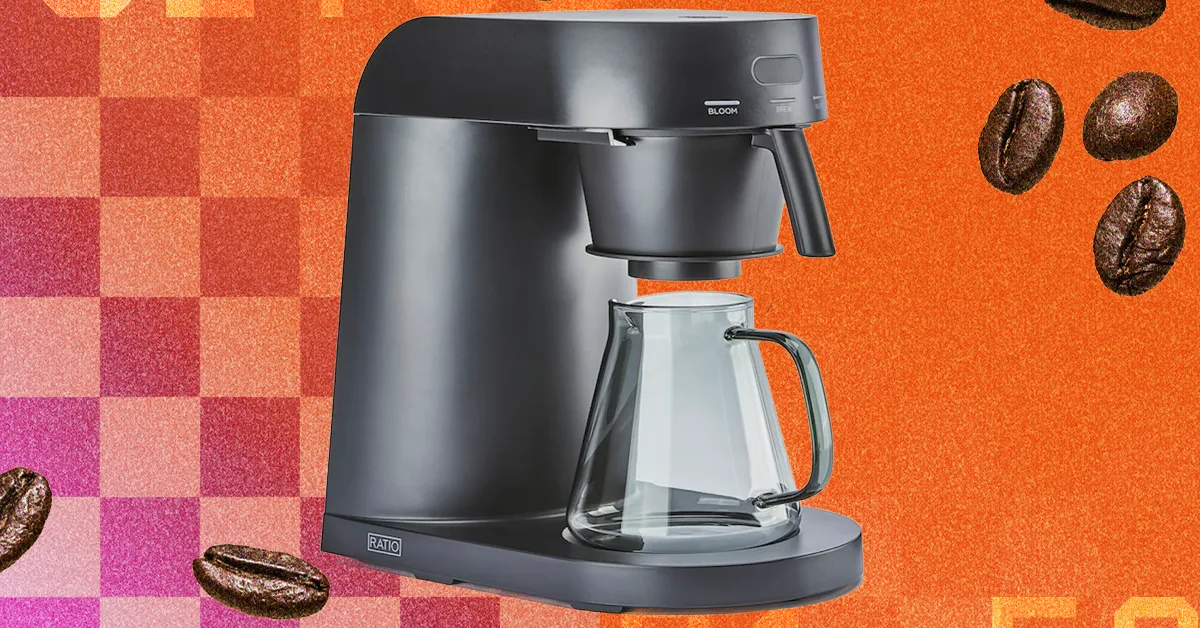
Why I Trust the Ratio Four Series Two to Try Fresh Coffee Gear

Innovation Reshapes Coffee Culture: Disruption and Business Implications for a Classic Industry

The coffee industry, long rooted in tradition and ritual, is witnessing a technological renaissance that could redefine its core business models. While coffee’s status as the original office biohack remains unchallenged—serving as an essential productivity tool—the advent of new brewing technologies demonstrates an industry on the cusp of significant disruption. Companies like Ratio are spearheading this change by introducing precision brewing devices like the Four Small-Batch Brewer (Series 2), designed to deliver café-quality coffee in the comfort of homes, which, according to industry analysts, could elevate consumer expectations and reshape market dynamics.

This wave of innovation is driven by advances in small-batch, quality-focused coffee appliances that emulate the precise craftsmanship of artisan cafes. By integrating features such as quiet vibratory pumps, customizable brew temperatures, and optimized water flow, these devices mark a paradigm shift away from the low-cost, convenience-driven commercial machines of the past. Industry experts from Gartner and academics at MIT highlight that this trend reflects a broader shift toward personalization and premiumization within the beverage sector. Furthermore, a renewed focus on the disruption of traditional retail channels, exemplified by the rise of boutique roasters like Heart Coffee Roasters), underscores how niche craftsmanship can now reach a wider audience.

Technological Disruption and Market Shifts

The transformation of coffee brewing technology fundamentally threatens established market players, from mass-market producers to traditional brick-and-mortar cafes. As consumers increasingly seek bespoke coffee experiences, companies like Ratio are embracing innovation not merely as a product feature but as a strategic pivot. Their premium small-batch brewers emphasize aromatic purity and precision, aligning with avant-garde consumer tastes that favor authenticity, quality, and control.

The economic implications are profound: The premiumization trend is expected to shift consumer spending from standard brands to boutique companies, hastening the decline of commoditized coffee products. This invites entrepreneurs and established firms alike to consider integration of autonomous, IoT-enabled brewing solutions that could automate quality control, gather data analytics, and personalize flavor profiles. As Elon Musk’s ventures demonstrate, disruptive technologies driven by AI and automation tend to catalyze consolidations in traditional markets, with opportunities for new entrants to challenge incumbents.

Business Opportunities and Future Outlook

The potential for disruption extends beyond appliances; it encompasses a reevaluation of retail and supply chain models. The growing consumer demand for hyper-personalized, small-batch coffee fosters an environment where direct-to-consumer sales, subscription models, and third-wave coffee collaborations could flourish. Institutions like MIT’s Media Lab predict that this shift will accelerate as integrated sensor technology and AI-driven brewing algorithms become mainstays in both home and commercial settings.

In this landscape, businesses that prioritize innovation, quality, and technological integration will have the most to gain. Young consumers, in particular, are placing a premium on authenticity and craftsmanship, which favors brands that communicate a compelling story of artisanal mastery backed by cutting-edge technology. The industry’s trajectory suggests a future where coffee is no longer just a morning ritual but a frontier for disruption and technological entrepreneurship.

With industry giants and startups vying for dominance in this high-stakes game of innovation, one thing remains clear: the future of coffee belongs to those who dare to disrupt and redefine. As the technological tide advances, swift adaptation and bold invention are essential for capturing market share and shaping consumer habits—making the coming years pivotal for players in this evolving industry. The question is no longer whether traditional coffee markets will be disrupted, but when and how rapidly this transformation will unfold.

Social Media Auto Publish Powered By : XYZScripts.com