Matox News

Truth Over Trends, always!

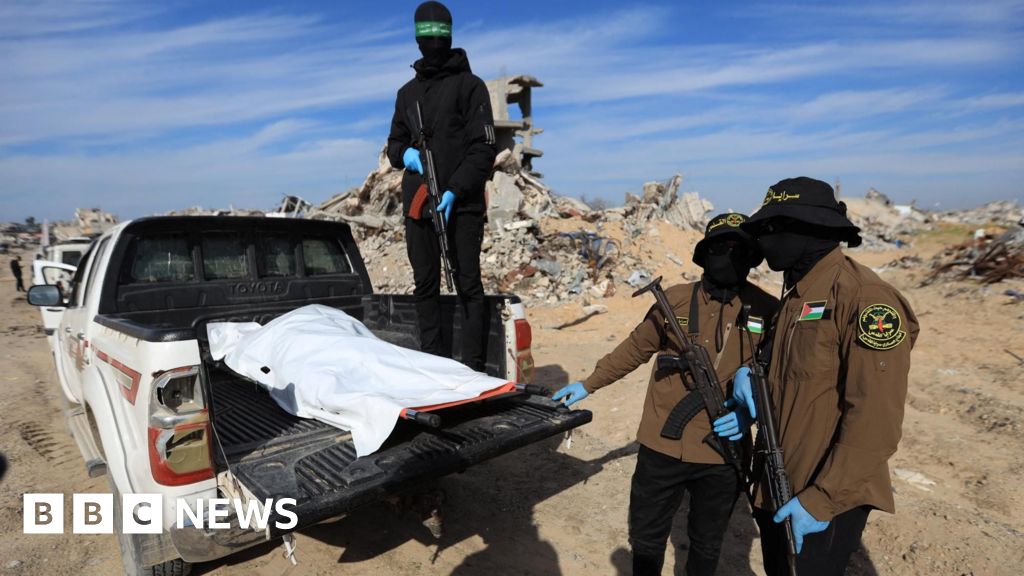
Israel receives alleged coffin claimed to hold Gaza hostage's body—Hamas stirs tensions
Israel receives alleged coffin claimed to hold Gaza hostage’s body—Hamas stirs tensions

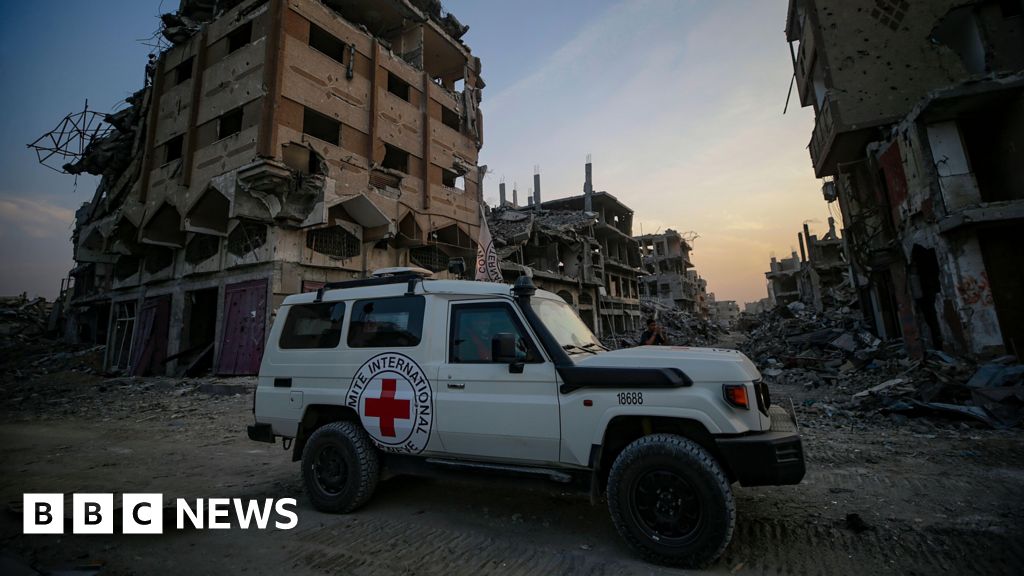
The ongoing crisis in Gaza has once again underscored the complex and deeply entwined web of geopolitical conflicts shaping the modern Middle East. Recent developments reveal a fragile détente coupled with profound human tragedy. Israel has indeed received a coffin via the Red Cross containing the remains of one of the last two Israeli hostages held in Gaza, as confirmed by the Israeli prime minister’s office. This exchange demonstrates both the humanitarian toll and the diplomatic jostling that define this latest chapter of the longstanding conflict. Notably, alongside the reported body, the Israeli authorities will transfer the remains to their National Institute of Forensic Medicine in Tel Aviv for identifications, an essential step in the ongoing negotiations and for future accountability.

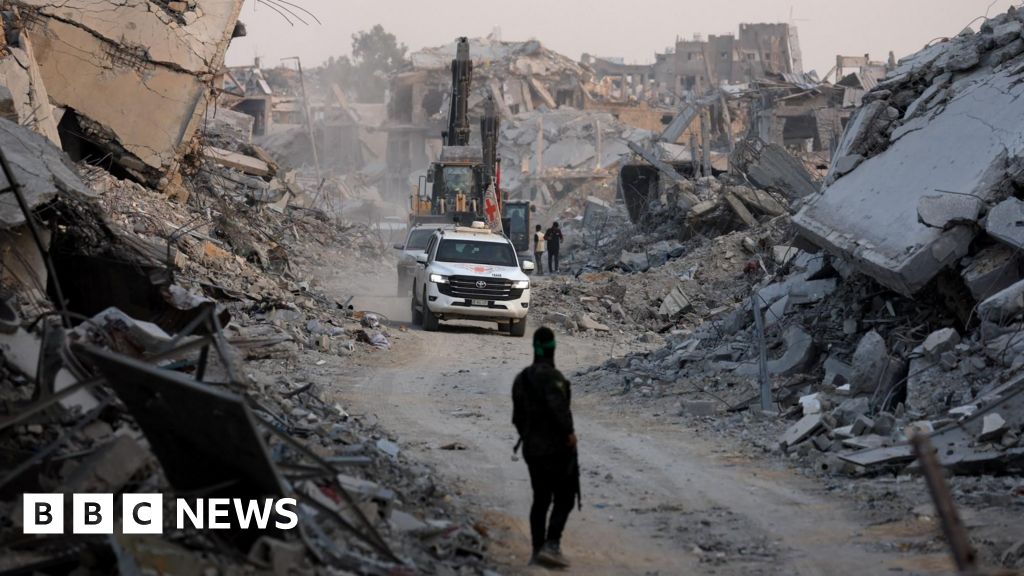
Meanwhile, the Palestinian Islamic Jihad (PIJ) announced the discovery of a hostage’s body in northern Gaza hours prior to the handover, further complicating perceptions of progress and cooperation. The situation remains tense, with Israel accusing Hamas of intentionally delaying the return of the remaining bodies, while the latter claims the bodies are simply buried under rubble—highlighting the logistical and strategic struggles on both sides. The two identified victims—Ran Gvili, a 24-year-old Israeli police officer, and Suthisak Rintalak, a 43-year-old Thai agricultural worker—were killed during the attack on southern Israel on 7 October 2023, and their bodies were taken into Gaza’s chaos. This painful exchange exemplifies the wider human cost of the escalation, which has spurred international demand for a resolution that seems increasingly distant amid ongoing hostilities.

The broader US-brokered ceasefire initiated on 10 October aimed to secure the return of all hostage remains and those still held in Gaza, but progress has been slow. The initial agreement called for the release of 20 living Israeli hostages and the repatriation of 28 deceased Israeli and foreign nationals—a promise that, while partially fulfilled, has been overshadowed by delays and accusations. So far, 23 bodies of Israeli victims and three foreign hostages—Thai, Nepalese, and Tanzanian—have been recovered, but many remain unaccounted for. The exchange of bodies for Palestinian remains is a stark reminder of how fragile hope is in a conflict that has claimed over 70,100 lives, as reported by Hamas’s health ministry. Israel maintains that Hamas’s reluctance has bolstered accusations of deliberate obstruction, a claim that fuels the international community’s concerns and complicates efforts to advance President Donald Trump’s second phase Gaza peace plan, which includes governance reforms, troop withdrawals, and disarmament initiatives.

As the conflict inexorably shapes the geopolitical landscape, global powers and analysts are left to interpret the likely repercussions. The failures and delays in repatriations serve as a de facto reflection of the larger political deadlock—an impasse that threatens to ignite further instability in a region already marked by profound divisions. The ongoing tensions are not merely about the immediate humanitarian suffering but also about strategic influence, military power, and the ideological clash between forces vying for dominance in a crucial geopolitical corridor. This unresolved crisis continues to write itself into history, leaving a path of unresolved grievances and unhealed wounds for future generations. It is a poignant reminder that, amid the chaos and bloodshed, the weight of history remains heavy, its next chapters still unwritten but undeniably influenced by every decision made today.
Israel Gets Coffin, Hamas Claims Contains Gaza Hostage

Emerging Tensions in Gaza: A Fragile Ceasefire Shattered

Emerging Tensions in Gaza: A Fragile Ceasefire Shattered

The ongoing conflict in Gaza has once again plunged the region into chaos, exemplifying the volatile nature of Middle Eastern geopolitics. Recently, Israel received what it claims to be the body of a hostage held by Hamas and the Palestinian Islamic Jihad, sparking renewed tensions. According to Israel’s military, the body, found in Khan Younis in southern Gaza, has been transported to Israel via the Red Cross for identification. This incident marks a critical escalation, especially as both sides accuse each other of violations and fragment the fragile peace brokered by the United States.

During the inaugural phase of a ceasefire deal that began on 10 October, motivated by international pressure, Hamas agreed to hand over all 20 living hostages and 22 of the 28 deceased hostages—mostly Israelis, with some foreign nationals such as a Thai—an encouraging but incomplete step towards de-escalation. Israel responded by releasing 250 Palestinian prisoners and handing over 285 Palestinian bodies—yet, critics argue that the process remains deeply compromised. The ongoing failure to retrieve all bodies underlines the imperfect and fragile nature of these ceasefire agreements, with Hamas citing difficulties in locating remains amidst the rubble, a clearly inadequate response that fuels suspicion and mistrust.

Shifting Alliances and the Geopolitical Ripples

  • The United States, acting as a key broker, has been pushing for a lasting peace, yet its efforts are faltering amid persistent violence. The UN and regional analysts warn that unless the cycle of hostilities is broken decisively, the conflict could spiral further, destabilizing neighboring states and drawing in global powers.
  • The Israeli military has launched series of air strikes following accusations of attacks by Hamas fighters, killing at least 241 people since the ceasefire began, according to the Hamas-run health ministry. These actions occurred despite the ongoing negotiations, illustrating how both sides remain engulfed in cycles of retaliation that threaten to undermine diplomatic progress.
  • The regional impact is profound, with escalation risking broader destabilization across the Middle East. Countries such as Egypt and Jordan watch anxiously, knowing that without a diplomatic breakthrough, the conflict could ignite further violence, refugee crises, and regional instability. International organizations have cautioned that failure to contain the violence jeopardizes peace and security far beyond Gaza’s borders.

The Broader Historical Context and Future Outlook

Historians and analysts observe that this episode highlights the persistent challenge of reconciling sovereignty, security, and humanitarian concerns in a region weary of war. The current dynamic resembles past cycles, where ceasefires are moments of temporary reprieve amid deep-rooted grievances. Experts warn that until meaningful negotiations address underlying issues—refugee rights, borders, and sovereignty—the threat of renewed violence remains imminent. The recent flare-ups serve as stark reminders that in the delicate balance of Middle Eastern geopolitics, decisions made today could shape the fate of decades to come. The already high human toll—over 68,875 killed in Gaza since the initial attacks—has cast a long shadow over hopes for a sustainable peace.

As history perpetually unfolds, the question remains: will diplomacy be enough to bridge the divide, or are we witnessing the early chapters of an enduring saga of conflict? The weight of the present moment underscores that the outcome will fundamentally alter the course of regional and global history—an unfolding narrative that demands vigilance, resilience, and unwavering commitment to peace by the international community.

Israel receives purported Hamas coffin with Gaza hostage's body, says group
Israel receives purported Hamas coffin with Gaza hostage’s body, says group

The ongoing conflict between Israel and Hamas has entered a new, unsettling chapter as recent developments reveal the grim reality of war’s toll on human lives and geopolitical stability. Reports confirm that Israel has received a coffin via the Red Cross, ostensibly containing the remains of a hostage believed to be deceased, according to the Israeli prime minister’s office. This development underscores the fragile progress—or lack thereof—in the broader context of the ceasefire agreement mediated by the United States, which aimed to de-escalate the violent escalation that began with Hamas’s brutal attack on Israel in early October. The transfer of remains to Tel Aviv’s National Centre of Forensic Medicine signifies an ongoing quest for accountability amid an environment riddled with mistrust and political motives that complicate recovery efforts.

Hamas’s military wing claimed to have recovered the body of an Israeli soldier in Gaza’s eastern Shejaiya neighborhood—an area still under __territorial control of Israeli forces__. Israel, on its part, accuses Hamas of intentionally delaying the return of hostages, both dead and alive, despite commitments made during the US-brokered ceasefire. The agreement stipulated that Hamas would release 20 remaining hostages and return 28 others within 72 hours—a promise that remains unfulfilled, fuelling accusations of bad faith. The complex negotiations reflect how these diplomatic efforts are deeply intertwined with the legacy of ongoing conflict, where each side contends over images of humanity and the perceptions of moral responsibility.

While Israel successfully secured the release of all its civilian hostages on 13 October in exchange for 250 Palestinian prisoners and 1,718 detainees in Gaza, the situation remains volatile. Israel has also handed over the bodies of 270 Palestinians, including those of two foreign hostages—one from Thailand and another from Nepal—in a grim exchange that highlights the human cost of this entrenched confrontation. The death toll on Gaza’s side exceeds 68,800, according to Gaza’s Hamas-run health ministry, underscoring the catastrophic scale of the ongoing military campaign. Historians and analysts warn that these levels of casualties could irrevocably shift regional dynamics, sowing deep-seated resentment that might seep into generations.

In this chaotic mosaic of international crisis, the geopolitical impact is clear: the conflict’s escalation threatens to destabilize broader regional alliances, challenge global diplomatic efforts, and threaten the fragile balance of Middle Eastern peace. Israel’s military actions have provoked condemnation but also garnered support from key allies, reaffirming its defensive stance. Conversely, Hamas’s rhetoric continues to galvanize its supporters, asserting that their actions are acts of resistance against occupation and oppression. As military strikes ripple into northern Gaza, with reports of civilians killed in areas like Jabalia, the world witnesses the horrifying human cost of unresolved conflicts that have persisted for decades. In the shadow of this unfolding tragedy, international observers ponder whether the tide of chaos can be stemmed, or if this chapter will become only the latest in a long and tragic saga of regional destabilization. The pages of history are still being written, and the world holds its breath before the inevitable next act of this enduring conflict.

Social Media Auto Publish Powered By : XYZScripts.com



