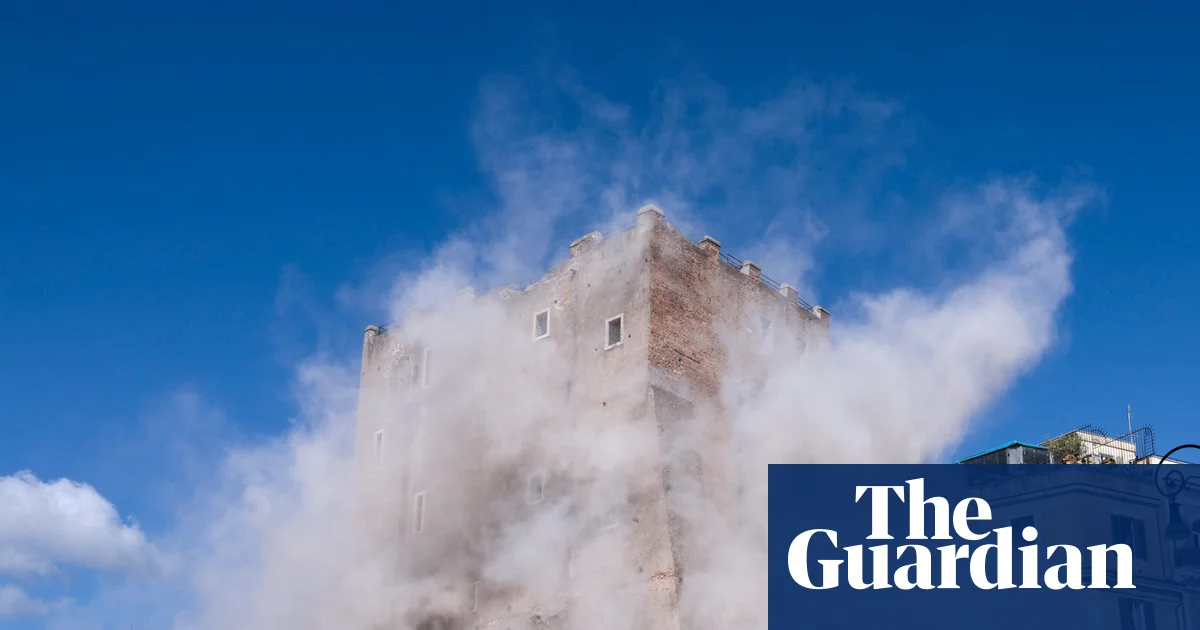

The recent partial collapse of the Torre dei Conti in Rome has sent shockwaves through the international community, highlighting ongoing risks associated with the preservation of historic architecture amid modern renovation efforts. The medieval tower, located near the Roman Forum, experienced a devastating sequence of collapses during scheduled restoration work, trapping individuals inside and forcing a complex rescue operation that continues into the late hours. The incident sheds light on the fragile balance between preserving history and ensuring safety, an issue that is gaining prominence among policymakers across the European Union and beyond.
- The tower, built in the 13th century by Richard Conti, was already a damaged relic, severely affected by the 1349 earthquake and subsequent structural failures in later centuries.
- EU funds designated for post-pandemic recovery are now being used to finance the ongoing restoration, aiming to preserve its heritage while upgrading safety standards.
- The collapse not only resulted in injuries but also raised urgent questions regarding the efficacy of international heritage protection funding and oversight.
International historians and analysts view this event as a stark reminder of the geopolitical risks inherent in heritage conservation. Some experts warn that the mismanagement or underfunding of such projects could lead to further tragedies and the irreversible loss of cultural landmarks. The incident has prompted calls for greater transparency and accountability in how funds are allocated and how safety is prioritized in historic restorations across Europe and the Mediterranean. According to the World Heritage Organization, the incident underscores an urgent need for standardized international protocols to prevent similar failures in other historic sites—an effort that could redefine how nations approach conservation in the 21st century.
The Italian government, under pressure from both domestic and international voices, has condemned the failures that led to the collapse, with Rome’s mayor, Roberto Gualtieri, emphasizing that safety remains the top priority. Meanwhile, Italy’s culture minister, Alessandro Giuli, has announced an extensive review of all ongoing restoration projects nationwide. This crisis, at its core, exposes larger geopolitical issues—namely, how European nations leverage their cultural heritage amid economic pressures and the push for modernization. Critics argue that prioritizing quick restoration under EU fiscal constraints might compromise safety and preservation standards, a debate that echoes across borders where cultural identity and national pride intertwine with economic realities.
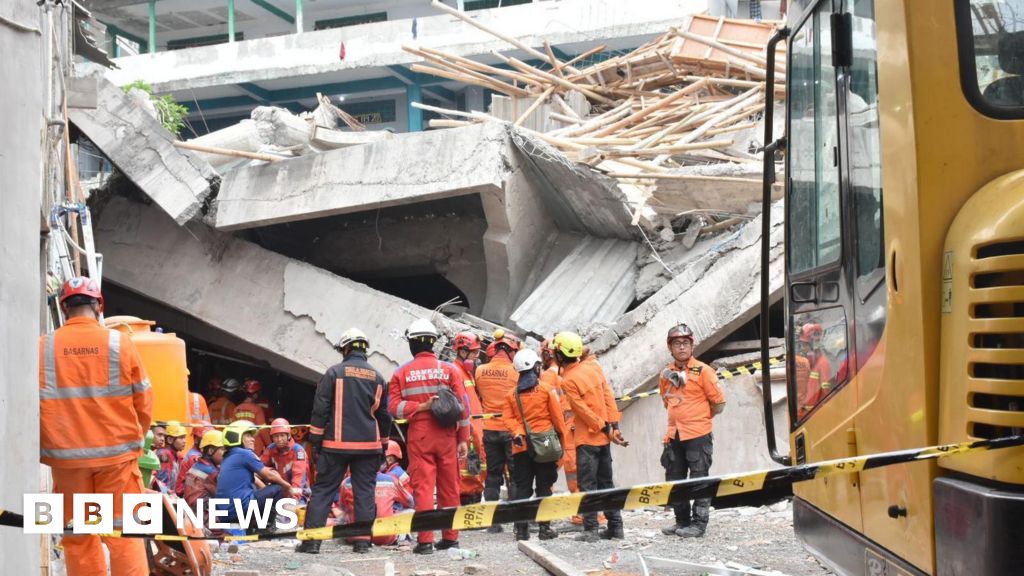
As rescue workers tirelessly attempt to save trapped individuals beneath the rubble, the incident leaves a haunting question: How robust is the safety infrastructure protecting Europe’s ancient treasures? While the rescue operation continues amid the risk of further collapses, the incident’s broader implications are yet to be fully understood. It marks a pivotal moment that could influence international policies on heritage preservation and safety standards, shaping the future of cultural conservation amidst economic austerity and political tension. With history unfolding in real-time, the affected communities and nations are called to confront a profound truth: in safeguarding the past, humanity must also confront its responsibilities to prevent tragedies rooted in neglect and haste. The echoes of this disaster will reverberate through history, reminding us that some stories are too precious to lose—yet, too often, are lost because of human oversight and geopolitical indifference.