Matox News

Truth Over Trends, always!

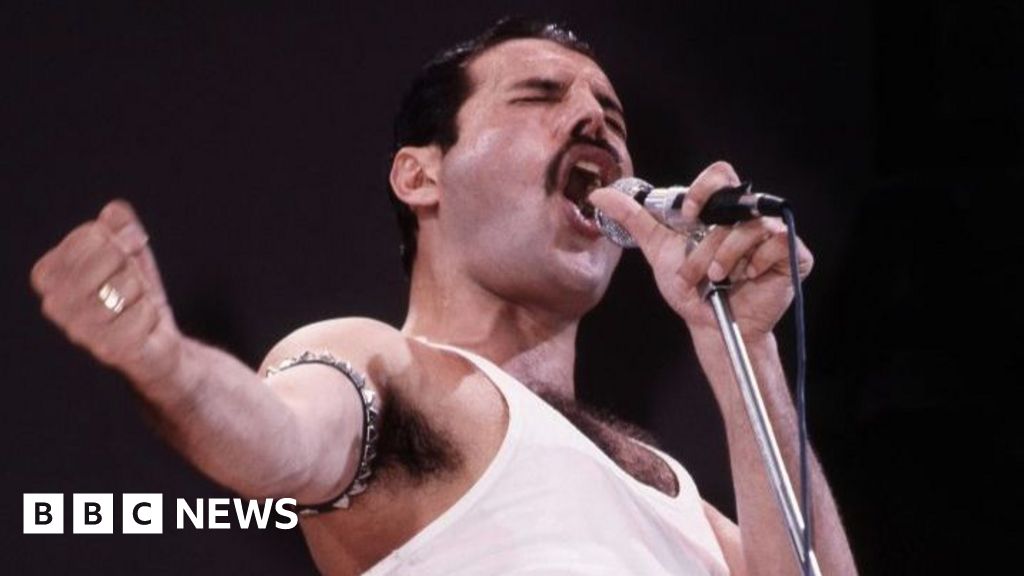
Royal Mint honors rock icon Freddie Mercury with exclusive collectible coin—celebrating a legendary artist for a new generation

Culture remains the heartbeat of a society’s identity, its tradition, and its collective memory. In an era characterized by rapid change and fleeting trends, institutions like The Royal Mint serve as custodians of something enduring—preserving symbols that connect generations across time. The recent issuance of a commemorative Freddie Mercury coin, timed to honor the 40th anniversary of his legendary Live Aid performance, exemplifies this profound intersection of culture and history. Here, a tangible artifact encapsulates not only Mercury’s extraordinary vocal talent but also the enduring spirit of the values he embodied—passion, innovation, and a resolute dedication to artistry. It reminds us that in every note played and every story told, culture becomes the vessel through which a society maintains its sense of purpose, resilience, and legacy.

The design of the coin itself acts as a symbolic capsule, depicting Mercury mid-performance, his head thrown back in expressive energy—a portrait that captures “passion and the joy he brought to millions,” as his sister Kashmira Bulsara expressed. Encircling it, a musical stave ranging from bass to treble speaks to Mercury’s **four-octave vocal range**, a reminder of the transcendental power of musical mastery. The inclusion of his autograph further personalizes this tribute, asserting that the cultural icon is immortalized not just as a performer but as an enduring symbol of individual excellence. The studded armband etched into the coin, reminiscent of Mercury’s **Live Aid** outfit, evokes a moment of cultural convergence—where style, performance, and cultural activism intertwine. This coin. like much of great art, functions as both milestone and prophecy, anchoring our memories while hinting at future generations’ understanding of the human pursuit of greatness.

Reflecting on Mercury’s significance, the philosopher José Ortega y Gasset might argue that such cultural artifacts echo the human tendency to transform the ephemeral into the eternal. Mercury’s artistry, epitomized during the Live Aid spectacle, became an act of cultural rebellion—a celebration of autonomous expression in the face of a world yearning for hope. The rare acknowledgment of such figures underscores a broader truth: cultural icons are catalysts for societal cohesion and moral imagination. As Tocqueville observed about democracy, it is a system that elevates the individual, transforming personal brilliance into collective heritage. Mercury’s contribution, now enshrined in metal and memory, exemplifies how culture mediates between personal identity and societal continuity, creating a shared narrative in the tumult of human history.

In contemplating this homage, one finds that the true significance of culture extends beyond recognition; it serves as a prophetic voice—a herald of values, a keeper of traditions, and a mirror of aspirations. As Chesterton noted, “Art is the signature of man,” and Mercury’s image on this coin affirms that our cultural endeavors are an expression of the divine flame within ourselves—an echo that resonates across time. When we celebrate figures like Mercury, we acknowledge that culture is both memory and vision: a record of our triumphs, a forerunner of our hopes. Through these symbols, humanity whispers its stories into the eternity of history, shaping the future with the melodies of the past, forever entwined in a dance of remembrance and prophecy—a testament that, in the grand symphony of existence, culture remains the most profound testament to our shared human voyage.
Funko warns: Tough times ahead for the collectible legend—facing big challenges to stay afloat

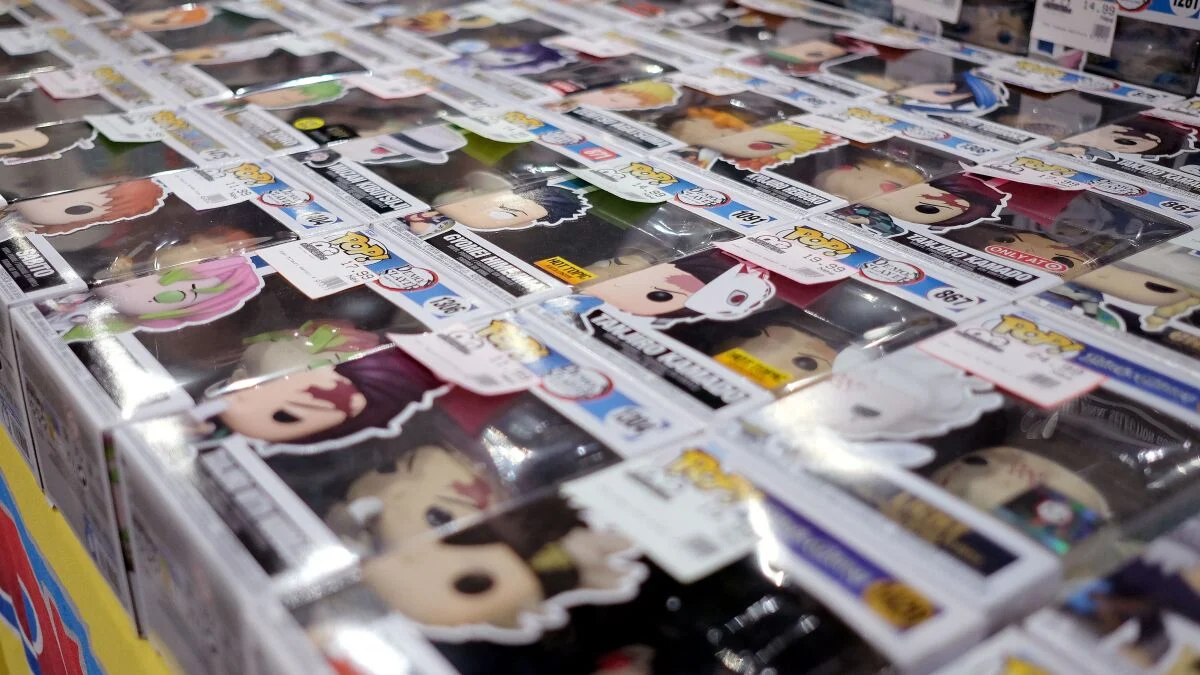
Once the quintessential symbol of geek chic and pop culture fandom, Funko now finds itself at a crossroads, facing serious financial turbulence that raises questions about the sustainability of nostalgia-driven consumer trends. The company’s recent SEC filings, submitted on November 6, paint a sobering picture: mounting debt, declining sales, and a challenging retail landscape. Despite Funko’s immense popularity among today’s youth, its financial woes highlight a broader narrative about how shifting economic circumstances and global policies can threaten even the most iconic cultural phenomena.

Historically, Funko’s collectible confections—especially its Pop! Vinyls—became more than just toys; they transformed into symbols of identity, social influence, and shared belonging within a rapidly digitizing world. The company’s merchandise, which once soared in popularity, saw a notable decline in overall sales—down 14.3% domestically and 20.1% internationally in the third quarter. Yet, amidst this decline, some pockets of resilience remain. For instance, Funko reports strong sales of its Bitty POP! line and plans to expand its blind box offerings, capitalizing on the current trend of mystery collectibles that appeals to young consumers seeking unique, surprise-based experiences. Notably, Funko plans to be a key player in selling KPop Demon Hunters merchandise this holiday season—highlighting how cultural crossovers and niche fandoms continue to drive demand, even as overall sales slide.

The social relevance of Funko’s story extends beyond mere merchandise. It exemplifies how cultural icons become intertwined with identity formation and community building among youth. Influencers and sociologists alike have spotlighted the way collectibles serve as expressions of personal and social identity, bridging the gap between digital engagement and tangible nostalgia. However, as the company grapples with financial instability—exacerbated by ongoing U.S. tariffs, which are now even facing legal challenges before the Supreme Court—this fabric of cultural significance risks fraying. Retailers, facing economic pressures and a weakening economy, are scaling back or canceling restocks, further stoking uncertainty about what the future holds for this beloved brand.

  • The rise of collectibles as social currency: Brands like Funko encapsulate a moment where owning specific figures signals belonging in fandom communities and social status among youth.
  • Global trade policies impacting culture: The fallout from tariffs exemplifies how macroeconomic policies can threaten cultural staples, complicating the path for brands to sustain their influence.
  • Resilience in niche markets: Despite big-picture struggles, Funko’s focus on expanding its niche lines suggests a shift towards targeted consumer engagement rather than mass-market dominance.

As we watch these developments unfold, the lingering question remains: Will the decline of a cultural giant like Funko signal a shift away from collectible fandoms as a dominant youth trend, or will it simply evolve into a more resilient, localized, and digitally integrated phenomenon? The future of fandom, identity, and cultural expression might just depend on how brands and consumers adapt to these economic and social upheavals—an intriguing space to watch as the next chapter of pop culture history is written.

Social Media Auto Publish Powered By : XYZScripts.com