
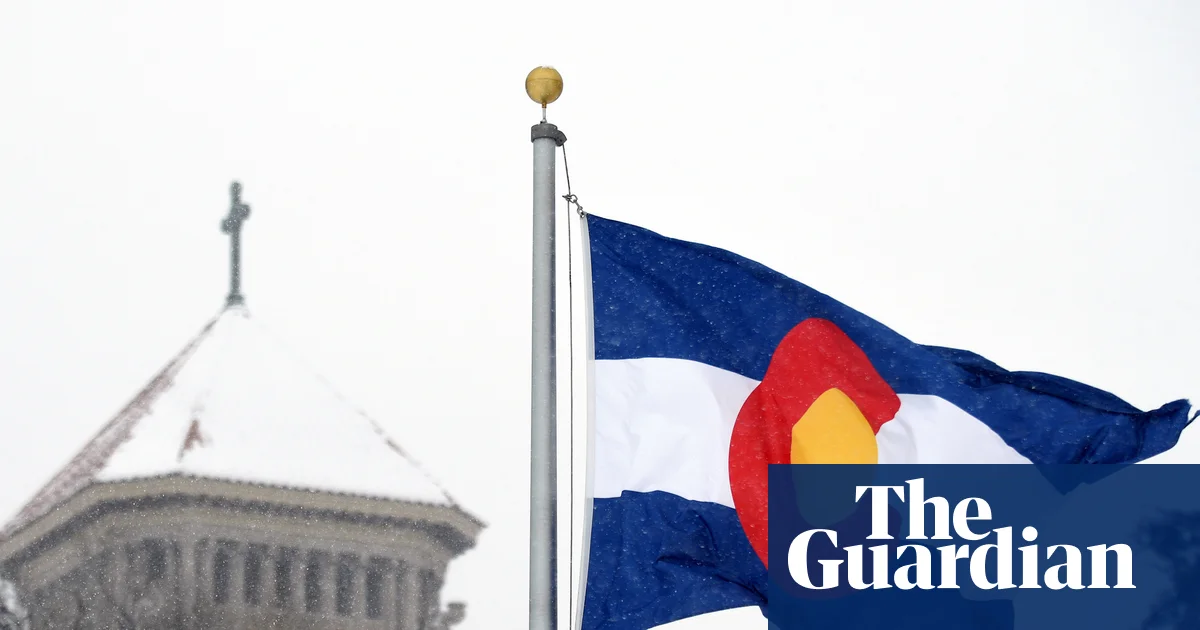

In a decisive move, the US Supreme Court has agreed to hear an influential case that underscores the ongoing tension between religious freedoms and secular state policies. The case involves St. Mary Catholic Parish and the Archdiocese of Denver, which are challenging Colorado’s exclusion of faith-based preschools from a state-funded universal preschool program. The schools argue that this exclusion violates their religious rights—particularly their policies on LGBTQ+ admissions—raising profound questions about the limits of government interference in religious institutions. This case signals the court’s continued engagement with religion-centric issues amid a broader ideological shift that favors religious expression, often at the expense of evolving social norms.
The controversy centres on Colorado’s 2020 ballot measure establishing a program that distributes public funds to preschool centers selected by parents. While the state asserts that participation requires adherence to nondiscrimination laws, the Catholic schools maintain that such mandates infringe upon their constitutionally protected religious practices. The conservative-majority court, which has a track record of adjudicating cases through the lens of individual religious liberty, now faces a pivotal decision with far-reaching geopolitical impact. A ruling in favor of the schools could embolden religious groups nationwide to challenge secular policies, potentially leading to a reconfiguration of how public funds are allocated and which social policies are deemed permissible under the First Amendment.
This case exemplifies a broader pattern where **internationally**, conservative legal principles are driving a redefinition of religious rights. Historian and legal analysts highlight the resurgence of judicial activism in cases involving religious expression, look particularly to Justice Antonin Scalia’s 1990 decision on peyote, which still influences legal debates about religious exemptions. The Supreme Court’s impending consideration of whether to narrow or uphold this precedent underscores the current ideological divide. Some commentators warn that such rulings could erode longstanding secular principles, paving the way for increased religious influence in education, healthcare, and public life—settings crucial for social cohesion and national identity.
- The case is anticipated to serve as a barometer for how the Court balances religious liberty with anti-discrimination statutes, especially as public opinion shifts on LGBTQ+ rights across multiple nations.
- Decisions made here could inspire similar legal challenges in other regions, influencing international debates about religious exemptions and the role of government in fostering inclusive societies.
- International organizations and human rights advocates are closely watching, wary that a tilt towards religious privileging may result in societal polarization or undermine hard-won social justice gains.
As the fall verdict approaches, the weight of history hangs heavily over America’s courts and society. The decision will not merely determine the fate of faith-based preschools in Colorado, but will resonate across borders—calling into question the very nature of religious freedom in a rapidly changing world. Whether the court will uphold a vision of religious expression unbounded by secular law or enforce a more restrictive interpretation remains to be seen. In this unfolding chapter of legal and moral debate, the world watches, acutely aware that the decisions made today will echo through generations, shaping the history of liberty, faith, and social order in the centuries to come.






