Matox News

Truth Over Trends, always!

Cornwall revives St Piran’s Day—more than just pasties and beaches, a proud cultural comeback

The recent celebrations of St Piran’s Day in Cornwall symbolize more than just a regional festival; they highlight a significant revival of cultural and linguistic identity that is resonating across the international stage. Once considered a modest local tradition, the event has grown into a global symbol of burgeoning regional pride, driven by a renewed recognition of Cornwall’s unique heritage. This cultural renaissance is not happening in isolation but is intertwined with political and economic developments that could reshape the geopolitical landscape of the United Kingdom. As regional voices grow louder, questions about devolution and cultural sovereignty are becoming central to Britain’s ongoing constitutional debates.

Analysts note that the recognition of the Cornish language, Kernewek, alongside increased political engagement, marks a turning point in regional autonomy efforts. With the UK government exploring a bespoke devolution deal for Cornwall, granting control over transport, housing, and economic strategies, the nation appears to be entering a phase of constitutional recalibration. This push for greater self-governance echoes other regional movements across Europe and raises questions about the future shape of the United Kingdom’s internal unity. According to the Institute of Cornish Studies, the modern resurrection of Cornwall’s culture can be traced to the late 1990s, a period marked by economic struggles and efforts to leverage cultural identity for funding, notably from the EU. This historical context underscores the strategic importance of cultural programs and regional identity in gaining political leverage within the broader UK framework, a topic that international organizations and historians monitor closely.

In addition to cultural and political momentum, Cornwall’s economic transformation places it at the heart of the UK’s energy strategy. From wind to tidal and thermal energy, Cornwall is positioned as a critical player in the nation’s pursuit of renewable resources, with its rich deposits of tin, tungsten, and lithium. This economic significance amplifies Cornwall’s geopolitical importance, making it a vital piece in the UK’s industrial future—an area that John Hemmings of the Heritage Foundation describes as “consequential for Britain’s international competitiveness.” The global community reflects this as well, with international celebrations of Cornish heritage stretching across Toronto, Hong Kong, and Australia, symbolizing Cornwall’s cultural reach beyond the UK. Such global ties reinforce the narrative that regional identity movements in Britain are intertwined with economic and geopolitical ambitions, further complicating Britain’s internal cohesion.

As Cornwall’s cultural and political resurgence continues, voices like the local MP Perran Moon emphasize that Cornwall’s identity is now a part of a wider international dialogue—not merely regional pride, but a symbol of a nation’s evolving relationship with its own minorities and historic nations. The advent of a more autonomous Cornwall represents a broader trend in Europe, where regional nations such as Scotland, Wales, and parts of Spain and Italy increasingly assert their identities in the face of centralized state power. The stakes are high: the decisions made today about Cornwall’s future will resonate with similar movements elsewhere, prompting a fundamental redefinition of sovereignty and nationhood within the geopolitical fabric. As history rushes onward, the story of Cornwall, rooted in ancient legends and Celtic traditions, is now scripting a new chapter—one where local pride may challenge the very structure of the modern nation-state, leaving historians and policymakers alike to ponder what the future holds for Britain and its Celtic nations amidst this stirring tide of cultural revival.

Giant tortoises make a comeback on Galápagos after two centuries—nature’s resilience at its best

In an extraordinary turn of ecological restoration, the island’s native giant tortoise population, driven to near extinction by 19th-century sailors, is now witnessing a remarkable revival through the reintroduction of 158 juvenile tortoises. This historic initiative symbolizes more than just environmental rehabilitation; it embodies a nuanced intersection of international interests, conservation efforts, and the shifting power dynamics that shape our global future.

The original decline of the species, primarily caused by overharvesting and habitat disruption during the age of maritime expansion, left a profound ecological void. Now, leading efforts coordinated by international conservation bodies—including the World Wildlife Fund (WWF) and the International Union for Conservation of Nature (IUCN)—are positioning this project as a pivotal milestone in safeguarding endangered species. These initiatives not only aim to restore biodiversity but also to demonstrate the capacity of nations to address environmental crises amid a rapidly changing geopolitical landscape. The involvement of multiple nations underscores a broader acknowledgment: conservation is no longer solely a local endeavor, but a matter of global importance that can influence regional stability.

The geopolitical impact of such environmental projects extends beyond ecological boundaries. Countries involved in funding and facilitating these efforts often use these initiatives as diplomatic tools to bolster relationships and project soft power. Environmental success stories like this serve as tangible proof of a nation’s commitment to global sustainability initiatives, fostering cooperation that can transcend traditional political rivalries. Historians and analysts note that the reintroduction of these creatures signifies a broader trend—where environmental stewardship is increasingly intertwined with modern geopolitical strategies, potentially shaping alliances and rivalries in the decades to come.

Yet, the implications go even deeper. Critics argue that such conservation schemes could be exploited as leverage in international negotiations, or as a facade for broader strategic interests. The reintroduction of species, while hopeful, also raises questions about sovereignty and the extent to which external actors influence local ecosystems and policies. As the community monitors this ongoing effort, international observers remain wary: these ecological victories may soon become tools in a chess game of geopolitical influence, where the vestiges of nature itself serve as pawns in a larger strategic contest.

As history continues to unfold, the fate of the island’s restored tortoise population reflects the enduring conflict—and potential harmony—between human ambition and the natural world. Will this effort prove a genuine step toward ecological resilience, or will it be overshadowed by the shifting tides of power and influence? Only time will tell, but the weight of history lingers, reminding us that the decisions made today could reverberate through generations. In a world where nations vie for dominance amid global crises, even the smallest creatures bear witness to history, quietly nudging us toward a future yet unwritten.

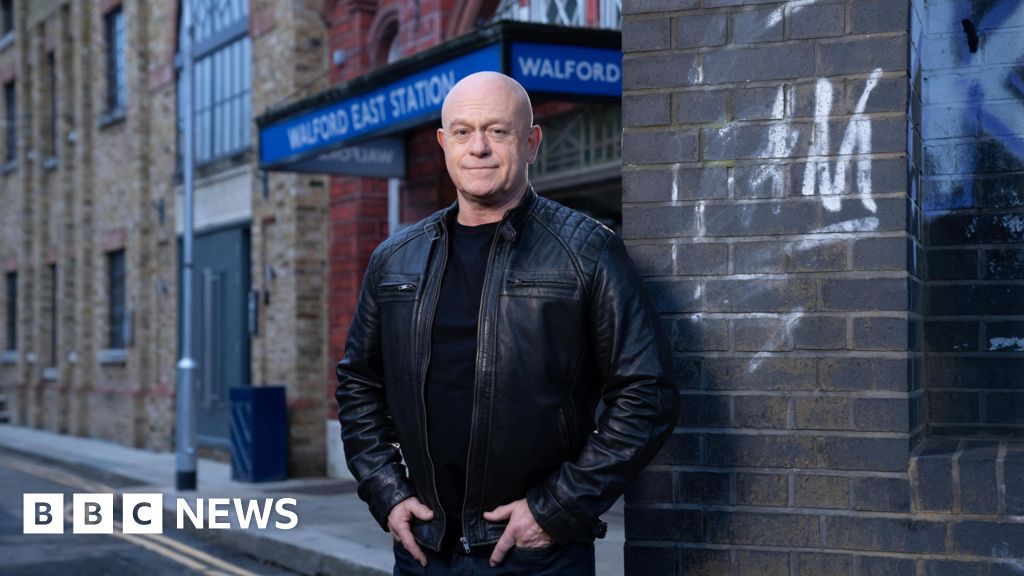
Ross Kemp set to make a timely return to EastEnders, reigniting beloved East End spirit for a brief but impactful comeback

In the tapestry of modern entertainment, few characters have embedded themselves as indelibly into the collective consciousness as Grant Mitchell, the infamous figure portrayed by the actor Kemp in the long-running soap opera that has captivated audiences for decades. Such characters are more than mere entertainment; they are mirrors reflecting the shifting values, fears, and aspirations of society. When we observe Grant Mitchell—a creation of television’s golden age—we glimpse the enduring power of culture to shape identity, articulate societal struggles, and preserve the traditions that define a community’s soul.

Culture, in its essence, functions as both a bridge and a boundary. It connects us to our roots, anchoring us in shared stories and collective memory, while also delineating the contours of our uniqueness amidst a rapidly changing world. As Ortega y Gasset observed, “Whoever becomes the servant of a great tradition is the master of his own time.” Characters like Grant Mitchell serve as embodiments of societal archetypes—heroes, villains, or complex figures—whose narratives are woven into the cultural fabric of a generation. This is particularly vital for the youth, for whom these stories are not just entertainment but foundational texts that forge their understanding of morality, loyalty, and societal roles.

Historically, the proliferation of mass media has accelerated this exchange between tradition and innovation. Tocqueville, in his analysis of democracy’s influence on society, warned of the potential for ‘soft despotism’—a state where cultural homogenization erodes regional and historical distinctions. Yet, it is precisely through figures like Grant Mitchell—rooted in tradition yet continually reinterpreted—that we see culture’s resilience. It acts as a guardian of national identity, a vessel for shared values, and a testament to the virtues that hold societies together amidst upheaval. As cultural critic G.K. Chesterton noted, “The true purpose of art is not a rarified game but a truly social act; it serves as a mirror and a forge of our collective character.

In today’s fragmented digital landscape, where fleeting trends threaten to displace enduring customs, the importance of culture as a foundation becomes even more evident. It reminds us that identity is not an arbitrary construct but an inheritance: a story passed through generations that continues to evolve yet never abandons its core. As the character of Grant Mitchell and the stories he inhabits demonstrate, our cultural traditions are both a memory and a prophecy—reminding us of where we come from and illuminating the path toward where we might go. In this way, culture remains the eternal echo of human aspiration, a lyrical symphony of memory and prophecy that guides the soul through the dawn of each new age.

Thrilling Comeback: Local High School Team Clinches Victory in Final Seconds!

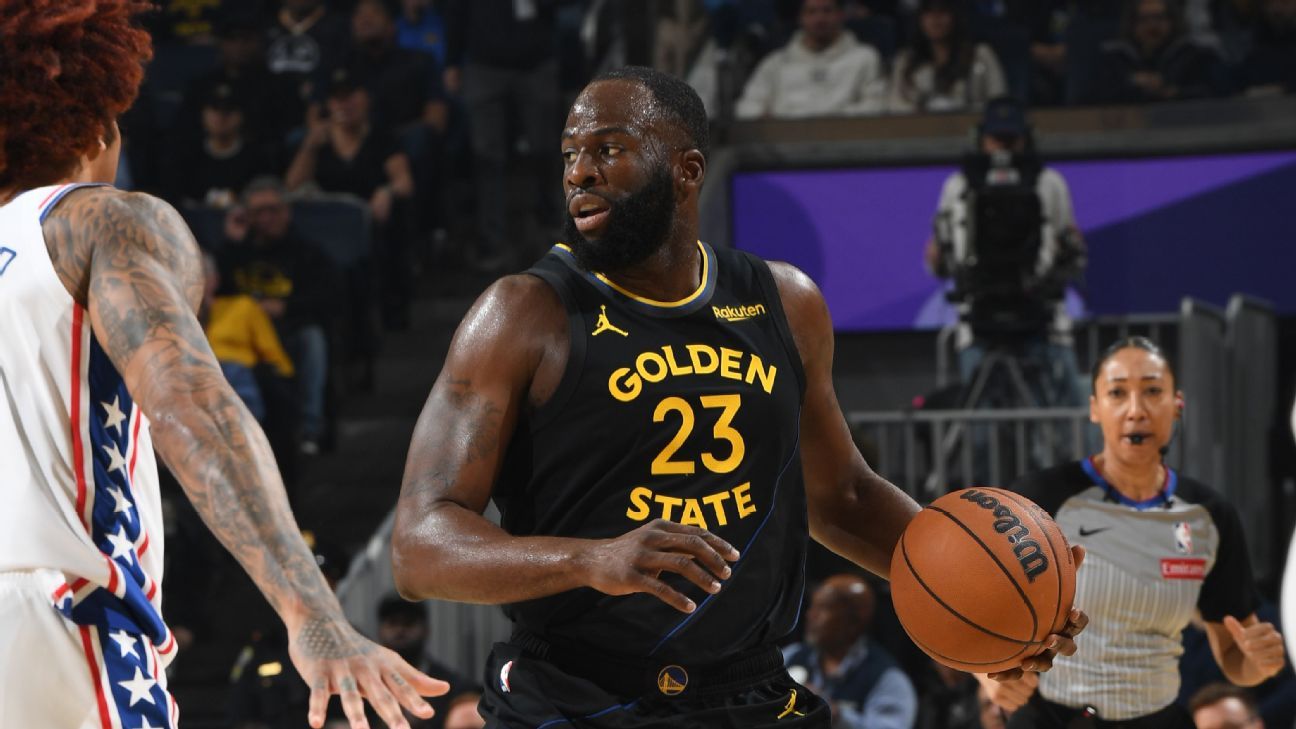
Golden State Warriors GM Denies Trade Talks Involving Draymond Green

The Golden State Warriors have been at the center of trade rumors, particularly surrounding the potential acquisition of superstar Giannis Antetokounmpo. However, General Manager Mike Dunleavy has emphatically stated that Draymond Green will not be part of any trade discussions. The Warriors’ management clearly aims to maintain the core of their championship roster while pursuing high-profile talent.

In a recent press conference, Dunleavy addressed speculations that have circulated among fans and analysts alike regarding Green’s status on the team. _“We are committed to our core players and building around them,”_ Dunleavy asserted. This statement comes amid heightened anticipation for the upcoming season, as the franchise looks to bolster its championship aspirations.

Game-Changing Moments

  • Dunleavy’s assurance that Green remains untouchable shows a strong commitment to team stability.
  • Fans have questioned the merits of trading a stalwart defender like Green in favor of offensive prowess.
  • Antetokounmpo’s potential impact on the team raises questions about what it would take to assemble such a powerhouse.

Sports commentators suggest that retaining Green is vital not just for defense but also for the team’s chemistry. Veteran commentator Steve Kerr stated, _“Draymond is the glue that holds this team together. His defensive tenacity and leadership are irreplaceable.”_ With players like Stephen Curry and Klay Thompson already part of the fabric of the Warriors, adding Antetokounmpo could disrupt the dynamics that brought so much success in recent years.

As the offseason unfolds, the complexities of balancing team chemistry and player acquisition remain a focal point. Trade rumors may excite fans, but the heart of sports is not just about the players on paper; it’s about the bonds they forge on the court. Through victories and defeats, these athletes remind us that the spirit of competition unites fans and players alike. As we look forward to the upcoming season, one thing is clear: true teamwork transcends the scoreboard, serving as a powerful reminder of the unifying force that sports can embody.

Source link

Denise Welch’s Bold Comeback: Embracing Change, Beating Depression, and Reclaiming Youthful Vibes

Denise Welch’s Revival: The Power of Reinvention in Today’s Culture

Once primarily recognized as a beloved soap star and outspoken personality, Denise Welch is experiencing a remarkable renaissance—both professionally and socially. Her return to acting, notably in Waterloo Road, along with her appearances in new series on Channel 4 like Tip Toe and Stepping Up, exemplifies a broader trend among veteran entertainers redefining their identities. Welch’s evolution from a tabloid fixture to a multifaceted cultural icon underscores a pivotal societal shift: the growing acceptance of age and vulnerability as elements of genuine authenticity. Her candid revelations about battling depression, addiction, and her role as a mother resonate powerfully with a generation craving transparency and realness.

In an era dominated by influencers and social media, Welch embodies a cultural impact that extends beyond traditional celebrity. She’s embraced a lifestyle of honest self-reflection, openly sharing her struggles with postnatal depression, ADHD, and sobriety, challenging the stereotypical norms of perfection often perpetuated by celebrity culture. According to sociologists tracking online movements, her narrative is integral to a society more willing to champion mental health awareness and resilience. Her participation in platforms celebrated by youth—like her fashion shoots for i-D magazine and the edgy personality she portrays in interviews—symbolizes a shift: the social relevance of being ‘vulnerable but victorious’ captures the zeitgeist.

From Tabloid to Trendsetting

  • Fashion as Expression: Welch’s fashion evolution—from vintage Chanel to stylish, vintage-inspired outfits—becomes a statement of confidence and individuality. Her playful embrace of high fashion, despite admitting she knows “nothing about it,” showcases a deliberate departure from the conformist standards that once overshadowed her. Influencers, like Matty Healy, have commented on her style, and Welch herself revels in the freedom that fashion offers to reinvent oneself at any age.
  • Social Relevance of Mental Health: Her openness about living with depression and ADHD, along with her previous substance abuse struggles, exemplifies a society gradually de-stigmatizing mental illness. Welch’s stories underscore the importance of candid conversations, especially among young audiences, who look up to figures risking vulnerability to promote authenticity.
  • Digital Age Resistance: Welch’s involvement in hun culture—described by her as ‘unfiltered and loved by the gays’—reflects a social phenomenon rooted in embracing bold personalities outside political correctness. Her humorous, unapologetic take on her identity demonstrates how digital communities celebrate personality over political conformity, fueling social discourse about the importance of self-acceptance.

Influencers and critics alike have recognized her as a symbol of a new era in celebrity—one rooted in honesty, resilience, and reinvention. Her narrative teeters between the harsh realities of mental health struggles and the joy of embracing one’s true self without shame. The question then emerges: as society champions these raw, authentic stories, could this be the next big trend in cultural influence? Is the shifting perception of celebrity into a more relatable, vulnerable figure a sign that society is truly moving toward a more inclusive understanding of strength?

The Future of Cultural Reinvention

Welch’s story prompts a larger conversation about the future trajectory of pop culture: will we see a move away from the traditional archetype of the untouchable celebrity to a model rooted in *relatability* and *truthfulness*? Her journey suggests that society is increasingly valuing human complexity over perfection. As Welch herself asks, “You can still have a wonderful life with mental illness,” this embodies a shift that could redefine public perception of wellbeing and success. The next big question becomes: how will this cultural shift influence the way new generations perceive resilience and authenticity? Will future icons be those who openly acknowledge their struggles, or will this remain a niche phenomenon?

Sali Hughes Declares the End of Glossy ‘Glass Skin’—Glam Beauty Is Making a Massive Comeback

The Next Big Shift in Beauty: Embracing Playfulness and Self-Expression

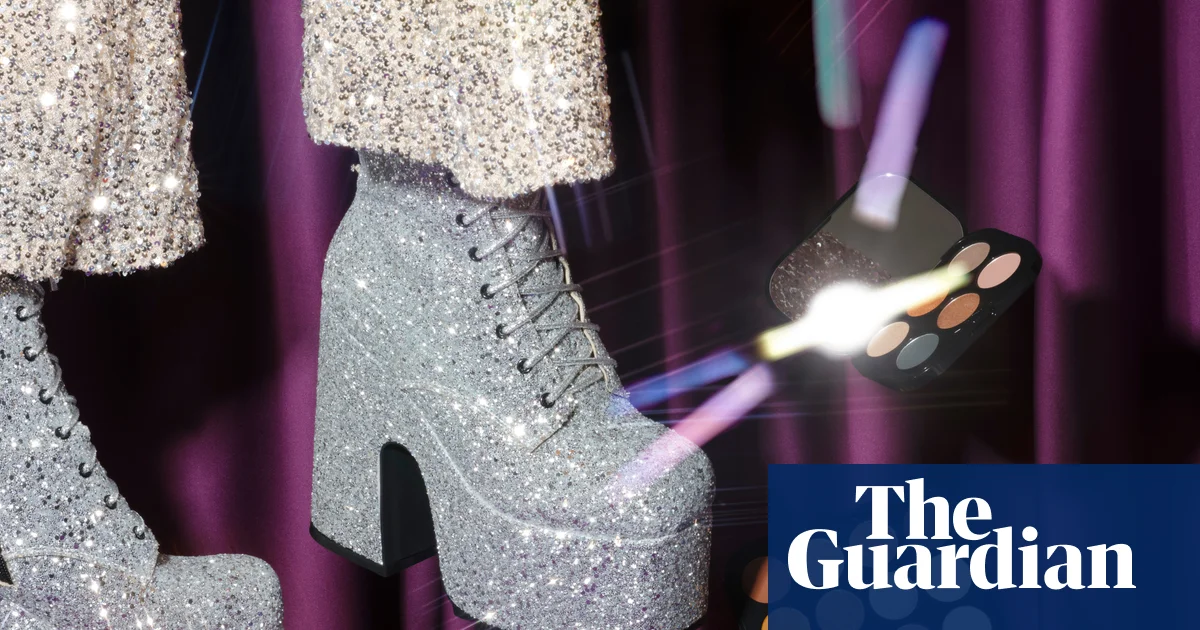
In a cultural landscape where monochrome minimalism and beige comforts have long dominated fashion and beauty trends, a fresh wave of dopamine-driven creativity is reshaping what it means to express oneself. The recent appointment of Chappell Roan as MAC’s new global ambassador marks an industry pivot toward experimentality, boldness, and a refusal to conform. Her glittery, grunge-inspired aesthetic symbolizes a broader societal shift where fun and spontaneity in self-presentation are increasingly valued over perfection and subtlety.

This movement is driven, in part, by social media influencers like Emily Wood, whose daring, playful makeup routines—think electric turquoise eyeshadows and spilled glitter—capture a collective desire for lighthearted self-expression. Unlike traditional beauty standards, which often emphasized polish and restraint, the emerging trend champions *sloppy*, carefree application techniques that emphasize joy, creativity, and individuality. Influencers and sociologists alike note this cultural shift as a response to years of post-pandemic austerity and social restrictions, with beauty becoming a playground instead of a battleground.

The Cultural and Social Relevance of Playful Beauty

High-profile brands are jumping aboard this movement, with collections like MAC’s Connect and In Color palettes offering a spectrum of textures—from mattes to chunky glitters—designed for carefree, unconventional application. As trend analysts suggest, the appeal lies in the **simplicity and immediacy** of these products, making playful looks accessible to all regardless of skill level. This democratization of beauty is more than superficial—it’s a statement about *reclaiming joy* and defying the rigid standards that have long defined what “beautiful” means.

Violette FR, a buzzy _cool-girl_ brand, epitomizes this ethos with its Lune Liners. The holographic finish means even the most wobbly strokes look intentional, turning makeup into a form of *visual entertainment*. Meanwhile, sociologists like Dr. Alexis Taylor highlight how this aesthetic reinvigoration acts as a form of social resistance—an assertion that *self-expression doesn’t require permission* and that beauty can be anything from a riot of colors to messy smudges, all with their own cultural significance.

Beyond the Surface: What Does This Mean for the Youth?

  • Rejection of Perfection: Young people are increasingly abandoning the pursuit of flawlessness in favor of raw, playful looks that celebrate imperfections.
  • Self-Identification and Community: Social media has created spaces where self-expression in beauty fosters community and shared identity, breaking down traditional norms.
  • Shift in Industry Standards: Brands that embrace this trend signal a move toward inclusivity, accessibility, and a focus on *fun* as a vital component of beauty.

This playful revolution signals a broader cultural question: Are we finally moving toward a society where the *authentic* and *joyful* take precedence over the *perfect* and *polished*? As influencers like Emily Wood demonstrate, makeup becomes less about transforming oneself into an ideal and more about *enjoying the act of creation*. The next question we should be asking is whether this trend will influence other facets of youth culture—like fashion, art, and even digital identities—to prioritize *personal joy and vibrancy* over traditional standards of beauty and success.

Hong Kong’s Back in Action: Is the City’s Comeback on Time for the Next Generation?

Hong Kong’s Resilient Revival: Embracing Change and Reclaiming Its Global Pulse

Once a bustling powerhouse of international commerce and vibrant street life, Hong Kong faced unprecedented challenges over the past three years. The pandemic’s relentless grip, combined with social unrest and strict quarantine measures, drastically curtailed its role as a global hub of tourism and finance. Markets shuttered, businesses shuttered, and the soul of this legendary city felt subdued. Vendors in areas like Tung Choi Street, known for its iconic night market, experienced a sharp decline in activity, and stories of resilience emerged from shopkeepers like Mr. Chan, whose once-busy stall now operates shorter hours. Yet, amidst these trials, Hong Kong’s leadership is charting a bold course to restore the city’s vibrancy — and it begins with reopening to the world.

Recent developments signal a determined push to reverse the pandemic’s damage and rekindle the city’s dynamism. The city has lifted its stringent quarantine policies, allowing international travelers to visit without the daunting 21-day hotel stay that once paid a premium. This move is more than just easing restrictions; it’s a declaration of faith that trust in the resilience of Hong Kong’s economy can prevail. Eager travelers have responded swiftly, with airlines like Cathay Pacific setting up virtual “waiting rooms” for flight bookings, and travel demand skyrocketing towards cities like Tokyo and Osaka. This renewed interest in wanderlust underpins a vital truth: our health and well-being flourish when we embrace movement and adventure, reconnecting with the world beyond our screens.

However, the path to full recovery isn’t without obstacles. While the quarantine ban is lifting, new safety protocols still impose restrictions that may dampen tourism’s comeback. A three-day ban on dining in restaurants combined with complex entry requirements can seem like hurdles, especially for visitors from abroad. Still, the initiatives like the giveaway of 500,000 airline tickets — valued at nearly $255 million — aim to ignite a *market recovery campaign* that encapsulates the spirit of innovation and opportunity. As wellness expert Dr. Emma Seppälä advocates, “Optimism and proactive efforts are key drivers in fostering resilience in challenging times.” This philosophy echoes through Hong Kong’s recent decisions to revive its global standing, exemplifying a collective trust in the city’s enduring spirit.

  • Travel Smart: Keep an eye on evolving entry policies, and pack pre-vaccination certificates and negative tests.
  • Support Local: Explore emerging neighborhoods and independent vendors to help sustain the city’s small businesses.
  • Stay Inspired: Take moments to appreciate the city’s culture, from historic cafes to modern events, fueling your sense of adventure and purpose.

In contemplating Hong Kong’s story, there lies a broader reflection about our own journeys. The city’s collective effort to bounce back — from the ashes of pandemic shutdowns to the anticipation of international gatherings like the International Rugby Sevens — serves as a powerful reminder. Our _well-being_ depends not only on health measures but on our willingness to step outside, explore, and engage with the world anew. For young adventurers and entrepreneurs alike, the message is clear: resilience is an active choice. As the city reclaims its spot on the world’s stage, each of us can draw inspiration from its unwavering spirit, using setbacks as stepping stones to growth. The journey of life is an ongoing dance with change — embracing it is how we become our best selves.

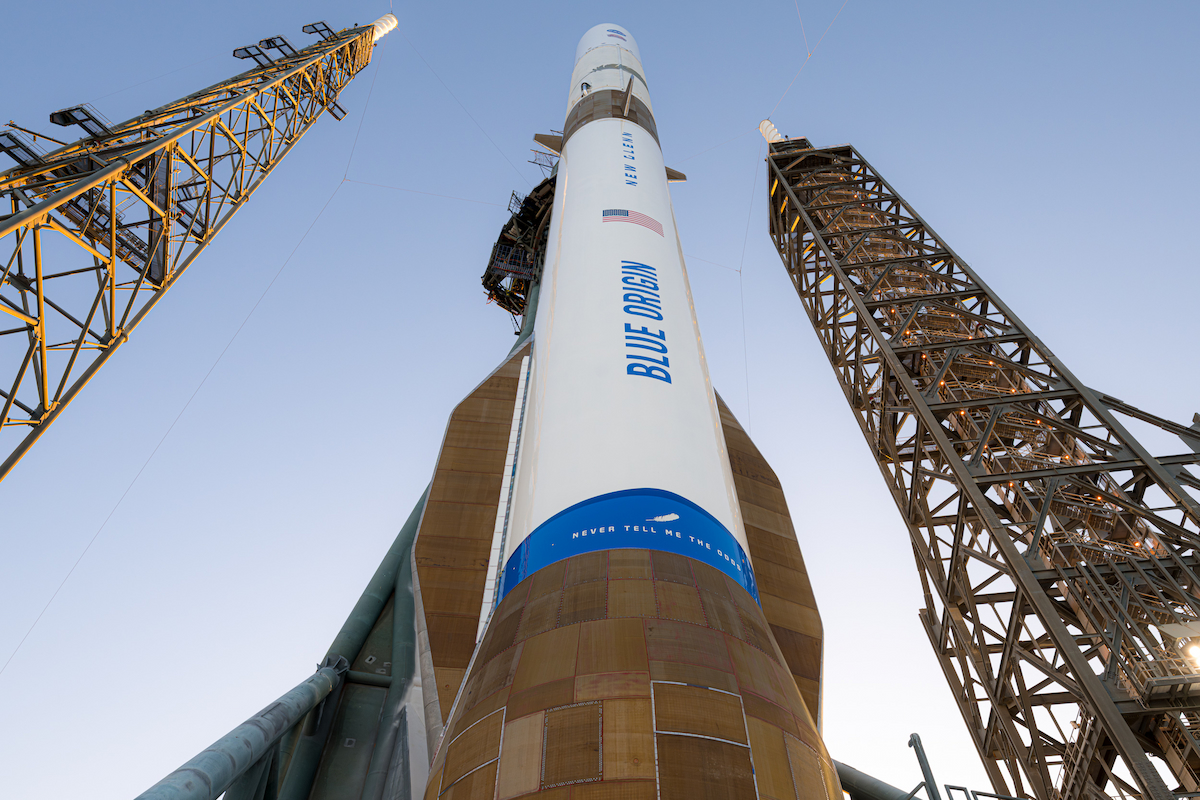
Blue Origin cancels second New Glenn launch, aims for November 12 comeback

In a notable display of disruption in space launch technology, Blue Origin has faced setbacks but remains steadfast in its pursuit to revolutionize the commercial space sector. The company’s latest attempt to launch its groundbreaking New Glenn mega-rocket, scheduled for last Sunday, was scrubbed due to a confluence of weather conditions, minor launch pad equipment issues, and the unexpected intrusion of a cruise ship into the flight path. Despite the setback, the company announced a rescheduled launch for Wednesday, November 12, signaling its resilience and commitment to innovation amidst operational hurdles. According to Blue Origin’s official updates, the FAA’s recent restrictions—stemming from the ongoing government shutdown—have complicated launch permissions, illustrating the delicate regulatory environment that emerging space enterprises must navigate.

This mission is a pivotal moment for Blue Origin as it seeks to demonstrate complete reusability of the New Glenn booster — a critical benchmark for reducing launch costs and disrupting traditional space industry economics. In its inaugural orbital attempt in January, the New Glenn reached orbit but was lost upon impact in a booster explosion. The current mission aims to test the booster’s ability to land for the first time, a feat that could significantly undermine Elon Musk’s dominion with SpaceX. As industry analysts like Gartner highlight, reusability is no longer a mere innovation but an industry standard that distinguishes a sustainable, scalable space business. The successful recovery of the booster would not only validate Blue Origin’s technical capabilities but could also recalibrate the competitive landscape—ushering in lower-cost, frequent, reliable launches that challenge space monopolies.

Beyond proving reusable technology, this mission also signals a shift towards more ambitious commercial payload deliveries. The New Glenn is tasked with carrying NASA’s ESCAPADE spacecraft, aimed at Mars exploration, and a tech demonstrator for Viasat. This aligns with a broader trend of privatization and commercialization of space, where firms like Blue Origin aim to become indispensable partners in government and commercial projects. The venture’s success will carry substantial business implications: scaling new spaceflight economies, fostering innovation ecosystems, and accelerating the transition into a weaponized, commercially driven space age. Industry leaders and analysts, including those at MIT’s Space Systems Laboratory, anticipate that the next decade will determine whether private firms like Blue Origin become long-term players—or fall prey to the harsh realities of space-scale disruption.

Looking ahead, the unfolding developments epitomize the urgency with which space enterprises must adapt to an era of rapid technological change and intense competition. As industry dynamics shift, Blue Origin’s perseverance in tackling technical, regulatory, and environmental challenges underscores a crucial takeaway: _disruption in space is no longer hypothetical_; it is happening now, and the pace will only accelerate. Tech investors and policy stakeholders must monitor these milestones closely, as the success or failure of New Glenn will likely influence the trajectory of the entire space economy—from satellite networks to lunar mining and beyond. The next few years could redefine global competitiveness in space endeavors—making the coming launch attempt more than just a routine test; it’s a critical inflection point that may dictate the future frontiers of the commercial space age.

Young Stars Shine as Team Seizes Victory in Thrilling Comeback Match!

Emerging Stars: Early Season Insights in the NBA

As the NBA season unfolds, national analysts Zach Kram and Kevin Pelton have taken to the airwaves to dissect the impact of young talents such as Victor Wembanyama, Austin Reaves, and Cooper Flagg. These athletes are not just names to watch; they represent the future of basketball and ignite passionate debates among fans and experts alike.

In their recent discussion, Kram and Pelton highlighted the immense pressure on Wembanyama, the first overall pick in this year’s draft. They noted that his performance so far has exceeded expectations, with his ability to stretch the floor and dominate defensively. Pelton emphasized, “His versatility allows the Spurs to adapt their style of play dramatically. He’s not just a traditional big man, but a modern game-changer.” With stats like averaging nearly 20 points, 10 rebounds, and 3 blocks per game, Wembanyama is proving to be a cornerstone for the San Antonio Spurs.

Meanwhile, Austin Reaves has captivated audiences with his scoring prowess for the Los Angeles Lakers. Kram remarked on Reaves’ “natural ability to create plays,” pointing to his increasing role within the team dynamics. His ability to shoot from beyond the arc, coupled with his playmaking skills, has made Reaves an essential asset, especially in close games where every possession counts. Reaves is averaging over 18 points and 5 assists, showcasing his growth in such a competitive landscape.

As discussions unfold around rising star Cooper Flagg, there’s an undeniable buzz surrounding the high school phenom, who has already been linked to college powerhouses. Analysts are eager to see how his talents translate to higher levels of competition, with Pelton stating, “His court vision and scoring touch are remarkable, and if he continues on this trajectory, he could redefine what a guard can be.”

As the NBA season continues, the significant narratives surrounding these young athletes serve not just as statistics on a scoreboard but as a reminder of basketball’s potential to unite communities. With every highlight reel and nail-biting finish, the sport transcends the game itself; it weaves together stories of determination, talent, and the collective experience of fans who believe in the power of teamwork. Sports are not merely about winning or losing; they are about the shared journey of players and fans alike, embodying the spirit of hope and resilience found in every season.

Source link

‘Looney Tunes’ Makes a Epic Comeback on Tubi After HBO Max Exit — A Win for Fans and the Modern Squad

For millennials and Gen Z, Looney Tunes has long been a nostalgic staple—an iconic symbol of childhood innocence and humor. Yet, 2023 and beyond have marked an unexpectedly turbulent chapter for this beloved franchise. Warner Bros. Discovery, in a move that baffled many fans, scrapped the completed Coyote vs. Acme film, merely for tax advantages, showcasing how corporate priorities are reshaping the landscape of entertainment. The story took an intriguing turn when this film was subsequently acquired by Ketchup Entertainment in 2025, set to hit theaters in 2026. Meanwhile, Warner Bros. shifted its focus away from the classic shorts library, removing it from HBO Max—an act seen not just as a business decision but as a cultural gamble to redefine what “classic” actually means in today’s digital era.

This pivot reveals more than just corporate strategy; it underscores a **shift in how society interacts with nostalgia**. By pulling classics from traditional streaming platforms like HBO Max and reintroducing these stories through newer channels, streaming services like Tubi are rewriting the rules of cultural preservation. Since acquiring 789 episodes of Looney Tunes, Tubi has seen an astounding increase in viewership, with the cartoons landing in the platform’s Top 10. This isn’t just about entertainment—it’s about fulfilling an emotional connection to childhood memories, even in an age where youth culture is often dictated by fleeting trends and viral sensations.

  • Tubi has transformed classic cartoons into binge-worthy, ad-supported episodes, maintaining the familiar TV experience that resonates with audiences’ desire for comfort and nostalgia.
  • The reintroduction of cartoons like Tom and Jerry, The Pink Panther, and Popeye emphasizes a **deliberate focus on retro content**, positioning streaming as the new Saturday morning cartoon hub for young viewers and adults alike.

This approach reflects a **social revolution in media consumption**—where *nostalgia* becomes a strategic asset in a market saturated with fast-paced entertainment. Media analyst and sociologist Dr. Lisa Grant notes that “streaming platforms are tapping into a collective desire for **authentic, simple storytelling** that evokes emotional nostalgia, acting as a cultural respite from the chaos of modern life.” For younger audiences, this signals a *cultural shift* where the past becomes the most reliable source of comfort and shared identity. TV critic Alex Martinez argues that “repackaging classic cartoons into short episodes with modern advertising models bridges generational gaps, making the old feel new again—in a way that’s both *market savvy* and socially meaningful.”

Yet, beneath the surface of this revival lies a question that could determine the future of entertainment: Will the resurgence of old-school cartoons shape how society defines ‘authenticity’ in digital content? As streaming giants and independent distributors leverage nostalgia as a driving force, the line between *original* and *recreated* content blurs. Perhaps the next phase isn’t just about bringing classics back, but reimagining what they represent in a rapidly evolving cultural landscape. The real challenge for creators and corporations alike is to ask whether this trend will foster *true cultural continuity* or merely serve as a fleeting marketing fad—something that remains to be seen as the entertainment world continues its digital transformation.

Social Media Auto Publish Powered By : XYZScripts.com