Matox News

Truth Over Trends, always!

Iran's regime remains standing—stay tuned to see if it can hold firm in the coming days.
Iran’s regime remains standing—stay tuned to see if it can hold firm in the coming days.

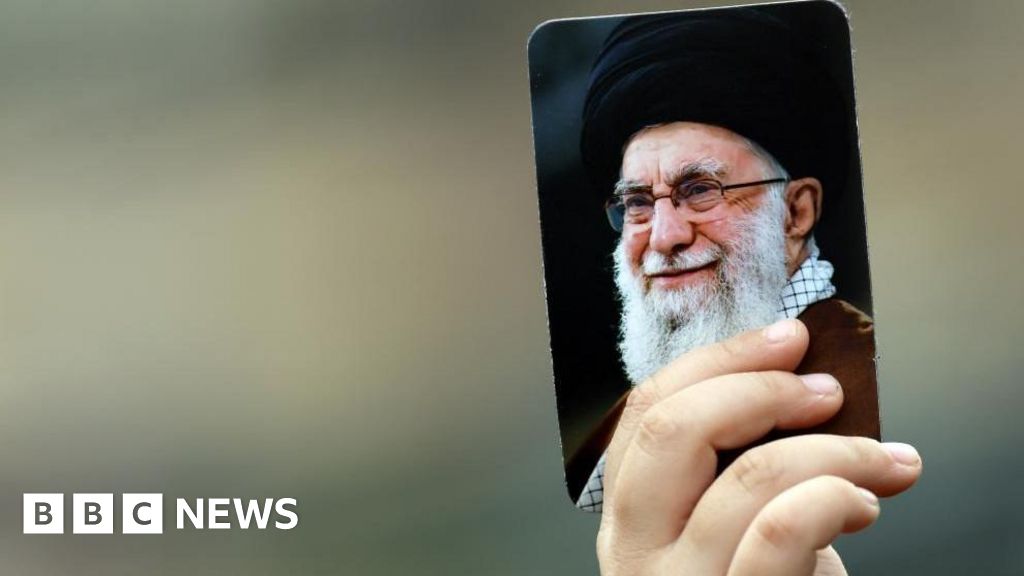
In a time of escalating tension*, Iran finds its leadership deeply engulfed in a crisis of both confidence and security. As US and Israeli strikes persist in targeting strategic sites across Iran, the country’s political and military elites grapple with mounting pressure to maintain stability amidst an uncertain international landscape. This unfolding scenario underscores the profound geopolitical impact of external intervention and the delicate dance of diplomacy in a region fraught with historical grievances and current conflicts.

For years, Iran has been at the center of global strategic calculations, often viewed through the lens of its contentious nuclear program and regional influence. The recent surge in military actions, however, marks a turning point that could redefine regional power dynamics. Analysts from the International Crisis Group and seasoned historians recognize that Iran’s leadership faces a critical juncture, where the decisions made today will ripple through decades to come. These strikes aim to hinder Iran’s nuclear ambitions but also risk provoking a broader conflict, with the potential to destabilize the Middle East further and challenge international norms.

The crisis extends beyond tangible military targets, touching the very fabric of Iran’s societal foundations. Iranian officials are under enormous strain as they seek to project an image of resilience and control, even as internal dissent simmers beneath the surface. Leadership in Iran is acutely aware that their response could either bolster national unity or deepen divisions, all while navigating a complex web of international alliances and enmities. The ongoing strikes serve as a stark reminder of how external actors can influence internal politics, with consequences that resonate across borders and generations.

  • US and Israel assert that their actions aim to prevent Iran from acquiring nuclear weapons, maintaining that such measures are necessary for regional security;
  • Iran claims that these strikes are acts of aggression that violate sovereignty and threaten regional stability;
  • International organizations, including the United Nations, have called for de-escalation, but their influence remains limited amidst escalating tensions;
  • Historic developments, as noted by analysts, suggest that these military actions could accelerate Iran’s pursuit of strategic autonomy, potentially spawning new alliances or rivalries.

As this saga continues to unfold, the geopolitical landscape remains precariously balanced on the edge of a precipice. The decisions made by Iran’s leadership in the coming days will not only shape their nation’s trajectory but also influence the broader quest for stability and influence in a tumultuous region. History’s pen remains poised, poised to record whether this moment sparks the dawn of renewed conflict or the cautious emergence of a fragile peace.

Trump’s new tariffs: What’s coming and how it will impact the future

Supreme Court Ruling Sparks International Debate Over Tariff Refunds and Economic Sovereignty

The recent decision by the Supreme Court has sent shockwaves across national and international economic spheres, igniting debates over the legality and repercussions of unlawful tariffs. The ruling centers on whether consumers and businesses affected by these tariffs are entitled to refunds—an issue that, while seemingly domestic in scope, echoes broader questions of economic sovereignty and international trade compliance. Analysts argue that this decision could set a precedent, impacting not only domestic trade policies but also challenging the authority of global economic governance institutions such as the World Trade Organization (WTO).

This pivotal ruling arrives at a tense crossroads where national courts intersect with the global economic order. Legal experts highlight how historic tariff disputes have often tested the limits of sovereignty and compliance. Now, the question of refunds over unlawfully imposed tariffs brings into sharp relief the crisis of trust between states and international institutions. Countries that have traditionally relied on tariff measures to protect domestic industries now face the potential backlash of unrecoverable costs, fostering concerns of a “clash of legal frameworks.” For instance, the United States, under the current administration, has frequently utilized tariffs as leverage in trade negotiations, but this decision may limit future flexibility.

International organizations and economists have expressed concern about the wider geopolitical consequences of this decision. The International Monetary Fund (IMF) and World Trade Organization warn that unpredictable legal outcomes threaten to destabilize global markets and undermine longstanding trade agreements. Several trade analysts suggest that broader repercussions may include the erosion of rules-based international trade system, particularly if nations begin to interpret judicial rulings as license to bypass international standards. The European Union, for instance, scrutinizes the ruling as a catalyst for potential retaliatory measures that could escalate into trade conflicts, further fracturing a delicate global economic balance.

The stakes are further heightened by historical perspectives. Renowned economic historian Dr. Anne Williamson notes that tariff disputes have historically been catalysts for major international crises. “When legal frameworks falter, and countries feel empowered to disregard international agreements, the risk of geopolitical instability soars,” she emphasizes. Similarly, United Nations’ officials warn that disregarding rulings and refund rights could undermine efforts to foster international cooperation and economic justice, pushing more nations toward unilateralism and protectionist policies. These developments threaten to reshape the global economic landscape—an arena where power struggles and national interests increasingly overshadow multilateral efforts.

As the world watches, the Supreme Court‘s decision underscores a critical juncture in geopolitical history. It propels the international community into a period of uncertainty and recalibration—where the borderlines of sovereignty, law, and economic stability are continuously redrawn. With each legal precedent and policy shift, nations edge closer to a new era—one fraught with the dangers of fragmentation and the loss of shared mechanisms that once upheld global order. As history continues to unfold, the weight of this decision may be remembered as a turning point—a moment when the delicate balance between national sovereignty and international cooperation was forever altered. The future remains unwritten, yet the echoes of today’s choices will resonate for generations to come.

White House East Wing Set for Demolition in Coming Days

White House Renovations and the Implications for Global Power

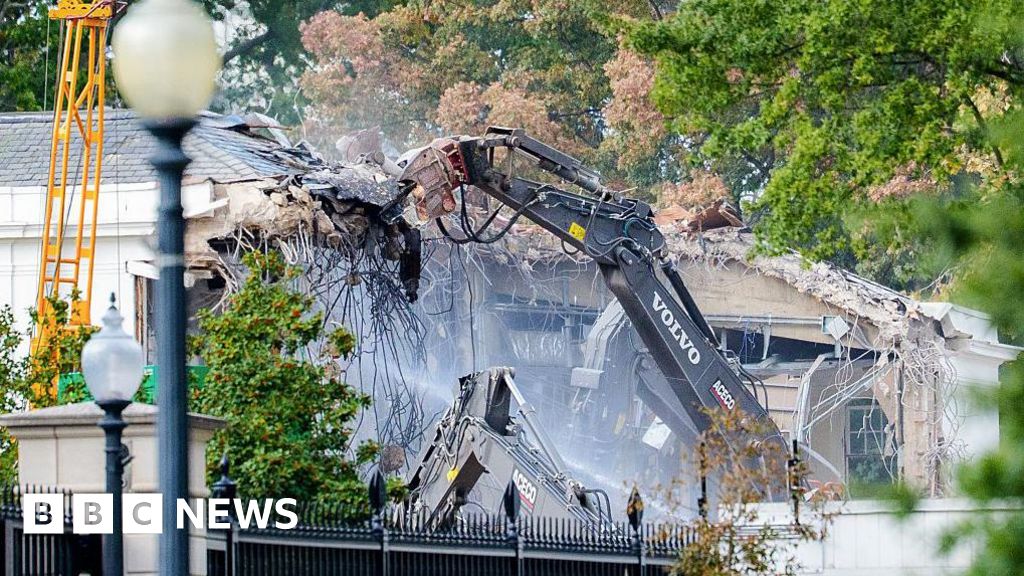
In a move that echoes great power shifts and raises questions about preservation versus progress, the impending demolition of the East Wing of the White House marks more than just architectural change—it signifies a broader transformation in U.S. political symbolism and internal priorities. Construction crews have begun dismantling parts of this historic structure, with full destruction expected by the weekend, confirming that the Trump administration’s ambitious plan is accelerating despite public outcry. This development not only sparks debate around historical preservation but also highlights how national leaders interpret the legacy and future of what some consider the most iconic residence in the world.

From a geopolitical perspective, this project underscores the importance of how leadership decisions at the domestic level echo on the international stage. The White House, recognized globally as a symbol of American sovereignty, is undergoing a modernization that the Trump team argues is essential for security and technological advancement. However, critics, including groups like the National Trust for Historic Preservation, warn that such actions threaten to erode the cultural heritage that authentication the resilience and continuity of the nation. Prominent historians have weighed in, describing this as a potential lose-lose scenario: either sacrifice historic integrity for modern efficiency or risk alienating a global audience attached to the storied past of the U.S. presidency.

Indeed, the broader implications of the White House renovation extend beyond architecture; they reflect a shift in national identity. The Trump administration’s emphasis on a new ballroom—said to symbolize “the American dream” and the power of prosperity—aligns with a narrative of renewed American confidence. Yet, critics argue that such emphasis on spectacle over tradition could signal a turning point—a transformation where superficial grandeur begins to overshadow the foundational values enshrined within historic institutions. As international analysts observe, this can be read as a metaphor for the current American political climate: a nation grappling with its legacy in a rapidly changing world, where symbol and substance often clash amid the geopolitical tensions with rivals like China and Russia.

While the Trump administration champions the project as a necessary step towards modernization, the **world watches** with a mixture of skepticism and intrigue. The move raises questions about how nations prioritize heritage and security amidst global competition. Global institutions—such as UNESCO—traditionally advocate for the preservation of historical landmarks; however, the United States’ decision underscores the tension between erasing history and forging a new image. As analysts warn of potential diplomatic repercussions, the story unfolding at the White House may yet be remembered in history as the moment when the U.S. chose modernization over tradition. The outcome remains uncertain, but one truth endures: history continues to be written in the crucible of choices, with each decision leaving an indelible mark on the future of nations and societies alike.

Social Media Auto Publish Powered By : XYZScripts.com