Matox News

Truth Over Trends, always!

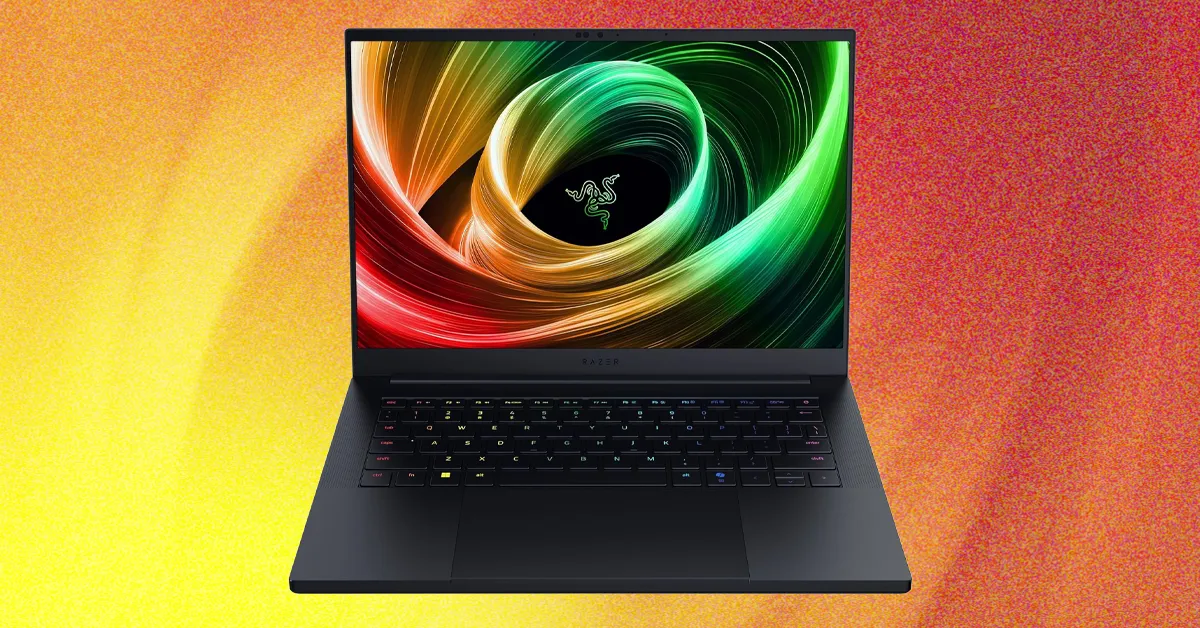
Razer Blade 14: Still the Top Compact Gaming Machine for the Next Generation

Razer Sets the Stage for Gaming Laptop Disruption with Next-Gen Hardware

In a move that underscores the relentless push for innovation in gaming hardware, Razer has unveiled its latest gaming laptop configuration, harnessing the raw power of the AMD Ryzen AI 9 365 processor paired with the cutting-edge Nvidia RTX 50-series graphics cards. Starting with a foundational 1 TB of storage, users can choose between the RTX 5060 and 5070, two GPUs emblematic of Nvidia’s ongoing disruption in graphics processing technology. The new models reflect a strategic focus on performance optimization and user configurability, with Razer enforcing storage and memory upgrades based on their GPU selection—marking a shift that emphasizes tailored computing experiences in the gaming industry.

Performance Benchmarks Illuminate Industry Shifts

Initial reviews suggest that the Razer Blade 14 offers performance aligned with current expectations for high-end gaming laptops. Testing at a native resolution 2560 x 1600 strikes a balance between visual sharpness and smooth gameplay, though many gamers will prefer 1920 x 1200 for superior frame rates. Notably, the RTX 5070 performs approximately 14% faster than the previous RTX 5060 in comparable models, such as Lenovo’s Legion 7i Gen 10, signaling a step forward in GPU efficiency and power density.

Critically, the performance benchmarks were conducted without leveraging Nvidia’s advanced upscaling—such as frame generation or ray tracing—which means these numbers underrepresent the full potential of the hardware. By employing Nvidia’s DLSS technology, gamers can sustain higher frame rates without compromising visual quality, underscoring the industry’s shift toward AI-driven rendering advancements that challenge existing paradigms.

Business Implications and Industry Disruption

This latest release highlights how companies like Razer continue to disrupt traditional gaming laptop markets by integrating performance-centric innovations with modular, configurable platforms. The industry is witnessing a shift towards more user-customizable hardware, driven by consumer demand for mobility, power, and flexibility—all while maintaining competitive edge against competitors like ASUS, MSI, and Alienware.

Strategic differentiation lies in the advanced GPU offerings and their integration with AI-based features. As noted by industry analysts from Gartner and MIT, AI acceleration in graphics and workload processing will soon become standard, forcing incumbents to innovate swiftly. For instance, the RTX 5070 and upcoming RTX 5070 Ti models with increased VRAM will further challenge existing high-performance segments, especially as the demand for portable yet powerful machines grows exponentially.

Future Outlook: Innovation as a Business Mandate

The gaming hardware industry is on the precipice of significant transformation. Traditional perceived limitations—such as power consumption and thermal management—are being addressed through disruptive innovations in cooling systems, AI-optimized rendering, and component miniaturization. With giants like Elon Musk and investors like Peter Thiel emphasizing disruption and breakthrough tech, the race to dominate the next wave of AI-infused, ultra-portable gaming platforms intensifies.

In this environment, businesses that prioritize innovation, agility, and user-centric customization will lead the future of gaming hardware. As Razer’s latest models demonstrate, this is not merely about incremental upgrades but about redefining performance benchmarks and industry standards. The next few years promise to be a battlefield where disruption is the new norm, and those who fail to adapt risk being left behind in a rapidly evolving technological landscape.
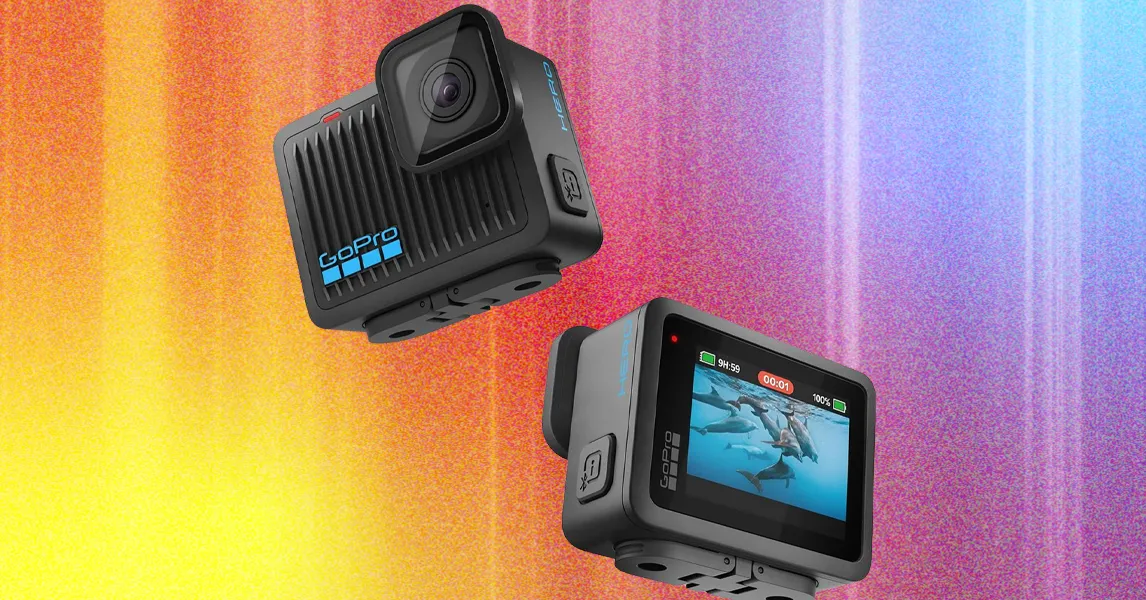
Top GoPro Picks for 2025: Affordable, Compact, Ready for Anything

Emerging Disruption in Action Camera Market Signals Industry Paradigm Shift

In the relentless pursuit of capturing the adrenaline-fueled adventures and aerial stunts of tomorrow, GoPro continues its evolution, but new developments suggest an impending disruption that could reshape the entire industry. The latest iteration, the Hero 12 Black, exemplifies how innovation in action cameras is driving performance beyond conventional limits. While the company’s previous flagship, the Hero 11, remains available, it is increasingly overshadowed by the newer model, which promises superior stabilization, higher video quality, and advanced features, aligning with the strategic forecast by industry authorities like Gartner that emphasize continuous innovation as vital for maintaining relevance amidst rapid technological advances.

Moreover, the market is witnessing a shift driven not just by product innovation but also by the ecosystem of accessories that redefines how these devices integrate into active lifestyles. Accessories such as the Media Mod and specialized mounts exemplify the disruption in user experience, enabling professional-grade audio and rugged mounting options. This highlights an emerging trend where businesses are now competing in the value-added accessory space, amplifying hardware capabilities and unlocking new revenue streams. As Peter Thiel pointed out, this strategic augmentation represents a business moat—making it less attractive for competitors to replicate a system rather than just a device. Companies that effectively integrate such accessories with their core products will likely dominate the market, fostering a shift away from pure hardware towards a comprehensive ecosystem.

Furthermore, the industry is witnessing a pivot toward rugged, water-resistant, and versatile designs, with models like the Hero 10 Black and Hero 10 hanging on despite their age. However, market watchers indicate that older models such as Hero 10 are beginning to show their age, with video quality and stabilization lagging behind newer models like Hero 13, which offers unparalleled performance at comparable prices. The trajectory suggests that the industry’s near future hinges on the convergence of high-performance hardware with innovative software solutions, including AI-powered stabilization and editing tools like DaVinci Resolve Studio—software that is revolutionizing post-production and editing workflows at a scale previously unimaginable.

The competitive landscape is also being reshaped by a vibrant ecosystem of accessories that are fueling the disruption. For instance, accessories like the Handlebar Mount and the Floating Case exemplify how expanding accessory lines enhances device versatility, capturing a broader market segment while reinforcing brand loyalty. As competitors recognize this ecosystem as their battleground, software and hardware integration will determine which companies thrive and which fade into irrelevance.

Looking ahead, the industry’s trajectory is unmistakably aligned with intensive innovation, ecosystem disruption, and strategic diversification. As Elon Musk and industry analysts emphasize, the future belongs to those who seamlessly integrate hardware, software, and accessories into unified solutions—not as standalone products but as parts of a comprehensive user experience. The race is on, and now is the time for proactive engagement to avoid being left behind in the dust of technological advancements. The showdown between entrenched giants and disruptive newcomers promises a future where only the most innovative will carve out sustainable leadership in the action camera universe.

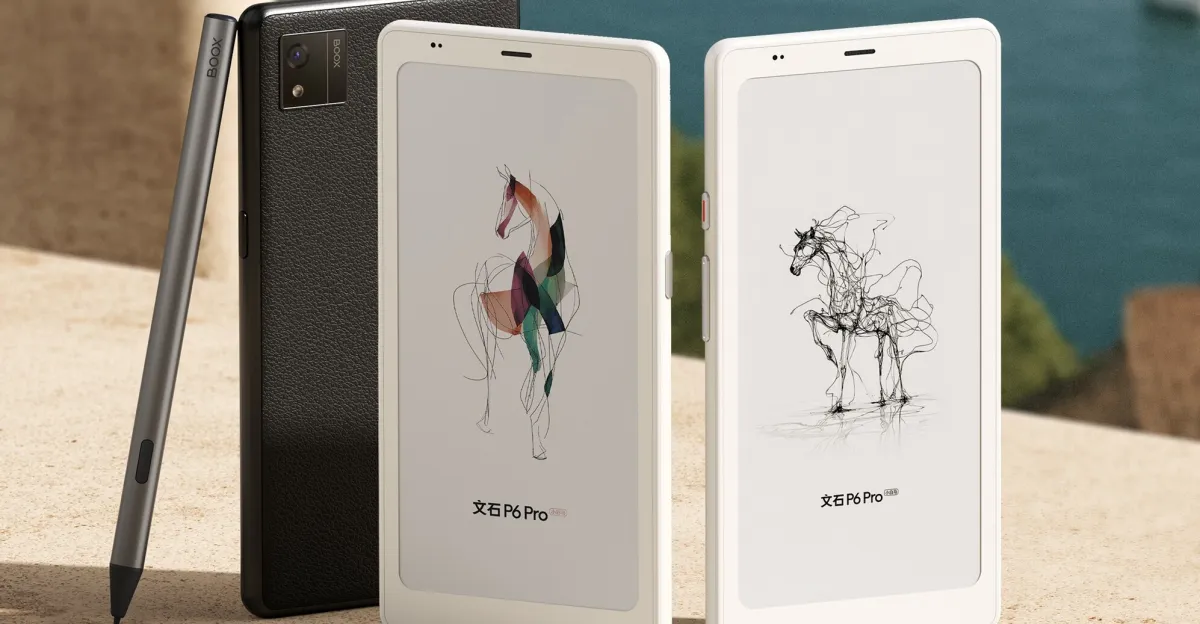
Boox’s new compact e-reader packs color and stylus — the future of portable screens is here

The tech industry is witnessing a groundbreaking development with the upcoming launch of Boox’s P6 Pro, a device that strategically blurs the lines between smartphones and e-readers. While full technical specifications remain under wraps, early revelations highlight the device’s formidable features, signaling a potential paradigm shift in portable digital devices. With a 16MP rear camera optimized for document digitization, alongside 8GB of RAM and 128GB of internal storage—expandable up to 2TB—the P6 Pro positions itself as a versatile tool for content consumption, productivity, and mobile documentation. This innovative approach is poised to disrupt traditional industry segments, creating new opportunities for competitors and investors eager to capitalize on transformative mobility solutions.

The P6 Pro marks a first for Boox—it introduces stylus support on a smartphone-sized e-reader, a feature previously confined to larger models and specialized electronic notebooks like the Nova Air. This move is a clear signal of disruption aimed at the digital note-taking and content management sectors, traditionally dominated by giants such as Apple and Samsung. By leveraging their existing expertise in large e-ink displays and integrating stylus functionalities directly into a portable device, Boox is effectively redefining the possibilities of mobile productivity. Experts from MIT and industry analysts like Gartner suggest this convergence of features could lead to a rapid evolution of the productivity device landscape, challenging entrenched industry leaders and forcing a reevaluation of what a ‘smartphone’ can offer.

Running on Android with access to the Google Play Store, the P6 Pro offers unprecedented flexibility—users can select their preferred note-taking applications or eBook platforms, thereby opening up a broad ecosystem of applications. This flexibility contrasts sharply with the more closed, proprietary systems from established players and signifies a strategic shift toward user empowerment and software openness. The influence of visionaries like Elon Musk—who consistently push the envelope—reflects a broader industry narrative: technological innovation is increasingly driven by disruptive platforms that prioritize customization and integration. The device’s potential to combine digital reading, note-taking, and mobile communication could accelerate the decline of dedicated e-readers and niche tablets, leading to more integrated, multifunctional devices that appeal to a new wave of digital-native consumers.

Looking forward, the Boox P6 Pro exemplifies the trajectory of technological evolution—where innovation, disruption, and business implications intertwine. As industry insiders and analysts recognize the device as a potential game-changer, its success will hinge on how quickly and effectively it can challenge industry norms. The pressure is mounting on competitors to innovate faster or risk obsolescence in a rapidly changing landscape. This launch underscores not only the importance of agility in product development but also the increasing role of user-centric design and ecosystem openness as core drivers of market leadership. For investors and tech enthusiasts alike, the question remains: Will the P6 Pro catalyze a new standard for mobile devices, or will existing giants adapt quickly enough to retain their dominance? The answer will shape the future of portable computing in the coming years—a future marked by swift innovation and relentless competition.

Social Media Auto Publish Powered By : XYZScripts.com



