Matox News

Truth Over Trends, always!

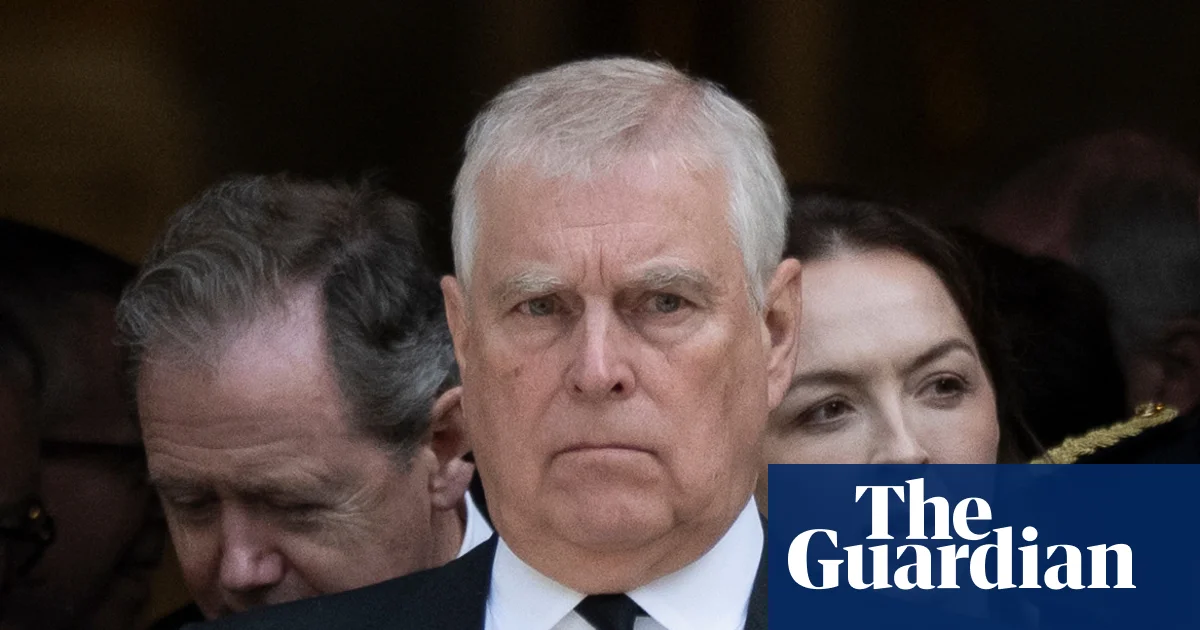
Labour avoids tackling Prince Andrew scandal amidst rising concern

The recent revelations surrounding Prince Andrew’s alleged connections with Jeffrey Epstein have ignited a firestorm of media coverage, exposing unsettling questions about the integrity of the British monarchy and its embedded influence on national politics. Despite mounting public outrage and calls for accountability, a notable parliamentary taboo hinders any official debate on whether the royal should be stripped of his titles. This restriction underscores a deeper, pervasive culture of institutional protection that transcends the borders of the United Kingdom, impacting international perceptions of accountability, sovereignty, and judicial independence. The political establishment, especially within Westminster, appears hesitant to confront powerful symbols of tradition, even as scandals threaten to undermine confidence in Britain’s longstanding monarchy.

The core issue revolves around parliamentary constraints, which are enshrined in Erskine May, the authoritative manual on parliamentary procedure. According to its guidelines, questions that “bring the name of the sovereign or the influence of the crown directly before parliament” or cast “reflections upon the sovereign or the royal family” are off-limits. This legal and constitutional safeguard effectively bars MPs from raising allegations against Prince Andrew or discussing his conduct, especially concerning the explosive claims of Virginia Giuffre. The outcome is a paradox where public interest, especially among younger voters and international observers, collides with a strict adherence to tradition that limits open discourse, perpetuating a veil of silence over critical issues of morality and justice within the monarchy.

Analysts such as political historians and international observers emphasize that this parliamentary silence has broader geopolitical implications. It signals to the world that Britain continues to prioritize the preservation of its aristocratic symbols over embracing transparency and accountability. For many in emerging democracies and authoritarian regimes, the refusal to confront such scandals openly feeds narratives about elite impunity and entrenched privilege. Furthermore, the ongoing scandal involves subtle shifts in Britain’s soft power—its ability to promote democratic ideals and moral leadership—being subtly eroded. As some MPs voice frustration and push for legislative reforms, the reality remains that the entrenched culture of royal privilege hampers efforts for civility and integrity that are increasingly demanded by the global community.

  • The British government faces mounting pressure to either uphold tradition or adapt to a changing moral landscape—yet, the political will remains tepid, with some officials viewing the issue as a distraction from more pressing economic or domestic concerns.
  • International institutions, such as the European Court of Human Rights and the International Criminal Court, watch with cautious optimism, as Britain’s refusal to confront its royal scandal may influence debates on accountability and rule of law across borders.
  • This controversy echoes broader themes of national sovereignty, elite impunity, and social justice—issues that ripple beyond the confines of Westminster, challenging the very foundations of Britain’s constitutional tradition.

As the debate smolders beneath the surface, some voices—both domestically and globally—warn that this reluctance to confront uncomfortable truths could precipitate lasting damage to Britain’s moral authority. Historians and political analysts warn that nations which shy away from transparency in moments of crisis risk fostering long-term disillusionment among their citizens and allies. The case of Prince Andrew serves as a potent microcosm of this larger struggle—how a society chooses between maintaining ancient privileges and embracing the demands of a new age of accountability. As history unfolds with each passing day, the enduring question remains: will the winds of change sweep away the old hierarchies, or will they be immortalized as monuments to a bygone era?

University of Staffordshire plans to slash almost 70 jobs, sparking concern among students and staff

Societal Strain and the Future of Education: The Impact of University Job Cuts on Communities

The financial stability of our educational institutions faces mounting pressures that ripple far beyond the campus gates. Recently, the University of Staffordshire announced a plan to eliminate nearly 70 jobs amid ongoing economic challenges. This decision, driven by a necessity to save approximately £6.4 million, underscores the <crisis in higher education funding>—a crisis that threatens to undermine the very fabric of our learning communities. With 31.2 academic and 35.5 professional service roles on the line, the repercussions extend well into the lives of students, families, and the wider community.

While the university asserts that 95% of its staff will remain unaffected, the human toll of these cuts cannot be ignored. Such reductions do not merely delete jobs; they erode the integrity of student support systems and academic quality. As noted by social commentators, a diminished faculty can lead to larger class sizes, decreased access to mentorship, and a decline in innovative research. These shifts threaten to compromise the educational experience for the next generation—who are already grappling with an uncertain economic climate and changing job markets. The community’s strength is rooted in its shared investments in knowledge and growth, and when institutions weaken under fiscal strain, the ripple effects threaten families’ future stability and societal progress.

Historically, the expansion of higher education has played a crucial role in shaping resilient societies. As sociologist Dr. Alice Freeman notes, the stability of post-secondary institutions is intertwined with broader societal health. When those institutions falter, families are often forced to bear the brunt—either through increased costs, reduced access, or compromised quality—altering the very foundation of community cohesion. The challenges facing universities today reveal a shift in priorities: where once they were viewed as engines for social mobility, today they appear vulnerable to economic austerity, risking the degradation of the social contract between education and society. This cultural shift demands urgent reflection on our collective values and the societal cost of economic retrenchment.

Amidst these struggles, various proposed solutions emerge—from increased government support and targeted funding, to innovative collaborations that sustain jobs and academic integrity. Yet, the core issue remains: how do we ensure that the next generation of students receives not just an education, but an experience that prepares them to face the future? As history teaches us, real societal renewal often begins with communities rallying around their institutions—rebuilding resilience through shared sacrifice and renewed purpose. In a world where the social fabric is stretched thin by economic uncertainty, the hope lies in rekindling our collective commitment to fostering strong, inclusive, and well-supported communities. The challenge is formidable, but within it also lies the opportunity: the chance to transform societal values, prioritizing genuine growth over short-term savings, and nurturing a society where no student, family, or community member is left behind.”

Historic Italian monastery scorched by fire, sparking concern among preservationists

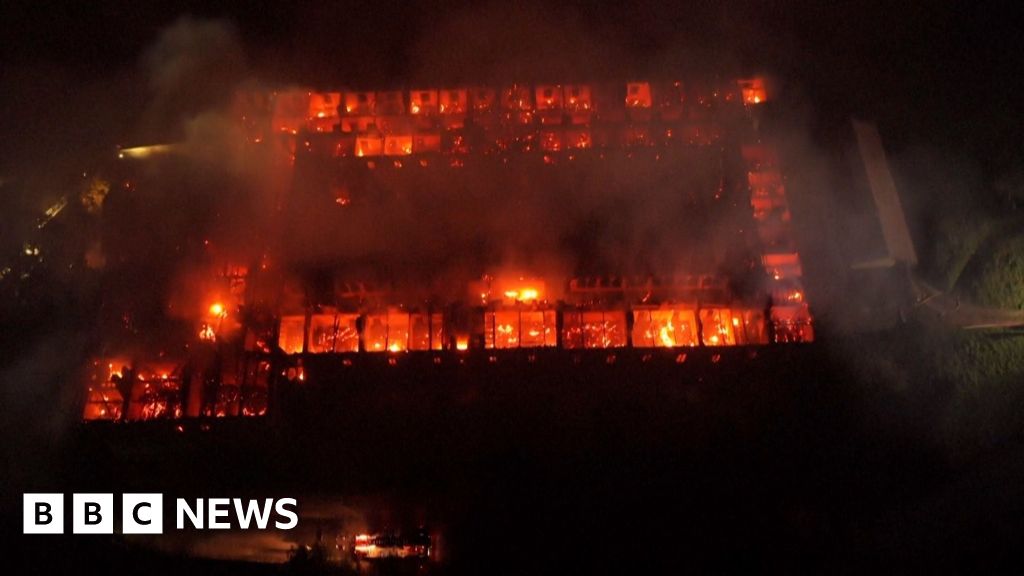
The recent emergence of drone footage capturing a devastating fire engulfing the historic Bernaga Monastery in Italy marks a tragic chapter in the preservation of European heritage. Founded in 1628 in La Valletta Brianza, approximately 30 kilometers east of Milan, the monastery stands as a testament to centuries of religious, cultural, and artistic history. The destruction of such an iconic institution not only signifies a loss for Italy but also echoes through the broader fabric of European civilization, raising questions about the security of its priceless historical assets in an era increasingly marked by geopolitical tensions and rising radicalism.

According to Italian media reports, all 22 cloistered nuns evacuated safely before the flames consumed the cloisters, yet the damage to the monastery’s structural integrity and historical artifacts remains profound. In an age where terrorism, radical ideologies, and unforeseen acts of violence continue to threaten religious sites worldwide, this incident rekindles debates about global security measures and the protection of cultural patrimonies. Analysts suggest that the blaze, whether accidental or deliberate, underscores an alarming trend where historical sites are becoming vulnerable targets amidst ongoing geopolitical unrest. Historians and cultural preservation advocates warn that the loss of such monuments endangers not just local identity but also the collective memory of humanity.

From an international perspective, the destruction signals a broader challenge for Europe’s cultural diplomacy and security cooperation. Countries with significant historical sites, especially in a continent riddled with regional tensions, must reassess infrastructure security and emergency responses. The incident also aligns with warnings from organizations like UNESCO about increasing threats to heritage sites. Such incidents influence geopolitical calculations, as nations contend with questions of sovereignty, protection, and the temptation of ideological exploitation. Specialists note that the incident may serve as a venue for political actors seeking to tighten security measures or, conversely, exploit vulnerabilities for strategic gain.

As the global community watches the ruins of Bernaga Monastery smoldering in the aftermath of destruction, the echo of this event resonates in the corridors of power and within civic consciousness. The fight to safeguard history against human interference and natural calamities is entering a critical juncture. The road ahead remains uncertain, and the stakes could not be higher. Because in the unfolding pages of history, every loss reminds us that the preservation of our cultural heritage is not merely about safeguarding stones and relics but defending the fabric of civilization itself.

Social Media Auto Publish Powered By : XYZScripts.com