Matox News

Truth Over Trends, always!

Government clamps down on study visas from four countries amid abuse concerns

Government Ends Study Visas for Several Countries Amid Concerns of Abuse

In a decisive move, the government has announced the termination of study visas for nationals from Afghanistan, Cameroon, Myanmar, and Sudan. This policy shift is ostensibly driven by concerns over alleged abuses that compromise the integrity of the immigration system. While such measures may appear necessary from a security perspective, they raise profound questions about how social issues intertwine with family stability, educational access, and community cohesion.

Critics argue that these policy decisions disproportionately impact families and young people. Many of those affected are students pursuing education as a pathway to brighter futures, yet face potential barriers that threaten their aspirations. For families, such policies can lead to fragmentation and uncertainty. Children and youth, already navigating the challenges of adolescence, may find their educational journeys disrupted or halted altogether. These students serve as living bridges between cultures, fostering understanding and diversity within our communities. When they are pushed away, it is not just individuals at risk but the social fabric that suffers.

Historically, social commentators such as sociologist James Coleman have emphasized the role of inclusive education in promoting social cohesion and economic development. By restricting access based on national origin, society risks deepening divisions that threaten to erode the foundational values of openness and fairness. Additionally, the ripple effects extend beyond individual students, impacting local communities, educational institutions, and the workforce of tomorrow. These youthful populations bring vitality but also require the support of effective policies that embrace inclusion, not exclusion.

  • Policy implementations that target specific national groups can lead to social marginalization and rise in community tensions.
  • Families may face financial hardship and emotional strain due to disrupted educational pathways.
  • Educational institutions lose diverse perspectives, which are essential for fostering a globalized learning environment.
  • Communities may become more insular if policies appear to discriminate based on ethnicity or nationality.

The challenge lies in balancing security concerns with the ethical responsibility to uphold human rights and promote societal integration. Many social commentators, including historians like Howard Zinn, have argued that history shows us the importance of compassionate policies that recognize the inherent dignity of every individual. Now, more than ever, it is crucial to develop solutions that address abuse without resorting to blanket bans that stigmatize entire communities.

Ultimately, society faces a critical crossroads. As families struggle with uncertainty, and educational institutions grapple with maintaining diverse environments, the hope rests in building bridges rather than walls. The strength of a society is measured by its capacity for resilience and remembrance of its moral commitments to human dignity. Turning adversity into an opportunity for reform, communities can forge a future where education becomes a unifying force that elevates rather than divides. As reflective social thinkers remind us, it is through understanding and compassion that society finds the true blueprint for lasting progress.
Iran’s retaliation sparks concerns over US air defenses—Youth worried about national security

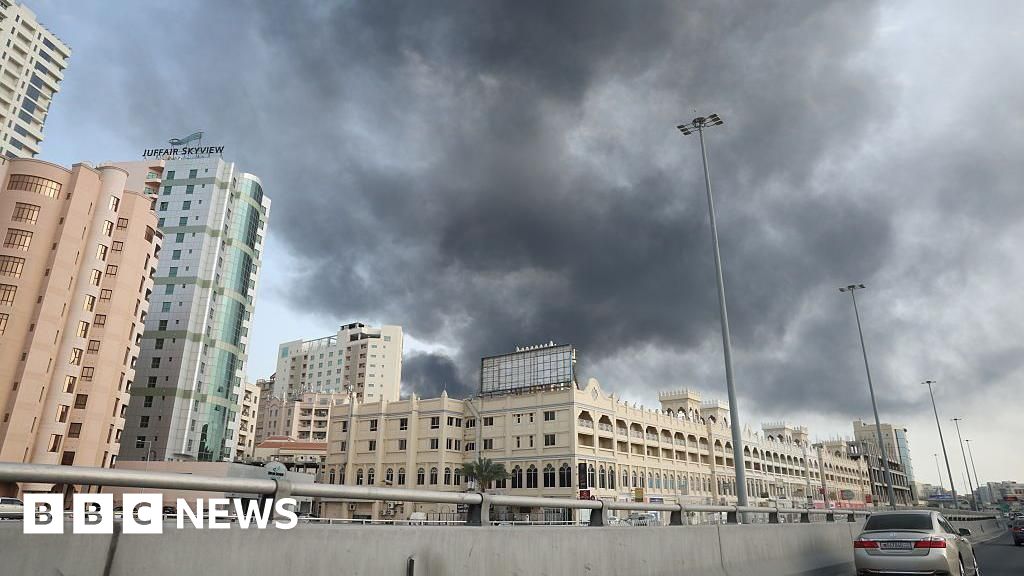
The recent missile attack by Iran on a US Navy base in Bahrain has sent shockwaves across the geopolitical landscape of the Middle East. An targeted assault on a strategic military asset underscores the ongoing tension in a region where diplomacy often teeters on the brink of conflict. While initial reports suggest limited casualties, the implications for U.S. regional influence and alliances are profound. Many analysts interpret this event as a stark warning from Tehran, signaling their readiness to challenge U.S. military dominance in the Persian Gulf, a vital artery for global oil supplies.

The attack stirs echoes of past confrontations, reigniting fears that Iran might be escalating efforts to leverage military force as a means of negotiating concessions over its nuclear program and regional influence. Historically, Iran has oscillated between negotiations and provocative actions, but this strike marks a noticeable shift towards assertiveness. According to international security experts and reports from organizations such as the International Institute for Strategic Studies, Iran’s actions exacerbate regional instability, with potential consequences radiating beyond the Gulf. Smaller Gulf states, deeply intertwined with U.S. military presence and economic interests, now grapple with the torment of balancing diplomatic ties against the threat of further escalations.

From a geopolitical impact, the attack illustrates a pivotal moment where regional and global powers must reassess their strategies. Washington faces mounting pressure to demonstrate resolve, potentially through military reinforcement or diplomatic overtures aimed at de-escalation. Meanwhile, China and Russia continue to watch intently, capitalizing on Washington’s perceived distraction to strengthen their influence across the Middle East. The incident underscores a shifting international landscape, where traditional alliances are tested, and the risk of broader regional conflicts increases. The latest developments have also prompted renewed debate within the United Nations and among global watchdogs, emphasizing the urgency of diplomatic solutions over military posturing.

Historians and analysts warn that choices made in these critical moments will define the future of the region and the stability of global energy markets. The strike on Bahrain, a cornerstone of U.S. military posture in the Middle East, raises fundamental questions about the balance of power, sovereignty, and the long-term strategy for peace in a volatile zone. As international actors scramble to respond, the overarching narrative remains fraught with uncertainty. This incident could epitomize a new chapter in a protracted contest—one that could either lead toward negotiation or plunge the region into years of instability, with consequences rippling around the globe. History’s pen has been stationary for only a moment; the story is still being written, and the weight of its next page may determine the course of nations for decades to come.

Rhode Island ice rink shooting claims two lives, raising serious concerns

Mass Shooting at Pawtucket Ice Rink: A Reflection of America’s Deepening Crisis

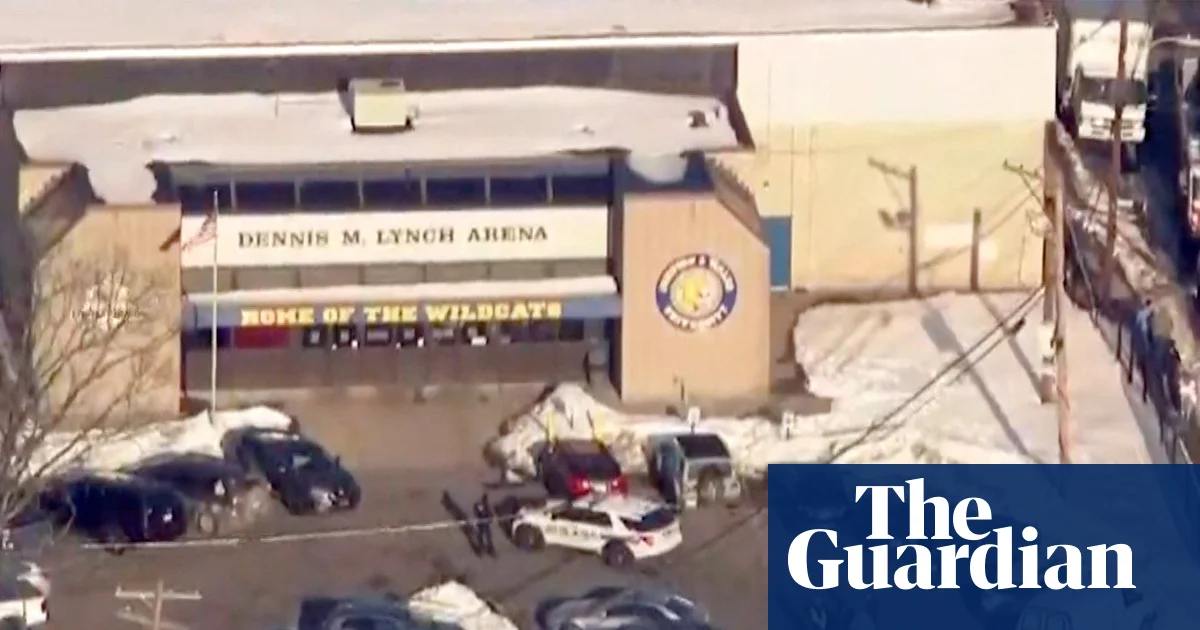
In what marks yet another tragic chapter in the ongoing crisis of domestic gun violence, a mass shooting erupted at an indoor ice rink in Pawtucket, Rhode Island, highlighting the fragility of safety even in community sports environments. According to reports, at least two individuals lost their lives—one confirmed dead at the scene and another victim succumbing to injuries in the hospital. The suspect, who opened fire during a youth hockey game, was ultimately killed by law enforcement, leaving a chilling reminder of how societal tensions continue to spill into communities.

The incident, which unfolded during a boys’ hockey match between local schools, underscores a disturbing trend of violence infiltrating settings traditionally associated with innocence and development. Eyewitness accounts indicate that gunfire erupted from behind the stands, with reports noting that the shooter wielded at least two weapons. In a display of quick-thinking and civic responsibility, a local father is credited with heroism—disarming the attacker, thereby preventing further loss of life, amidst the chaos. Such acts of bravery are notable amid the rising toll of firearm-related violence, which remains a divisive and intractable issue across American society.

The geopolitical impact of this domestic tragedy extends far beyond the borders of Rhode Island. As America grapples with this recurring crisis, international observers and analysts are noting a divergence within American society—particularly among younger generations—on issues of gun rights and safety policies. Prominent political figures and organizations such as the Gun Violence Archive and the Brady Campaign continue to call for stronger gun control measures, yet legislative stagnation persists, fueling concerns of vulnerability and societal decay. The imagery of school and community shootings is becoming a grim symbol of America’s failure to balance individual rights with collective safety, affecting the nation’s global reputation and internal cohesion.

Historians and security analysts warn that such acts of violence are symptomatic of deeper societal and political fissures. Some experts suggest that without comprehensive reform—contrasted starkly against the constitutional protections revered by many—America risks continued internal destabilization. The international community, especially in regions dealing with conflicts or authoritarian regimes, views America’s internal convulsions with a mixture of concern and skepticism. Their latest reports underscore how internal strife at home can erode America’s moral authority on the world stage, weakening the very institutions that undergird international stability and democracy.

As Joe Biden and his administration face mounting calls for intervention, the debate sharpens around the question of how nations adapt to a society increasingly fractured by violence. Will policy shifts come, or will partisan discord deepen? The image of a hero father disarming a shooter amid tragedy exemplifies the unpredictable human toll of this crisis—a reminder that in times of chaos, action and resilience go hand in hand. Still, the specter of gun violence persists as a shadow over the future, challenging policymakers and society alike to confront uncomfortable truths.

In this unfolding narrative of crisis and response, the significance reaches beyond a lone act of violence in Pawtucket. It embodies the broader struggle for nationwide cohesion, security, and identity. The coming months will reveal whether America will choose to address its internal fractures or continue down a path where history’s harrowing lessons are repeated. The world watches as the story of this small town’s tragedy becomes a chapter in an ongoing saga of societal upheaval—a testament to the fact that in the grand chessboard of global power, the stability of its individual nations remains the foundation upon which world order is built. The question remains: how will history judge this moment? And how much longer before similar tragedies echo across borders, rewriting the global narrative once again?

NSA intercepts foreign intel call on Trump ally, raising concerns for US security

U.S. Intelligence Crisis Sparks International Tensions and Geopolitical Reckoning

The recent revelations surrounding United States intelligence operations have sent shockwaves through the international geopolitical landscape, revealing a complex web of internal conflicts and power struggles that threaten global stability. At the heart of the controversy is a highly classified whistleblower complaint involving President Biden‘s administration and high-ranking officials, with whispers of a covert phone call between individuals connected to foreign intelligence agencies and a figure close to former President Donald Trump. According to insiders, the call was monitored by the National Security Agency (NSA) last spring, and objects of concern include alleged attempts to shield sensitive information from congressional oversight and potential presidential interference. These revelations have not only exposed fissures within the Intelligence Community but also raised questions about the legitimacy and transparency of America’s internal security machinery amidst a rapidly shifting global order.

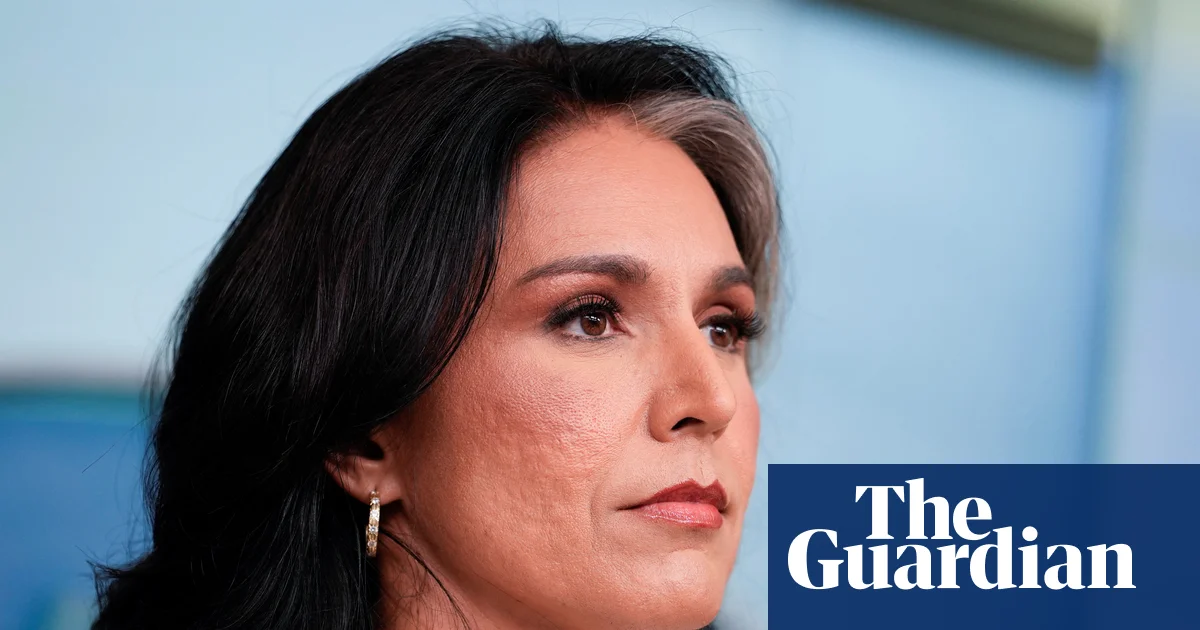
Experts and historians like Dr. Anne Clark of the International Security Institute warn that this internal turmoil could have profound geopolitical impacts. The revelations indicate a possible erosion of the rule of law in intelligence oversight—a scenario that global allies and adversaries alike are scrutinizing with suspicion. The controversy centers on Director of National Intelligence (DNI) Tulsi Gabbard, who allegedly bypassed routine protocols to conceal the whistleblower’s complaint and directed classified material away from congressional oversight. Critics argue this raises alarms about executive overreach and underscores a pattern of non-compliance with established legal standards. The situation has prompted a chorus of international concern, as nations observing the U.S. grapple with whether internal political motives are compromising global security commitments, thereby undermining America’s credibility as a leader in the fight against terrorism and state-sponsored abuse.

  • On 17 April, a whistleblower surfaced with claims that Gabbard had intentionally delayed and redacted sensitive intelligence documents that could prove pivotal in the unfolding scandal.
  • The whistleblower alleges that long-standing legal obligations to transmit such complaints to Congress were ignored, with delays extending over months and questions surfacing about the true independence of oversight officials.
  • Adding fuel to the fire, Republican lawmakers such as Senator Tom Cotton dismissed the allegations as baseless, emphasizing the importance of legal procedures and national security confidentiality.
  • Meanwhile, Democratic members like Senator Mark Warner accused the intelligence agencies of deliberately burying crucial information, potentially compromising national security and international stability.

As this high-stakes game unfolds, international analysts caution that the damage done within the corridors of U.S. power reverberates across the globe. Many fear a weakened U.S. may no longer be able to project power or uphold their international commitments effectively. With global rivals capitalizing on this internal discord — especially China and Russia — the possibility of exaggerated geopolitical shifts grows, threatening to destabilize already fragile regions. The consensus amongst respected geopolitical thinkers is that this controversy may mark a pivotal moment: a turning point that will define U.S. leadership in the emerging multipolar world or diminish its influence amid growing internal chaos.

As the world watches, the winding course of this internal U.S. saga remains uncertain. The stories of secrecy, deception, and betrayal echo warnings that history’s weight is ever-present, threatening to tip the balance of international peace and security. Will honest transparency restore order, or will these shadows deepen, consigning a once-powerful nation to the ashes of its own making? The pages of history are yet to be written, but the impact of these decisions will be felt for generations—echoes of a nation’s struggle to uphold its principles in the face of chaos and corruption.

Ghana pauses citizenship process for Africans, raising concerns among youth activists

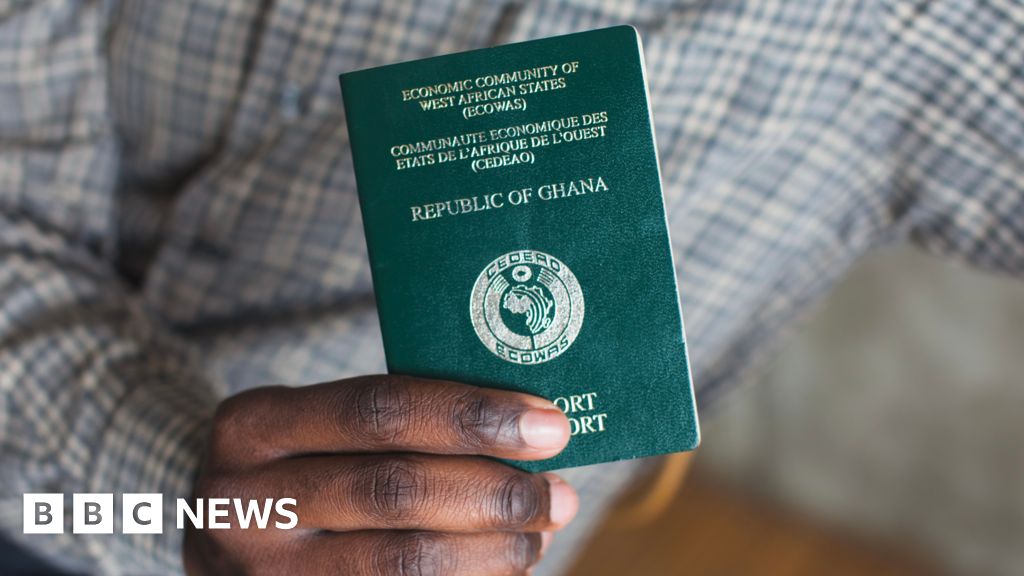
The recent difficulties faced by prospective migrants seeking to relocate to Ghana, as highlighted by Dr. Erieka Bennet, ambassador for the Diaspora African Forum, underscore a broader challenge at the intersection of migration, sovereignty, and international governance. The Forum’s role in facilitating the return of the African diaspora has been celebrated as a pivotal step towards fostering continental unity and economic revival. However, the bureaucratic hurdles—particularly the rigid DNA verification process—have cast a shadow over Ghana’s ambitious vision for a united African identity. Many applicants have expressed concerns that the deadline imposed within just a week is virtually impossible, stirring debates not only about logistical feasibility but also about the reliability and ethical considerations surrounding DNA testing in a geopolitical context.

Ghana’s recent policies are a reflection of a larger geopolitical shift, driven by the government’s desire to verify claims of descent and prevent fraudulent claims that could hamper resource allocation and investment initiatives. International analysts note that this move coincides with Ghana’s efforts to assert greater sovereignty amidst a transformative period marked by economic rebuilding and regional diplomacy. Yet, critics—including human rights advocates and diaspora community leaders—warn that such policies might exacerbate digital divides and social inequalities. The reliability of DNA testing, often contested, raises questions about the how international institutions and health authorities collaborate on standardizing such sensitive procedures. The debate echoes back to controversies seen in other migration initiatives, where race, ethnicity, and genetic data intersect with political ambitions.

The geopolitical impact of these policies extends beyond mere bureaucracy. As international organizations like the United Nations and regional African blocs observe Ghana’s approach, they grapple with defining the balance between national sovereignty and international oversight. Prominent analysts warn that mishandling this delicate balance could undermine regional stability and sow distrust among African nations striving for economic integration and collaborative development. Historically, migration has been both a catalyst of growth and conflict; thus, the manner in which Ghana implements these directives will serve as a test case for other nations contemplating similar measures. The risk lies in fostering exclusion or misjudging the social fabric, potentially fueling grievances that threaten regional cohesion.

As history continues to unfold, the question lingers: will Ghana’s effort to solidify its national identity and manage diaspora contributions bolster regional unity, or will it ignite divisions rooted in mistrust and incompatible policies? The decisions made today carry the weight of history, as they shape not only the fate of individual migrants but also the geopolitical landscape of Africa. With international stakeholders watching closely, the outcome of Ghana’s reform efforts may well serve as a blueprint—either a blueprint for sovereign assertion or a cautionary tale of bureaucratic overreach—etched into the chronicles of a continent riding the delicate edge of change. The future remains uncertain, its course written by choices made in the corridors of power amid the loud echoes of history’s relentless march.

Starmer calls for Mandelson to lose peerage amid leadership concerns

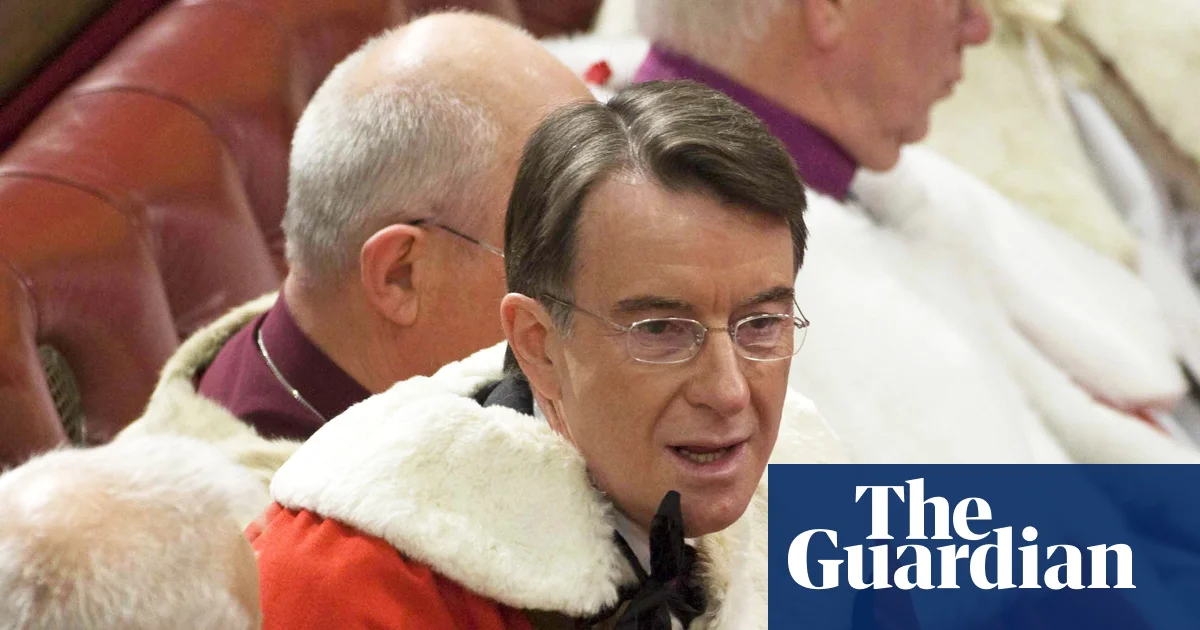
The United Kingdom finds itself at a critical juncture amidst recurrent revelations linking leading political figures to the sordid network of Jeffrey Epstein. The latest disclosures implicate Peter Mandelson, a once-powerful Labour figure, in a series of controversial contacts, raising profound questions about the integrity of UK political elites and their ties to global financiers entrenched in illicit activities. Prime Minister Keir Starmer has openly called for Mandelson’s resignation from the House of Lords and has pushed for reforms to purge the institution of peers who bring disrepute, signaling a possible shift toward accountability in the UK’s aristocratic chambers.

This scandal transcends national boundaries, echoing the uprising of international scrutiny over how elite networks manipulate policy for personal gain. The documents released by the US Department of Justice reveal Mandelson forwarding sensitive government information and attempting to influence policy on issues such as asset sales and bankers’ bonuses—an indication of how interconnected financial, political, and criminal spheres can be. Such revelations reaffirm concerns expressed by political analysts and historians who argue that decades of complacency within Western democracies have enabled the rise of an opaque, unaccountable ruling class. The scandal’s potential repercussions could accelerate calls to overhaul the UK’s parliamentary disciplinary system, drawing parallels with historical efforts during the First World War to rein in peerages deemed unfit for the modern era.

  • The demand for Mandelson’s resignation underscores the broader struggle to modernize outdated institutions that serve as gateways for elite privilege and influence.
  • International organizations, including the United Nations and Transparency International, have long voiced concerns over the global networks of influence that allow corruption and criminality to flourish beneath a veneer of legitimacy.
  • The potential for cross-border investigations, especially involving US authorities, underscores the geopolitics of accountability, with powerful nations asserting influence over how justice is rendered within others’ sovereign frameworks.

For Britain’s geopolitical reputation, this scandal exposes vulnerabilities in the shadows of its once-glorious institutions, prompting critical reflection on how deeply entrenched elite networks may have shaped policy and perpetuated corruption. The involvement of Epstein’s financial dealings, with payments to Mandelson and his associates, further emphasizes the dangerous confluence of global finance and clandestine influence, threatening to undermine public trust across societies. As analysts warn of the erosion of democratic norms, the unfolding saga could set a precedent, inspiring similar scrutiny in other Western democracies still grappling with opaque power structures. Moreover, the international fallout risks complicating diplomatic relations, especially as the UK navigates its post-Brexit path, balancing sovereignty with the unwelcome realities of globalized corruption networks.

As history continues to be written in the shadows of scandal, the weight of this moment reminds a shaken continent that the pursuit of power often walks hand in hand with moral compromise. The question remains: how deep does the rot go, and who will be brave enough to dismantle generations of privilege to forge a new path? The answer lies ahead, buried deep within the archives of secrets long guarded. As the UK grapples with its political legacy, the world watches—and waits—for the next chapter in a saga that may well define the course of history for decades to come.

Scotland Investigates: Two More Patient Deaths at Glasgow Hospital Raise Concerns

Scandal Unfolds at Glasgow’s Queen Elizabeth University Hospital: A Nation’s Trust in Healthcare Shattered

The United Kingdom is currently embroiled in an alarming healthcare scandal that has stunned the international community, exposing reckless decisions and potential political interference that may have cost lives at Glasgow’s Queen Elizabeth University Hospital (QEUH). The deaths of seven patients, many of whom were children battling cancer, are now being scrutinized amidst revelations that contaminated water and ventilation systems could have contributed to infections linked to the hospital’s infrastructure. This crisis has marked a significant turning point in public confidence towards the Scottish healthcare system, raising questions about accountability, transparency, and the influence of political agendas on critical health infrastructure.

Investigations spearheaded by Scotland’s Crown Office and Procurator Fiscal Service (COPFS) have identified the deaths of individuals such as Molly Cuddihy, a young woman who fought a rare bone cancer, and Andrew Slorance, a former Scottish civil servant. These tragic cases are part of a broader six-year inquiry into the hospital’s safety standards, which recently reached its final stages. The inquiry uncovered heartbreaking evidence: serious infections diagnosed in 84 child cancer patients, leading to the deaths of at least two, were almost certainly linked to contaminated water supplies. Such revelations have struck a chord globally, casting a dark shadow over the political decision-making that accelerated hospital opening preparations amidst unresolved health and safety concerns.

Political Shadows Over Hospital Opening: A Cautionary Tale of Power and Neglect

  • The Scottish Labour Party has publicly accused the Scottish government of political pressure to open QEUH prematurely in April 2015, just before the general election, a claim previously denied by prominent leaders like First Minister John Swinney and Nicola Sturgeon.
  • Throughout the investigation, whistleblowers, including three senior microbiologists, have voiced ongoing concerns over inadequate infection control measures and a perceived reluctance by senior management to enact necessary safety reforms.
  • Premier political figures faced accusations of manipulating hospital timelines to serve electoral interests, a move that some analysts argue exemplifies how political interests can threaten public safety and erode trust in government institutions.

This controversy echoes across the international stage, where accountability in public health has become a defining measure of a government’s moral integrity. The WHO and other global health watchdogs regularly emphasize that politicization of healthcare infrastructure compromises patient safety, undermining decades of progress in hospital standards worldwide. Experts warn that this scandal may serve as a stark warning for nations worldwide, illustrating how political expediency and neglect can turn vital healthcare institutions into death traps, especially in times of increasing medical complexity and public skepticism.

Global Lessons and the Brink of History

As the UK grapples with this internal crisis, the broader geopolitical impact remains unmistakable. It underscores the importance of international oversight and transparency in healthcare management, especially in an era where public trust is fragile, and misinformation can easily flourish. The hospital scandal reveals how decisions driven by short-term political gains can have lifelong repercussions, eroding societal trust and provoking a crisis of confidence that no amount of reparations or apologies can swiftly mend. Historians and analysts warn that, if left unaddressed, such failures threaten to regress public health advancements and may influence political stability in the UK and beyond, as whistleblowers and concerned citizens demand accountability.

In the final chapter of this unfolding tragedy, the weight of history presses heavily on the shoulders of policy-makers, healthcare professionals, and society at large. The manner in which justice is eventually delivered—whether through reforms, prosecutions, or societal reckoning—will shape the narrative of accountability in the 21st century. As families mourn and trust is broken, the echoes of this scandal will remind future generations that in the arena of life-and-death governance, the true cost of political games can be measured in lives lost, and a society forced to confront its darkest truths amid the shadows of history still unfolding.

US Committee Reassesses Vaccine Guidelines Amid Growing Concerns

Society at a Crossroads: Vaccination Debates and the Impact on Families and Communities

In recent months, social and public health institutions across the United States have signaled a significant shift in their approach to childhood vaccinations. The Advisory Committee on Immunization Practices (ACIP), the longstanding body responsible for setting vaccine recommendations, is re-evaluating its stance, emphasizing individual choice and medical advice over mandated immunizations. This move, led by figures like Kirk Milhoan, a pediatric cardiologist and current chair of ACIP, reflects a broader cultural transformation in perceptions of personal autonomy versus public health responsibility. While advocates argue that this approach preserves individual rights, critics warn it risks undermining the collective safety that decades of vaccination campaigns have built, especially for vulnerable communities.

This renewed focus on personal freedom in vaccine decisions resonates strongly within families and local communities, many of whom have expressed concern that recent policy relaxations could lead to a resurgence of dangerous, yet preventable, diseases. Sociologists like Dr. Michelle Malkin warn that such shifts tend to fragment social cohesion, creating divisions not only between vaccinated and unvaccinated individuals but also within communities where trust in public health authorities wanes. School vaccination requirements, historically a cornerstone of disease prevention, are now being challenged as states and localities gain more authority to set their rules—some permitting philosophical exemptions that many experts believe threaten herd immunity and endanger children with weakened immune systems.

As epidemiologists raise alarms over rising cases of measles, mumps, and polio—diseases once believed eradicated in the U.S.—the debate about personal rights versus collective safety intensifies. The recent surge in measles cases, from a grim 416 confirmed cases this year compared to over 2,200 last year, exemplifies how fragile the health defenses built through vaccination have become. Historians of medicine note that these outbreaks threaten to unravel progress made during the vaccine era, which has saved millions of lives. Yet, the narratives now emphasize risks and fears, fueled by a vocal minority advocating for vaccine optionality, often rooted in concerns over potential side effects. Critics argue that this trend reinforces societal divisions and amplifies health disparities among underserved populations.

Amid this tumult, social commentators and public health advocates emphasize that the rights of the individual must be balanced against the rights of others—especially those incapable of vaccination due to health conditions. They contend that a community-oriented approach, rooted in scientific consensus and moral responsibility, is essential for safeguarding future generations. The challenge for society remains: can community bonds withstand the strain of individual choices, or will society need to forge a new understanding of shared responsibility? As the next ACIP meeting approaches and states consider further exemption policies, society stands at a pivotal point—where hope lies in unapologetically embracing both personal freedoms and collective accountability. In this delicate dance, the resilience of our communities will determine if society can turn the tide and preserve the safety and integrity of our shared future—a future where health, trust, and hope are woven together once more.

Concerns grow as Chinese CCTV cameras surveil Magna Carta—symbol of democracy

Recent revelations about the use of Chinese CCTV technology in sites of historical and symbolic significance across the globe have reignited concerns over the geopolitical influence of China’s technological advancements. Surveillance systems developed by firms such as Dahua Technology and Hikvision, both headquartered in Hangzhou, are now at the center of a growing international controversy. These companies’ hardware is being scrutinized for its alleged associations with China’s brutal repression of Uyghurs in Xinjiang, and its role in aiding Russia’s invasion of Ukraine. The implications are profound: as these firms’ systems are integrated into sites like Salisbury Cathedral and the Parthenon, questions arise about the symbolic sanctity and security of such historic institutions.

The security risks attributed to Dahua and Hikvision extend beyond ethics into strategic vulnerabilities. Campaigners and international watchdogs, including the World Uyghur Congress and the Ukrainian organization Don’t Fund Russian Army, have urged authorities to dismantle or replace these cameras, citing systemic vulnerabilities that have reportedly been exploited by state actors. The UK government responded to these concerns by removing Chinese-made systems from sensitive sites—highlighting a shift towards protecting national security from covert espionage and cyber threats. However, the ongoing presence of these companies’ technology in sites like the Greek Parthenon, and Salisbury Cathedral—home to a historic copy of the Magna Carta—symbolizes a troubling confluence of global history, human rights, and geopolitics.

In the context of growing international tensions, the use of these surveillance tools by China is viewed by analysts as a strategic avenue to extend influence and control well beyond its borders. Historians warn that technology, when used as a tool of surveillance and repression, can serve as a new form of imperialism—a way for China to project power through digital infrastructure. The revelation that Dahua’s cameras helped identify Uyghurs—a minority persecuted under Chinese authorities—and were involved in automated police reports, illustrates a disturbing legacy of repression masked by technological advancement. Moreover, the vulnerability of these systems to hacking—something confirmed by Ukrainian military sources—exposes a dangerous susceptibility that could be exploited in times of conflict, potentially turning symbols of democracy into battlegrounds of espionage.

International organizations and military analysts warn that the decision to allow Chinese surveillance systems in key historical and cultural sites not only compromises security but also symbolizes a shift in the global order. It underscores a broader struggle: the West’s challenge to China’s rise, intertwined with the fight to preserve democratic ideals and historical integrity. As China’s influence expands, especially through shared technology, the future of sovereignty and freedom hinges on whether nations recognize and respond to these insidious threats. Ultimately, the story of these cameras—arrayed around monuments of liberty and justice—is a cautionary tale of how technology, if unchecked, risks transforming the very symbols of human progress into instruments of control. History’s relentless march continues, and the choices made today will resonate in the narrative of freedom or tyranny for generations to come.

Atlanta FBI Boss Ousted After Raising Concerns Over DOJ’s 2020 Election Focus

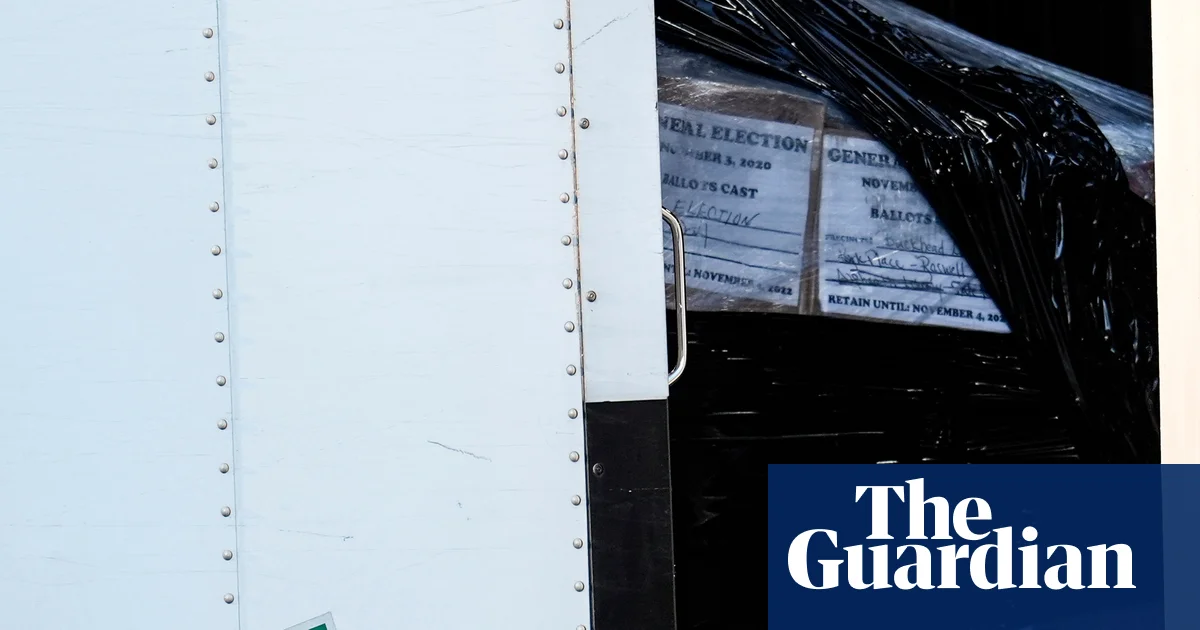
In a decisive move that underscores the ongoing turmoil over the legitimacy of the 2020 presidential election, recent events in Fulton County, Georgia have thrust the American political landscape into renewed chaos. The FBI’s Atlanta field office experienced a controversial personnel shake-up, with the special agent in charge, Paul W Brown, reportedly removed from his post after voicing concerns about the unsubstantiated allegations of voter fraud perpetuated by Donald Trump. This unexpected personnel change coincided with a major raid by the Department of Justice, which seized approximately 700 boxes of election-related records from the Fulton County elections office—an action many see as an escalation in partisan confrontations over the legitimacy of the 2020 election results.

Critics and analysts argue that these developments are reflective of a broader trend of political overreach and destabilization that threatens the integrity of American democracy. The removal of Brown came shortly before the FBI executed a search warrant, which, according to insiders, was aimed at uncovering evidence related to the 2020 election—a period marked by widespread claims of fraud that have been repeatedly debunked by election integrity experts. However, the presence of figures like Tulsi Gabbard, the nation’s intelligence director, at the scene has further intensified partisan tensions, prompting concerns among Democratic lawmakers about potential partisan overreach. As Robb Pitts, the Fulton County Board of Commissioners chair, publicly defended the county’s election process, asserting that “the outcome of the 2020 election will not change,” the underlying message remains clear: the controversy persists as a political tool to undermine trust in electoral systems.

Distinguished from these events is the broader geopolitical significance of America’s tumultuous domestic politics. Many international observers, including prominent historians and analysts from institutions like the European Union and United Nations, have warned that such internal strife weakens America’s global leadership. The repeated claims of election rigging, despite being thoroughly discredited, continue to erode the moral authority of American institutions. These narratives are exploited by adversaries seeking to diminish the influence of the United States on the world stage, undercutting long-standing alliances and destabilizing international order. As the United States grapples with its internal divisions, the fissures threaten to embolden autocratic regimes that see chaos at home as a strategic advantage.

Meanwhile, the debate over how elections are conducted and validated in America reflects a deeper ideological struggle that could reshape the very fabric of society. The omission of accountability and transparency could lead to a dangerous erosion of faith in democratic processes altogether—a scenario warned against by historians who emphasize the importance of electoral trust for democracy’s survival. With the 2024 presidential race now on the horizon, the question remains whether the United States can reconcile these divisions or if a turning point in its history—marked by increased polarization and international skepticism— is imminent. As the world watches, the shadows of the past threaten to haunt the present, leaving an uncertain and turbulent legacy that will define the next chapter of global geopolitics—its outcome still very much unwritten.

Social Media Auto Publish Powered By : XYZScripts.com