Matox News

Truth Over Trends, always!

Airbus orders software update for thousands of planes over solar radiation safety concerns

Airbus A320 Fleet Recall Sparks Industry-Wide Disruption and Innovation Push

The aviation industry faces a significant upheaval after Airbus announced a proactive recall affecting approximately 6,000 of its flagship A320 series aircraft. The move, prompted by recent safety concerns linked to advanced solar radiation effects, exemplifies how emergent environmental factors are forcing technological innovation and regulatory adaptation at an unprecedented scale.

According to The Guardian, the recall follows a detailed analysis of a recent incident where a JetBlue A320 lost altitude mid-flight—a situation connected to data corruption caused by solar radiation interference. Airbus’s statement highlights a deliberate effort to **disrupt traditional aviation safety protocols** by integrating more resilient, radiation-hardened systems into their fleets. The move signals a major paradigm shift leveraging **cutting-edge materials engineering** and **software robustness** to disrupt existing standards.

This technical breakthrough is not just a safety upgrade but an industry disruptor poised to redefine fleet management and aircraft certification processes. As Gartner analysts note, such environmental vulnerabilities will accelerate innovation cycles in aerospace and push regulatory bodies to update standards rapidly, fostering a more agile response to emerging threats. The Federal Aviation Administration (FAA) has reportedly mandated an emergency airworthiness directive requiring affected aircraft to revert to older software versions before resuming service, with a subset of planes needing hardware replacements. This layered approach to risk mitigation exemplifies proactive technological transition and points to a future where **fleet safety is tightly integrated with adaptive digital systems**.

Implications for Business and Industry Disruption

  • Operational Delays: The recall has initiated widespread flight cancellations and delays globally, underscoring vulnerability within digital control systems and challenging airline logistics networks.
  • Cost and Supply Chain Impact: The hardware replacements and software rollback will place immense pressure on Airbus’s manufacturing and maintenance ecosystems, likely reshaping procurement strategies and accelerating investments in **digital resilience technologies**.
  • Market Shifts: Industry insiders speculate that this event could accelerate efforts by competitors and startups to develop **more radiation-resilient avionics**, potentially catalyzing a wave of innovation and market disruption in aerospace technology.

Environmental factors such as intense solar radiation—previously underestimated—are now recognized as significant market disruptors, prompting companies like Elon Musk’s SpaceX and Blue Origin to consider broader applications of radiation-hardening technologies. MIT researchers are also exploring hardware innovations that could significantly mitigate these environmental risks, illustrating a convergence of academic and commercial efforts driven by urgent industry needs.

Looking Ahead: Innovation as a Necessity in a Changing Environment

This incident is a clear warning to the entire transportation sector: adaptation is no longer optional but an imperative. As climate-related phenomena grow more unpredictable, the integration of disruptive innovations in digital safety systems will likely become a standard industry requirement rather than an exception. With companies like Airbus leading the charge, the transportation industry is poised at the cusp of a technological revolution that not only enhances safety but also fundamentally transforms how aerospace security and reliability are conceived.

In conclusion, the Airbus A320 recall embodies a broader narrative of **disruption fueled by climate-induced vulnerabilities**—a compelling call to action for industry leaders, policymakers, and innovators alike. The urgency to develop resilient, adaptive technology is paramount if the industry hopes to navigate the turbulence ahead and harness new opportunities in a rapidly changing world.

Minister Warns of Rising Student Asylum Claims Amid Visa ‘Abuse’ Concerns

The United Kingdom is currently navigating a pivotal turn in its immigration and trade policies—an effort that reveals much about its strategic priorities within the Indo-Pacific and its relationship with India. UK’s Indo-Pacific Minister Seema Malhotra recently defended sweeping immigration reforms during a diplomatic visit to India, asserting that they are “in line with what countries around the world do” to curb system abuse. Yet beneath this rhetoric lies a complex web of geopolitical signals and domestic challenges that could reshape not only Britain’s immigration landscape but also its broader positioning on the global stage. The reforms, which could delay permanent settlement for migrants up to 20 years and extend eligibility for indefinite leave to remain from five to ten, target an estimated 2.6 million arrivals since 2021, reflecting a stark shift towards greater national control amid increasing pressure from both political factions and public opinion.

While Malhotra insists these policies aim to promote fairness and order, critics—ranging from Labour MPs to international analysts—highlight the potential fallout. The UK, long distinguished for its openness to international students and skilled migrants, now faces a decline in Indian student arrivals—off by 11% from last year—fueling anxiety among universities and economic stakeholders. India, historically the UK’s leading source of foreign students accounting for 25% of arrivals, is witnessing a cooling demand as higher visa restrictions are implemented. This is not merely an educational issue; it signals a shifting geopolitical dynamic. India’s significant role as a crucial nation of origin for migrant workers and professionals makes the restrictions a point of tension, especially as UK-India relations evolve through recent free trade agreement (FTA) negotiations—including the opening of UK university campuses in Bengaluru. London’s push to deepen economic ties while tightening migration controls underscores a broader phenomenon: a cautious balancing act between fostering international cooperation and safeguarding domestic political stability.

Analysts warn that these inward-looking policies could have far-reaching consequences that extend beyond the UK’s borders. Historians and policy experts observe that such shifts respond not only to immediate political pressures but also to an international climate where migration becomes a pawn in larger competitions for regional influence. Sir Keir Starmer’s recent pledge to retain strict visa rules for Indians, despite trade ambitions, exemplifies the tension between economic cooperation and political sovereignty. Meanwhile, the UK’s move toward a “contribution-based” immigration system—favoring economic merit over temporal residence—may redefine what it means to be a migrant in Britain. The implications for nations like India are immense: as a significant source of skilled labor, especially in healthcare, the potential exodus of nurses and care workers could weaken the very sectors critical for societal stability, with many falling prey to visa scams and financial ruin. Such internal fissures threaten to undermine the societal fabric the UK seeks to protect, revealing an inherent dilemma where global ambition clashes with domestic reality.

In the unfolding saga of Britain’s future direction, each policy shift echoes as a chapter in the larger narrative of a nation wrestling with identity, influence, and survival. The geopolitical impact is unmistakable: Britain’s effort to tighten borders and prioritize economic contributions signals a defiance of the permissive migration policies characteristic of its past. As the world watches, the decisions taken now are not just about border controls—they are about who Britain is and what it aspires to be in a rapidly shifting international landscape. The weight of history hangs heavy, as the UK’s leadership steers through storms of domestic discontent and global rivalry—constructing a future where sovereignty and prosperity hinge on choices that will resonate for generations to come. The unfolding story remains one of resilience, risk, and the enduring quest for national place amid the tumult of today’s interconnected world.

Roblox CEO Clashes Over Child Safety Concerns

Roblox Initiates Major Shift with New Age Verification Technology

In a strategic move signaling disruption within the gaming industry, Roblox, the major digital entertainment platform, has announced the implementation of an advanced age verification feature designed to enhance child safety and platform integrity. Revealed during a recent interview with The New York Times’s Hard Fork podcast, Roblox CEO Dave Baszuki detailed how the platform will require users to submit a face scan to access messaging features—an AI-driven initiative marking a pivotal moment in digital security protocols.
This development exemplifies an industry-wide shift towards more sophisticated identity verification methods, aligning with broader technological trends promoted by institutions like MIT and industry leaders such as Elon Musk, who emphasize the importance of trust-building in online spaces. The move aims to combat emerging threats such as grooming and harassment, which have historically plagued youth-centric platforms. Such investments in AI and biometric verification point to a future where user authenticity is no longer secondary but central to online engagement, elevating standards across not just gaming but social media and education sectors.

However, this push for tighter safety controls has ignited debate about privacy concerns and the broader implications for digital freedom. During the interview, Baszuki appeared visibly frustrated with questions regarding prioritization—particularly concerns that Roblox has focused on growth at the expense of safety. This underscores an ongoing industry tension: how to innovate responsibly without compromising user privacy.

  • While facial recognition could revolutionize online safety, critics warn of potential misuse and data breaches.
  • Proponents argue that AI-enhanced age-gating is essential for protecting vulnerable users and maintaining platform integrity.
  • Leading analysts from Gartner and cybersecurity experts emphasize the importance of transparency and robust safeguards as the technology develops.

The disruption by Roblox amplifies a trend seen across the digital landscape: the integration of AI-powered verification systems as standard features, signaling a technological arms race among giants like Meta and Google. Notably, industry veterans warn that such rapid deployment without comprehensive regulation could lead to unforeseen consequences—posing a challenge for regulators and policymakers trying to Keep pace with innovation. With industry insiders including Peter Thiel predicting a new era of digital trust driven by biometric tech, the next several years will be critical in shaping the balance between safety, privacy, and user freedom.

In conclusion, Roblox’s bold step toward integrating facial recognition and AI-driven age verification underscores a rapidly evolving digital ecosystem. As startups and tech giants race to embed security innovations into platforms that connect millions of youth and adults worldwide, the urgency is palpable. The industry must grapple with not only technological hurdles but also ethical and regulatory challenges—making this a defining moment in the future of online interaction. With market leaders and innovators poised to push boundaries, stakeholders—from regulators to consumers—must stay vigilant. The question remains: can this wave of disruption create a safer, more trustworthy digital landscape, or will it open the floodgates to new vulnerabilities? The answer will determine the trajectory of next-generation digital platforms in the years to come.

Drones Seen Near Netherlands’ Key Air Base—Security Concerns Rise

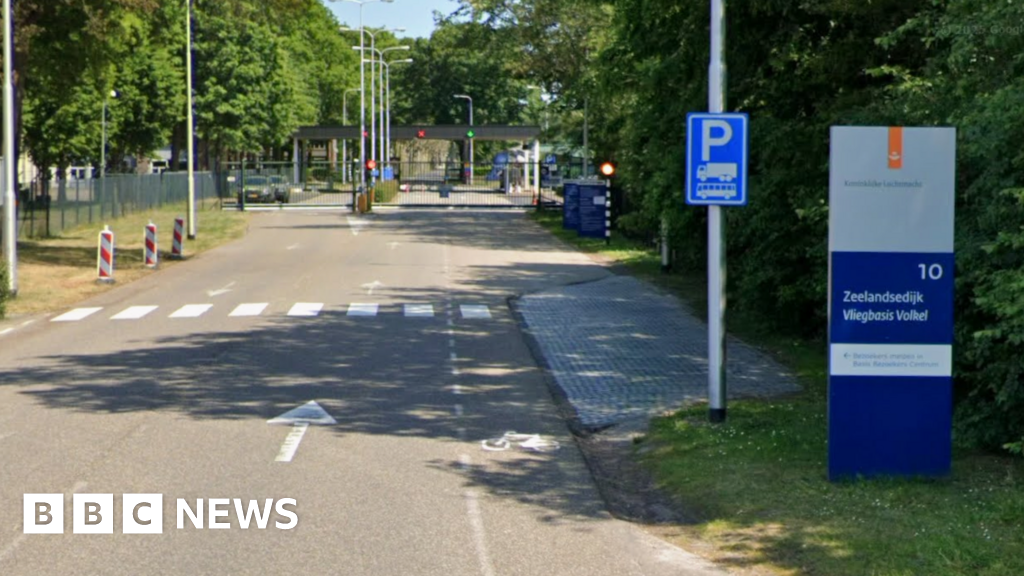
In recent weeks, the Netherlands and several neighboring European nations have been shaken by a series of unidentified drone sightings near military installations, raising serious questions about regional security and the new frontier of hybrid warfare. On Friday, unconfirmed drone activity was reported over Volkel Air Base, a critical NATO facility hosting both the Royal Netherlands Air Force and a U.S. Air Force squadron. Dutch officials confirmed that military personnel deployed weapons in an attempt to neutralize the threat, but the drones departed before recovery, leaving authorities unable to determine their origin or purpose. This incident marks a troubling escalation, part of a broader pattern of surveillance activity that has affected NATO allies across northern Europe—including Belgium, Denmark, and Germany.

The recurring sightings have sparked alarm among security experts and policymakers, with some describing them as an embryonic form of hybrid warfare aimed at destabilizing NATO’s eastern flank. Analysts from International Security Organizations warn that the increase in such acts could be a calculated effort by adversaries to test vulnerabilities in Europe’s defenses, especially as tensions with Russia persist. While Moscow has formally denied any involvement, many European officials suspect the Kremlin’s hand behind these incursions, citing the pattern of targeted NATO installations in countries supporting Ukraine. The underlying message appears clear: the landscape of international conflict has shifted, with non-traditional tactics now part of the geopolitical chessboard that shapes the future of European security.

In response, defense ministers from 10 EU countries have convened to form what they call a “drone wall,” a collective effort to enhance anti-drone measures and prevent further incursions. Some nations are investing heavily in counter-UAS technology, seeking to shield critical infrastructure from prying eyes and potential sabotage. However, the lack of concrete evidence connecting these incidents to specific actors underscores the delicate nature of modern information warfare. As international organizations like NATO and the EU grapple with establishing cohesive policies, a broader debate has emerged about how to adjust traditional security strategies to meet the challenges posed by autonomous aerial threats. The stakes are high; these incidents are not simply isolated security breaches, but potential preambles to a new era in global conflict where technological prowess and geopolitical calculus collide.

As history continues to write its tumultuous chapters, the geopolitical impact of these drone sightings is profound. They serve as a stark reminder that the boundaries of warfare are expanding beyond conventional battlegrounds. With nations on edge and alliances tested, it is clear that the delicate balance of peace in Europe is under unprecedented strain. The outcome of these developments hinges on decisions made now—decisions that will ripple across generations—and as the world watches, the shadow of conflict looms larger, awaiting its next move in the unfolding narrative of history.

U.S. Moves to End War in Ukraine Draw Careful Concerns from Allies

International Powers Confront The Future of Ukraine Amid Controversial Peace Plan

The unfolding saga of Ukraine‘s quest for sovereignty and security continues to shape the geopolitical landscape in profound ways. Recent developments have seen U.S. efforts to forge a peace plan amid fierce resistance from Kyiv and its allies, casting a long shadow over the stability of Eastern Europe. The controversial 28-point blueprint, leaked and scrutinized from multiple angles, envisions territorial concessions from Ukraine, including the possible ceding of critical regions like Donetsk, Luhansk, and Crimea—a move that has ignited fierce debate over border legitimacy and national sovereignty.

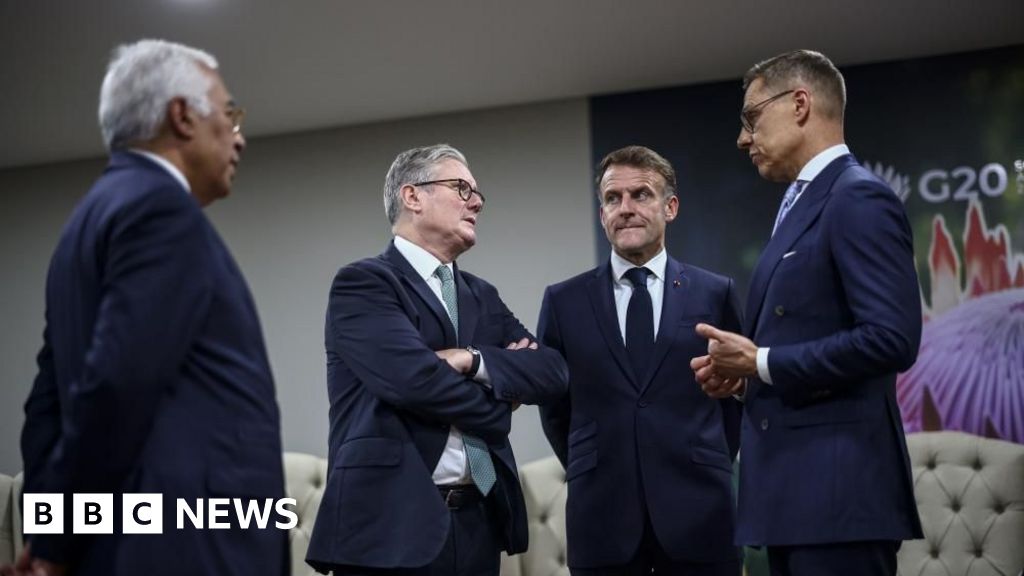
European nations and Japan, unified in their concern, have issued a joint statement underscoring that the draft peace plan will require additional diplomatic work. They emphasize the principle that borders must not be changed by force, while voicing apprehensions over limitations on Ukraine’s military capabilities—restrictions that could leave Kyiv vulnerable to future aggression. In Geneva, security officials from the UK, France, Germany, the US, and Ukraine are scheduled for critical discussions, recognizing the stakes are high. Historians warn that such concessions could set a dangerous precedent, emboldening authoritarian regimes and undermining international norms on territorial integrity, emphasizing the importance of safeguarding Ukraine’s sovereignty as a matter of global security.

Meanwhile, President Zelensky has issued a stark warning, framing the moment as “one of the most difficult in our history”—highlighting the immense pressure Ukraine faces from Washington and Western allies to accept terms perceived as detrimental by Kyiv. Despite Zelensky’s declaration to pursue “constructive” negotiations, the key question remains: how will Ukraine balance the imperative of national dignity with the harsh realities of geopolitics? The leaked US draft proposes Ukraine’s military withdrawal from key territories and potentially limiting its armed forces to 600,000 personnel, while offering “reliable security guarantees” and promising reintegration of Russia into the global economy—an offer Moscow might interpret as a capitulation or a means to reassert its influence. Such proposals not only threaten Ukraine’s territorial integrity but also risk destabilizing the entire European security order, especially as the EU and NATO await consent on military and diplomatic implementations.

The regional balance of power hangs in the balance, with Vladimir Putin signaling that the draft could serve as a “basis” for settlement, but also remaining uncompromising in his rhetoric. Moscow’s willingness to show “flexibility” is paired with preparations for ongoing conflict, as Russian forces continue slow advances in Ukraine’s southeastern regions. Military analysts warn that concessions could be exploited by Moscow, paving the way for a prolonged proxy conflict, risking regional destabilization and global economic repercussions. The current situation has precipitated a dynamic contest of wills among world powers, with the outcome poised to redefine the 21st-century balance of authority. The weight of history presses heavily upon the unfolding negotiations, and as global leaders navigate treacherous diplomatic waters, the fate of Ukraine remains a poignant symbol of resistance, sovereignty, and the enduring quest for international stability. History will record whether the choices made today can forge a path toward lasting peace or herald a new era of geopolitical division.

U.S. Deports Christian Converts to Iran, Raising Concerns

A Shifting Battlefield in Global Immigration and Human Rights

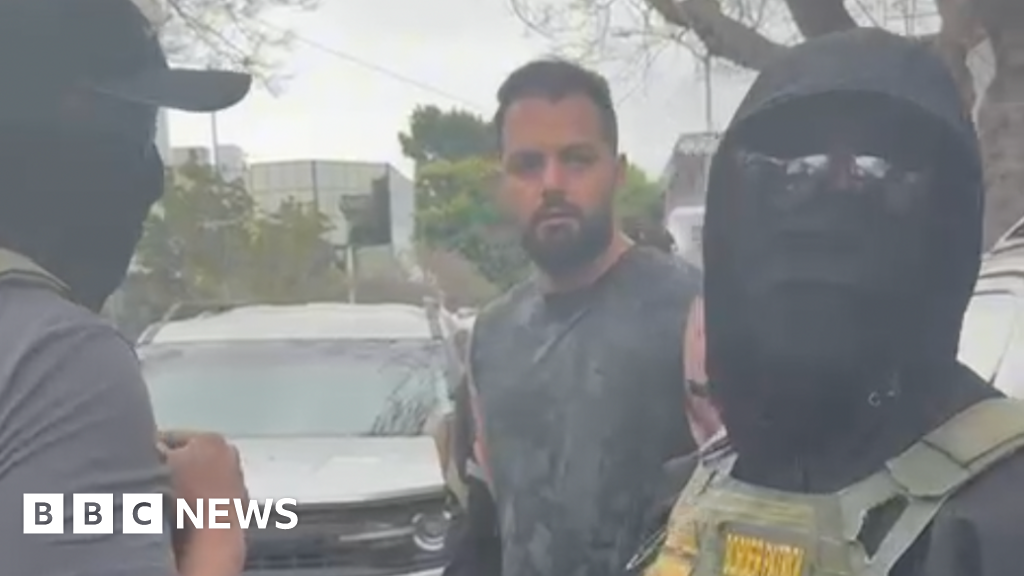
The United States has long positioned itself as a beacon of refuge for persecuted religious minorities, particularly Iranian Christian converts. Yet recent policy shifts reveal a disturbing paradox: while President Joe Biden publicly champions religious freedom and condemns Iranian oppression, the administration is simultaneously executing aggressive deportations that threaten the very groups it claims to protect. The recent chartered flights back to Iran, arranged via Qatar and involving passengers shackled and under armed guard, mark a stark reversal of United States’ historic stance on asylum for religious minorities fleeing religious persecution.

This unprecedented cooperation with Iran — a country with one of the most repressive regimes concerning religious freedom — sends a clear signal of geopolitical recalibration. Experts like Professor Alexei Ivanov of the London School of Economics warn that such moves could further embolden regimes hostile to religious minorities and escalate the persecution of converts back home. As reports surface of deported individuals facing interrogation about their faith by Iranian authorities, the global impact of America’s policies becomes evident.

The Fragile Lives Caught in a Geopolitical Crossfire

  • In late September, the US government orchestrated its first direct flight to Iran in decades, a move logic-defying given the *absence of diplomatic ties* and Iran’s notorious human rights abuses.
  • Families like Ali’s, whose wife was deported and is now targeted by Iranian intelligence, exemplify the personal danger underlying these policies.
  • Countries like Venezuela and Turkey, traditionally regions of refuge, are now increasingly becoming interconnected nodes in this perilous transit network for asylum seekers.

At the United Nations, calls for accountability grow louder. Human rights organizations criticize the US for mishandling and in some cases violating international standards—particularly regarding the confidentiality of asylum claims and the handling of sensitive religious information. The International Crisis Group suggests that these policies could undermine decades of diplomatic efforts to promote religious freedom and human rights. Notably, the divergence between the rhetoric of advocating for persecuted Christians and the reality of deportations reveals a troubling disconnect — a gamble with human lives that international analysts warn could destabilize fragile communities and embolden oppressive regimes.

The Shadows of Uncertainty and the Unfolding Crisis

Deeper within the US political landscape, legal experts caution that the decisions taken today may serve as a turning point in international refugee policies. Some argue that the administration’s claims of “fully adjudicated” asylum cases are contradicted by reports of mishandled information and the ongoing plight of individuals like Majid, who are now forced into hiding, fearful of reprisals. Meanwhile, the Iranian regime appears to be leveraging America’s internal tensions, using deported converts as leverage to crack down on internal dissent, framing converts as “Zionist agents”—a narrative designed to consolidate power and justify increased persecution.

As the weight of history bears down on this tangled geopolitical web, the stories emerging from beneath the surface suggest that these policies are more than bureaucratic decisions—they are reflections of a broader, ongoing conflict between principles and pragmatism. How long will the world’s most powerful democracy continue to turn a blind eye to its role as a protector or persecutor? This question hangs heavily in the air, as the fates of countless individuals unfold in shadows cast by shifting alliances and iron-fisted regimes. The story of Iran’s persecuted believers, and the US’s ambivalent stance, remains stubbornly unresolved — a stark reminder that in the grand chessboard of international affairs, human lives are pawns caught in a game still unfolding, written in the ink of history yet to be made.

Ferry Run-Aground Leads to Arrests Amid Safety Concerns

South Korea Ferry Incident: Spark of Controversy and Potential Geopolitical Ramifications

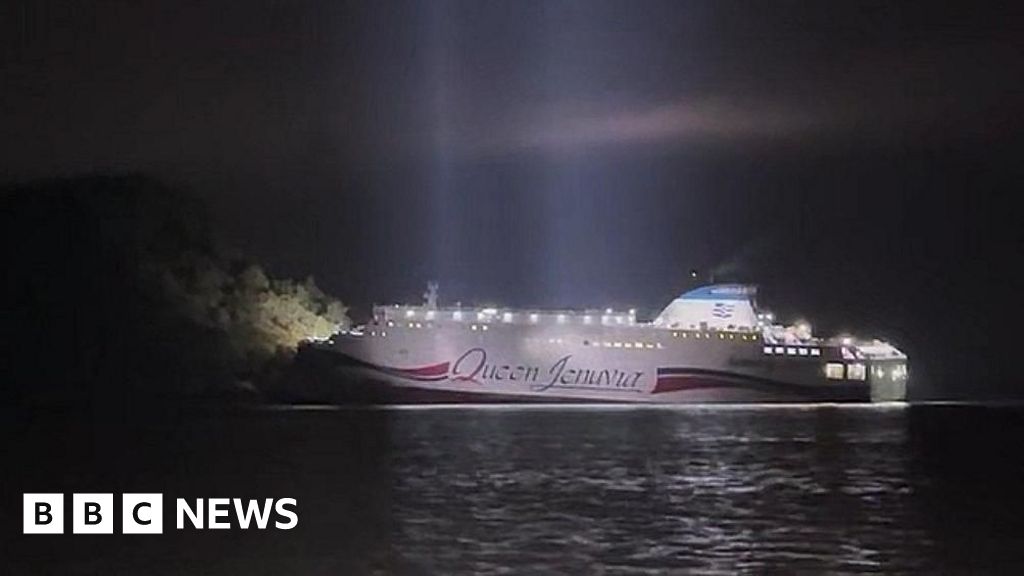
In a dramatic turn of events near the southeastern coast of South Korea, a ferry named Queen Jenuvia 2 ran aground on rocks off the uninhabited island of Jogdo, raising concerns that echo the tragic past of the Sewol disaster. The incident resulted in the rescue of all 267 passengers and crew, but it has ignited criticisms over safety protocols, young leadership accountability, and the broader question of maritime safety in a nation determined to project maritime strength. Authorities swiftly arrested two individuals, including the helmsman and the first mate, citing gross negligence, as the vessel was sailing from the resort island of Jeju to Mokpo. This incident not only underscores internal safety issues but also raises questions about how South Korea’s maritime industry manages its burgeoning economic and strategic ambitions.

The South Korean coast guard reported that the helmsman initially blamed a steering malfunction but subsequently admitted to being distracted by his phone, neglecting critical navigation duties. This revelation emphasizes a troubling trend of human error compounded by complacency amid rising technological reliance. The incident occurred near the site where the Sewol ferry tragically sank in 2014, claiming over 300 lives, primarily students. The memory of that disaster continues to haunt the nation, intensifying the scrutiny on safety protocols and government oversight. Analysts warn that recurring incidents like this could threaten Seoul’s image as a regional leader capable of balancing economic development with strict safety standards, impacting regional diplomacy especially in the context of maritime sovereignty and security.

This event punctuates the dangerous brinkmanship nations partake in over maritime territories and regional safety concerns. Since the Sewol sinking, South Korea has been under pressure to reform its safety regulations, but critics argue that bureaucratic inertia and economic priorities often undermine safety reforms. With growing tensions in the broader Asia-Pacific region—particularly involving China and Japan—such incidents threaten to destabilize soft power and fuel nationalist sentiments. Meanwhile, international organizations such as the International Maritime Organization continue to call for stricter enforcement of safety standards, yet implementation remains inconsistent, especially in countries where economic stakes are high.

Historian and geopolitical analyst Michael Jennings has warned that these maritime accidents are often more than just individual misjudgments—they are symptoms of deeper systemic vulnerabilities. “The recurring failures reveal how nations prioritize rapid growth and regional dominance over safety and personnel training,” Jennings emphasizes. How South Korea manages the fallout from this incident will be a test of whether its leadership can restore confidence and uphold international maritime standards. As the nation grapples with internal issues surrounding accountability and safety, the specter of future tragedies looms, threatening to mar its international reputation and diplomatic stature in a region increasingly shaped by unpredictable conflicts and shifting alliances.

As the global community watches, the unfolding consequences of this seemingly isolated maritime accident carry profound implications. Nations are reminded that the narrow margin between safety and catastrophe in maritime endeavors is a line that, once crossed, leaves a mark on history—an indelible reminder of human fallibility and the relentless quest for progress. The echoes from the Sewol disaster still reverberate in South Korea’s national consciousness, and now, with this recent grounding, history appears poised to write again, leaving the world to ponder whether lessons have truly been learned amid the relentless tide of change.

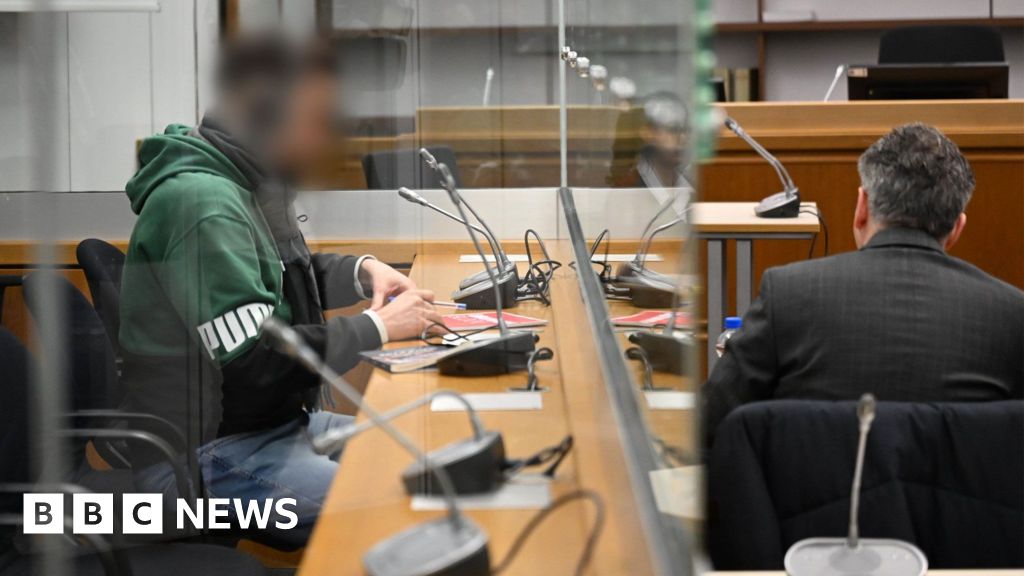
Hezbollah suspect faces trial in Germany amid rising security concerns

The recent trial of Fadel Z, a Lebanese national accused of assisting Hezbollah’s burgeoning drone arsenal, has cast a spotlight on the organization’s expanding military capabilities and the broader regional implications of its actions. Amidst ongoing hostilities and international concern, this case underscores the sophistication of Hezbollah’s covert operations that stretch across continents and threaten stability in the Middle East. According to German authorities, Z is alleged to have played a vital role in procuring components for Hezbollah’s drone program, which has reportedly amassed over 10,000 units by mid-2024. This development signifies a clear escalation in Hezbollah’s military strategy, transforming it from a clandestine militia into a technologically advanced force capable of offensive operations, with serious implications for geo-strategic stability.

Since launching an extensive drone program, Hezbollah has increasingly utilized European, Chinese, and American suppliers to arm its arsenal, often through front companies registered under false identities. This clandestine supply chain has enabled the group to acquire essential parts such as motors, propellers, and explosives. Prosecutors detail how operations like those of Fadel Z facilitate illicit trade across borders, aiding Hezbollah’s efforts to target Israeli military and civilian sites—most notably, the drone attack on a retirement home in Herzliya during Yom Kippur. Such acts of aggression are not isolated; they reflect an organized campaign backed by regional actors and global trade networks, heightening concerns over the destabilizing influence of Iran-backed militias. Analyst Dr. Martin Shaw from the International Strategic Studies Institute emphasizes that these developments serve to deepen Iran’s footprint across the Levant, challenging Western and regional efforts to contain Tehran’s influence.

Meanwhile, the escalation of violence between Israel and Hezbollah follows recent hostilities linked to Hamas’s October 2023 attack, prompting a deadly cycle of retaliation. Hezbollah’s response with drone strikes and rocket barrages marks a concerning shift in tactics, blurring the lines between state and non-state actors in a conflict that threatens regional and international stability. The conflict’s toll is staggering: Lebanese authorities report approximately 4,000 casualties, many civilians, along with the displacement of over 1.2 million residents, while Israel suffered over 80 soldier fatalities and dozens of civilian deaths. The United Nations and strategic analysts warn that continued escalation could ignite a broader regional conflict, drawing in powerful neighbors and global powers alike. As world leaders deliberate over diplomatic avenues, the decades-long ambiguity surrounding Hezbollah’s true military strength and covert activities remains a pressing geopolitical concern, with experts warning that, if unchecked, such insurgencies could redefine Middle Eastern geopolitics for generations to come.

As courts in Europe examine the depth of Hezbollah’s clandestine network, the global community watches with anticipation—and trepidation. The case of Fadel Z highlights a larger narrative: the intertwining of terrorism, advanced technology, and international trade that fuels ongoing conflicts. The unfolding story of this trial and the ongoing violence illustrates how decisions made behind closed doors can have rippling effects across continents. With history’s weight shifting ever more decisively, nations face an uncertain future—one where the balance of power hangs on the edge of a new technological arms race, teetering on the precipice of a broader regional war that could reshape the very fabric of the Middle East for decades yet unborn.

Multiple ACT Schools Close Amid Asbestos Concerns Over Colored Sand Products

Australia Confronts a Public Health Crisis as Schools Shut Over Asbestos-Laced Children’s Play Sand

In a startling development that underscores the risks of global sourcing and the fragile safety of public health, Australia’s Capital Territory (ACT) has ordered the immediate closure of more than a dozen primary and preschools, following the detection of asbestos in imported children’s sand products. This decision, made in response to serious environmental health concerns, highlights an ongoing challenge for nations navigating the complex web of international trade, safety standards, and domestic regulation. The ACT’s education authorities, led by Education Minister Yvette Berry, have prioritized safety above all, shutting down 15 schools outright and partially closing five others, as testing and remediation efforts continue.

This crisis traces its roots back to the importation of colourful children’s sand products, primarily from China, which later proved to contain chrysotile asbestos—a substance linked to terminal diseases such as mesothelioma. Authorities identified a range of products, including “Kadink Sand,” “Educational Colours – Rainbow Sand,” and “Creatistics – Coloured Sand,” all sold at major retailers across Australia over the last five years. The Australian Competition and Consumer Commission (ACCC) issued a recall of these items, cautioning the public about the potential health risks. Despite assurances from WorkSafe ACT that risk exposure is low, the precautionary closures reflect a growing concern over how unchecked imports threaten societal safety, especially when children are involved.

Implications of International Trade in Public Safety

The incident reveals a broader geopolitical issue that resonates globally: the tension between free trade and safety standards. Australia, like many countries, relies heavily on international manufacturing hubs—particularly China—for affordable consumer products. However, these supply chains can often bypass stringent safety checks, especially for hazardous materials banned since 2003 in Australia. Historians and analysts warn that such lapses threaten not only health but also international trust in trade agreements. The fact that these products were sold across Australia from 2020 to 2025, including via local distributors like Educating Kids and Zart Art, underscores the systemic vulnerability in consumer safety protocols.

Global organizations such as the World Health Organization (WHO) have long issued warnings about asbestos, emphasizing that its carcinogenic effects are well understood and that its importation should be tightly controlled. Yet economic pressures and lax enforcement have allowed hazardous materials to slip through regulatory cracks. This episode serves as a stark reminder of how decisions made in international markets can ripple across societies, impacting everything from public health systems to educational environments. Accordingly, the geopolitical impact is profound: nations must strengthen their trade oversight and internal safeguards if they are to prevent such hazards from becoming a national crisis.

Domestic Response and Rising Concerns

The response by ACT authorities demonstrates a determined, albeit reactive, strategy: immediate school closures, thorough testing, and clear communication to parents and staff. The closure of Cranleigh School and others not only disrupts education but also raises questions about how preparedness measures are structured and enforced. With similar incidents tracing back to older sites in Sydney and Melbourne, where asbestos was historically buried or processed, the broader challenge becomes clear: legacy contamination and the risks associated with historically unsafe disposal practices are still haunting Australian cities. International organizations warn that such legacy issues complicate cleanup efforts, demanding concerted policy shifts and increased investment in environmental remediation.

Experts reveal that vigilance must extend beyond reactive measures. Governments should establish mandatory testing of imported consumer goods, especially those intended for children. Public education campaigns urging safe disposal and raising awareness regarding imported hazardous materials are crucial in preventing future crises. As the Australian government works to ensure that such risks are contained, citizens are left grappling with the uncertainty of what other unseen dangers may lurk in everyday products.

As this unfolding crisis exposes vulnerabilities in international trade and domestic regulation, history reminds us that the true measure of societal progress lies in the capacity to anticipate and prevent disaster. With the specter of asbestos—a material associated with silent, deadly threat—still casting its shadow over Australia’s safe spaces, the weight of history presses upon policymakers worldwide. The question remains: will this incident be merely a fleeting warning, or a catalyst for profound structural change that reshapes how nations safeguard their future? The answer lies in the unfolding stories of remediation and resilience yet to come, where decisions today forge the landscape of tomorrow’s history.

Transport Secretary warns shutdown could ground US flights to a trickle, sparking concerns for travelers and the economy

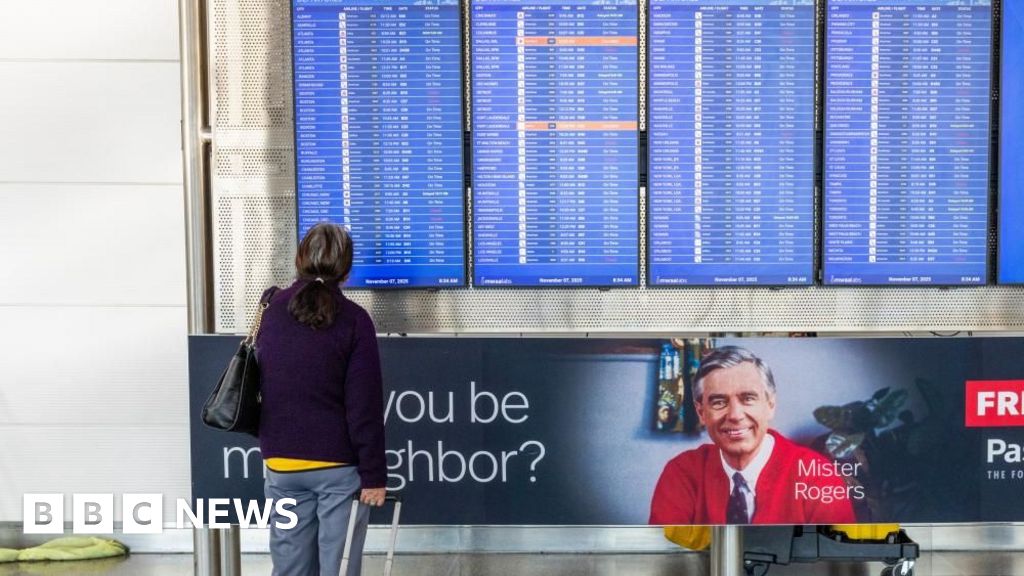
The ongoing US government shutdown has entered its 40th day, marking the longest in American history and sending ripple effects across the socio-economic fabric of the nation. As federal workers face unpaid wages and essential services grind to a halt, the transportation sector bears the brunt of the crisis. Thousands of flights are canceled or delayed daily, with the Federal Aviation Administration (@FAA@) announcing capacity reductions of up to 10% at major airports, such as Newark. These measures are driven by fatigued air traffic controllers, many of whom are working without pay—raising urgent safety concerns and exposing the weaknesses of bureaucratic gridlock.

Analysts and international observers warn that without swift resolution, the impact on the global economy could deepen. Flight delays and cancellations serve as a stark reminder of how domestic political stalemates threaten to destabilize global markets and international travel. US lawmakers are under pressure, with the Senate convening in a rare weekend session, attempting to broker a deal that could temporarily end this impasse. However, the core dispute remains entrenched, with Democrats demanding policy concessions tied to healthcare funding, and Republicans insisting on pure budget measures without additional policy layers. As President Donald Trump proposes redirecting relief funds directly to Americans’ health insurance, global financial markets watch nervously, understanding that timely compromise is paramount to prevent economic contagion.

This crisis highlights the deep fissures in the American political landscape—fissures that have far-reaching geopolitical impact. While Washington grapples with its stalemate, China and Russia observe closely, noting America’s internal divisions and the potential for weakened global influence. The shutdown also reveals the fragility of public trust in democratic institutions, with historians warning that prolonged crises may erode societal resilience and foster disillusionment among youth and working-class Americans. Meanwhile, international organizations like the IMF warn that such internal turmoil could serve as a distraction from pressing global issues, including geopolitical conflicts and economic reforms.

As the hours tick by and the nation stands on the brink of further chaos, the weight of history presses heavily on decision-makers. The words of analysts echo—the prolonged deadlock not only jeopardizes national stability but also threatens to reshape the international order. With each delay, the story of a nation divided unfolds anew, leaving the future tangled in uncertainty and the past whispering warning signs. The question remains: will this chapter in history’s relentless unfolding be resolved in time, or will it become yet another symbol of a lingering, unresolved crisis that stains the legacy of a once-powerful superpower?

Social Media Auto Publish Powered By : XYZScripts.com