Matox News

Truth Over Trends, always!

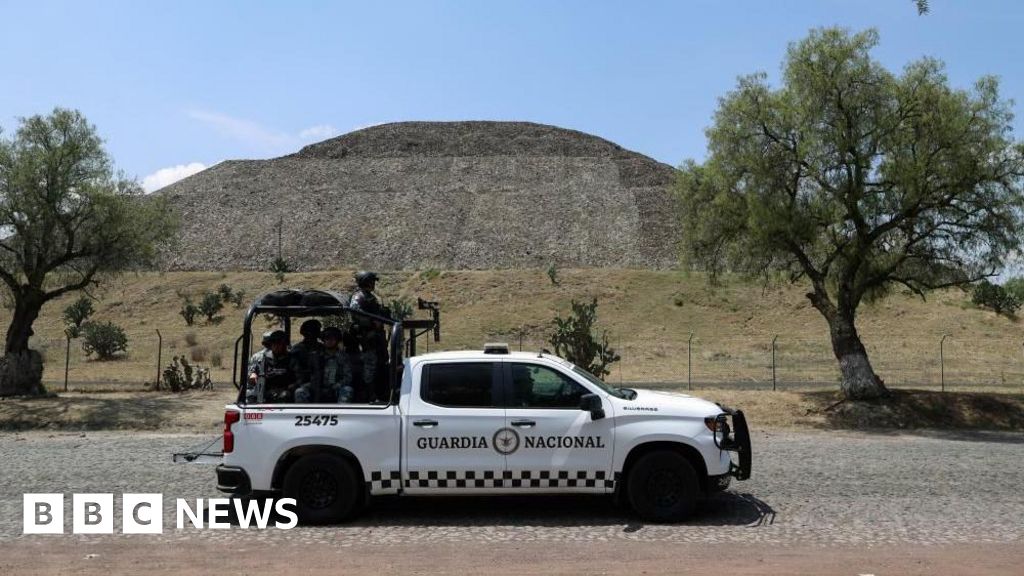
Mexico's Pyramid Attack Stirs New Concerns Despite No Cartel Ties
Mexico’s Pyramid Attack Stirs New Concerns Despite No Cartel Ties

In a stark reminder of the lingering security challenges faced by Mexico, a deadly shooting incident at a prominent tourist destination has sent shockwaves through the nation and attracted widespread international attention. Occurring mere weeks before the highly anticipated 2026 FIFA World Cup, this tragic event underscores the ongoing struggle for stability in a country long plagued by organized crime and violence. The incident not only destabilizes Mexico’s internal security but also threatens to tarnish its global reputation as a safe host for one of the world’s most watched sporting events.

Several eyewitnesses report that the violence erupted unexpectedly in a bustling area renowned for its cultural and tourist attractions, where families, travelers, and locals traditionally gather. Authorities confirmed multiple casualties, prompting an immediate investigation into the motives behind the attack. While initial reports suggest that criminal groups may have been involved, analysts emphasize that such violence also reflects broader systemic issues—including weak law enforcement and the complex interests of transnational criminal syndicates operating within Mexico’s borders. International organizations, such as the United Nations Office on Drugs and Crime (UNODC), have repeatedly highlighted that violence has become a defining feature of Mexico’s security landscape, with implications far beyond its borders.

In response, the Mexican government has vowed to intensify efforts to combat organized crime, deploying additional forces and ramping up security measures in tourist hotspots. However, critics argue that these measures are often reactive rather than strategic, with deeper socio-economic reforms deemed necessary to address the root causes of violence. World analysts, including researchers from several think tanks, warn that unless Mexico’s government broadens its approach to tackling corruption, poverty, and illicit trade, such incidents will continue to threaten national stability. Furthermore, the incident risks deterring international tourists, a vital economic sector, which could result in long-term economic repercussions and ( ) undermine the country’s aspirations for a resilient tourism industry as a cornerstone of economic recovery.

The fallout from this tragedy extends well beyond the border of Mexico; it impacts regional geopolitics and influences international perceptions. Countries such as the United States, which shares a long border and has vested interests in regional stability, are closely watching Mexico’s ability to maintain order. Analysts suggest that both nations’ policymakers must confront the intertwined issues of insecurity and transnational crime collaboratively, lest Mexico’s internal strife spill over into neighboring regions. According to experts from the Council on Foreign Relations, this incident could serve as a catalyst for renewed diplomatic efforts aimed at curbing criminal activity that jeopardizes both nations’ security.

As the world watches with bated breath, the question remains: will Mexico’s leadership rise to meet the grave challenge, or will this tragedy mark a turning point in an ongoing saga of violence and instability? History has repeatedly shown that moments of crisis often serve as the crucible for profound national transformation. Yet, the path forward remains fraught with peril, as the weight of unresolved grievances and corrupt interests continue to threaten to unravel the fragile fabric of societal peace. In the shadow of this tragedy, the future of Mexico — and indeed, the geopolitical landscape of North America — hangs in the balance, forever altered by a single act of violence that echoes through the corridors of history, reminding the world that the battle for stability is never truly won, only fought anew.

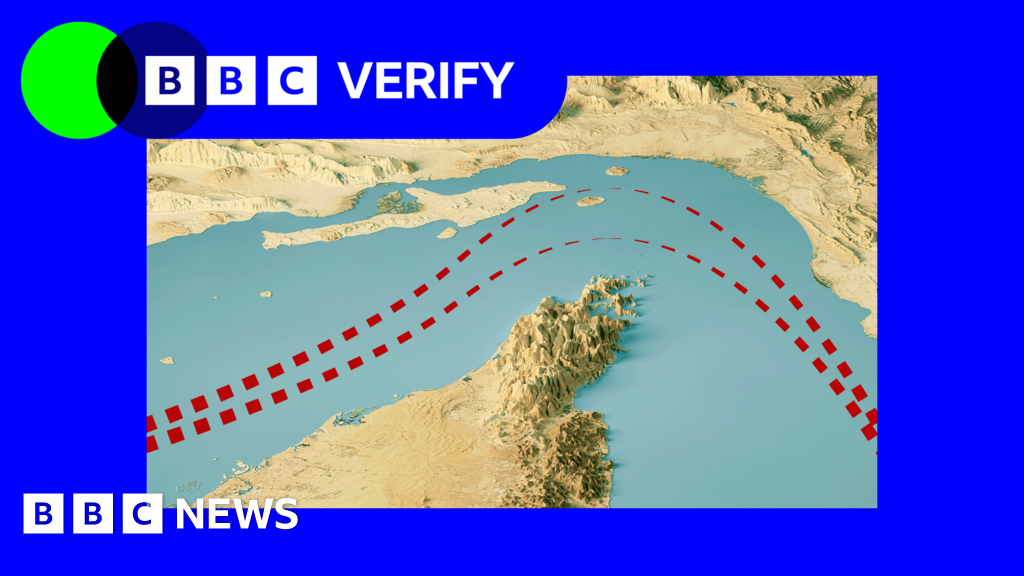
Iran’s Warning in Strait of Hormuz Sparks Fresh Shipping Concerns

The recent upheaval in the Strait of Hormuz has triggered a seismic shift in international markets, illustrating the fragile interdependence of the global economy. Over the past five weeks, disruptions—caused by tensions between Iran and regional allies—have sent shockwaves across financial systems worldwide. The narrow waterway, only about 33 kilometers (21 miles) across at its tightest point, has become a critical choke point for nearly one-fifth of all global oil trade, making its stability a matter of international concern. As energy prices spike and supply chains strain under the pressure, analysts warn that this crisis underscores how geopolitics directly influences daily life, from fuel costs to consumer goods.

The situation has intensified fears of broader conflict, with Western nations and Middle Eastern powers seemingly entangled in a dangerous game of brinkmanship. Many experts, including respected geopolitical analysts and historians, point out that the escalating tensions are not isolated but part of a larger struggle for regional dominance, driven by fears over Iran’s nuclear ambitions and the strategic importance of maritime control. The International Maritime Organization, while calling for de-escalation, recognizes that the narrow strait acts as a vital artery for global energy flows, rendering any blockage a potential economic catastrophe. While some nations attempt diplomatic efforts, the risk of miscalculation remains high, with the threat of conflict casting a shadow over international stability.

Beyond immediate economic impacts, international institutions and alliances are recalibrating their strategic calculations. The United Nations has expressed concern, urging restraint, but many analysts suggest that the crisis reveals lessons long buried in history—how small flashpoints can ignite larger conflicts with far-reaching consequences. Countries such as Saudi Arabia and Israel are closely monitoring developments, aware that regional instability could undermine their security and economic interests. The crisis also reveals the undercurrents of a new world order emerging, where the control of vital shipping lanes becomes as crucial as conventional military strength, pushing nations into a zero-sum game of influence and power.

As the world holds its breath, the unfolding events on this narrow waterway serve as a stark reminder: in an interconnected global system, even the smallest geographic chokepoint can shape history. With each tense diplomatic exchange and military maneuver, the fabric of peace frays further, weaving in new threads of uncertainty. The decisions made today—whether to escalate, negotiate, or retreat—will echo through generations to come. History whispers of conflicts sparked over strategic waterways, and as the world watches this delicate balance teeter on the brink, it becomes clear that the true weight of these moments will be measured by how nations manage the perilous path ahead—because in the chess game of geopolitics, the stakes could not be higher.

Unions Raise Concerns Over BMA Pay Demands and Doctor Strikes

Global Ramifications of the UK’s Healthcare Strikes and the Shifting Power Landscape

In an era marked by escalating geopolitical tensions, domestic unrest such as the impending British NHS strikes signals more than just a domestic labor dispute — it reflects a broader trend of societal upheaval and declining public trust. The conflict centers around the British Medical Association (BMA), which is pushing for a higher pay rise for doctors amidst a backdrop of subdued government offers and discontent among NHS staff. The dispute, with plans for strikes coinciding with protests from other healthcare workers, underscores a growing fissure within the UK’s social fabric, demonstrating the difficulty governments face in maintaining social cohesion amid economic constraints. Historians warn that such strikes, if left unresolved, could have ripple effects across other sectors and threaten the stability of the welfare state itself.

This domestic turmoil occurs at a time when the international community watches closely, analyzing the shifts in national authority and societal governance. As the UK grapples with pay disputes and a perceived lack of governmental responsiveness, analysts suggest that broader global power dynamics are at play. The UK’s strained healthcare system, marred by inflationary pressures and austerity measures, mirrors trends seen across the West, where public sector austerity has contributed to rising discontent. International organizations such as the OECD have issued warnings about the long-term sustainability of social welfare systems under mounting fiscal stress. Meanwhile, rival powers actively seek to exploit such vulnerabilities, projecting an image of strength amidst internal chaos, all while building strategic influence through diplomatic and economic means.

The deeper geopolitical impact of these domestic issues extends beyond Britain. The disputes reveal that how nations handle internal unrest directly affects their standing on the world stage. A weak response to public sector strikes could be perceived by adversaries as signs of decline, inviting challenges to sovereignty and influence. Conversely, resilient governance reinforcing social stability bolsters a nation’s image as a global leader. International analysts highlight that such internal conflicts serve as cautionary tales, illustrating the importance of effective leadership in securing national interests amid an evolving multipolar world. As the UK navigates these stormy waters, the weight of history presses heavily, reminding everyone that the outcome will shape the global order for generations to come.

Chiang Mai's Clean Air? Not for Kids—Nosebleeds Spark Health Concerns
Chiang Mai’s Clean Air? Not for Kids—Nosebleeds Spark Health Concerns

Thailand Battles Unprecedented Fires During Peak Pollution Season

As the dry season intensifies in Thailand, the city of Bangkok and surrounding regions face a devastating surge in wildfires that have pushed air quality to alarming levels. This period, typically marked by environmental vulnerabilities, has become a critical test of the nation’s capacity to manage natural and human-induced crises. According to recent data from the World Health Organization and environmental watchdogs, Bangkok now ranks among the world’s most polluted urban centers, with particulate matter (PM2.5) concentrations exceeding safe thresholds by wide margins. This dire situation ushers in a broader discussion on the geopolitical repercussions of environmental mismanagement and the global implications of climate-related events.

The fires, which are primarily believed to be exacerbated by agricultural slash-and-burn practices, urban encroachment, and climate change, have sparked widespread concern across Southeast Asia. Historians point out that, traditionally, such seasonal phenomena have been manageable through local policies and community action; however, recent years have seen a marked deterioration in air quality, fueled by a complex web of environmental stressors. Analysts from international organizations like the United Nations Environment Programme warn that these fires do not merely threaten local health but also underscore a fragile ecological balance that impacts regional stability. As smoke drifts across borders, neighboring countries such as Myanmar, Laos, and Cambodia face similar air quality crises, potentially fueling cross-border tensions and complicating diplomatic relations.

How nations respond to this crisis will shape the geopolitical landscape in Southeast Asia for years to come. Under increased global scrutiny, Thailand finds itself at a crossroads. The government has introduced emergency measures, including restricted wildfire activity and heightened pollution alerts; yet, critics argue that these steps are insufficient and that a deeper, systemic reform is urgently needed. Environmental analysts note that the situation exposes underlying issues such as inadequate enforcement of environmental laws, deforestation, and weak urban planning. The broader question remains: how will Thailand and the region balance economic development with environmental sustainability? International observers emphasize that failure to address these challenges could escalate into broader societal unrest and economic decline due to health costs and reduced productivity.

Official statements from Thailand emphasize a desire for regional cooperation, yet skeptics highlight that limited international influence and internal governance challenges have hampered meaningful progress. The crisis has also attracted attention from global institutions like the World Bank and various NGOs, which warn of the long-term consequences if immediate actions are not prioritized. As climate scientists warn of increasing frequency and severity in such fires worldwide, the region faces a stark choice: intensify efforts to mitigate environmental degradation or face the irreversible consequences of neglect. Historically, environmental crises have often acted as catalysts for policy shifts — whether positive or disastrous — and the current smoke-filled skies of Bangkok threaten to become a symbol of missed opportunities.

The unfolding situation in Thailand echoes a sobering narrative seen across the globe: as climate change accelerates, our choices today will echo through history, determining the stability, health, and sovereignty of nations. The smoke rising from fires in Bangkok is not merely a local nuisance but rather a potent reminder of the interconnectedness of environmental stewardship and geopolitics. With each breath Americans, Europeans, and Asians take, the weight of history presses down, urging decisive action before the flames and smoke become the defining mark of this era — a testament to the urgent need for international resolve in safeguarding our shared future.

Wolf bites woman in shocking Hamburg assault amid growing wildlife concerns

In a startling development that underscores the evolving landscape of Europe’s natural ecosystems, Germany has recorded what is believed to be the first wolf attack on a human in decades. This incident marks a significant milestone in the ongoing reestablishment of wolves within the region, a process that has garnered both ecological praise and societal concern. Experts, including leading conservationists and historians, note that the resurgence of this apex predator signals profound shifts in Germany’s ecological balance—shifts that carry implications well beyond conservation corridors into the geopolitical arena.

The return of wolves to parts of Germany is a direct consequence of broad environmental policies aimed at restoring natural habitats and promoting biodiversity. Since the early 2000s, European nations have partly embraced an ecosystem-based approach, allowing predator populations to recover naturally after centuries of eradication. As documented by international organizations such as the European Environment Agency, this strategic shift aims to foster healthier ecosystems; however, it also introduces contemporary challenges for local communities. The recent wolf attack, believed to be the first of its kind in Germany, is being scrutinized as a possible harbinger of increased human-wildlife interactions—interactions that could redefine the safety and safety policies in rural and suburban regions.

This incident notably echoes similar patterns across Europe, where the reintroduction of predators like the European grey wolf has ignited tensions among farmers, conservationists, and policymakers. Analysts from the International Wildlife Conservation Society suggest that such events may accelerate debates regarding the balance between ecological restoration and societal safety. As the German government and neighboring countries grapple with these realities, the overarching concern pivots around the geopolitical impact—how ecological decisions ripple outward to influence policy, security, and societal cohesion. Decisions driven by international treaties and conservation commitments are now intersecting with local realities, forcing policymakers to navigate a complex web of ecological integrity versus human safety.

Reflecting on history, some scholars argue that this moment echoes the broader pattern of nature reclaiming its territory—a movement that can be simultaneously inspiring and disruptive. Historian Dr. Hans Meier notes that “this event signifies not just a biological resurgence but a turning point in how nations respond to ecological change.” As Germany and its European neighbors reevaluate their strategies, the ongoing debate underscores a larger truth: the delicate equilibrium between human ambitions and the relentless force of nature. The wolf’s return serves as a potent reminder that choices made today about conservation, territorial sovereignty, and international cooperation will shape the fabric of society for generations to come.

As the world watches from afar, the unfolding story of ecological rebirth—the return of the wolf—becomes a chapter in the greater narrative of global environmental transformation. Yet, the current incident in Germany stands as a stark warning: the boundary between civilization and wilderness is neither fixed nor inviolable. The true weight of history is still being written, leaving humanity standing at the cusp of a new chapter where the past’s lessons and future’s fears intertwine in an uncertain dance.

Record High: More Students Missing Over Half of School Days, Raising Concerns about Our Future

Recent reports from England’s educational authorities reveal that while overall school attendance has seen a positive trend, an unsettling disparity persists among students with additional needs. This demographic, which includes children with learning disabilities, behavioral challenges, and other special educational needs, continues to experience higher rates of absenteeism. Such patterns threaten to deepen existing social inequalities and compromise the foundational role of education in fostering a cohesive, resilient society.

The statistics highlight a clear social tension: as general attendance improves, children with additional needs are increasingly marginalized, often left behind in the classroom and in the broader social fabric. Sociologists like Jane Jacobs have long emphasized the importance of inclusive communities, arguing that social cohesion is rooted in the participation and integration of all members. When students with additional needs are absent more frequently, families face added strain, educational institutions struggle to meet diverse requirements, and communities risk creating a cycle of exclusion that damages the moral fabric of society.

Many families of children with additional needs find themselves burdened by a lack of adequate support and understanding from schools and policymakers. The challenges extend beyond academic achievement; they influence familial stability and emotional well-being. Educational psychologist Dr. Samuel Morley points out that consistent school attendance is vital not only for learning but also for developing social skills and confidence. When access and engagement are limited, these children are at risk of falling further behind, affecting their future prospects and the societal integration vital for a healthy nation. This ongoing crisis underscores the urgent need for targeted solutions that address the unique barriers faced by these families.

Proposed interventions include bolstering specialized support services, enhancing teacher training, and fostering collaborative approaches between schools, healthcare providers, and social services. Such measures aim to create an environment where every child’s needs are recognized and met with compassion and competence. Moreover, addressing underlying issues like mental health, poverty, and housing instability is essential for reducing absences and promoting equality. Strategies must focus on building resilient, inclusive educational communities—an effort that demands political will and societal commitment. Only then can the dream of a society where no child is left behind be transformed into a tangible reality.

As society grapples with these social and educational challenges, it is crucial to remember that the true measure of progress lies in our ability to nurture a future where every child has the opportunity to thrive regardless of their starting point. The journey toward inclusion is not merely about improving attendance figures but about restoring hope, dignity, and continuity in the lives of families and communities. In a society seeking its moral compass, perhaps the most profound task is to ensure that no child’s voice is silenced by the silence of absence and that the nation’s strength is built upon the collective resilience of all its members.

Iranian hackers target FBI director Kash Patel’s personal emails, raising security concerns

In an unprecedented breach that underscores the growing chaos in international cybersecurity, a notorious hacker group has recently released sensitive personal information, including a purported resume and photographs of India’s Minister of State for Home Affairs, Patel. Accompanying this leak was a chilling statement: “This is just our beginning.” This act of digital vandalism signals a disturbing escalation in cyber warfare that threatens to undermine the stability of nation-states and their leadership structures.

The timing of this revelation is no coincidence, as tensions between various geopolitical powers continue to simmer beneath the surface of global diplomacy. While hacker groups have often claimed to pursue ideological ends, this particular breach appears to serve a broader strategic aim—destabilizing India as it navigates complex regional challenges, including border disputes and internal security concerns. Such breaches deepen the vulnerabilities of governments to cyber espionage, a realm increasingly recognized as a critical frontier in modern warfare. Analysts from institutions like the European Centre for Cybersecurity Studies warn that these acts could presage a new form of hybrid conflict, one that operates outside traditional military realms.

Geopolitical impact is significant, as this incident highlights how non-state actors are weaponizing digital tools against nations with rising influence. For India, a nation at the crossroads of economic growth and regional rivalry, this attack raises alarms about the security of sensitive political data and national infrastructure. International organizations, including the United Nations, have yet to formulate a comprehensive framework to combat such threats effectively. Meanwhile, domestic officials and security experts are calling for urgent reforms in cyber defense protocols to prevent further invasions that threaten to destabilize societal trust and diminish public confidence in government institutions.

This breach arrives amid broader warnings from global leaders and seasoned historians who stress that the proliferation of cyberattacks could rewrite the rules of diplomacy and security. Many see this event as a *turning point*—a wake-up call for nations worldwide that in this new era, information warfare can be just as deadly as conventional combat. As world powers scramble to respond to these threats, the real question looms: Will this new dimension of conflict deepen divides, or can international collaboration stem the tide of digital chaos? One thing remains clear—history is watching, and the unfolding chapters of this cyber saga risk becoming a defining moment that will shape future generations.

As darkness clouds the horizon of international stability, the true power lies in the decisions made in the coming days. Governments must face the reality that cyber vulnerabilities are no longer abstract threats—they are now a tangible act of warfare capable of unravelling society’s fabric. The world holds its breath, aware that, in this digital age, the battlefield has expanded—and the story of our time is only just beginning to unfold.

Brussels probes Snapchat over kids' safety concerns
Brussels probes Snapchat over kids’ safety concerns

The European Union has escalated its efforts to regulate the digital landscape amid grave concerns over how certain online platforms may be exposing the continent’s youth to harmful content. Brussels has launched a series of investigations targeting five major tech companies under the Digital Services Act (DSA), a landmark regulation introduced two years ago to safeguard users from the myriad internet threats currently threatening societal stability. These inquiries specifically focus on Snapchat and four prominent adult content websites—Pornhub, Stripchat, XNXX, and XVideos. The EU’s aim is clear: protect children’s mental health, uphold community standards, and prevent the normalization of deviant behaviour.

Particularly alarming are findings indicating massive exposure of minors to explicit content. According to the European Commission, platforms like Snapchat are suspected of facilitating grooming and sexual exploitation, with adults allegedly pretending to be minors in order to lure young users into criminal activity. The investigation reveals that despite the app’s own terms banning users under 13, statistics show that children as young as ten in Denmark and France are active users. This alarming trend underscores the failure of existing age verification mechanisms, which remain easily bypassed through simple self-declarations. Such vulnerabilities not only facilitate online abuse but also significantly influence young people’s perceptions of gender and sexuality, fueling harmful stereotypes and mental health issues. Analysts argue that this crackdown signals a pivotal shift in shifting societal expectations—holding tech giants accountable for the erosion of youth safety in the digital age.

Meanwhile, the commission’s probe into adult websites surfaces even more disturbing revelations: these platforms have conspicuously failed to prevent minors from accessing explicit material. The findings underscore a troubling gap in regulatory oversight, as children and adolescents routinely encounter adult content with ease—sometimes by clicking a “Yes, I am over 18” box. In some cases, children as young as 10 have been found to access pornography monthly, with significant numbers of underage boys first exposed to such material between the ages of 10 and 13. The potential consequences—ranging from mental health deterioration to the normalization of violent sexual attitudes—represent a serious threat to societal well-being. Experts believe that such exposure at a young age could have lasting impacts, including skewed gender perceptions and increased tolerance for sexual violence. The EU has made it clear that these platforms must clean up their act—failure to do so could result in fines of up to 6% of global turnover, a substantial financial penalty that signals the seriousness of these violations.

This push by Brussels denotes a broader attempt at asserting regulatory authority over the digital economy, emphasizing how international institutions are reshaping the rules of engagement in cyberspace. Some critics see the move as a preemptive step towards more sweeping bans, like those being discussed in Australia, where the government is contemplating outright restrictions on social media access for minors. The EU appears to be positioning itself as a global leader in digital regulation—an effort to curb the influence of platforms that, critics argue, prioritize profit over public safety. As governments and watchdogs around the world grapple with these issues, the battle lines are being drawn for a new era of internet governance—that, some warn, could redefine the relationship between society and technology forever.

As history continues to unfold in this pivotal moment, the question remains: can these measures truly safeguard the next generation in an increasingly digital world? Or are they but the first chapter in a larger struggle—one where the forces of freedom, security, and societal norms collide amidst the relentless march of technological advancement? The weight of this turning point rests heavily on whether regulators can enforce accountability in the internet’s shadowy corners, for in this digital age, every decision echoes through the fabric of society—lasting far beyond policy papers and court rulings, shaping the very essence of future generations.

Estonia and Latvia confirm areas struck by errant Ukrainian drones, raising regional concerns

In a night marked by intensified hostilities, Ukraine launched a significant offensive against Russia‘s strategic port of Ust-Luga, located near the Estonian border. This daring attack underscores the ongoing volatility in Eastern Europe, where geopolitical stability remains precarious amidst a series of confrontations and strategic shifts. The incident, occurring simultaneously with other major events, signals a dramatic escalation that has not gone unnoticed by international stakeholders.

Analysts suggest that Ukraine’s tactical move against Ust-Luga is a calculated effort to weaken Russia’s logistical capabilities, aiming to disrupt its supply chains and exert pressure on Moscow. As noted by strategic experts at The International Crisis Group, this offensive could be a response to recent Russian military operations and political rhetoric that continues to push the region toward larger conflict. This act, combined with Russia’s own military posture, raises serious questions about the future security landscape. Meanwhile, the enduring presence of NATO forces and the backing of Western countries continue to shape the environment, with some viewing these events as part of a broader effort to deter Russian expansionism.

The geopolitical impact of these developments extends far beyond immediate military considerations. The attack on Ust-Luga not only threatens Russian economic interests but also signals a shift in Ukraine’s strategic stance, demonstrating an increased willingness to strike directly at Russian logistical hubs. For historians and analysts alike, such actions are seen as turning points—potential catalysts for a broader, more entrenched conflict. International organizations, such as the United Nations, remain watchful, yet their calls for restraint have so far failed to prevent a slide into open hostilities.

Undoubtedly, these confrontations are reshaping regional alliances and testing the resilience of diplomatic channels. Russia, faced with an unpredictable Ukrainian adversary and Western backing, finds itself increasingly isolated yet determined to defend its borders and strategic interests. Meanwhile, Ukraine continues to garner international support, framed by Western leaders as a bulwark of sovereignty against expansionist aggression. As these hostilities unfold, the stakes go beyond immediate territorial disputes — they threaten to ignite broader conflicts that could shape the future of European stability. As history watches this turbulent chapter, the world is left to ponder whether these incidents mark the beginning of a new Cold War era or a tragic escalation into a much darker future.

Australia’s ABC journalists prepare to strike over pay and AI concerns

In a significant development on the global media landscape, staff at the Australian Broadcasting Corporation (ABC) have announced their intention to strike for the first time in two decades. This unprecedented move underscores mounting tensions between media workers and government authorities amid a broader context of economic pressures, political influences, and shifts in public trust toward state-funded institutions. The strike, scheduled to commence in the coming weeks, is expected to resonate far beyond Australia’s borders, highlighting growing conflicts over media independence and the role of public broadcasting in the 21st century.

The decision to strike marks a pivotal moment in the ongoing debate between journalists, media personnel, and the Australian government over issues including funding, editorial independence, and working conditions. According to union representatives, the strike is driven by frustrations over recent government austerity measures that threaten to undermine the integrity and sustainability of the ABC. These measures, critics argue, erode the very principles of transparency and accountability that public broadcasters traditionally uphold. International observers and media analysts note that as public broadcasters worldwide face pressures from political and economic forces, such strikes become symbolic battles for the preservation of independent journalism—an essential pillar of democratic societies.

Global institutions such as the International Federation of Journalists and Reporters Without Borders have voiced support for Australia’s ABC employees, warning that compromising editorial independence weakens democratic accountability and fosters misinformation. Historians specializing in media studies point to this strike as a potential turning point, emblematic of growing global discontent over government interference in media. Australia’s political climate, marked by debates over national identity and sovereignty, is seen by analysts as reflecting wider geo-strategic concerns, especially as China and the United States intensify their influence in the Asia-Pacific region. Decisions made now could alter the balance of information dissemination, impacting how societies engage with truth and authority.

The broader geopolitical impact extends to how nations prioritize public service media in the face of rising misinformation and propaganda. Governments worldwide are reevaluating their roles amid digital disinformation campaigns; some are seeking tighter control, while others, like Australia, are contending with internal demands for independence. Experts warn that if such internal conflicts escalate to prolonged disruptions, they could weaken the capacity of countries to maintain a balanced and truthful public discourse. The ABC strike, therefore, is not merely a domestic labor dispute but a reflection of the global struggle for media sovereignty, truth, and the sovereignty of information systems that shape societal narratives.

As the strike looms, history may judge this moment as a critical juncture—where the fight to safeguard media independence in Australia echoes on a global scale. It leaves society confronting an urgent question: in an age of growing geopolitics and digital battles, which side will emerge victorious—the forces seeking to control the narrative or the defenders of free and independent journalism? The outcome remains uncertain, but one truth is undeniable: the decisions made today will determine the course of history, shaping the very fabric of societies and the flow of information for generations to come.

Social Media Auto Publish Powered By : XYZScripts.com