Matox News

Truth Over Trends, always!

China’s Growth Dip Sparks Concerns Amid Rising US Trade Fight

China’s Economic Slowdown and Rising Trade Tensions: A Turning Point on the World Stage

In recent weeks, China, the world’s second-largest economy, has signaled a noteworthy deceleration in its economic growth, with official figures revealing a 4.8% expansion in the third quarter of 2025—its slowest pace in a year. This downturn, while manageable within China’s broader economic ambitions, carries profound implications for the global order, especially given the recent escalation of trade conflicts with the United States. Over the past months, Beijing has tightened restrictions on exports of rare earth minerals, crucial to advanced technologies across the globe. Analysts warn this move could sharpen the already fragile trade truce with Washington, potentially spiraling into a new era of economic confrontation.

Despite official claims of resilience, China’s economic trajectory is now increasingly shaped by geopolitical forces. The country’s leadership, amid a pivotal summit this week, aims to chart a course for its economic blueprint between 2026 and 2030. The recent data, showing a slowdown from a 5.2% growth in July, underscores the mounting pressures from both internal challenges and external conflicts. Beijing’s government attributes ongoing growth to the vitality of its technology sector and business services—sectors that are vital to China’s ambitions of technological self-sufficiency—and it remains committed to a targeted annual growth rate of around 5%. However, as US President Donald Trump swiftly reacts to the export restrictions with threats of additional tariffs, the specter of a renewed trade war looms large, threatening to ripple across global markets.

Trade tensions are now central to the unfolding geopolitical narrative. Before the recent restrictions, Chinese businesses benefitted from a brief easing of tensions, with exports to the US rising 8.4% in September. Yet, the re-imposition of export controls, combined with potential tariff hikes, risks disrupting this fragile recovery. Meanwhile, US Treasury Secretary Scott Bessent indicated ongoing efforts to ease tensions through diplomatic engagements in Malaysia, seeking to foster dialogue between Xi Jinping and Donald Trump. The margins of compromise remain narrow as international observers, including esteemed historians and economic analysts, debate whether these moves signal mere tactical adjustments or the prelude to a sustained confrontation that could redefine the geopolitical landscape.

Meanwhile, China’s industrial output and service sector continue to perform strongly—growing 6.5% last month, driven by advancements in 3D-printing, robotics, and electric vehicles. These sectors exemplify China’s strategic pursuit of technological innovation amidst external pressures. Yet, the longer-term implications remain uncertain. Historians warn that a frayed trade fabric and rising nationalism could lead to a decoupling—a splintering of the global economic order that would leave many nations reassessing alliances and strategic dependencies. As policymakers and international institutions watch, the world teeters on the brink of a new geopolitical era—one that could favor a multipolar order or plunge into a prolonged conflict that reshapes the fabric of international society. The unfolding story of China’s economic voyage is far from over; in fact, it appears to be entering a new chapter, where every decision carries the weight of history, shaping the destiny of nations and societies in ways yet to be fully understood.
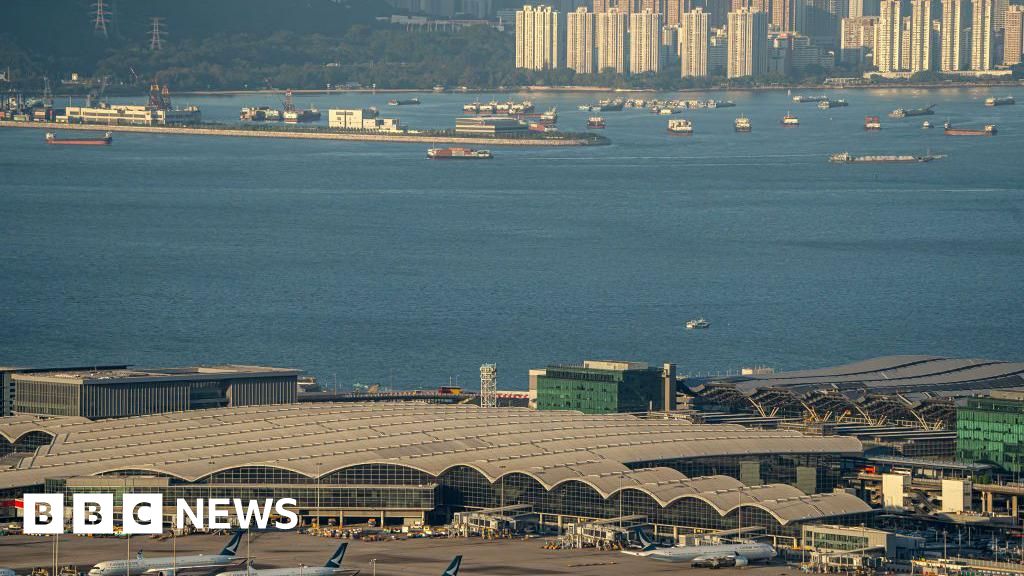
Emirates cargo flight veers off runway into sea at Hong Kong Airport, raising safety concerns

In a startling event that underscores the delicate balance of global transportation, a cargo plane has tragically skidded off the runway at Hong Kong International Airport, resulting in the loss of two ground staff members and highlighting the persistent risks faced by international hubs. The incident involved Emirates flight EK9788, operated by Aerotranscargo, which was arriving from Dubai early in the morning, around 03:50 local time. Reports indicate that the aircraft collided with a ground vehicle on the north runway, an area critical for the city’s freight and passenger operations, illustrating how even the most meticulously maintained facilities can face unforeseen calamities.

This accident arrives at a crucial juncture for Hong Kong as it struggles to maintain its status as a premier global transit centre amidst geopolitical upheaval and economic shifts. The airport’s closure of the affected runway—though the remaining two continue to operate—raises questions about the resilience of one of the world’s busiest airports. Analysts, including aviation safety experts from ICAO, emphasize that such incidents, while rare, can have ripple effects straining supply chains and logistical networks vital for regional stability. Many see this as a turning point, a stark reminder that even in a city famous for efficiency, the risks of transportation accidents remain ever-present.

The immediate response involved rescue operations by the Hong Kong Government Flying Service and Fire Services vessels, which coordinated above and below the ground to recover the crew and the ground personnel who fell into the sea. Unfortunately, the two staff members ultimately succumbed to their injuries, a tragic outcome that shines a light on the perilous nature of airport ground work. In the aftermath, authorities are set to hold a press conference at 10:00 local time, where safety investigations will undoubtedly dominate discussions. Such incidents often spark broader debate about international standards for airport safety, especially in politically sensitive regions where security and efficiency are intertwined with economic destiny.

Importantly, this event is more than a local tragedy; it operates within the larger geopolitical context of increasing tensions and shifting alliances. Hong Kong, once a renowned global trade hub, faces mounting pressure from Beijing’s grip alongside international scrutiny. The incident also prompts questions about how such crises are managed amidst escalating geopolitical stakes, where every safety lapse can be exploited to forge narratives of instability or neglect. Historians and international observers argue that it is moments like these — when human tragedy collides with geopolitical realities — that define the future of global aviation security and regional cooperation.

As the world watches, the fate of Hong Kong International Airport‘s corridors of commerce hangs in a fragile balance. The incident serves as a stark reminder that, beneath the surface of technological marvels and economic competitiveness, the human element — often for those working tirelessly behind the scenes — remains vulnerable. The weigh of history presses down, and the question remains: will this tragedy catalyze a renewed push towards safety and resilience, or will it fade into another chapter of transitory setbacks in a city that has, time and again, defied the odds? The answer, as with so much of the unfolding story, is yet to be written, but the echoes of this event will no doubt resonate through the corridors of power and policy for years to come.

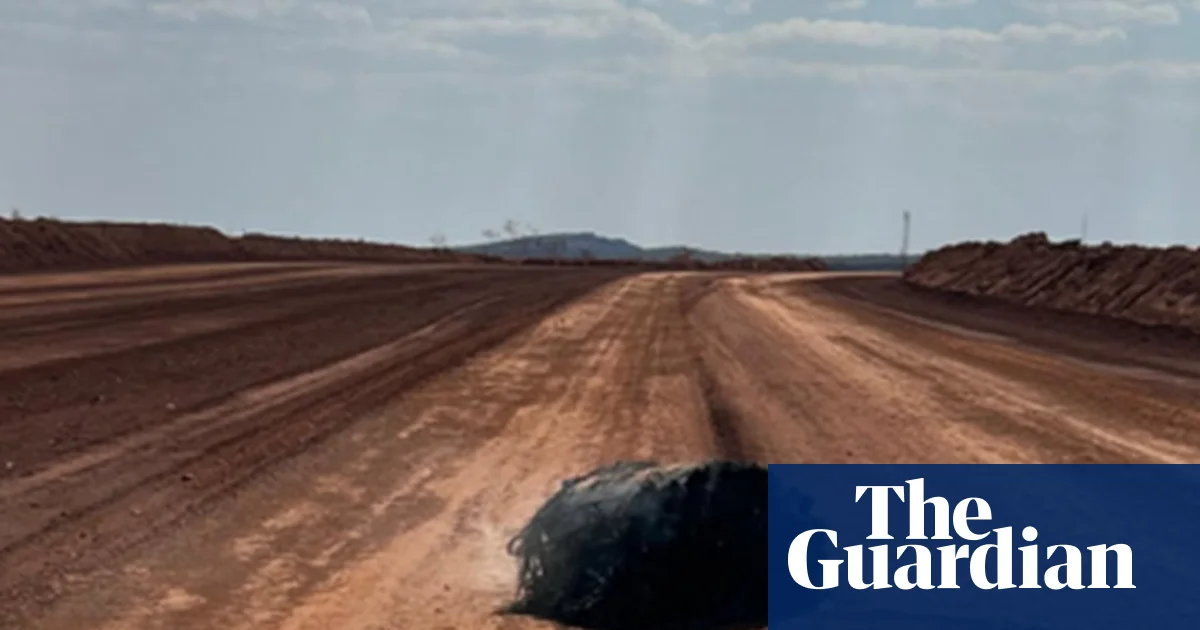
Fire on the horizon: Debris sparks concerns near WA mining hub

The mysterious discovery of suspected space debris in the remote outback of Australia has ignited international concerns about the increasing presence of “space junk” re-entering Earth’s atmosphere. As mine workers in Western Australia uncovered burning fragments near the town of Newman on Saturday, authorities swiftly responded, underlining the expanding complexity of managing space activities amidst the risk posed to global safety and sovereignty. The incident, while seemingly isolated, exemplifies the dangerous consequences of humanity’s prolific space exploration and satellite deployment, which continue to accelerate amidst a global race for technological dominance.

Initial analyses by police indicated that the debris was composed of carbon fibre, resembling aerospace components such as a composite-overwrapped pressure vessel or a rocket tank—a clear sign that this fragment originated beyond our atmosphere. The Australian Space Agency has been brought into the investigation, alongside other agencies like the WA Department of Fire and Emergency Services, reflecting a collaborative effort to determine the origin of this object. This incident falls within a broader narrative acknowledged by global space agencies and analysts: the mounting perils of space debris, which can threaten both terrestrial infrastructure and celestial navigation. As scientists warn about the increasing density of space junk, nations worldwide are grappling with how to regulate and mitigate this emerging hazard that could, if left unchecked, spark a new realm of geopolitical friction.

The re-entry of unidentified space debris isn’t just a technical issue—it’s a threatening reminder of the competitive, often reckless expansion of space capabilities. Experts fear that space debris could become a catalyst for international conflict, especially as key space powers like China, Russia, and the United States intensify their pursuits of commercial and military applications in orbit. The proliferation of satellites, especially under the banner of private sector ambitions like Starlink and other mega-constellations, complicates the efforts by global institutions to create effective space traffic management norms. Historian and space policy analyst Dr. Francesca Liu emphasizes that, “The unchecked growth of debris not only threatens future space missions but potentially destabilizes international relations, as nations may see this as a form of asymmetric warfare.”

Furthermore, the incident underscores a devastating irony—what goes up in space may very well come back down with unpredictable, potentially catastrophic consequences. The phrase “space junk” masks the seriousness of that debris. The risks associated with “re-entry” include the potential for harm to populated zones and critical infrastructures, calling for urgent international standards and treaties. Though currently the responsibility for tracking and mitigation largely falls to national agencies, there’s increasing pressure for global oversight, especially as nations race to secure strategic dominance both on Earth and in orbit. Critics argue that without robust treaties modeled after existing arms control agreements, the accumulation of space debris could turn Earth’s low orbit into a dangerous minefield, leading to what some analysts describe as an inevitable “space environment catastrophe”—a century-scale period of increasing orbital hazards.

As history witnesses humanity’s trail into the cosmos, a new chapter unfolds—one cloaked in geopolitical tension and unanticipated upheaval. The discovery in Australia serves as a stark warning of the tangible ramifications of neglecting space’s geopolitical implications. As international organizations labor to develop comprehensive frameworks, the choice remains to either tame this burgeoning threat or face the chaos that could ensue. In a world where the boundaries of sovereignty are no longer confined to terrestrial borders, the true battleground now extends beyond, into the void itself. What this incident signifies, ultimately, is that the stakes of space exploration are no longer theoretical—they are immediate, pressing, and potentially cataclysmic. The weight of history is on us, and the decisions made today will echo through time, shaping the future of humanity’s reach into the universe.

Catalonia town bans Black Cat adoptions this Halloween, citing safety concerns

Shadows of Tradition and Modern Morality: The Black Cat Ban in Terrassa

In a world increasingly attuned to the nuances of culture, animal welfare, and security, Terrassa, a historic town in Catalonia, has taken a controversial step that underscores the global tension between tradition and modern-day safety concerns. The town’s decision to temporarily ban the adoption of black cats during Halloween—set to last from October 6 to November 10—has sparked debates that reach far beyond its provincial borders. This measure, justified by local authorities as a safeguard against potential ritualistic abuse, embodies a broader societal shift where concerns for animal welfare increasingly influence policy-making amid fears of exploitation.

While Terrassa’s city council reports no local record of cruelty toward black cats, the decision aligns with a rising wave of precautionary policies motivated by incidents elsewhere—an approach reinforced by warnings from international animal rights organizations. European and Western communities have long associated black cats with superstitions rooted in witchcraft and misfortune, yet in many other cultures, such as in Japan and Egypt, these animals symbolize prosperity and good luck. The contrasting symbolism underscores how cultural perceptions can influence policy decisions that, ostensibly, aim to protect animals but also reflect societal fears and prejudices. Prominent historians and analysts suggest that such actions are frequently reactions to heightened societal anxieties, especially amid cultural shifts emphasizing safety and morality over centuries-old traditions.

Geopolitical Impact and Society’s Response to Cultural Shifts

The black cat ban in Terrassa could be viewed as emblematic of a larger global trend in which local authorities adapt policies based on perceived threats—whether they stem from cultural misunderstandings or real incidents—meanwhile influencing international standards. Such measures might appear minor, but they carry significant geopolitical implications. When a European town adopts an anti-\u201crituals\u201d stance without evidence of actual abuse, it adds to the narrative of a continent increasingly cautious—or perhaps afraid—of its own cultural rituals and symbols. Analysts warn that this could set a precedent, encouraging other jurisdictions to implement similar restrictive policies rooted in moral panic rather than factual crime rates.

Organizations like the World Animal Protection have expressed concerns about such bans, emphasizing that they often obscure deeper societal issues of superstition and misinformation. Yet, the decision’s impact on society reaches beyond animal welfare, touching on broader matters of cultural identity, immigration, and the ongoing clash between tradition and modern modernization. This is a reflection of how international communities are increasingly caught in debates where security and morality are prioritized over cultural diversity and historical significance. Political commentators argue that such measures, while temporary on the surface, could deepen divisions within Europe, particularly amid the continent’s ongoing struggle with multicultural integration and societal cohesion.

Yesterday’s Traditions, Today’s Fear: The Unfolding Tale of Cultural Evolution

As Terrassa‘s measures take hold, history will record whether this is a fleeting precaution or a sign of deeper societal transformation. The city’s decision to restrict animal adoptions during Halloween, though presented as an “extra precaution,” hints at a broader narrative echoed across borders: the ongoing effort to reconcile age-old cultural symbols with modern moral standards in an interconnected world. International organizations monitor these shifts, warning that too often, fear-driven policies obscure genuine cultural exchange and risk marginalizing traditions that have defined societies for centuries.

Indeed, as history continues to unfold, the world stands at a crossroads—where decisions on seemingly minor issues like the fate of black cats embody the profound tensions shaping the future of cultural identity, security, and morality. This is not just about animals or superstition; it is about how societies choose to navigate the complex dance between honoring the past and protecting the present, with the specter of history hovering in the background as an unyielding witness to all that is lost and gained in the march forward.

Australia’s ‘Messy’ Trend Fueling Youth Unemployment Concerns

The Fragile Equilibrium: How Economic Policies and International Shifts Reshape Global Power

As Australia projects confidence on the global stage, highlighting its resilient labor market amidst volatile economic indicators, broader geopolitical repercussions come into focus. During this week’s G20 summit in Washington, Finance Minister Jim Chalmers has been vocal about Australia’s economic growth, emphasizing the strength of its employment sector as a model for stability. Yet, beneath this veneer of resilience lies an undercurrent of uncertainty, revealing how national economic decisions impact global power dynamics and societal realities. Major international organizations, such as the IMF and World Bank, continue to monitor these shifts closely, warning that regional economic health is increasingly interlinked with geopolitical stability.

The recent uptick in Australia’s unemployment rate—rising unexpectedly to 4.5%, the highest in nearly four years—serves as a stark reminder of vulnerability despite apparent prosperity. Historians and analysts warn that such fluctuations are not merely localized technicalities but embody profound systemic vulnerabilities that can ripple across economies. The Reserve Bank of Australia (RBA) is caught between balancing inflation reduction and maintaining full employment, a dilemma common among central banks worldwide. As Shane Oliver, chief economist at AMP, notes, this “messy handover” from public to private employment sectors exposes the fragility of current economic strategies. When around 80-90% of recent employment gains came from heavily subsidized or taxpayer-funded sectors, questions arise regarding the sustainability of such growth models—an issue that reverberates across other nations with similar reliance on government-driven job creation.

Global Reflections: How Decision-Making Shapes Societies

The geopolitical impact of these economic shifts extends beyond regional borders, influencing the strategic calculations of China, the United States, and European Union. As fiscal strategies pivot in response to labor market tremors, nations find themselves recalibrating their geopolitical stance to safeguard their interests. For example, China benefits from the perception of economic resilience in nations like Australia, bolstering its influence in the Indo-Pacific region. Meanwhile, the United States faces mounting pressures from inflation and inflation control measures that could impact global markets, especially if the Federal Reserve follows suit with aggressive rate adjustments. The Eurovision of economic powerhouses is becoming increasingly intertwined with military and diplomatic posturing, underscoring the interconnectedness of trade policies and international security.

Experts warn that these economic decisions must be viewed through the lens of their long-term geopolitical implications. The article’s analysis reveals a pattern where minor policy shifts—such as a central bank’s rate cut—can have cascading consequences, influencing not just financial markets but also diplomatic alliances and regional stability. International organizations have repeatedly emphasized that economic resilience in one nation can serve as a stabilizing force or, conversely, a source of instability if mismanaged. As history has shown, the epoch-defining struggles of the 20th century—entities like the League of Nations or the early United Nations—were born in the crucible of economic upheaval, reminding the world that economic stability and peace are indivisible.

Uncertain Futures and the Weight of History

As the geopolitical ballet unfolds, the decisions made by central banks, governments, and international bodies will determine whether societies forge paths toward greater stability or slide into chaos. The signs of a “messy handover” in employment sectors, coupled with the geopolitical ramifications of economic policies, suggest that the world remains perched on a precipice—a fragile equilibrium requiring prudent leadership and foresight. Just as the global community watched the rise and fall of empires, today’s policymakers are carving their legacy amidst the shifting sands of economic and political power. This unfolding chapter in history serves as a stark warning: the interplay of economic imperatives and geopolitical ambitions will ultimately define the course of nations and societies for generations to come.

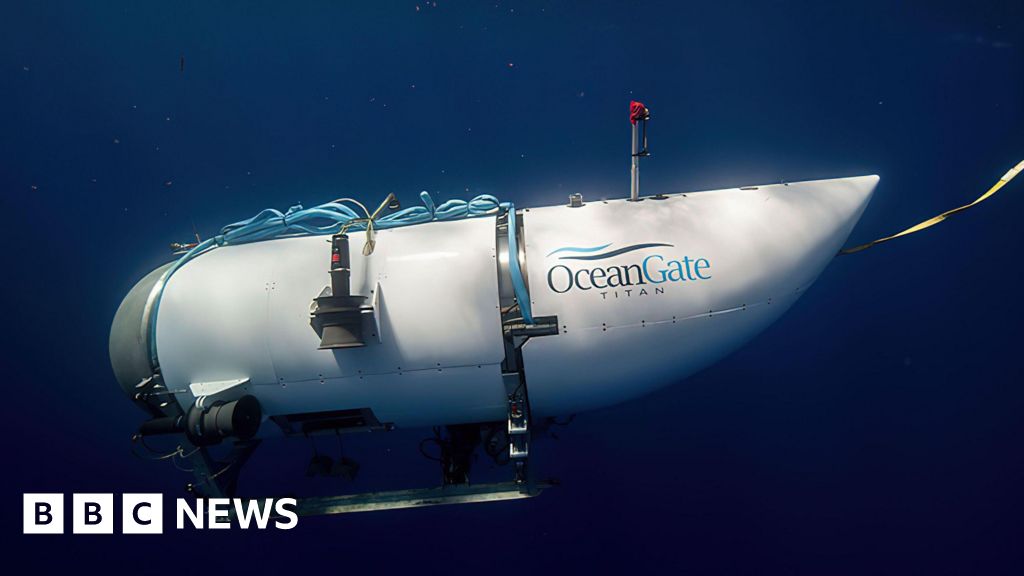
US officials confirm Titan sub’s tragic implosion due to faulty engineering—youth concerns grow

OceanGate’s Titan submersible disaster has ignited a fierce debate across international corridors about the responsibilities of private firms venturing into deep-sea exploration. The implosion of Titan in June 2023, which resulted in the tragic loss of all five onboard—including OceanGate’s chief executive—has cast a stark spotlight on **faulty engineering practices** and **lukewarm regulatory oversight**. According to a recent report by the US National Transportation Safety Board (NTSB), the tragedy was not an unforeseen act of nature but a consequence of **”inadequate” engineering processes that failed to meet established safety standards**. Such findings underscore how, in the pursuit of adventure and profit, safety deficiencies are often brushed aside, with deadly consequences.“

At the core of this catastrophe lies a **daring yet dangerously flawed vision**—one where a private firm sought to capitalize on ultra-wealthy thrill-seekers paying up to $250,000 for a seat in an experimental deep-sea vessel. It was the company’s reckless disregard for adequate testing that set the stage for disaster. The NTSB’s report elucidates how OceanGate’s testing protocols were superficial at best, leaving critical structural weaknesses unaddressed and the vessel unfit to withstand the immense pressures of the North Atlantic’s depths. This failure to ensure safety not only endangered lives but highlighted a broader systemic issue—how the lack of stringent regulation allows profit-driven entities to gamble with human lives under the guise of exploration.

The **geopolitical impact** of this incident extends beyond the oceanic depths. It raises urgent questions about the regulation of commercial deep-sea operations—a sector increasingly driven by private enterprise and ambitious billionaires’ projects. Analysts warn that such failures threaten to erode public trust and could result in international calls for tighter oversight. International organizations and regional governments are watching closely—fearful of a domino effect that might embolden similar risky endeavors across other frontier zones such as space or uncharted territories. Furthermore, the incident underscores how the decision to prioritize profits over safety can undermine the diplomatic stature of nations hosting or regulating such activities. Several experts, including maritime safety authorities and historians of exploration, emphasize that this tragedy is a stark reminder of the perils of deregulating high-stakes ventures.

In the wake of the investigation, revelations of **internal culture and alleged corruption** at OceanGate have raised alarms about the nature of private sector involvement in hazardous exploration. The NTSB’s findings reveal that some internal employees voiced concerns over **”safety being ignored”** and even criticized the *business model*, which involved **accepting paying clients as “mission specialists,”** contrary to US safety regulations that prohibit transporting passengers in experimental vessels. Disturbingly, accounts describe how OceanGate’s leadership, including Stockton Rush, allegedly dismissed these warnings, with reports suggesting attempts to manipulate oversight through corrupt political influence—an issue that many analysts argue highlights the risks of privatized exploration operating outside the bounds of strict governance.

As history unfolds, it becomes clear that the maritime tragedy involving Titan is emblematic of a broader shift in how nations and societies negotiate the boundaries of exploration and commerce. While mankind’s quest for discovery is integral to progress, it must not be unchecked. The sinking of Titan, and the subsequent revelations, serve as a grim warning **that unchecked greed and lax regulation** can turn daring ambitions into existential dangers. In the face of this deadly lesson, international institutions and governments are increasingly called upon to assert control—integrating strict safety standards with accountability—to ensure that the wave of exploration does not drown mankind in its wake. As the oceans remain veiled in mystery, the danger now is that history’s ongoing struggle with tragic hubris may repeat itself, leaving future generations to ponder whether we learned enough from the depths’ darkest secrets.

Concerns Grow Over Equity Policies Could Trigger Massive Protests Over Use of Actors’ Images in AI Content

In an era marked by rapid technological advances, the film industry and trade unions worldwide find themselves at the forefront of a growing battle over AI-generated content and the infringement of intellectual property rights. The UK-based union Equity, representing 50,000 performers, has announced plans to coordinate mass data requests to tech giants and production companies, aiming to uncover whether personal data—especially images and voices of actors—are being used without their informed consent. This move signals a significant shift in how creators and performers are asserting their rights in the digital age, amid widespread concerns about unauthorized use of personal likenesses and the moral implications of AI’s increasing dominance.

Recent cases, such as that of Briony Monroe, a Scottish actress, have underscored the tangible risks faced by performers. Monroe claims that her image and mannerisms were scraped from her body of work and incorporated into a digital character named Tilly Norwood—a fully synthetic AI actor created by Xicoia. Despite denials from the company, Monroe’s accusations reflect an unsettling trend where AI firms utilize personal data to craft digital replicas, often without explicit permission. Historians and analysts warn that this development could undermine the very essence of human creativity, as the line between authentic performance and algorithm-driven mimicry becomes increasingly blurred. The industry’s failure to establish clear protocols or transparency about data sourcing raises grave concerns about moral compromise and the erosion of performers’ rights.

The geopolitical impact of this confrontation extends beyond the UK. Major international organizations, including the World Intellectual Property Organization and the European Data Protection Board, are monitoring these disputes, which threaten to redefine frameworks of copyright law and personal privacy. Critics argue that AI companies have trained their models on content obtained from existing films and television without proper permissions, thereby disrupting global copyright norms. The tensions resonate with broader debates about sovereignty and digital control, especially as nations like the United States and China accelerate their AI development efforts. Major tech firms are accused of reckless data scraping, potentially setting a dangerous precedent where intellectual property can be exploited on a massive scale, without immediate repercussions.

Amidst this upheaval, industry leaders and international lawmakers are under pressure to create enforceable regulations that balance innovation with moral responsibility. The Deputy Chief Executive of the Pact trade body, Max Rumney, emphasizes the importance for production companies to embrace AI responsibly to avoid disadvantaging those who adhere to fair practices. However, the lack of transparency from AI tech companies regarding their data sources remains a core issue. As Geneva-based experts warn, unless regulatory frameworks adapt swiftly, the industry risks devolving into an unchecked digital wild west where creators are exploited and society’s cultural fabric is irrevocably altered. The battle over AI’s place in creative realms is, at its core, a fight for humanity’s moral and legal sovereignty—one that will shape the future of global entertainment, societal values, and the very fabric of what it means to create.

In the unfolding narrative of this digital age, history is watching as the actors, creators, and nations stake their claim. Perhaps the most profound question remains: will the emerging AI-driven content forge a new era of innovation rooted in human expression, or will it become a tool of exploitation—an echo of a once-clear boundary, now blurred into obscurity? The answer lies at the intersection of law, morality, and technological mastery, where the weight of history is silently poised to record the choices we make today—choices that will echo through generations to come.

Sikh man with brain tumour detained by U.S. immigration, raising concerns about fair treatment

In recent weeks, United States immigration policies have taken center stage, revealing a complex interplay of national security, legal authority, and human rights controversies. The case of Paramjit Singh, a long-time resident of Indiana and US green card holder since 1994, exemplifies the disturbing human consequences of this policy shift. Detained amid allegations based on decades-old criminal records, Singh’s case underscores a broader pattern of aggressive immigration enforcement under the administration of President Donald Trump. As the US government pushes for the deportation of perceived “undesirables,” critics argue that this approach sacrifices fundamental fairness, particularly targeting individuals with no active criminal record or recent infractions, and ignoring humanitarian concerns such as health crises.

Singh’s detention, which has spanned over two months, is emblematic of a wider crackdown on immigration that oscillates between rhetoric and reality. The Immigration and Customs Enforcement (ICE) has invoked old cases—most notably from 1999 and 2008—to justify his detention, although family and legal advocates argue these allegations are either outdated or mistaken. The case involves Singh’s minor conviction for using a public phone without payment, a conviction that nonetheless resulted in his being barred from obtaining citizenship. More troubling is the assertion by authorities that he faces additional charges, which his family contests, claiming no such fingering exists in the state’s criminal records. This pattern suggests a potential misuse or misinterpretation of legal documents, which, when combined with the detention’s conditions, raises serious questions about procedural justice.

International observers and legal experts warn that such policies threaten not only individual rights but also geopolitical stability, especially as the US seeks to project strength through border enforcement. The detention of Singh occurs against a backdrop of a “zero-tolerance” approach emphasized by the Trump administration, with rhetoric promising the deportation of the “worst of the worst.” However, critics highlight that many non-criminal immigrants, like Singh, find themselves caught in this aggressive net, often without proper recourse. Countries such as India and Pakistan have expressed concern over cases involving alleged wrongful detention of their nationals, positioning these incidents within broader diplomatic tensions. The deportation and detention policies are thus mirrored by a rising global scrutiny, as international organizations warn of the erosion of due process and human rights protections—fundamentals upon which international law is built.

  • The detention of Singh is set for a hearing on October 14, highlighting the ongoing legal tussle that underscores the policies’ unpredictability.
  • The US administration’s emphasis on removing individuals based on historical records, regardless of current activity or health status, signals an evolving immigration paradigm that prioritizes security over fairness.
  • International reactions, especially from India, reflect growing concern over the treatment of their nationals, emphasizing how domestic policies can ripple across borders, heightening geopolitical friction in an already tense global atmosphere.

Historians like Howard Zinn and analysts at international NGOs have long warned that policies championed as “security measures” often serve as smokescreens for deeper societal exclusion and racial profiling. The Singh case is more than an isolated incident; it is a symbol of a nation grappling with its identity amidst the shadows of its immigration laws, where the weight of history—both legal and societal—continues to shape individual fates. As Singh’s case prepares for its next court hearing, the question remains: how will the US reconcile its values of justice and compassion with its choice to pursue an increasingly hardline stance? Sometimes, history seems to turn on a dime, revealing that the true cost of such policies is paid not just in legal doctrine but in the lives of ordinary people—whose stories may only be heard when the pages of history are finally turned.”

Discord warns: ID photos of 70,000 users may be leaked—security concerns mount for young users

Discord Data Leak: A Symptom of Broader Cybersecurity Challenges

The recent cyber incident involving Discord, a social platform with over 200 million users worldwide, underscores a pressing reality faced by nations, corporations, and societies in the digital age. The platform disclosed that approximately 70,000 users had their personal information and partial credit card details leaked. Although officials confirmed that the core platform was not compromised, the breach involved a third-party vendor responsible for age verification, revealing vulnerabilities in what is often considered “the digital frontier of the 21st century.” This incident exemplifies the escalating arms race between cybercriminals and security agencies, where hackers increasingly target auxiliary systems exploiting their less robust defenses.

International analysts and cybersecurity experts widely agree that such breaches are not isolated but part of a broader pattern impacting all sectors and regions. Recent investigations suggest that cybercriminals are relentless in their pursuit of lucrative data, which can command premium prices on the black market. These illicit markets facilitate scams, identity theft, and financial fraud, threatening not only individual users but also national security. Recognized organizations, including INTERPOL and EUROPOL, warn that the proliferation of such cyber threats could destabilize digital economies and undermine public trust in international institutions. The United States and other Western nations have responded by accelerating efforts to bolster cybersecurity resilience, but adversaries continue to find new vectors of attack.

Critics of current cybersecurity measures highlight that patching vulnerabilities in third-party vendors is no longer sufficient. Instead, they call for a comprehensive overhaul of digital infrastructure, emphasizing the importance of stringent vetting and continuous monitoring. Cybersecurity analysts warn that if nations fail to address these systemic weaknesses, the risk of a sustained cyber arms race becomes inevitable, with consequences comparable to traditional conflicts. Meanwhile, some experts claim that data breaches, such as this one with Discord, are just a precursor to more large-scale attacks targeting critical infrastructure and governmental networks in the coming years.

As nations grapple with balancing technological innovation and security, the geopolitical impact of such cyber incidents is profound. Countries that lead in cybersecurity technology and strategy secure advantages in international diplomacy and economic stability, while those caught unprepared risk becoming vulnerable targets or pawns in broader geopolitical chess. Historians warn that recent lapses in digital security could leave a lasting scar on the fabric of international relations, as cyber conflicts increasingly intertwine with traditional diplomacy. With the digital battleground extending beyond borders and ideologies, the world stands at a crossroads where every data breach could be the spark igniting a new era of conflict. As the weight of this unfolding history bears down, the question remains: will global power structures adapt swiftly enough to prevent chaos, or will they be overwhelmed as the digital age’s darker side emerges from the shadows?

Canadian amusement park considers euthanizing 30 beluga whales amid growing concerns

The ongoing controversy surrounding Marineland in Ontario has spotlighted broader issues of animal welfare, international diplomacy, and the responsibilities of governments toward their natural resources and societal values. The amusement park’s dramatic decision to threaten euthanasia for 30 beluga whales underscores the serious implications of regulatory decisions and the mounting pushback from animal rights groups. Marineland, a facility plagued by years of public scrutiny, sought to transfer these marine mammals to the Chimelong Ocean Kingdom in Zhuhai, China—a proposal now outright rejected by Canadian authorities.

The Canadian government’s refusal, led by Fisheries Minister Joanne Thompson, pivots on both conservation and ethical standards. She emphasized that recent legislation, including the 2019 refinement of fisheries laws, explicitly prohibits the use of whales and dolphins for entertainment purposes—an international shift aimed at phasing out captive cetaceans in favor of freer, more humane conservation efforts. This decision symbolizes a clear stance that public entertainment should not come at the expense of animal welfare. Critics and international observers, including marine biologists and independent watchdogs, view this as a vital step toward aligning policy with global ethical standards while challenging nations and corporations to rethink their engagement with captive marine life.

However, the dispute sharpens as Marineland rightfully argues it lacks alternative funding and lawful options to care for the whales. The park’s financial decline, exacerbated by declining visitor numbers and public outrage over previous welfare issues—such as the death of 20 whales since 2019—has grappled with the harsh realities of maintaining aging marine exhibits. The park’s plea for government aid was dismissed as “inappropriate,” illustrating a broader societal debate on whether economic necessity can justify compromises in animal welfare. This crisis resonates beyond Canada, highlighting how international treaties and national legislation are increasingly aligning against practices deemed outdated or inhumane, thereby affecting not only local industries but also international perceptions of national morality and policy.

  • In December 2022, the Canadian government reaffirmed its commitment to cruelty-free legislation, strengthening protections against using marine mammals for entertainment, symbolizing a decisive breach with past practices and setting a precedent strongly opposed by industries centered on marine captivity.
  • The international community increasingly views cetacean captivity as ethically unjustifiable, bolstered by organizations like World Animal Protection and others advocating for global bans on such practices, which could influence future trade and diplomatic deals.

Historian and geopolitical analyst Dr. Emily Carter notes that this event reflects a trend where national policies regarding animal rights serve as proxies for broader geopolitical dynamics. Countries projecting soft power through progressive legislation garner international goodwill, while those resistant may face diplomatic isolation. As the United States and European Union move toward stricter regulations, nations like China and Russia might perceive the rejection of such transfers as a challenge to their influence in the realm of international ethics and soft diplomacy. This case underscores the power of national legislative choices—though seemingly domestic—having far-reaching geopolitical impact, influencing international opinion, trade relations, and global standards.

As the darkness of this crisis looms—posing the possibility that these intelligent, sentient beings may face destruction—the world is faced with a stark choice. Will nations continue to prioritize economic and entertainment interests over moral responsibility, or will they embrace a new chapter where compassion guides policy? As history writes each chapter with the ink of decisions made today, the ongoing saga of the beluga whales serves as a stark reminder: in the realm of global morality, the weight of our choices will shape the future of human civilization and its relationship with the natural world. This unresolved chapter leaves us questioning—how much longer can society justify the commodification of life, when the moral compass of nations is being recalibrated amid the winds of change?

Social Media Auto Publish Powered By : XYZScripts.com