
Matox News

Truth Over Trends, always!

Police Conclude Abducted Child Likely Killed After Lying in Outback Dust

In a troubling development that has captured international attention, a five-year-old girl was last seen on Saturday at an Aboriginal town camp near Alice Springs. The sudden disappearance has sparked urgent investigations, with local authorities calling for heightened vigilance and community cooperation. The incident not only underscores concerns over the safety of vulnerable populations within Australia but also raises broader questions about the effectiveness of regional security measures in remote Indigenous communities—a matter scrutinized by global human rights and geopolitical scholars alike.

Clashes over land rights, sovereignty, and social welfare have long persisted in Australia, with many experts pointing to a complex interplay of historic injustices and contemporary governance. Indigenous communities, especially in remote zones such as near Alice Springs, frequently find themselves marginalized, often lacking adequate access to safety infrastructure and social services. The recent disappearance highlights how these socioeconomic disparities translate into tragic vulnerabilities. Analysts from international organizations warn that unresolved issues surrounding land claims and resource distribution compound ongoing social instability,creating fertile ground for security lapses that can endanger even the youngest members of society.

Historically, Australia has grappled with its treatment of Indigenous peoples—a subject often critiqued by global human rights advocates. Yet, recent policy shifts and treaty negotiations suggest a fragile path toward reconciliation. Meanwhile, the incident near Alice Springs serves as a grim reminder that, despite diplomatic efforts, disparities remain severe, and the safety of children in marginalized communities is a pressing concern. International observers, including the United Nations and regional think tanks, emphasize the geopolitical impact of such incidents. They argue that Australia’s security reputation can be significantly affected by publicized failures to protect its most vulnerable, impacting diplomatic relations and strategic alliances, particularly as regional powers like China and India increase their influence in the Indo-Pacific.”

As search efforts intensify and communities rally around the missing girl, the incident risks becoming a symbol of ongoing, unresolved struggles. Many believe that the ultimate impact extends beyond national borders, touching on the very fabric of social justice, sovereignty, and international duty. Experts warn that if systemic failure persists, it could threaten the stability of these remote regions, leading to wider unrest and instability. The weight of history hangs heavy over Alice Springs today, as it becomes yet another chapter in the broader story of a nation’s attempt to reconcile its past with its future—a turning point that could define the Pacific region and influence global perceptions of justice and security. Will this tragedy become a catalyst for meaningful change or merely a somber footnote in the ongoing saga of Indigenous marginalization?
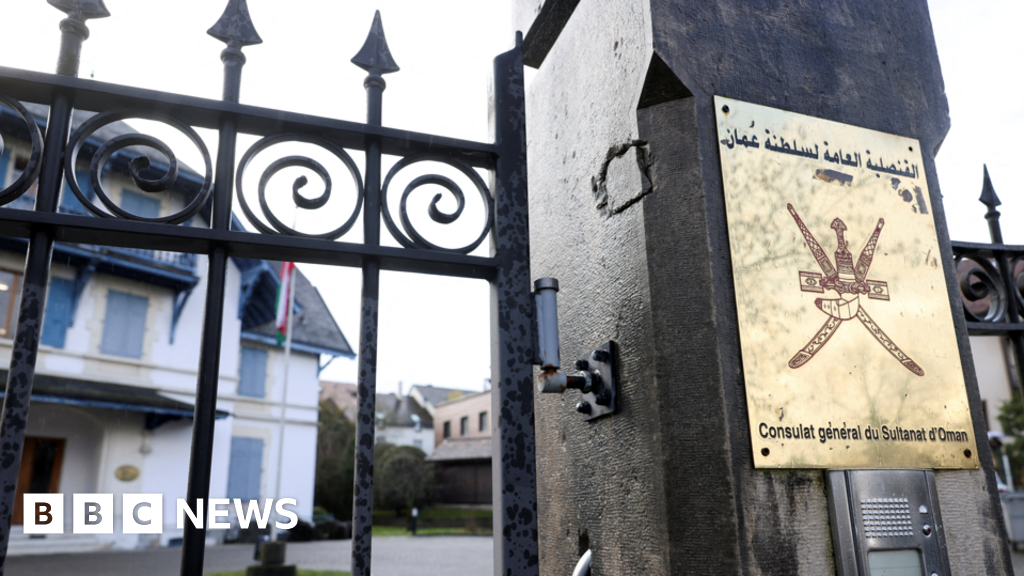

US-Iran Nuclear Talks Conclude in Geneva: What's Next?
US-Iran Nuclear Talks Conclude in Geneva: What’s Next?

The international community finds itself at a critical juncture as the United States has opted to deploy B-2 stealth bombers to address rising nuclear tensions with an unnamed adversary. In a recent, stark statement, the US president lamented the absence of a diplomatic resolution, saying, “We could have had a deal instead of sending the B-2s in to knock out their nuclear potential. And we had to send the B-2s,” indicating a perceived failure of negotiations and the daunting reality of military escalation.

This move marks a definitive shift from diplomatic engagement toward military assertion, a decision that international analysts warn could destabilize the fragile geopolitical equilibrium that has held since the last Cold War confrontations. The deployment of the advanced bombers, capable of carrying nuclear payloads and penetrating sophisticated defenses, signifies a grave escalation—a message of deterrence or perhaps, intimidation. Such actions inevitably ripple across nations, affecting alliances, global economies, and the very fabric of international diplomacy. The United Nations, along with various regional security organizations, are closely monitoring the scenario, wary of how this militarized stance could ignite a chain reaction of hostilities.

Historians and geopolitical analysts suggest that this moment could be remembered as a pivotal point—*a devastating turning point*—in the ongoing struggle for dominance between superpowers. The current crisis reflects a broader pattern where America’s strategic interests are increasingly defined by assertive military postures rather than diplomatic solutions. The shrinking space for negotiations portends a future where conflicts are resolved less by consensus and more by the overwhelming display of military power. Critics argue that the decision to escalate could backfire, emboldening adversaries to accelerate their own military programs, thus lowering the threshold for conflict and potentially igniting a regional or even global war.

As world leaders scramble to calibrate their responses, the weight of history looms heavily. China and Russia, watching intently, have issued thinly veiled warnings about the dangerous path of unilateral escalation. Meanwhile, European Union officials have reiterated calls for renewed diplomacy, cautioning that the pursuit of military dominance risks “the annihilation of diplomatic dialogue.” The North Atlantic Treaty Organization (NATO) has convened emergency discussions about the strategic implications of the B-2 deployments, emphasizing that the size and sophistication of America’s military onslaught could shift the balance of power in unpredictable ways.

In the silence that follows such tense moments, history waits—not as a distant memory, but as a living force that continues to shape the destiny of nations. The decisions made today will echo across generations, determining whether the world treads a cautious path of peace or plunges headlong into chaos. As the US presses forward, the world holds its breath, acutely aware that, in the realm of geopolitics, the line between deterrence and disaster is perilously thin. The stakes have never been higher, and the pages of history remain unwritten—yet, the shadow of conflict grows longer, demanding vigilance and resolve from all who cherish peace amid the storm.

Social Media Auto Publish Powered By : XYZScripts.com


