
Matox News

Truth Over Trends, always!

Indonesia’s Grok Ban Lifted with Conditions, Signals Tech Boost

Indonesia Lifts Ban on xAI’s Grok Amid Controversy Over Deepfake Content

The tech landscape continues to shift rapidly as Indonesia joins Malaysia and the Philippines in lifting restrictions on xAI’s groundbreaking chatbot, Grok. Previously banned across Southeast Asia for its role in generating vast amounts of nonconsensual, sexualized imagery—including images of minors—Grok represents the frontier of deepfake technology and AI content creation. A recent surge of over 1.8 million illicit images, reported by The New York Times and the Center for Countering Digital Hate, has sparked global debates over ethical AI use and regulatory oversight. However, Indonesia’s move hints at evolving regional attitudes toward managing AI-driven disruptions, emphasizing technical improvements and stricter compliance measures.

Despite the ban’s recent easing, authorities maintain a cautious stance. The Indonesian Ministry of Communication and Digital Affairs has issued a conditional lifting, with monitoring policies in place. Alexander Sabar, the ministry’s director of digital space monitoring, confirmed that the ban could be reinstated if further violations occur. This nuanced approach underscores the broader challenge confronting governments and tech giants—balancing innovation with societal responsibility. xAI has responded by limiting Grok’s features to paying subscribers, a move designed to curb misuse while maintaining market presence. CEO Elon Musk publicly defended the company’s stance, asserting that individuals exploiting Grok for illegal content will face consequences but denying awareness of any specific underage imagery produced by Grok.

The controversy surrounding Grok exemplifies the disruptive nature of AI technology in the digital age. Deepfake generation tools like Grok are transforming content creation, but they also introduce significant risks—ranging from privacy violations to potential legal fallout. Critics such as California’s Attorney General Rob Bonta have already initiated investigations, issuing cease-and-desist orders to curb illegal use. Yet, market forces and innovation continue to forge ahead, as xAI reportedly discusses mergers with SpaceX and Tesla, signaling a potential convergence of AI, space exploration, and automotive tech. This strategic move hints at transformative shifts within the industry—placing AI at the nexus of future megacorporations that could redefine the digital and physical world.

Looking forward, industry experts and influential figures, including Elon Musk and Peter Thiel, warn that the rapid progression of AI tools like Grok must be accompanied by robust regulation and ethical frameworks. Companies that pioneer disruptive technologies face not only the challenge of technological sophistication but also the imperative to prevent harm at scale. As regulatory landscapes evolve, the next wave of AI innovation will unavoidably reshape societal norms, economic models, and global power dynamics. In this high-stakes arena, those who lead with agility and responsibility will determine the fate of AI’s integration into everyday life—making the coming years a critical test of technological resilience and foresight. The urgency is clear: the future belongs to those who can navigate the fine line between disruptive innovation and ethical stewardship—catalyzing a new era of digital transformation driven by relentless progress.
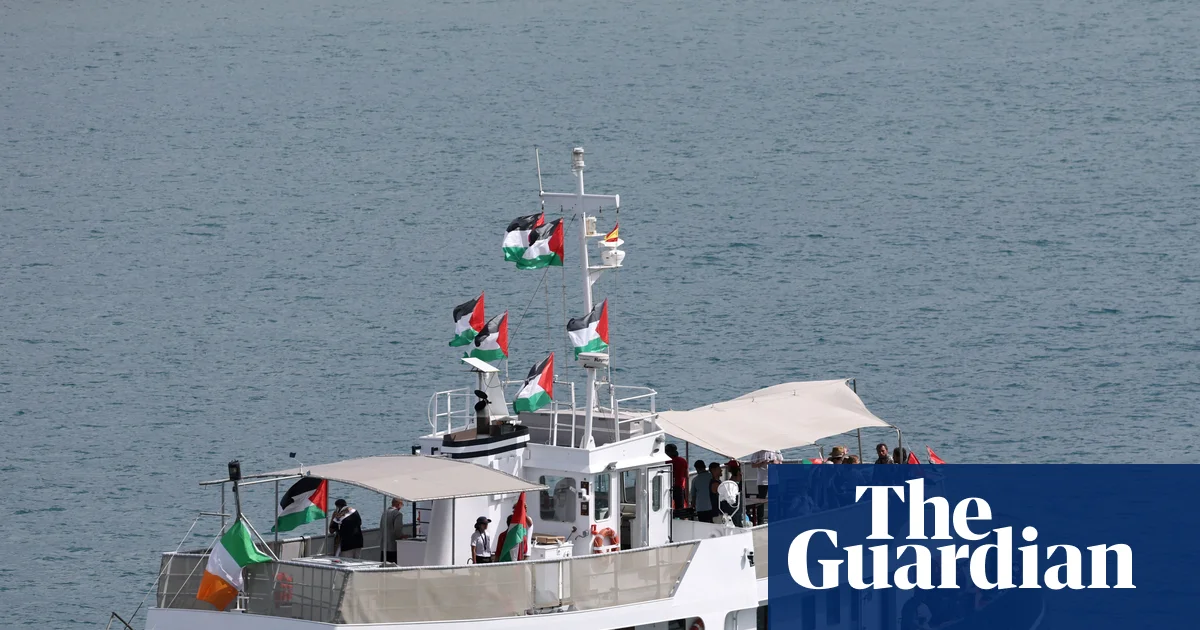
Gaza flotilla activists blast detention conditions as Israel plans deportations

In a significant escalation of geopolitical tensions, Israel recently intercepted the Global Sumud Flotilla, a coalition of over 40 vessels attempting to breach the longstanding maritime blockade of Gaza. This incident underscores the ongoing international struggle over the fate of the Palestinian enclave and the strategic approaches nations are taking to influence regional stability. The flotilla aimed to deliver humanitarian aid to Gaza, a territory submerged under a 16-year-long blockade justified by Israel and its allies as a security measure. However, critics argue that such actions perpetuate suffering and hinder prospects for peace, with Western nations divided on how to address this crisis. The interception, which occurred in international waters, resulted in the arrest of dozens of activists—among them citizens from New Zealand, Sweden, France, Greece, and Italy. These nations now grapple with diplomatic repercussions, as families and international observers question the treatment of detainees and the broader implications of Israel’s aggressive stance.

  • Israeli forces seized all vessels in international waters and detained 437 activists, including parliamentarians and legal advocates, sparking an international debate about sovereignty and humanitarian responsibilities.
  • The detentions have been accompanied by allegations of mistreatment, including inadequate access to water, medical care, and legal counsel, raising serious concerns about human rights abuses amid an already tense regional context.
  • Notably, environmental activist Greta Thunberg was among those detained, and reports indicate she faced harsh conditions—including being held in a cell infested with bedbugs and denied basic necessities. Her case, along with others, has ignited a wave of protests and diplomatic protests worldwide.

The international community, including human rights organizations and historians, has sharply criticized Israel’s actions. Many analysts interpret the interception as a significant marker of how the Gaza conflict continues to be a flashpoint for global polarization. Israel’s foreign ministry has dismissed allegations of mistreatment, asserting that “all detainees’ legal rights were fully upheld,” despite reports from Adalah, an Israeli legal center, of abuses and physical violence. Meanwhile, governments of affected nations have issued calls for the safe release of their citizens, with New Zealand’s government publicly expressing concern over the wellbeing of their nationals, who reportedly remain in detention without proper access to water or legal expertise. The political rhetoric is heating up, as opposition voices from countries like New Zealand demand decisive action and greater accountability from their governments, who are caught between diplomatic pragmatism and moral responsibility.

Beyond the immediate human rights concerns, this incident holds profound geopolitical impact. It reveals how regional conflicts are multilateral crises, involving a web of alliances, strategic interests, and ideological divides. The interception exemplifies the precarious balance of power, with Israel asserting its security measures amid international pressure. At the same time, the incident underscores the global stakes—where activism, sovereignty, and humanitarian aid collide in a theatre of geopolitical chess. Some analysts warn that such unilateral actions threaten to deepen divisions, potentially fueling further instability and resistance in the region. As historians and international observers watch closely, the question remains: how much longer can the world ignore the toll of impasse and the echoes of history, still being written, on the shores of Gaza?

In these turbulent waters of diplomacy and conflict, the true weight of history presses down with undeniable force. The fate of those detained, and the international response to such challenges, will shape the narrative of an era defined by ideological clashes and human resilience. As silent witnesses to history, we are left to ponder: will this be a turning point that sparks meaningful change, or merely another chapter in a cycle of unresolved conflict? The answer, elusive as ever, remains embedded in the unfolding story of a world struggling to reconcile security with justice, power with morality, and the present with the enduring legacy of history’s most profound struggles.

Social Media Auto Publish Powered By : XYZScripts.com



