Matox News

Truth Over Trends, always!

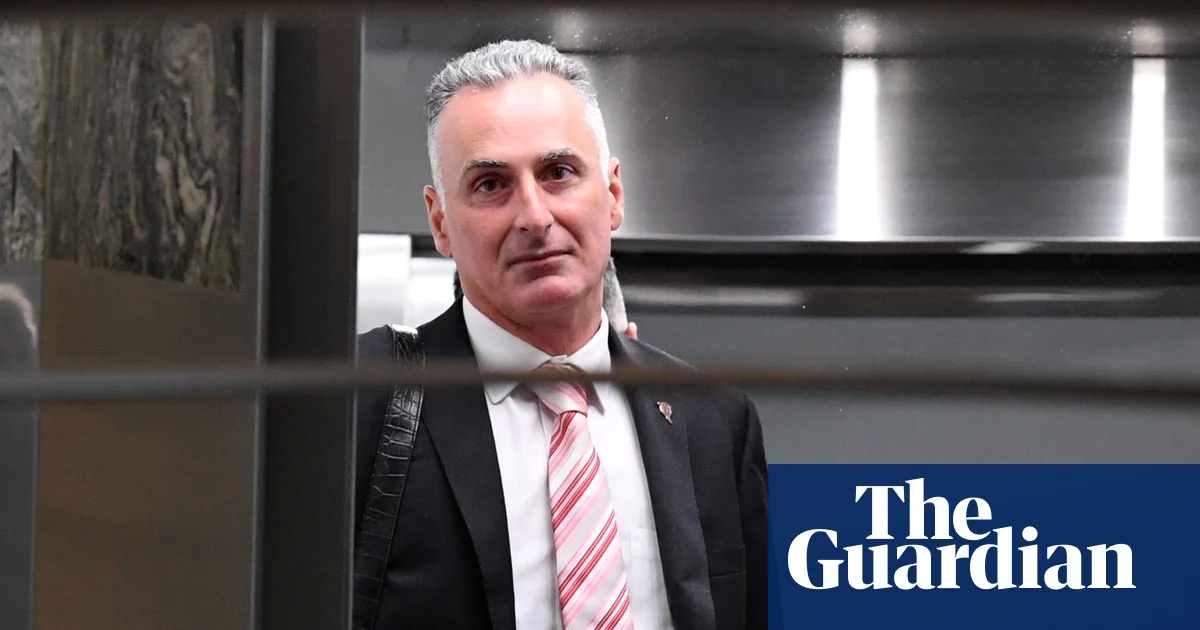
Former NSW MP, touted as ‘esteemed’ Liberal, faces ICAC’s ‘serious corrupt conduct’ findings at campaign event

The recent sighting of John Sidoti, a former New South Wales minister found by the Independent Commission Against Corruption (ICAC) to have engaged in serious corrupt conduct, at a Liberal party fundraiser has reignited questions about ethics, accountability, and the state of governance in Australia. Despite ICAC’s damning 2022 report, which detailed Sidoti’s involvement in using his parliamentary role to benefit family property interests, his appearance at a prominent political event signals a disturbing pattern: the blurred lines between political loyalty and accountability in the so-called fight against corruption. Analysts warn that such actions, especially when highlighted within a political context, threaten the very integrity of democratic institutions and the rule of law.

Held under the leadership of Kellie Sloane, the NSW opposition leader, the event attracted a broad spectrum of party figures, including deputy leader Natalie Ward, shadow ministers, and even federal senator Jessica Collins. Yet, the presence of Sidoti—a politician explicitly censured for wielding influence to enrich his family’s interests—raises profound questions about how political parties and their supporters handle allegations and the standards of conduct expected within democratic societies. The event was hosted without prior knowledge of Sidoti’s attendance, according to party spokespersons, highlighting a compartmentalized approach to accountability that many critics argue undermines public trust. This incident underscores the ongoing struggle of political parties to reconcile internal loyalty with the broader mandate of justice and transparency.

Meanwhile, ICAC and other international watchdogs remain under scrutiny as they attempt to expand their powers in a landscape often resistant to meaningful reform. Past efforts by leaders such as Gladys Berejiklian, who lost her position after her own corruption findings, suggest that accountability often comes at a high political cost. Former premier Barry O’Farrell explicitly criticized legislation aimed at granting ICAC permanent investigative powers, arguing that such measures threaten civil liberties. The debate over the boundaries of legal authority and investigative power reflects a wider geopolitical tension: How do nations strike the right balance between rooting out corruption and safeguarding individual rights?

International organizations and scholars have frequently warned that corruption in political systems can destabilize societies and undermine efforts toward economic development. As historical patterns demonstrate, failure to address these issues often leads to disillusionment among citizens, increased political apathy, and, in worst-case scenarios, social unrest. The Australian incident echoes this global dilemma—domestic political figures who flaunt or ignore the rules threaten the integrity of nations, and by extension, influence geopolitical stability. The unfolding drama in Sydney serves as a stark reminder that the battle for transparency is not just a domestic concern, but a bigger struggle shaping the future order of nations.

As history continues to be written, the question remains: Will this moment mark a turning point—pushing reforms that strengthen democratic institutions and restore integrity—or will it be yet another chapter in a persistent saga of political corrosion where power remains untouchable and justice elusive? The weight of this unfolding story surpasses the shores of Australia and resonates across borders, echoing the timeless struggle between authority and accountability that will determine the course of nations for generations to come.
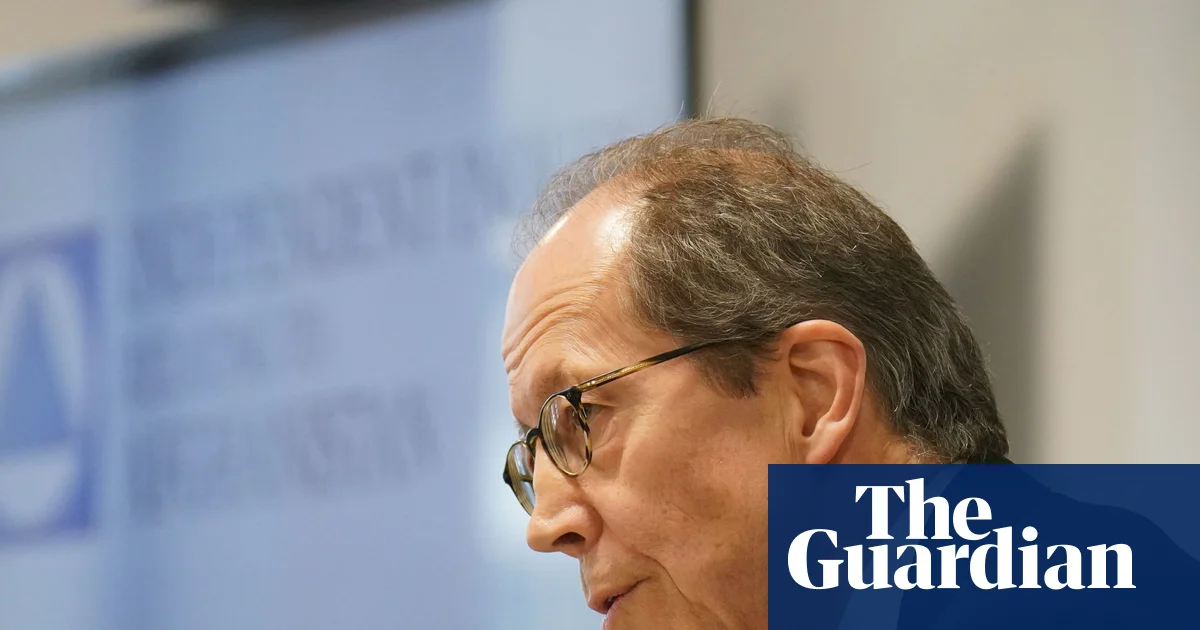

Special Forces Boss Hid Worries Over SAS Conduct in Afghanistan, Inquiry Reveals

UK Special Forces Under Scrutiny: Allegations of Unlawful Killings in Afghanistan Shake International Trust

In a developing chapter of military accountability and international law, the ongoing inquiry into alleged war crimes committed by UK special forces in Afghanistan has unveiled disturbing evidence of a possible cover-up and systemic misconduct. Led by Lord Justice Haddon-Cave, the investigation has revealed chilling allegations that extrajudicial killings may have been sanctioned or overlooked by senior military figures, raising profound questions about Britain’s military ethics and adherence to international law. The revelations jeopardize not only the United Kingdom’s military reputation but also threaten to undermine the broader legitimacy of Western interventions in conflict zones.

At the heart of the scandal lies a whistleblower, known only by the codename N1466, who has accused high-ranking officials of ignoring clear warning signs of war crimes dating back to 2011. According to transcripts and testimony, N1466 detailed how concerns about unlawful shootings—resentfully dismissed by the chain of command—were met with an intent to conceal rather than rectify. Of particular gravity are accusations that special forces units carried out **shootings of children and unarmed civilians**, including a tragic incident where two toddlers, Imran and Bilal, were shot in their beds in 2012, with their parents killed during the raid. These reports not only evoke horror but also threaten to further destabilize public trust in the British military’s role abroad.

International analysts, including war crimes experts and human rights advocates, have expressed concern that such misconduct, if proven, could set a dangerous precedent. How nations handle allegations of misconduct in wartime impacts their standing on the global stage: failure to address, investigate, or prosecute these crimes may invite international sanctions or diminish the moral authority of Western allies. The UN’s Office of the High Commissioner for Human Rights and other global bodies have historically condemned extrajudicial killings, emphasizing the importance of accountability, especially when detainees are executed or evidence suggests weapons are planted on victims.

Revealed Patterns of Cover-Up and Systemic Issues

  • Allegations that military authorities ordered reviews of tactics to obscure evidence of unlawful killings, reflecting a potential **institutional effort to avoid accountability**.
  • Inconsistent official responses, with the Ministry of Defence claiming commitment to transparency while waiting for the outcomes of a probe that reveals troubling systemic issues.
  • Evidence suggesting a disproportionate ratio of killings to recovered weapons in raids, with repeated reports of detainees being shot after being taken along in operations. Such patterns raise questions about adherence to the Geneva Conventions and international humanitarian law.

This scandal echoes a broader debate about the limits of military power and the cultural forces within special forces units that may prioritize secrecy and success over legality and human rights. Historians and security analysts warn that if these allegations are true, it could irreparably damage the UK’s international reputation, casting a shadow over previous military achievements and calling into question the moral integrity of the forces involved. As one veteran remarked, “We didn’t join UKSF for this—children shot in their beds or random killings. It’s not what being ‘special’ or ‘elite’ should stand for.”

The Road Forward: Justice or Denial?

As the inquiry continues, the weight of potential justice hangs heavily in the balance. The international community watches cautiously, aware that how Britain addresses these allegations may influence future standards of conduct for all military forces involved in complex conflicts. The outcome may determine whether the legacy of the UK’s special forces is one of heroism or shame, shaping global perceptions of Western military intervention for generations to come. In the shadows of history, it is the decisions made today—whether to confront or conceal—the ones that will ultimately define the moral framework of a nation torn between security and justice.

Social Media Auto Publish Powered By : XYZScripts.com


