Matox News

Truth Over Trends, always!

Louisiana Shooting Claims Lives of Eight Kids, Authorities Confirm

In a haunting reminder of the ongoing crisis plaguing many nations, a devastating incident unfolded in Shreveport, Louisiana, where a shooting claimed the lives of children aged from just one to 14 years old. Police officials have described this atrocity as stemming from a “domestic disturbance”, yet the nature of such violence raises profound questions about the effectiveness of current gun control measures and societal safeguards within the United States, a nation often criticized by international observers for its high rates of firearm-related fatalities.

Across the globe, gun violence remains a contentious issue that reflects broader societal and legal divides. In the United States, this tragedy underscores how deeply embedded firearms are within the social fabric—amplified by lax regulation compared to many other developed nations. International agencies, including the World Health Organization, highlight that the U.S. accounts for a disproportionately high number of firearm deaths among wealthy nations. Historically, debates surrounding Second Amendment rights have polarized American society, often at the expense of common-sense gun legislation that could prevent such tragedies. Critics argue that without decisive political action, these violent episodes will continue to haunt communities, leaving innocent lives shattered like fragile glass.

From a geopolitical impact perspective, incidents like these fuel ongoing debates about the societal priorities of the U.S., but they also resonate globally. Countries observing the U.S. often ponder the paradox—how a nation purporting to uphold freedom and individual rights often sees such catastrophic consequences. International analysts warn that ignoring the root causes of gun violence, such as social inequality and mental health issues, contributes not only to domestic instability but also diminishes the global image of the United States as a beacon of progress and stability. Furthermore, some experts suggest that the emphasis on firearms as a constitutional right hampers collaborative international efforts to curb arms proliferation, which can indirectly affect regional stability and security.

As this tragedy reverberates across the nation, calls for reforms intensify, fueled by a rising tide of youth activism and advocacy.

  • Increased demands for universal background checks
  • Restrictions on high-capacity magazines
  • Enhanced mental health support systems

These measures are often met with fierce opposition from pro-gun lobbying groups, who invoke constitutional rights. Historians and political analysts warn that failure to address the root causes of such violence could lead the United States into a protracted cycle of recurring loss and unrest, further complicating its leadership role on the world stage.

Ultimately, whether gripping tragedy becomes a catalyst for meaningful change or is subsumed under political inertia remains to be seen. With the world watching, history continues to unfold—each new incident adding weight to the collective conscience, forcing nations to confront uncomfortable truths about societal priorities and the enduring cost of policy neglect. As survivors grieve and communities rebuild, the question persists: Will this be a turning point—an unignorable call to action—or an echo fading into the corridors of political inaction? The weight of history lingers, awaiting its verdict.

Washington Officials Confirm 21 Dead Canines Were Foxes, Settling Local Mystery

In a case that has captivated and unsettled local communities along the shores of Washington, authorities have finally unraveled the mystery behind nearly two dozen carcasses of canines washed ashore on Guemes Island. After extensive investigations, the Skagit County Sheriff’s Office confirmed that these animals, believed to be foxes—legally purchased and used as bait—had their unfortunate demise linked to routine fishing practices. This revelation underscores not only the complexities of local wildlife management but also highlights the broader debate over maritime resource exploitation and environmental oversight.

Reports indicated that the carcasses appeared deteriorated, some missing fur and paws, which initially led to confusion over the species involved. Authorities suggested that a mechanical malfunction on a cargo vessel resulted in the release of these bait animals into the water—a scenario consistent with the transportation of lawful supplies. The law enforcement emphasized that the responsible party was cooperative and that no charges are anticipated at this stage, framing the incident as a tragic but lawful consequence of fishing operations. But beneath these facts lies a broader geopolitical impact: the ongoing tension between environmental preservation and the economic interests of fishing industries, often driven by lax regulations or enforcement gaps.

International perspectives abound on this issue, with analysts noting that the use of live bait like foxes and other small mammals is common in many maritime nations, yet it raises questions about how international standards regulate wildlife use in commercial harvesting. Environmentalists and international organizations, including the United Nations Food and Agriculture Organization, have repeatedly called for stricter controls over fishing bait practices, warning that such procedures can inadvertently harm local ecosystems and foster a climate of recklessness. Historians remind us that similar incidents—though less targeted at canines—have historically signaled shifts in maritime law enforcement, often following ecological disasters or lapses in oversight that threaten the fabric of global seafood sustainability.

As residents and local authorities attempt to dismiss sensational rumors about wolves, witches, or supernatural interference, the reality remains that these events reflect a larger international struggle over resource use, environmental protection, and societal values. The strategic importance of U.S. coastal waters in global fisheries inevitably attracts regulatory attention, with international organizations warning of the potential for unchecked exploitation turning into ecological crises. The incident on Guemes Island is a stark reminder that every decision in harbor and water management has reverberations far beyond local shores—carrying the weight of history and the future of sustainable resource stewardship. As the investigation concludes, the narrative of human interaction with nature continues to unfold—each chapter shaping the legacy we leave for generations to come, with the fate of ecosystems balanced precariously on the edge of policy and practice.

Estonia and Latvia confirm areas struck by errant Ukrainian drones, raising regional concerns

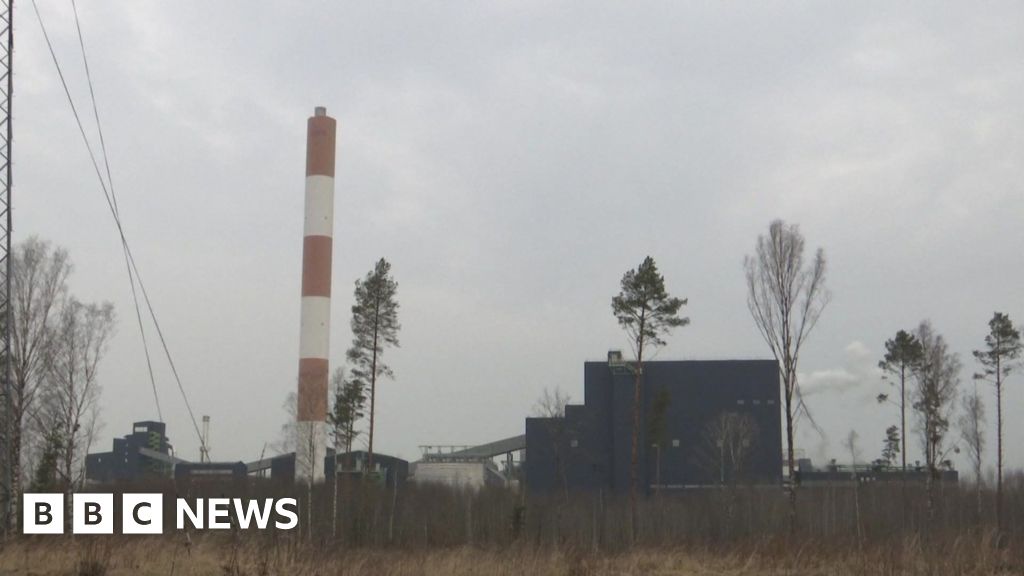
In a night marked by intensified hostilities, Ukraine launched a significant offensive against Russia‘s strategic port of Ust-Luga, located near the Estonian border. This daring attack underscores the ongoing volatility in Eastern Europe, where geopolitical stability remains precarious amidst a series of confrontations and strategic shifts. The incident, occurring simultaneously with other major events, signals a dramatic escalation that has not gone unnoticed by international stakeholders.

Analysts suggest that Ukraine’s tactical move against Ust-Luga is a calculated effort to weaken Russia’s logistical capabilities, aiming to disrupt its supply chains and exert pressure on Moscow. As noted by strategic experts at The International Crisis Group, this offensive could be a response to recent Russian military operations and political rhetoric that continues to push the region toward larger conflict. This act, combined with Russia’s own military posture, raises serious questions about the future security landscape. Meanwhile, the enduring presence of NATO forces and the backing of Western countries continue to shape the environment, with some viewing these events as part of a broader effort to deter Russian expansionism.

The geopolitical impact of these developments extends far beyond immediate military considerations. The attack on Ust-Luga not only threatens Russian economic interests but also signals a shift in Ukraine’s strategic stance, demonstrating an increased willingness to strike directly at Russian logistical hubs. For historians and analysts alike, such actions are seen as turning points—potential catalysts for a broader, more entrenched conflict. International organizations, such as the United Nations, remain watchful, yet their calls for restraint have so far failed to prevent a slide into open hostilities.

Undoubtedly, these confrontations are reshaping regional alliances and testing the resilience of diplomatic channels. Russia, faced with an unpredictable Ukrainian adversary and Western backing, finds itself increasingly isolated yet determined to defend its borders and strategic interests. Meanwhile, Ukraine continues to garner international support, framed by Western leaders as a bulwark of sovereignty against expansionist aggression. As these hostilities unfold, the stakes go beyond immediate territorial disputes — they threaten to ignite broader conflicts that could shape the future of European stability. As history watches this turbulent chapter, the world is left to ponder whether these incidents mark the beginning of a new Cold War era or a tragic escalation into a much darker future.

Australians Will Need to Confirm They're Over 18 to Access Porn Under New Laws
Australians Will Need to Confirm They’re Over 18 to Access Porn Under New Laws

In a decisive move that underscores the ongoing battle against digital exploitation and underage access, sites such as Pornhub and RedTube are now mandated to verify the ages of all users or face ramifications reaching into the millions of dollars in fines. This legislative shift marks a critical juncture in the international effort to regulate online content, reflecting both societal concern and the increasing influence of governmental authority over digital spaces. The move signifies a broader attempt to balance freedom of expression with the urgent need to protect vulnerable populations, especially minors, from exploitation and harmful content.

From a geopolitical perspective, these laws demonstrate the rising power of national governments to impose strict standards on global internet giants. Countries involved in this regulatory push argue that age verification is essential to uphold societal morals and prevent criminal activities. International organizations, including the United Nations, continue to emphasize the importance of safeguarding human rights online, but critics argue that such measures could infringe on privacy and free speech. The decision of individual nations to enforce these regulations effectively puts multinational corporations in a difficult position: comply with foreign laws or face catastrophic financial penalties that threaten their global operations. Data security experts warn that while the intent is protective, the implementation must be meticulously managed to avoid exposing user data—an aspect that raises concerns about privacy violations amid stringent compliance demands.

Historians and analysts have interpreted the recent crackdown as part of a larger trend of increased government intervention in the digital realm, a phenomenon that shapes the future of online freedoms. According to Dr. Jane Harper, a well-known cyber-law expert, “This is not just about protecting children but about asserting national sovereignty over the digital economy.” Countries pursuing such legislation are signaling a new era in international relations, one positionally marked by a debate over regulatory sovereignty versus corporate autonomy. As global content providers scramble to adapt, many anticipate that these laws will set precursors for future legislation worldwide, effectively forging a new ‘guardrail’ for internet governance.

  • The laws enforce the verification of user ages, requiring real-time identity checks before access is granted.
  • Fines for non-compliance can reach into the millions of dollars, endangering the viability of platforms that fail to meet standards.
  • There is an increased call for transparency and data security within online content industries.
  • These regulations challenge the balance between free access and safeguarding vulnerable populations, sparking international debate.

As this dramatic shift unfolds across national borders, the global community faces a pivotal question: Will such policies uphold the moral fabric of society without compromising fundamental rights? The decision by governments to assert control over what was once an unregulated digital frontier resonates deeply within the corridors of power. With each new law, history is writing itself into the narrative of how nations reckon with the rapid evolution of technology and its impact on society. In this ongoing saga of sovereignty versus digital freedom, the outcome remains uncertain—yet undeniably, it is a chapter that could forever alter the landscape of internet regulation and societal values, leaving a profound imprint on the course of history.”

U.S. Citizen Among Victims in Cuba Boat Shooting, Officials Confirm

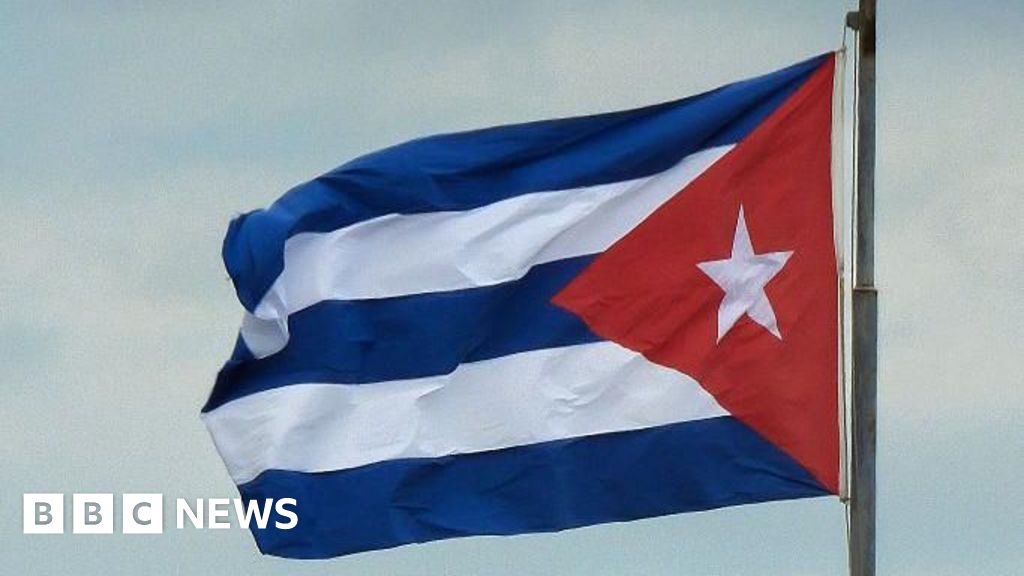
In a development that threatens to further destabilize the Caribbean region, Cuba has formally accused unidentified individuals onboard a vessel of initiating an infiltration with terrorist aims and firing first during a recent confrontation. The incident, which has quickly drawn international attention, underscores the fragile security landscape in the Gulf of Mexico and the Caribbean, where geopolitical tensions remain notably high.

While details remain contested and investigations are ongoing, the Cuban government’s statements point to a deliberate attempt to justify its response and to frame the event as a threat to national sovereignty. According to official sources, the involved vessel was suspected of engaging in illegal activities aimed at destabilizing the country. The claim that the ship “fired first” attempts to shift the narrative toward a defensive posture, but critics argue that the incident signals a broader pattern of covert meddling in the region by external actors seeking influence and disruption. Historian Dr. Maria Lopez, specializing in Latin American security issues, notes that such incidents often serve as flashpoints that escalate regional tensions and complicate diplomatic relations.

This confrontation arrives amid escalating concerns over the shift in regional influence spheres. The United States, which has historically maintained considerable military and diplomatic presence in the Caribbean, remains cautious about any signs of increased external interference, especially from rival powers like Russia and China. International organizations such as the United Nations have urged restraint, calling for transparent investigations and adherence to international law. Analysts warn that the incident, if unresolved, might trigger a dangerous cycle of escalation, potentially pushing the region closer to open conflict. The Strategic Studies Institute warns that uncontrolled confrontations in such geopolitically sensitive zones could threaten the stability of both regional and global security architectures.

Locally, the implications are profound; Cuba’s government asserts that such provocations could threaten its sovereignty and stability, while opponents accuse the regime of overreacting and using the incident to consolidate power domestically. As the international community watches closely, the unfolding events underscore the delicate balance of power in the Caribbean, an area marred by historical struggles, economic challenges, and Cold War legacies. Considered a pivotal point, many analysts view the incident as a potential catalyst—possibly turning the tide of regional alliances and intensifying existing rivalries. How the involved nations respond in the coming days may determine whether this incident remains an isolated flare or ignites a broader conflict that reshapes the geopolitical map.

As history continues to write itself, the weight of this moment is undeniable. In the shadow of modern Cold War animosities and regional struggles for influence, the Caribbean stands once again at a crossroads—where every decision may lead toward lasting peace or irreversible conflict. The pages of tomorrow’s history books are being written now, with the echoes of gunfire and diplomacy shaping the future of nations and peoples alike.

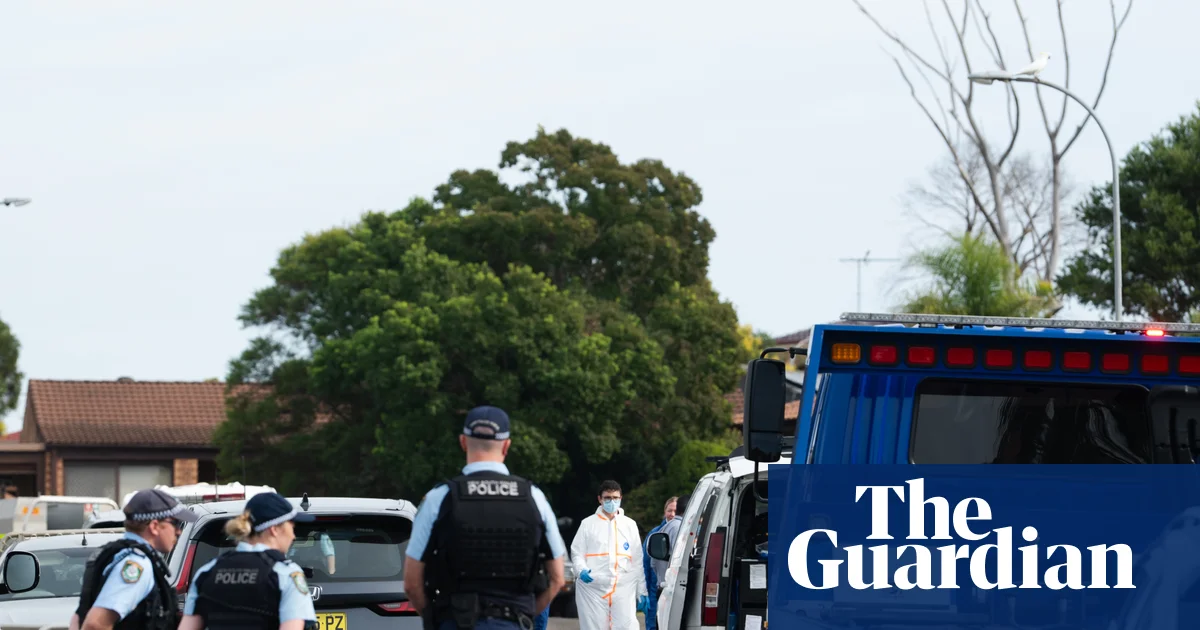
Human remains unearthed in hunt for kidnapped Sydney teen, police confirm

The recent developments in Australia have captured international attention, not just for the tragic human loss but for what it signifies amidst a landscape of geopolitical uncertainty. The case involves the shocking discovery of presumed human remains on the outskirts of Sydney, linked to the senseless kidnapping and probable homicide of an 85-year-old man, Chris Baghsarian. What initially appeared as a local criminal act has now morphed into a reflection of broader societal chaos, with security and law enforcement agencies across the globe watching closely.

This incident underscores the importance of strong national security policies in an era marked by unstable regional dynamics. The mistaken kidnapping, involving elements of organized crime connected to a Sydney crime family, raises questions about the fragility of law and order within developed nations. International analysts argue that localized acts of violence, if left unchecked, can serve as catalysts for broader social destabilization. The incident’s connection to a family linked to organized crime further highlights how societal fractures in even the most stable democracies can be exploited by criminal syndicates.

From a geopolitical perspective, this domestic turmoil occurs against a backdrop of shifting global alliances and regional tensions. The United States and China are engaged in a battle for influence, with regional stability in Asia-Pacific a key battleground. Such events in Australia could be exploited by adversaries seeking to undermine the perceived stability of allied nations. Experts warn that chaos within a vital ally like Australia might weaken its capacity to act as a counterbalance to China’s strategic ambitions in the Indo-Pacific, thereby affecting regional and global security.

Historic commentators and international watchdogs emphasize the importance of swift, decisive action to contain such threats, warning that domestic instability can serve as a pretext for foreign intervention or influence. The Global Crime and Security Forum recently issued a statement urging nations to bolster internal security frameworks, citing incidents like this as warning signs of potential vulnerabilities. As Sydney navigates through the fallout, the incident becomes a stark reminder that societal resilience hinges on the strength of institutions and a unified social fabric. The unfolding crisis in this island continent is a reflection of how interconnected our world truly is; a rupture in one society can ripple across borders, altering the course of history. As history continues to be written in these troubled times, the question remains: will nations rise to the challenge of defending not just their borders but the very social bonds that hold civilization together? Or will internal discord accelerate into a new chapter of international chaos, with all eyes turned toward Sydney’s darkening horizon?

ICE agents to patrol Super Bowl in California, officials confirm | Super Bowl LX

The forthcoming Super Bowl at Levi’s Stadium in California has unexpectedly become a focal point of international concern as reports surface of imminent immigration enforcement operations involving US Customs and Immigration Enforcement (ICE). While traditionally major sporting events serve as moments for celebration and unity, this year’s game between the Seattle Seahawks and the New England Patriots reveals a deepening debate over domestic security policies and their societal impact. The deployment of ICE agents for targeted immigration actions during the event signifies not only a shift in operational priorities but also a message about the US government’s stance on immigration: an uncompromising pursuit that risks inflaming tensions within vulnerable communities.

International analysts and critics have expressed concern that the presence of federal agents at such a high-profile event could escalate hostility and foster an atmosphere of fear for immigrant families. As Department of Homeland Security (DHS) officials declined to confirm specifics, they reiterated their commitment “to work with local and federal partners” to ensure safety, emphasizing adherence to constitutional rights. Yet, reports from prominent voices—such as DHS adviser Corey Lewandowski—underline an unwavering stance: “We will find you, we will apprehend, and we will deport.” Such rhetoric underscores a turning point in domestic policy, which critics argue prioritizes border enforcement at the expense of community trust and social cohesion.

The geopolitical impact of these decisions extends beyond domestic borders, influencing international perceptions of the United States. Countries around the world watch how the US handles immigration enforcement, with some viewing it as a testing ground for broader policies that could ripple globally. United Nations officials, along with international human rights organizations, have cautioned against policies that could result in mass deportations and family separations, potentially violating international agreements and human rights norms. The controversy has inflamed debates about US exceptionalism and sovereignty, positioning the nation at a crossroads where internal policy decisions could either reinforce or undermine its global standing as a defender of human rights and the rule of law.

Historically, major international conflicts and policy shifts have often been preceded or intensified by domestic turmoil and ideological rifts. Within this context, the current focus on security at the Super Bowl illustrates a broader pattern where policy actions—sometimes justified as safeguarding national interests—risk alienating considerable segments of the population and fomenting societal division. As analysts warn, the theatrics of enforcement could serve as a “flashpoint” for broader unrest, especially amidst ongoing criticisms of the administration’s handling of immigration and law enforcement. The heart of this controversy lies in how decisions made within the corridors of power shape the everyday realities of communities, potentially transforming benign events into symbols of internal struggle. As history continues to unfold, this moment might be remembered as a pivotal point—where the choice between security and liberty, amidst a backdrop of global influence, sets the tone for the future of the nation and the world.

Person of interest detained in Brown University shooting, officials confirm

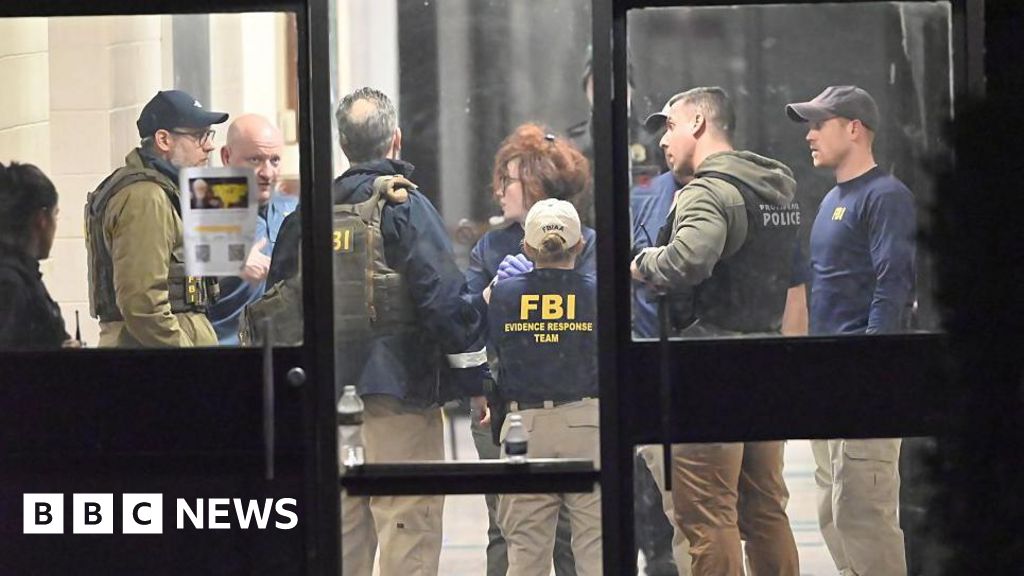
The recent shooting at Brown University in Providence, Rhode Island, has once again cast a dark shadow over the ongoing debate about gun control and safety in the United States. Reportedly, a gunman opened fire within a classroom on Saturday afternoon, leaving two students dead and nine others injured. The incident, which unfolded at the Holley engineering building, shocked a nation already accustomed to tragic acts of violence, but it also raised urgent questions about internal security and mental health policy that many analysts argue are being neglected by policymakers.

The response from local authorities and university officials has been swift. Police detained a suspect shortly after the attack, with Police Chief Oscar Perez confirming that no additional individuals are being sought and that evidence collection is ongoing. While CCTV footage captured a male suspect dressed in black walking away from the scene, officials indicated that the firearm was not recovered immediately, complicating efforts to understand the motives behind the attack. This event underscores a troubling pattern within the U.S., where mass shootings are becoming disturbingly routine. According to experts like Harvard Law Professor Laurence Tribe, the persistence of such violence threatens to undermine the foundations of society—not just in the U.S., but as a cautionary tale to the world.

Internationally, the United Nations and various human rights organizations have lamented the apparent intractability of America’s gun epidemic, often framing it as a product of a “culture of violence” that is amplified by lax regulations. Yet domestic critics argue that the true cause is rooted in a complex mixture of societal decay, partisan politics, and the influential gun lobby, which continues to stymie meaningful reform. How nations like Japan and Australia implemented strict gun laws in the past decade, sharply reducing firearm-related incidents, provides a stark contrast to America’s ongoing struggles. Such differences reveal the geopolitical divide: nations willing to prioritize societal security versus those hamstrung by political inertia and powerful interest groups.

Beyond the immediate tragedy, the incident at Brown University serves as a harbinger of future challenges for U.S. society and global stability. While the authorities work to piece together the motives and evidence, many warn that unless there is a fundamental shift in approach—addressing mental health, gun regulation, and security—similar incidents will continue to scar communities and deepen divisions. Historians and analysts are already warning that this event will be remembered as a pivotal moment: either as the breaking point that prompts reform or as another chapter in the ongoing saga of American violence. As the city of Providence begins its long road to recovery, the question remains: how many more lives must be shattered before significant change is wrought?

Nine Dead in Mishap at Kashmir Police Station—Authorities Confirm

Tragedy at Nowgam Police Station Sparks Broader Concerns in Indian-Administered Kashmir

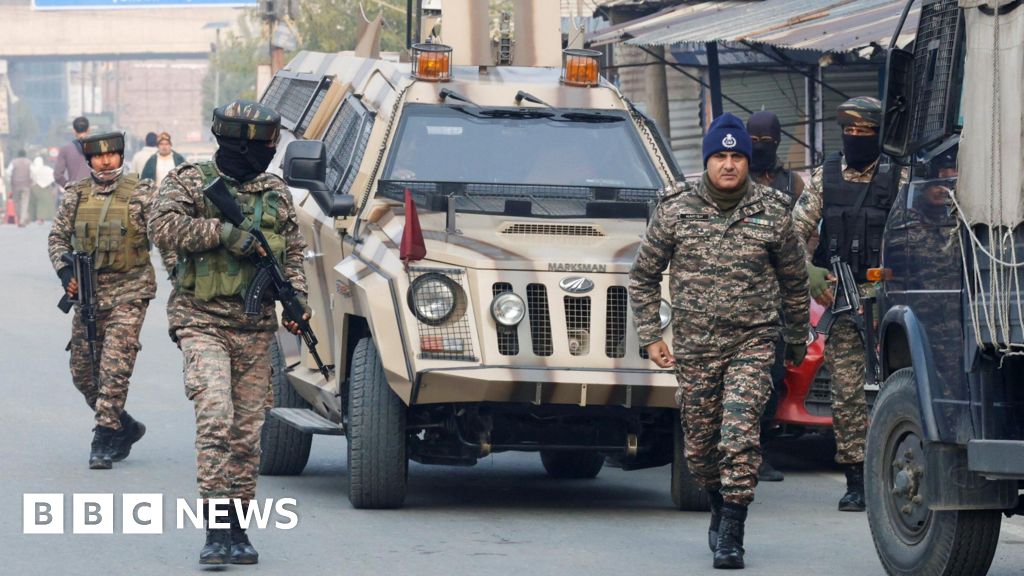
The recent explosive accident at the Nowgam police station in Indian-administered Kashmir has sent shockwaves through a region already steeped in complex, often violent, geopolitical tensions. Official reports confirm that nine lives were lost and 32 others injured after a stockpile of confiscated explosives detonated during handling. Authorities insist this was a tragic accident, not a terrorist act—yet the incident underscores how fragile peace remains in this highly contested territory. The region, long a flashpoint between India and local independence aspirations, often bears the brunt of violence, and this latest mishap adds yet another layer to the ongoing chaos that analysts warn could escalate if not carefully managed.

The explosion’s timing closely follows a recent deadly terror incident in Delhi, where a car blast claimed multiple lives. Such events highlight a disturbing pattern: a region where clandestine conflicts, terrorism, and political unrest intermingle with tragic regularity. The Indian government, under the scrutiny of international organizations like the United Nations and global watchdogs, continues to grapple with balancing security and civil liberties. Experts like Indian historian Dr. Ranjit Verma emphasize that these incidents—whether accidents or acts of violence—are deeply interconnected with the unresolved tensions over the region’s future and sovereignty. Governments and analysts must acknowledge that the more unstable the status quo, the greater the risk of this volatile situation spilling into broader regional conflicts.

The geopolitical impact of these incidents extends beyond Kashmir’s borders, resonating with neighboring countries and global powers. China, with its own interests and territorial claims concerning India and neighboring Pakistan, watches these developments with concern. Meanwhile, Pakistan continues to accuse Delhi of escalating military presence and oppressive policies in Kashmir—factors that significantly contribute to regional instability. The incident at Nowgam serves as a stark reminder of the dangerous heat generated by unresolved territorial disputes, nuclear-armed nations, and extremist factions vying for influence. The international community, especially organizations like the United Nations, faces mounting pressure to facilitate dialogue, but historical skepticism remains. Past failures to broker lasting peace reveal how deeply entrenched these conflicts are and how quickly accidents can spiral into broader crises.

As the dust settles on the Nowgam explosion, the larger narrative of history continues to unfold—one driven by decisions that ripple across nations and societies. The handling of this tragedy will be a crucial test for Indian authorities and international mediators alike. The stakes are high; an escalation in violence could threaten regional stability and undermine decades of diplomatic efforts aimed at peace. As analysts warn, “if miscalculations persist, it could open a new chapter of relentless cycle of violence and mistrust.” In the shadows of this tragedy, the future of Kashmir hangs in the balance, a stark reflection of unresolved conflicts that remain painfully unresolved, yet continue to define the geopolitical landscape of South Asia. The pages of history are turning, and the world watches, knowing full well that in this silent yet deadly arena, the next blow could find echoes far beyond these mountains — forever shifting the course of nations.

US Senate prepares to confirm industry insider to head EPA’s chemical safety efforts

In a move that signals America’s continued tilt towards industry dominance, the U.S. Senate is poised to approve the nomination of Douglas Troutman, a seasoned industry lobbyist, to lead the Environmental Protection Agency’s office of chemical safety. This appointment marks a critical juncture in American environmental policy, with potential repercussions reaching beyond national borders, as it consolidates industry influence within regulatory agencies. Troutman’s previous role as chief lobbyist for the American Cleaning Institute underscores the revolving door of industry interests shaping legislation at the expense of public health and environmental safety.

This appointment comes amid increasing concerns among health advocates and independent analysts who warn that the erosion of regulatory safeguards could undo years of progress in controlling toxic chemicals. Critics like Scott Faber from the Environmental Working Group paint a grim picture: “The lunatics are running the asylum, and industry is firmly in charge of chemical safety.” Faber and other experts argue that this shift favors deregulation at a perilous time, especially considering the legacy of loopholes exploited by industry giants after legislative rewrites of the Toxic Substances Control Act in 2016. Notably, the appointment signals a turning point where economic interests often overshadow the health and safety of consumers, workers, and vulnerable populations, potentially accelerating environmental degradation and public health crises.

Internationally, the geopolitical impact of this move extends beyond U.S. borders. The appointment indicates a broader shift towards trade and industry interests influencing not only domestic policy but also shaping America’s stance in global environmental negotiations. Several experts warn that the weakening of regulations on chemicals like PFAS, often called “forever chemicals,” could contribute to contaminating water supplies worldwide, especially as the U.S. remains a key player in international markets. The actions of agencies like the EPA serve as a bellwether for other nations, potentially emboldening regimes to relax their own chemical safety rules and undermining international treaties aimed at controlling hazardous substances.

Historian and policy analysts warn that history often repeats itself in these situations, cautioning that dismissing scientific expertise in favor of industry interests results in environmental disasters and societal harm. As global institutions like the United Nations and European Union grapple with regulating toxic chemicals, the U.S. appears poised to retreat from leadership in environmental stewardship. With public health and climate resilience hanging in the balance, the decisions made today will reverberate through generations. The weight of history presses down on policymakers and citizens alike—while the curtain rises on the next act of this unfolding drama, the world watches with bated breath, aware that the outcome could shape the course of civilization itself. The question remains: will the legacy be one of foresight and responsibility, or one of shortsighted greed that consigns future generations to a poisoned earth?

Social Media Auto Publish Powered By : XYZScripts.com