Matox News

Truth Over Trends, always!

Ethiopia Confirms Marburg Virus Outbreak, Urges Caution

Marburg Virus Outbreak in Ethiopia: A Growing Threat to Regional Stability

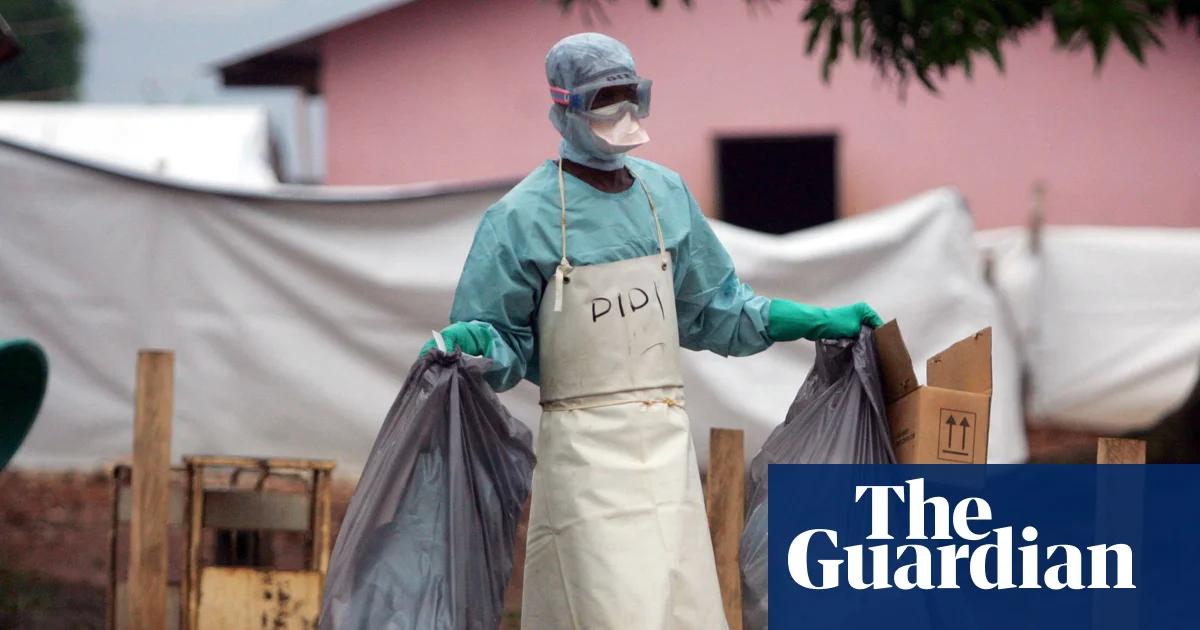
The recent confirmation of a Marburg virus outbreak in southern Ethiopia marks a significant threat not only to local populations but also to regional and international security. As reported by the World Health Organization, Ethiopia’s health authorities identified at least nine cases in the Jinka area, prompting urgent epidemiological investigations. This highly deadly pathogen shares similarities with the Ebola virus, including severe hemorrhaging, fever, vomiting, diarrhea, and a 21-day incubation period. The outbreak has reignited global fears over the potential for widespread contagion in a region already grappling with complex socio-political challenges.

Regional Ripple Effects and the Global Response

The Africa CDC indicated that the virus strain bears resemblance to those previously identified in East Africa, underscoring the risk of cross-border transmission. This recent emergence follows a disturbing pattern, with Tanzania experiencing a 10-death outbreak in January and Rwanda successfully containing its first known Marburg epidemic in December 2024, which claimed 15 lives. Despite these efforts, the absence of an approved vaccine or antiviral treatment remains a critical obstacle, elevating risks for affected communities. Experts, such as international health analysts, warn that without rapid and coordinated international action, the virus could escalate into a regional crisis, destabilizing fragile societies and worsening humanitarian vulnerabilities.

Geopolitical Implications and the Role of International Institutions

The U.S.-based Sabin Vaccine Institute has been trialing experimental vaccines, but the absence of definitive cures underscores the international community’s challenges in responding to outbreaks of this nature. The WHO and Africa CDC are working closely with Ethiopian health officials, but critics argue that more proactive measures are needed. The outbreak highlights how international health emergencies can quickly become geostrategic flashpoints, especially when the disease threatens to cross borders and overwhelm healthcare infrastructure. Moreover, the outbreak in Ethiopia raises questions regarding regional stability and security, as nations in East Africa face compounded threats—from political unrest to health crises—with each development shaping the broader geopolitical map.

Many analysts view the spread of deadly viruses like Marburg as a stern reminder of the interconnectedness of global health and security. Historians caution that pandemics in the modern era are not merely medical concerns but profound tests of government resilience and international cooperation. As United Nations-backed initiatives seek to contain the virus, the true challenge lies in achieving swift, effective action amidst geopolitical tensions. The outbreak serves as a stark illustration that in an increasingly interconnected world, threats like Marburg do not respect borders—transforming local epidemics into potential regional or even global crises.

The Crucible of History Begins with Today’s Decisions

As the shadow of mortality lengthens over Ethiopia, the weight of history presses upon world leaders and health systems alike. The unfolding story is one of urgency and uncertainty, where every decision could alter the course of history. Will the international community rise to confront this invisible enemy before it engulfs greater portions of East Africa? Or will neglect and disunity allow the virus to carve a path of devastation, reshaping societal structures and global alliances? Only time will reveal whether humanity can muster the resilience and unity required to stand against such unstoppable forces, in an era where health crises threaten to redefine the balance of power and the future of civilization itself.
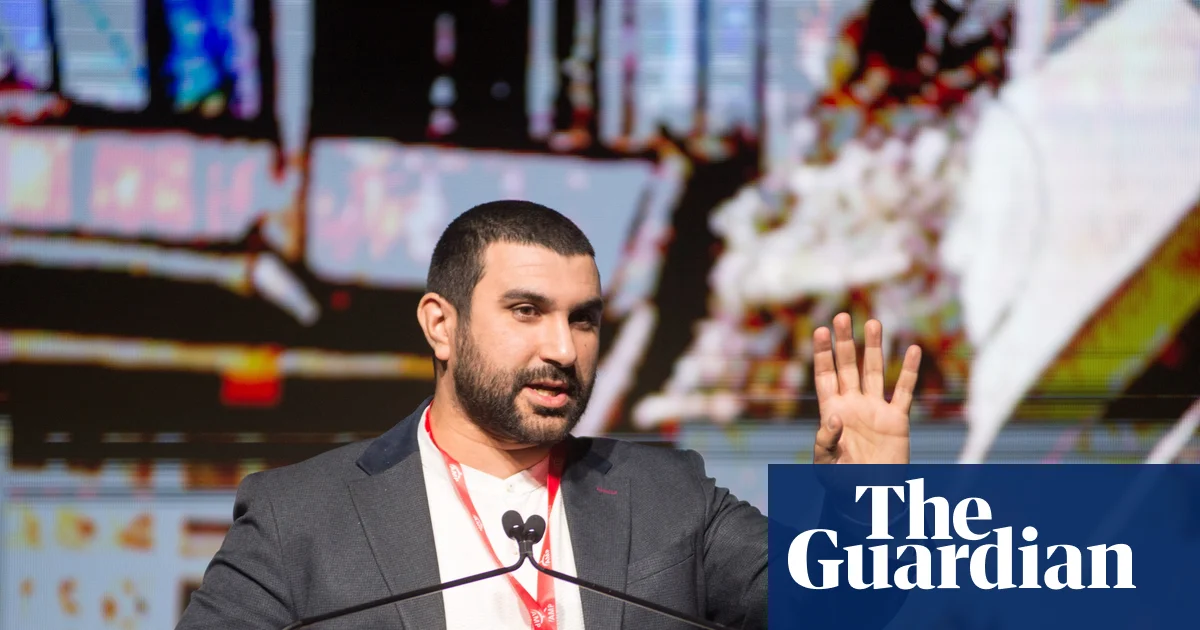

UK Commentator Detained Over Israel Comments to Be Released, Family Confirms

The recent developments surrounding British political commentator Sami Hamdi underscore the escalating tensions between free speech and U.S. immigration policy amid rising geopolitical conflicts. Hamdi, who was detained by US Immigration and Customs Enforcement (ICE) at San Francisco international airport in late October, faced accusations linked to his critiques of Israel during a tour in the United States. His detention, initially characterized by the Department of Homeland Security as a security concern rooted in alleged ties to terrorism, highlights the complex interplay of domestic policy and international diplomacy—particularly in an era marked by intense scrutiny of political expressions related to Middle East conflicts. As his family reports that he will soon be released, the incident raises fundamental questions about the limits of free speech within the context of national security and the influence of diplomatic narratives on domestic policy.

While government officials framed the detention within the context of preventing threats to American national security, civil rights organizations, such as the Council on American-Islamic Relations (CAIR), condemned the move as an obvious suppression of dissent. CAIR publicly denounced what they called a “blatant affront to free speech,” emphasizing how such actions serve as a warning to critics of government foreign policy. Analyses from international organizations suggest that the case exemplifies a broader shift in U.S. policy—one that increasingly conflates political criticism with security threats, especially when it involves contentious issues like U.S. support for Israel and Palestinian rights. Historically, similar incidents have often been used to shape international perceptions, portraying critics as security risks—thus, influencing diplomatic relations across the globe, particularly in Middle Eastern and Muslim-majority countries.

In the context of ongoing conflicts such as the Hamas attacks and the subsequent escalation in regional tensions, Hamdi’s case carries significant geopolitical impact. It underscores how domestic actions in Western powers are often scrutinized through international lenses, impacting perceptions of free expression and foreign policy credibility. International analysts warn of a potential “chilling effect” on political discourse, as governments tighten restrictions while global institutions like the United Nations and European Union observe with concern. Furthermore, this incident exemplifies how decisions made in Washington could influence alliances—potentially prompting Muslim nations to reassess trust in Western democracy’s commitment to free speech, especially when critics articulate views that challenge mainstream narratives regarding conflicts in Palestine and the broader Middle East. As historians note, the narrative shaping these incidents feeds into a global contest over the values of liberty versus security, with each side claiming moral high ground.

As the saga unfolds, the weight of history being written in real time remains palpable. The release of Sami Hamdi, coupled with the controversy that swirled around his detention, marks only a transient moment in a larger struggle—one that transcends individual cases and probes the core principles of sovereignty, free expression, and national security. The world watches as nations navigate the treacherous waters of diplomacy, ideology, and internal security. Whether this incident becomes a turning point or a cautionary tale, it leaves us with a stark reminder: the decisions made today will echo through history, shaping the fate of societies and the contest over truth and liberty for generations to come.

Inquest Confirms German Backpacker Simone Strobel Murder, Identity of Attacker Still Unknown

Unresolved Mysteries: The Continuing Saga of Simone Strobel’s Death

The recent ruling by New South Wales coroner Teresa O’Sullivan marks a significant, if still incomplete, chapter in the pursuit of justice for German backpacker Simone Strobel. Her death in 2005, long shrouded in uncertainty, has remained one of Australia’s most perplexing unresolved cases. The coroner’s findings, delivered after a comprehensive inquest that spanned nearly two decades, confirm that Strobel was murdered, yet crucial questions about who committed the act still hang in the balance. This development underscores how internationally significant criminal investigations often grapple with legal and procedural impediments that hinder resolution, especially when new evidence eludes authorities through mismatched DNA samples.

The investigation initially faced hurdles rooted in legislative changes. Notably, legislative reforms introduced in 2009 restrict coroners from issuing formal findings that directly implicate suspects in an offense, a change that the current coroner acknowledged restricts the scope of her conclusions. Despite an earlier inquest in 2007 hinting at a “very strong suspicion” of involvement by Strobel’s traveling companions, the latest inquiry dismissed these suspicions as unsupported by current evidence. Instead, the coroner accepted that her manner of death was as a homicide, but without identifying the perpetrator, highlighting the complex legal landscape that often complicates international cases where witnesses and evidence are elusive or ambiguous.

The tragic circumstances surrounding Strobel’s death illustrate the profound impact that international travel and youthful exploration can have—yet they also reveal how such freedom can sometimes turn tragic in the face of unresolved crimes. Her body was discovered concealed beneath palm fronds near a sports ground less than 100 meters from where she was last seen. Despite multiple investigations, police failed to identify her killer, a failure compounded by limited forensic matches—only now prompting the NSW police’s unsolved homicide team to revisit DNA evidence in hopes of breakthroughs. The case’s persistence underscores how vital international cooperation and forensic advancements are in solving cross-border crimes, and it raises questions about how many other cases languish due to jurisdictional gaps and resource constraints.

International organizations and experts have weighed in on the ongoing challenge. Dr. Erik Jensen, a renowned geopolitical analyst, emphasizes that cases like Strobel’s are emblematic of a larger pattern—where local justice systems intersect with global mobility. Many nations, he notes, are now contending with the “transnational ripple effects” of such unresolved crimes, which can threaten regional stability and societal trust. The question remains: how many unaccounted murders go unresolved because of legal limitations or insufficient evidence? As the world witnesses the emergence of new forensic techniques and combined international efforts, it becomes clear that justice in such cases is not merely about individual resolution but about affirming the rule of law in a fluid, interconnected world.

In a striking conclusion, the trail of Simone Strobel’s mysterious death continues to cast a long shadow over international justice efforts, revealing the enduring human and geopolitical cost of unresolved crimes. As authorities prepare to revisit DNA evidence and explore emerging investigative avenues, history holds its breath. Will this latest chapter mark a turning point in delivering justice—*or* will Simone’s story remain a haunting reminder of how some truths are delayed, and some stories remain unfinished, in the relentless march of history?

China ready to loosen chip exports in new trade deal, White House confirms

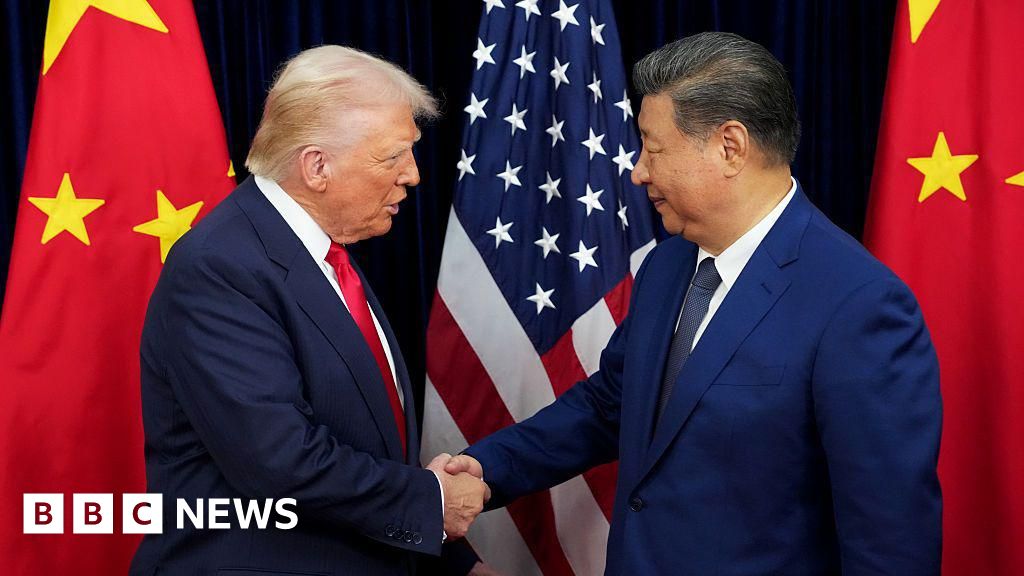
In a significant move that signals a cautious step toward de-escalating the simmering trade tensions between the two global superpowers, China has agreed to begin easing its export ban on critical automotive computer chips. This decision emerges from a landmark deal struck during a summit between Chinese President Xi Jinping and former US President Donald Trump in South Korea, the first major diplomatic breakthrough in the last few years of economic brinkmanship. The White House confirmed that this deal could have profound geopolitical impact, with trade policies once viewed as tools of coercion now potentially shifting toward cooperation.

This agreement is not merely about trade; it carries broader implications, affecting global supply chains, international relations, and the balance of economic power. According to analysts, the deal demonstrates how both nations recognize the cost of instability. The US and China jointly agreed to a series of measures that address bottlenecks and vulnerabilities, especially within high-tech manufacturing and raw material sectors. The reopening of critical chip supplies from China’s Nexperia—a Dutch-based Chinese-owned company—aims to stabilize global automobile markets, which have been thrown into disarray by previous restrictions. Historians cautious about the momentum note that these “breakthroughs” are fragile, warning that the geopolitical chess game remains incomplete, and recent policies could revert if disagreements resurface.

  • Trade war tariffs — Previously, Trump’s tariffs on Chinese goods aimed at boosting American industries but backfired by raising consumer prices worldwide. The new deal proposes a gradual lowering of these tariffs, signaling a possible return to more normalized trade relations.
  • Export controls on rare earth minerals — Beijing has agreed to pause export restrictions for a year, alleviating fears of a technological blockade that could cripple industries like aerospace and defense, underscoring the strategic importance of China’s resource control.
  • Supply of fentanyl-related chemicals — The delicate issue of chemical exports used in fentanyl manufacture is set to be addressed with new measures aimed at limiting the drug’s devastating impact on US society, amidst rising concern about the opioid crisis.
  • US soybean exports — China’s renewed commitment to purchase billions of dollars worth of American soybeans signals a move toward economic normalization, following a year of destructive trade disruptions that hurt American farmers profoundly.

International institutions like the World Trade Organization and economic think tanks have hailed the deal as a potential turning point, but many remain skeptical. This cautious optimism is echoed by analysts warning that the core issues—trust, sovereignty, and influence—remain unresolved, merely postponed for the moment. Historian Henry Kissinger and other diplomatic veterans stress the importance of robust, transparent commitments, cautioning that the path to lasting peace remains fraught with uncertainty and regional rivalries.

As the world watches these developments with bated breath, the ultimate question persists: is this agreement a genuine breakthrough or a strategic pause in a longer, ongoing contest for supremacy? With each handshake and signed document, history appears to hold its breath, perched on the brink of a new chapter—one that could reshape the global order, or plunge the world back into chaos and confrontation. The echoes of this moment will resonate through generations, reminding us that in the realm of geopolitics, peace is often fleeting and fragile—yet always worth striving for amidst the shadows of power.

Louvre in Paris Closes After Heist – French Culture Minister Confirms

The recent robbery at the Louvre Museum in Paris marks a disturbing escalation in the ongoing challenge of safeguarding cultural heritage amidst increasing global unrest. The world’s most visited museum, renowned for housing priceless artworks and invaluable artifacts, was targeted early Sunday morning as it prepared to open its doors. Reports indicate that jewelry was stolen during this breach, a loss that transcends mere material value, threatening to erode a pillar of global cultural identity. France’s culture minister, Rachida Dati, confirmed the incident, and police are now engaged in a detailed investigation, reflecting the gravity with which the country is treating this unprecedented event.

The geopolitical impact of such thefts, particularly at iconic sites like the Louvre, resonates globally. Museums, monuments, and cultural institutions serve as symbols of national pride and history. Their vulnerabilities expose deeper fissures in international security protocols and cultural diplomacy. Experts warn that the theft could facilitate the illicit trade of priceless antiquities and artworks, fueling a transnational black market that weakens the cultural fabric of nations. Analysts from organizations like INTERPOL emphasize that this event signals a complex interplay of organized crime and geopolitical instability, as art thefts are increasingly linked to geopolitical conflicts and militant groups seeking to destabilize societies by targeting their cultural symbols.

Historically, such breaches serve as strategic provocations or indicators of chaos, with some specialists comparing recent trends to the looting of Iraq’s museums during the early years of the Gulf War. How nations respond to these acts will define their cultural resilience and sovereignty in the digital age. The Louvre incident underscores the urgent need for international cooperation on security measures, intelligence sharing, and the recovery of stolen assets. Various voices, including international organizations and cultural watchdogs, warn that failure to adapt and strengthen protections could lead to a wave of similar threats, ultimately dismantling the collective memory and identity of societies.

In the broader scope, the incident at the Louvre echoes a warning for the international community: the preservation of history is a battlefield where progress and chaos collide. As nations grapple with geopolitical shifts, economic upheavals, and technological forces, the security of our shared heritage remains fragile. The relentless pursuit of power and profit ensures that, one day, the history-makers and art custodians of today may become prey in a relentless underworld of theft and smuggling. With the weight of history pressing down, the world must ask itself: how long can we protect the treasures that define our identity before they are lost to the shadows?

U.S. to Bring Back Survivors of Strike on Drug-Running Submarine, Trump Confirms

A New Chapter in the Geopolitical Conflict Over Drug Trafficking and Sovereignty

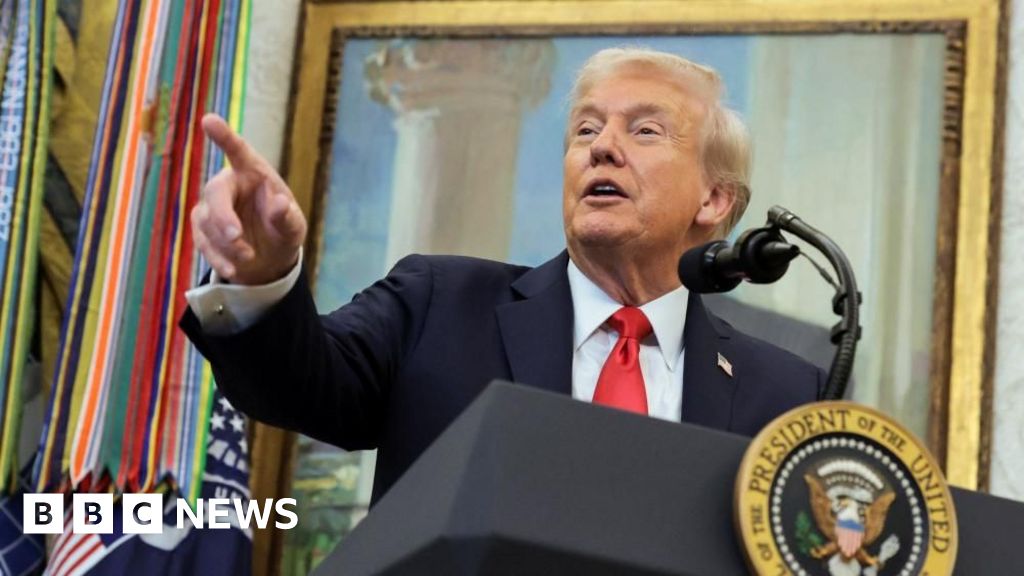
In a series of aggressive military actions taking place in the Caribbean Sea, the United States has reportedly targeted what President Donald Trump describes as a drug-carrying submarine. The strike, which resulted in at least two survivors being rescued and returned to Colombia and Ecuador, marks a significant escalation in Washington’s clandestine campaign against narcotrafficking routes. Over recent weeks, at least six such strikes have been recorded, with the latest incident raising serious diplomatic concerns, especially from Colombia, whose President Gustavo Petro condemned the attack as a violation of sovereignty and, he claimed, an act of murder.

This latest intervention underscores a complex and contentious effort by the US to combat a thriving network of illicit narcotics flowing from Latin America into North America. ^This approach reflects a broader shift toward unilateral military actions against suspected drug trafficking vessels, often classified as narco-subs—homemade, fibreglass vessels capable of avoiding detection and sinking after delivering their deadly cargo. Such operations, while justified publicly as anti-drug efforts, have attracted harsh criticism from human rights monitors and international law specialists. The UN-appointed human rights experts have described the strikes as “extrajudicial executions,” pointing to the profound legal and moral questions surrounding targeted killings without due process.

The Geopolitical Impact of US Naval Interventions

Historians and international analysts warn that these actions could deepen regional instability and foster distrust between the United States and Latin American nations. How decisions made in Washington ripple across the region is critical for understanding future security dynamics. Venezuela, under the leadership of President Nicolás Maduro, has vehemently accused the US of trying to make the nation a colony through covert operations, including the targeting of alleged drug traffickers. Maduro’s accusations echo a long-standing US suspicion that Latin American governments are either complicit in or vulnerable to US influence campaigns.

Moreover, the implications extend beyond immediate military actions. The US‘ stance—emphasizing that these vessels are primarily used for drug smuggling—aligns with a tough-on-crime posture that many analysts see as part of a broader geopolitical strategy to exert power in the hemisphere. Critics argue that this approach risks stoking anti-American sentiment and encourages closer ties among countries like Venezuela and Colombia to evade US efforts or resist its influence. The sanctions and covert military efforts risk transforming local conflicts into proxy struggles, further destabilizing already fragile states.

How International Communities Are Responding

International organizations and scholars are scrutinizing the legality and morality of these targeted operations. UN human rights experts have condemned the strikes, asserting that they violate international law by bypassing judicial processes. Meanwhile, some policy analysts argue that such unilateral actions set dangerous precedents, potentially opening the door to more extrajudicial killings under the guise of the war on drugs. The tension between sovereignty and security remains unresolved, and the global community watches anxiously as the US continues its campaign, which appears to be aimed at curbing the flow of narcotics but at the cost of international norms and trust.

As history unfolds in the turbulent waters of Latin America, the weight of these choices hangs heavy. The narrative of intervention—justified or not—serves as a stark reminder of how fragile peace and sovereignty are in a region where the echoes of history’s conflicts continue to shape the present. Today’s actions reverberate into tomorrow, setting the stage for a new chapter of conflict—one that the world must confront with clarity, caution, and unwavering commitment to justice.

Israel confirms: Red Cross removes another dead hostage from Gaza battlefield

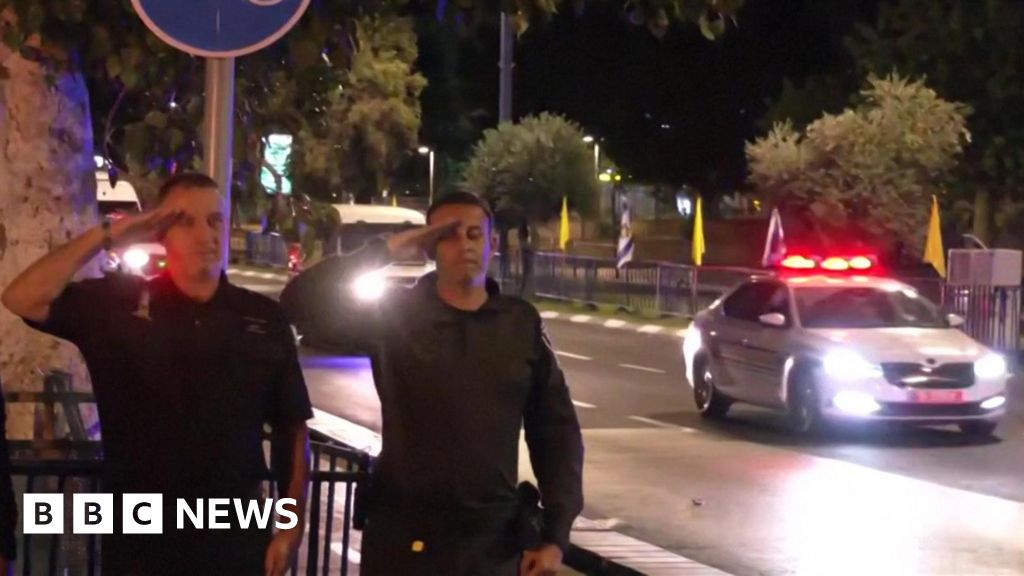
The ongoing conflict between Israel and Hamas continues to shape the geopolitical landscape of the Middle East, revealing the fragility of ceasefire agreements and the profound human toll inflicted by decades of unresolved tensions. Recent developments highlight a complex diplomatic and military calculus, as the Israel Defense Forces (IDF) announced the return of another coffin containing the remains of a hostage, now back in Israel. This resumption of human remains exchange underscores the persistent struggle to honor commitments amid wartime chaos, even as the broader conflict persists unabated.

Analysis by international specialists suggests that these hostages and dead bodies are central to both the moral and strategic objectives of each side. The International Committee of the Red Cross (ICRC) reported it had taken measures to handle the remains with dignity, handing them over to Israeli forensic authorities for identification. Meanwhile, the Israeli government strongly urges the public to wait for official information, denying any desire to incite rumors or mislead the international community. The tension over the incomplete return of bodies—despite a recent ceasefire agreement—has sparked fury within Israel, with critics arguing that Hamas’s reluctance to return all remains undermines trust in any negotiated peace process.

The ceasefire deal—brokered by the United States—was supposed to facilitate the humane exchange of hostages and the return of bodies, but discrepancies have emerged. Hamas claims it remains committed to handing over all remaining remains, accusing Israel of obstructing this process by blocking access to conflict zones with heavy machinery. Israel, on the other hand, insists that Hamas must fulfill its obligations under the agreement. This standoff highlights a crucial turning point: whether the current diplomacy will hold or escalate into further violence. The international community, including various historians and analysts, warns that such unresolved issues threaten to plunge the region into a protracted cycle of violence, with ripple effects felt far beyond Middle Eastern borders.

Meanwhile, the broader geopolitical impact of this conflict is stark. The US, while visibly supporting Israel, maintains that the ceasefire and subsequent negotiations aim to prevent regional destabilization. However, the deteriorating humanitarian situation in Gaza—where over 67,000 deaths have been reported—continues to fuel international concern about the long-term consequences of this war. Israeli Prime Minister Benjamin Netanyahu vows to continue fighting terrorism, emphasizing that the mission is far from over. Yet, critics argue that these military actions come at the expense of global moral authority, complicating efforts to assemble an international consensus for peace. The unfolding negotiations, the exchange of bodies, and the strategic standoff are all a testament to the enduring complexity of this conflict, where every decision may have seismic consequences for international stability.

As the world watches with bated breath, the fate of hostages, the handling of remains, and the fragile ceasefire serve as stark reminders that history is still being written in blood and hope. The next chapter will test the resilience of diplomacy, the morality of war, and the persistent desire for peace—echoing through the halls of power and the quiet hearts of countless families caught in the crossfire. Here, in this crucible of history, the future remains uncertain, teetering on a knife’s edge as the specter of ongoing violence looms over the region and beyond.

Social Media Auto Publish Powered By : XYZScripts.com