Matox News

Truth Over Trends, always!

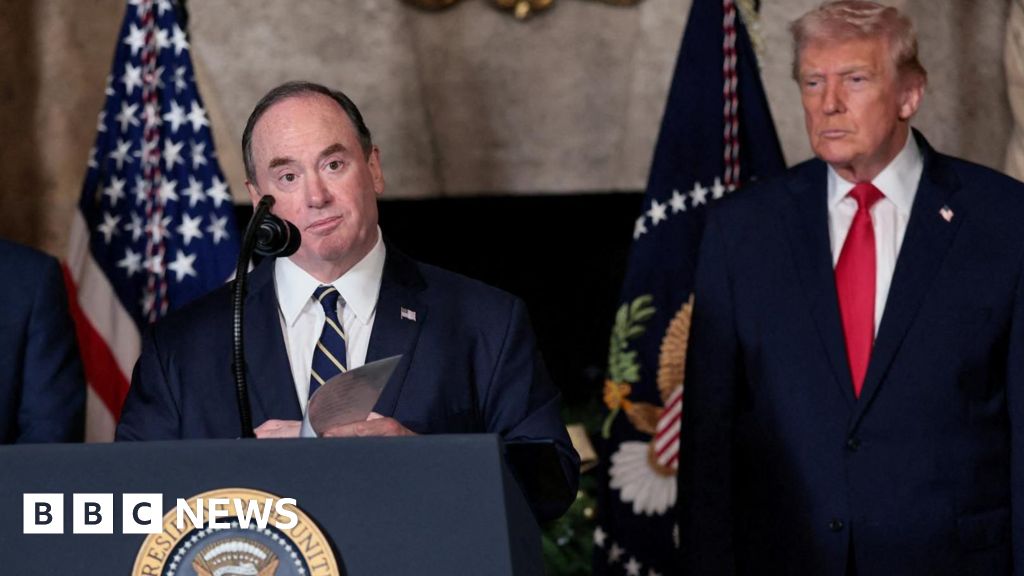
US Navy Chief Resigns Immediately, Pentagon Confirms

The recent departure of US Navy Secretary John Phelan marks yet another significant shift in the United States’ military leadership amid a period of geopolitical recalibration. As a senior figure entrusted with overseeing naval strategy and defense posture, Phelan’s exit underscores the growing uncertainty within Washington’s military establishment. This trend is emblematic of broader concerns about the U.S. administration’s ability to adapt to rapidly evolving global threats, especially in a context where traditional alliances are tested and regional conflicts threaten to escalate.

International analysts interpret these leadership changes as a potential reflection of internal disagreements over military priorities and strategic commitments. Several experts suggest that the recent churn in high-level military officials may foreshadow a reshaped approach to national defense, one that could prioritize a more assertive posture in the Indo-Pacific and an emphasis on technological superiority. Such shifts are observed at a time when rivals like China and Russia are expanding their influence through aggressive territorial claims and strategic partnerships. Historically, the removal or reshuffling of senior military figures often signals underlying tensions within security establishments, where differing visions for U.S. foreign policy collide.

Organizations such as the International Institute for Strategic Studies (IISS) have warned that frequent turnovers in military leadership can destabilize operational continuity, hampering preparedness and strategic consistency. Meanwhile, the decision-making vacuum at the top could embolden adversaries, potentially altering the balance of power at a time when international stability hangs in the balance. Countries across the world are watching closely, aware that shifts at the summit of U.S. military authority influence everything from NATO’s unity to the security calculations of regional powers in Asia and the Middle East. The inability to project strength effectively may invite unwarranted aggression in hotspots, especially as China’s military modernization continues unabated.

As historians ponder whether these leadership transitions are mere personnel rotations or indicative of deeper systemic change, one fact remains clear: the weight of history is upon this generation of policymakers. The decisions they make now will shape the geopolitical landscape for decades to come, determining whether the tide of conflict recedes or surges forward, rewriting the balance of global power. In a world rife with strategic uncertainties, the recent upheavals within America’s military leadership serve as a stark reminder: the unfolding narrative of international relations is as volatile as ever, and only those with resolve and clarity will navigate the storms ahead.

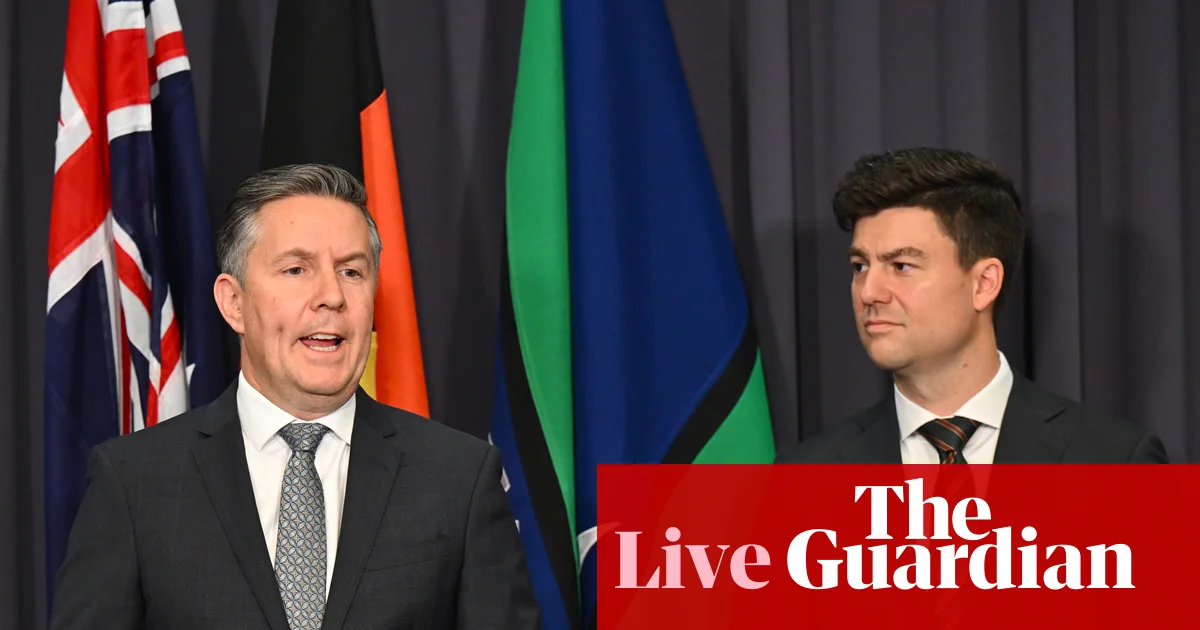
Australia news live: NDIS savings to improve aged care amenities, minister confirms; fourth suspect charged in Baghsarian murder case

Global Geopolitical Shifts as Domestic Policies Reshape Societies

In a revealing turn of events, Australia is experiencing significant domestic policy changes that echo broadly across the international stage. The recent decision by the government to redirect savings from the National Disability Insurance Scheme (NDIS) towards enhancing aged care services marks a pivotal moment in the nation’s social policy landscape. The move has sparked intense criticism from advocates and experts, who argue that essential personal care services—such as showering, dressing, and continence care—are fundamental to aging with dignity. As Minister Sam Rae states these changes will be in effect from October, the broader geopolitical impact extends beyond mere budget reallocations, subtly challenging Australia’s commitments to social justice and quality of life for its vulnerable populations.

This policy adjustment occurs amid a chorus of dissent that underscores how deeply intertwined domestic decisions are with international perceptions. Critics, including prominent analysts and advocacy groups, contend that the government’s choices underestimate the societal value of personal care, risking societal fragmentation and unrest. Historically, decisions that devalue social welfare have often precipitated geopolitical vulnerabilities, exacerbating inequalities and fueling regional instability. The Global Human Rights Watch has lamented these developments, warning that neglecting social priorities undermines national stability at a time when international trust is increasingly fragile. These internal shifts cannot be viewed in isolation; they feed into the complex web of global geopolitics, where societal resilience is often a precondition for geopolitical strength.

Meanwhile, in the realm of economic nationalism and resource management, controversial debates have emerged surrounding gas exports. Independent Australian senator David Pocock has publicly championed a 25% tax on gas exports, asserting this is not radical but a necessary step to serve the national interest. “We’re one of the biggest gas exporters in the world,” Pocock emphasized, “and yet we feel poor every time gas prices go up internationally. Norway’s $3tn sovereign wealth fund exists because of political courage—and Australia must follow suit.” His stance is resonating amidst growing calls for political leadership that prioritizes national wealth and social welfare over corporate profits. The geopolitical consequence of such position is profound: it signals a shift toward resource nationalism, which could alter existing international energy alliances and impact global markets.

Furthermore, with the ongoing investigation into the alleged kidnapping and murder of Chris Baghsarian, the case has taken a new turn: a fourth individual has been charged, underscoring how internal security issues remain an unpredictable variable in the geopolitical calculus. This local tragedy holds mirror to broader concerns about societal stability and law enforcement’s capacity to address organized crime and corruption—factors that directly impact international relations. As the world watches, analysts warn that neglecting internal security chaos may embolden transnational criminal networks, further complicating Australia’s international standing.

From domestic policy shifts driven by political will to external resource management strategies, the weight of history presses against nations caught between internal priorities and global responsibilities. Each decision, no matter how seemingly local, has the potential to ripple through the fabric of international relations, shaping power dynamics, economic dependencies, and societal resilience. As these stories unfold, they serve as a stark reminder that history’s greatest moments often hinge on decisions made in the quiet corridors of power, with the future yet unwritten. The unfolding chapter of Australia’s internal struggles and resource battles foreshadows a shifting geopolitical landscape—one where nations are tested not just by external threats, but by their willingness to uphold the dignity and security of their own societies in turbulent times.

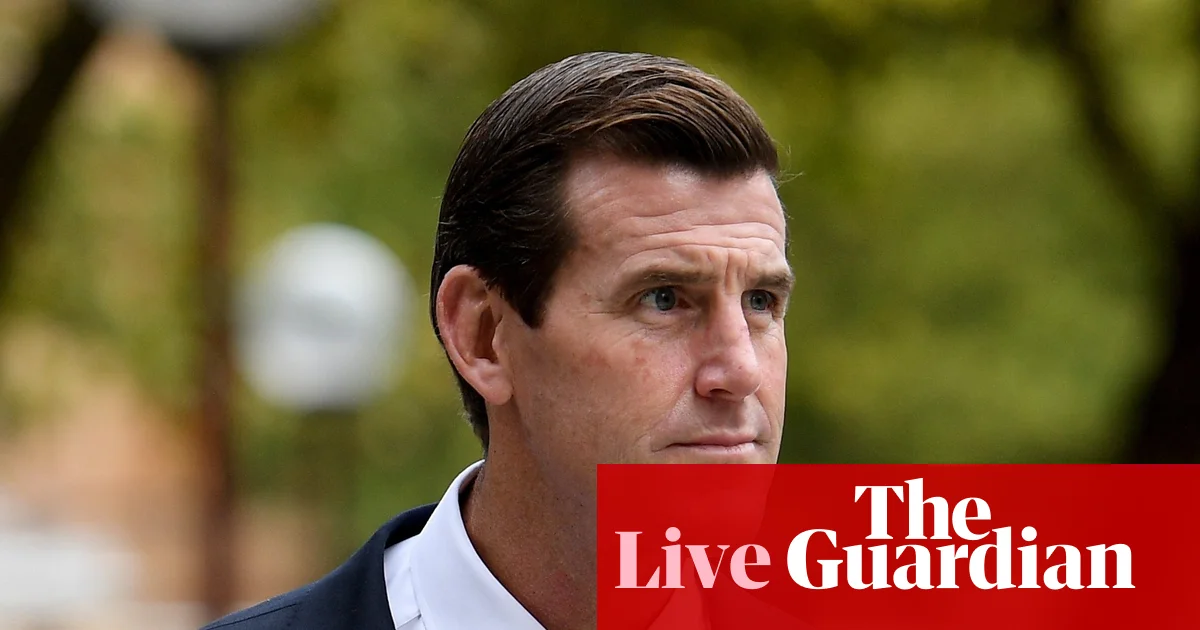
Australia updates: War crimes suspect Ben Roberts-Smith in bail hearing; PM confirms no harsher fuel rules after refinery fire

In a year marked by pivotal geopolitical shifts and domestic upheavals, the international landscape continues to reverberate with profound consequences. Strong leaders and rising nations are increasingly asserting their influence, with decisions made in capitals shaping societies worldwide. Recent developments underscore this reality, as nations grapple with internal crises while vying for supremacy on the global stage. These events serve as a stark reminder that the weight of history is still unfolding, and the decisions of today will echo through future generations.

Across Australia, a nation of both immense natural resources and strategic importance, the government faces significant challenges. The detention and upcoming bail decision for Ben Roberts-Smith, a decorated soldier embroiled in war crime allegations, encapsulate a period of internal conflict and judicial scrutiny. His case draws national attention to issues of military accountability and the societal debate surrounding justice for alleged atrocities committed in Afghanistan. While this legal saga unfolds within Australian borders, it perfectly exemplifies how domestic legal processes are intertwined with international perceptions and diplomatic relations. The outcome could influence Australia’s defense policies and its global standing in addressing war crimes—a matter closely watched by analysts and historians who underscore the importance of accountability in maintaining moral legitimacy.

Simultaneously, the country’s critical fuel infrastructure has been rocked by a fire at the Viva Energy refinery in Corio, Victoria. The blaze, which temporarily reduces petrol and diesel supplies, has ignited fears of escalating energy shortages amid ongoing geopolitical tensions involving the Middle East. The Australian Prime Minister, Anthony Albanese, has reassured the nation that the event will not escalate into harsher fuel restrictions, highlighting the government’s proactive measures to stabilize markets. These include securing extra fuel supplies from regional partners and backing private corporations like BP, which have committed to international investment schemes to boost domestic reserves. Such decisions reflect a broader strategy—one that balances national security with economic resilience, all while navigating global conflicts that threaten regional stability.

International reactions are equally telling. Former U.S. President Donald Trump renewed accusations that Australia had not done enough to support U.S. efforts in the Middle East, casting a shadow over the already tense alliance. America’s role as a geopolitical stabilizer is under scrutiny, particularly as allied nations such as Japan and South Korea ramp up their military spending in response to rising regional threats. Meanwhile, European nations face concerns about the resurgence of classic interstate rivalries with Russia’s renewed assertiveness and China’s expanding influence. International organizations warn that these internal and external disputes threaten to redraw the map of global alliances, pushing nations into new layers of uncertainty. Historians suggest that these conflicts could define the geopolitical narrative of the 21st century, where sovereignty and international power are in a constant state of flux.

As the world stands at this crossroads of history, the decisions made behind closed doors in courts and cabinets today will shape the fabric of societies for decades. The verdict on Ben Roberts-Smith may determine how justice is perceived in military conduct, while energy measures reflect a nation’s resilience amid upheaval. Meanwhile, the dance of diplomacy and accusations between Australia, the U.S., and other powers reveals a fragile international equilibrium—one that could tip into chaos or cohesion depending on the choices of leaders. The unfolding story is a testament to the enduring truth that in the theater of geopolitics, every act echoes in the chambers of history, and the true measure of a nation’s strength lies in how it faces its trials, both close to home and in the shadows of distant conflicts.

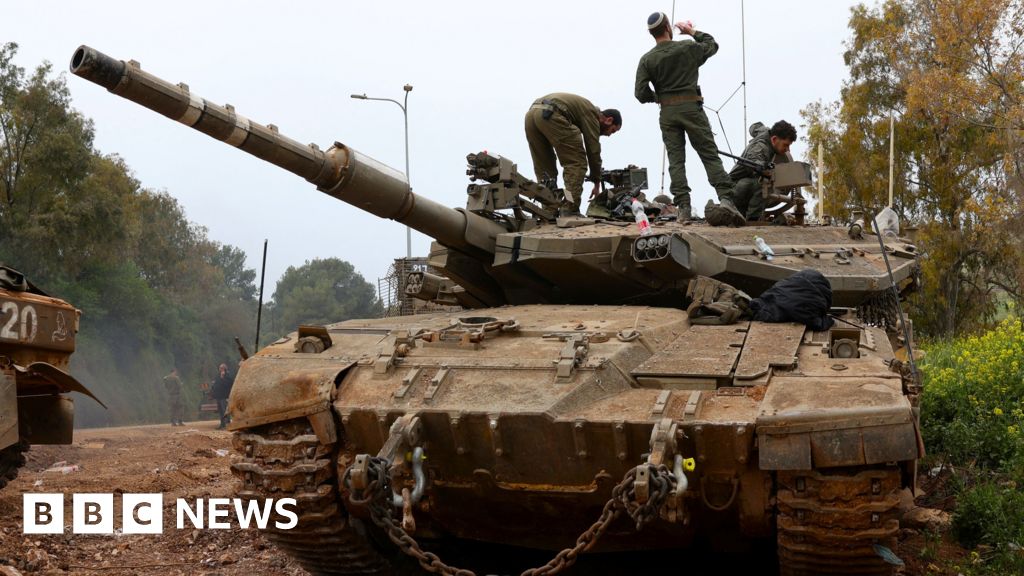
Israel and Lebanon Agree to 10-Day Ceasefire, Trump Confirms

The United States and Iran are once again edging toward a critical diplomatic juncture, as discussions for a second round of peace talks take place in Pakistan. These negotiations, which hold the potential to redefine regional stability, are closely watched by global powers and regional neighbors alike. According to recent statements in Washington, President Donald Trump indicated that pre-negotiation progress has been substantial, with both sides reaching consensuses on several key issues. Notably, Iran is reported to have committed to not developing nuclear weapons “beyond 20 years.” However, Trump emphasized a stark warning: “if there is no deal, fighting resumes.”

This development signals a possible shift in the complex geopolitical chess game that has long defined the Middle East. The U.S.-Iran relationship—fraught with decades of hostility, sanctions, and proxy conflicts—may be approaching a pivotal turning point. International analysts suggest that such negotiations could either open avenues for peace or trigger renewed regional turmoil. According to the International Institute for Strategic Studies, the potential for a nuclear agreement could significantly alter the balance of power, especially given Iran’s strategic position and regional influence. Yet, skeptics warn that any agreement lacking firm enforcement mechanisms risks merely postponing confrontation, leaving regional and global stability hanging in the balance.

The implications of these negotiations extend well beyond bilateral relations, affecting global security and economic stability. For the United States, success in these talks would serve as a significant victory in the ongoing effort to contain Iran’s nuclear ambitions, which many see as a threat to both regional allies and international peace. Conversely, a failed attempt risks exacerbating conflicts in Syria, Iraq, and Yemen, as well as emboldening Iran’s regional policies. As noted by geopolitical analysts, the outcome will shape the future contours of international diplomacy, potentially encouraging other states to seek unilateral nuclear capabilities if perceived as the only reliable safeguard against intervention.

Historically, conflicts of this magnitude have proved to be turning points—moments when the course of history can shift dramatically based on diplomatic choices made in such vulnerable windows. The works of historians remind us of the thin line between peace and war, often dictated by negotiations and compromises amid fierce national interests. The current situation therefore carries the weight of the future—whether the world will see a genuine step towards peace or plunge into another cycle of hostility as negotiations collapse. As the world holds its breath, one thing remains undeniable: the decisions made today will echo through the corridors of history, shaping the fate of nations and societies for generations to come. A new chapter is being written—its narrative still uncertain, its outcome yet to be determined, but its significance indelible in the fabric of global history.

Apple confirms Lockdown Mode keeps users safe from spyware hacks

Apple’s Lockdown Mode: A New Era in Mobile Security

In a notable development in digital security, Apple has reaffirmed that its innovative Lockdown Mode, introduced nearly four years ago, remains an effective bulwark against mercenary spyware attacks — a significant claim in today’s landscape of sophisticated cyber threats. According to Apple spokesperson Sarah O’Rourke, no verified cases of successful hacking have been reported since the feature’s implementation, underscoring its potential to disrupt traditional attack vectors leveraged by government and private spyware agencies. This strategic shift signals a pivotal move by a tech giant to prioritize user privacy while confronting relentless espionage tactics.

Security experts and industry analysts commend Apple’s aggressive approach to hardening its ecosystem. Patrick Wardle, a renowned cybersecurity specialist, describes Lockdown Mode as “one of the most aggressive consumer-facing hardening features ever shipped,” highlighting its capacity to significantly shrink the attack surface and elevate security margins. By restricting message attachments, WebKit features, and other remotely exploitable vectors, Lockdown Mode complicates zero-click exploit techniques—hacks that can be executed over the internet without user interaction. This strategic move essentially raises the costs and technical barriers for spyware manufacturers, pushing them toward more complex, costly, and potentially less effective methods, in line with William Gibson’s adage that disruption often begins with making attack methods infeasible.

Implications for the Business and Security Landscape

This development has sweeping industry implications, particularly in the escalating arms race between device manufacturers and spyware developers. Apple’s proactive fortification challenges the traditional narrative that government agencies possess an insurmountable advantage in surveillance and remote infiltration. As Donncha Ó Cearbhaill of Amnesty International reports, “We have not seen any evidence of an iPhone being successfully compromised by mercenary spyware where Lockdown Mode was enabled,” reinforcing the feature’s defensive prowess. Such a stance could prompt rivals in the tech space to accelerate their security initiatives, heightening the disruptive potential across the mobile ecosystem.

From a business perspective, Apple’s bold security posture also reinforces its brand appeal among privacy-conscious consumers—particularly youth demographics increasingly skeptical of governmental overreach and invasive data collection. This commitment to end-user security may underpin long-term loyalty and open avenues for monetization through premium security services. As Gartner analysts suggest, embedding advanced security features like Lockdown Mode could become a differentiator, enabling companies to command premium pricing in an increasingly competitive market.

The Future Outlook: Disruption and Innovation Driven by Security

While the effectiveness of Lockdown Mode currently faces no confirmed breaches, industry insiders caution that security is a continuous race against evolving threats. Experts warn that no system is invulnerable, and malicious actors relentlessly develop new tactics to breach even the most hardened defenses. The significance lies in how rapidly disruptive innovation in security can reshape market dynamics, forcing spyware makers to innovate beyond their traditional ranges of attack. Top minds at institutions like MIT and forward-looking entrepreneurs such as Elon Musk recognize that disruptive security features are fundamental to the future of digital trust and market dominance.

As we look ahead, the urgency for industry-wide adoption of such technological barriers escalates. The paradigm shift initiated by Apple’s Lockdown Mode signifies more than a single feature; it heralds a new chapter in the relentless pursuit of privacy, security, and disruption in the tech industry. Companies that fail to innovate risk falling behind in a landscape where the cost of vulnerability is measured not just in data breaches, but in eroded consumer confidence and regulatory backlash. The future belongs to those who anticipate and adapt—transforming security from a marginalized feature into a core business advantage.

Tragedy in Minnesota: Wild Reporter Jessi Pierce and Her Kids Perish in House Fire, NHL Confirms

The tragic loss of Jessi Pierce, a dedicated NHL sports journalist, and her three children in a house fire in White Bear Lake, Minnesota, underscores a broader narrative that resonates far beyond the realm of sports. The incident, confirmed by the league and local authorities, serves as a stark reminder of the unpredictable nature of domestic tragedies that afflict families regardless of background or profession. While Pierce, 37, was a respected figure in the world of hockey, her untimely death—along with her children—elicited a wave of mourning from the global sports community and her local fans, highlighting how individual stories become emblematic of larger societal concerns and the fragile veneer of safety in well-established communities.

This tragedy unfolds against a backdrop of ongoing discussions about safety, community resilience, and national crisis management. As firefighters responded to the blaze, the cause of the fire remains under investigation, but the incident has already ignited a conversation about the importance of emergency preparedness and social safety nets. Experts note that such tragedies often catalyze policy debates surrounding domestic safety and mental health support, especially in communities with tight-knit identities like Minnesota’s “State of Hockey.” At a geopolitical level, these events remind nations that regardless of geopolitical ambitions or international power struggles, the most critical battleground remains within communities—those small, interconnected units where the real fabric of society is woven. The loss of Jessi Pierce resonates beyond her personal tragedy; it is a poignant reflection of how societal stability hinges on the strength and resilience of local communities, which are increasingly vulnerable amid a rapidly changing social landscape.

International institutions such as the United Nations and regional governance bodies have long emphasized the importance of social cohesion and safety in fostering global stability—yet, incidents like these expose gaps in national safety protocols and community support systems. Analysts argue that effective governance must integrate cultural and social awareness, addressing vulnerabilities that often go unnoticed until tragedy strikes. As historians like Samuel P. Huntington noted, the strength of a nation ultimately rests on its ability to maintain social order and foster communal bonds. The death of a figure like Pierce, symbolizing not just a personal loss but a societal rupture, prompts a reevaluation of priorities—reminding the world that behind every geopolitical dispute lie the lives of ordinary citizens, who are often left to grapple with the aftermath of calamity alone.

Looking ahead, nations are called to reflect on the resilience and unity of their own communities. The grief shared in Minnesota echoes globally—an urgent call for action to bolster emergency responses, mental health services, and community-building initiatives. As the National Hockey League mourns the loss of one of its own, what remains indelible is the recognition that humanity’s greatest strength is its capacity to withstand adversity through collective solidarity. But history warns us—without decisive action, society may falter in the face of such tragedies, leaving scars that threaten to weaken its social fabric. As the world watches how communities recover and rebuild, the evidence persists that true resilience begins where the individual meets the collective—an ongoing battle that, in every corner of the globe, will decide the future of human civilization itself.

Breaking: Bowen confirms Aussie fuel reserves rise despite canceled imports; missing Japanese tourist, 81, found alive in Tasmania—Australia news

In a strategic sea of turmoil, Australia finds itself navigating complex international waters that extend well beyond its shores. Recent reports reveal that since the outbreak of hostilities involving Iran, six out of the 81 ships ferrying fuel to the island nation have been canceled, reflecting an unsettling shift in global supply chains. Australia’s energy Minister, Chris Bowen, acknowledged the delicate nature of this situation, emphasizing that while shipments have continued, some have been diverted or canceled amid the ongoing conflict. Such international disruptions exemplify how conflicts in the Middle East ripple across the globe, directly impacting nations like Australia—a country heavily dependent on imported energy sources. Analysts warn that this could further destabilize already strained fuel markets, forcing Australia to reconsider its long-held energy security strategies.

  • Since the start of maritime disruptions, Australia has seen a marked increase in its fuel reserve, now securing a 38-day supply of petrol and 30 days of diesel and jet fuel, bolstering national resilience in uncertain times.
  • However, these efforts are under pressure, as Bowen concedes that some foreign oil exporters, primarily from Asia, are prioritizing their own needs, potentially limiting exports to Australia amidst rising global tensions.
  • The International Energy Agency has labelled this crisis as “the largest supply disruption in the history of the global oil market,” underscoring the severity and international scale of the problem.

The impact of these decisions extends far beyond fuel supplies, touching on the core of geopolitical stability and how nations respond to international conflicts. Fortified reserves and contingency planning are crucial, yet analysts caution that Australia’s reliance on foreign energy sources exposes it to vulnerability. While China and other regional powers may attempt to capitalize on the chaos, Australia seeks to strengthen local energy infrastructure, exemplified by the recent opening of Goulburn’s pioneering community-owned solar farm and battery—an emblem of resilience against global uncertainties.

International organizations and seasoned geopolitical analysts warn that the role of global supply chains in regional stability cannot be overstated. As the world faces this new era of resource scarcity, Australia’s strategic choices—such as increasing fuel reserves and promoting local renewable initiatives—become critical. Yet, the specter of international collusion, supply cuts, and escalating conflicts in the Middle East remains a stark warning that the geopolitical landscape continues to shift rapidly. In this unfolding story, the decisions made today will resonate through history, shaping the fabric of the region and the world itself in ways that could last for generations.

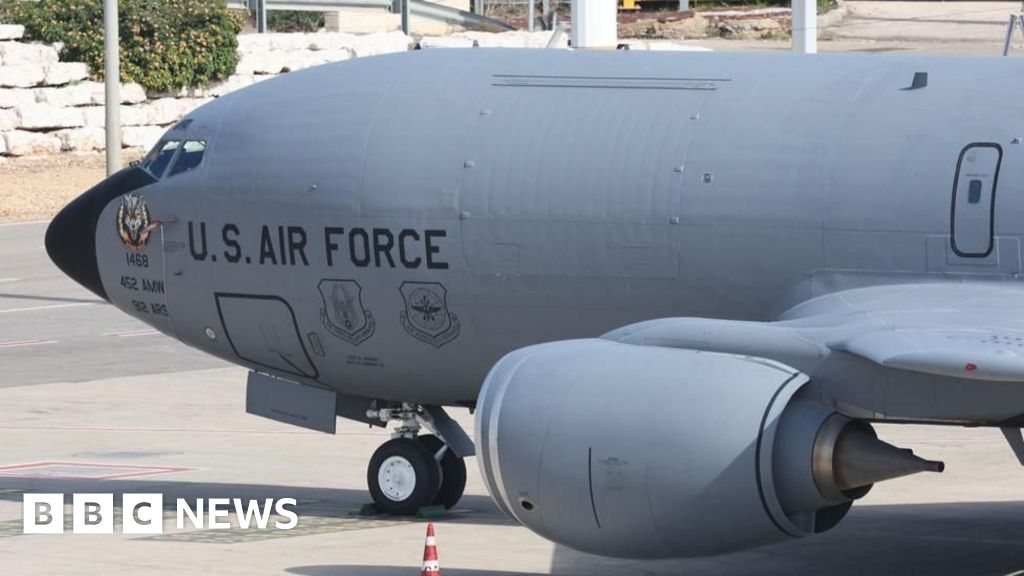
US confirms six crew members lost in Iraq refueling plane crash

The recent crash of a U.S. Air Force KC-135 has sent shockwaves through international security circles and ignited debates over the state of American military readiness. According to official statements from the Pentagon, the aircraft tragically lost six crew members—an event that underscores the inherent risks of global power projection and the dangerous complexity of modern aerial warfare. Among those lost in this tragedy were John Klinner from Alabama, Ariana Savino from Washington, Ashley Pruitt from Kentucky, Seth Koval from Indiana, Curtis Angst from Ohio, and Tyler Simmons from Ohio. These names symbolize individual sacrifice, but their loss also raises broader questions about U.S. military logistics and strategic posture at this pivotal moment in history.

The mystery surrounding the cause of the crash has prompted widespread analysis among analysts and retired military officials. Preliminary reports suggest that adverse weather conditions and mechanical failures may have contributed, but the incident has rekindled longstanding concerns over the increasing demands placed on U.S. strategic airlift capabilities. Historically, the KC-135 Stratotanker has been a backbone of America’s global military campaigns since the Cold War, facilitating the rapid deployment of troops and equipment across continents. Yet, this tragedy highlights the vulnerabilities that accompany such reliance—vulnerabilities that critics warn could be exploited by adversaries seeking to undermine American global dominance.

Internationally, many nations watch intently as the event unfolds, noting its potential implications for U.S. military morale and operational readiness. China’s strategic analysts, for instance, have emphasized the incident as a reminder that even the most advanced militaries face unpredictable risks, especially in a shifting global environment marked by renewed great power competition and regional conflicts. Meanwhile, Russia and Iran observe with interest, possibly contemplating how the perceived vulnerabilities of U.S. forces could be leveraged amid ongoing tensions in Eastern Europe, the Middle East, and the Indo-Pacific. As NATO allies reassess their own defense postures, this tragedy underscores the importance of resilient logistics and strategic depth—elements that can define the outcome of future confrontations.

Global institutions and security analysts laud the bravery of those involved, yet caution that the incident exposes a deeper truth: in an era of rapidly evolving warfare, decisions made today will echo through the corridors of history. As defense policymakers reevaluate tactical priorities, the incident serves as a stark reminder of what is at stake—a world where the balance of power hangs in the balance, and where the sacrifices of brave individuals forge the thin line between national security and catastrophic failure. The unfolding narrative remains a testament to the fragile tapestry of international peace, woven together with the lives of those who stand ready to defend it. The question now is not only what caused this tragedy, but whether global leaders will heed the lessons it teaches before history writes its inevitable conclusion—one that could reshape future alliances and the fate of nations for generations to come.

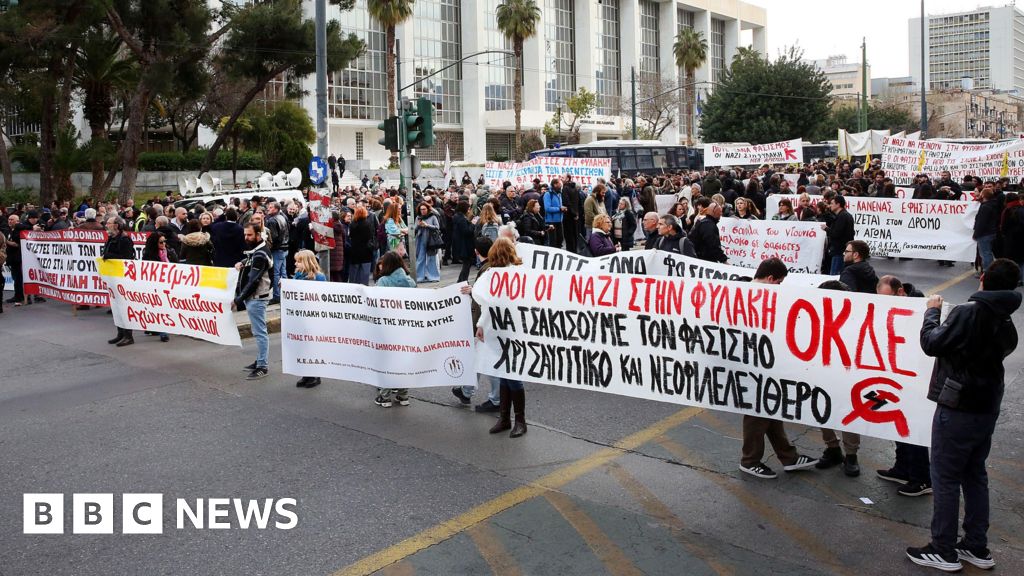
Greek Court Confirms Verdict Against Neo-Nazi Golden Dawn Group

In a significant development within Greece’s** political landscape,** recent judicial proceedings have culminated in the conviction of Nikos Mihaloliakos**,** founder of the now-infamous Golden Dawn party,** alongside several high-ranking officials. This verdict, arriving almost six years after the initial trial, underscores the persistent scrutiny faced by nationalist movements and illuminates the broader ideological battleground shaping modern Europe.

Historical analysts and international observers have long debated the implications of this case, which highlights a troubling resurgence of far-right extremism. The trial’s protracted timeline and eventual verdict reflect the complex interplay between national sovereignty and international pressure. It also brings into focus the delicate balance that European Union and European Court of Justice officials maintain as they address the rise of radicalized political factions. At the heart of this controversy lies a broader question: **How do such judicial findings transform the social fabric and geopolitical strategy of nations embroiled in ideological conflict?**

From a geopolitical perspective, these convictions resonate well beyond Greece’s borders. Historically, the resurgence of nationalist violence threatens to destabilize regional diplomacy and complicate relations with neighboring countries, especially in the volatile Balkan region. The actions taken against figures like Mihaloliakos serve as a stern warning to other extremist groups across Europe, signaling a firm stance from Greek judiciary authorities against the normalization of hate-based politics. As
international organizations such as the United Nations and the OSCE cast an eye over Greece, analysts warn that these legal proceedings could either serve as a blueprint for combatting extremism or, paradoxically, galvanize dissatisfied factions further.

Noted political commentators and historians have noted that Greece’s fight against domestic extremism is intertwined with its geopolitical identity and allegiance within the broader western alliance. The conviction of Mihaloliakos and others echoes similar narratives seen in the European Union’s broader effort to clamp down on ideologies that threaten social cohesion and security. However, critics argue that such legal actions must be accompanied by effective societal measures, lest they become mere symbolic gestures that do little to address underlying grievances and societal divisions. As history has shown, the line between justice and political leverage is razor-thin, and the stakes for Greece are nothing short of historic.

As the shadows of this verdict settle over Athens, the nation finds itself at a crossroads. The echoes of past conflicts and ideological extremes linger, yet the message from the current ruling authorities is clear: **The rule of law must prevail as the safeguard of democracy.** Still, the weight of history is relentless; as Greece continues to grapple with its internal struggles, the world must ponder how the decisions made today will shape future generations. The real test lies ahead—will this judicial victory withstand the storm of societal discord, or will it become a chapter in an ongoing saga of division and conflict? The pages of history are turning, and the story remains unwritten.

Intruder shot after breaching Mar-a-Lago security, Secret Service confirms

Sudden Violence in Butler Shakes U.S. Political Landscape

The summer of 2024 will be remembered as a pivotal moment in American history, marked by a shocking act of violence targeting former President Donald Trump. On a routine day in July, as he engaged with supporters in Butler, Pennsylvania, an unexpected and tragic event unfolded. A gunman, identified as 20-year-old Matthew Crooks, opened fire, striking Trump in the ear and causing chaos among the gathered crowds. This assault resulted not only in injuries but also in the loss of life, with one bystander killed and two others wounded. The rapid response by security forces, who promptly shot and killed Crooks, prevented further bloodshed, but the incident has ignited both national and international debate about the state of political violence in the United States.

This act of violence underscores tensions that have continued to escalate in the American political arena, reflecting a broader ideological divide that has been inflamed over recent years. Analysts and international commentators warn that such incidents threaten the stability of democratic institutions and portend a future where political violence might become more commonplace. The implications extend beyond US borders, casting a shadow over the global image of America as a beacon of democracy. The ripple effects of this attack could influence international relations, security policies, and the perception of American political resilience, especially as global powers observe how internal strife affects their ideological rivals.

The motivations behind Crooks’ attack remain unknown, but the incident has sparked urgent questions about security protocols, mental health, and the rise of extremist sentiments within the US. Historians and security analysts are already drawing parallels with past political violence, warning that such events might become catalysts for more profound societal upheaval. International organizations such as the United Nations have called for internal stability and a crackdown on extremist narratives that facilitate such violence, emphasizing the risk of deterioration in democratic norms.

From a geopolitical perspective, this violence poses a threat to domestic stability—a core foundation of a nation’s standing in the world. The deliberate targeting of a prominent political figure like Trump exposes vulnerabilities in US security and highlights the need for an urgent reassessment of how political hostility manifests physically. Leaders worldwide observe with concern, knowing that unchecked internal conflict fuels instability, weakening America’s ability to project power and influence globally. As the nation mourns, the question remains: how will this tragedy shape future political discourse and policy in the United States?

History has often recorded moments where a single act of violence ignited broader societal shifts—sometimes for better, sometimes with devastating consequences. As the United States grapples with what this attack signifies, the world watches closely. The harrowing question lingers: will this event fracture the fragile fabric of American democracy or serve as a wake-up call to reinforce its foundations? In the unfolding chapters of history, the answer remains uncertain, yet undeniable: the weight of this moment will linger in the collective memory, reminding us all that the future of nations often hinges on how they confront their darkest hours.

Social Media Auto Publish Powered By : XYZScripts.com