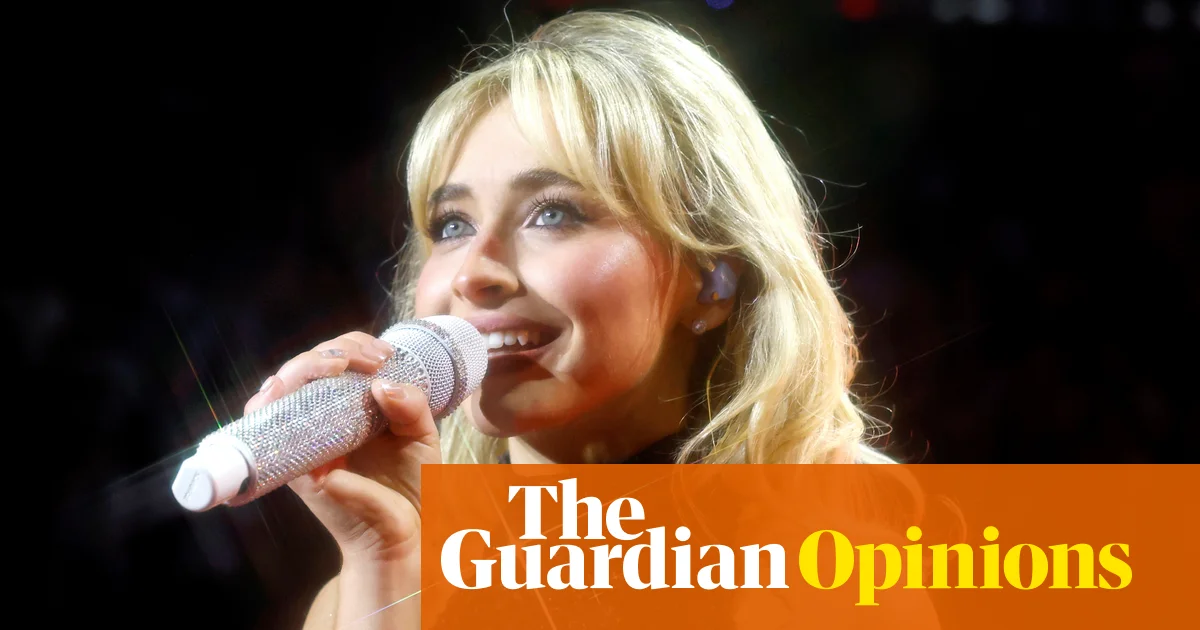

Amidst the chaos of political crises and geopolitical upheaval, a subtler yet profoundly significant battleground persists: the realm of culture. In recent weeks, the spectacle of social media manipulation reveals how modern administration propaganda leverages cultural symbols—music, memes, and icons—to shape public perception and, ultimately, societal identity. This toxic game, orchestrated by a government increasingly resembling a pop culture agitator, exemplifies Ortega y Gasset’s assertion that “You are what you stand for,” highlighting how cultural narrative forms the foundation of collective self-understanding. When culture is deliberately weaponized, it becomes a battleground where the soul of society is contested, revealing the power struggles behind the veneer of political discourse.
The disturbing trend of government-aligned pop culture abuse underscores a stark truth: culture is inseparable from identity. As artists like Olivia Rodrigo, Jess Glynne, and Kenny Loggins vocally oppose their work being co-opted for propaganda, they expose a disturbing paradox. These cultural icons, once symbols of individual expression, are now pawns in a manipulative game where their creative output is used not to uplift, but to divide and disorient. Chesterton reminds us that true art and tradition are rooted in a moral vision, transcending superficial trends. When authorities distort this vision—by turning lyrics into political slogans—the cultural fabric frays, undermining society’s sense of continuity and shared purpose.
Moreover, the phenomenon reveals an underlying philosophical truth: culture carries the memory of a people’s history and the prophecy of its future. Tocqueville’s insight that democracy and culture are intertwined becomes evident as the current administration channels the lowest common denominator of engagement—employing memes and viral soundbites to manipulate public sentiment. Yet, as T.S. Eliot observed, a culture’s vitality depends on its capacity for both reflection and prophecy. When culture is weaponized for entertainment and distraction, it risks becoming sterile, stripping society of its soul and reducing it to a spectacle of chaos. It is in this cultural wasteland that the true battle for identity unfolds, testing whether societies will preserve their moral and historical integrity or succumb to superficiality.
- Historically, regimes that manipulate cultural symbols—be it totalitarian states or populist movements—have sought to redefine national identity through propaganda, eroding the moral foundations that sustain a resilient society.
- Contemporary artists and thinkers—like Zach Bryan and others—demonstrate that active cultural resistance is possible when rooted in authenticity and moral conviction, rather than reactive outrage.
- The challenge remains for the youth of today to discern between superficial entertainment and enduring cultural values that bind communities across generations.
In this theater of deception, the clarity of cultural memory and the courage to forge a hopeful prophecy become paramount. Chesterton once warned that “Poets and mystics are always right about the future,” because they speak from the depths of tradition and the heights of aspiration. When society recognizes that culture is both memory and prophecy, it can withstand the assaults of cynicism and cynics alike. Amid the noise of manipulated memes and political spectacle, the enduring voice of a culture rooted in truth, history, and moral purpose whispers silently, guiding humanity through the darkness toward a dawn of genuine understanding and hope. It is here, in embracing our cultural memory as a living prophecy, that we find the true strength to shape a future worth inheriting—one that upholds the dignity, identity, and moral foundations of a civilization.