Matox News

Truth Over Trends, always!

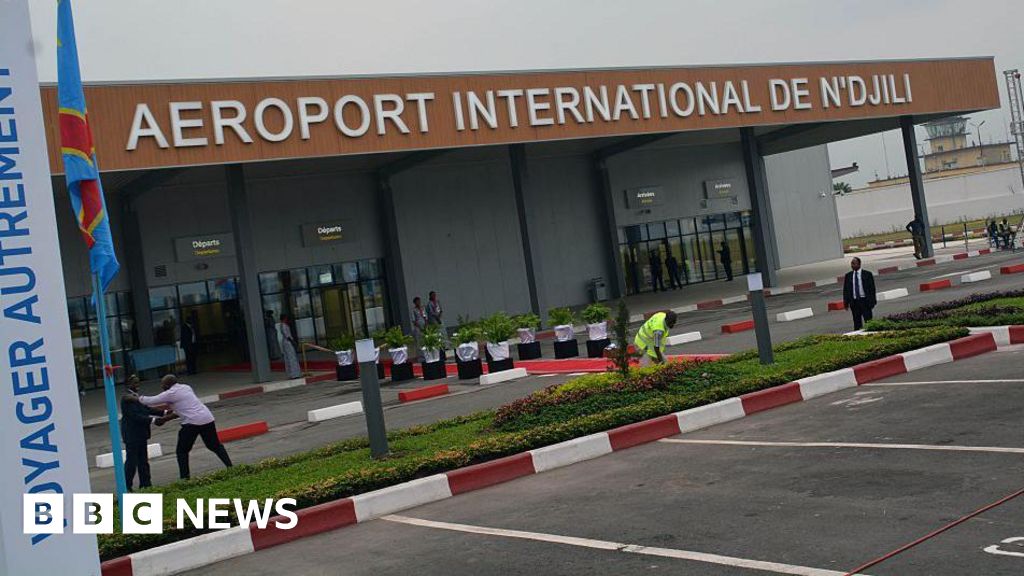
DR Congo welcomes first US deportees, standing firm on border security

In a significant development for Central Africa, the recent negotiations between the Congolese government and the Rwanda-backed M23 rebels herald a tentative step toward de-escalating ongoing hostilities. Both parties announced commitments to facilitate humanitarian aid, safeguard civilians and critical infrastructure, and establish a monitoring mechanism for a permanent ceasefire. While such declarations are promising, the real measure of their success will be gauging whether these pledges translate into sustained stability in a region historically plagued by conflict and proxy interests.

Analysts and international organizations, including the United Nations and various regional watchdogs, have underscored the critical importance of these talks. The conflict in eastern DR Congo is layered with complex geopolitical undercurrents involving neighboring countries and distant global actors. The M23 insurgency, initially a local movement, has grown into a symbol of broader regional unrest, often linked to Rwanda’s strategic interests. Critics warn that without addressing underlying grievances and regional power dynamics, any ceasefire may be superficial, risking the return to violence once initial troop withdrawals or ceasefire monitoring efforts falter.

The geopolitical impact extends beyond the immediate conflict zone. The fragile agreement signals a potential shift in regional alliances and perceptions of stability, which influence international investment and diplomatic engagement. Countries like Uganda and Burundi face mounting pressure to counteract proxy violence, while the European Union and United States continue to monitor developments closely, wary of unleashing chaos that could spill into neighboring East African nations. The decisions made in these negotiations could either catalyze a broader process of stabilization or pave the way for renewed chaos if external powers and local actors fail to uphold their commitments.

Historians and strategic think tanks warn that the true test lies in translating diplomatic gestures into tangible outcomes. Political analyst Dr. Samuel Greene emphasizes that “history shows that ceasefires in conflict zones like eastern DR Congo are often fragile, reliant on external peacekeepers, and subject to immediate re-escalation if underlying grievances remain unaddressed.” This underscores the critical need for sustained international engagement, transparent monitoring, and genuine reconciliation efforts. Without these, the region risks spiraling into deeper turmoil, undermining decades of fragile peace efforts and endangering the sovereignty of local states.

As the world watches, both the Congolese government and the M23 rebels are at a crossroads. Their handshake could be a prelude to lasting peace or a veneer concealing unresolved conflicts. The decisions taken in the coming days will echo through history’s corridors, defining whether Eastern Congo can finally find stability or remain ensnared in the cyclical violence driven by external interests and internal divisions. The weight of history is pressing heavily, and only time will reveal if this gamble on diplomacy is the final chapter or merely a fleeting pause in an ongoing struggle for sovereignty, security, and peace.
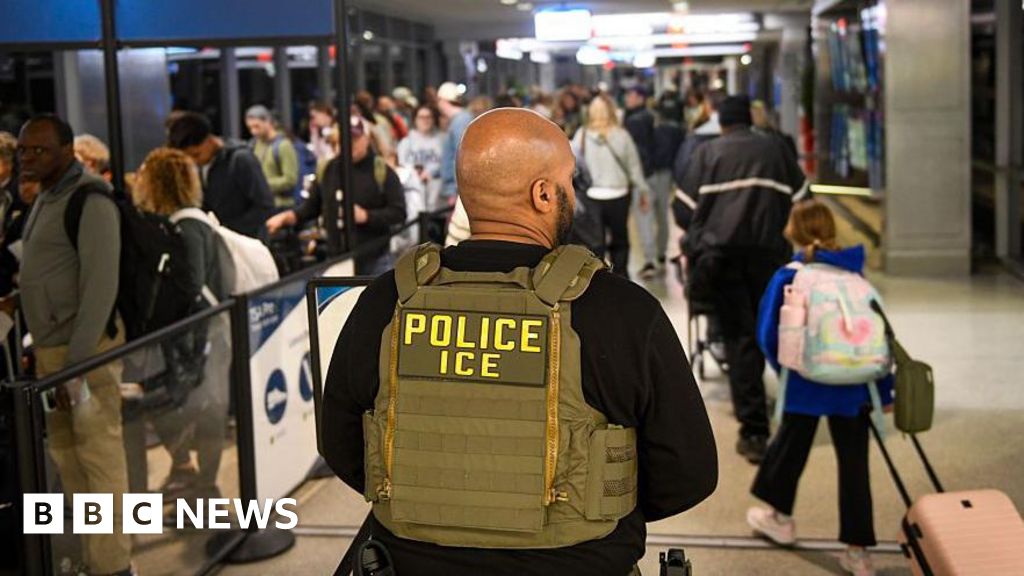
DR Congo Opens Doors to US Deportees, Young Voices Watch Closely

In an era marked by increasing migration crises and shifting geopolitical alliances, the recent decision by Democratic Republic of the Congo (DR Congo) to accommodate third-country migrants signals a complex interplay of humanitarian values and international strategy. According to an official statement, the decision affirms DR Congo’s commitment to human dignity, international solidarity, and the protection of migrant rights. This move comes amid mounting pressure from global organizations and emerging regional dynamics, positioning Kinshasa on a new geopolitical footing as a sympathetic refuge for displaced populations crossing borders from non-neighboring nations.

What makes this decision particularly noteworthy is its adherence to a broader pattern of international cooperation driven by both moral imperatives and pragmatic geopolitical calculations. Analysts suggest that DR Congo is aligning itself with a global narrative emphasizing humane migration policies, possibly to bolster its international standing and foster diplomatic goodwill. This stance is reinforced by the involvement of major UN agencies and regional powers, who see in such commitments a means to stabilize fragile border regions and mitigate the risks associated with uncontrolled migration flows. According to experts like Dr. Martin Collins, a senior analyst at the International Migration Institute, this development could redefine Central Africa‘s role in global migration landscapes, turning the nation into a key player in regional security and cooperation initiatives.

However, the decision also carries significant geopolitical implications. Critics warn that embracing third-country migrants might ignite internal debates about sovereignty, resource allocation, and social cohesion. Historically, migration can be both a catalyst for economic renewal and a source of social strain, especially in nations already grappling with internal challenges. The shift signals a broader push by some governments to leverage migration policies as a soft-power tool in their diplomatic arsenal. Meanwhile, neighboring countries watch closely, wary of potential spillovers that could destabilize already volatile regions. As China and Russia expand their influence across Africa, local decision-makers are increasingly caught between aligning with global standards and safeguarding national interests.

International organizations like the International Organization for Migration (IOM) have applauded DR Congo’s move, describing it as an important step towards a more humane and coordinated migration framework in Africa. Nevertheless, the global community remains divided over migration policies, often reflecting deep ideological rifts. For instance, the European Union continues to grapple with externalizing migration control, while the United States debates immigrant integration policies at home.

As the world watches this unfolding chapter, the true weight of history begins to crystallize. Nations are no longer isolated actors but interconnected entities whose decisions about migration, sovereignty, and humanitarian responsibility echo across continents. The decision by DR Congo might seem a modest act at first glance, but in the grand chessboard of international diplomacy, it signals a potentially transformative shift—one that could redefine regional alliances and influence global migration narratives for decades to come. The sweep of history remains unwritten, yet its next movement seems toward a future where sovereignty and solidarity collide on an ever-expanding international stage.

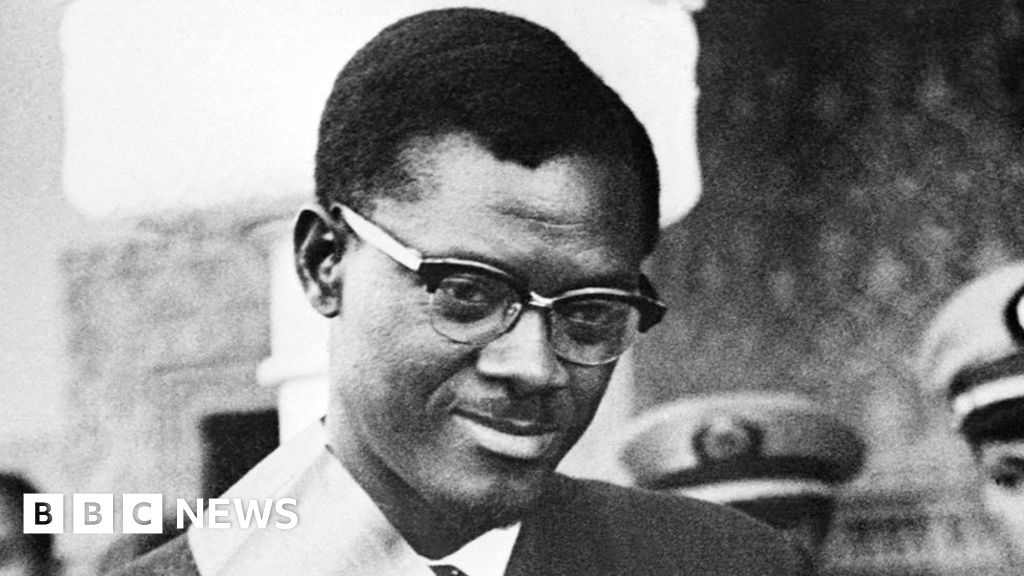
Belgian Court Opens Path to Justice in 1961 Congo PM Lumumba’s Murder

Echoes of Power: The Unfolding Legacy of a 93-Year-Old Diplomats’ Alleged Role in a Pivotal Assassination

In a development that has revitalized debates on transnational diplomacy and the lingering shadow of colonial-era conflicts, Etienne Davignon, a venerable 93-year-old ex-diplomat, faces serious accusations linked to the assassination of a revered independence hero. While decades have passed since those turbulent times, recent disclosures threaten to unravel long-held narratives, prompting analysts and history scholars to reexamine the geopolitical architecture that defined and, in some cases, secretively shaped the destinies of nations.

Historically, Europe and international institutions have often operated behind closed doors, navigating complex alliances and conflicts. Despite his age, the allegations against Davignon underscore a controversial truth: the machinery of diplomacy sometimes entailed shadowy dealings that impacted the course of independence struggles across continents. Such accusations inevitably stir questions about how much influence individual actors wielded in decisions that would resonate through generations. According to prominent historical analysts and reports by International Criminal Court officials, the accusations rest upon supposed secret communications and covert operations aimed at destabilizing the independence movement, revealing a darker facet of diplomatic conduct during the era.

Geopolitical Impact and Societal Reverberations

The implications of these allegations extend far beyond individual responsibility. If proven true, they could redefine the historic narrative of sovereignty and external influence. The accused’s involvement might confirm fears that powerful nations and their representatives manipulated regional conflicts, prioritizing strategic interests over genuine independence. This threatens to rekindle debates on the morality of realpolitik and the extent to which imperial powers compromised the sovereignty of nascent nations. Furthermore, these revelations have already caused ripples in international institutions dedicated to safeguarding human rights and historical transparency, challenging their neutrality and prompting calls for a reassessment of past diplomatic secrecy.

Several key events now aggregate around the debate:

  • Revelations about alleged covert operations targeting independence leaders
  • Increased scrutiny on European diplomatic archives
  • Calls for accountability from intergovernmental bodies
  • Growing discontent among nations seeking to uncover the truth about foreign influence

Notably, many experts argue that these developments reflect a critical turning point in international accountability. As nations demand transparency, some analysts, like Professor Helena Schmidt of the European Institute of History, warn that uncovering historical truths might unearth uncomfortable realities about the true cost of independence. Such disclosures could serve as a catalyst for a broader reassessment of diplomatic ethics, forcing the global community to confront the shadows lurking behind historic treaties and agreements. The potential consequences for contemporary diplomacy are profound: trust in international processes could be shaken, and new demands for oversight might emerge.

The Fight for the Future

As the saga continues to unfold, the balance of power and morality remains at stake. Nations and citizens alike are watching closely, realizing that decisions made decades ago continue to shape present-day geopolitics and societal structures. The weight of history presses heavily: are we merely uncovering the past, or are we rekindling conflicts that threaten to redefine regional and global order? History’s shadows are long, and their lessons, if heeded, could forge a new path — or trap us in old, unresolved struggles.

In the end, the story of Davignon and the alleged conspiracy becomes more than a single case; it embodies the ongoing dialogue of justice, sovereignty, and international morality. The world stands at a precipice, gazing into the depths of its own past, daring to ask whether the pages of history are truly closed or if they are, in fact, waiting to be rewritten under the watchful eyes of an uncertain future. As the echoes of this political drama resonate across continents, history continues to be written — one revelation at a time — leaving humanity to grapple with the enduring legacy of its choices.

US sanctions Rwanda’s military leaders over DR Congo clashes

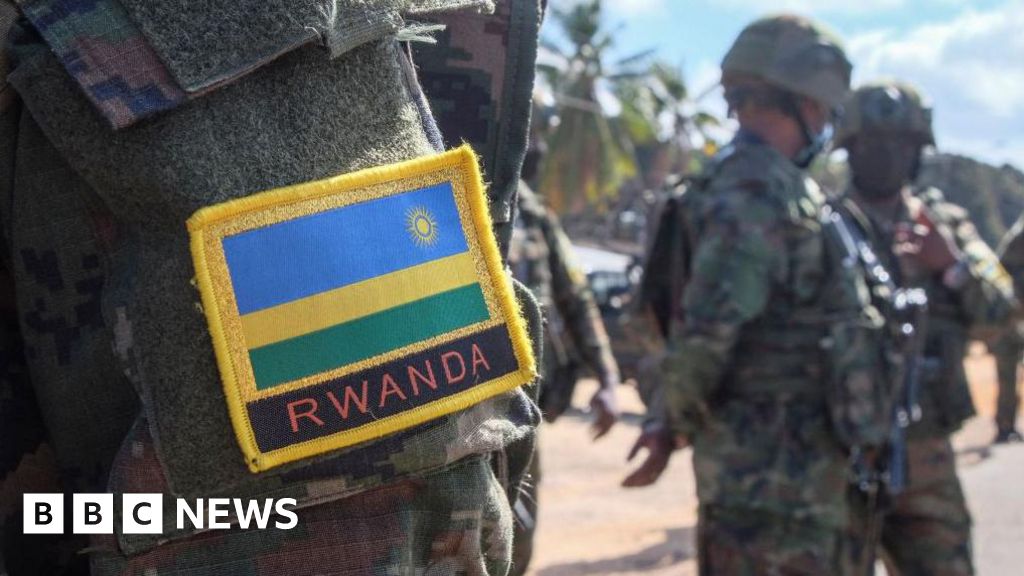
The escalating diplomatic tensions between Rwanda and Washington have taken a decisive turn, igniting fears of deeper geopolitical shifts in eastern Africa. Rwanda officially accused the United States of adopting a “one-sided” and politically motivated stance in recent international maneuvers, raising alarms over the growing influence of global powers in regional conflicts. As Rwanda navigates its sovereignty amid international pressures, analysts warn that such accusations underscore a broader contest for influence in Africa—an arena increasingly seen as a strategic chessboard.

Rwanda’s ire centers around recent decisions made at the United Nations and within bilateral negotiations, where the U.S. has taken positions that Rwanda claims dismiss its security concerns and diplomatic interests. International observers highlight that the U.S. response appears to favor certain factions within the regional conflict landscape, aligning with Western interests at the expense of Rwandan sovereignty. Historically, foreign intervention—whether in the form of aid, sanctions, or diplomatic pressure—has long influenced African states’ trajectories, often at the expense of their internal stability and autonomy. Rwanda’s leadership contends that such external influence undermines regional peace efforts and ignores the complex realities on the ground.

The geopolitical impact of this diplomatic standoff extends beyond the borders of Rwanda and the United States. It exemplifies a broader struggle among major global players—particularly China, Russia, and the European Union—to reshape Africa’s geopolitical map. The International Crisis Group and other think tanks warn that increased competition risks destabilizing already fragile regions, fueling cycles of violence and economic uncertainty. Moreover, Africans and their leaders are increasingly vocal about the need to chart independent paths, resisting external meddling and asserting sovereignty in shaping their futures.

History offers a cautionary tale—where external powers, often cloaked in the guise of aid or diplomacy, have historically exploited regional conflicts for strategic gains. As Rwanda’s accusations echo through international corridors, the world faces a pivotal moment: will existing powers respect Africa’s sovereignty, or will the continent become an arena for greater geopolitical rivalry? The answer may well determine whether the winds of change carry toward peace and stability or if they blow toward enduring conflict. In the shadows of history, the unfolding story warns that the stakes are nothing less than the future sovereignty of nations and the true meaning of independence in a fractured world order.

Trump Hosts Leaders from DR Congo and Rwanda to Seal Key Peace Agreement

Emerging Peace Deal in Central Africa: A Turning Point or Illusion?

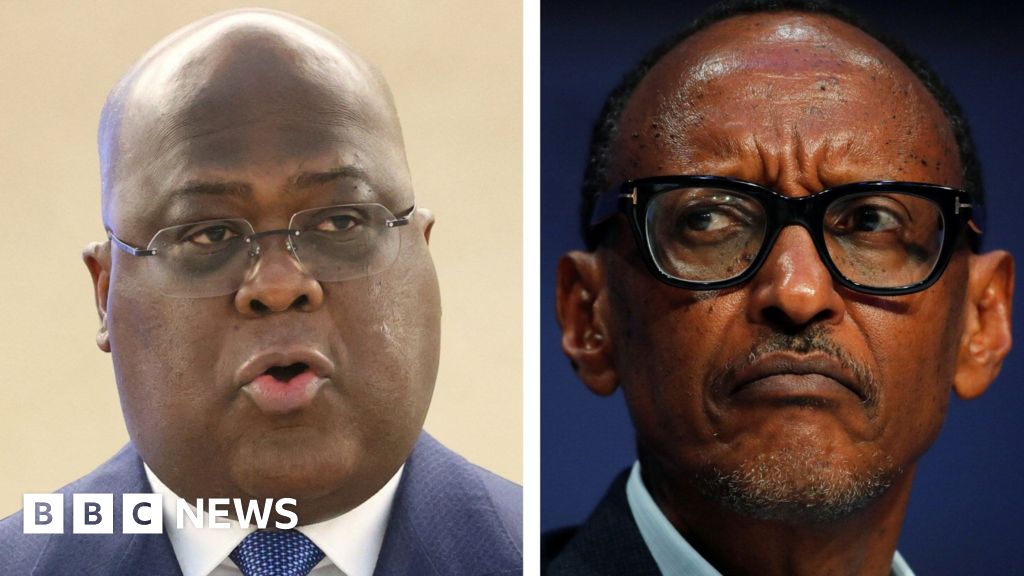
In an era defined by shifting allegiances and resource-driven conflicts, the recent summit in Washington marks a pivotal moment for the tumultuous region of Central Africa. The presidents of DR Congo and Rwanda are poised to sign a landmark peace agreement aimed at quelling a decade-long insurgency that has destabilized eastern DR Congo. Hosted by then-U.S. President Donald Trump, the diplomatic gathering drew several international figures, including representatives from Qatar, Burundi, and Arab nations, signaling the global stakes intertwined with regional peace.

Despite the symbolic nature of the summit, beneath the diplomatic veneer lies a complex web of conflicting interests, historical grievances, and geopolitical calculations. The signing comes amid escalating violence, with the M23 rebel group recently seizing critical cities such as Goma and Bukavu, and ongoing accusations of Rwandan backing—an assertion Kigali continues to deny. The conflict’s roots trace back to the 1994 Rwandan genocide, with groups like the FDLR militias remaining a persistent threat, prompting Rwanda’s claims of needing to adopt defensive measures. Herein lies the core dilemma: Rwanda insists disarmament of FDLR is vital, but how to disarm a fearsome militia with a history of atrocities remains unresolved—especially when previous efforts have failed.

The Geopolitical Chessboard: Mineral Wealth, Regional Power, and International Influence

Analysts and international organizations emphasizing the region’s economic potential warn of a future shaped less by peace and more by resource extraction. The US State Department cites an estimated $25 trillion worth of mineral reserves within DR Congo, including cobalt, copper, lithium, and tantalum—key ingredients for modern electronics and defense industries. The United States has aggressively promoted economic accords, aiming to turn the region into a corridor of collaboration on hydroelectric and infrastructure projects. Political scientist Prof. Jason Stearns remarks that the true aim of the United States is to secure mineral rights and bolster strategic partnerships, while Rwanda’s role is nuanced—both as a key stakeholder and alleged supporter of rebel factions like M23.

As history illustrates, such resource-driven conflicts are often less about territorial control and more about economic dominance. Rwanda’s claims of disarming the FDLR and the DR Congo’s insistence on the rebels’ surrender expose the fragility of diplomatic promises. Past peace agreements, dating back to the 1990s, have repeatedly unraveled when accusations of inaction and betrayal surface. Critics argue this latest accord, while touted as “historic,” may merely be a strategic pause, allowing regional powers to consolidate economic gains without addressing the underlying nationalist and ethnic tensions.

Uncertain Prospects: A Fragile Glimmer of Hope or a Foreboding Prelude?

Furthermore, the ongoing clashes signal that true peace remains elusive. The DR Congo army reports recent offensives against rebels, who in turn accuse the government of collusion with foreign forces, notably Burundi. The enclave’s strategic importance—bordered by multiple nations and rich in resources—ensures that any resolution is susceptible to regional and external interference. The participation of Qatar and the U.S. in mediation efforts highlights the international stakes; yet, the enduring question remains—will the promise of peace translate into lasting stability, or merely herald another chapter of deferred conflict?

History’s shadow looms large, with experts warning that peace processes in Africa often falter due to entrenched interests, unfulfilled agreements, and the difficulty of disarming well-armed factions. The region teeters on the precipice of a new chapter—one that could either mark the demise of chaos or the birth of a protracted struggle. As the world watches, the unfolding story in DR Congo and Rwanda reminds us that the weight of history is still being written, and the future remains dangerously uncertain.

DR Congo and M23 rebels strike peace deal in Qatar, paving way for stability

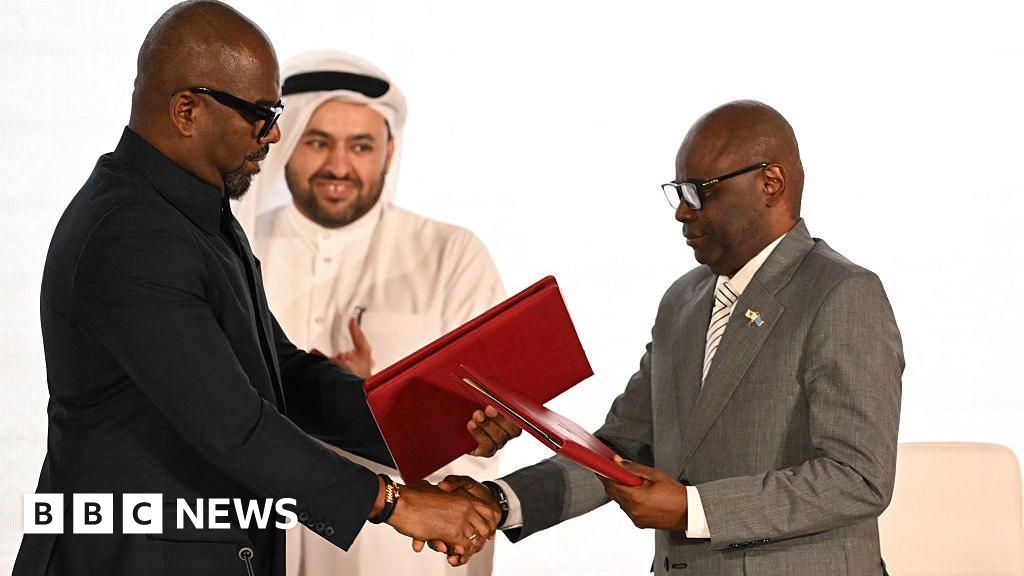
The recent signing of a framework for peace between Rwandan-backed M23 rebels and the government of Democratic Republic of Congo marks a significant, albeit tentative, turning point in one of Africa’s most complex conflicts. The peace ceremony held in Qatar underscores the growing international effort to broker stability in the resource-rich eastern region, which has long been a hotspot of violence and chaos. This development is particularly noteworthy given the regional history of insurgency, ethnic tensions, and geopolitical maneuvering, with global powers including the United States and the African Union actively engaging behind the scenes. The peace process, which builds on recent agreements in Doha, signals an evolving approach to conflict resolution that prioritizes diplomatic negotiations over military solutions.

The conflict’s roots extend deep into ethnic and political divides, compounded by competition over mineral resources critical to global industries, especially electronics. Earlier this year, the M23 rebels captured major cities like Goma and Bukavu, effectively disabling the Congolese government’s control over the region. Despite multiple efforts to establish peace, previous agreements have failed, and violence has persisted, with *thousands killed* and *hundreds of thousands displaced*. The new framework aims to address core issues such as humanitarian access, the return of displaced populations, and the disarmament of rebel factions like the FDLR, a militia linked to the 1994 Rwandan genocide. Such measures are crucial, not only for restoring order but also for pacifying a region that’s been destabilized for decades, thereby impacting the broader geopolitics of Central Africa.

At the heart of the dispute lies tension over Rwandan troop presence in eastern Congo. Kinshasa demands a full withdrawal of Rwandan forces, which Kigali counters by insisting that this can only occur once the disbandment of the FDLR rebel group is complete. This stance highlights the intertwined nature of regional security, ethnicity, and control over mineral wealth. The analysis by international security experts suggests that such disagreements threaten to undermine fragile peace efforts if not managed carefully. The geopolitical impact extends beyond mere border disputes; it influences the control of vital mineral resources like coltan, which is indispensable for modern electronics. As US envoy Massad Boulos noted, most protocols still require fine-tuning, but the mere existence of a framework signifies a crucial shift towards diplomacy after years of failed ceasefires and battlefield setbacks.

Ultimately, the unfolding conflict in eastern DR Congo serves as a stark reminder of the high stakes involved—not just for the local population but for global markets and international stability. The region’s earliest history, marked by ethnic divisions and colonial legacies, continues to influence current negotiations. While the world watches as historic peace accords attempt to tame chaos, the shadows of unresolved grievances and regional ambitions loom large. As the negotiations proceed, the weight of history presses heavily upon the shoulders of leaders, analysts, and ordinary citizens alike. The question remains: will peace endure, or will this fragile agreement be yet another chapter in a long, tragic saga of missed opportunities? The story of eastern Congo is still being written, and the pages yet to come will determine whether this moment signals a new dawn or if history’s relentless cycle of conflict will continue to unfold, leaving its indelible mark on Africa’s heartland and the world beyond.

Social Media Auto Publish Powered By : XYZScripts.com