Matox News

Truth Over Trends, always!

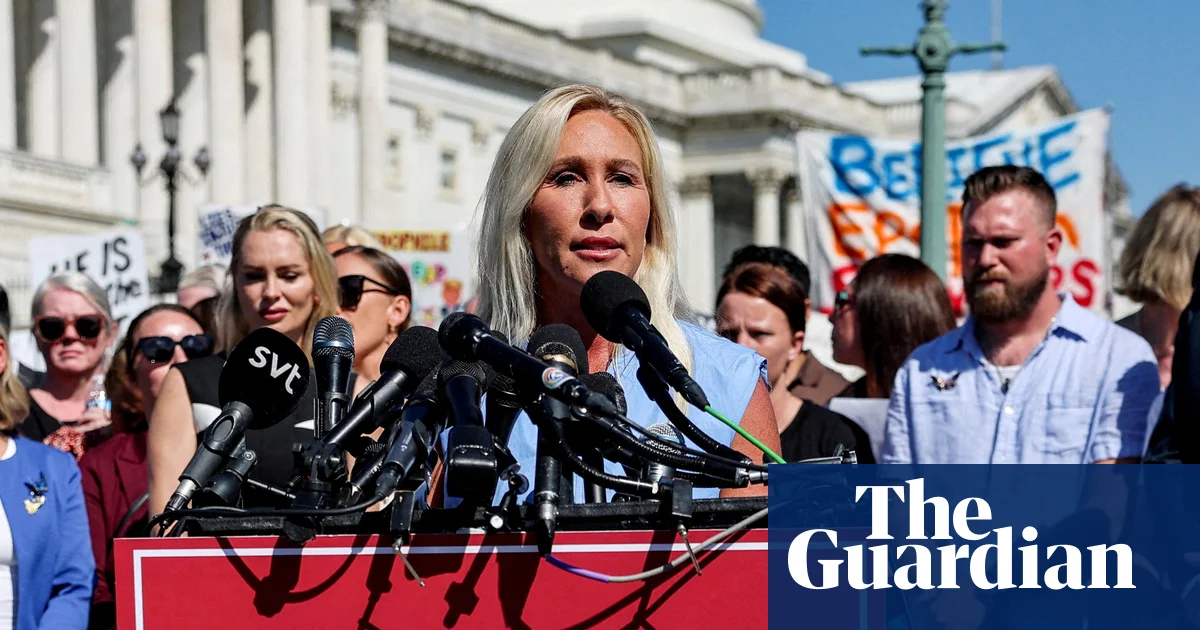
Greene Preparing to Step Down from Congress This January

Greene’s Resignation: A New Turning Point in American Politics

The political landscape in the United States witnesses yet another unprecedented shift as Marjorie Taylor Greene, one of the most outspoken and polarizing figures on the right, announced her resignation from Congress effective January 5, 2026. Her decision, relayed through a four-page statement and a social media video, signals more than just a personal career move; it marks a critical juncture reflecting the deeper ideological struggles within the Republican Party and the broader American society. Greene’s departure comes amidst her vocal discontent with both Republican leadership and her former allies, notably Donald Trump, and underscores ongoing tensions over the core principles of the “America First” movement.

Her resignation highlights a mounting rift within the conservative camp, where allegiance to populist nationalism clashes with emerging neoconservative and globalist influences. Greene fiercely condemned what she perceives as the betrayal of fundamental American interests—criticizing Republican leaders for neglecting border security and domestic priorities. This conflict is emblematic of a broader ideological divide, visible to analysts and historians alike, as the “America First” outlook is challenged by entrenched establishment interests aligned with foreign policy interventions, corporate influence, and international treaties. Greene’s assertion that she is returning to her community to “live life to the fullest” echoes an increasing frustration among populist voters who feel marginalized by a political class they see as increasingly disconnected from their fundamental concerns.

Within this atmosphere of upheaval, international institutions and foreign policy are not immune markers of change. Greene’s outspoken opposition to the ongoing Israeli war on Gaza—a conflict she describes as “genocide”—mirrors a growing undercurrent of dissent within America’s right-wing, challenging the conventional bipartisan support for the Jewish state. This dissent feeds into a larger debate about U.S. foreign policy’s alignment with globalist interests and the “Military-Industrial Complex,” as critics argue that such interventions undermine American sovereignty and national security. Moreover, her public disagreements with Trump over issues like visa policies, AI regulation, and foreign involvement serve as a warning signal to global observers: the internal American debate over national priorities is intensifying, with potent implications for future diplomacy and security.

  • Greene’s departure comes amidst threats and security concerns, with reports of warnings from private firms about her safety after Trump withdrew support, illustrating how polarized and volatile American politics have become.
  • Her outspoken stance on exposing elite crime networks, including the Jeffrey Epstein scandal, signifies a broader push against perceived corruption within the political and economic establishment—raising questions about transparency and accountability at home and abroad.
  • Observers like political strategist Shermichael Singleton suggest Greene might be looking to shape her future beyond the current political chaos, hinting at an inevitable realignment in the right-wing movement, potentially paving the way for new leadership that challenges the status quo.

The repercussions of Greene’s decision resonate well beyond her district, impacting the geopolitical fabric of the Western alliance. As her rhetoric echoes the frustrations of millions of Americans—concerned about sovereignty, economic stability, and moral integrity—the world watches with anticipation. The balance of power within the Republican Party and the broader U.S. government remains fragile, teetering on the edge of an unprecedented era of political realignment. Where this tumult will lead the United States remains uncertain, but what is clear is that the weight of history is shifting beneath our feet, and the unfolding chapters of American domestic and foreign policy will shape world affairs for generations to come.
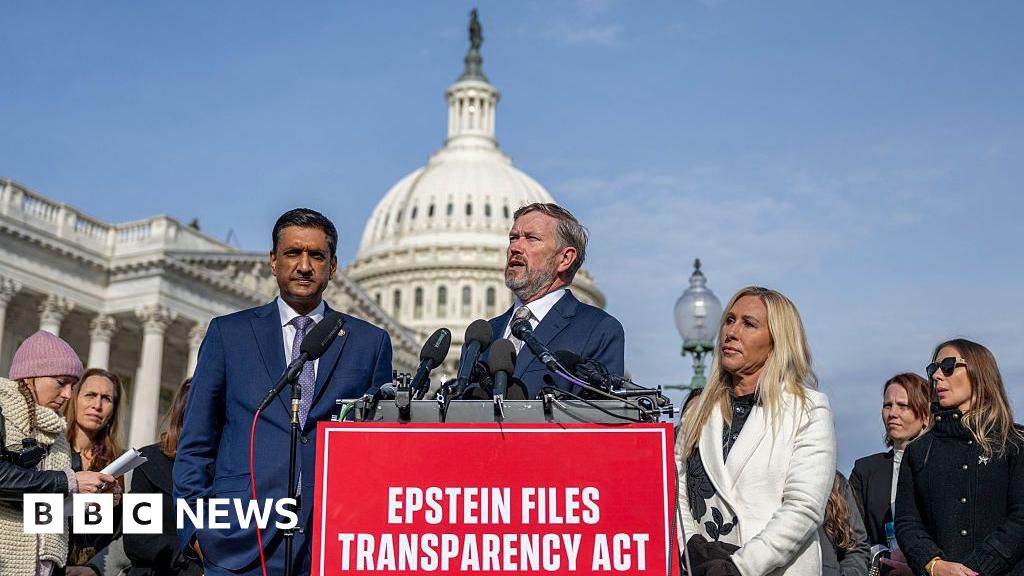

Congress OKs Epstein Files Bill—Heads to Trump’s Desk for Action

In a decisive move that underscores the persistent shadows of American political secrecy and deep-state intrigue, both chambers of Congress have agreed to order the release of classified files related to the notorious financier and sex offender Jeffrey Epstein. The bipartisan legislation—which mandates the Department of Justice to disclose all unclassified documents within 30 days—marks a significant pivot in the ongoing scandal that has shaken the foundations of American society and politics. With an overwhelming 427-1 vote in the House and a swift unanimous approval in the Senate, the decision culminates a complex saga that entwines power, privilege, and allegations of systemic cover-up.

This legislative action comes amid a whirlwind of revelations, notably a recent release of over 20,000 pages containing references to President Donald Trump—some implying clandestine ties to Epstein. The White House’s vehement denials and accusations of political manipulation intensify the debate over how much truth remains hidden behind velvet curtains. Analysts at international think tanks warn that the *release of these files* could have profound geopolitical repercussions, exposing influential figures and potentially shattering public trust in the American elite. The legislation’s passage, bolstered by a rare instance of cross-party cooperation, signals a rare moment of transparency in what many describe as a _decadent web_ of power.

Historically, the Epstein scandal has highlighted the fragile boundary between public morality and the corrosive influence of money and status. Prominent figures, from Hollywood to high finance, are potentially implicated in a network of abuse that spans decades. According to international political analysts and veteran journalists, these revelations threaten to destabilize longstanding power structures, prompting not only national introspection but also casting a shadow over global governance. Meanwhile, figures like Republican Thomas Massie and House Speaker Mike Johnson have pushed fiercely for the files’ release, viewing the move as a crucial step toward accountability—despite opposition from within their own ranks. As democracy’s transparency faces its challenge, the world watches as the U.S. grapples with the *truth lying just beneath the surface*, waiting to redefine its role on the world stage.

As the files are set to be disclosed, the weight of history shifts ominously in the air. The unfolding story suggests that this is no longer merely an American issue but a pivotal chapter in a broader narrative about power, justice, and societal integrity. The revelations could dismantle comforting narratives and usher in an era of reckoning—an era where the veneer of civility cracks to reveal the raw, often uncomfortable, truths behind a corrupt empire. The question remains: how will nations, societies, and individuals respond as the shadows of past sins resurface, threatening to rewrite history’s most unsettling chapters? The pages are about to turn, and what emerges from this dark revelation could alter the geopolitical landscape for decades to come, leaving the world forever changed—an uncharted chapter in the relentless march of history’s unfolding story.

Nancy Mace Clashes with Airport Cops in Explosive Outburst: Police Report

Major Political Controversy Sparks Disruption in Public Sector Operations

In a development that underscores the unpredictable intersection of politics and technology, South Carolina Congresswoman Nancy Mace has recently found herself embroiled in a controversial incident at Charleston International Airport. According to an incident report obtained by WIRED, her unruly behavior toward law enforcement and security personnel has not only raised eyebrows but also spotlighted vulnerabilities within logistical and security infrastructures. As public sector disruption becomes increasingly intertwined with political theatrics, tech companies operating in the realm of security, identity verification, and AI-driven enforcement are now reassessing their innovation strategies to navigate industry instability.

This episode exemplifies the critical need for disruption-resistant systems in operational workflows, especially where governmental and security agencies rely heavily on automation and digital interfaces. While traditional security protocols—such as manual checks and human oversight—have served well, the incident emphasizes the urgency for emerging automated compliance tools and AI-driven behavioral analytics. Companies that incorporate these innovative technologies could not only improve operational efficiency but also enhance resilience against unforeseen political risks. As analyst Gartner has consistently reported, the future of public sector security will increasingly depend on the ability of AI systems to prevent, detect, and adapt to unexpected human behaviors that threaten safety and order.

Furthermore, the incident highlights a broader industry shift towards automation and smart security protocols, especially in high-stakes environments such as airports. Disruption in traditional security models—exacerbated by operational gaps such as the ongoing government shutdown affecting TSA salaries—calls for a strategic pivot towards blockchain-based identity verification, biometric authentication, and AI-powered behavioral monitoring. Companies that recognize these market shifts early will lead the next wave of public-private partnerships, which could fundamentally redefine security logistics and compliance in a post-pandemic, hyper-polarized world.

From an innovation perspective, the episode underscores the urgency for disruptive technologies that can predict and manage human factors within critical infrastructure. Experts from MIT and industry leaders like Elon Musk have long championed the integration of autonomous compliance systems, recognizing their potential to mitigate risks associated with human unpredictability. As industry analysts warn, failure to adapt to these disruptive shifts could expose vulnerabilities, inviting greater instability and operational costs. The future landscape will likely favor businesses leveraging AI, blockchain, and advanced behavioral analytics to create resilient, adaptive systems—and those slow to innovate risk becoming obsolete.

In a world increasingly defined by rapid technological transformation and fleeting political stability, the call for proactive innovation is more urgent than ever. National security, business resilience, and public trust depend on their ability to disrupt traditional models and adopt next-generation infrastructure. The incident at Charleston Airport serves as both a cautionary tale and a clarion call to innovators: those who harness the disruptive potential of emerging technologies will shape the future of security, governance, and societal stability. As the industry evolves, remaining static will no longer be an option—forward-thinking companies must lead the charge into a disruptive new era.

Greene slams GOP, calls Congress’ men ‘weak’—youth voice on the rise

As the United States grapples with an internal political crisis, the world watches with keen interest. The ongoing government shutdown, now entering its third week, reveals a deeper fissure within the Republican Party. Among the most outspoken critics is far-right congresswoman Marjorie Taylor Greene, who has increasingly distanced herself from her party’s establishment, accusing her colleagues of being “weak” in the face of pressing national issues. Her outspoken stance raises alarms about how intra-party divisions might influence U.S. foreign policy and geopolitical stability. With President Biden’s administration and the GOP at odds over fiscal priorities, the consensus is that America’s internal discord weakens its global standing and strategic leverage.

Greene’s rhetoric underscores a pattern where America’s internal strife begins to echo onto the international stage, affecting negotiations and alliances. Her call to remove the 60-vote filibuster and her alignment with Democrat proposals for healthcare subsidies are signals of a fractured Republican base. Such divisions complicate the nation’s ability to present a unified front in critical international negotiations. Analysts warn that the U.S. political tumult risks emboldening rivals like China and Russia, who thrive in moments of American weakness and disarray. Historians like F. Lee Bailey emphasize that weakness in political resolve has historically led to a decline in superpower influence, and with America’s internal struggles, global hegemony remains under threat.

Meanwhile, Greene’s focus on transparency regarding high-profile figures like Jeffrey Epstein complicates the narrative further. Her push for releasing classified files on Epstein’s case—despite resistance from House leadership and Trump loyalists—demonstrates how internal disputes are entwined with questions of justice and accountability. Her claim that Republican women are being sidelined for challenging mainstream GOP leadership exposes a broader debate about gender dynamics in American politics. This infighting not only undermines party cohesion but can have long-lasting repercussions on U.S. diplomatic credibility. As international organizations analyze the fallout, the consensus is that such fragmentation diminishes the United States’ capacity to shape global narratives and forge strategic partnerships.

The geopolitical impact of these domestic upheavals is profound. With Congressional leaders embroiled in internal power struggles, America’s global commitments and partnerships hang in the balance. The world is left to wonder whether the nation’s internal divisions will lead to a power vacuum, inviting increased influence from adversaries. Meanwhile, allies watching Washington’s turmoil question whether the U.S. remains a reliable leader. The unfolding narrative remains a stark warning: a nation divided from within cannot project strength beyond its borders. As history continues to unfurl on the global stage, the future of American leadership remains uncertain, and the weight of upcoming decisions may well determine the course of the 21st century’s geopolitical order, leaving the world to ponder whether this chapter will herald a new era of decline or resilience.

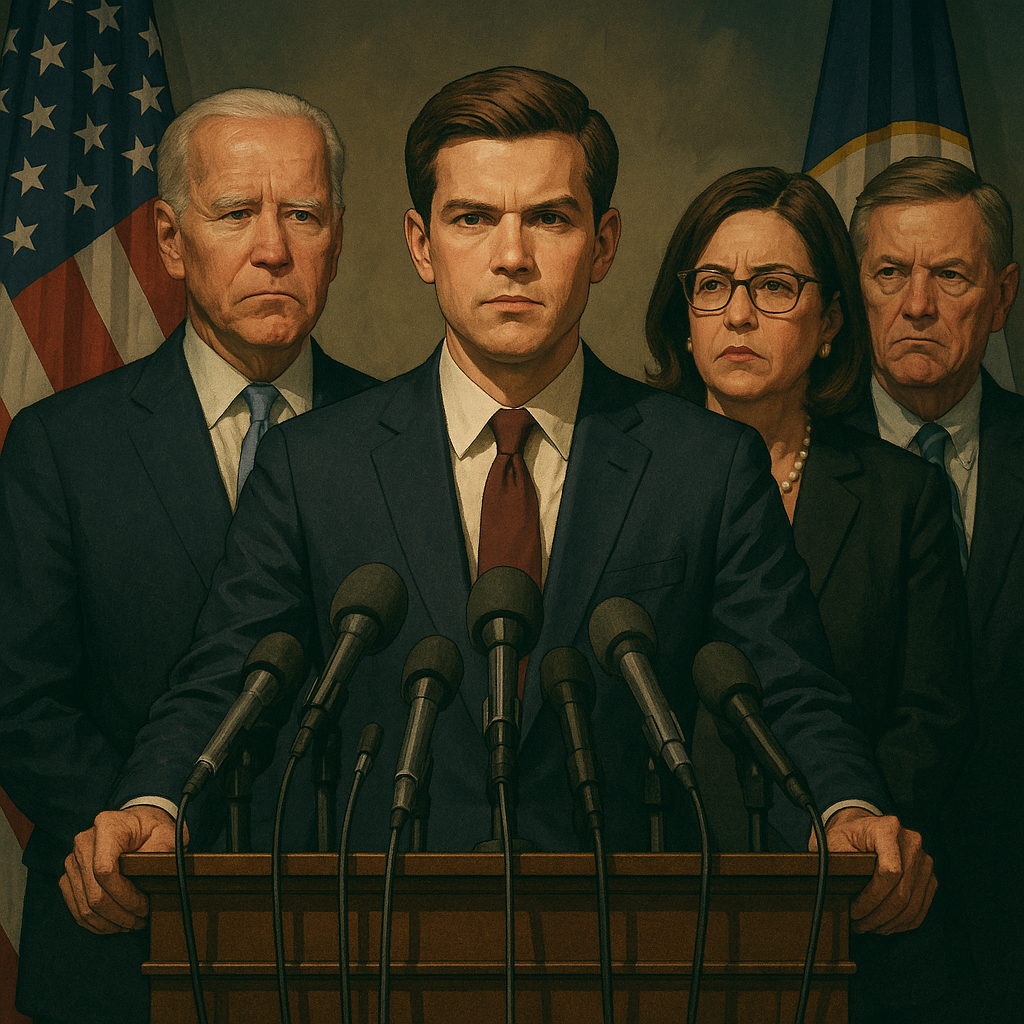
Youthful leader driving Biden’s bipartisan wins in Congress

Under the surface of the Biden administration’s legislative accomplishments, a profound power struggle continues to define the shape of American governance. Despite navigating one of the most narrowly divided Congresses in history, President Joe Biden and the Democratic Party managed to secure a series of landmark wins in the first two years of his presidency. These successes—ranging from bipartisanship on infrastructure, gun safety, and same-sex marriage to partisan efforts on climate policy and healthcare—serve as a testament to the strategic navigation of a tumultuous political landscape. Yet, beneath these achievements lies a crucial question: how do these decisions, often driven by fragile alliances and internal compromises, actually shape the lives of ordinary Americans? And who ultimately holds the real power behind these legislative corridors?

The Biden team’s ability to rally diverse factions highlights a critical facet of contemporary politics: the delicate art of coalition-building in an era when ideological divisions threaten to fracture consensus at every turn. Political theorists like Hannah Arendt and Leo Strauss have long argued that government is ultimately a theater for contesting authority—where decisions are never merely bureaucratic, but fundamentally about who holds the power to decide. Despite claims of bipartisan virtue, many of these “wins” are rooted in pragmatic negotiations that often leave core ideological principles on the cutting room floor. For instance, bipartisan agreements on infrastructure and gun safety bills—while portrayed as victories for the people—are often the result of compromises that dilute their intended impact. The real question is whether these legislative actions reflect the public’s will, or if they are a showcase of political acumen in the game of authority.

Meanwhile, the party-line bills—particularly those tackling climate change and expanding health care coverage—highlight the fundamental struggle within the Democratic Party for ideological dominance. These initiatives demonstrate the prioritization of a progressive policy agenda, sometimes at the expense of broader national consensus. The legislation is often driven by internal pressures from left-wing factions seeking to cement progressive footprints, thereby asserting control over the legislative narrative. Such moves evoke evocative parallels with early 20th-century reform efforts, where elite factions used policy as a battleground for influence. The outcome, however, remains a matter of contestation: will these initiatives truly empower the people, or serve as instruments for establishing a new political order?

As the midterm elections approach, the stakes become ever clearer: the power struggles are not just about policies, but about who writes the destiny of the nation. The decisions made—whether for sweeping reforms or incremental change—are the brushstrokes on the canvas where history is painted. The lesson from history is unmistakable: politics is less about the parties or policies, and more about the struggles for authority that define the fate of nations. Ultimately, as dominant political theorists have observed, politics is an arena where the fate of the collective is forged—where the decisions of today carve the destiny of tomorrow. As citizens, understanding this power dynamic is essential; for it is on this stage that history is written, and the future is determined.

Social Media Auto Publish Powered By : XYZScripts.com