Matox News

Truth Over Trends, always!

Congress members rally against Ellisons' oligarch-funded dinner honoring Trump
Congress members rally against Ellisons’ oligarch-funded dinner honoring Trump

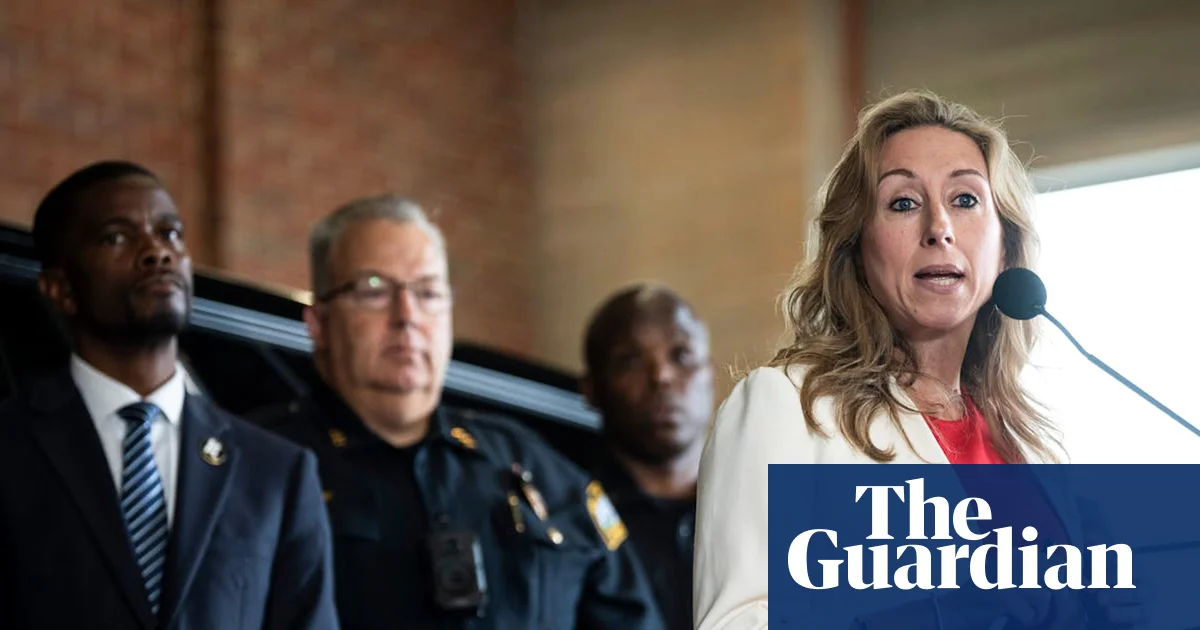
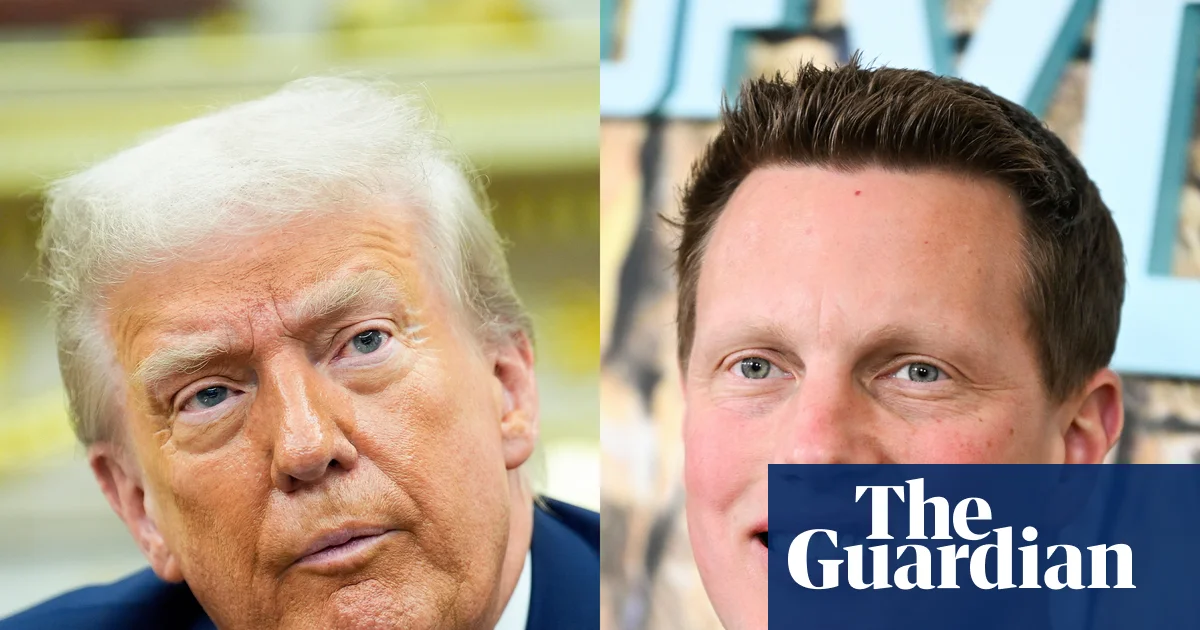
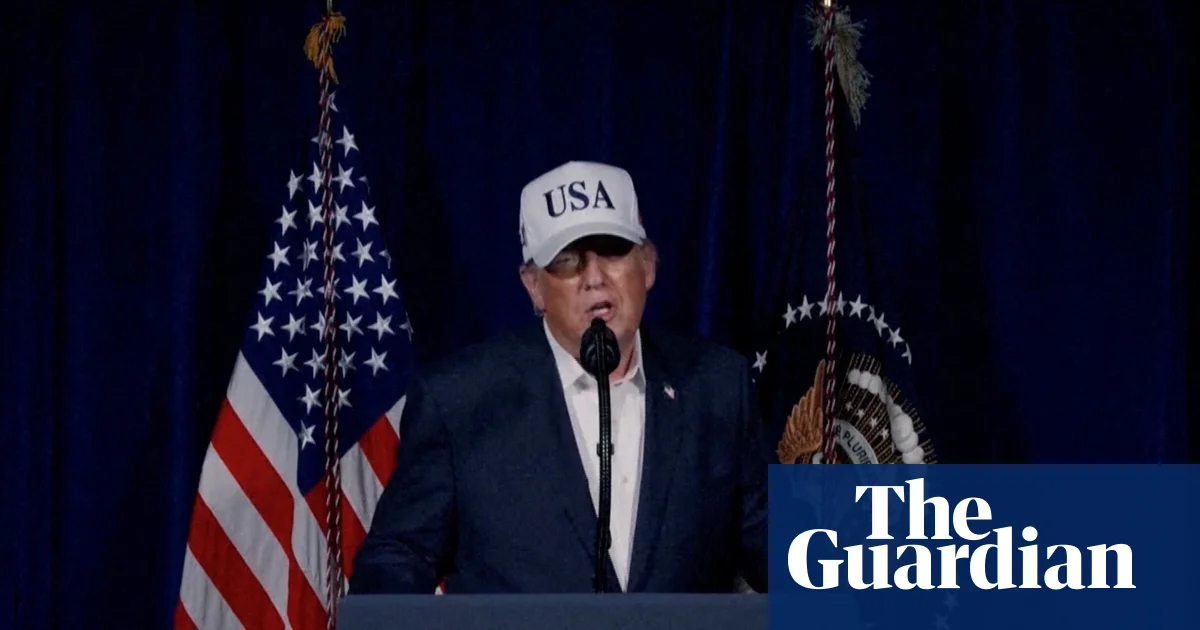
Recent events in Washington, United States, have cast a stark light on the complex intersection of politics, media influence, and corporate oligarchy. A high-profile dinner hosted by David Ellison, CEO of Paramount Skydance, has ignited controversy amid the broader debate over consolidation of media giants, political influence, and the authenticity of American democratic principles. The gathering, attended by former President Donald Trump and members of Congress, epitomizes the perceived symbiosis between corporate power and political elites. Critics argue that such events serve less as celebrations of free speech and more as symbols of entrenched oligarchic influence, in the context of the impending approval of a $110 billion merger between Paramount and Warner Bros Discovery.

Analysts and international observers warn that the accumulation of media assets under a handful of private corporations threatens the formative ideals of pluralism and accountability. US representative Jamie Raskin condemned the event as “a lavish oligarch’s dinner for Donald Trump,” framing it as part of a broader scheme to reshape media control to favor the MAGA movement and “the interests of the Donald Trump family.” As Norm Eisen of Democracy Defenders Action starkly remarked, “This isn’t a celebration of the First Amendment; it’s a celebration of power and corruption.” Critics assert that such corporate-political collusions not only threaten the integrity of American democracy but also have far-reaching global ramifications for free speech and international media landscapes.

The geopolitical impact of these developments extends well beyond national borders. The consolidation of media giants in the United States is seen by many international analysts as a template for similar schemes worldwide, fueling concerns about the erosion of independent journalism and the rise of state-influenced narratives. Observers such as historians and foreign policy experts warn that unchecked corporate influence within superpower nations like the U.S. can sway foreign policy, undermine democratic values, and embolden authoritarian regimes globally. Meanwhile, the U.S. government’s indecision on regulatory approval reflects the delicate balance of interests: protecting free-market capitalism, ensuring national security, and managing international perceptions of American democracy.

The aftermath of the dinner and similar events signals a pivotal moment in international politics, where the lines between corporate interests and political power are increasingly blurred. Critics warn that the ongoing consolidation is akin to forming a transnational oligarchy, capable of influencing geopolitical events and shaping societal norms across continents. As historians and international organizations analyze this trajectory, the emerging narrative suggests that humanity stands at a crossroads. Will the imperative for transparency and accountability prevail, or will the forces of power and corruption continue to dictate the course of history? The answer, unresolved yet urgent, leaves the world watching as the saga of influence, ideology, and control continues to unfold, echoing through history’s corridors in an ever-changing landscape of power and resistance.

Airline CEOs Demand Congress End Shutdown and Pay TSA Heroes

The U.S. government shutdown: A warning sign for international stability

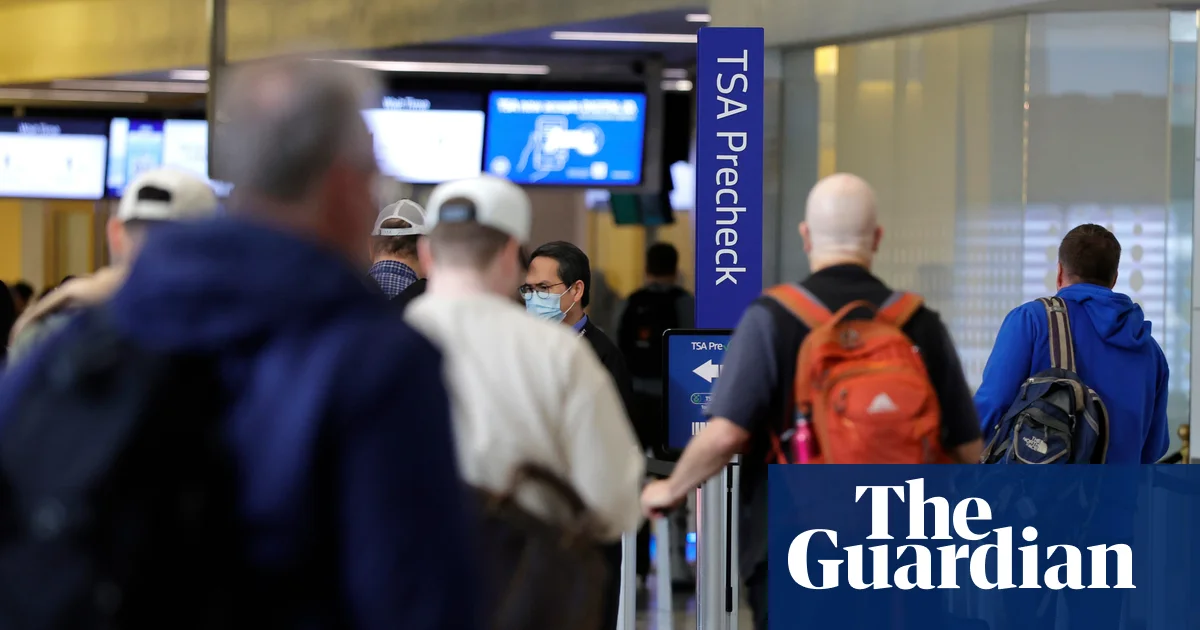
The recent partial government shutdown in the United States has underscored the profound geopolitical impact of domestic political failures on global systems. As CEOs of major American airlines publicly urged Congress to swiftly end the 29-day crisis, the ripple effects have extended beyond U.S. borders. Over 50,000 airport security officers have been forced to work unpaid, causing widespread disruption at key international gateways. The consequences resonate internationally, where a stable U.S. economy and security frameworks are foundational to global financial markets and diplomatic relations. Prominent analysts warn that prolonged political stalemates threaten America’s reputation as a reliable partner, potentially emboldening adversaries and unsettling allies.

The useless partisan brinkmanship and its costs

The crisis traces back to Congress’s failure to approve funding for the Department of Homeland Security, with disagreements rooted in contentious immigration reforms that led to the funding lapse on 13 February. The shutdown has prompted significant operational setbacks; airlines warn of increased delays during what is expected to be a record-breaking spring travel season, with an anticipated 171 million flyers. The CEOs of airlines like American, United, Delta, Southwest, JetBlue, and Alaska Airlines have jointly emphasized that such disarray damages consumer confidence and compromises national security. These disruptions highlight a broader phenomenon: how internal U.S. political disputes can destabilize markets, hurt citizens’ daily lives, and expose vulnerabilities in the country’s leadership and governance.

International repercussions and historical lessons

Internationally, this political chaos signifies more than a mere domestic issue; it serves as a cautionary tale valued by global powers and institutions. The United Nations and World Economic Forum have warned of the risks posed by hyper-partisanship in Western democracies, suggesting that such instability can undermine collective efforts against international threats like terrorism and climate change. Historically, as noted by historians like Charles Beard and Barbara Tuchman, internal divisions—particularly during crises—have frequently left nations vulnerable on the world stage. The current scenario in the US demonstrates that in a deeply interconnected world, political gridlock in one large power can have cascading effects on global commerce, security, and diplomacy, sowing uncertainty far beyond national borders.

As the world watches the United States grapple with its internal conflicts, an enduring question remains: how long can the world afford to wait for their fractured political system to stabilize? The ongoing paralysis leaves international societies pondering the resilience of Western institutions—whose credibility and stability remain essential for global peace and prosperity. In this turbulent time, where history continues to write itself with each headline, the weight of the future’s uncertainty presses heavily upon us. The unfolding saga of the US government shutdown remains a stark reminder: in an era of swift change, nations must brace for the unpredictable echoes of their internal struggles as the world’s compass continues to sway.

US Lawmakers Blast Trump for Iran Strikes: Unlawful War Acts, Say Congress Not Briefed

Controversial U.S. Military Action Against Iran: A Turning Point in Middle East Dynamics

The recent military strikes conducted by the United States on Iran have ignited a fierce debate among American policymakers, international analysts, and global observers. The operation, which reportedly targeted Iran’s nuclear facilities, was carried out without prior congressional approval, raising serious concerns over the constitutional authority and the war powers resolution of 1973. This statute was specifically designed to prevent presidents from engaging in unauthorized military activities, especially without consultation or notification to Congress. The administration’s decision not to inform key lawmakers, including the so-called “gang of eight,” has exacerbated tensions, fueling accusations of overreach and unilateralism at a critical moment.

From a geopolitical impact perspective, the strike marks a dramatic escalation in the US’s approach to Iran, a nation long regarded as a strategic adversary in the Middle East. While President Trump and his officials have justified the action as a necessary response to Iran’s regional influence and nuclear ambitions, critics argue that this move risks sparking a wider regional conflict. As historian Robert Kaplan warns, such operations could destabilize the fragile balance of power in the Middle East, potentially igniting proxy wars that threaten broader global security. Prominent voices, including members of Congress from both parties, have called for urgent accountability. Democratic senator Tim Kaine and Republican representative Thomas Massie have emphasized that, without congressional approval, such military activities undermine constitutional checks and balances, and could set a dangerous precedent in US foreign policy. Moreover, international organizations like the United Nations have criticized uncoordinated acts of war, urging clarity and adherence to international law in conflicts involving sovereign nations.

Within **domestic politics**, the controversy deepens, with voices across the spectrum questioning the administration’s transparency and strategic vision. The comparison to previous war efforts, especially the 2003 invasion of Iraq rooted in false intelligence about weapons of mass destruction, remains fresh in memory. Many analysts argue that Trump’s latest actions resemble an overzealous pursuit of military dominance without clear objectives, risking another prolonged conflict under questionable justification. The debate highlights a broader ideological divide about America’s role on the world stage — with some champions of intervention heralding the strikes as a decisive shift towards eradicating global terror sponsors, while opponents see it as reckless and unnecessary escalation that jeopardizes American security and international norms.

This unfolding chapter of history leaves the world watching with bated breath, as alliances are tested, and nations brace for possible repercussions. As Iran vows to retaliate, and other regional actors reassess their strategic calculations, the incident underscores a profound truth: every decision made in America’s war rooms today echoes across the ages, shaping the geopolitical landscape for generations to come. With each passing hour, the weight of history presses down — a stark reminder that the path to peace is often marred by the shadows of conflict, and the choices of leaders today may well define the future of the Middle East, and indeed, the world itself.

Maxwell’s lawyer: She’s refusing to answer Congress questions—no surprises there.

In a significant development that echoes beyond courtroom walls, Ghislaine Maxwell, the long-jailed associate of disgraced financier Jeffrey Epstein, has announced her intention to invoke her Fifth Amendment right to avoid self-incrimination. This legal maneuver has implications that ripple across international relations, revealing how individual legal strategies in high-profile cases can influence broader geopolitical dynamics and societal perceptions of justice.

Maxwell’s decision to refuse answering questions, citing her constitutional rights, underscores the delicate intersection of domestic law and international scrutiny. The trial of Maxwell has attracted global attention, with critics viewing her potential testimony as pivotal to unlocking deeper revelations about Epstein’s extensive network and its possible connections across multiple nations. The United States stands at a crossroads—balancing the pursuit of justice with the complexities of international diplomacy and the rights of the accused. Insights from legal analysts suggest that Maxwell’s invocation of her rights could serve as a strategic deflection, potentially delaying revelations that might implicate powerful figures or illuminate transnational criminal enterprises.

The global institutions and nations involved in recent investigations into Epstein’s network have watched with heightened sensitivity. The FBI, along with international law enforcement agencies, are increasingly concerned about the potentially vast web of illicit activities that may span continents, including the use of offshore havens and clandestine financial arrangements. The international community, particularly countries known for lax regulatory frameworks, faces mounting pressure to cooperate in unraveling the truth. Some analysts suggest that Maxwell’s silence may be a calculated move rooted in the broader geopolitical currents—possibly indicating negotiations behind the scenes that could impact diplomatic ties, financial securities, and the political fates of involved nations.

The United Kingdom’s role in this saga is also gaining prominence, with questions emerging about her connections to powerful social and political circles there. Historians and geopolitical strategists alike recognize that the Maxwell case is emblematic of a recurring pattern—where the exposure of elite malfeasance can threaten the stability of entrenched power structures. As international organizations like Interpol and the UN analyze potential links, the ripple effects threaten to alter perceptions of transparency and accountability across many societies. The decision of Maxwell to remain silent not only influences her personal fate but adds a new chapter to an unfolding historical narrative about the limits of justice within interconnected global power networks.

As the world watches, the shadows cast by Epstein’s dark universe continue to stretch, entwining individual destinies with the course of history itself. The weight of justice, diplomacy, and societal upheaval converges in this moment, reminding nations that in the theater of global affairs, silence can speak louder than words. The coming days may determine whether this saga signals a breakthrough in uncovering transnational corruption or merely conceals the deeper secrets lurking beneath layers of privilege and power. Ultimately, the story of Ghislaine Maxwell underscores an enduring truth: in an interconnected world, individual choices can reverberate with the force of history—a history still being written, one secret at a time.

US Congress Cuts $125M Funding to Replace Lead Pipes, Spark Outrage Among Youth

US Congress’ Funding Cuts Reflect Broader Political and Geopolitical Shifts

The recent decision by the US Congress to cut $125 million from the funding designated for replacing toxic lead drinking water pipes underscores a significant shift in domestic priorities amidst escalating international tensions. This cut, part of the broader government funding legislation, targets states like Michigan, Illinois, Texas, and New York, regions grappling with hazardous lead contamination—an issue that has direct ramifications on public health and social stability. Despite bipartisan support in 2021 for the removal of lead pipes, Republican leadership on key committees redirected these resources toward wildfire prevention, a move criticized by Democrats and health advocates alike. Such political maneuvering reflects not only the internal polarization within the United States but also demonstrates how American policy is increasingly driven by short-term political gains at the expense of foundational public health concerns.

Implications for Global and Domestic Geopolitics

Analysts emphasize that decision-making at the US federal level has repercussions beyond its borders. The suspension or reduction of funding for infrastructure projects like lead pipe replacement weakens America’s credibility on the global stage, especially as it champions itself as a leader in promoting sustainable and health-oriented development. As international organizations such as the World Health Organization warn about the deadly effects of lead exposure—citing evidence that it lowers IQ, stunts development, and increases cardiovascular risks—the US government’s reluctance to prioritize such issues invites criticism from allies and adversaries alike. This domestic shuffle in policy emphasizes a broader geopolitical narrative—one where the US is seen as retreating from its moral commitments to public health and infrastructure that underpin national stability.

Impact on Societies and the Global Balance

  • The decrease in funding threatens to stall efforts to replace an estimated nine million lead service lines, risking long-term health crises in vulnerable communities. Children in cities like Chicago suffer disproportionate exposure, with less than 4% of their lead pipes replaced despite the staggering need for over $3 billion in investments.
  • This underfunding not only endangers individual lives but also signals a troubling shift in priorities—one that could undermine the social fabric of American society, especially among marginalized populations.
  • Internationally, the US’s diminished commitment to public health initiatives could influence other nations’ approaches to infrastructure and environmental protection, potentially emboldening authoritarian regimes that deprioritize such issues in favor of consolidating power or military expansion.

Throughout the years, historians and global analysts have warned that neglecting investments in basic infrastructure—like clean water—can lead to sociodemographic destabilization, fueling unrest and eroding the moral authority of nations claiming leadership. The EPA has estimated that failing to replace lead lines results in hundreds of premature deaths annually and countless cases of developmental harm to children, a toll that resonates beyond America’s borders as a cautionary tale. This culture of neglect, justified by short-sighted fiscal calculations, risks erasing decades of progress and leaves future generations to grapple with its fallout.

As the world watches, the US faces a pivotal moment—its decisions on domestic policy echo loudly in the corridors of international power. With history’s pen poised over this unfolding chapter, the question remains: will leadership choose to forge a resilient future or succumb to the temptations of political expediency? The weight of history is heavy, and the headlines yet to be written hold the destiny of millions—and the geopolitical landscape they inhabit—within their grasp.

Congressional Democrats Promise Justice for Americans Hurt by Immigration Agents: “You Deserve Peace” | US Congress

The recent congressional hearings in the United States have thrown a stark spotlight on the ongoing controversy surrounding the federal government’s aggressive immigration enforcement policies. Witnesses, including family members of victims and victims themselves, recounted harrowing encounters with federal agents, raising serious questions about the human rights abuses and accountability failures of agencies like Immigration and Customs Enforcement (ICE) and Border Patrol. This unflinching testimony reveals a deeply troubling picture: a government-authorized crackdown that has, in numerous cases, turned deadly, exposing the darker consequences of unchecked federal power. Such revelations have ignited a fierce debate about the geopolitical and social impact of U.S. immigration policies, with critics warning that these actions threaten to harm American societal fabric and international standing.

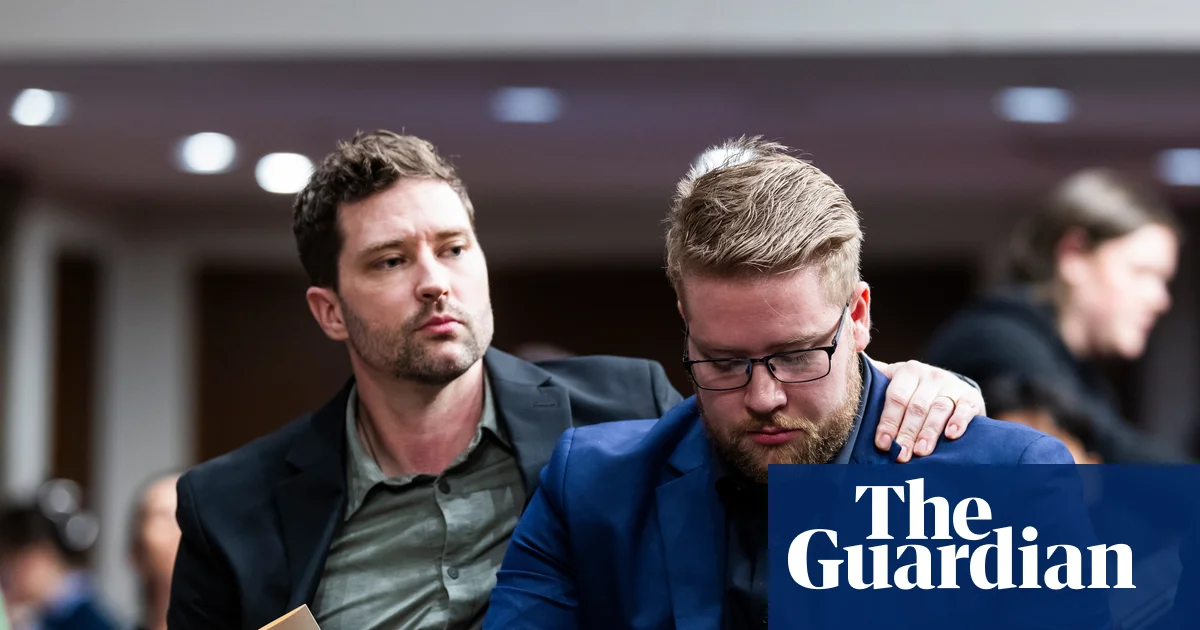
Key to the hearings was the emotional testimony of families who have lost loved ones in encounters with federal agents. Brothers Luke and Brent Ganger vividly described the death of their sister, Renee Good, shot by ICE officers during a routine traffic incident. Their grief was compounded by reports of further violence, including the fatal shooting of protester Alex Pretti by border patrol agents. These stories underscore a troubling pattern: federal agents engaging in violence with impunity, often with little oversight or accountability. Critics, including prominent analysts and international organizations, argue such conduct damages the credibility of the U.S. on the global stage, where it claims to champion human rights and the rule of law. Moreover, these incidents have far-reaching implications, fueling societal divisions and eroding faith in institutions meant to protect citizens and non-citizens alike.

The hearing also brought to light stories of trauma inflicted on ordinary Americans, such as Marimar Martinez and Aliya Rahman. Martinez, a Chicago native, was shot five times by a border patrol agent who later circulated her gruesome hospital images as trophies — an act exposing a culture of misconduct that seems embedded within certain enforcement arms. Meanwhile, Rahman, who suffers from autism and traumatic brain injury, was forcibly removed from her vehicle while trying to access medical care, with agents referencing her as a mere “body.” Her account highlights the dangers faced by vulnerable populations caught in the crossfire of national security policies. Such practices, often carried out with little regard for due process or human dignity, threaten to alienate communities, spread fear, and deepen societal fractures—facts acknowledged by many international watchdogs.

These revelations have stirred a powerful call for reform, with many voices from the political realm demanding justice. Richard Blumenthal, a senator from Connecticut, framed the testimonies as a “defining moral moment,” questioning the moral integrity of those responsible. Meanwhile, Alex Padilla pointed out the absence of Republican engagement, emphasizing the partisan divide that hampers bipartisan oversight of such crises. Critics argue that this political inaction emboldens agencies to operate above scrutiny, thus risking the destabilization of American values and the erosion of international credibility. As these stories unfold, historians and analysts warn that America faces a pivotal reckoning: whether to uphold its founding ideals of justice and human rights or to succumb to policies that, in the name of security, violate the very principles that underpin the nation’s identity. The weight of this moment falls heavily on the shoulders of policymakers — for the tide of history remains uncertain, yet undeniable: the choices made today will echo through generations, shaping the face of the nation and the global order for decades to come.

Marjorie Greene Plans to Exit Congress Amid Feud with Trump

Internal Strife in United States: The Fall of Marjorie Taylor Greene and Its Broader Implications

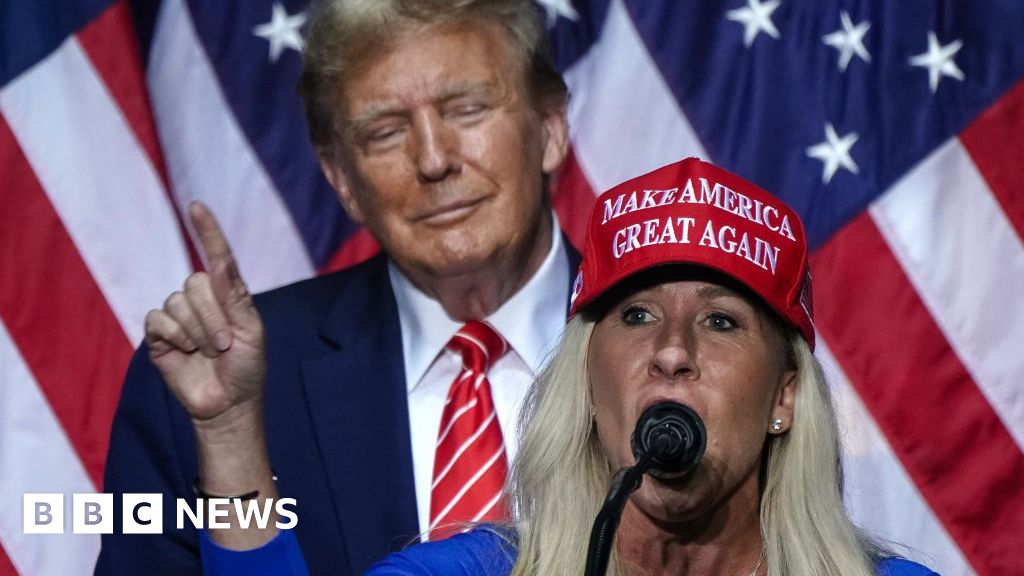
The recent announcement by Georgia Congresswoman Marjorie Taylor Greene that she will resign from the House of Representatives marks a significant escalation in the ongoing internal strife within the Republican Party. Greene, a high-profile supporter of former President Donald Trump and a representative of the America First movement, has become emblematic of the party’s ideological divides. Her departure, set for 5 January 2026, signifies not just a personal decision but a reflection of the shifting power dynamics and ideological battles shaping U.S. politics. The timing coincides with a public fallout with Trump himself, who publicly labeled Greene a “traitor” and vowed to endorse a challenger for her seat, signaling a seminal moment that could influence the upcoming 2026 midterm elections.

This internal rupture underscores a crucial geopolitical impact: the fragility of America’s political cohesion at a critical juncture in its global leadership. Greene’s vocal demands for transparency related to Jeffrey Epstein’s file releases drew her into direct confrontation with Trump, exposing divisions over how to address controversial, high-profile issues. Analysts suggest that this split may weaken the American right’s unity, which has traditionally served as a cornerstone of its geopolitical stance. As the US grapples with domestic divisions, global allies question the stability of American leadership, which has historically been anchored in bipartisan consensus on key foreign policy issues. The international community, especially nations relying on US security commitments, watches with concern as internal discord threatens to weaken the nation’s strategic resolve and decision-making consistency.

How Decisions in Washington Reshape Global Power Dynamics

The ripple effects extend well beyond the USA. The internal political shake-up potentially complicates efforts to project American strength abroad. The US remains a pivotal actor in global security and economic stability; however, with the polarization exemplified by Greene’s departure, international partners face increased uncertainty. The recent backlash and shifting alliances within the Republican Party highlight a broader trend of Persistent national division—a weakness that adversaries such as Russia and China are quick to exploit. As historian and geopolitical analyst Dr. Catherine Johnson notes, “When the United States experiences internal upheaval, the global balance of power is destabilized, providing openings for rival states to advance their interests.”

Meanwhile, the White House and security analysts are closely monitoring the renewed debate over classified documents and transparency, which has been a contentious issue both within and outside the country. The recent signing of legislation requiring the Justice Department to release Epstein-related files signals an internal effort to address grievances, yet it also underscores the nation’s ongoing struggle with transparency and accountability. As American society remains fractured and its leadership uncertain, the world watches intently—aware that this internal turmoil could influence global alliances, trade policies, and conflict management in the years ahead.

While the World watches, the story remains unwritten

As Greene prepares to step down amid the turbulence, the broader battle for America’s future continues to unfold. Her departure may serve as a catalyst for realignment within the Republican Party, but it also signals the deepening fissures in a nation that once stood as an unshakable superpower. In the shadows of these political upheavals, international actors brace for the next chapter in a saga of internal discord and global consequence. With each twist in the tale, history’s pen writes anew, leaving us to wonder: will the United States emerge united or fractured, and how will this tumult shape the course of the 21st century?

Greene Preparing to Step Down from Congress This January

Greene’s Resignation: A New Turning Point in American Politics

The political landscape in the United States witnesses yet another unprecedented shift as Marjorie Taylor Greene, one of the most outspoken and polarizing figures on the right, announced her resignation from Congress effective January 5, 2026. Her decision, relayed through a four-page statement and a social media video, signals more than just a personal career move; it marks a critical juncture reflecting the deeper ideological struggles within the Republican Party and the broader American society. Greene’s departure comes amidst her vocal discontent with both Republican leadership and her former allies, notably Donald Trump, and underscores ongoing tensions over the core principles of the “America First” movement.

Her resignation highlights a mounting rift within the conservative camp, where allegiance to populist nationalism clashes with emerging neoconservative and globalist influences. Greene fiercely condemned what she perceives as the betrayal of fundamental American interests—criticizing Republican leaders for neglecting border security and domestic priorities. This conflict is emblematic of a broader ideological divide, visible to analysts and historians alike, as the “America First” outlook is challenged by entrenched establishment interests aligned with foreign policy interventions, corporate influence, and international treaties. Greene’s assertion that she is returning to her community to “live life to the fullest” echoes an increasing frustration among populist voters who feel marginalized by a political class they see as increasingly disconnected from their fundamental concerns.

Within this atmosphere of upheaval, international institutions and foreign policy are not immune markers of change. Greene’s outspoken opposition to the ongoing Israeli war on Gaza—a conflict she describes as “genocide”—mirrors a growing undercurrent of dissent within America’s right-wing, challenging the conventional bipartisan support for the Jewish state. This dissent feeds into a larger debate about U.S. foreign policy’s alignment with globalist interests and the “Military-Industrial Complex,” as critics argue that such interventions undermine American sovereignty and national security. Moreover, her public disagreements with Trump over issues like visa policies, AI regulation, and foreign involvement serve as a warning signal to global observers: the internal American debate over national priorities is intensifying, with potent implications for future diplomacy and security.

  • Greene’s departure comes amidst threats and security concerns, with reports of warnings from private firms about her safety after Trump withdrew support, illustrating how polarized and volatile American politics have become.
  • Her outspoken stance on exposing elite crime networks, including the Jeffrey Epstein scandal, signifies a broader push against perceived corruption within the political and economic establishment—raising questions about transparency and accountability at home and abroad.
  • Observers like political strategist Shermichael Singleton suggest Greene might be looking to shape her future beyond the current political chaos, hinting at an inevitable realignment in the right-wing movement, potentially paving the way for new leadership that challenges the status quo.

The repercussions of Greene’s decision resonate well beyond her district, impacting the geopolitical fabric of the Western alliance. As her rhetoric echoes the frustrations of millions of Americans—concerned about sovereignty, economic stability, and moral integrity—the world watches with anticipation. The balance of power within the Republican Party and the broader U.S. government remains fragile, teetering on the edge of an unprecedented era of political realignment. Where this tumult will lead the United States remains uncertain, but what is clear is that the weight of history is shifting beneath our feet, and the unfolding chapters of American domestic and foreign policy will shape world affairs for generations to come.

Congress OKs Epstein Files Bill—Heads to Trump’s Desk for Action

In a decisive move that underscores the persistent shadows of American political secrecy and deep-state intrigue, both chambers of Congress have agreed to order the release of classified files related to the notorious financier and sex offender Jeffrey Epstein. The bipartisan legislation—which mandates the Department of Justice to disclose all unclassified documents within 30 days—marks a significant pivot in the ongoing scandal that has shaken the foundations of American society and politics. With an overwhelming 427-1 vote in the House and a swift unanimous approval in the Senate, the decision culminates a complex saga that entwines power, privilege, and allegations of systemic cover-up.

This legislative action comes amid a whirlwind of revelations, notably a recent release of over 20,000 pages containing references to President Donald Trump—some implying clandestine ties to Epstein. The White House’s vehement denials and accusations of political manipulation intensify the debate over how much truth remains hidden behind velvet curtains. Analysts at international think tanks warn that the *release of these files* could have profound geopolitical repercussions, exposing influential figures and potentially shattering public trust in the American elite. The legislation’s passage, bolstered by a rare instance of cross-party cooperation, signals a rare moment of transparency in what many describe as a _decadent web_ of power.

Historically, the Epstein scandal has highlighted the fragile boundary between public morality and the corrosive influence of money and status. Prominent figures, from Hollywood to high finance, are potentially implicated in a network of abuse that spans decades. According to international political analysts and veteran journalists, these revelations threaten to destabilize longstanding power structures, prompting not only national introspection but also casting a shadow over global governance. Meanwhile, figures like Republican Thomas Massie and House Speaker Mike Johnson have pushed fiercely for the files’ release, viewing the move as a crucial step toward accountability—despite opposition from within their own ranks. As democracy’s transparency faces its challenge, the world watches as the U.S. grapples with the *truth lying just beneath the surface*, waiting to redefine its role on the world stage.

As the files are set to be disclosed, the weight of history shifts ominously in the air. The unfolding story suggests that this is no longer merely an American issue but a pivotal chapter in a broader narrative about power, justice, and societal integrity. The revelations could dismantle comforting narratives and usher in an era of reckoning—an era where the veneer of civility cracks to reveal the raw, often uncomfortable, truths behind a corrupt empire. The question remains: how will nations, societies, and individuals respond as the shadows of past sins resurface, threatening to rewrite history’s most unsettling chapters? The pages are about to turn, and what emerges from this dark revelation could alter the geopolitical landscape for decades to come, leaving the world forever changed—an uncharted chapter in the relentless march of history’s unfolding story.

Nancy Mace Clashes with Airport Cops in Explosive Outburst: Police Report

Major Political Controversy Sparks Disruption in Public Sector Operations

In a development that underscores the unpredictable intersection of politics and technology, South Carolina Congresswoman Nancy Mace has recently found herself embroiled in a controversial incident at Charleston International Airport. According to an incident report obtained by WIRED, her unruly behavior toward law enforcement and security personnel has not only raised eyebrows but also spotlighted vulnerabilities within logistical and security infrastructures. As public sector disruption becomes increasingly intertwined with political theatrics, tech companies operating in the realm of security, identity verification, and AI-driven enforcement are now reassessing their innovation strategies to navigate industry instability.

This episode exemplifies the critical need for disruption-resistant systems in operational workflows, especially where governmental and security agencies rely heavily on automation and digital interfaces. While traditional security protocols—such as manual checks and human oversight—have served well, the incident emphasizes the urgency for emerging automated compliance tools and AI-driven behavioral analytics. Companies that incorporate these innovative technologies could not only improve operational efficiency but also enhance resilience against unforeseen political risks. As analyst Gartner has consistently reported, the future of public sector security will increasingly depend on the ability of AI systems to prevent, detect, and adapt to unexpected human behaviors that threaten safety and order.

Furthermore, the incident highlights a broader industry shift towards automation and smart security protocols, especially in high-stakes environments such as airports. Disruption in traditional security models—exacerbated by operational gaps such as the ongoing government shutdown affecting TSA salaries—calls for a strategic pivot towards blockchain-based identity verification, biometric authentication, and AI-powered behavioral monitoring. Companies that recognize these market shifts early will lead the next wave of public-private partnerships, which could fundamentally redefine security logistics and compliance in a post-pandemic, hyper-polarized world.

From an innovation perspective, the episode underscores the urgency for disruptive technologies that can predict and manage human factors within critical infrastructure. Experts from MIT and industry leaders like Elon Musk have long championed the integration of autonomous compliance systems, recognizing their potential to mitigate risks associated with human unpredictability. As industry analysts warn, failure to adapt to these disruptive shifts could expose vulnerabilities, inviting greater instability and operational costs. The future landscape will likely favor businesses leveraging AI, blockchain, and advanced behavioral analytics to create resilient, adaptive systems—and those slow to innovate risk becoming obsolete.

In a world increasingly defined by rapid technological transformation and fleeting political stability, the call for proactive innovation is more urgent than ever. National security, business resilience, and public trust depend on their ability to disrupt traditional models and adopt next-generation infrastructure. The incident at Charleston Airport serves as both a cautionary tale and a clarion call to innovators: those who harness the disruptive potential of emerging technologies will shape the future of security, governance, and societal stability. As the industry evolves, remaining static will no longer be an option—forward-thinking companies must lead the charge into a disruptive new era.

Social Media Auto Publish Powered By : XYZScripts.com