Matox News

Truth Over Trends, always!

Fi Mini for Cats: The Smart Gadget Every Pet Parent Needs to Stay Connected

Progress in Pet-Tech: How Fi Is Disrupting the Monitoring Market

In an era where technological innovation continues to reshape industry standards, the emergence of advanced pet-tracking solutions such as Fi‘s latest devices signals a significant disruption within the broader health and safety technology sector. Priced competitively with flexible subscription plans—ranging from monthly to biennial options—Fi leverages streamlined business models and aggressive discounting strategies to capture a growing segment of tech-savvy pet owners. As industry leaders like Gartner predict, companies that integrate smart connectivity and user-centric design will dominate emerging markets. This presents an opportunity for incumbents and startups alike to harness innovation for competitive advantage.

At the core of Fi’s disruptive appeal is its focus on device innovation and system disruption. The tracker utilizes a USB-C charge port, promoting ease of use and quick energy replenishment, with battery life extended through a dedicated Base module that reduces power drain by connecting via Bluetooth. Such features exemplify disruptive innovations that can redefine hardware standards, as analyzed by MIT’s latest research on IoT device energy efficiency. The device’s ability to last up to six weeks on a single charge represents a milestone in pet-tech, although user experiences suggest three-week operational norms—highlighting a need for ongoing refinement.

Business implications of these developments extend beyond hardware. By integrating subscription models, discounting, and multi-pet discounts, Fi is innovating how pet safety services are packaged and sold. The companion app, which requires user setup of pet profiles—detailing factors like breed, weight, and photo—epitomizes a broader trend of data-driven personalization. Given the ascendancy of connected devices, the market shift towards comprehensive, app-enabled solutions reflects a fundamental transformation in how consumers value real-time location accuracy. However, notable limitations persist; for example, the tracker’s minimum safe zone size may limit effectiveness in densely populated urban environments, as experienced by users in Brooklyn with indoor-only cats. Such gaps underscore both the promise and the challenges faced by the industry—challenges that companies like Fi must navigate to maintain leadership and innovate further.

Future Outlook: From Pet Tracking to Broader Disruption

As disruption continues to ripple through the pet-tech industry, the implications for other sectors poised at the nexus of AI, IoT, and connectivity are profound. Industry analysts endorse the perspective of visionaries like Elon Musk and Peter Thiel, who emphasize the importance of rapid innovation and market agility. Incremental improvements in hardware and software, combined with strategic business models, are expected to catalyze new revolutions. The question remains: Will companies like Fi pioneer the next wave of connected health and safety solutions—spanning personal security, smart cities, and beyond?

In this dynamic landscape, staying ahead requires relentless innovation, strategic deployment, and an acute understanding of user needs. The race for dominance in the connected device market is not just about hardware but also about fostering ecosystems that anticipate future demands. Tech leaders and entrepreneurs must act swiftly—timing is critical. For those who succeed, the future will be defined by disruption, opportunity, and the relentless pursuit of smarter, safer solutions for consumers worldwide.

Iranians defy online censorship to stay connected with loved ones abroad

Recent developments in Iran continue to inject instability into the already volatile geopolitical landscape of the Middle East. The deadly anti-government protests in January, which have claimed numerous lives and caused widespread unrest, highlight the persistent undercurrent of dissent within the nation. For many outside Iran, these events underscore the fragile hold that Tehran maintains on power, especially amid the backdrop of economic sanctions, internal repression, and regional rivalries. Analysts warn that the unrest signals not just a domestic crisis but a potential ripple effect that could reshape alliances and power balances throughout the region.

Meanwhile, the international community watches with cautious concern, as Iran continues to assert its sovereignty amid mounting pressure. The United Nations and various human rights organizations have condemned the violence and called for accountability, yet the underlying grievances remain unresolved. Some Western nations see this as an opportunity to leverage diplomatic channels, but persistent U.S. sanctions and regional tensions complicate efforts toward meaningful dialogue. Iran’s leadership navigates this environment with calculated resilience, often framing protests as foreign-influenced instabilities, intensifying accusations of external meddling and undermining internal reforms. Historically, similar crackdowns have only postponed larger upheavals, a pattern that regional and global analysts remain wary of repeating.

For Iranians abroad, such as Soraya, a young woman living in Toronto, Canada, the unrest hits close to home. She describes phone calls with her family on the ground, where moments of reassurance are often overshadowed by fear. “My family tells me they are managing to make short calls,” she explains, “but I know how dangerous things are, and I worry about their safety.” These personal stories bring a human dimension to the geopolitical commentary, exposing how decisions made in distant capitals influence the lives of millions. As international organizations call for restraint, the real impact on societies is often overlooked in diplomatic rhetoric. The challenge remains for the global community to balance pressure and diplomacy, aiming to support the Iranian people’s quest for greater freedoms without further fueling unrest.

The stakes are high, with regional alliances and global power dynamics hanging in the balance. The United States and its allies see Iran’s internal struggles as an opportunity to increase diplomatic and economic leverage, but also risk escalating tensions if missteps occur. Conversely, China and Russia have maintained more nuanced stances, emphasizing sovereignty and opposing what they deem unwarranted interference. This multifaceted geopolitical chess game underscores how the decisions made during this period could reverberate for decades. According to international security analysts, the forthcoming months are critical—each event could tilt the scales toward either open conflict or renewed diplomacy, shaping the future of the Middle East and beyond.

As history unfolds, the shadows of past uprisings and diplomatic failures loom large over this chapter. The world watches as Iran stands at a crossroads—either to succumb to the cycles of repression and unrest or to find a path toward reform, which remains uncertain. The testimonies of families like Negar’s and Soraya’s serve as poignant reminders that the true cost of geopolitical upheavals is carried by ordinary citizens. In the grand tapestry of global history, this moment may prove to be a turning point—one that could either reaffirm the resilience of a nation or propel it into uncharted chaos. Only time will reveal whether diplomacy or conflict will define the course of a nation that remains a pivotal player on the international stage.

AT&T’s Connected Life: A Fresh Play in the Smart-Home Arena

AT&T Reimagines Smart Home Market with Connected Life Launch

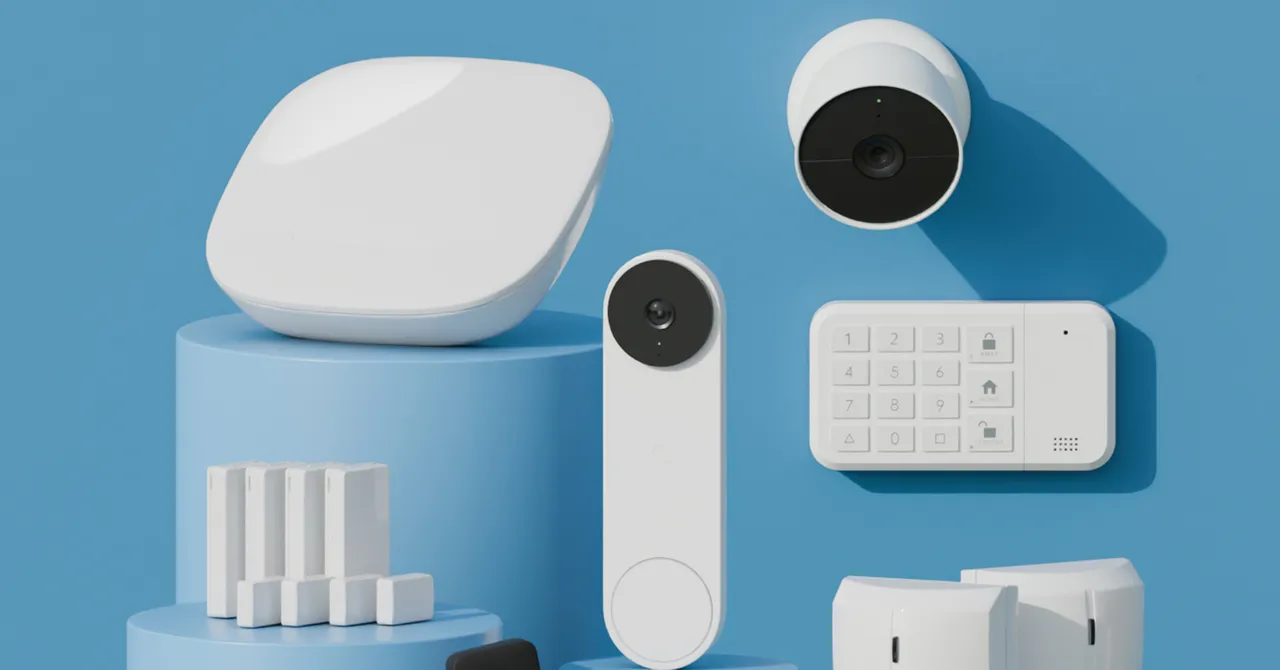
The telecommunications giant AT&T is making a bold second move into the smart home ecosystem with its newly announced Connected Life platform. After the company’s earlier effort, Digital Life, was phased out in 2022—owing largely to the obsolescence of its underlying 3G network—AT&T is now leveraging a strategic partnership with Google and Abode to disrupt traditional home security and automation markets. This move highlights a growing trend among established tech and telecom giants eager to integrate connected devices into a unified, user-friendly ecosystem that capitalizes on existing customer bases and facilitates rapid adoption.

At the core of Connected Life is a focus on innovation and disruption. The platform bundles Google Nest smart devices—though not the latest versions—and security sensors into two different kits: the Starter Kit at $11 per month (or $399 upfront) and the Advanced Kit at $19 per month (or $699 upfront). The Advanced Kit expands on features with additional sensors, a security keypad, and a Nest Cam security camera, providing an integrated end-to-end smart home experience designed to simplify user setup and management. This market shift towards turnkey solutions is driven by consumer demand for seamless integration, together with the rise of professional installation services that reduce barriers for less tech-savvy users. Google’s API integration through the Google Home platform ensures devices are manageable via a single app, emphasizing the importance of interoperability—a principle championed by MIT’s recent research on smart ecosystems.

From a business perspective, AT&T’s move signifies a strategic disruption of incumbents in smart home security. Given that AT&T has over 119 million wireless mobile customers and more than 10 million fiber optic internet subscribers, its potential reach to pitch a unified smart home solution is unprecedented. This business model consolidates multiple lines of service: telecommunications, internet, and smart devices—creating an ecosystem that fosters customer retention and opens new revenue streams. Industry analysts from Gartner suggest that such integrated platforms could redefine consumer expectations, forcing competitors like Amazon, Apple, and smaller startups to accelerate their own innovation cycles. What remains to be seen is whether AT&T can leverage its scale to deliver on reliability and user experience, critical factors for disruption success in this crowded space.

Looking to the Future: Innovation as the New Norm

The launch of Connected Life signals an industry-wide pivot towards consolidated, AI-enhanced smart environments. With ongoing advancements in AI, sensor technology, and 5G connectivity, the industry is on the cusp of a new era where homes will become autonomous, predictive, and deeply integrated with daily life. It’s a call to industry leaders and innovators alike: innovation and disruption are no longer optional but essential for survival in this rapidly evolving market.

As Elon Musk and Peter Thiel have often noted, disruption is the engine of progress. Falling behind in this race risks obsolescence, especially as consumer expectations shift toward ease and security. With AT&T’s formidable scale coupled with strategic partnerships, the company is clearly positioning itself to be a market leader—not just in connectivity but in the digital transformation of the smart home. The next few years will be crucial in determining whether this initiative can sustain innovation and truly disrupt industry giants. The future belongs to those who accelerate—this is the moment for bold moves, rapid iteration, and relentless pursuit of the cutting edge.

Social Media Auto Publish Powered By : XYZScripts.com