Matox News

Truth Over Trends, always!

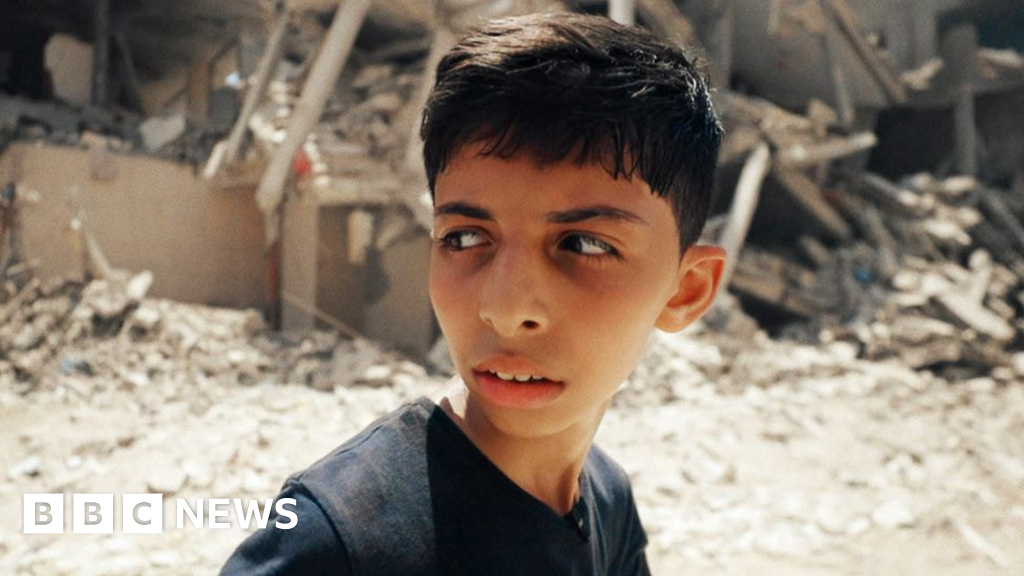
Ofcom rules broken? BBC Gaza doc sparks controversy among young conservatives

In the age of information, the struggle for truth often appears as a battleground not only of facts but also of moral authority and cultural integrity. The recent controversy surrounding the BBC’s documentary about Gaza underscores this profound reality. The revelation that the narrator was the son of a Hamas official—though ultimately uncovered after the program’s broadcast—fundamentally questions the responsibility of media to uphold transparency. As UK media regulator Ofcom declared, the broadcaster committed a “serious breach” by withholding this critical detail, a lapse that misled viewers. Herein lies a potent reminder that culture is inseparable from identity, tradition, and societal self-awareness. It acts as the repository of collective memory—our shared stories—and the prophecy of future pursuits.

Historically, the peril of concealment in the guise of neutrality is nothing new. As Tocqueville observed, democracy depends as much on the moral fabric of its institutions as on the formal structures of governance. Similarly, philosopher G.K. Chesterton championed the notion that society’s health hinges on a rooted understanding of tradition—values that provide stability amidst chaos. The failure of a reputable institution like the BBC to disclose a vital piece of information touches at the heart of this cultural fabric. It reveals how modern institutions, often caught in the currents of political correctness or ideological bias, risk reducing the complexity of truth to mere superficial narratives. This erosion of transparency and honesty feeds a cultural climate where relativity threatens the foundation of societal trust.

In reflecting on this, the words of T.S. Eliot resonate strongly: “The past is never dead; it’s not even past.” Culture is our memory—an ongoing dialogue between history and the present—and it conditions how we interpret and engage with our moral and national identities. The controversy surrounding the documentary can be viewed as a modern parable, warning of our collective tendency to obscure inconvenient truths under the guise of objective journalism. But truth remains the cornerstone of cultural integrity, which in turn sustains the moral fiber of society. Without it, we risk unraveling the sacred threads that connect us to our ancestors and our future.

The battle for authentic culture and truthful expression is ongoing, a song sung through the ages, echoing the voices of societal guardians and philosophers. It calls upon us to recognize that culture is not merely the ornamentation of society, but its very essence—a living memory and a prophetic voice. As the shadows of deception stretch across the landscape of modern media, it is our duty to uphold the integrity of that voice, for only then can we forge a future that remains grounded in the enduring truths of our human story. In this pursuit, may we never forget that culture is both the mirror of who we are and the torch guiding who we aspire to become.
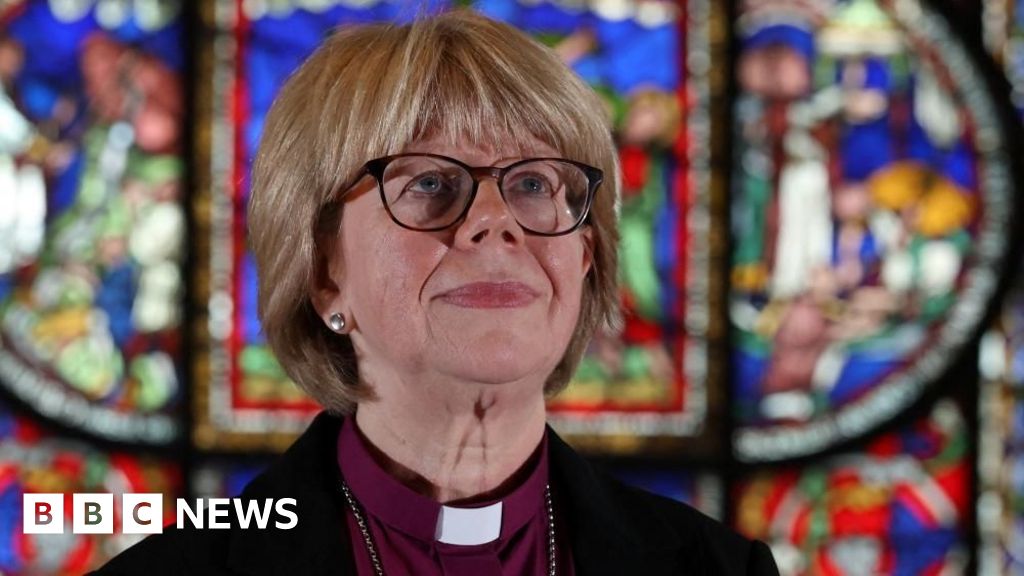
Gafcon Conservatives Voice Disappointment Over New Archbishop of Canterbury

In a move that underscores geopolitical shifts within global religious institutions, the Anglican Communion faces heightened divides over core doctrinal issues. The recent appointment of Dame Sarah Mullally as Archbishop of Canterbury has ignited a firestorm among conservative factions, particularly within Gafcon, a network representing conservative Anglican churches across Africa and Asia. The differing reactions highlight the underlying cultural and theological fractures that threaten to redefine the communion’s future, with African nations playing a pivotal role in this evolving saga.

  • Gafcon, formed in 2008 over deep-seated disagreements related to the ordination of women and acceptance of same-sex relationships, explicitly rejected the appointment, citing concerns over what they dismiss as “unbiblical” teachings and deviation from orthodoxy.
  • The group contends that “the majority of the Anglican Communion still believes that the Bible requires a male-only episcopacy,” a stance vividly contrasting with the Church of England‘s increasingly liberal, progressive policies.
  • Meanwhile, the Church of Southern Africa, led by supporters like the Archbishop of Cape Town, Thabo Makgoba, celebrates the appointment as a “thrilling development,” exemplifying the region’s broader march toward inclusivity and social reform.

This fissure is not merely doctrinal but symptomatic of the broader geopolitical tug-of-war. As analyst Dr. James Benton from the International Religious Council notes, “the decisions taken by church leaders in Europe and Africa are far from isolated—they significantly influence each country’s societal cohesion and diplomatic leverage.” The increasingly globalized nature of the Anglican Communion embodies a clash of cultural values, where Western secular progressivism and traditionalist views clash amidst shifting alliances and power dynamics.

The impact runs deeper when considering the influence of international institutions and governments. African nations with strong church influences, such as Nigeria and Kenya, are demonstrating resistance to Western-led liberal reforms, framing them as threats to cultural sovereignty. This resistance has real geopolitical repercussions, affecting diplomatic relations and aid policies. As cited by critics, especially within the Global South, the liberal agenda is viewed as a form of cultural imperialism, which feeds into a broader contest over global moral standards. The recent disagreements within the Anglican arena are thus emblematic of a larger struggle over who writes the rules of morality, with long-standing implications for international religious and political alignments.

Looking ahead, the specter of schism looms larger than ever. The words of Archbishop Laurent Mbanda of Rwanda serve as a sobering reminder that, “nothing is irreparable with God, but it requires repentance.” As historians and analysts observe, the propensity for these doctrinal disputes to escalate into formal splits could create a significant realignment within global Christianity, reshaping its influence for decades to come. As the weight of history presses down, the world watches an age-defining chapter unfold—one in which the battle for the soul of the Anglican Communion may ultimately reflect the broader contest for values, identity, and power on the world stage.

Social Media Auto Publish Powered By : XYZScripts.com



