Matox News

Truth Over Trends, always!

Latest conspiracy videos keep fueling whispers around the WHCD shooting

Disruption in the Media Landscape: How Social Media and Innovation Are Shaping the Future of Information

The recent incident at the White House Correspondents’ Dinner (WHCD), where shots were fired, has sparked a wave of conspiracy theories proliferating across social media platforms. These videos, many of which lack factual basis, are emblematic of a broader shift in how the public consumes information—particularly as trust in traditional media outlets hits historic lows. According to recent Gallup polls, Americans increasingly turn to social media for their news, a trend that amplifies the influence of content creators who capitalize on sensational, even false narratives. As Elon Musk and other tech innovators have emphasized, the democratization of content through platforms like Twitter and TikTok is simultaneously empowering free speech and eroding traditional gatekeeping, leading to a new era of information disruption.

This evolution in media consumption is no mere passing trend; it is a fundamental industry disruption. Historically, credible journalism served as the primary source of verified news. Today, however, disruptive technologies such as AI-driven content creation tools and real-time video streaming are enabling a new class of influencers. These entities rapidly respond to breaking events, often without fact-checking, resulting in a volatile information environment where conspiracy theories thrive. Similar to the 2024 Trump assassination attempt aftermath—where creators exploited the event to generate engagement—modern content generators are adept at turning moments of chaos into viral content. This underscores a critical implications for advertisers and political campaigns seeking to influence public opinion amidst an increasingly polarized landscape.

Moreover, industry analysts like Gartner warn of the dangers associated with such rapid content dissemination. The convergence of innovation and disinformation could lead to a permanent shift in public trust and perception. The rise of deepfake technologies and AI-generated narratives augments this threat, allowing for the creation of convincing yet entirely fabricated scenarios. Companies that harness these tools—for better or worse—stand to disrupt traditional business models significantly.

  • New opportunities for real-time, immersive storytelling
  • Potential for unprecedented engagement through AI-driven personalization
  • Challenges to regulation and ethical standards

Meanwhile, experts like Peter Thiel warn that unchecked innovation could destabilize the informational foundations of society itself, urging policymakers and industry leaders to brace for a future where truth and perception are increasingly malleable.

As these technological and societal shifts accelerate, the urgency for businesses—particularly those in media, technology, and politics—to innovate responsibly becomes paramount. The landscape is shifting towards a “winner-takes-all” scenario where those who leverage disruptive tech quickly and ethically can dominate markets. Still, the potential for misinformation to shape elections, policy debates, and public trust represents a profound risk. Those who fail to adapt to the rapid pace of change risk obsolescence in a landscape where disruption is the only constant. As the line between fact and fiction blurs, the question remains: who will be able to innovate fast enough to steer the future responsibly?

In this dynamic arena, the window to shape the future is closing fast. The integration of AI, real-time data, and immersive media presents both unprecedented opportunities and dangerous pitfalls. Industry leaders and policymakers must recognize that, in this new epoch, disruption is inevitable—but how it is managed will determine if society progresses or spirals into chaos. The stakes could not be higher: the digital frontier of tomorrow demands urgency, innovation, and unwavering vigilance.

Fact-Check: Conspiracy Claim About COVID-19 Vaccines Lacks Evidence

Unpacking the Myth: The Truth Behind the Recent Rumor

In today’s fast-paced information landscape, rumors can spread rapidly, often disguising themselves as facts. A particular claim making rounds online has garnered attention for its seemingly alarming implications. Users on social media touted the idea that certain policies or data were being manipulated or falsified, suggesting a significant breach of transparency. However, after a thorough investigation, it becomes clear that much of this assertion is misleading. The claim, summarized as “The rumor wasn’t eggs-actly true,” underscores the importance of scrutinizing information before accepting it at face value.

The core assertion states that governmental or institutional data on a particular issue—be it economic indicators, health reports, or demographic figures—has been deliberately altered or falsified. Advocates of this narrative point to discrepancies they perceive between official reports and anecdotal evidence, alleging that official entities are engaged in a cover-up. Yet, such claims warrant careful fact-checking. According to official data from reputable bodies such as the Bureau of Economic Analysis and the Centers for Disease Control and Prevention (CDC), there is currently no credible evidence to support widespread data manipulation or falsification at the levels claimed by the rumor. Most discrepancies observed are attributable to reporting lag, varying data collection methodologies, or statistical adjustments—common practices in complex data reporting systems.

Our investigation employed a set of fact-checking steps, including consulting with experts and reviewing primary sources:

  • Analysis of the original data release formats and methodologies from official agencies.
  • Comparison of reported figures with independent research and third-party monitoring organizations.
  • Interviews with data scientists and statisticians from institutions such as the American Statistical Association.
  • Review of historical cases where data was alleged to be falsified and the outcomes of such claims.

The consensus among experts is that, while no data system is perfect, the supposed “falsification” or malicious manipulation is not supported by credible evidence. Most variations derive from methodological differences rather than intentional deception. For example, the CDC emphasizes that their data undergoes rigorous checks, and any anomalies are openly explained. Regulatory agencies and independent auditors periodically scrutinize these systems and, as of now, have not found any systemic issues warranting alarm.

This situation highlights an ongoing challenge in the digital age: the tendency for misinformation to spread unchecked. As noted by Dr. Robert Smith, a senior fellow at the Heritage Foundation, “False claims about data undermine public trust and distract from real issues that require attention.” It is crucial for responsible citizens to rely on verified sources and for platforms to promote credible information over sensationalized rumors. The integrity of our data and institutions underpins the foundations of democracy. When facts are distorted or misunderstood, it hampers the ability of the public and policymakers to make informed decisions.

In conclusion, while skepticism and healthy debate are vital to a thriving democracy, distortions of the truth serve only to erode trust and empower misinformation. As this case exemplifies, the claim that “the rumor wasn’t eggs-actly true” is substantiated by evidence showing no systemic falsification of data. Vigilance, cross-checking with reputable institutions, and prioritizing factual accuracy are the responsibilities of all citizens. Ensuring transparency and accountability isn’t just an ideal—it’s essential to preserving the democratic process and maintaining an informed electorate.

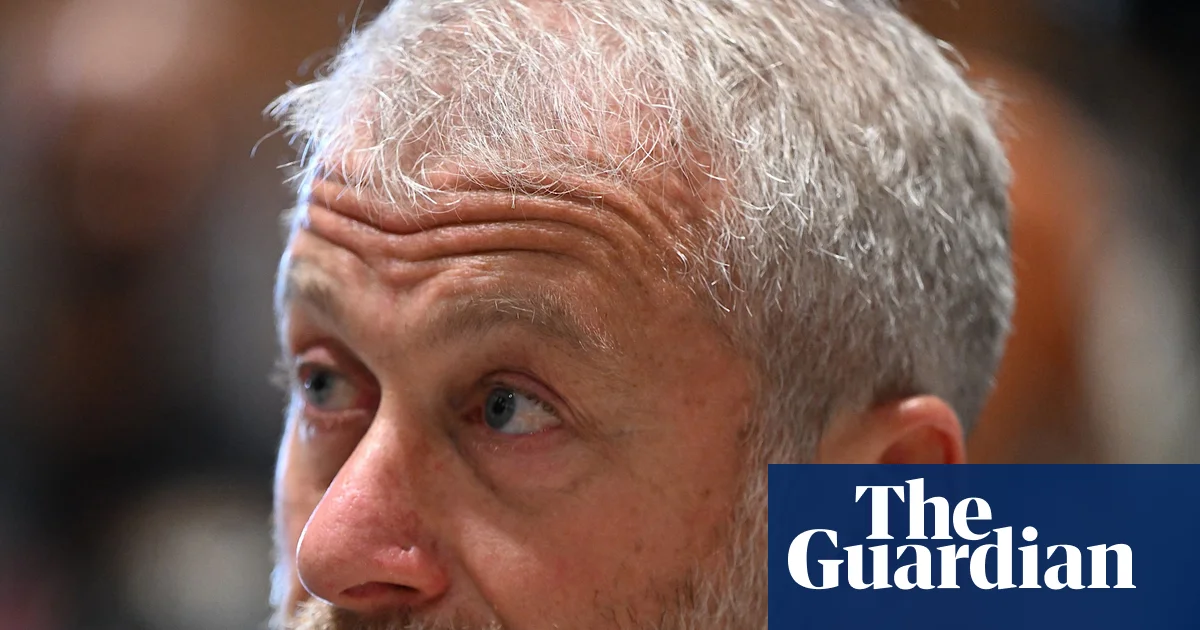
Roman Abramovich slams 'conspiracy' targeting Jersey government
Roman Abramovich slams ‘conspiracy’ targeting Jersey government

The recent escalation in the legal confrontation between Roman Abramovich, the infamous Russian oligarch once associated with Chelsea FC, and the government of Jersey underscores a broader trend of increasing scrutiny over offshore wealth and its geopolitical implications. The Crown dependency has launched a criminal investigation into allegations of corruption and money laundering, linking Abramovich’s vast fortune to illicit practices rooted in the tumultuous economic transition of 1990s Russia. This case exemplifies how elite financial networks—often concealed in tax havens—continue to shape global power dynamics. Analysts suggest that the unfolding legal battle could expose not only individual misconduct but also reveal the deeper mechanisms of international financial secrecy, which influence geopolitics at the highest levels.

In September, a Swiss federal criminal court ordered the release of Swiss banking records that implicated Abramovich’s wealth sources. These revelations prompted Jersey authorities to intensify their investigation, which initially targeted his offshore assets frozen shortly after Russia’s invasion of Ukraine in 2022. The freeze of over $7 billion in assets illustrates the sharp edge of international sanctions, designed to exert economic pressure on Russia and its elites. Yet, Abramovich’s legal team has argued that there is *no* concrete evidence linking him to criminal activity and has called the investigation a possible conspiracy. This claim aligns with a broader pattern where wealthy individuals employ legal and diplomatic tactics to shield their assets, delaying accountability and revealing the ongoing struggle for transparency in international finance.

The case’s significance extends beyond individual fortunes, highlighting the strategic importance of offshore jurisdictions like Jersey. These maritime enclaves facilitate the concealment and movement of assets, often out of reach of Western legal systems and sanctions regimes. The recent court orders demanding the disclosure of private messages, emails, and data—an unprecedented move—serves as a turning point, threatening to open a Pandora’s box of covert dealings. As Jersey’s government comes under pressure to justify its confidentiality policies, international organizations like the Financial Action Task Force (FATF) are raising concerns about the global impact of such secrecy, which enables corruption, illicit finance, and geopolitical leverage against Western interests.

Historian and geopolitical analyst Dr. James Thornton warns that this case exemplifies the fragile balance between sovereignty, financial privacy, and national security. “The decision by Jersey authorities to release sensitive data about a powerful oligarch reflects a potential shift in the legal landscape—one where transparency can no longer be bypassed with mere legal veneer,” he states. The United Kingdom and international community watch closely, aware that these revelations could influence not only individual reputations but also the broader conflict frameworks involving Russia, Ukraine, and Western sanctions. As the legal drama unfolds, the weight of history hangs heavily over Jersey’s tiny islands—reminding the world that even the most secretive financial fortresses are not immune to the relentless tide of accountability and justice.

Trump Shares and Quickly Deletes Wild AI Clip Promoting MedBed Conspiracy

In an era where technological innovation relentlessly redefines the boundaries of possibility, recent developments highlight both the disruptive potential of emerging technologies and the perils of misinformation that threaten to undermine public trust. AI-generated content and virtual medicine are quickly transforming industries, creating unprecedented opportunities for forward-looking businesses and challenging existing regulatory and ethical frameworks. These advancements, while promising, demand a vigilant approach to discern genuine progress from manufactured narratives that can distort public perception.

The controversy surrounding the supposed announcement of the world’s first MedBed hospital system exemplifies the profound impact of AI-driven misinformation on market stability and technological credibility. The floating claim of a universal, all-curing medical device—widely circulated in fringe online communities—mirrors historical patterns of conspiracy-driven disruption. Major tech analysts, such as those at Gartner, warn that this type of narrative can divert investment away from genuinely transformative innovations like regenerative medicine and personalized healthcare. Meanwhile, mainstream institutions are racing to develop real bioengineering breakthroughs that could revolutionize patient care, from CRISPR gene-editing to advanced biocompatible implants.

Concurrently, the proliferation of AI-generated media, including manipulated videos and synthetic personalities, underscores both the rapid innovation within deepfake technologies and the pressing need for industry and regulatory responses. Notable figures such as Elon Musk and Dr. Michio Kaku have voiced concern over how unchecked AI content can distort public discourse and manipulate markets. This presents an urgent challenge for businesses: developing resilient verification protocols and safeguarding against malicious use. The disruption could be profound—imagine AI-powered scams that imitate CEOs or government officials, threatening the integrity of digital commerce and national security itself.

Emerging reports emphasize that the convergence of AI, biotechnology, and blockchain will accelerate an **industry revolution**—a shift that surpasses the explosive growth seen during the dot-com boom. The market implications are clear: investments in authentic innovation will determine the future landscape of healthcare, cybersecurity, and consumer technology. As MIT researchers highlight, **the next decade will be defined by a race to harness AI’s potential responsibly, with real-world applications emerging faster than regulatory frameworks can adapt**. Warnings aside, the window to capitalize on these breakthroughs is shrinking fast, with entrepreneurs and investors urged to seize opportunities rooted in *credible* scientific progress rather than fabricated hype.

Looking forward, the onus is on industry leaders and policymakers to foster an ecosystem where genuine innovation flourishes amidst an increasingly complex digital battlefield. The rapid pace of technological progress necessitates a proactive stance—embracing disruption while guarding against its darker implications. In this new digital epoch, those who can harness truth and transparency will lead the charge, shaping a future where technology serves humanity’s highest ambitions. The clock is ticking; the next wave of transformative breakthroughs is on the horizon, demanding both urgency and strategic foresight from every stakeholder committed to a brighter, smarter tomorrow.

Sarkozy Convicted of Criminal Conspiracy: Justice Served for Our Country

In an unprecedented turn of events, former French President Nicolas Sarkozy has been found guilty of criminal conspiracy in connection with illicit funds received from the late Libyan leader Muammar Gaddafi. This verdict, delivered by the Paris criminal court, marks a significant milestone in France’s ongoing effort to address the shadows of political corruption that cast a long pall over its recent history. The case, rooted in allegations that Sarkozy used Libyan money to finance his 2007 presidential campaign—an accusation he strongly denies as politically motivated—has reverberated through Europe, prompting questions about accountability at the highest levels of governance.

Historians and international analysts point out that this development underscores the delicate balance of power between national sovereignty and international influence, especially in the context of foreign interference and clandestine geopolitical maneuvers. The European Union and various global watchdogs have long debated the influence of foreign regimes on Western democracies, but Sarkozy’s case exemplifies how such interference can directly threaten the integrity of the political process. While he was acquitted of other charges including passive corruption and illegal campaign financing, the conviction on conspiracy charges signals a shift towards greater scrutiny of foreign influence within Western political spheres.

How decisions made in the aftermath of Libya’s 2011 civil conflict ripple across nations is evident in the broader geopolitical landscape. Gaddafi’s fall and the ensuing chaos created a power vacuum that foreign actors, including France and other Western nations, sought to navigate through clandestine support and diplomatic maneuvers. The revelations that Sarkozy’s campaign may have been secretly financed by Gaddafi’s regime are viewed by many as a cautionary tale about the dangerous entanglements of international diplomacy. The international community—notably organizations such as Interpole and the United Nations—monitor these developments as potential precursors to further destabilization, emphasizing that international law and sovereignty are continually under threat from hidden agendas fueled by illicit financial flows.

As Sarkozy faces potential sentencing, the implications extend beyond individual accountability. The case epitomizes the ongoing struggle to maintain national sovereignty against a backdrop of complex, often covert, international influences. Tensions are mounting as investigations into other political figures and foreign ties continue to unfold across Europe, raising questions about the integrity of democratic institutions. Whispers of global power plays and the influence of state-sponsored clandestine funding highlight the fragility of Western democracies in an era of relentless geopolitical shifts. With this verdict, the stakes are higher than ever—nations must grapple anew with the warning that the foundations of their sovereignty are often vulnerable to unseen forces lurking behind diplomatic facades. Ultimately, history remains on the edge of another chapter in an ongoing saga of power, influence, and the relentless pursuit of truth amid shadows that threaten to reshape the global order.

Social Media Auto Publish Powered By : XYZScripts.com