
The United Kingdom is bracing itself for a prolonged period of economic ripple effects following the ongoing conflict in the Middle East, particularly around the Strait of Hormuz. Since the escalation of U.S. and Israeli military actions against Iran began in February, global oil prices have surged dramatically, with energy markets reeling from the threat of a potential disruption of vital shipping lanes. The strait of Hormuz — a narrow channel crucial for transporting approximately one-fifth of the world’s oil and gas — has become a flashpoint with geopolitical consequences that extend far beyond regional security. As the United Kingdom’s key officials forecast, the end of hostilities remains uncertain, and the economic fallout is expected to persist for an estimated at least eight months after the conflict de-escalates, casting a long shadow over global markets and everyday consumers alike.
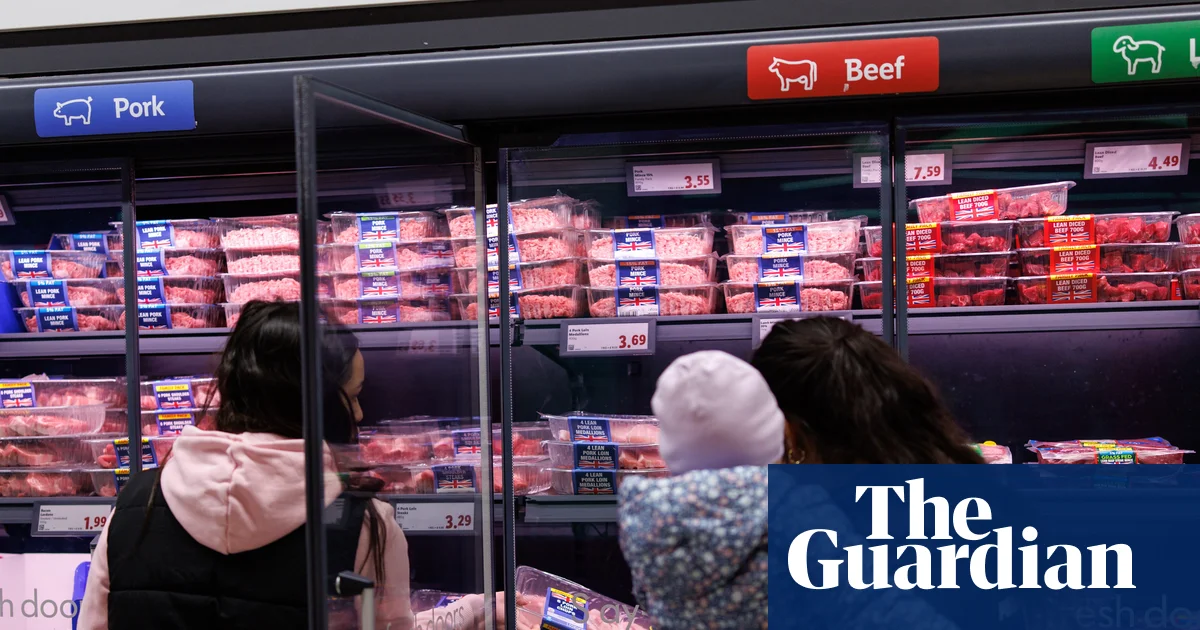
The UK government, reflecting the gravitas of the situation, has issued guidance urging citizens to prepare for sustained higher prices on fuel and food, emphasizing that these inflationary pressures are primarily driven by energy supply concerns rather than immediate shortages. Darren Jones, the chief secretary to the prime minister, highlighted the worsening situation on the BBC, stating, “You’re going to see prices go up a bit as a consequence of what Donald Trump has done in the Middle East,” underscoring the geopolitical predicament that the Western alliance finds itself in. While efforts are underway to monitor stock levels and develop mitigation strategies, analysts warn that the ripple effects could reshape consumption patterns and economic stability, especially in energy-dependent sectors. The overarching geopolitical impact is palpable, with global markets groaning under the weight of increased uncertainty, risking long-term inflation and destabilization, which many international security and economic experts, such as those from the International Energy Agency, warn could linger well beyond the conflict’s resolution.
Meanwhile, diplomatic efforts appear to have hit a standstill. U.S. President Donald Trump announced a temporary extension of the ceasefire with Iran, aiming to halt active hostilities, but subsequent negotiations for a comprehensive peace settlement remain elusive. The American leader’s decision to halt envoys from traveling to Pakistan for peace talks illustrates the fragile and unpredictable nature of current diplomacy. The failure to secure a long-term resolution exacerbates the risk of extended turmoil in the region, with analysts warning that the spillover effects could destabilize global energy markets and threaten international security. The developing crisis underscores the peril that profound geopolitical shifts pose to the stability of nations and the daily lives of ordinary people, as energy prices surge and economic uncertainty deepens.
Amid these turbulent developments, the UK government is stepping up its planning efforts to cushion the blow on domestic society. Key concerns include ensuring adequate stockpiles of not only oil but also essential commodities like carbon dioxide, which plays a critical role in food preservation, brewing, medical procedures like MRI scans, and defense applications. The vague yet urgent focus reveals a broader understanding: that these interconnected supply chains—once thought resilient—are susceptible to disruption from geopolitical turmoil. As historians and analysts warn about the cyclical nature of global conflicts and their ripple effects, the storyline remains stark—the world hangs in a fragile balance, with history’s next chapter still unwritten, teetering on the edge of widespread upheaval and transformation.